
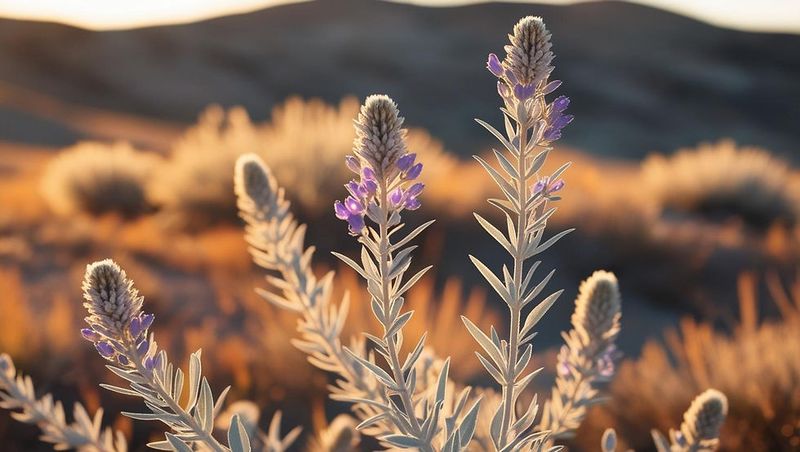
Lavender looks lovely, but in a lot of California yards it struggles once the long dry summer settles in and the water bill climbs. More and more homeowners are swapping it out for native plants that shrug off drought, feed local bees and birds, and still bring color and that soft, silvery look.
The best part is these plants ask for far less water and fuss once they settle in. Here are seven California natives that gardeners are planting instead, and why almost nobody wants to go back.
1. Cleveland Sage (Salvia clevelandii)
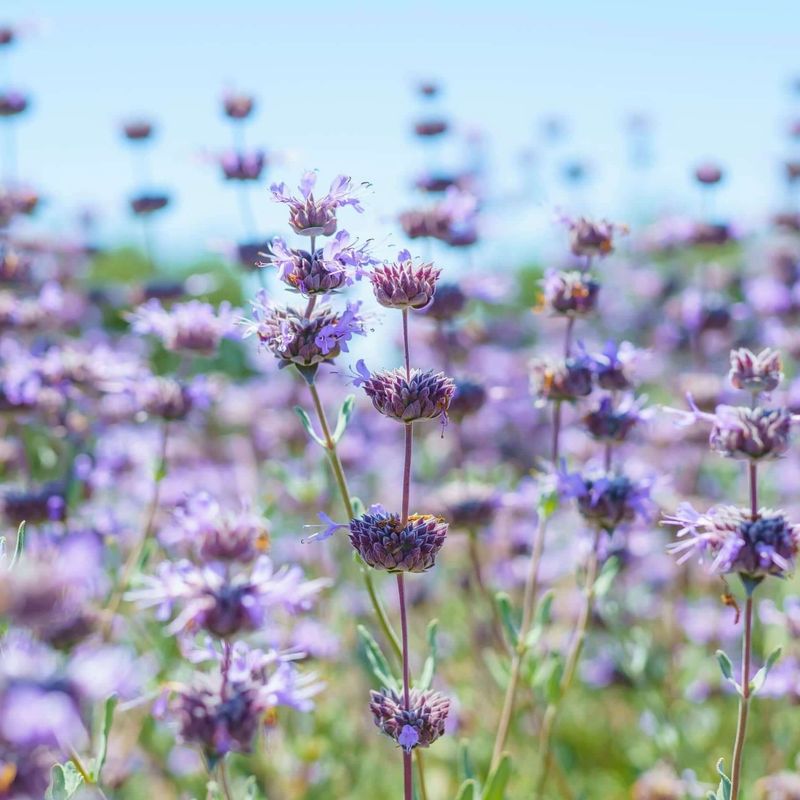
Rub a leaf of Cleveland sage between your fingers and you will understand the appeal right away. The scent is warm and almost minty, stronger than lavender, and it lingers on your hands all afternoon.
Native to the dry hills of Southern California, this shrub loves exactly the conditions that make lavender sulk. Blazing sun, rocky soil, and months without rain suit it perfectly, and it rewards you with whorls of purple-blue flowers stacked along tall stems.
Bees and hummingbirds treat it like a favorite diner from spring into summer. For coastal and inland valley gardeners who want that classic silvery, aromatic look without the constant watering, it is an easy trade.
2. California Lilac (Ceanothus)
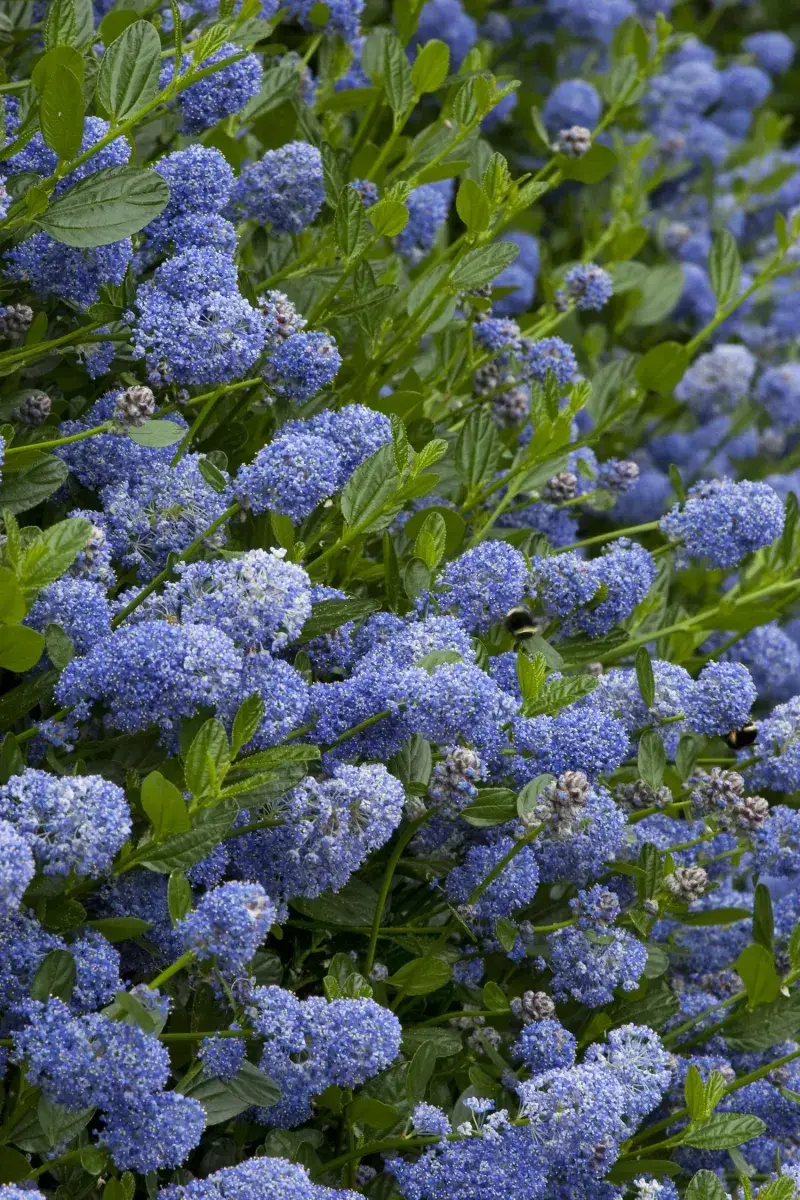
If it is the blue-purple color of lavender you love, Ceanothus delivers it by the armful. Come spring, the whole shrub disappears under a cloud of tiny flowers so blue that neighbors stop to ask what it is.
Different varieties range from low ground-hugging mats to tall screening shrubs, so there is a size for almost any spot. Once established, it wants almost no summer water, and too much can actually kill it, which makes it a dream for water-wise yards.
Native bees swarm it, and the dense growth gives small birds cover. Plant it where you would have lined up thirsty lavender along a border and enjoy a much bigger burst of blue.
3. White Sage (Salvia apiana)
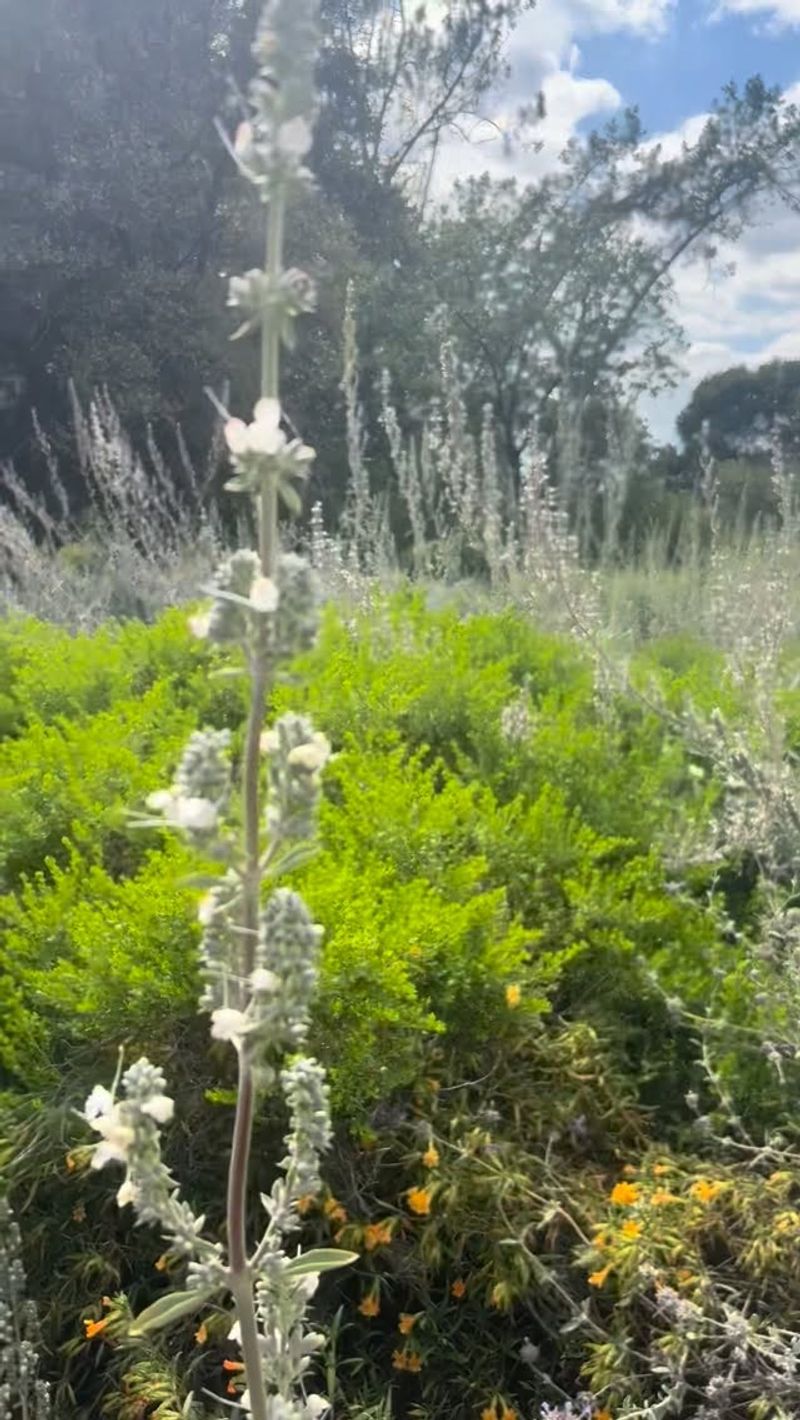
Few plants pull off silver the way white sage does. Its leaves are so pale and frosted that a mass planting almost glows at dusk, giving you that moonlit, silvery effect lavender lovers chase.
A true California native from the coastal sage scrub, it handles heat and drought like a champ and asks for practically nothing once its roots go deep. Tall spikes of white flowers rise up in late spring, buzzing with bees, which is where the species name apiana, meaning bee, comes from.
Give it excellent drainage and full sun and mostly leave it alone. Just harvest sparingly and buy nursery-grown plants, since wild populations are under pressure.
4. Hummingbird Sage (Salvia spathacea)
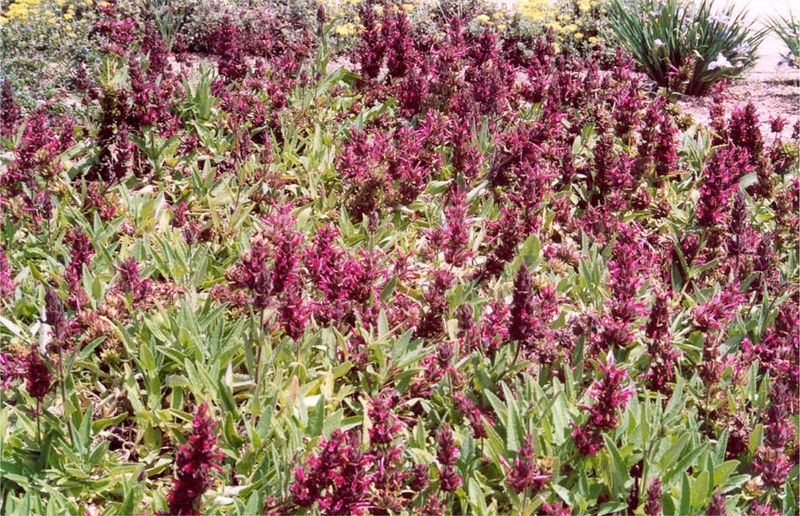
Here is the answer for that shady corner where lavender always flopped. Hummingbird sage actually prefers a little shade and the dry conditions under oaks, spreading into a lush green carpet where most plants sulk.
The flowers are the showstopper: thick spikes of deep magenta-pink that hummingbirds cannot resist, held above big fruit-scented leaves. Crush a leaf and you get a sweet, almost bubblegum smell that surprises everyone.
It spreads gently by underground runners, so one plant slowly fills a bed for you. For gardeners tired of watching lavender fry in part shade, this native turns a problem spot into a hummingbird magnet.
5. California Buckwheat (Eriogonum fasciculatum)
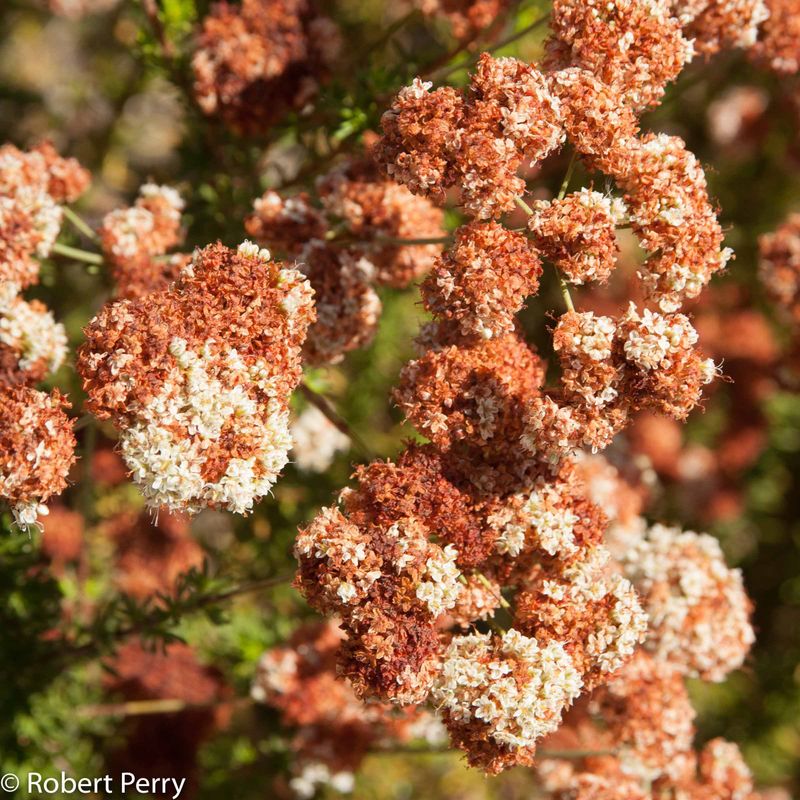
Ask any native-plant fan for the single best pollinator plant and California buckwheat comes up fast. Its flat-topped clusters of tiny cream and pink flowers feed an astonishing range of native bees and butterflies through the hottest part of summer.
The flowers age to a rich rusty brown that holds on the plant for months, giving you seasonal color long after most things have faded. Birds later pick through the seed heads, so the show keeps going into fall.
Tough, low, and fire-resilient, it is a favorite for defensible-space plantings on hillsides. Where lavender gives you a few weeks of bloom, buckwheat quietly works all season long.
6. Black Sage (Salvia mellifera)
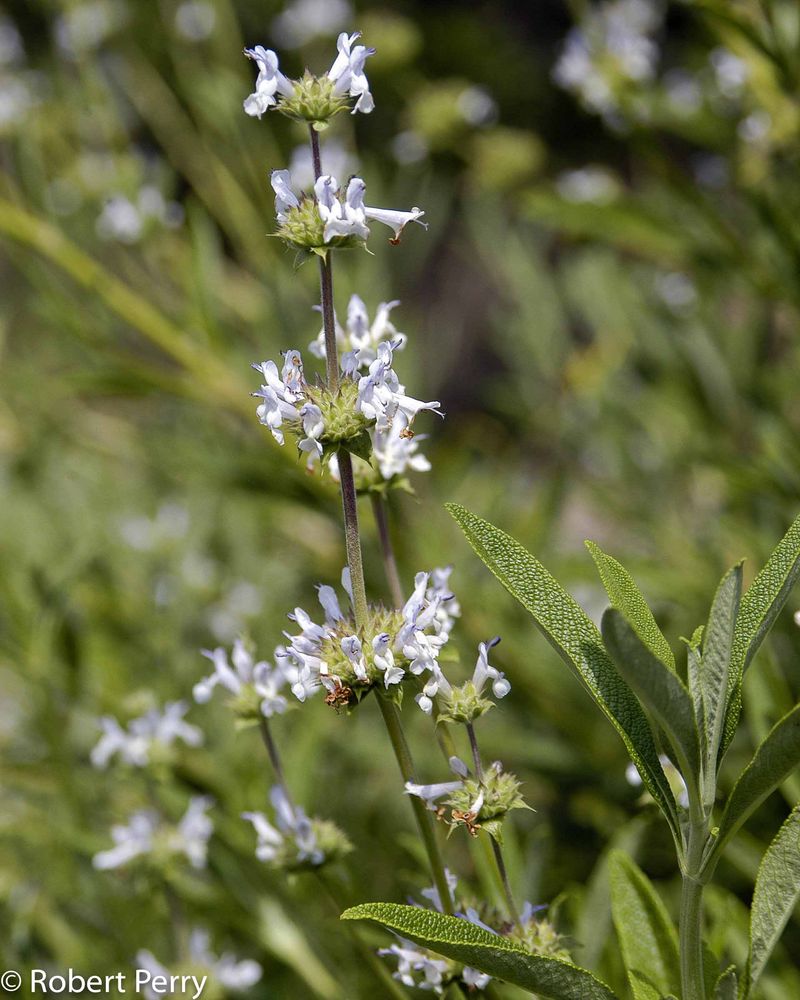
Walk through California coastal scrub on a warm day and the smell hanging in the air is often black sage. It is one of the most fragrant natives around, filling a yard with a resiny, herbal scent that rivals any lavender hedge.
Pale lilac to white flowers ring the stems in spring, and beekeepers prize the honey their bees make from it. The name mellifera even means honey-bearing.
It shapes up into a rounded, mounding shrub that takes hard pruning and drought without complaint. For anyone who loved lavender mostly for the fragrance and the bees, black sage checks both boxes while thriving on neglect.
7. Woolly Blue Curls (Trichostema lanatum)
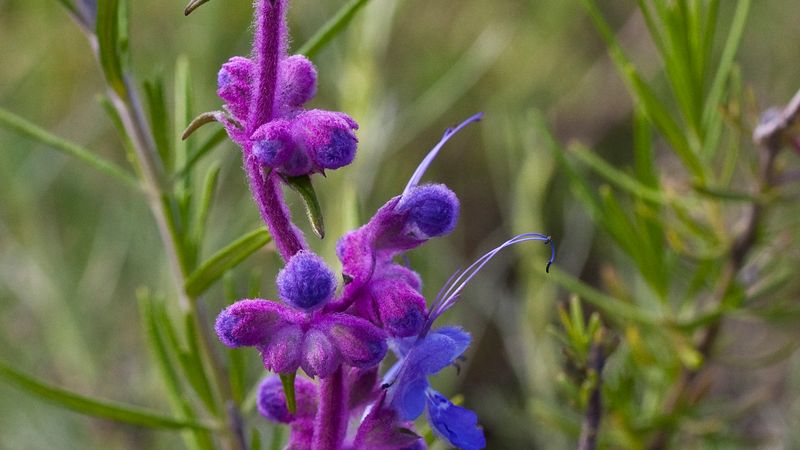
Save the strangest and most beautiful for last. Woolly blue curls looks almost unreal, with arching spikes covered in fuzzy violet-blue flowers wrapped in soft, wool-like fur that begs to be touched.
A chaparral native, it thrives in fast-draining, dry soil and full sun, blooming in flushes from spring well into summer. Hummingbirds adore the curled flowers, and the narrow leaves carry a piney, aromatic scent.
It can be a touch fussy about drainage, so plant it high and never overwater. Get the spot right and you will have a conversation-starting shrub that makes plain old lavender look ordinary, and you will wonder why you waited so long to switch.