
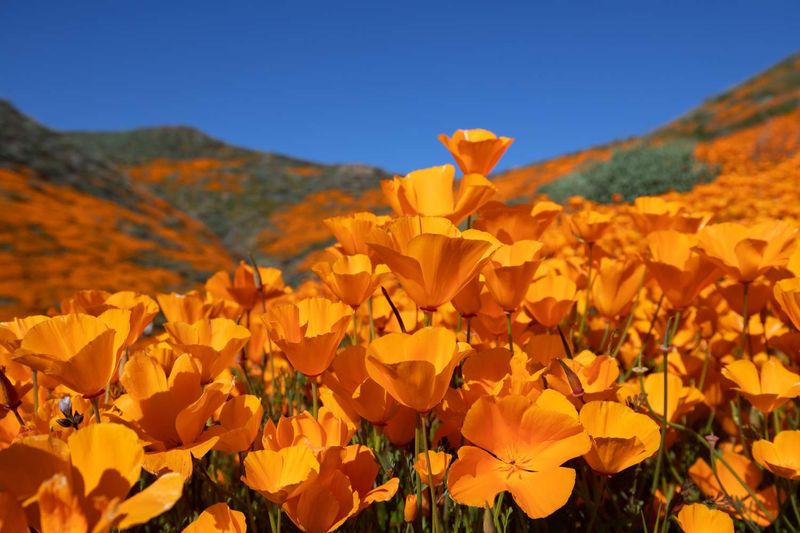
If you love hearing birds sing right outside your window, the plants in your yard matter more than any feeder ever will. Many California homeowners spend money on birdseed while ignoring the native plants that would feed and shelter birds for free, all year long.
The best part is that these plants are built for our dry summers and wet winters, so they save water and cut down on work. Here are ten quiet workhorses that keep birds coming back season after season.
1. Toyon (Heteromeles arbutifolia)
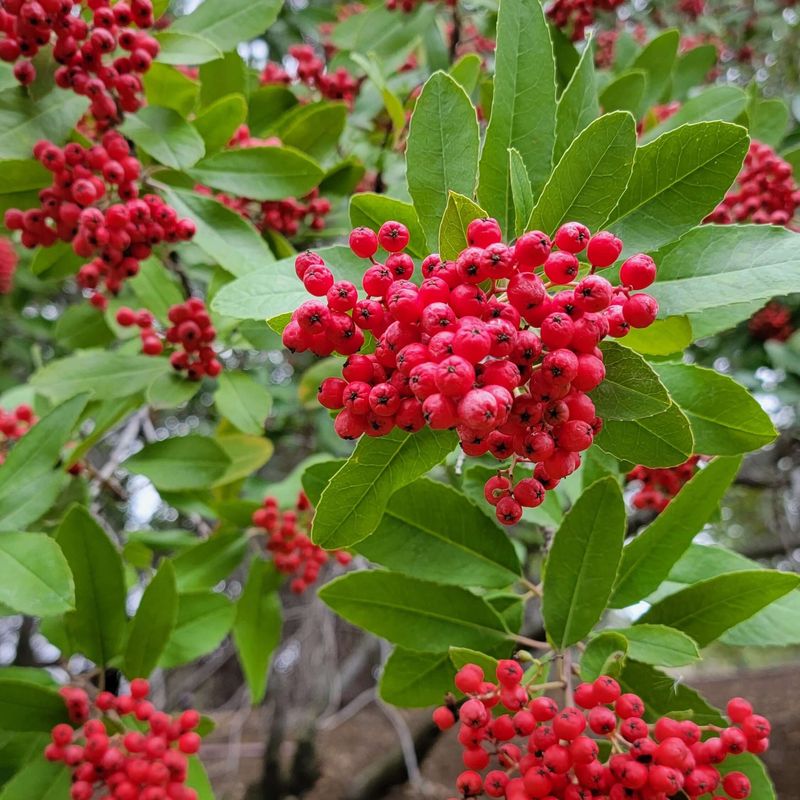
Old-timers called it the plant that gave Hollywood its name, and once you see a Toyon loaded with red berries in December, you understand why people notice it. The clusters of bright fruit hang on through winter, right when other food sources dry up.
Cedar waxwings, robins, and mockingbirds strip these berries during the coldest months. That makes Toyon one of the most reliable food plants you can grow for birds who stick around through the off-season.
It handles full sun, poor soil, and long dry stretches without complaint. Plant it as a screen along a fence line or let it grow into a small tree, and it will feed birds for decades with almost no help from you.
2. California Coffeeberry (Frangula californica)
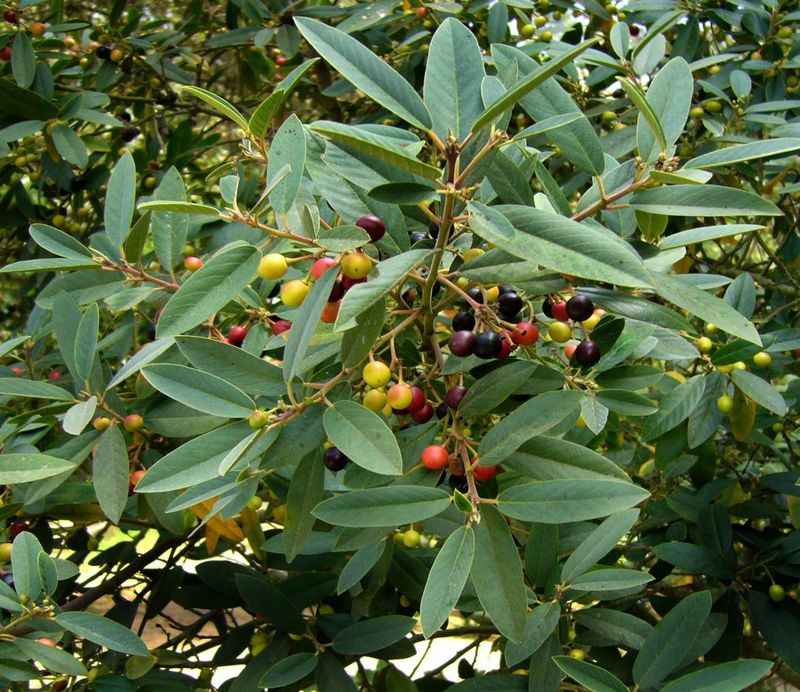
Watch a Coffeeberry bush in late summer and you will see berries in three colors at once, green ripening to red and finally to black. That staggered ripening is exactly why birds love it, because there is always something ready to eat over a long stretch.
Thrushes, robins, and even small warblers work these branches. The fruit feeds them through the tail end of summer into fall, filling a gap that many gardens miss entirely.
Coffeeberry shrugs off drought and grows happily in sun or part shade, staying tidy without much pruning. It is one of those calm, dependable plants that never demands attention but quietly earns its keep.
3. Coast Live Oak (Quercus agrifolia)
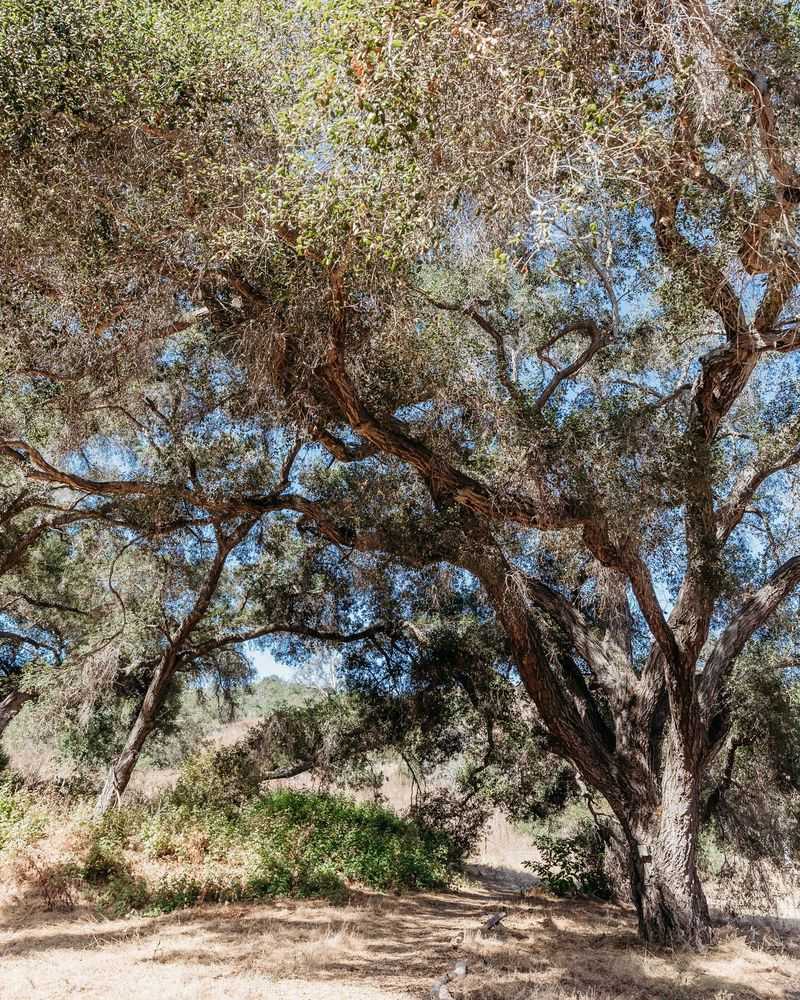
Nothing else on this list supports more birds than a single oak tree. Scientists who study native plants often point to oaks as the champion, because they host hundreds of caterpillar species that birds rely on to feed their chicks.
Acorn woodpeckers, scrub jays, oak titmice, and dozens of songbirds all depend on the acorns and insects a Coast Live Oak produces. A mature oak is basically a bird apartment building, packed with food and nesting spots.
Yes, it takes patience and room to grow, but it is the single best long-term gift you can give the birds in your area. If you have space, plant one and let future generations of birds thank you.
4. California Fuchsia (Epilobium canum)
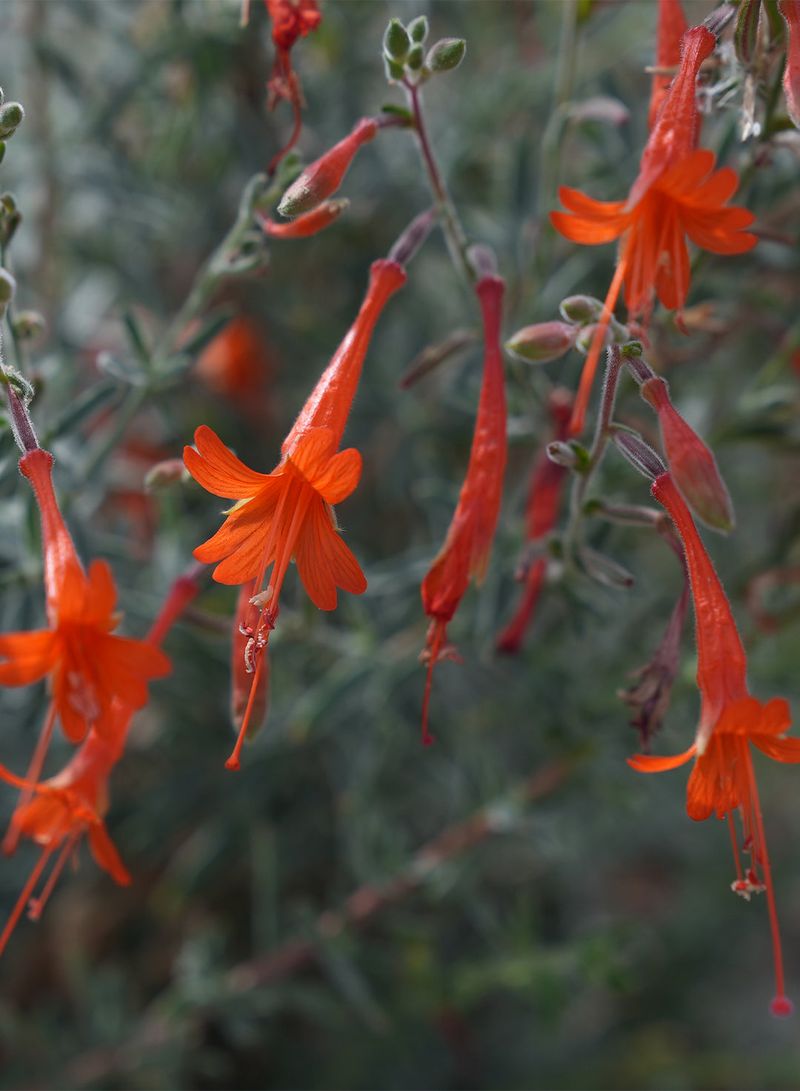
Just when your summer garden starts looking tired, California Fuchsia bursts into fiery red-orange blooms. The timing is no accident for the birds, because it flowers late when little else is offering nectar.
Hummingbirds are its main customers, and they will defend a healthy patch like it is treasure. Anna’s hummingbirds especially rely on these tubular flowers to fuel up before the leaner months.
It spreads into a low, tough groundcover that laughs at drought and dry hillsides. Give it sun and a little room to roam, and you will have buzzing hummingbird activity right through fall.
5. Blue Elderberry (Sambucus nigra ssp. caerulea)
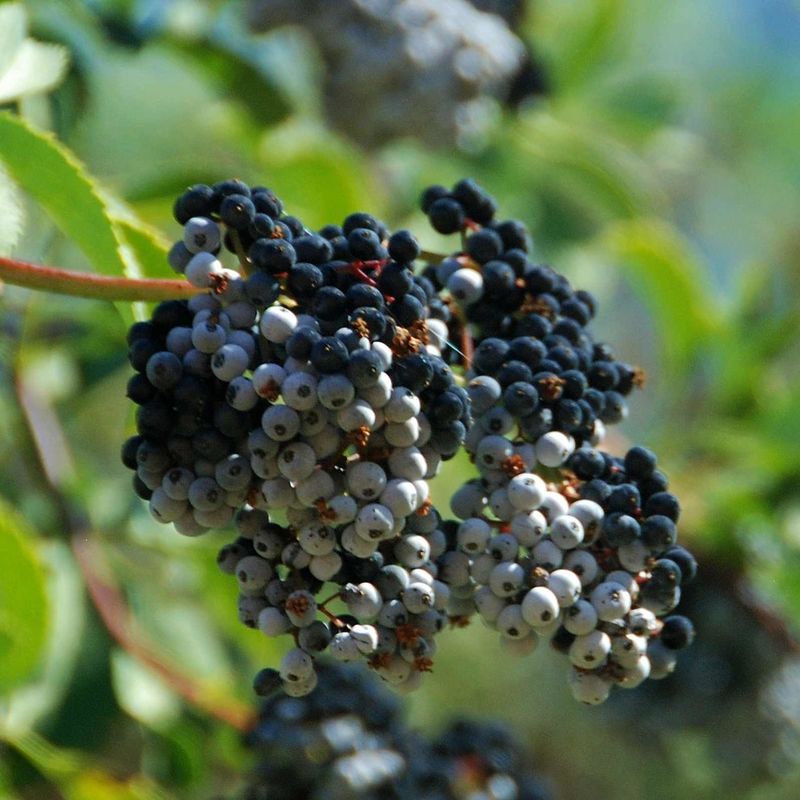
Come midsummer, a Blue Elderberry looks like it dusted its berries with powdered sugar, thanks to the pale blue coating on the fruit. Birds spot those clusters from a distance and arrive in noisy groups.
Western bluebirds, orioles, grosbeaks, and finches all feast here. The flowers earlier in the season also draw insects, which in turn feed even more birds, so the plant works double duty.
It grows fast, tolerates a range of soils, and can be cut back hard if it gets too big. For a plant that fills quickly and feeds broadly, few natives match it.
6. Manzanita (Arctostaphylos species)
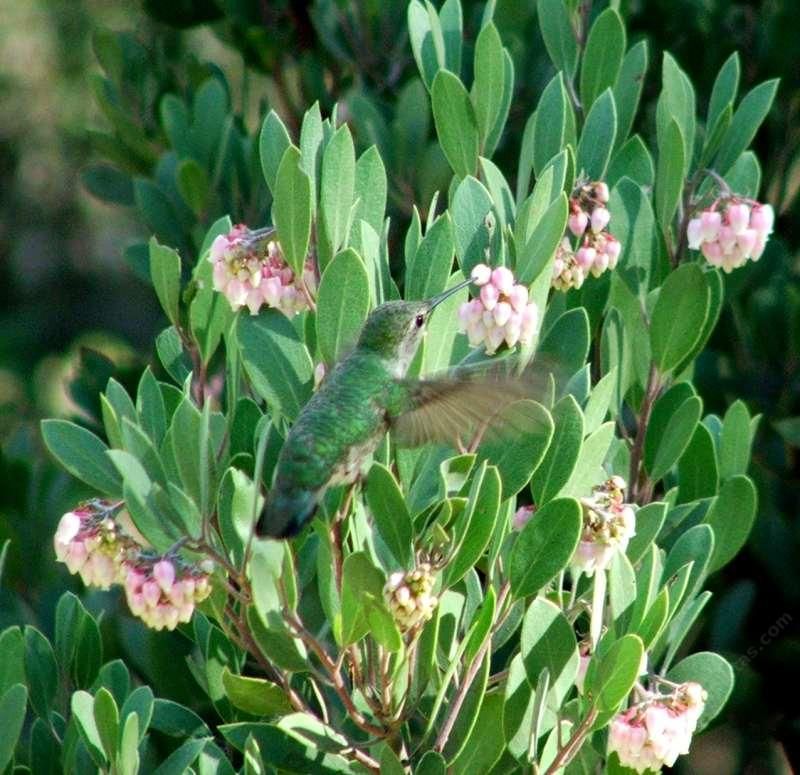
With smooth mahogany bark and twisting branches, Manzanita earns its spot on looks alone, but the birds care about its timing. It blooms in the dead of winter, when hummingbirds desperately need fuel.
Those little pink urn-shaped flowers keep Anna’s hummingbirds going through the coldest weeks. Later, the small berries feed mockingbirds, thrushes, and other fruit-eaters.
Manzanita is famously drought-tolerant and thrives on the poor, fast-draining soils common on California hillsides. Just plant it where it gets good drainage, avoid overwatering, and let its sculptural shape do the rest.
7. Ceanothus (California Lilac)
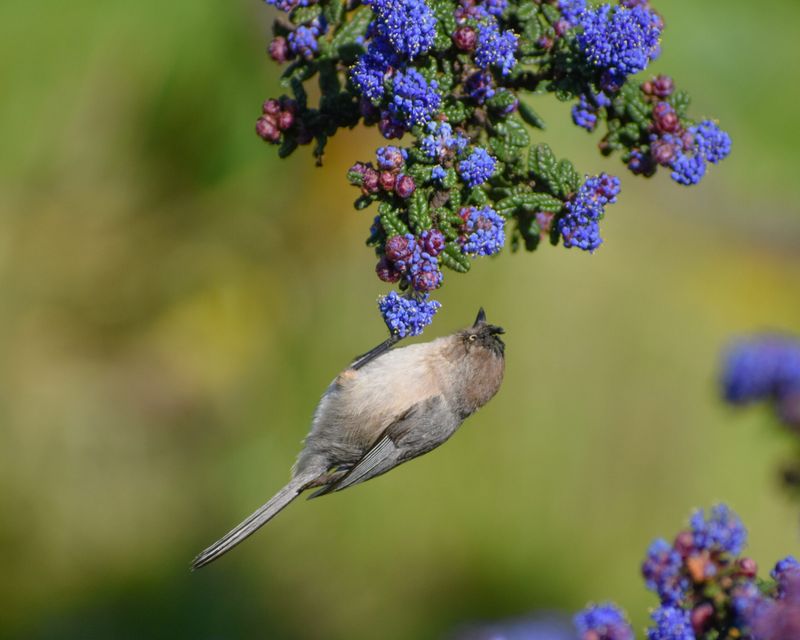
In spring, a Ceanothus explodes into clouds of blue so thick the whole shrub seems to hum. That hum is the sound of pollinators, and where insects gather, insect-eating birds follow.
Warblers, bushtits, and other small birds glean bugs from its dense foliage all season long. The plant also offers thick cover where birds can hide from hawks and cats.
Ceanothus wants almost no summer water once established, making it a favorite for water-wise yards. It comes in low groundcovers and tall shrubs, so there is a form for nearly any spot in a sunny garden.
8. California Wild Rose (Rosa californica)
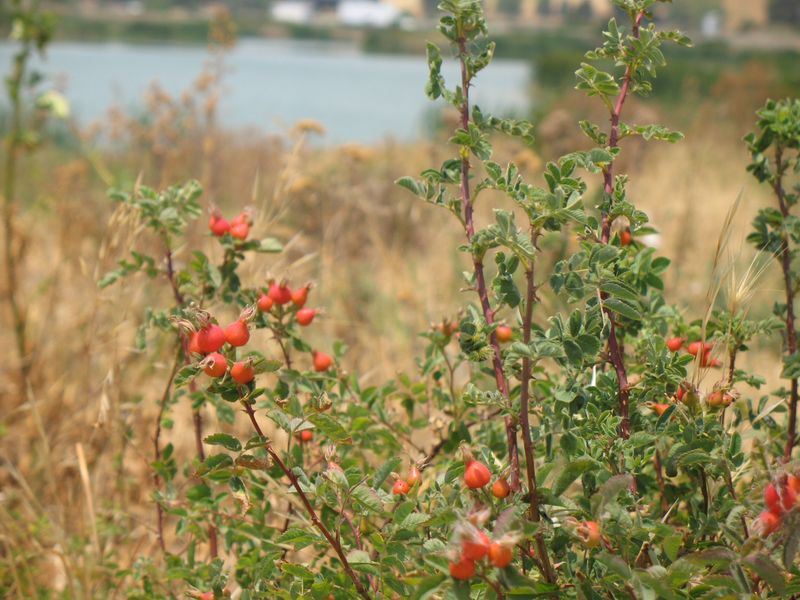
Do not overlook this thorny tangle just because it is not a fancy hybrid rose. Its thicket of prickly stems is exactly what small birds want, a safe fortress where cats and hawks cannot follow.
Sparrows and wrens nest deep inside the thorns, raising their young in relative safety. In fall and winter, the bright red rose hips become food for finches and other seed and fruit eaters.
It spreads to fill a hedge or bank and asks for very little water once settled in. Plant it along a back fence where a little wildness is welcome, and it becomes a bird nursery.
9. Deergrass (Muhlenbergia rigens)
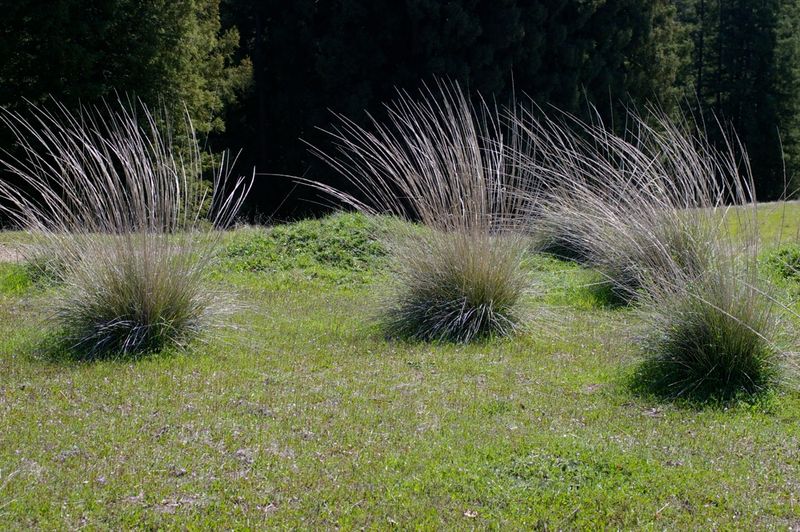
Most people plant Deergrass for its graceful fountain shape, not realizing they just set a bird buffet in the ground. The tall seed stalks that rise above the clump are a magnet for seed-eating birds.
Sparrows, juncos, and finches perch on the stems and pick the seeds clean through fall and winter. The dense base also gives ground-feeding birds a place to shelter and forage.
As a native bunchgrass, it needs almost no water and stays neat with a single cutback each year. It makes a fine lawn alternative that quietly does far more for wildlife than turf ever could.
10. California Buckwheat (Eriogonum fasciculatum)
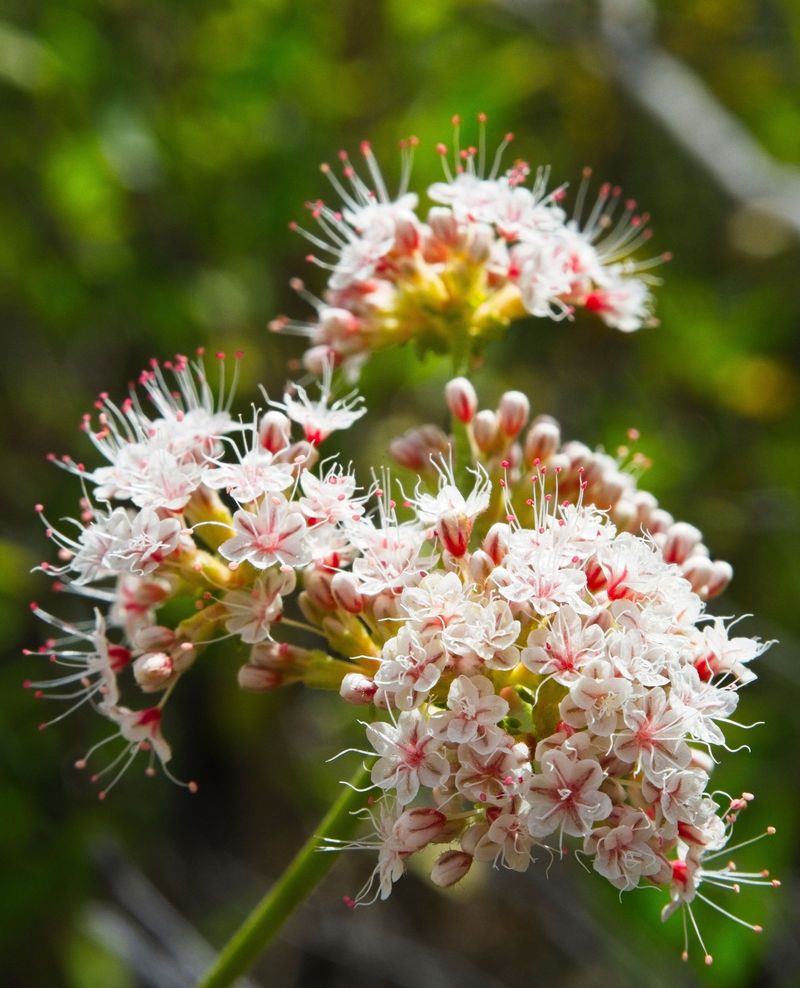
Ask any California native-plant lover for a plant that feeds wildlife all year, and buckwheat almost always comes up first. Its flat flower clusters bloom in creamy white, then age to a rusty red that lingers for months.
Bees and butterflies swarm the flowers, and the insects they attract feed warblers and other small birds. Once the blooms dry, the seeds keep finches and sparrows fed deep into winter.
Buckwheat thrives in the toughest, driest, rockiest spots where little else survives. It is fire-smart, water-wise, and one of the hardest-working natives you can add to a California yard.
If you plant only one thing from this list for year-round bird support, this humble shrub deserves serious consideration.