
California yards do better when new plants get a head start before the long dry stretch of summer. Putting native plants in the ground now gives roots time to spread while the soil is still cooler and moisture is easier to manage.
That usually means stronger plants, less stress, and fewer watering worries later. If you want a yard that looks good, supports wildlife, and uses water wisely, these are smart picks to start with.
1. California Lilac
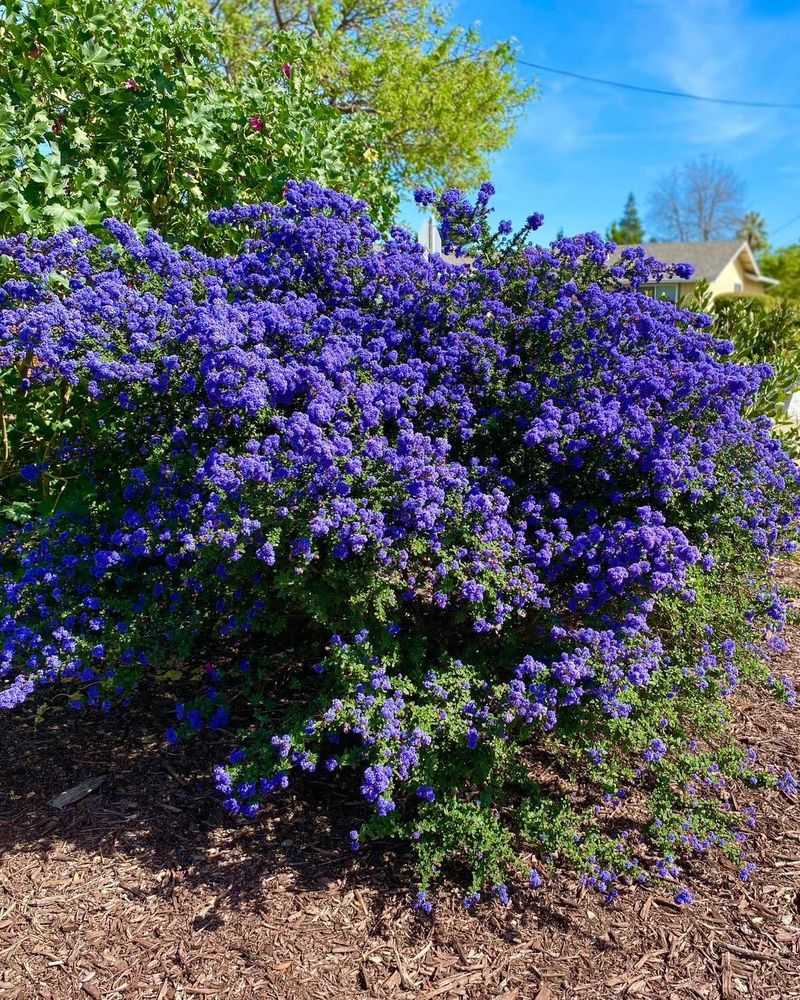
Nothing wakes up a California yard faster than a burst of electric blue, and California lilac brings exactly that kind of energy. Planted now, it has time to settle its roots into cool soil before summer heat asks too much of it.
That timing matters because many ceanothus shrubs prefer good drainage and steady establishment over constant fuss.
One reason this plant earns its place on the list is its spring show. The flowers pull in native bees and other pollinators at a moment when many homeowners want the yard to feel alive again after winter.
Depending on the variety, you can use it as a low mounding groundcover, a tidy shrub near a walkway, or a larger backdrop plant for a dry border.
Pick a sunny spot and resist the urge to overwater once it is established. California lilac usually performs best when the soil drains well and the roots are not kept soggy.
For homeowners trying to replace thirsty ornamentals with something local, colorful, and genuinely useful to wildlife, this one gives a lot back without asking for pampered treatment.
2. Cleveland Sage
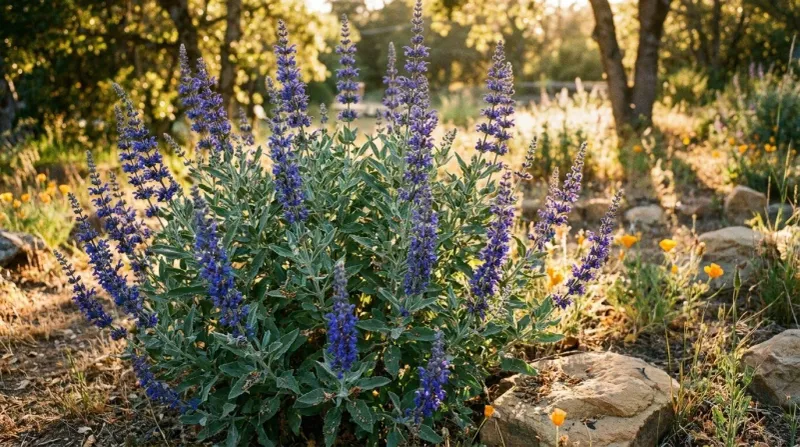
One brush past the leaves is enough to remember Cleveland sage. Its fragrance is rich, clean, and unmistakably suited to hot California afternoons, which makes it more than just another purple-blooming shrub.
Getting it in the ground before summer lets the root system expand while the weather is still forgiving.
Unlike natives grown mostly for subtle texture, Cleveland sage makes a bold sensory statement. The soft gray-green foliage stands out even when the plant is not blooming, and the flower spikes draw hummingbirds, bees, and admiring neighbors when spring turns warm.
In a front yard bed, along a driveway, or on a dry slope, it gives structure without looking stiff.
Give it sun, air flow, and decent drainage, and do not crowd it with thirstier plants that need frequent irrigation. That is where many gardeners accidentally make life harder for California sages.
Used the right way, Cleveland sage can help create the kind of low-water planting that still feels full, fragrant, and very much rooted in place.
3. Manzanita
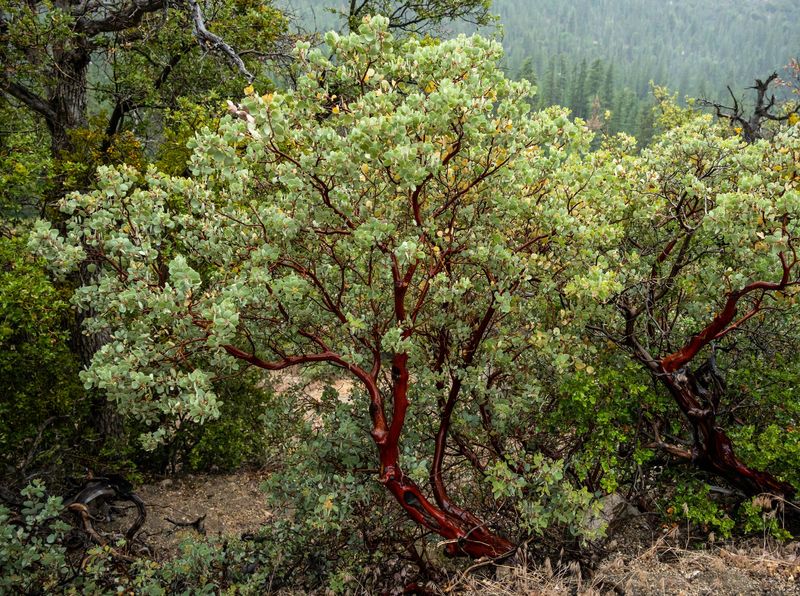
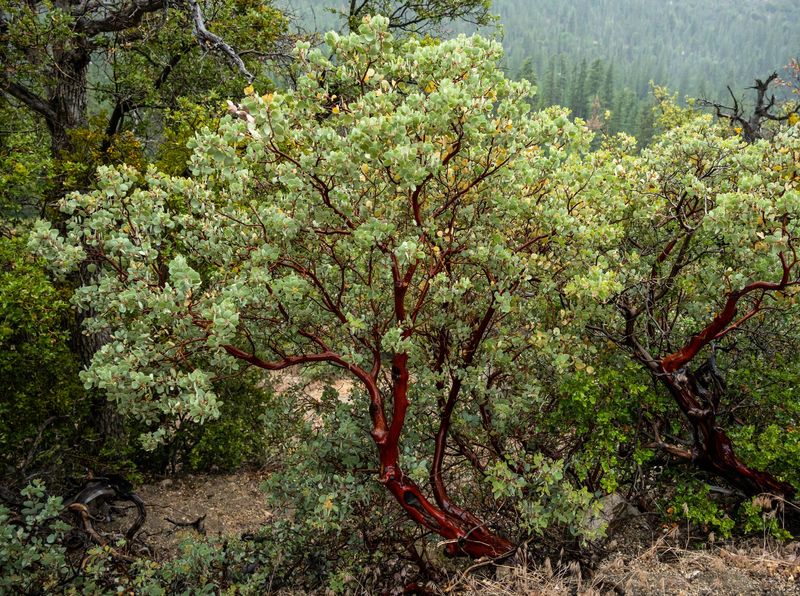
Few native shrubs look as sculptural as manzanita, even when they are young. The smooth reddish bark and twisting branches give the plant a year-round presence that feels almost like living garden art.
Planting it now improves the odds that it can settle in before the hottest, driest months arrive.
What makes manzanita different from several others on this list is its four-season appeal. Winter and early spring flowers feed pollinators, berries can support birds, and the branching habit keeps the plant interesting long after bloom season passes.
Homeowners who want a native foundation plant with real personality often find that manzanita does more visual work than flashier flowers.
The main caution is simple. Start with the right variety for your local conditions, because California has coastal, inland, mountain, and foothill climates that do not all play by the same rules.
Manzanitas generally prefer excellent drainage and less summer water once established, so placing them with other low-water natives can help them thrive instead of merely survive.
4. Monkeyflower
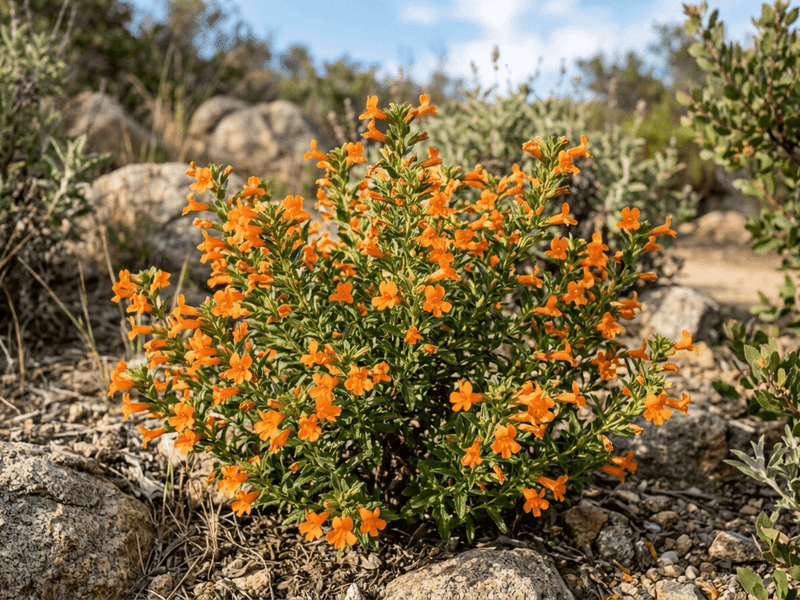
Bright color can be hard to find in water-wise plant lists, which is why monkeyflower feels like such a welcome surprise. Its blooms can show up in shades of orange, yellow, red, and soft apricot, giving native gardens a cheerful look without leaning on thirsty annuals.
Putting it in the ground now gives the roots a better chance to anchor before summer dries things out.
Here is where monkeyflower really stands apart. It brings a looser, more playful style than the woody shrubs that dominate many native plantings.
Hummingbirds love the tubular flowers, and the plant fits beautifully along pathways, on slopes, or in mixed borders where you want repeated color and a softer shape.
Many gardeners have success when they treat it as a sun-loving, well-drained shrub that does not want constant pampering. A bit of moisture during establishment helps, but overwatering later can shorten its life.
If your yard needs a native plant that looks lively, supports pollinators, and softens a dry landscape design, monkeyflower earns its space quickly.
5. Coffeeberry
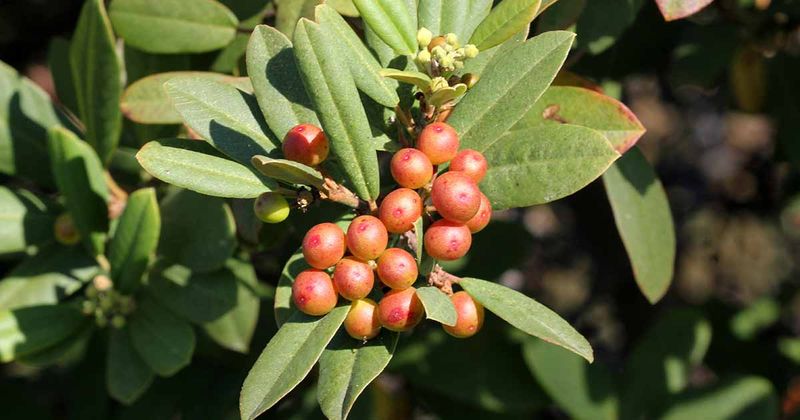
Evergreen backbone is what many home gardens are missing, and coffeeberry supplies it without looking heavy or old-fashioned. The leaves stay attractive through the year, which helps beds look intentional even in late summer when some plants are resting.
Set it out now, and the plant can focus on root growth before heat and drought become the main story.
Another strength is flexibility. Coffeeberry works in more everyday yard situations than some pickier natives, handling sun or part shade depending on the variety and local climate.
As berries develop, birds get a useful food source, and homeowners get a shrub that quietly ties the whole planting together.
For curb appeal, this is one of those plants that does not need flashy flowers to be worth growing. It can act as a screen, an anchor in a mixed border, or a softer alternative to more formal evergreen hedges.
Gardeners who want a dependable native that supports wildlife and still reads as neat and landscape-ready often end up relying on coffeeberry more than they expected.
6. Toyon
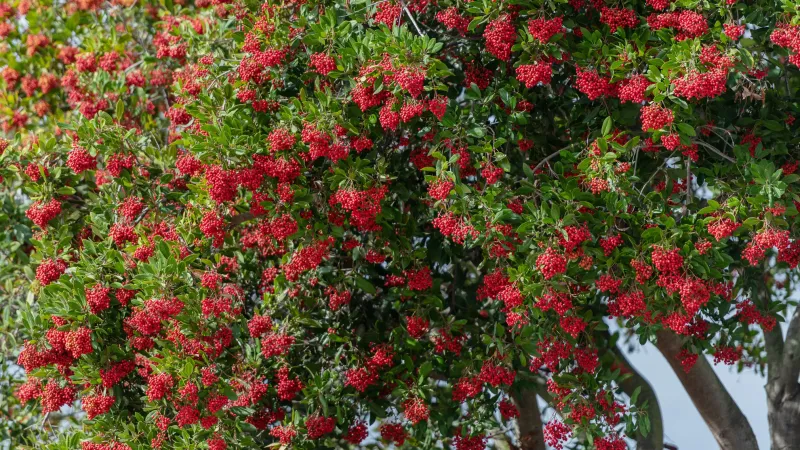
Some plants earn their keep in more than one season, and toyon is one of the best examples. It offers white flower clusters, handsome evergreen foliage, and later those famous red berries that light up the yard and feed birds.
Planting before summer gives this large native shrub the longest runway to establish before dry weather asks it to fend for itself.
What sets toyon apart is scale and presence. If you need a native that can hold a corner, frame a property line, or become a small tree with age, this one has that kind of confidence.
It also connects a suburban yard to California habitat in a very visible way, which matters for homeowners trying to make wildlife-friendly choices that still look polished.
Because toyon can get sizeable, placement is everything. Leave room for mature growth and avoid treating it like a tiny foundation shrub that will stay compact forever.
In the right spot, it becomes one of those native plants that looks better year after year, asking for patience at first and paying it back with structure, habitat value, and a strong sense of place.
7. California Fuchsia
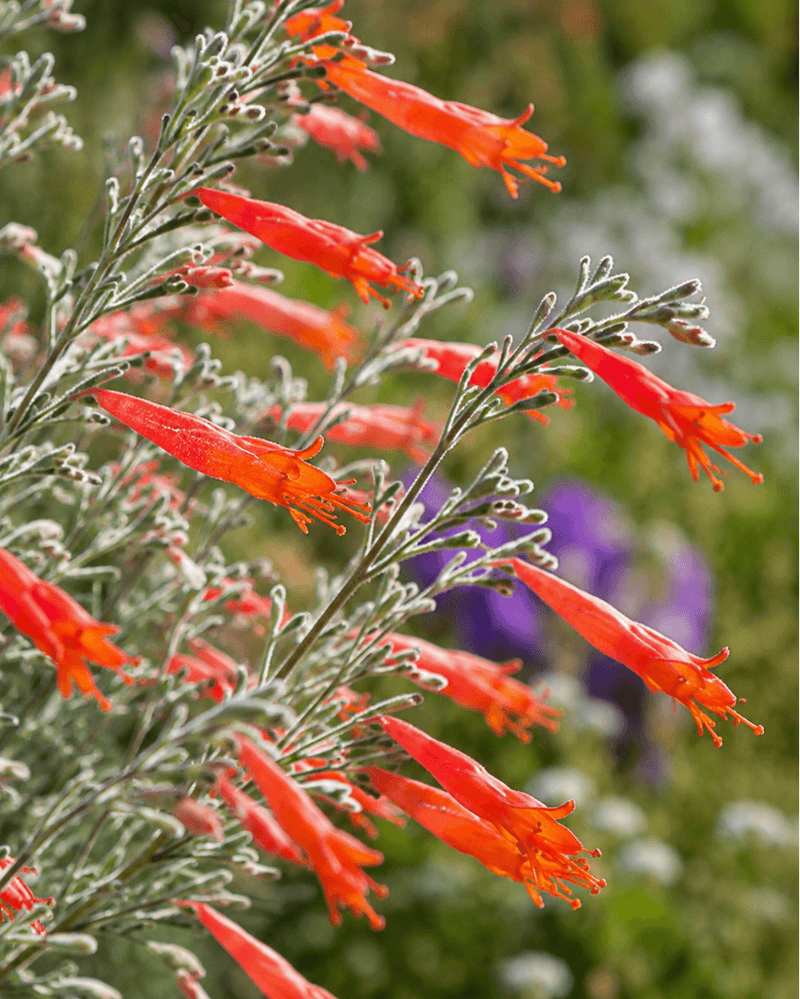
Late-summer color is precious in California, and California fuchsia knows how to own that moment. While many plants look tired by the hottest part of the year, this native often steps forward with fiery red flowers that hummingbirds notice right away.
Planting it now helps build the root system that supports that performance later.
Compared with larger shrubs, California fuchsia works more like a weaving accent through a dry garden. It can spill over a wall, brighten a sunny border, or fill spaces between sturdier structural plants.
The gray-green foliage also helps it blend beautifully with other native favorites instead of clashing with them.
Do not be surprised if it looks modest early on. Much of its value comes from timing, because it shines when many other plants are fading.
For homeowners trying to keep a native yard colorful without turning up the irrigation, California fuchsia is a smart answer that rewards a little patience with one of the best warm-season bloom displays in the state.
8. Yarrow
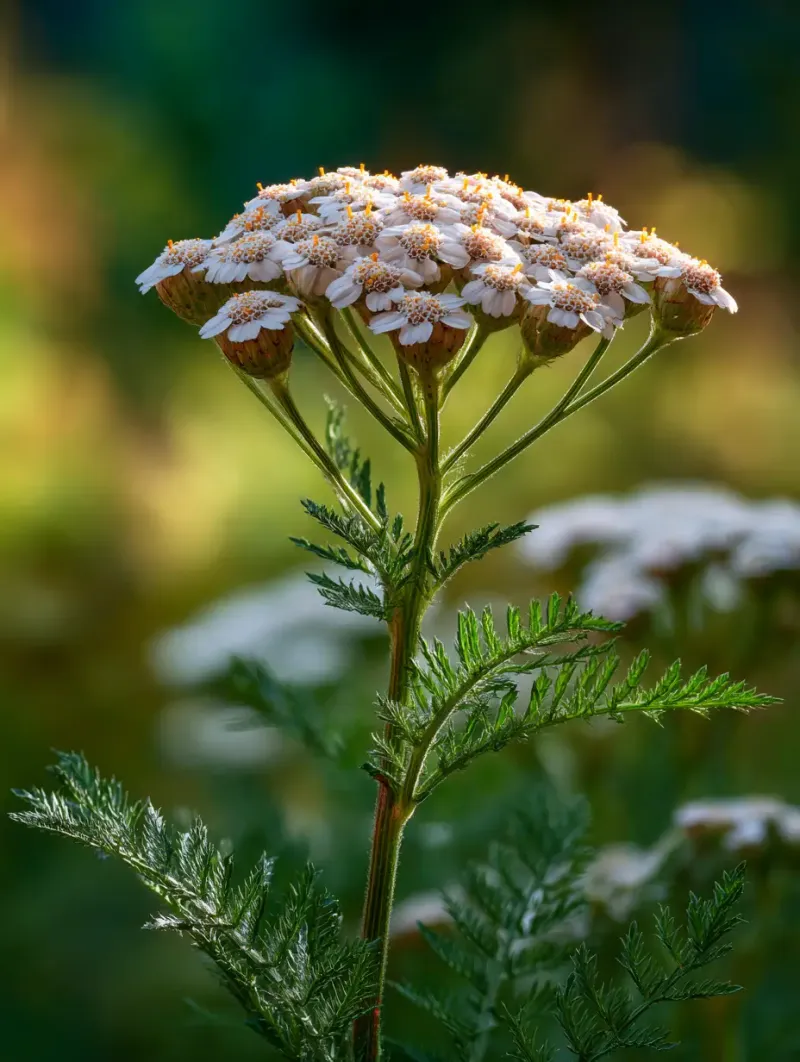
Gardeners who like plants that multitask usually warm up to yarrow fast. Its ferny foliage adds texture close to the ground, the flat flower clusters welcome pollinators, and the plant can bridge the look between wild and tidy with very little effort.
Getting it planted before summer gives it a chance to root in and spread more evenly.
Yarrow earns a spot here because it solves design problems. It can edge a path, soften a rock garden, fill open spaces in a sunny border, or tie together shrubs that might otherwise feel too stiff or widely spaced.
Native forms and California-friendly selections fit especially well in water-wise landscapes where you want resilience without a bare, sparse look.
There is also a practical side many homeowners appreciate. Once established, yarrow can be a lower-water choice than many traditional bedding plants, and it often handles heat better than people expect.
If your yard needs a hardworking native that supports beneficial insects and makes planting beds look fuller without becoming a diva, yarrow is an easy plant to root for.
9. Woolly Blue Curls
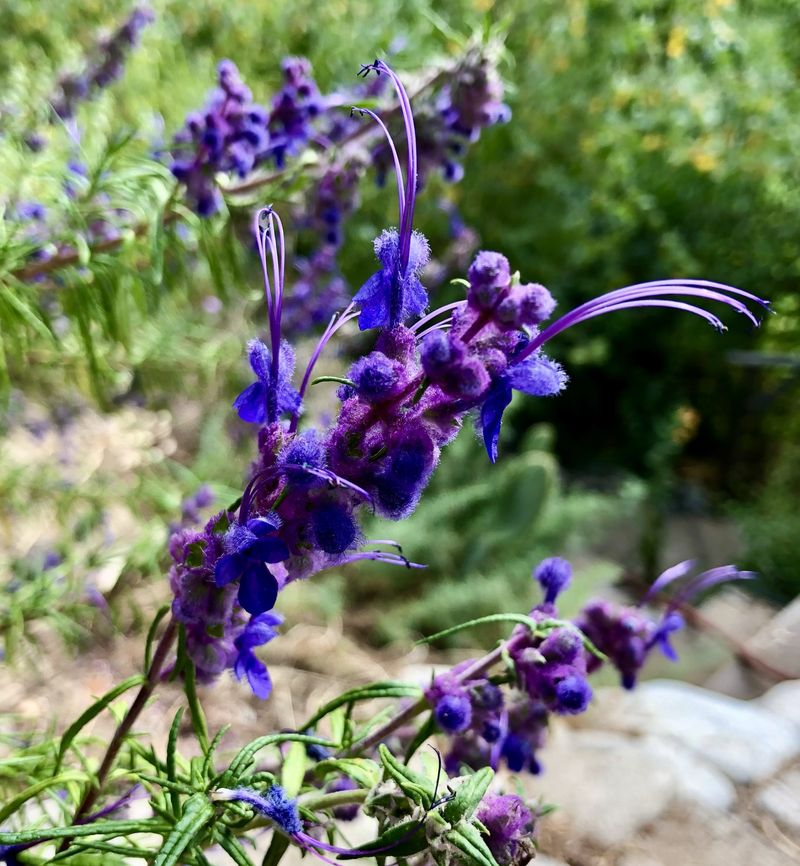
There is nothing shy about woolly blue curls. The fuzzy purple-blue flowers look almost theatrical, and the plant has a silvery cast that catches light in a way many shrubs do not.
Plant it before summer, and you give this attention-grabbing native a calmer season to establish before real heat settles in.
Among California natives, woolly blue curls stands out for drama. It is the kind of plant that makes visitors stop and ask what they are looking at, yet it still belongs naturally in a drought-aware garden.
Bees are especially drawn to the flowers, so it is a strong choice for homeowners who want their plantings to feel busy with life instead of decorative only from a distance.
Success usually comes down to restraint and siting. Full sun, sharp drainage, and a low-water approach after establishment tend to suit it much better than rich soil and frequent irrigation.
For a dry slope, a hot border, or a pollinator patch that needs one true conversation starter, woolly blue curls brings uncommon style without leaving the California native palette.
10. Deer Grass
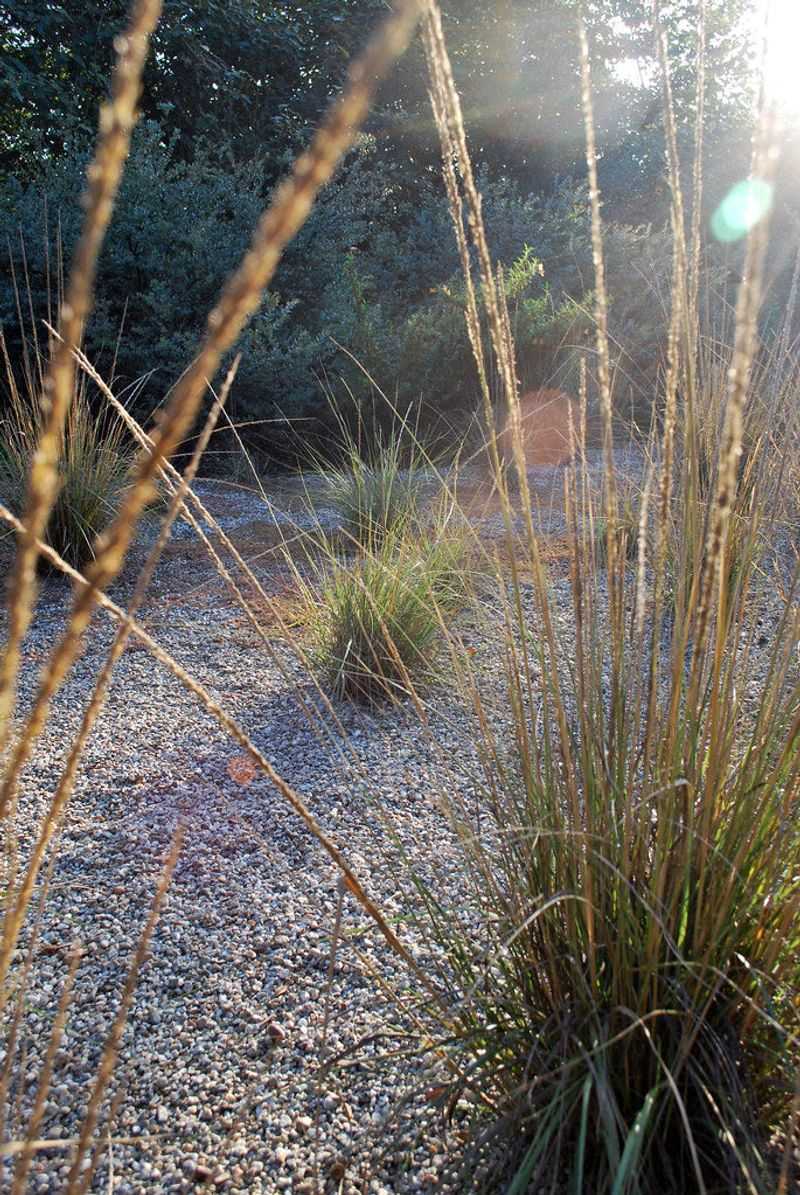
Movement changes a garden, and deer grass is one of the best natives for adding it. Even a light breeze can set the arching blades and tall flower stems swaying, which keeps a water-wise yard from feeling stiff or overdesigned.
Planting now allows the root mass to establish while temperatures are milder and soil moisture is easier to manage.
Unlike many flowering natives that peak for a season, deer grass contributes shape for much of the year. It works as a repeated accent in a front-yard design, a soft screen near a patio, or a slope stabilizer where deep roots are useful.
Birds and beneficial insects can also make use of the cover and seed, adding another layer of value beyond looks alone.
One of its biggest strengths is that it pairs well with almost everything else on this list. Shrubs get a softer base, blooming perennials gain contrast, and open beds look finished instead of empty.
If your goal is a California native landscape that feels grounded, durable, and easier to maintain through long dry summers, deer grass is a smart plant to put in the ground now.