
That oleander hedge along your fence may look tough, but it offers almost nothing to native wildlife, and every part of it is toxic. Meanwhile, Anna’s hummingbirds stay in much of California all year and need flowers during the cold, wet months when many gardens go quiet.
Swapping oleander for the right native shrubs can give you a dense screen, use less water once established, and turn your yard into a winter food stop. Here are seven shrubs that can do the job, each with its own strengths.
1. Manzanita (Arctostaphylos)
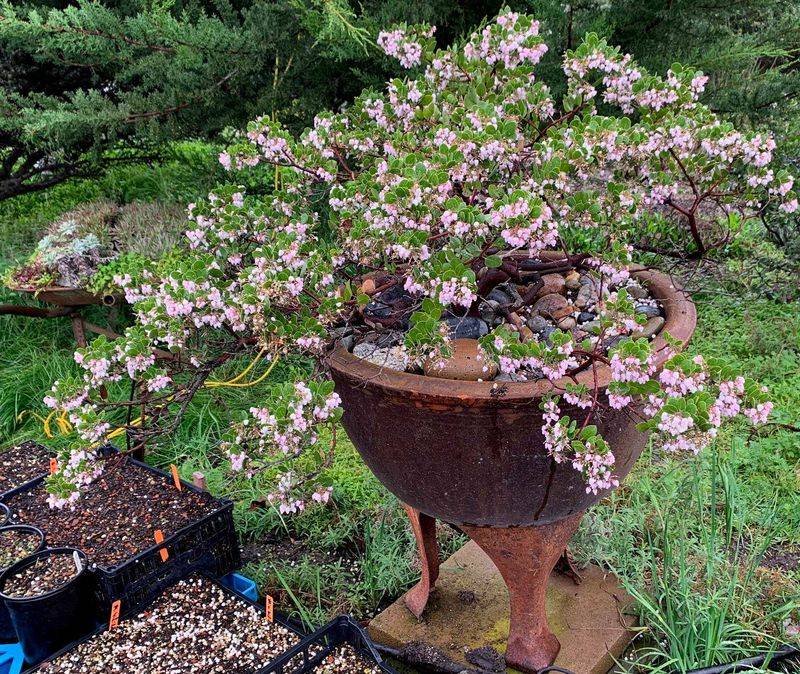
Picture a hummingbird zipping between tiny pink bells in January while the rest of the street looks gray. That scene plays out every winter around manzanita, one of the earliest bloomers in the California landscape.
Many species flower from December into March, right when Anna’s hummingbirds are nesting.
For hedge duty, look at taller kinds like ‘Howard McMinn’, ‘Sunset’, or Arctostaphylos densiflora selections, which can reach 5 to 8 feet. The twisting mahogany bark adds year-round beauty that oleander never had.
Manzanita does best with good drainage and little to no summer water once established. Overwatering in summer is the most common way homeowners lose them, so plant on a slope or mound if your soil is heavy clay.
2. Toyon (Heteromeles arbutifolia)
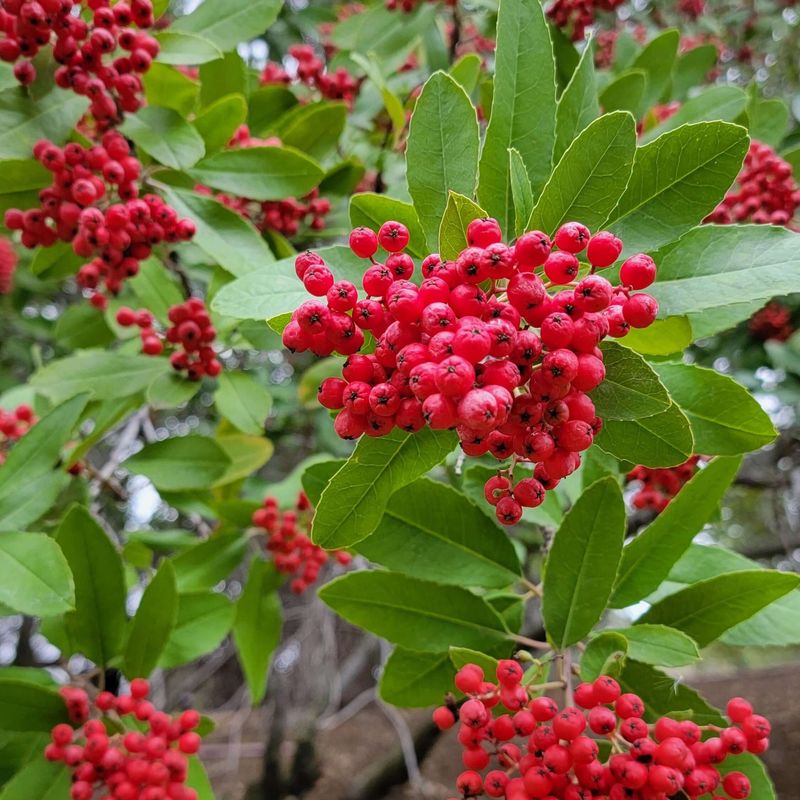
Hollywood was reportedly named for this shrub, sometimes called California holly. Toyon is the closest thing to a true oleander replacement, growing 8 to 15 feet tall with thick, evergreen leaves that block views well.
Its summer flowers feed bees, and its bright red berries ripen in late fall. Those berries draw robins, cedar waxwings, and mockingbirds, while the insects they attract can help feed hummingbirds too, since hummers eat small bugs for protein.
Toyon handles clay, sun, partial shade, and drought. It can also be pruned into a formal hedge if you like a tidy look.
3. Island Bush Snapdragon (Gambelia speciosa)
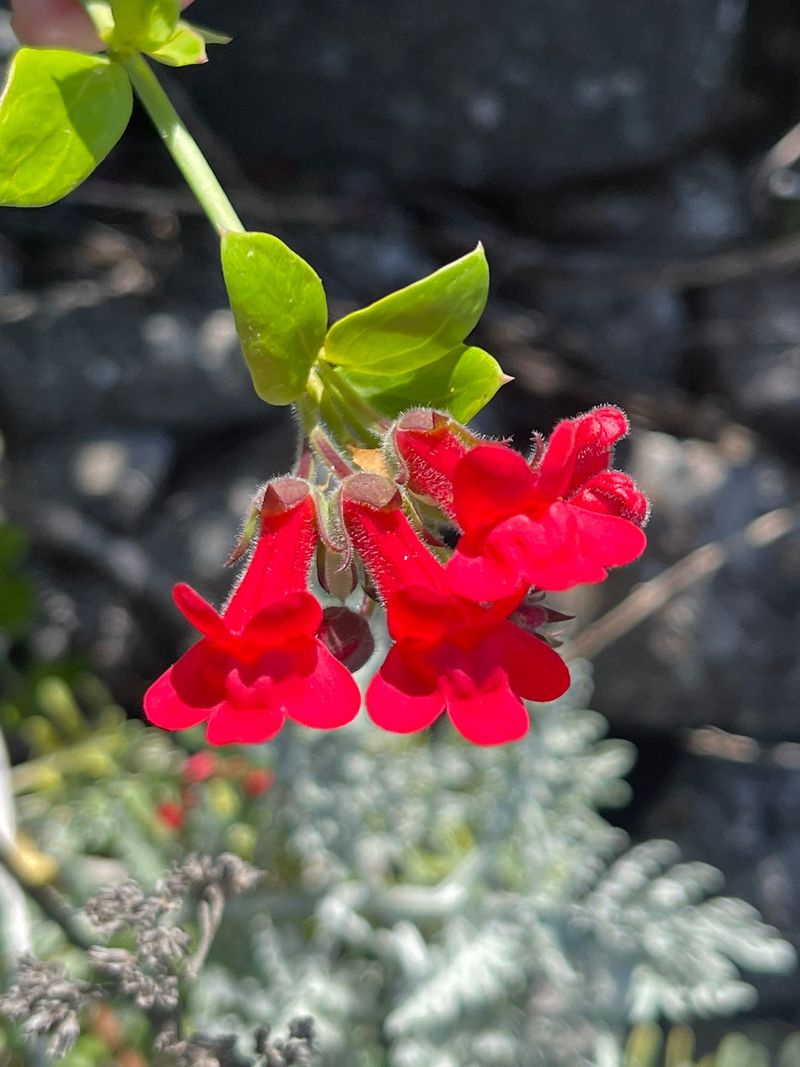
Hummingbird gardeners sometimes call this one a feeder you never have to refill. Native to the Channel Islands and Baja, island bush snapdragon pushes out bright red tubular flowers for long stretches, often including winter in mild coastal areas.
It stays smaller, around 3 to 4 feet, so think of it as a front layer in front of taller hedge plants. That mix can give you height in back and nonstop nectar up front.
Give it sun to light shade and occasional summer water. It may struggle in hard inland frosts, so it fits coastal and mild valley yards best.
4. Chaparral Currant (Ribes malvaceum)
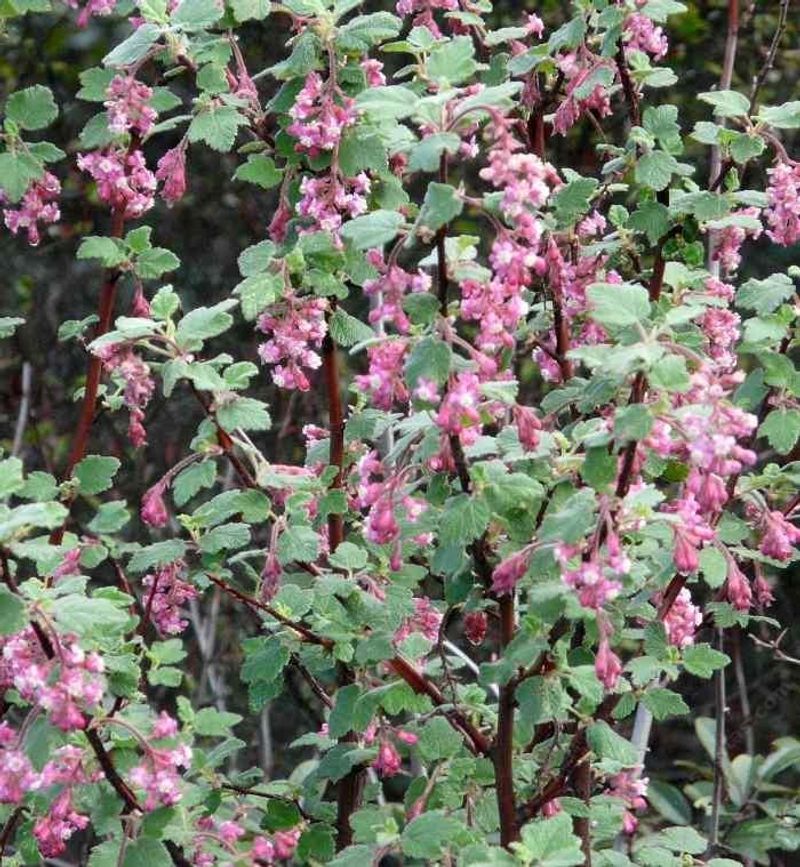
Some plants wait for spring. Chaparral currant wakes up with the first winter rains, leafing out and dangling pink flower clusters as early as November in some years.
That timing makes it a lifeline for Anna’s hummingbirds, and many gardeners report hummers guarding these shrubs like private property. It grows 5 to 8 feet tall and goes partly dormant in summer, which suits dry gardens.
Pair it with an evergreen like toyon if you need a full-time screen. Pink-flowering currant (Ribes sanguineum) works similarly in cooler, wetter parts of the state.
5. Fuchsia-Flowered Gooseberry (Ribes speciosum)
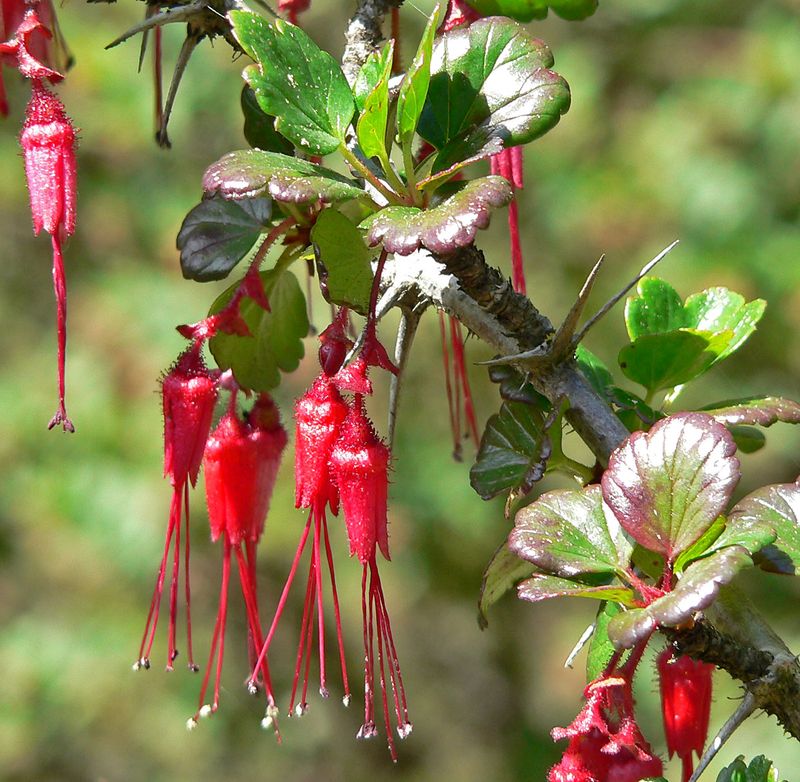
Want a hedge that keeps people out and invites hummingbirds in? Fuchsia-flowered gooseberry has spiny stems and dangling scarlet flowers that look like little earrings, blooming from winter into spring.
It reaches about 4 to 6 feet and spreads into a thicket. Those spines can give nesting birds a safer spot away from cats.
Plant it in partial shade inland or full sun along the coast. Like its currant cousin, it may drop leaves in late summer, which is normal and saves water.
6. California Lilac (Ceanothus)
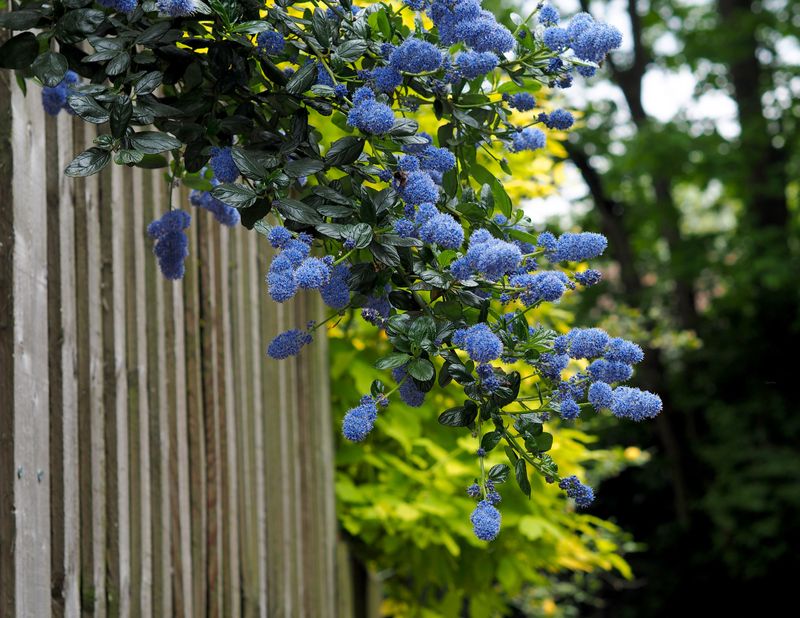
Blue flower clouds in late winter and spring make ceanothus a showstopper. Tall varieties like ‘Ray Hartman’ and ‘Snow Flurry’ can reach 10 to 20 feet, filling in a screen faster than most natives.
Hummingbirds visit less for nectar than for the swarm of tiny insects the blooms draw. Native bees, butterflies, and beneficial insects love it, so your yard gets busier overall.
Ceanothus can be short-lived, often 10 to 15 years, and dislikes summer watering. Plant it in full sun with fast drainage and let it be.
7. Hummingbird Sage and Coffeeberry Combo
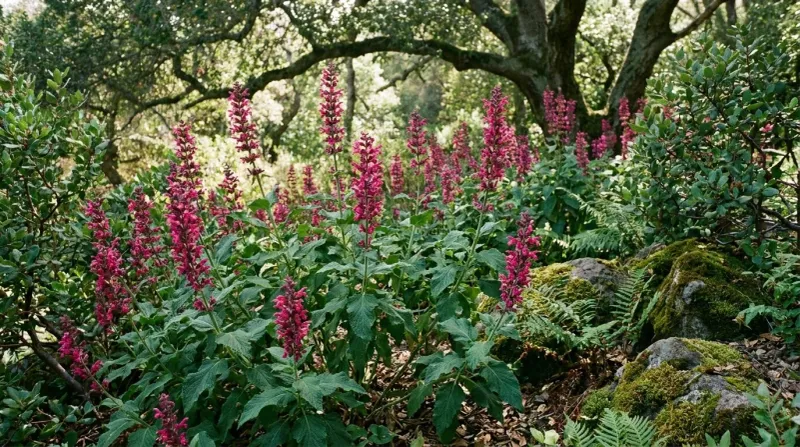
Shady fence line? Here’s a team-up worth trying.
Coffeeberry (Frangula californica) forms a dense evergreen screen 6 to 10 feet tall, and selections like ‘Eve Case’ stay compact and tidy.
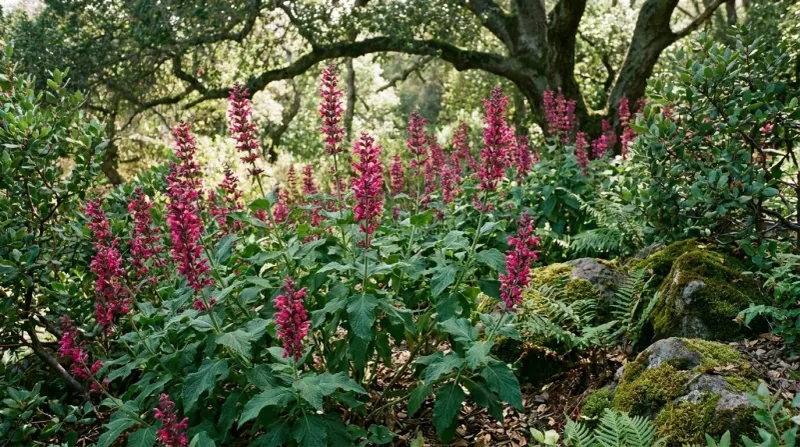
Underneath, hummingbird sage (Salvia spathacea) spreads into a fragrant groundcover with magenta flower spikes from late winter into spring. It is one of the few native sages happy in shade.
Coffeeberry berries feed birds in fall, and the pair handles dry shade under oaks. Together they cover height, nectar, and fruit in one bed.