
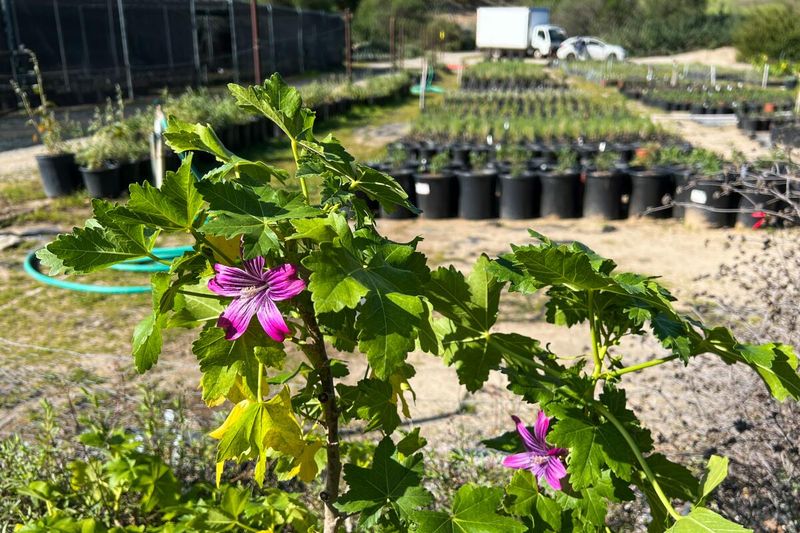
Big box garden centers sell the same handful of plants to everyone, but California’s native landscape holds hundreds of species you will almost never find on those shelves. A small group of specialty nurseries has spent years growing the rare manzanitas, wildflowers, and shrubs that feed local bees, birds, and butterflies. Serious gardeners happily drive two or three hours to reach them because these plants are the ones that actually belong in our dry, fire-prone state. If you have ever worried that your yard is doing nothing for local wildlife, these nurseries are where you fix that.
1. Theodore Payne Foundation Nursery (Sun Valley)
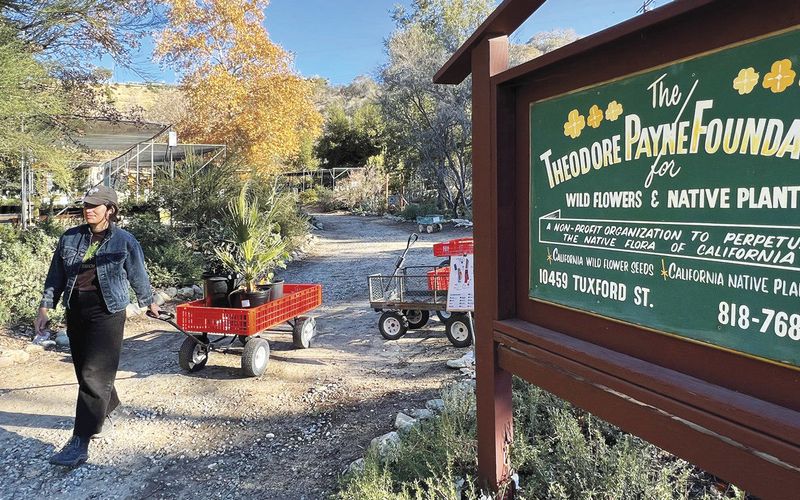
Ask almost any California native plant fan where they got started, and Theodore Payne’s name comes up fast. This nonprofit nursery in Sun Valley has been championing native flora since 1960, long before water-wise gardening was cool.
Their seed room alone is worth the trip, stocking wildflower mixes and single-species packets you simply cannot buy at a chain store. Volunteers walk you through which sages, buckwheats, and poppies suit your specific climate zone, whether you garden on the coast or bake in the inland valley.
What sets them apart is the mission behind the plants. Every purchase funds education, habitat restoration, and their famous spring Wildflower Hotline. Gardeners who feared they were quietly starving local pollinators leave with the exact deep-rooted, drought-tolerant species that native bees and hummingbirds depend on. It feels less like shopping and more like joining a movement.
2. Las Pilitas Nursery (Escondido and Santa Margarita)
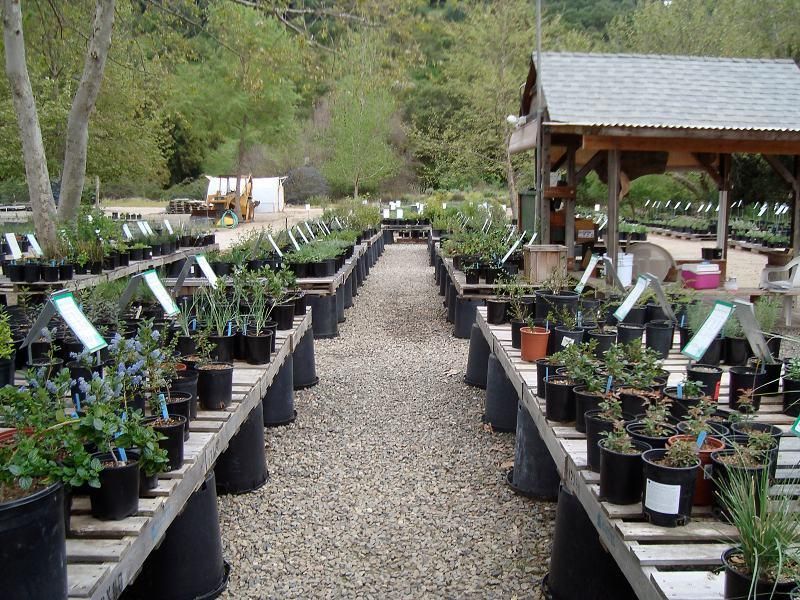
Few nurseries earn a cult following for their website alone, but Las Pilitas did it by publishing exhaustive care notes on thousands of native species. Then gardeners discovered the actual growing grounds were even better.
Spread across two locations, they specialize in plants grown from local genetic stock, which matters more than most people realize. A manzanita from your own region survives your soil and rainfall far better than a generic transplant, and it supports the insects that evolved alongside it.
Staff here are refreshingly blunt about what will and will not work in your yard. They will steer you away from a thirsty mistake and toward a Cleveland sage or coffeeberry that can shrug off a rainless summer. For hillside homeowners building defensible space, their fire-smart planting advice can help reduce risk while still filling a garden with life.
3. Annie’s Annuals and Perennials (Richmond)
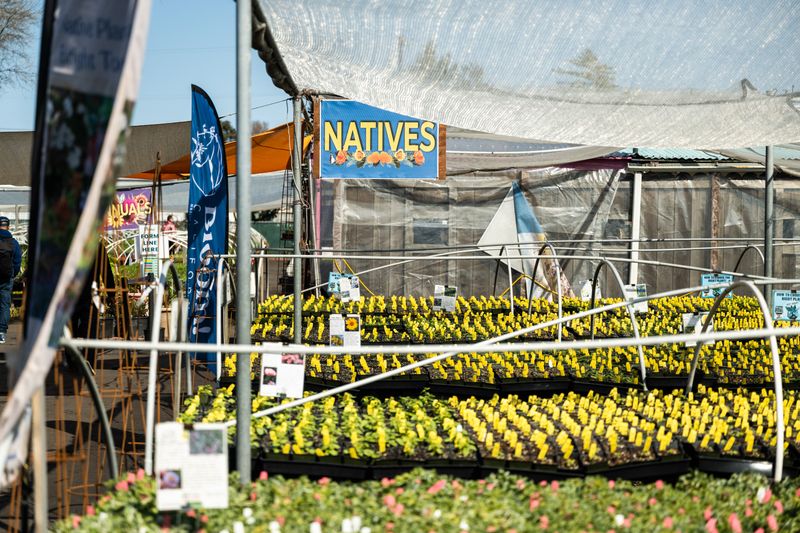
Walking into Annie’s feels like stepping into a candy store for plant nerds, with color exploding down every aisle. Located in Richmond in the East Bay, this nursery mixes rare California natives with unusual perennials from Mediterranean climates around the world.
Their reputation rests on hunting down the odd and the hard-to-propagate. You might find a rare Clarkia, a nearly-lost coastal wildflower, or a native currant that no other retailer bothers to grow because it is fussy to raise from seed.
The four-inch pot format is a quiet stroke of genius. Small plants cost less, establish deep roots quickly, and let budget-minded gardeners fill a pollinator patch without spending a fortune. If you have been meaning to trade some lawn for something that actually feeds monarchs and native bees, this is a gentle, affordable place to begin.
4. California Flora Nursery (Fulton, Sonoma County)
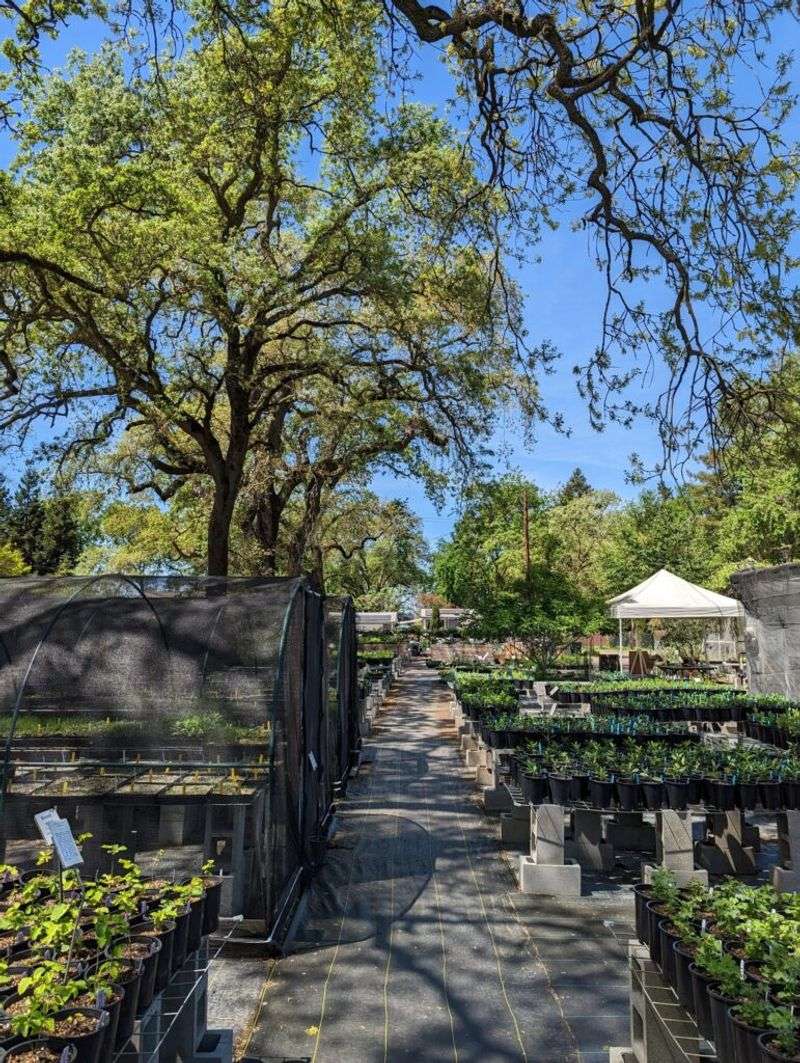
Tucked into the Sonoma County countryside near Fulton, Cal Flora has been quietly run by two knowledgeable owners since 1981. Regulars call it a place where the plants are chosen by people who genuinely love them.
Their strength is the wine-country climate palette. Expect an outstanding range of native grasses, ceanothus, and North Coast species that thrive through wet winters and long dry summers without endless irrigation.
Something worth knowing: they grow much of their stock right on site, so what you buy is already acclimated to Northern California conditions. That head start means fewer sad, struggling transplants and more plants that settle in and start supporting bees, butterflies, and seed-eating birds their first season. It is the kind of small operation where the owner might personally explain why your soil is killing your last three plants.
5. Tree of Life Nursery (San Juan Capistrano)
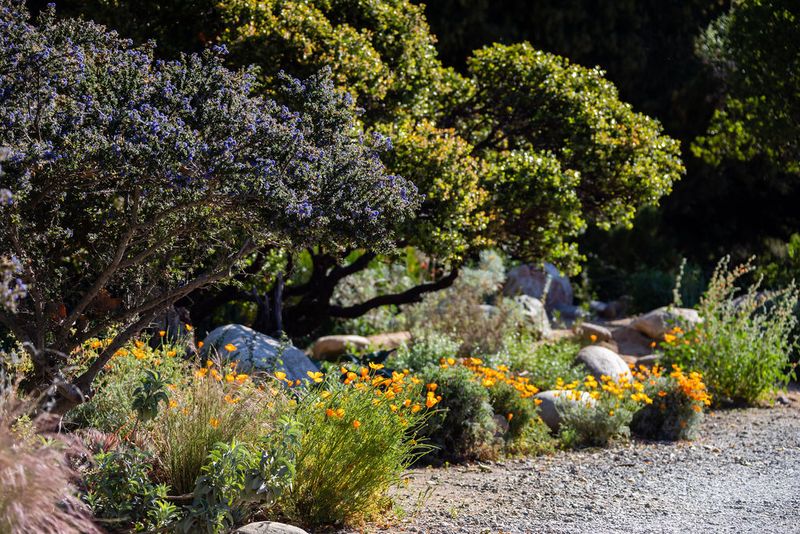
Set on a hilltop in San Juan Capistrano, Tree of Life doubles as one of Southern California’s largest native plant growers and a peaceful place to simply wander. A visit here can change how you think about your whole yard.
Because they grow at wholesale scale, they can stock the big-ticket rarities other nurseries skip, including mature oaks, toyons, and specialty manzanitas that take years to raise. Landscape designers routinely make the drive to source plants they cannot find anywhere else.
The property itself teaches by example. Demonstration gardens show exactly how a native, wildlife-friendly yard looks once established, which helps nervous homeowners picture the payoff. For anyone worried that going native means a bare, sad-looking lot, walking these paths is reassuring proof it can be lush, layered, and buzzing with pollinators.
6. Larner Seeds (Bolinas)
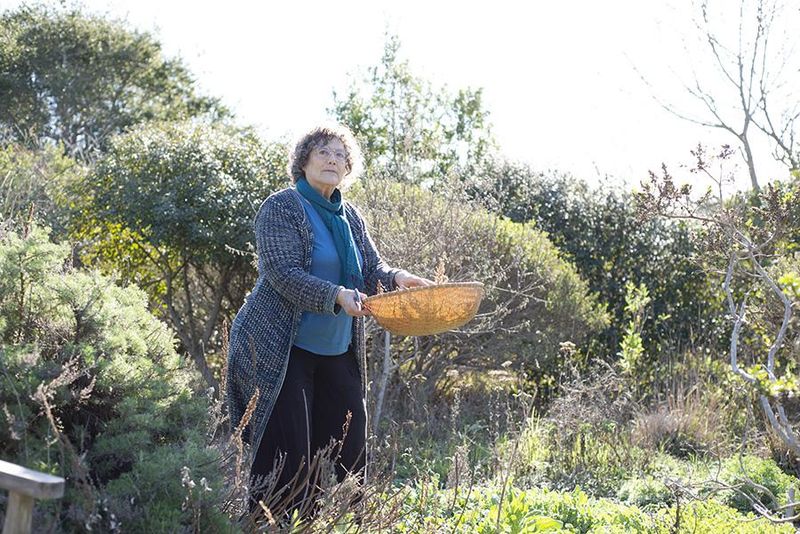
Out in the coastal fog of Bolinas, Larner Seeds takes a different approach entirely by focusing on seeds and the demonstration garden built to prove they work. Judith Larner Lowry, its founder, practically wrote the book on gardening with California natives, literally.
Seeds unlock plants that are nearly impossible to buy as starts, especially rare coastal prairie species and native bunchgrasses. For gardeners restoring a fire-scarred slope or a neglected corner of the yard, seed is also the cheapest way to cover real ground.
The catalog reads like a love letter to vanishing California habitats. You will find local ecotype poppies, lupines, and grasses collected with care to preserve regional genetics. It is a spot for the patient gardener who understands that a scattered handful of the right seed can, over a few seasons, rebuild a small patch of the ecosystem that once lived on that land.
7. Yerba Buena Nursery (Half Moon Bay)
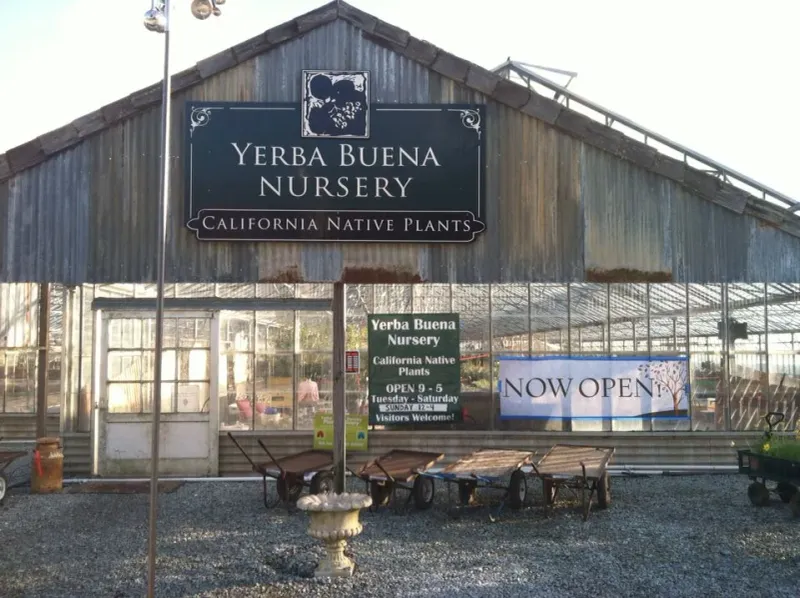
Founded in 1960 and now nestled near Half Moon Bay, Yerba Buena carries the distinction of being one of the oldest native plant nurseries in the state. History like that comes with deep expertise.
Ferns are their signature, and the collection is remarkable. Shade-loving natives are notoriously hard to find, so gardeners with a dim, tricky corner under coast live oaks finally have real options here beyond the usual thirsty imports.
Beyond ferns, they stock a thoughtful range of coastal and woodland plants suited to foggy, mild microclimates. Staff take time to match plants to the odd pockets of light and moisture in your yard, which cuts down on wasted money and dead plants. Homeowners who assumed their shady lot could never support wildlife often leave surprised at how much life the right understory can hold.
8. Mostly Natives Nursery (Tomales)
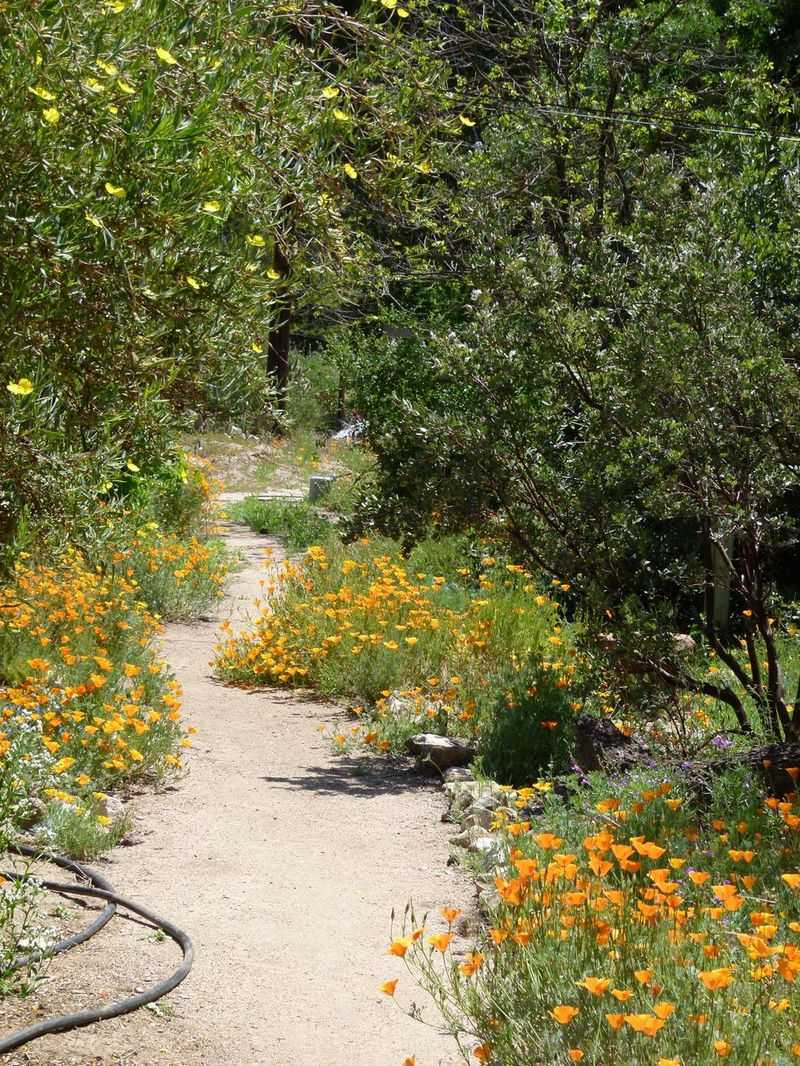
Way up the coast in tiny Tomales, Mostly Natives has built a devoted following among gardeners who battle salt spray, wind, and coastal fog. The name is a wink at their honest, unfussy philosophy.
What makes the drive worthwhile is their specialty in coastal-tough plants that survive conditions most nurseries never test for. Wind-sculpted ceanothus, salt-tolerant shrubs, and hardy perennials here are chosen because they can genuinely handle a Pacific-facing yard.
They pair natives with a few well-behaved Mediterranean companions, giving gardeners a realistic palette rather than a purist lecture. Staff are generous with advice about hedgerows that shelter birds and beneficial insects, an approach that helps rural and semi-rural homeowners support wildlife without fighting their harsh site. For anyone who has watched the ocean wind flatten every tender plant they own, it is a genuine relief to find a place that gets it.
9. Moosa Creek Nursery (Valley Center)
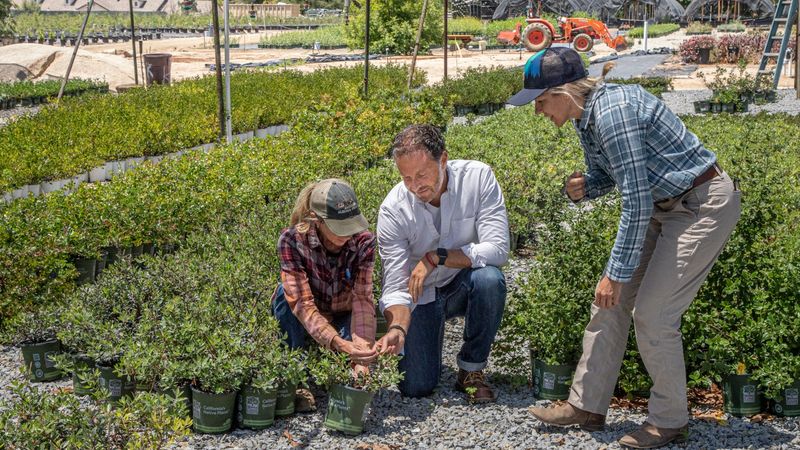
Serving San Diego County from Valley Center, Moosa Creek fills a gap that frustrated Southern California gardeners for years, a dependable wholesale-scale source of San Diego region natives grown from local seed. Landscape pros treat it as a secret weapon.
Their catalog leans into the plants that thrive in hot, dry inland conditions where lawns turn to dust and water bills climb. Think chaparral shrubs, native oaks, and pollinator magnets bred to survive with barely any summer irrigation.
Because they focus on regional ecotypes, the plants pull double duty for fire-conscious homeowners. Many are lower-fuel, water-wise choices that fit into defensible-space plans while still feeding local bees, lizards, and quail. For folks in fire-prone hillside neighborhoods who worry that going drought-tolerant means going lifeless, Moosa Creek proves a resilient yard can still be a busy, living one.