
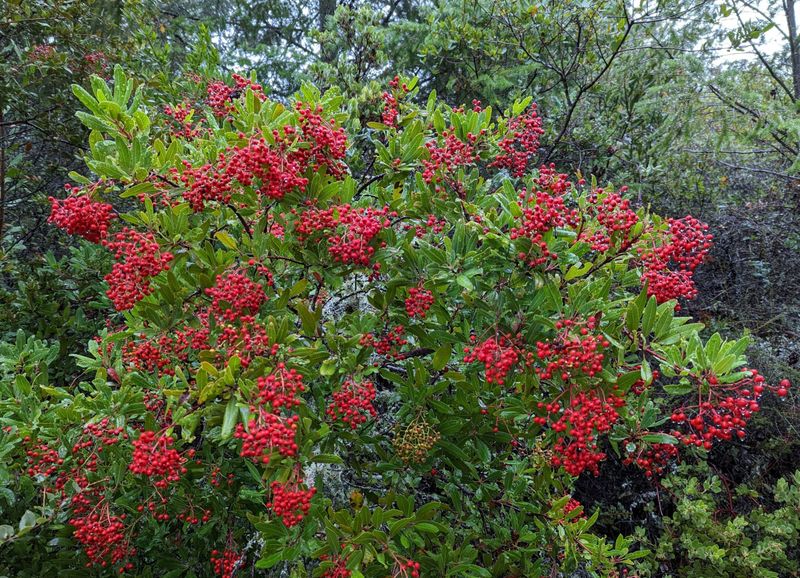
Every fall, California gardeners notice fresh dirt mounds popping up right when the first rains arrive. Wet winter soil is soft and easy to dig, so pocket gophers get busy tunneling under beds and munching roots.
Planting the right gopher-resistant plants now can help protect your yard before the digging season ramps up. Here are eight water-wise picks that may make your garden a lot less tempting to these hungry diggers.
1. Rosemary
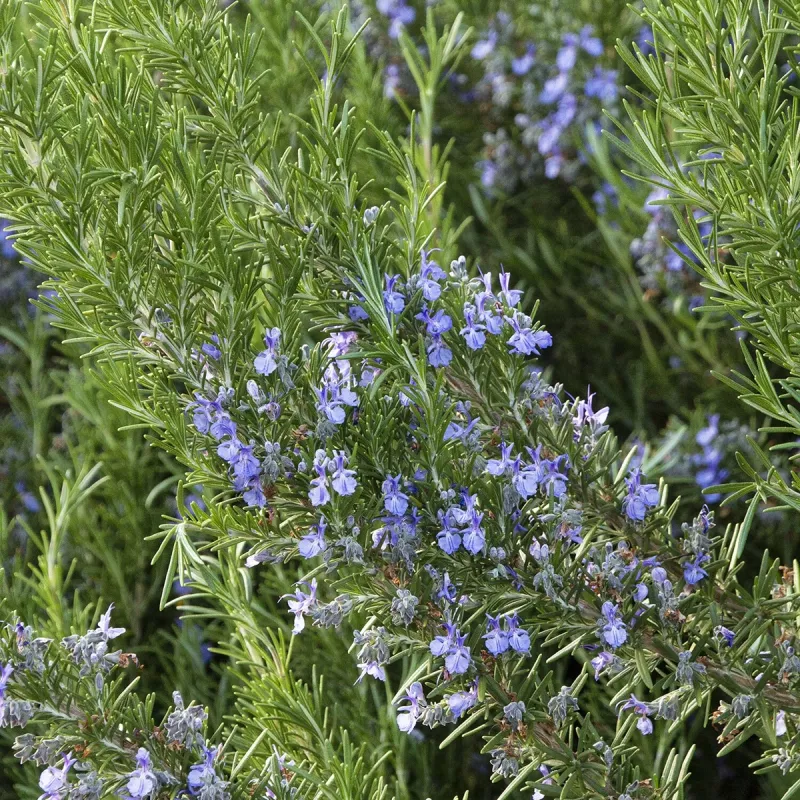
Brush your hand across a rosemary plant and you get a blast of piney oil. That same strong scent may help discourage gophers, which tend to skip plants with tough, resin-filled roots and foliage.
Rosemary loves California’s dry summers and needs little water once established. Try planting a border of it around vegetable beds or along a fence where gophers often travel in from neighboring lots.
Bees adore the winter and early spring blooms, so you get a pollinator snack bar too. Plant in fall so roots settle in with the first rains.
2. Gopher Spurge (Euphorbia lathyris)
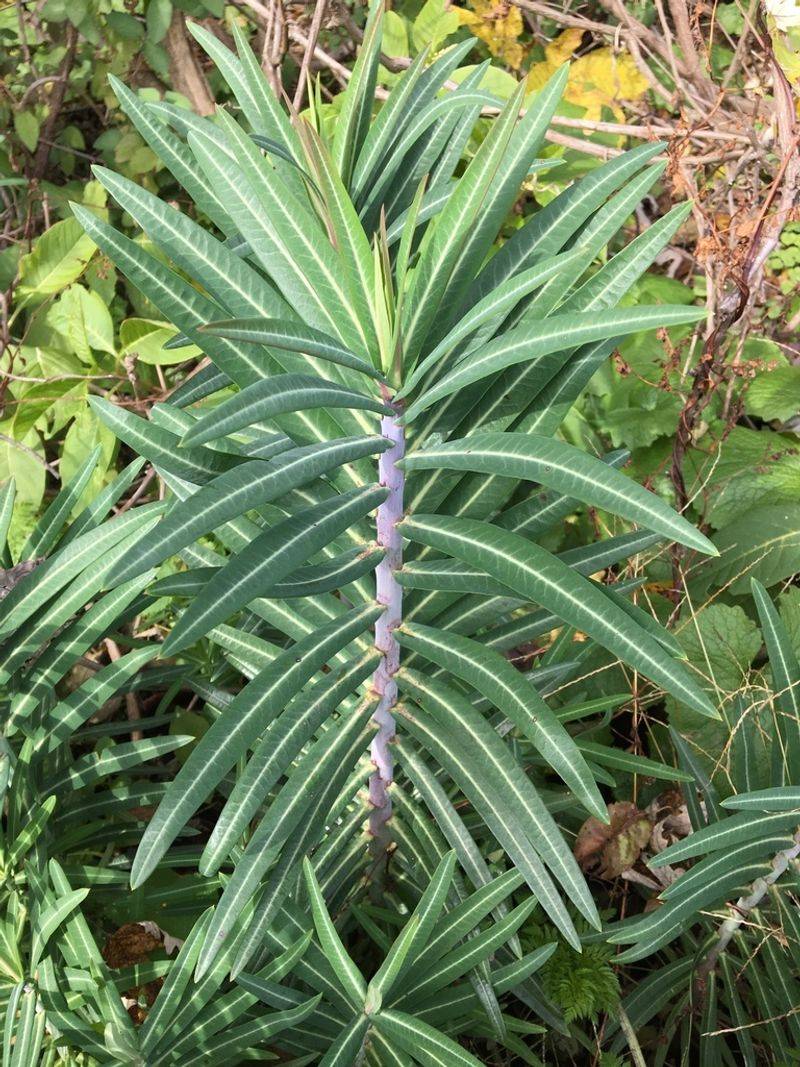
With a name like gopher spurge, expectations run high. Folk wisdom has long said its milky sap and roots drive gophers away, though studies show mixed results, so treat it as one layer of defense, not a force field.
Be careful with this one. The sap can irritate skin and eyes, and the plant is toxic if eaten, so keep it away from spots where kids and pets play.
It also self-seeds freely, so pull seedpods before they burst if you do not want a whole crop. Used thoughtfully along bed edges, it remains a classic in many California yards.
3. Lavender
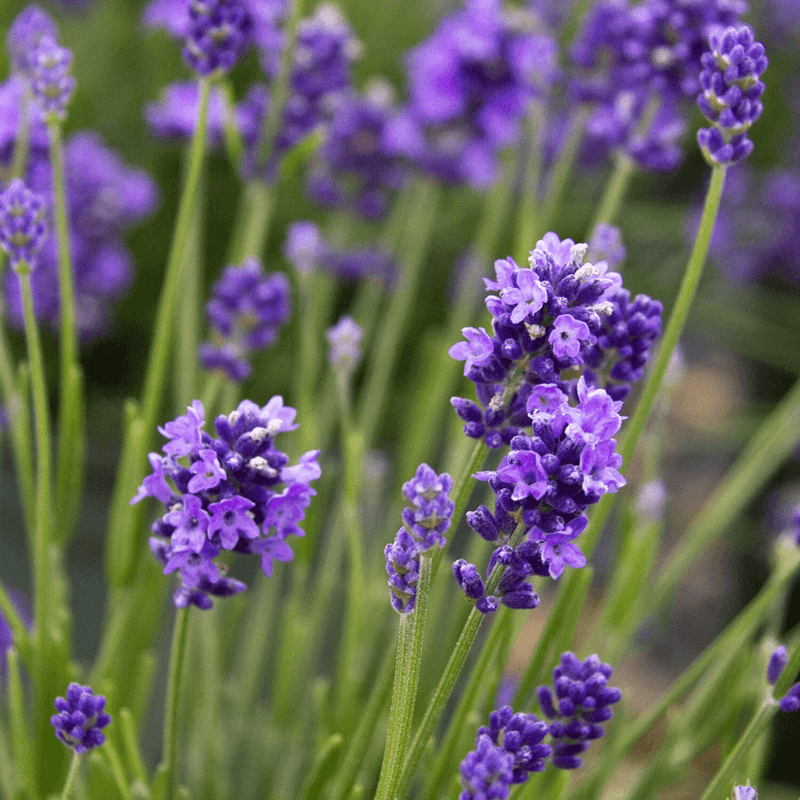
Ask any rodent-weary gardener in the Central Valley what survives near their mounds, and lavender often makes the list. Its aromatic oils and woody roots are not on the gopher menu.
Lavender thrives in poor, fast-draining soil and full sun. Overwatering is the biggest mistake, especially once winter rains start doing the job for you.
Spanish lavender handles coastal humidity better, while English types shine inland. Either way, native bees and butterflies will thank you.
4. California Fuchsia (Epilobium canum)
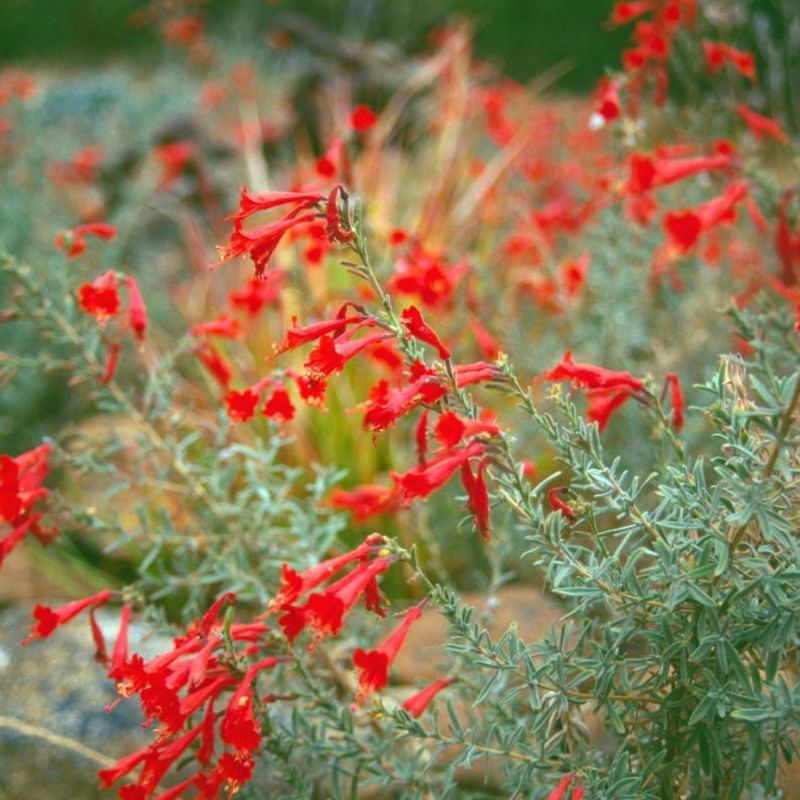
Hummingbirds treat California fuchsia like a fall buffet, lighting up the yard just as most plants fade. Gardeners in gopher country also report that this tough native tends to be passed over.
It spreads by underground runners, so even if a gopher nibbles a bit, the patch usually bounces back. That resilience makes it a smart choice for slopes and dry borders.
Cut it back hard in late fall. Fresh growth returns with the rains and fills in nicely by summer.
5. Sages (Salvia species)
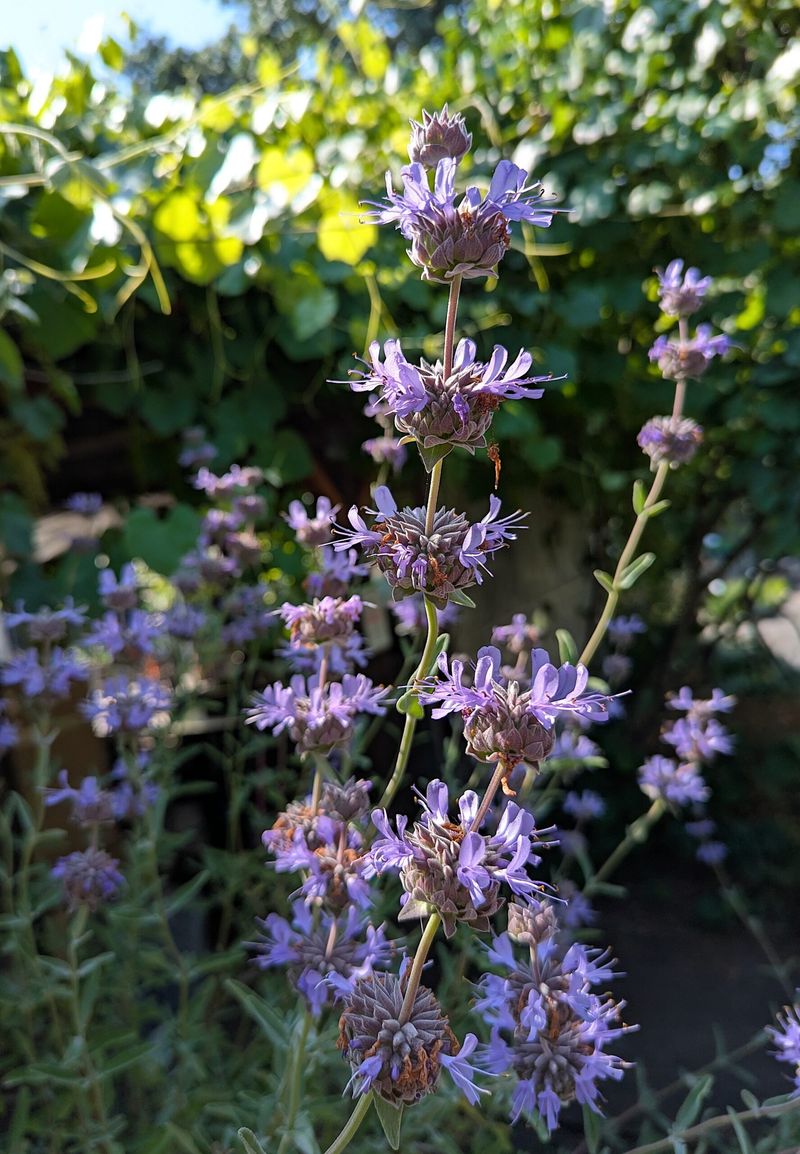
Crush a Cleveland sage leaf and the smell is pure California chaparral. Many native and Mediterranean salvias carry strong oils that may help make them less appealing to gophers.
Cleveland sage, black sage, and hummingbird sage are all great water-wise options. They fit naturally into fire-aware landscapes when kept trimmed and spaced away from the house.
Plant these in fall so roots grow deep during the rainy months. By spring, you will see bees humming through the flower spikes.
6. Daffodils
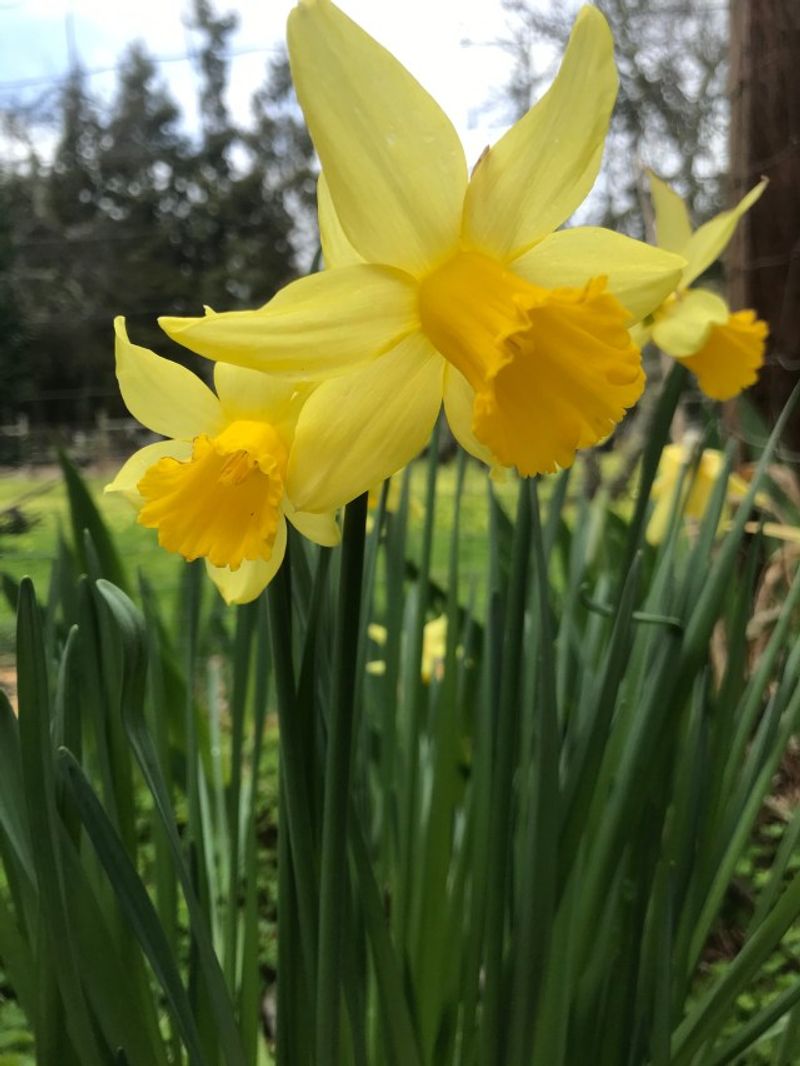
Here is a fun one: daffodil bulbs contain lycorine, a bitter, toxic compound that gophers generally avoid. Tulips get gobbled, but daffodils usually survive untouched.
Fall is the time to plant bulbs, right before the rains. Ring your beds or tuck clusters between tender perennials as a living warning sign.
They come back year after year with almost no care. Just let the leaves yellow before trimming so the bulbs recharge.
7. Society Garlic (Tulbaghia violacea)
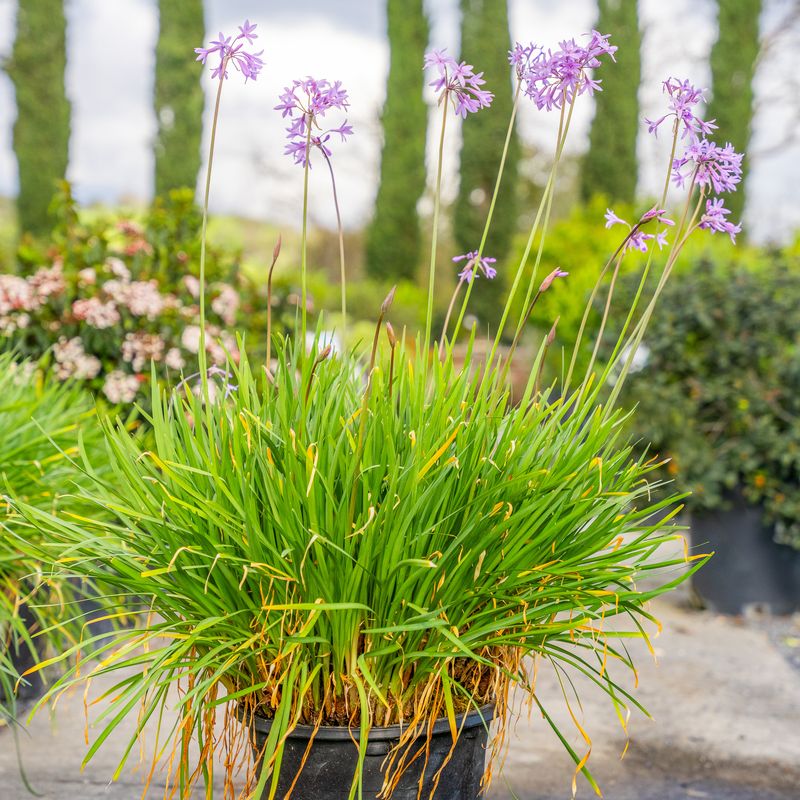
Walk past society garlic on a warm afternoon and you will smell why gophers might keep their distance. The garlicky scent comes from both leaves and roots.
It blooms for months with lilac flowers and asks for very little water. Many California gardeners use it as edging for beds where roses or veggies need protection.
Results vary from yard to yard. Pair it with wire baskets for prized plants and you may get the best of both worlds.
8. Oleander Alternatives: Toyon and Coffeeberry
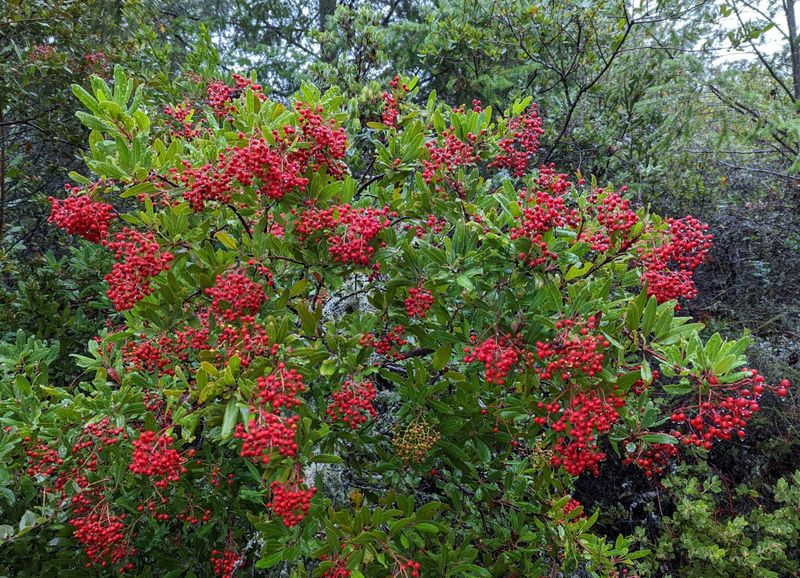
Big woody shrubs are rarely a gopher’s first pick, and two California natives stand out. Toyon and coffeeberry develop thick, tough roots that most gophers leave alone once the plants mature.
Both feed birds with winter berries and need little summer water. They also make great privacy screens without the toxicity worries of oleander.
Young plants are still vulnerable, so protect them with a gopher wire basket at planting time. After a few seasons, they hold their own and anchor your whole yard.