
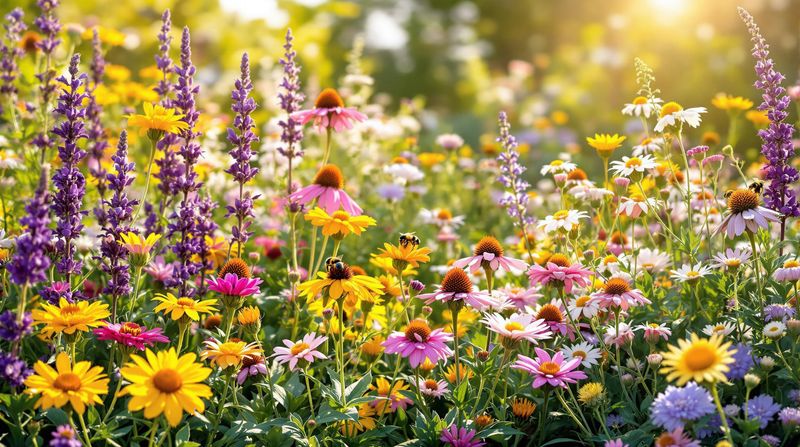
If you have ever spent a hot California weekend pulling weeds, you know how fast they come back. The good news is that certain plants can do the hard work for you by spreading out, shading the soil, and leaving weeds no room to grow.
Even better, many of these same plants burst with flowers that feed bees, butterflies, and hummingbirds all season long. Here are ten California-friendly plants that keep your beds clean and your pollinators happy, all while sipping very little water.
1. California Lilac (Ceanothus)
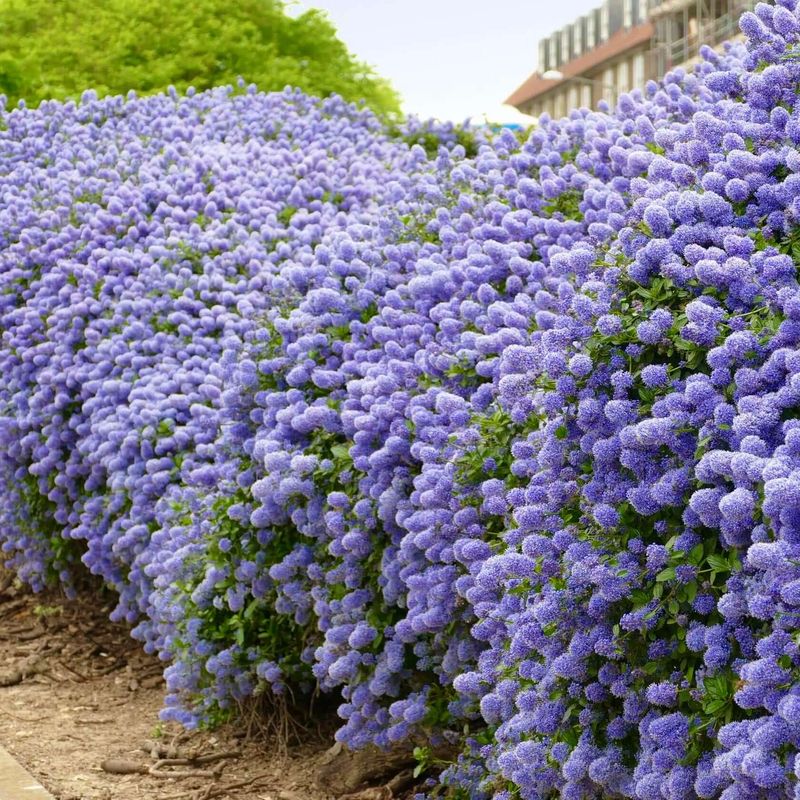
Few native shrubs put on a show quite like Ceanothus in spring. Clouds of blue and purple flowers cover the plant so completely that you can barely see the leaves underneath.
Once established, its low-growing forms sprawl into a thick evergreen mat that smothers weed seedlings before they get a foothold. That dense canopy is exactly what shades bare soil and keeps opportunistic weeds from sprouting.
Native bees adore it, and you will often hear a Ceanothus humming with activity on a warm afternoon. It thrives in California’s dry summers and rarely needs extra water once its roots settle in, making it a natural fit for water-wise yards.
Plant it on a sunny slope or along a border where you want fewer weeds and more buzz.
2. Yarrow (Achillea millefolium)
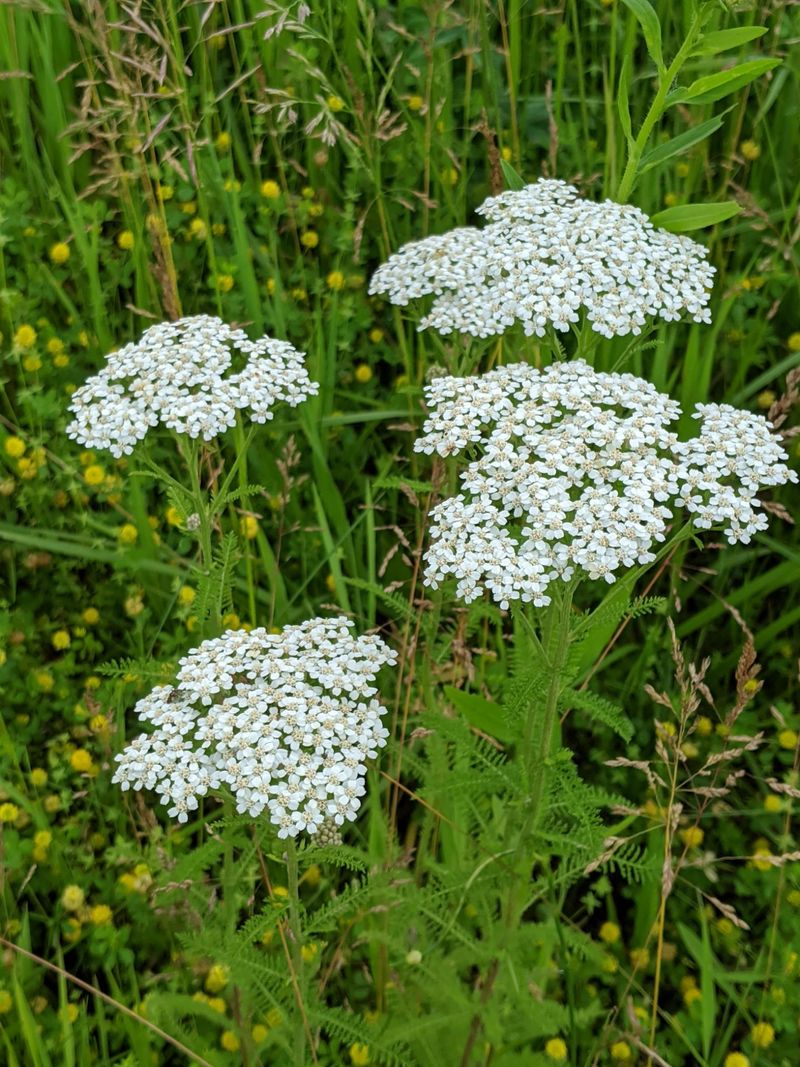
Yarrow spreads like a friendly ground blanket, weaving its ferny leaves together until weeds simply run out of space. That low, dense mat is one of the best natural weed suppressors you can grow in a California yard.
Its flat-topped flower clusters act like landing pads for a wide range of pollinators, from tiny native bees to hoverflies and butterflies. You get color from late spring well into summer.
Drought does not faze it much, and it actually looks better with less pampering. Give it a sunny spot with lean soil, and yarrow will fill in gaps, crowd out invaders, and feed the good bugs without asking for much in return.
3. California Poppy (Eschscholzia californica)
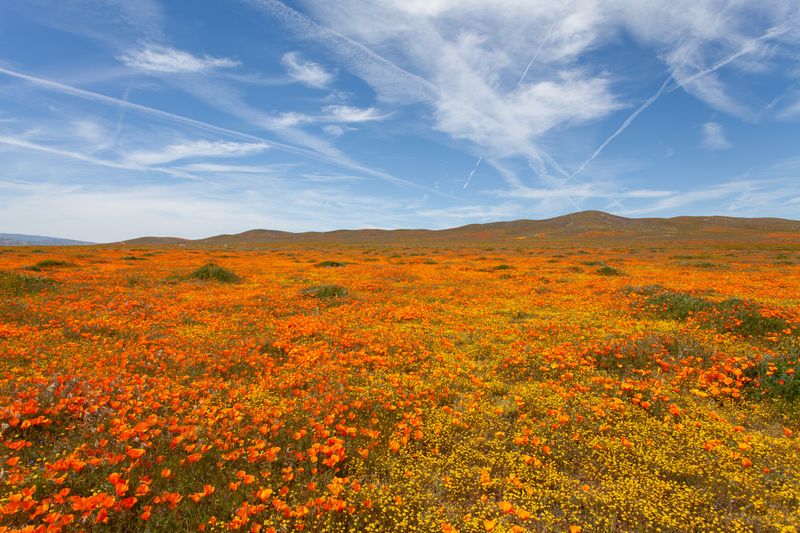
The state flower earns its fame every spring when hillsides light up in glowing orange. Beyond the beauty, California poppies self-sow so eagerly that they blanket open ground and leave weeds little room to establish.
Once you scatter seed, they come back year after year, filling in bare patches and outcompeting the annual weeds that would otherwise take over. Their cup-shaped blooms open in the sun and offer easy pollen for native bees.
Here is a fun bit of history: early Spanish sailors reportedly called the California coast the land of fire because of these poppies glowing on the hills. They ask for almost nothing except sunshine and well-drained soil, thriving in the driest part of summer.
4. Cleveland Sage (Salvia clevelandii)
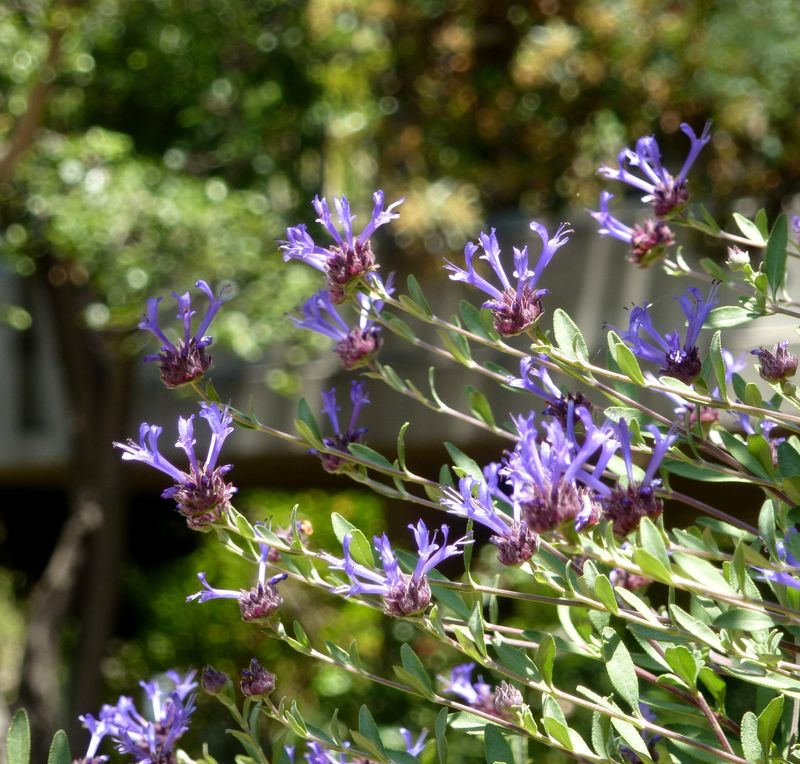
Brush past a Cleveland sage on a hot day and you will catch its unmistakable spicy fragrance floating in the air. That aromatic personality is more than pleasant, since it helps this shrub form a broad, dense mound that shades out weeds beneath it.
The stacked whorls of purple flowers rise on tall stems and become a magnet for bees and hummingbirds through late spring and summer.
Built for California’s Mediterranean climate, it shrugs off drought and prefers to be left mostly alone. Tuck it into a sunny bed where its wide footprint can guard the soil and its blooms can feed a steady stream of visitors.
5. Coyote Mint (Monardella villosa)
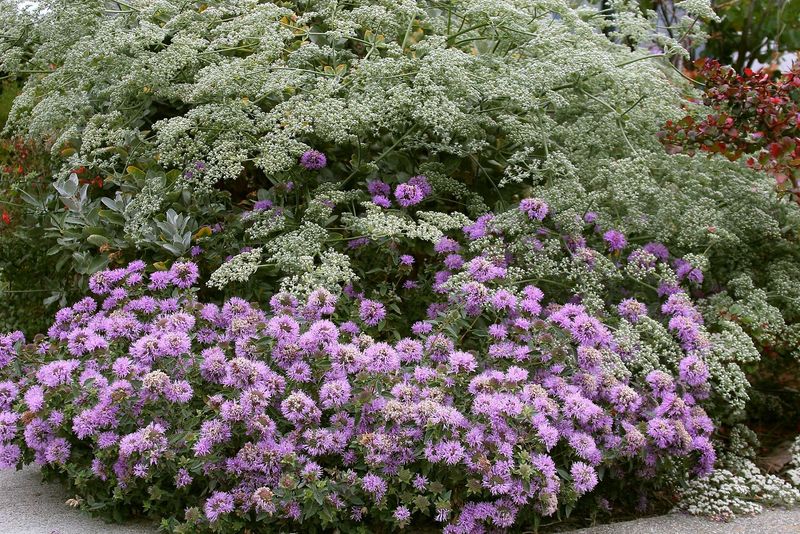
Coyote mint is one of those quiet performers that does big work in a small package. It forms tidy, spreading mounds of minty-scented foliage that knit together and keep weeds from sneaking through.
Come summer, it produces round pom-pom flowers in soft lavender that butterflies and native bees can hardly resist. Watch it for a few minutes and you will see just how popular it is with the local pollinator crowd.
Being a California native, it handles dry summers with ease and thrives on neglect once established. Use it at the front of a border or along a path where its fragrance and flowers can be enjoyed up close.
6. Seaside Daisy (Erigeron glaucus)
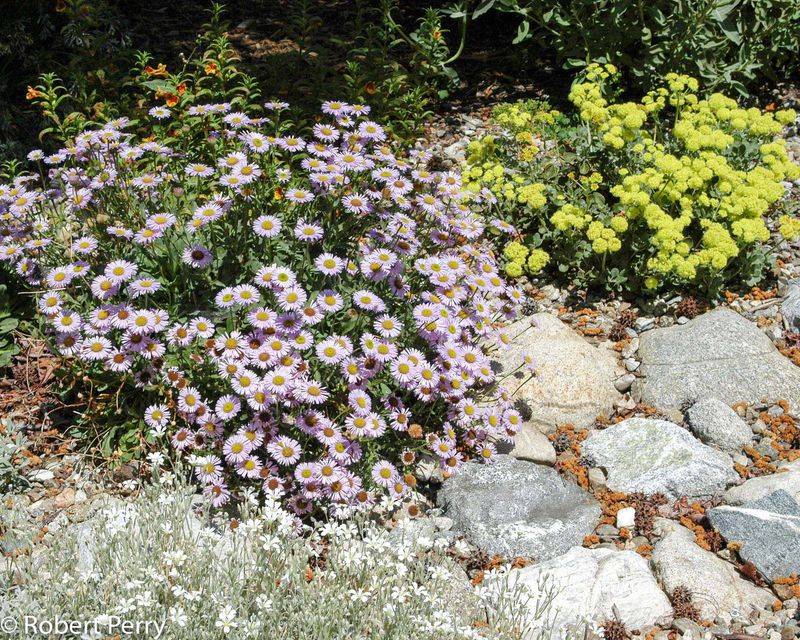
Coastal gardeners have long relied on seaside daisy to hold ground where little else will. Its low, spreading habit creates a living carpet that fills gaps and blocks weeds from taking root.
The cheerful lavender-blue daisies bloom for months and keep the buffet open for bees, butterflies, and other small pollinators. Deadhead a bit and it will keep flowering even longer.
Salt spray, wind, and dry conditions barely bother it, which makes it a champion for coastal and inland yards alike. Set it along a border edge or between stepping stones where its dense growth can smother weeds while it flowers.
7. Buckwheat (Eriogonum fasciculatum)
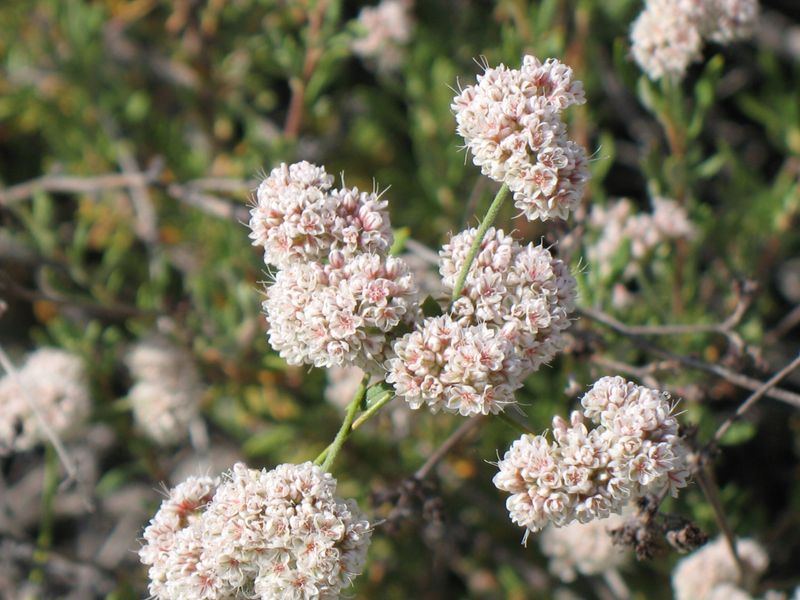
California buckwheat may not sound glamorous, but ask any native bee and it is a five-star restaurant. Its foamy clusters of white and pink flowers feed an astonishing number of pollinators, and the blooms even dry to a rusty color that adds interest into fall.
The plant grows into a broad, low mound that shades the ground and keeps weeds in check across dry slopes and open beds.
Fire-conscious homeowners often like it because, when kept trimmed and spaced properly, it fits into water-wise, low-fuel landscaping. It thrives with almost no summer water, so it belongs in any yard that wants both weed control and a booming pollinator scene.
8. Sticky Monkeyflower (Diplacus aurantiacus)
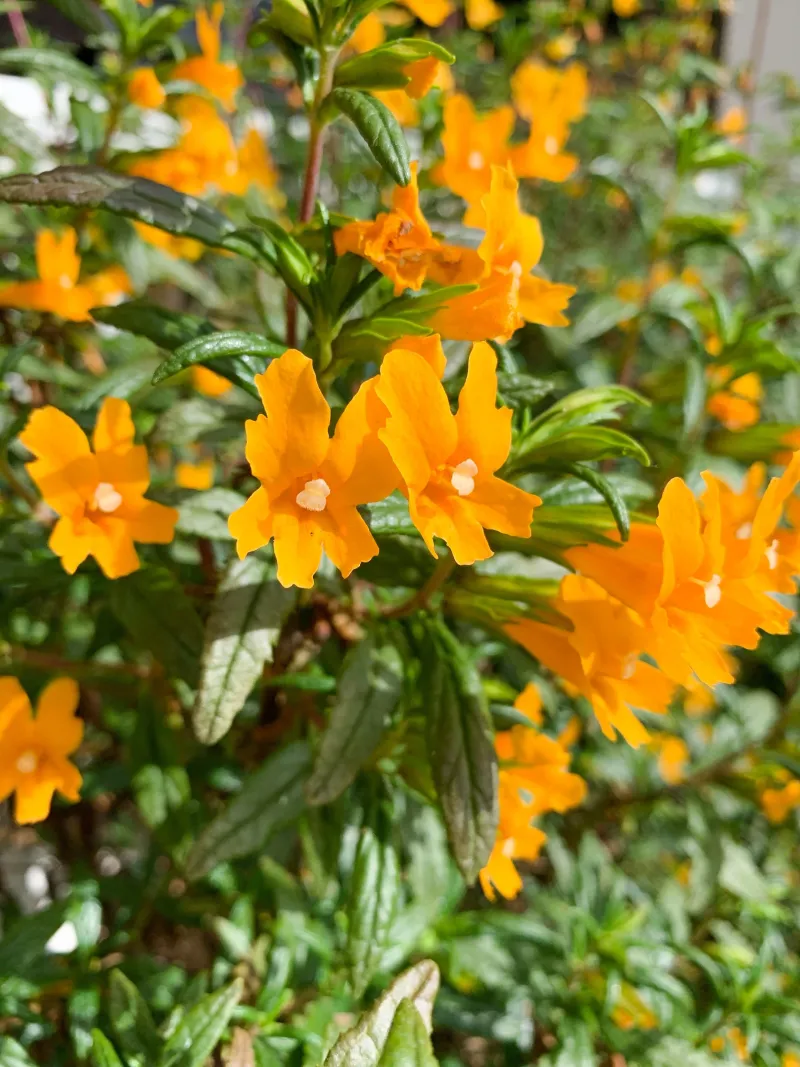
Bright orange trumpets seem to glow against the dusty greens of a California summer, and that is exactly the appeal of sticky monkeyflower. Hummingbirds and long-tongued bees line up to sip from those tubular blooms.
The shrub grows into a bushy, spreading form that fills space and quietly discourages weeds beneath its cover.
Its leaves feel a little tacky to the touch, which is where the name comes from, and that same trait helps it hang on through drought. Plant it on a sunny slope or bank where it can sprawl, hold soil, and pull in a parade of pollinators.
9. Douglas Iris (Iris douglasiana)
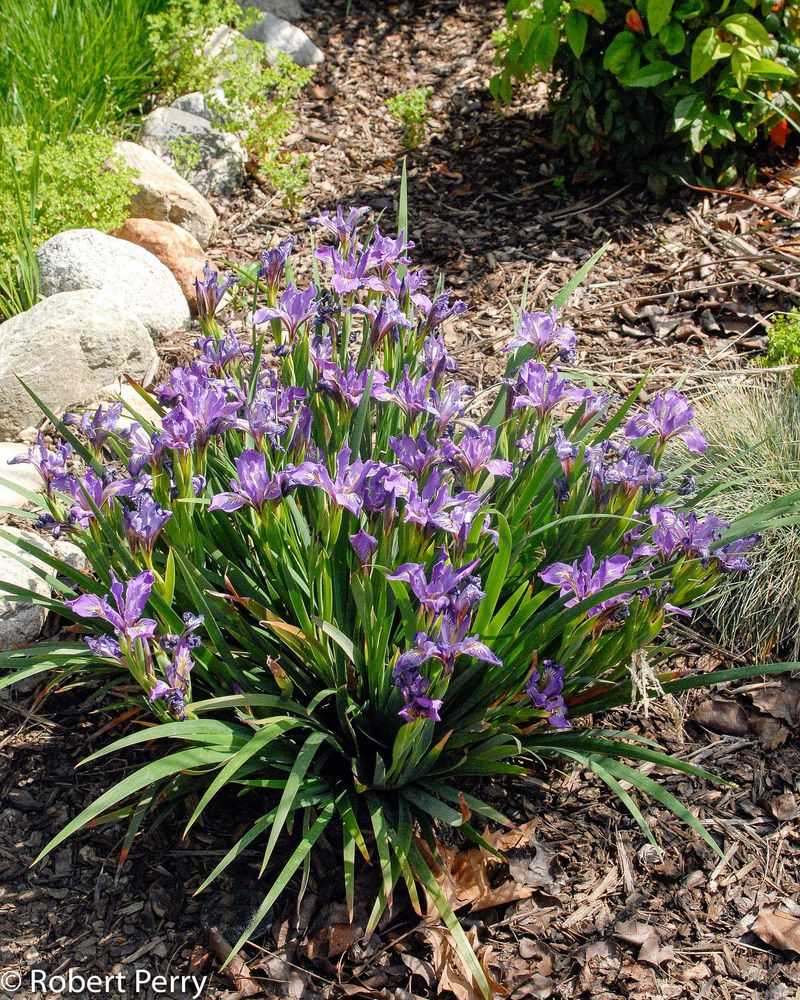
Douglas iris brings elegance to the weed-fighting job. Its strappy leaves grow in dense clumps that expand over time, forming an evergreen groundcover that leaves weeds no daylight to work with.
In spring, delicate purple-blue flowers rise above the foliage and offer nectar to native bees searching for early-season food.
Unlike many sun-lovers on this list, it happily tolerates part shade, so it can green up those tricky spots under trees or along the north side of a house. Give it a little water in the driest stretches, and it will reward you with tidy foliage and graceful blooms year after year.
10. Manzanita (Arctostaphylos ‘Emerald Carpet’)
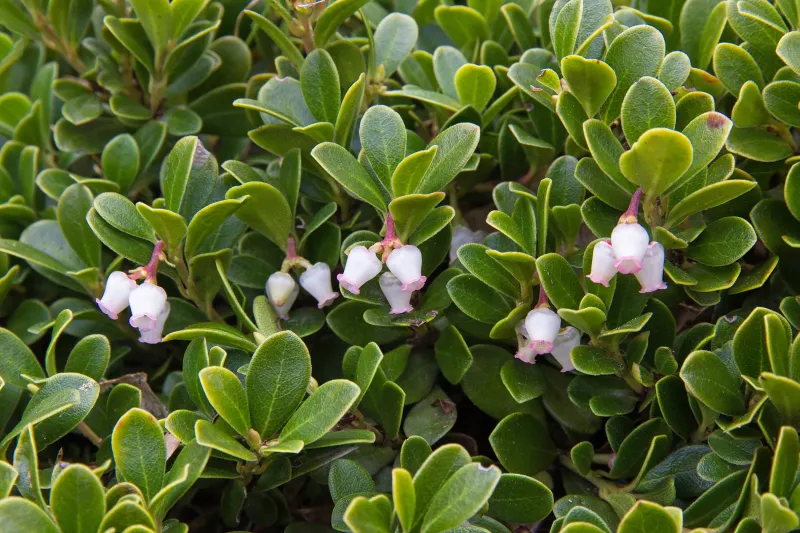
Groundcover manzanita is the quiet workhorse that pulls everything together. Varieties like Emerald Carpet spread into a thick, glossy green mat that hugs the ground and blocks weeds so effectively you may forget you ever had them.
In late winter and early spring, tiny pink and white bell-shaped flowers appear and give bees an important meal when few other plants are blooming.
Native to California, it takes drought in stride once established and handles slopes beautifully, which helps with erosion too. Use it to carpet a bank, edge a walkway, or replace a thirsty patch of lawn with something that feeds pollinators and keeps itself clean.