
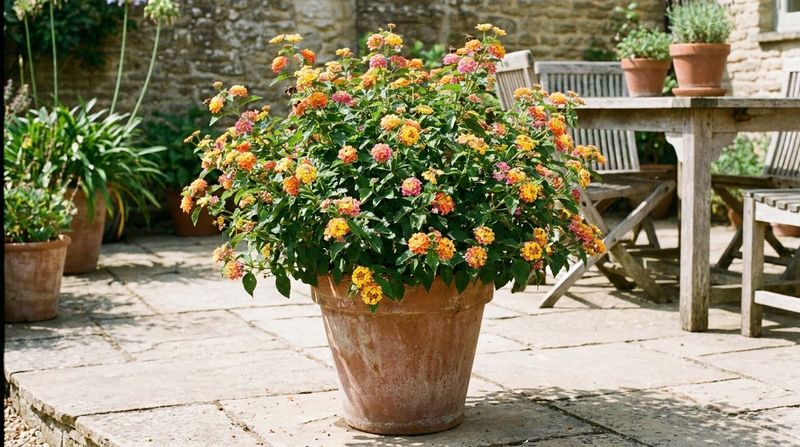
Most patio plants in Texas throw in the towel once July arrives, but one flowering shrub keeps pushing out blooms even as temperatures climb past 100 degrees. Lantana has built a quiet reputation among Texas container gardeners who want real color through the worst of summer. The Texas Superstar cultivar called New Gold is a documented strong option for patio pots, and understanding what it actually needs is the difference between a thriving display and a struggling plant by August.
Lantana can deliver durable summer color, but it is not invincible
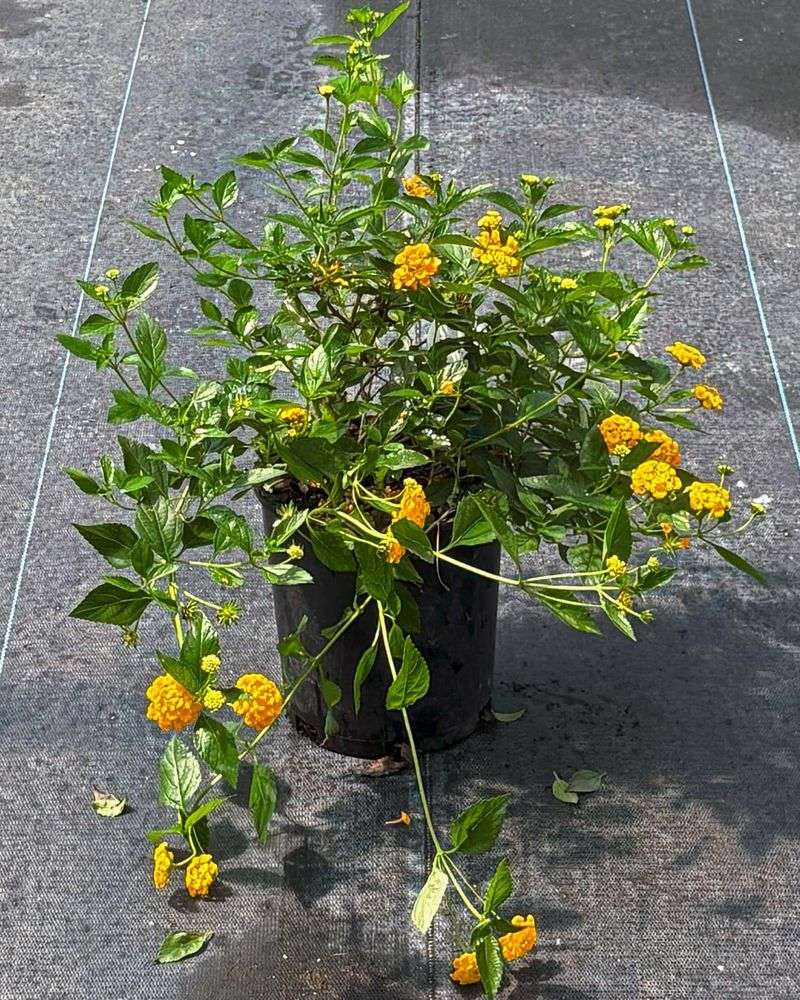
Among the plants Texas gardeners reach for when summer gets serious, lantana keeps coming up for good reason. The Texas Superstar program, which evaluates ornamental plants across multiple Texas ecoregions, lists Lantana x hybrida ‘New Gold’ as heat-tolerant, drought-tolerant, and suited for full sun and patio containers, with a documented bloom period running from spring until frost. That window can reasonably include June through September in a well-managed Texas container, but the result depends on how well the plant is established, how consistently it is watered, how well the pot drains, and what the weather does in your corner of the state.
The title of this article promises a plant that shrugs off Texas heat, and that phrasing oversells the situation. A more accurate description is that ‘New Gold’ has documented heat tolerance and can continue flowering through hot weather when it is established and properly watered. It reaches approximately 2 feet tall and 4 feet wide at maturity, so a single plant can fill a generous container with golden blooms. Its reduced fruit set is associated with more prolific flowering, which is one reason the Texas Superstar brochure highlights it as a patio performer.
What the program does not promise is identical performance in every Texas region, exposure, or container. A plant sitting in a small black pot on a west-facing concrete slab in San Antonio faces a very different environment than the same cultivar in a large glazed pot on a shaded Austin porch. Establishment matters too: a new transplant dropped into a hot container in July needs more careful attention than a plant that rooted out through April and May. The Texas Superstar program frames performance as care-dependent, and readers should approach ‘New Gold’ the same way, as a strong, documented option that rewards attentive management rather than neglect.
Check the scientific name before you buy
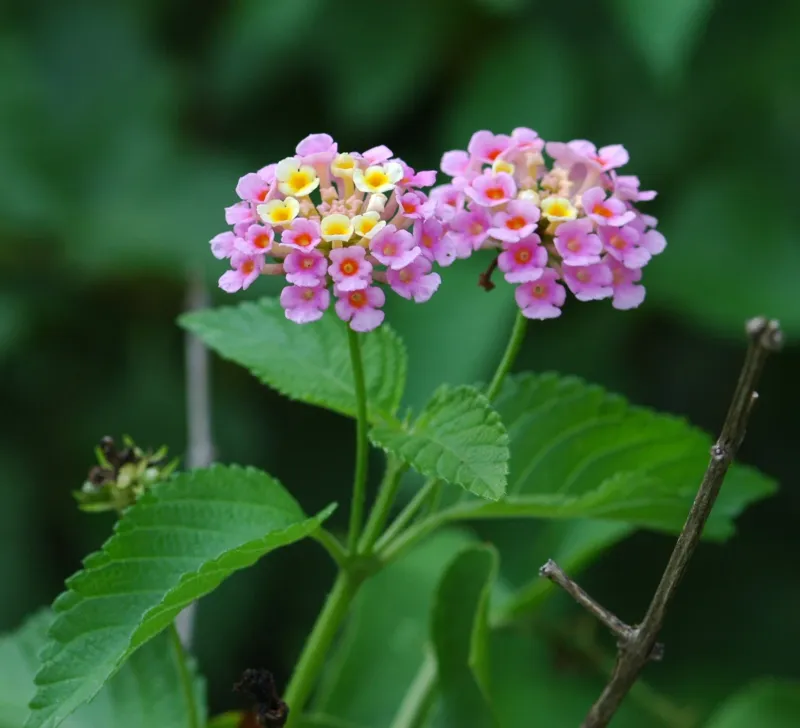
The word lantana covers a wide range of plants with very different ecological identities, and buying the wrong one can create problems that no amount of watering will fix. Texas Invasives identifies Lantana camara as a non-native species that can become invasive in Texas, spreading into natural areas and displacing native vegetation. That is a meaningfully different plant from native Texas lantana, which Texas Parks and Wildlife lists under names including Lantana urticoides and Lantana horrida depending on the source and the taxonomy in use.
Native Texas lantana has documented value for wildlife gardens and pollinator habitat. Texas Parks and Wildlife notes that native lantana attracts butterflies, hummingbirds, and other pollinators, making it a meaningful choice when ecological fit is the priority. The Providing for Backyard Wildlife guide from Texas Parks and Wildlife also notes that lantana can be grown in container and balcony settings, so the native option is not limited to in-ground beds.
‘New Gold’ sits in a third category: it is a hybrid ornamental cultivar, not the same plant as native Texas lantana and not a straight species of Lantana camara. Its reduced fruit set lowers seed production compared to some other lantanas, but that does not make it completely sterile or equivalent to a native plant in ecological terms. Nursery labeling and taxonomy can vary considerably, so the common name alone is not enough information. Before purchasing, look for the full scientific name and the cultivar designation on the tag.
If a label just says lantana with no further detail, ask staff or choose a different source. Knowing exactly what you are buying protects your container garden and the natural areas near your property.
Build a container that protects the roots
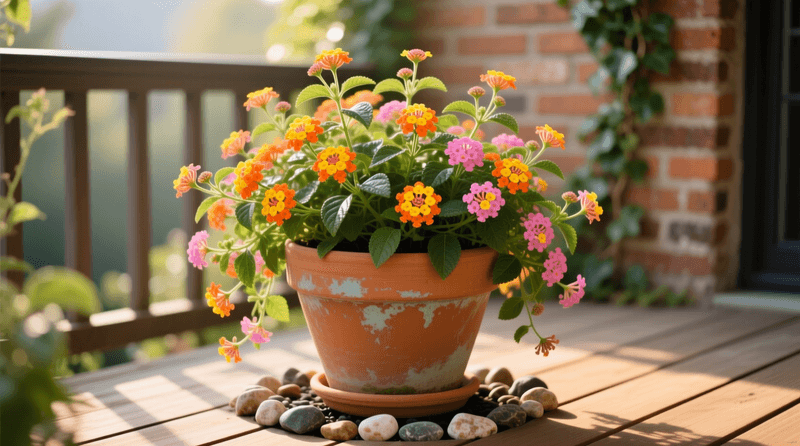
Container choice is where many summer plantings succeed or fail before the first bloom opens. Texas AgriLife Extension’s container gardening guidance stresses adequate drainage as a foundation requirement, and that means a pot with drainage holes, not just a decorative outer shell with a plastic liner sitting in standing water. A porous, well-drained soilless potting mix is the right fill, not garden soil dug from the yard, which tends to compact and drain poorly in a container environment.
Poor drainage and fertilizer-salt accumulation are two of the most common ways container roots get damaged even in drought-tolerant plants. Texas A&M AgriLife’s composting and soil guidance reinforces that root health depends on what surrounds the roots, not just what goes on top. Salts from repeated fertilizer applications and hard water can build up in a closed container environment and eventually damage root tissue, so flushing the pot thoroughly during regular watering helps reduce accumulation. University of Minnesota Extension’s container plant guidance notes that larger containers generally provide more moisture buffering and more stable root temperatures than small pots, which is a practical reason to size up when possible for a summer-long display.
A layer of mulch on the potting mix surface can reduce evaporation and moderate the temperature at the soil surface, which helps during the hottest stretches. Rockwall County Master Gardeners’ container tips also support using larger pots for better moisture management. Full sun is the documented light recommendation for ‘New Gold’, but that does not mean every sun-exposed location will remain comfortable through a Texas afternoon. Black or dark metal containers can absorb significant heat and transfer it to the root zone, which may add stress during the hottest hours.
Monitoring how the container feels to the touch in the afternoon and shielding it or repositioning it if it is consistently overheating is a reasonable precaution, even if the plant itself is rated for full sun.
Water according to the pot, not the plant label
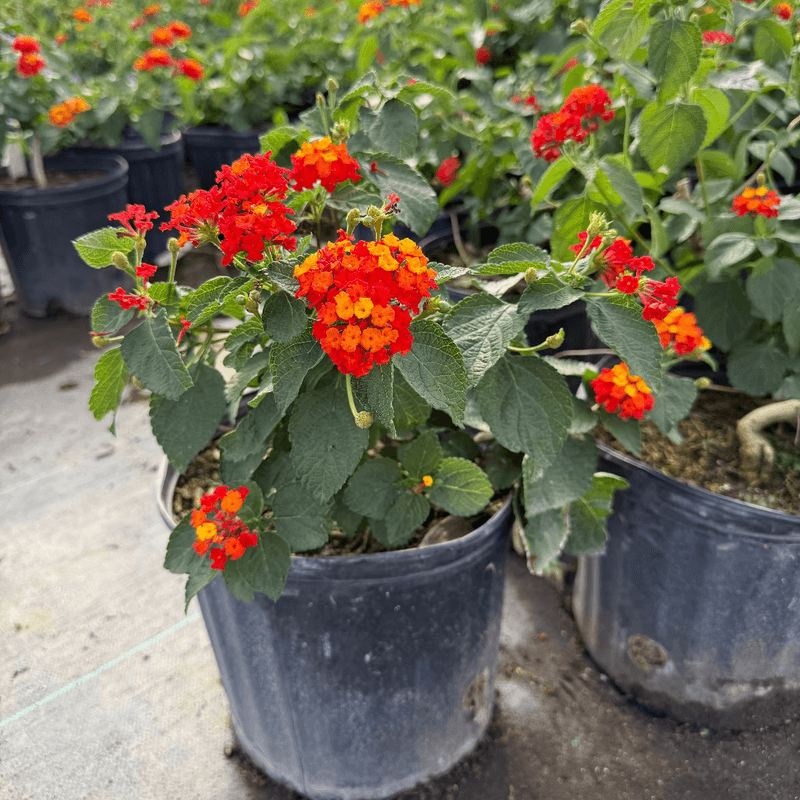
A plant label that says drought-tolerant is describing the species in the ground, not a pot sitting on concrete in 105-degree heat. Containers dry out far faster than in-ground beds because the root zone is surrounded by air on all sides and the volume of soil is limited. University of Minnesota Extension’s container watering guidance makes clear that frequency varies with pot size, material, wind exposure, plant size, and ambient temperature, and that during hot, dry weather, daily or even twice-daily watering may be necessary. That range applies especially in Texas regions with low humidity and persistent wind, where evaporation from the potting mix accelerates quickly.
The right method is to check the mix rather than follow a fixed calendar. Press a finger an inch or two into the potting mix and water thoroughly when it feels dry at that depth. Water at the soil surface, not just overhead on the foliage, and water until it runs freely from the drainage holes. Extension guidance on gardening in hot weather recommends morning watering when possible, which gives foliage time to dry and reduces the risk of fungal issues overnight.
Afternoon watering during extreme heat is less ideal but still preferable to letting the root zone dry out completely.
Saucers under pots are useful for protecting surfaces, but they should not hold water against the root zone for extended periods. If a saucer fills up after watering, empty it rather than leaving the pot to sit in standing water. Rockwall County Master Gardeners note that waterlogged roots in an otherwise drought-tolerant plant can decline just as quickly as roots in a bone-dry pot. The goal is consistent moisture without saturation.
A lantana that wilts during a heat wave is asking for water, but a lantana that sits in soggy mix after a rainy week may face a different problem entirely, one that more water will only worsen.
Feed lightly and prune at the right time
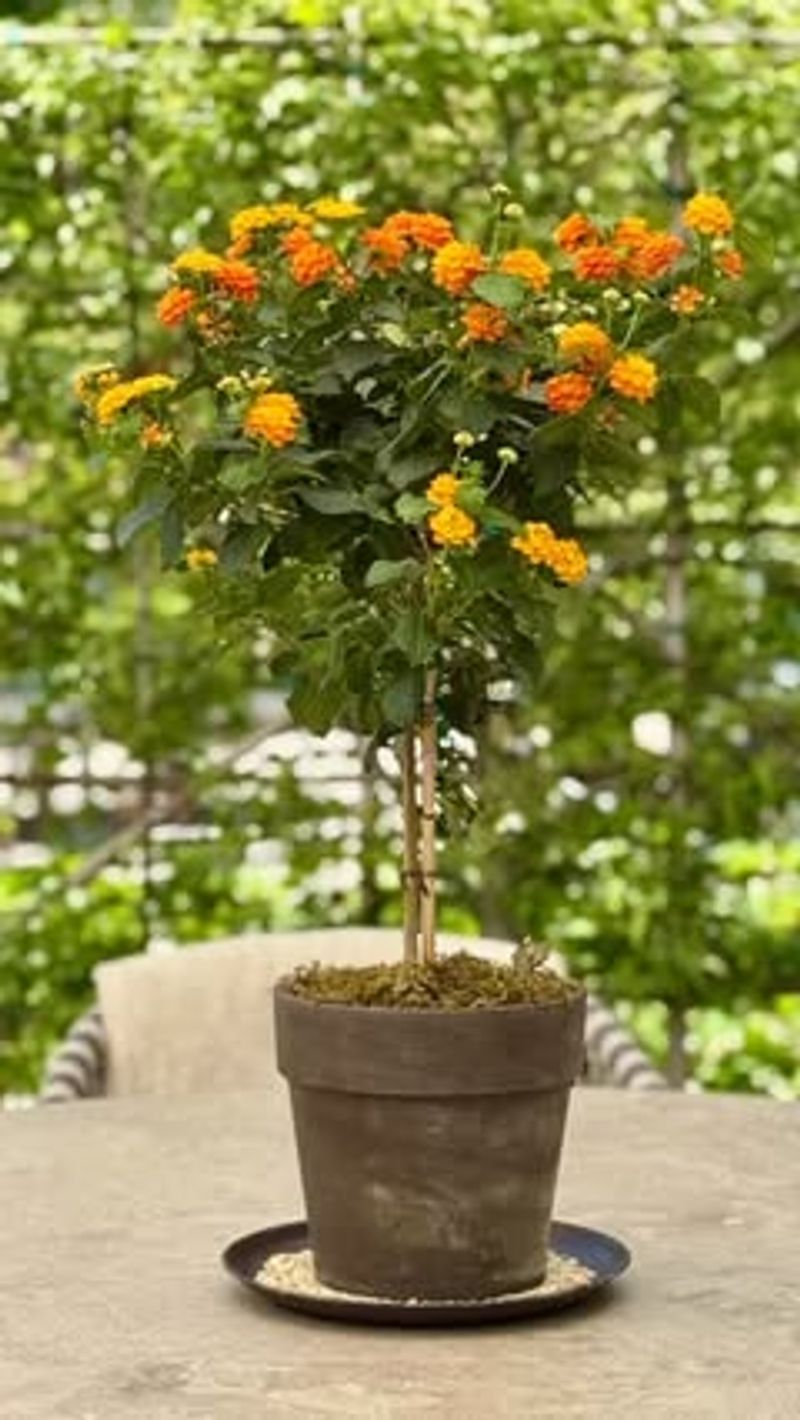
Once a container lantana is established and watered consistently, the temptation is to push it harder with extra fertilizer. That approach tends to backfire. The Texas Superstar brochure notes that excess water and fertilizer can shift a flowering container plant toward foliage production at the expense of blooms. More nitrogen feeds the leaves; it does not automatically mean more flowers.
Follow the label on whatever slow-release or liquid fertilizer you choose and resist the urge to increase applications casually.
University of Minnesota Extension points out that repeated deep watering leaches nutrients from potting mix over time, which is a real concern in a Texas summer where the pot may be watered daily. That leaching is one reason regular light feeding according to label directions makes sense, but it is not a reason to double the dose. The goal is to replenish what washes out, not to add a surplus that shifts the plant’s energy away from flowering.
Pruning is the other tool for keeping bloom production strong through the season. The Texas Superstar program recommends annual pruning for best results, and light shaping during the growing season can remove spent flower clusters and encourage new ones. Hot-weather gardening guidance from extension services cautions against severe pruning during periods of extreme heat because cutting back a large portion of the plant removes the leaf mass it uses to manage heat and water stress. Light deadheading and trimming are fine on a hot day; a hard cutback is better saved for a cooler stretch or for the end of the season when the plant is heading into dormancy.
Regional weather can change the summer result
Texas is not one climate, and a plant recommendation that works perfectly in San Antonio may need adjustment on the Gulf Coast or in El Paso. West Texas gardeners deal with low humidity, intense wind, and alkaline soils that change how quickly a container dries out. Gulf Coast gardeners face humidity and rainfall patterns that can keep potting mix wetter than expected, making drainage even more important than the label suggests. North Texas winters can be colder and more unpredictable, while South Texas summers run long and hot with different disease pressure than Central Texas.
These regional differences affect how a ‘New Gold’ container performs through June, July, August, and September. The Texas Superstar program evaluates plants across multiple ecoregions, but even that rigorous process does not guarantee identical performance in every microclimate, container, or exposure. The program’s brochure frames performance as dependent on establishment and care, which means readers in different regions need to calibrate their monitoring rather than follow one fixed routine.
Beyond weather, pests and disease can interrupt an otherwise healthy container. Whiteflies are specifically noted as a possible issue for lantana in Texas Superstar materials, and spider mites can also affect plants under heat stress. North Carolina Extension’s plant profile for Lantana camara also identifies whiteflies and mites among common problems. If a plant stops flowering or shows yellowing, distorted leaves, or stippled foliage, inspect it closely before assuming the cultivar simply cannot handle the heat.
Extension hot-weather guidance suggests treating setbacks as diagnostic signals rather than verdicts, checking soil moisture, drainage, salt buildup, sun exposure, and pest pressure before concluding the plant is the problem.
Keep the labeled plant away from curious people and animals
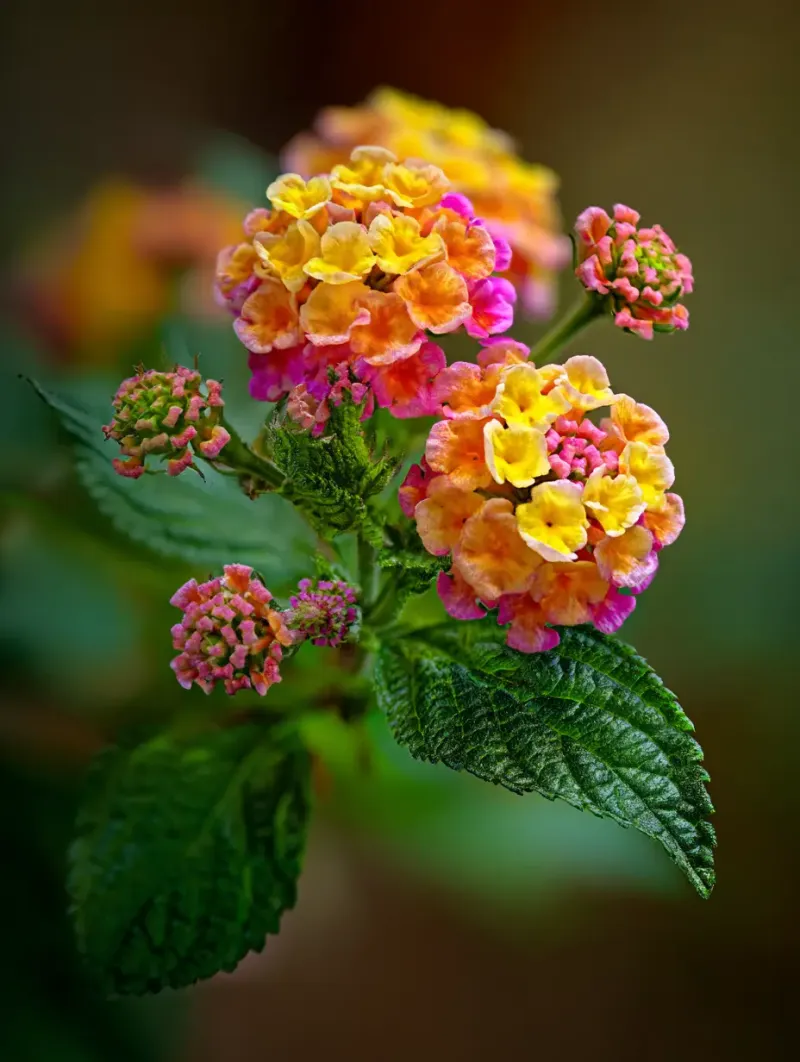
Lantana’s visual appeal and pollinator activity can draw attention from children and pets, which makes safety awareness part of responsible container gardening. North Carolina Extension’s profile for Lantana camara identifies leaves, sap, seeds, and unripe fruit as potential hazards, and notes that contact with the plant can cause skin irritation in some people. Related lantana species carry similar cautions. The practical household rule is straightforward: do not eat any part of the plant, and keep it out of reach of children, pets, and grazing animals as a precaution.
These cautions apply to the specific plant you have identified by its label. Not every lantana carries identical toxicity, and cultivar-specific data for ‘New Gold’ is limited, so this guidance is precautionary rather than a confirmed finding for that exact hybrid. The safest approach is to treat any lantana in your garden as one that should not be ingested or handled carelessly, regardless of cultivar.
Flowers do attract butterflies and hummingbirds, which is a genuine benefit of the plant. But that ecological value does not change the need to identify the cultivar before planting or to consider whether the location is near natural areas where a non-native form could spread. Texas Invasives and Texas Parks and Wildlife’s pollinator guidance both point toward knowing what you are planting before citing wildlife benefits. The practical takeaway from this entire article is simple: choose a correctly labeled lantana, give it a draining container with attentive watering, and expect durable summer color from a plant that performs well under good conditions rather than one that thrives on neglect.