
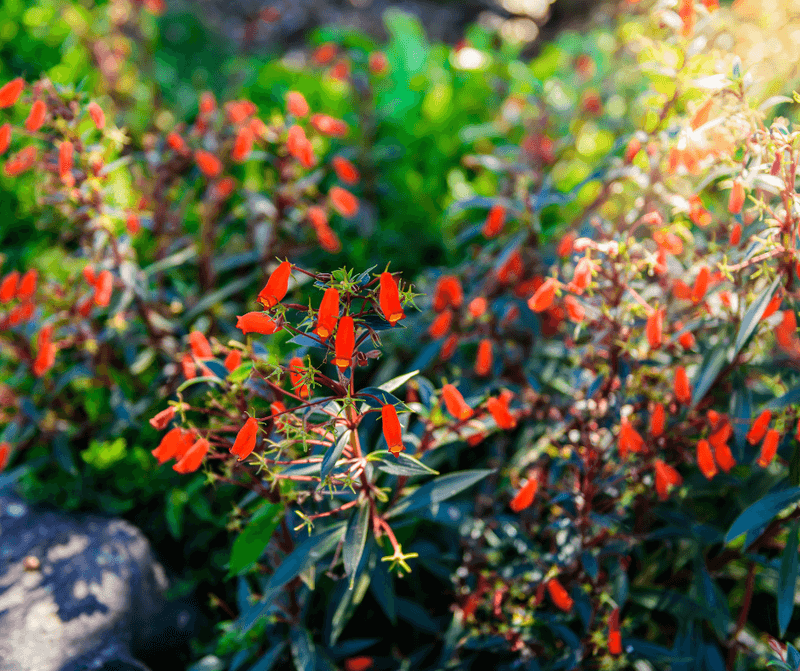
A lot of California homeowners expect defensible-space planting advice to mean bare dirt, gravel, and a yard that looks half finished. County plant lists tell a different story.
Many local agencies recommend plants that stay attractive, support pollinators, and still fit a fire-smart landscape when they are spaced, watered, and pruned the right way. That surprises people because the biggest wildfire problem is often not the plant itself, but how close, dry, and overgrown everything becomes.
1. Yarrow
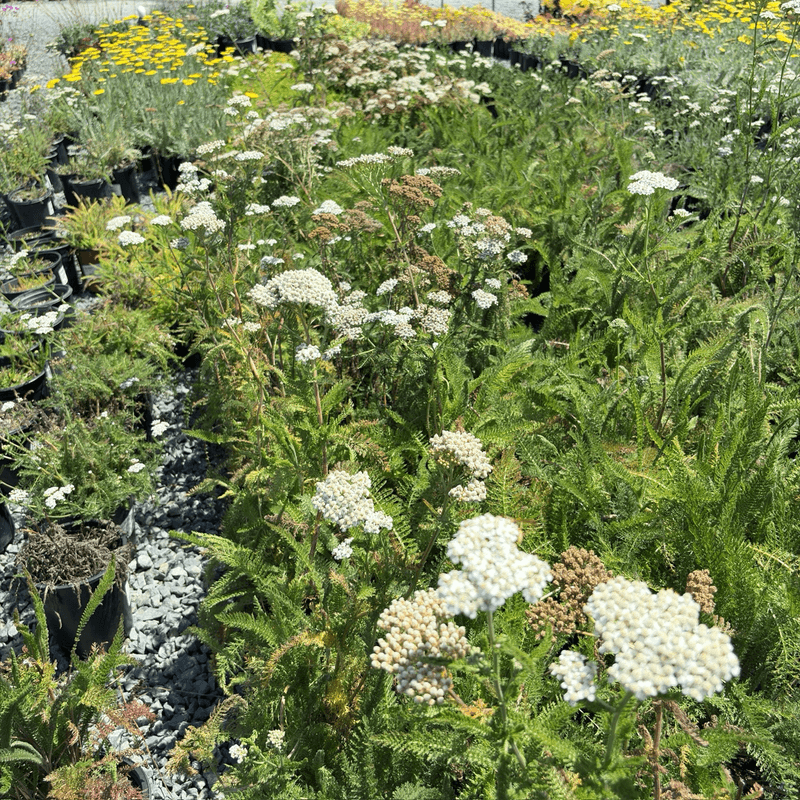
One of the biggest surprises on California county plant lists is yarrow. Homeowners often expect fire-smart choices to look stiff or scrubby, yet yarrow brings soft flower heads, ferny leaves, and a familiar cottage-garden feel while staying low to the ground.
Fire agencies and county-friendly plant palettes in places such as Marin, Sonoma, and parts of the East Bay often include yarrow because it can be kept green with moderate water, does not usually build the kind of tall, twiggy fuel that worries firefighters near a house, and responds well to cutting back. That low profile matters in the first few feet and the wider defensible-space zone, where flame height and fuel continuity can make a real difference.
Another reason people do not expect to see yarrow is that it attracts beneficial insects and looks almost delicate. In reality, its fire-smart value comes from maintenance, not toughness alone.
If you shear spent blooms, remove dry stems, and avoid letting it form a crispy mat by late summer, yarrow can give you color, pollinator activity, and a more finished look than homeowners usually picture when they hear defensible space.
2. California Fuchsia
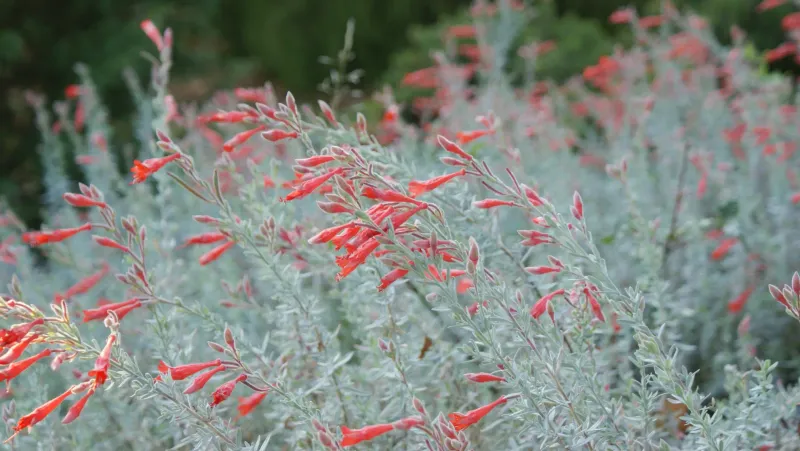
Late summer is when many fire-prone yards start looking tired, and that is exactly when California fuchsia starts to shine. Its orange-red flowers can make a slope or border look alive just as other plants begin to fade, which is part of why county recommendations catch people off guard.
Local lists in counties such as Santa Barbara, San Diego, and Monterey often favor native plants that handle dry summers without constant irrigation, and California fuchsia fits that pattern well. It usually stays fairly low, spreads in a controlled way compared with bigger shrubs, and provides hummingbird value without creating a dense wall of woody material right up against the house.
The surprise here is emotional as much as practical. Many homeowners assume a drought-tolerant native must look rough or weedy in peak fire season, but California fuchsia can be one of the brightest performers in the yard.
The key is to cut back old stems before the next season, keep dead material from collecting underneath, and use it where you want coverage without a thicket. Done that way, it can look cheerful and still support the larger goal of reducing risky fuel buildup.
3. Coral Bells
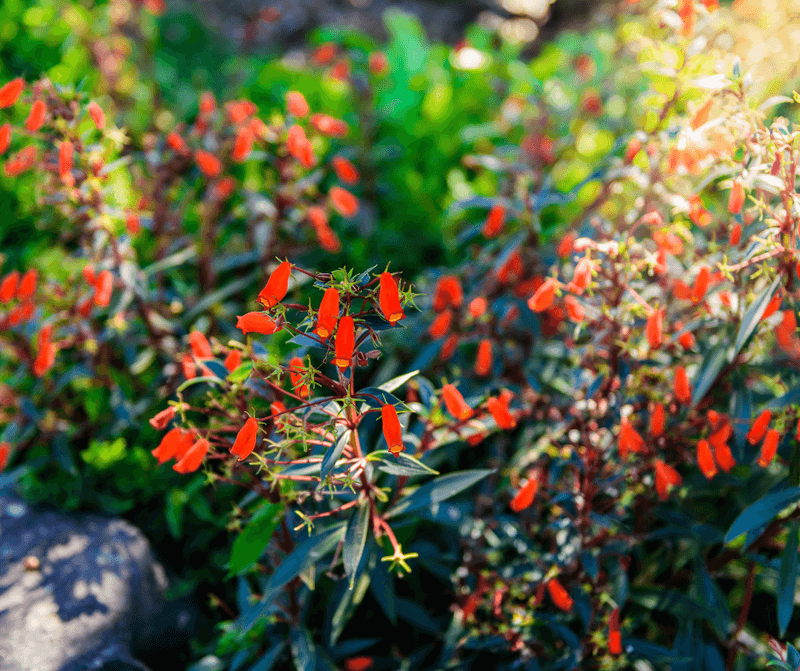
Plenty of homeowners think defensible-space advice only applies to sun-baked slopes. Coral bells prove otherwise.
Their tidy clumps and colorful leaves show why county plant guidance often includes options for shaded entries, north sides of homes, and spots under high tree canopies.
Across California, including coastal and inland counties where homes have mixed sun and shade, coral bells are often valued because they stay compact and do not usually produce the large, brittle fuel load that bigger ornamentals can create. They can fill awkward foundation gaps with living cover rather than leaving a hidden pocket for weeds, leaf litter, and volunteer brush to move in.
What surprises people most is the look. Coral bells read as decorative nursery plants, not rugged fire-country workhorses.
Yet that neat habit is exactly the point. When kept free of dead leaves and given enough airflow, they can make the area near a house look polished while helping break up continuous fuel.
For homeowners who want a softer front entry without gambling on thirsty annuals or overgrown shrubs, coral bells often feel like the plant they wish someone had recommended sooner.
4. Society Garlic
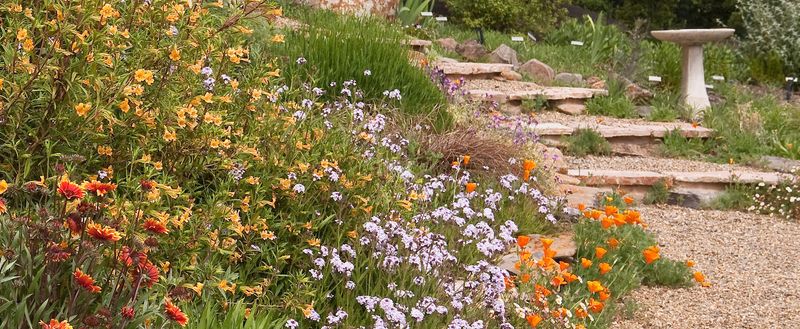
Here is a plant that feels almost too friendly for a wildfire article. Society garlic has grassy foliage, purple blooms, and an easygoing border-plant look, but it appears on many California fire-smart recommendation lists because it brings color without turning into a woody fuel source.
Counties and local fire-safe plant guides often favor plants with higher moisture content, less accumulated dead wood, and a manageable size near homes. Society garlic checks those boxes for many gardeners, especially in warmer parts of Southern California where homeowners want something durable along paths, driveways, and mailbox beds.
It also works well as a visual separator between larger shrubs, helping keep beds from becoming one continuous mass.
The funny part is that people tend to remember its scent before its safety value. Brush the leaves and you get that onion-garlic smell, which makes it memorable for all sorts of reasons.
In a defensible-space plan, though, the real win is how simple it is to keep tidy. Remove old flower stalks, thin tired leaves now and then, and it stays presentable with far less fuss than many common landscape favorites.
That mix of low drama and clear structure is exactly why it keeps showing up on practical county lists.
5. Rockrose
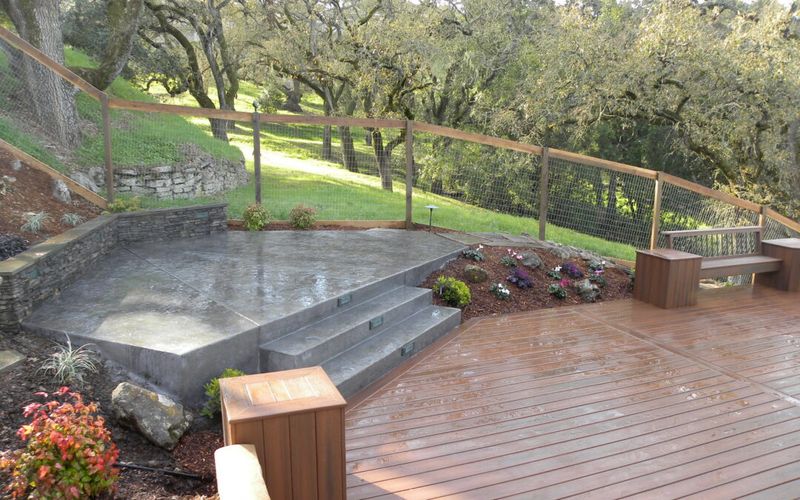
At first glance, rockrose looks like a plant that belongs in a romantic dry garden, not a county-backed defensible-space plan. The papery flowers and relaxed habit give it a softer personality than homeowners expect from anything associated with wildfire prep.
Yet rockrose appears on a number of California fire-resistant and water-wise planting lists because it can thrive with low summer water and can be shaped to maintain open structure. In counties where long dry summers are the rule, that matters.
A plant that survives without constant irrigation but does not demand becoming a huge hedge can be useful in the middle and outer defensible-space zones.
What makes rockrose a bit tricky, and worth understanding, is that recommendation never means ignore maintenance. If it gets leggy, packed too tightly with other shrubs, or loaded with dead interior growth, it loses much of the advantage that put it on those lists in the first place.
Homeowners are often surprised to learn that a pretty shrub may still be county-approved when used with spacing, pruning, and cleanup in mind. Rockrose is a good reminder that fire-smart landscaping is usually about plant behavior plus care, not a magic list of perfect species.
6. Cleveland Sage
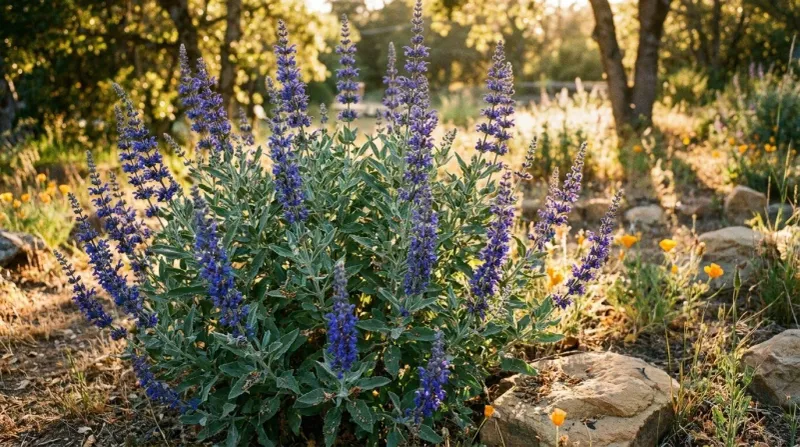
Few plants confuse homeowners more than sage on a fire-smart list. The word itself makes people think of fragrant oils and brushy hillsides, so seeing Cleveland sage recommended by California counties or local fire-safe groups can feel backward at first.
The difference is in placement and care. Cleveland sage is often used in native and low-water landscapes because it is beautiful, supports pollinators, and handles Southern California heat with style.
On county-associated lists, it is usually treated as a plant for the right zone of the yard, with enough spacing from structures and enough pruning to prevent dead wood from building up inside the shrub.
That nuance matters. No county list turns any shrub into a fireproof choice, and aromatic natives still need thoughtful siting.
But homeowners are often relieved to learn they do not have to strip every fragrant, wildlife-friendly plant from the landscape to be responsible. If you keep Cleveland sage away from direct contact with the house, avoid packing it into a dense hedge, and refresh it regularly, it can offer the silver foliage and purple bloom that make California gardens feel rooted in place while still fitting a smarter defensible-space strategy.
7. Monkey Flower
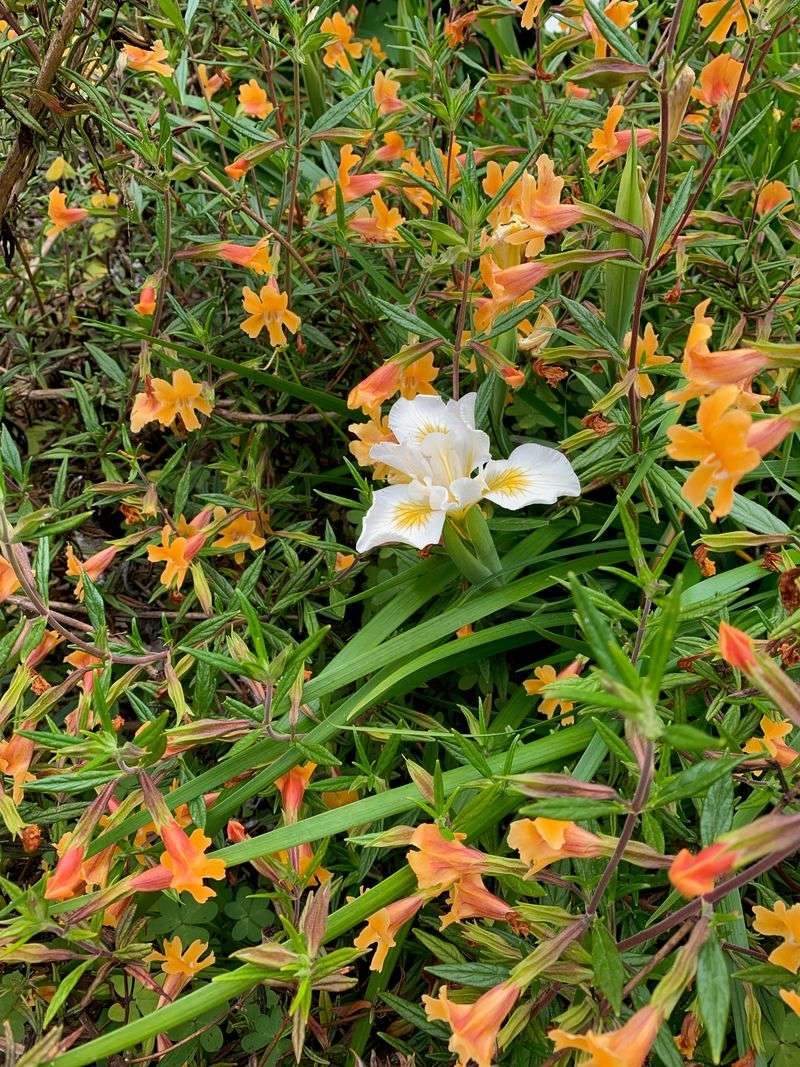
Monkey flower has a bright, almost playful look that does not scream hazard reduction. That may be why homeowners are startled to find it on California-friendly defensible-space palettes, especially in counties that promote native plants for dry slopes and habitat gardens.
Its appeal is easy to understand once you see how it functions. Monkey flower can bring long bloom periods, support pollinators, and cover exposed soil without turning into a massive woody screen.
In places where erosion control, water savings, and habitat all matter, counties and local fire-wise resources often lean toward plants that do more than one job, and monkey flower frequently earns its place that way.
Still, the plant works best when people resist the urge to let everything grow together into one shaggy blanket. Open pockets between plants, seasonal cleanup, and removal of dead stems help keep the area visually lighter and safer.
The surprise with monkey flower is that a native can be both lively and useful, not just ecologically virtuous. For homeowners trying to move past the false choice between a sterile fire-safe yard and a beautiful one, monkey flower is often where the lesson clicks.
8. Blanket Flower
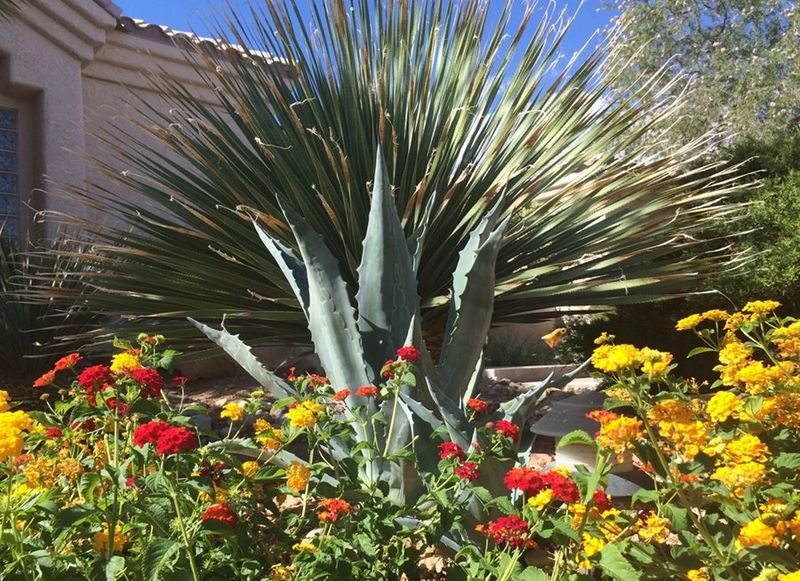
Some county-recommended plants surprise people simply because they look cheerful. Blanket flower falls squarely into that category.
With its warm red and yellow blooms, it feels more like a summer color plant than part of a wildfire-prep plan.
That cheerful look hides a practical set of traits homeowners can use. Blanket flower stays relatively low, fits well in hot sunny beds, and can add color without needing the kind of lush, constant irrigation that many traditional bedding plants demand in California summers.
For counties and fire-safe programs trying to steer people away from thirsty, high-maintenance landscapes, that makes it a handy option in beds that need visual punch close to walkways or driveways.
Another reason it earns attention is psychological. Homeowners often do better with defensible-space upgrades when the result still looks intentional and welcoming.
A bed planted with low mounding flowers feels like gardening, not surrender. Deadheading and seasonal cleanup matter, of course, because even compact perennials can collect dry material if ignored.
But blanket flower helps prove a larger point: county advice is not always about taking beauty out of the yard. Quite often, it is about choosing beauty that stays easier to manage in a long, dry fire season.
9. Toyon
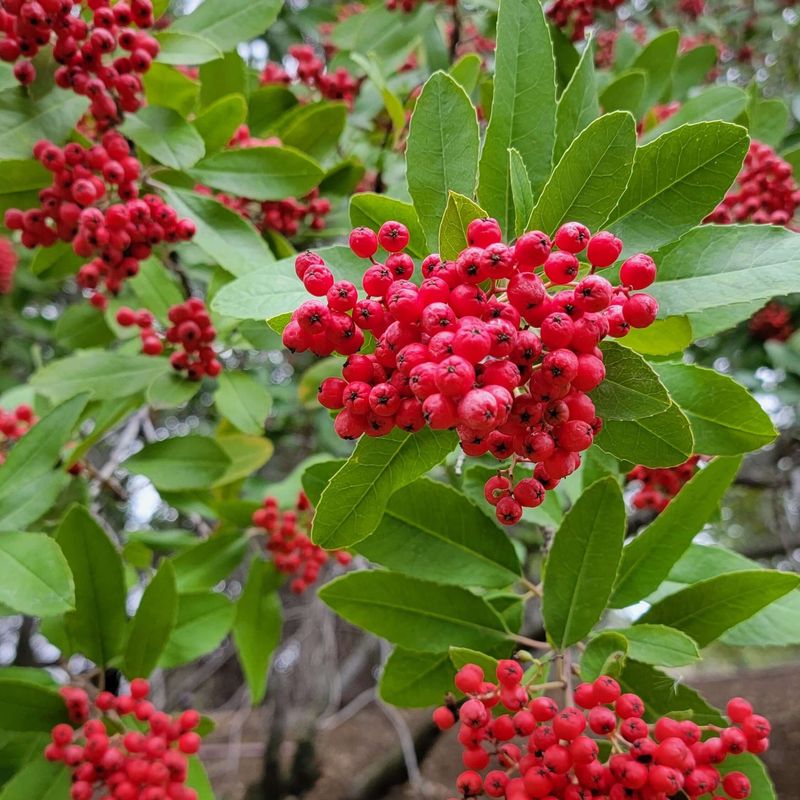
Toyon is the entry on this list that tends to make native-plant fans nod and nervous homeowners pause. It is a larger shrub than the others, famous for red berries and wildlife value, so people often assume it cannot possibly belong in a defensible-space conversation.
And yet toyon appears on a number of California native and fire-aware planting resources because counties are not only thinking about tiny foundation plants. They are also thinking about the broader yard, especially the middle and outer zones where structure, habitat, and slope stability still matter.
Toyon can serve as part of that bigger picture when it is not crammed against a wall, limbed up when appropriate, and kept free of dead material at its base.
The surprise here is really about scale and placement. A plant that is not ideal in the zero-to-five-foot zone near a house may still be perfectly reasonable farther out, where spacing and management lower the risk.
That is a lesson many homeowners miss when they search for a simple good-plant bad-plant list. Toyon shows how county recommendations often work in context.
The same yard can need low perennials near the house, modest shrubs in transition areas, and larger natives beyond that, all working together in a more layered, more California-appropriate landscape.