
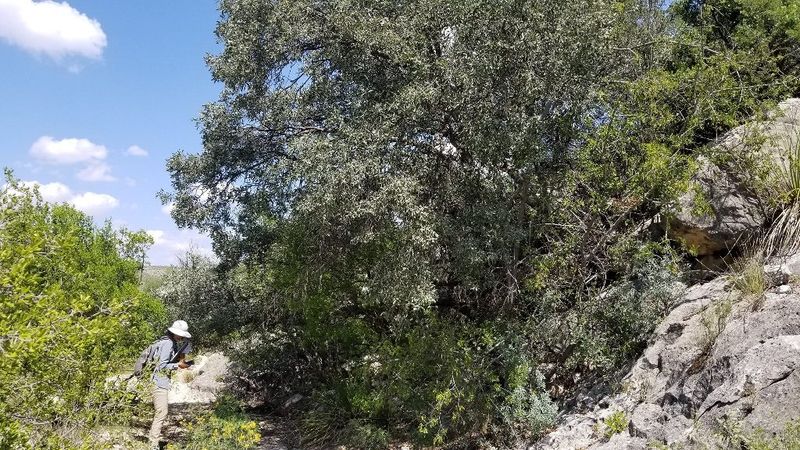
Some trees look tough enough to handle a Texas summer and a wildfire season, and Mohr oak gets that kind of attention. Texas Parks and Wildlife describes it as a small evergreen oak that handles drought and resists fire.
That label sounds comforting, but it only tells part of the story. Here is what the tree offers, where it fits, and how to place it so your yard looks good and stays safer.
Mohr oak is a candidate, not a near-house shortcut
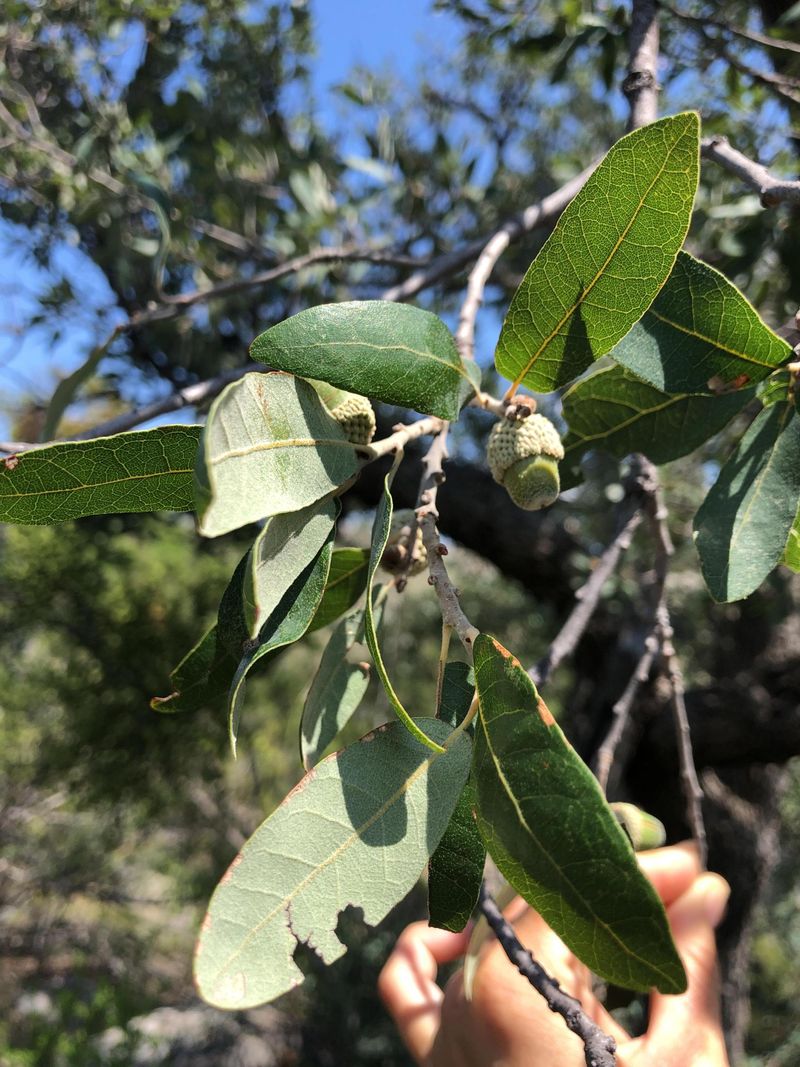
Mohr oak (Quercus mohriana) is the tree worth a closer look here. A Texas Parks and Wildlife plant guide, the TPWD Wildscapes plant list, describes it as an evergreen, drought-tolerant small oak and calls it fire-resistant.
The title of this article suggests more than the sources can back up. Nothing reviewed shows that Texas homeowners are quietly choosing this tree over ornamentals.
The idea of it as a trend is unproven, so treat it as a plant to evaluate rather than a popular move to copy.
The title also hints at planting close to the house, and the guidance does not support that. Texas A&M Forest Service says all vegetation can be wildfire fuel, and it asks homeowners to keep plants and mulch out of the area right against the walls.
So the plan is simple. We will look at what makes Mohr oak attractive, where it grows well, and how it fits into a yard managed for wildfire risk.
A fire-resistant label is a useful lead, but it does not prove that one tree lowers risk at your property.
Its evergreen form brings year-round structure
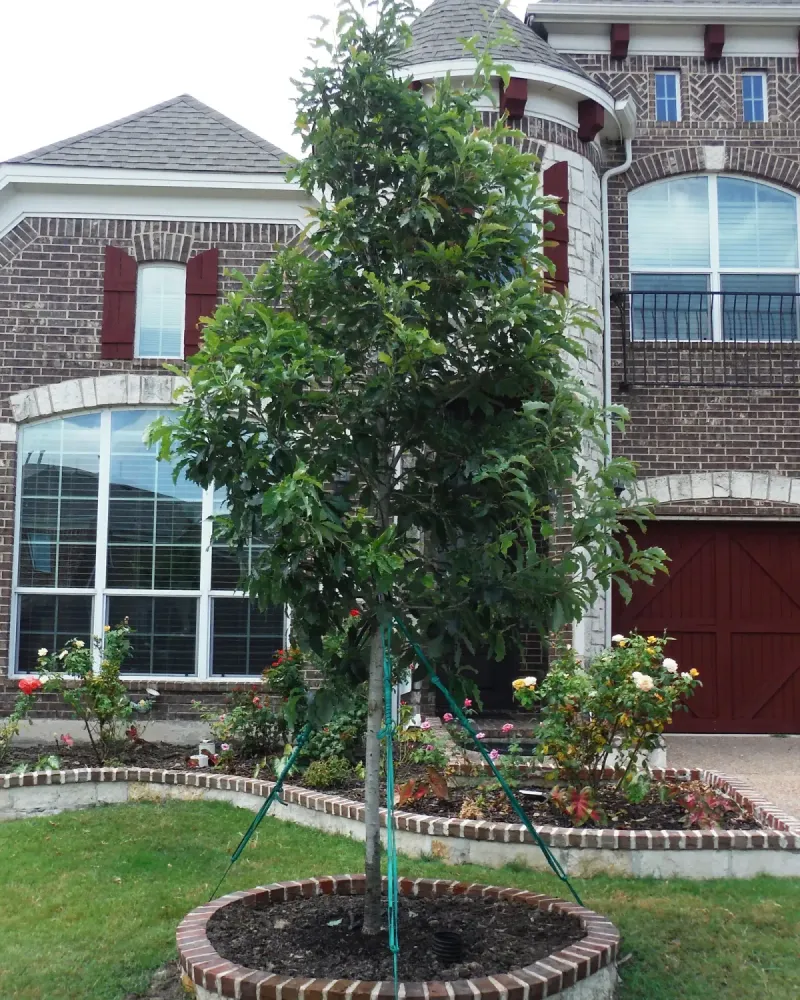
Picture a compact tree with a rounded crown that keeps its leaves through winter. That is how the TPWD guide describes Mohr oak: a small, round-topped evergreen oak with dark green to gray-green foliage.
In a landscape that browns out in August and goes bare in January, that steady color gives a yard shape in every season.
The same guide labels the tree drought-tolerant. For Texas homeowners facing triple-digit summers and watering limits, that is a practical point in its favor.
It suggests a tree that does not depend on constant irrigation once settled, though the guide gives no watering schedule, so ask a local nursery or extension office about establishment care.
Wildlife-cover value is also noted. Dense evergreen branches can give birds and other small animals a place to hide and rest, which matters if you want a yard that works as habitat as well as decoration.
Details beyond that, such as mature height, growth speed, or flowering, are not covered in the source, so check them with a reliable local grower before you plan around them. Judge the tree by what is documented: shape, leaf color, drought tolerance, and cover for wildlife.
Its Texas fit depends on region and site
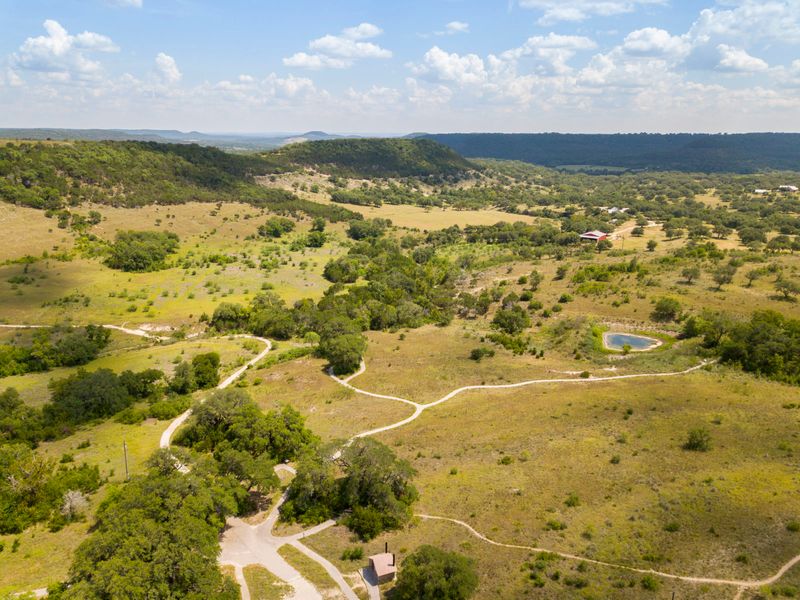
Where you live decides whether Mohr oak is even an option. TPWD places the species in the limestone hills, mountains, and grasslands of West and West-Central Texas.
That is a specific range, not a statewide promise.
If your yard sits in East Texas pine country or along the humid Gulf Coast, this guide gives you no reason to expect it to thrive. Treat the region check as the first screening step, before you think about where in the yard it might go.
Next, compare your site to the tree’s documented setting. Rocky, hilly ground with open grassland nearby looks a lot like the habitat TPWD describes.
A flat lot with heavy, wet soil looks very different.
The source does not list soil types the tree tolerates, so avoid guessing. A county extension office or a native plant nursery in your area can tell you how it performs locally.
Once the region and site both look right, you can move on to the harder question of placement and wildfire safety.
Fire risk depends on the whole planting, not a label
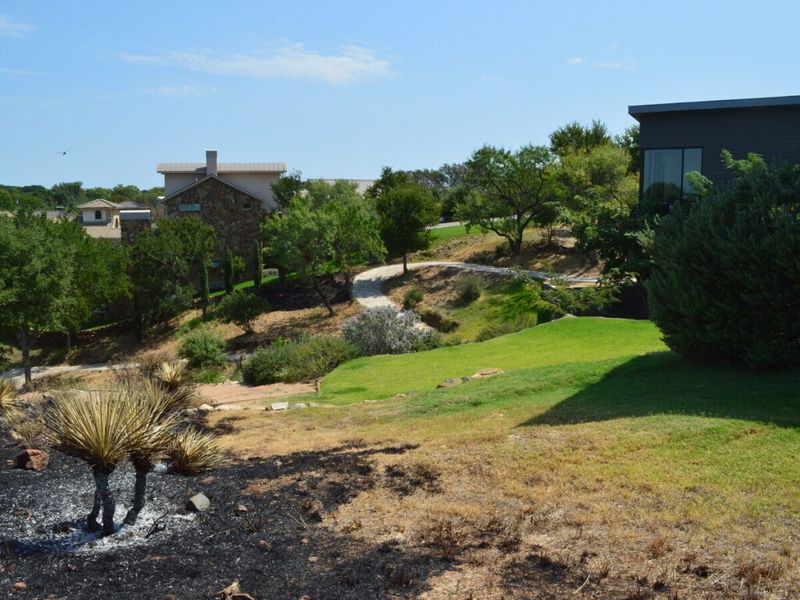
A fire-resistant label sounds like a guarantee, but it is not one. The Forest Service guidance says plant type, quantity, and arrangement all affect how fire behaves.
It names traits tied to greater resistance: higher moisture, open branching, easy pruning, and little dead-material buildup.
Native status does not settle the question either. Oregon State University Extension notes that native and ornamental plants can both be highly flammable, and that research on ornamental flammability is limited.
Plant lists are useful hints, not directly comparable lab results.
How plants are grouped matters too. University of Florida IFAS says the arrangement of plant groups can matter more to wildfire hazard than any single plant’s flammability.
A tidy, well-spaced oak may behave very differently from the same oak crowded into a tangle of brush and dead leaves.
Embers add another layer. Texas A&M Forest Service says windblown embers, not only flames, can ignite materials on or near a home, and that they can travel one to two miles in certain weather.
One tree cannot stop that.
Dry hillside neighbors prove the point. Two yards with the same tree can face very different risk depending on pruning, spacing, and what sits beside the walls.
Keep the immediate zone clear and space trees beyond it
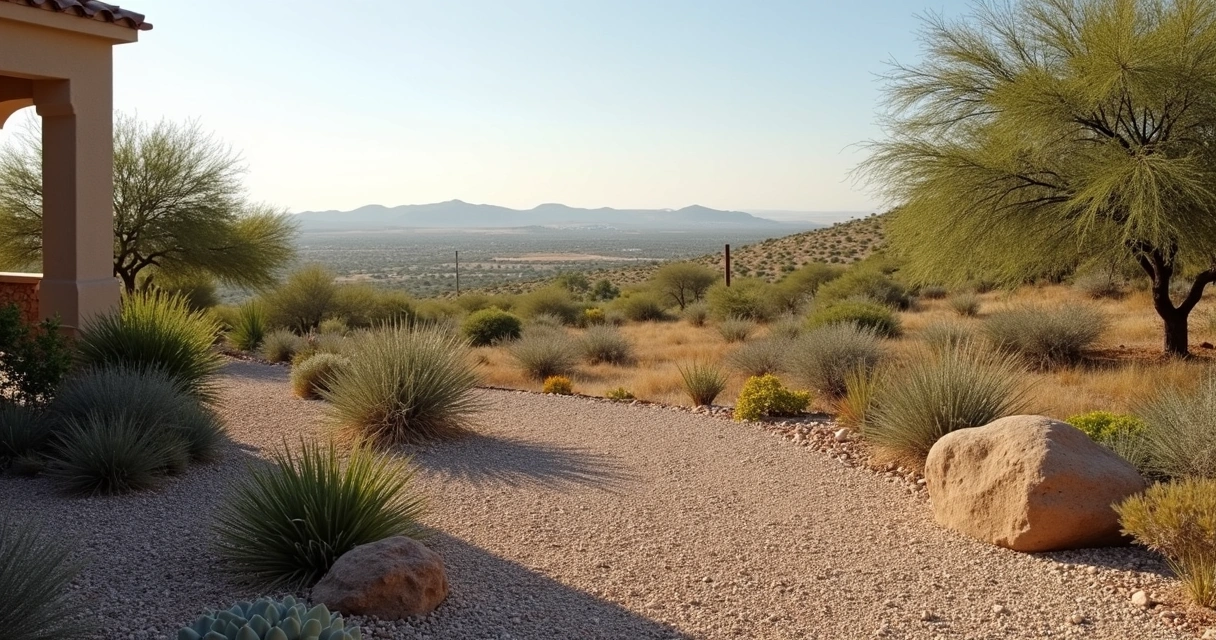
Start at the wall. Texas A&M Forest Service defines the immediate zone as the first 0 to 5 feet around the home and calls it especially vulnerable to embers.
Move plants, mulch, and other flammable materials away from exterior walls, so no tree, shrub, or bed of bark sits there.
That means Mohr oak does not belong beside the house. Whatever its fire-resistant description, the guidance for this zone applies to all plants.
The next band runs from 5 to 30 feet. Here the advice is to remove ladder fuels, which are low plants and branches that let fire climb from the ground into tree crowns.
Prune trees appropriately and space them so fire has a harder time traveling from one to the next.
Mature canopy size drives the placement. Keep full-grown tree canopies at least 10 feet from the structure, and plan for the size the tree will become, not the size of the nursery pot.
Site conditions can change the math. Slope and other factors can increase spacing needs, so a yard on a hillside, common in limestone country, may need more room than a flat lot.
When in doubt, ask your local fire marshal or Texas A&M Forest Service contact to look at your property.
Pruning and cleanup maintain the landscape plan
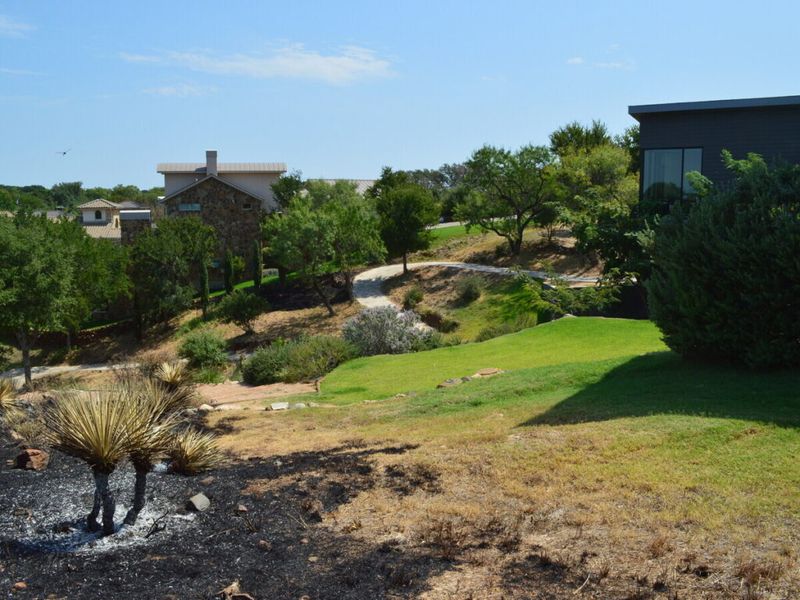
A good layout fades fast if nobody keeps it up. Dead leaves, dry twigs, and fallen branches are exactly the fuel the Forest Service wants homeowners to limit, and plants that shed little dead material are among the traits it links with fire resistance.
The Texas Firewise guide, Firewise Landscaping in Texas, stresses cleaning, pruning, and watering as ongoing tasks. Think of them as a calendar habit rather than a one-time project.
Pruning also handles ladder fuels. Trim low limbs and clear brush beneath trees so a ground fire has no stair steps to climb.
Check spacing each year, because crowns widen and gaps that looked generous at planting can close up.
Watering plays a role as well, since higher moisture is one of the traits tied to fire resistance. In drought and under local restrictions, follow your city rules and favor plants that cope with dry spells.
None of this guarantees that a tree or yard will resist ignition. Embers still travel and weather still swings.
Maintenance lowers the fuel available, which is a real benefit, but it works as one part of a wider plan rather than a promise.
Choose Mohr oak only if it fits the site and plan
Work through it in order. First confirm that your region and site match the limestone hills and grasslands of West and West-Central Texas.
Then pick a spot that follows the home-zone and spacing guidance, well outside the first five feet and with a mature canopy at least 10 feet from the structure.
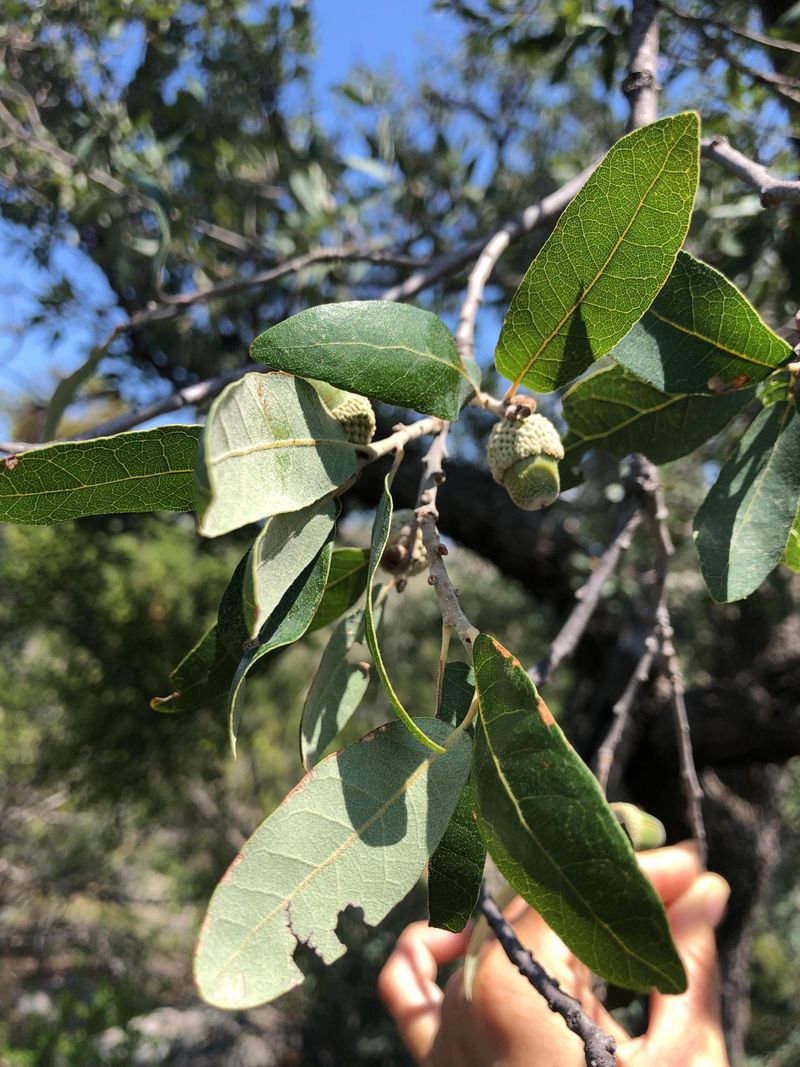
What you get is a small, round-topped evergreen with dark green to gray-green leaves and documented drought tolerance. TPWD calls it fire-resistant, but that is a description, not proof of lower risk at your address.
Mohr oak can be a handsome piece of a maintained landscape. It is not a wildfire solution on its own, and the sources show no homeowner trend.
The honest pitch is smaller and better: a good tree in the right place, kept tidy.