
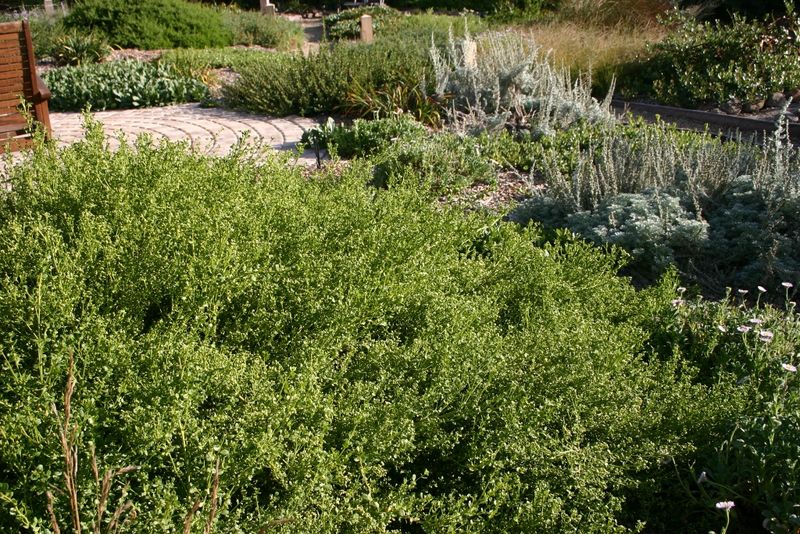
Some of the prettiest shrubs in California yards can act like kindling when embers fly. Fire agencies like CAL FIRE and local fire districts have spent years studying which plants hold moisture and which ones go up fast.
The good news is that you do not have to choose between a lush yard and a safer one. Here are seven shrubs worth planting near your home, plus three popular ones experts urge you to keep away.
1. Toyon
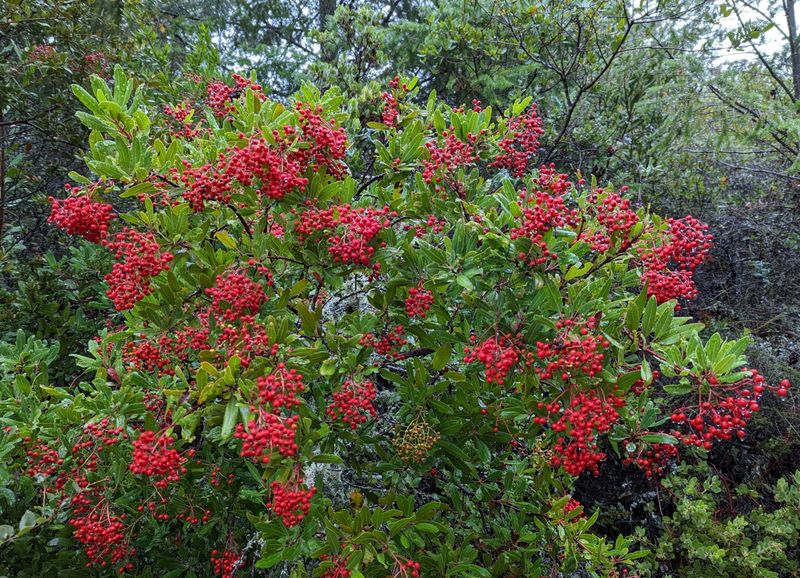
Hollywood is said to have been named after this shrub, once called California holly. Toyon shows up on many fire-safe plant lists from California resource conservation districts, and for good reason.
Its thick, leathery leaves can hold moisture well into summer when it gets an occasional deep soak.
Birds adore it too. Cedar waxwings, robins, and mockingbirds strip the red berries in winter, so you get a wildlife show along with your safer landscaping.
Plant toyon in Zone 2, roughly 30 to 100 feet from your home, or as a spaced specimen closer in if you keep it pruned and dead wood removed. It handles drought once established, which helps under local water restrictions.
2. Lemonade Berry
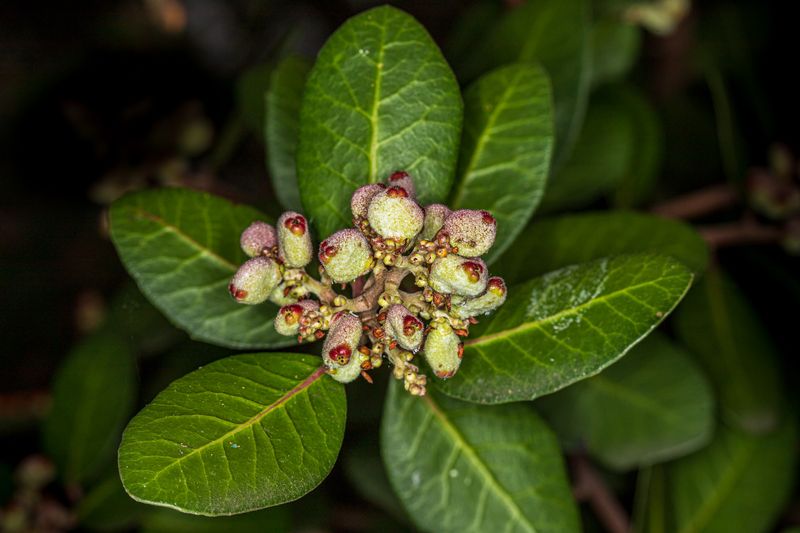
Coastal hikers know this one by its sticky, tart berries that early Californians soaked to make a lemony drink. Lemonade berry (Rhus integrifolia) is a native workhorse for slopes in Southern California.
Its waxy, broad leaves tend to resist ignition better than fine, needle-like foliage. Fire agencies in San Diego County have listed it among plants that may slow fire when kept healthy and spaced.
The roots also grip loose soil, which matters after a burn when hillsides can slide. Give it room, since it can spread 10 feet wide, and water deeply once a month in the hottest stretch.
3. California Coffeeberry
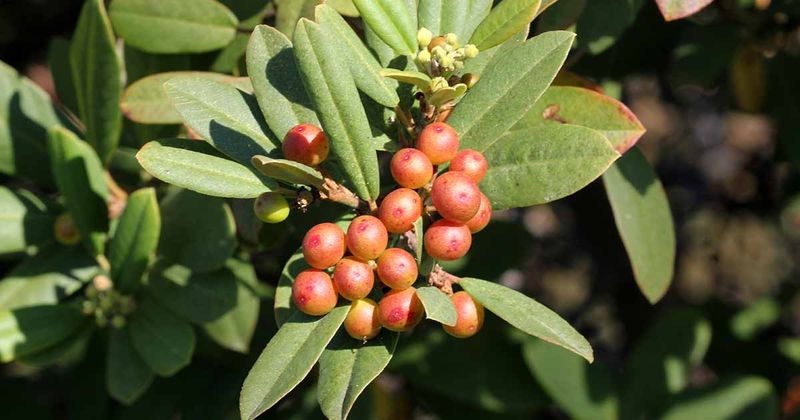
Ask a native plant nursery for a tidy, fire-wise hedge and odds are they’ll point you to coffeeberry. Compact varieties like ‘Eve Case’ and ‘Mound San Bruno’ stay neat without much shearing.
The leaves are glossy and fairly moist, and the shrub doesn’t build up a lot of dead twigs inside. That low fuel load is why many fire-safe guides include it.
Bonus: the flowers feed native bees, and the berries ripen from green to red to near black, feeding thrashers and quail. It’s a solid swap for a juniper hedge along a driveway or fence line.
4. Hollyleaf Cherry
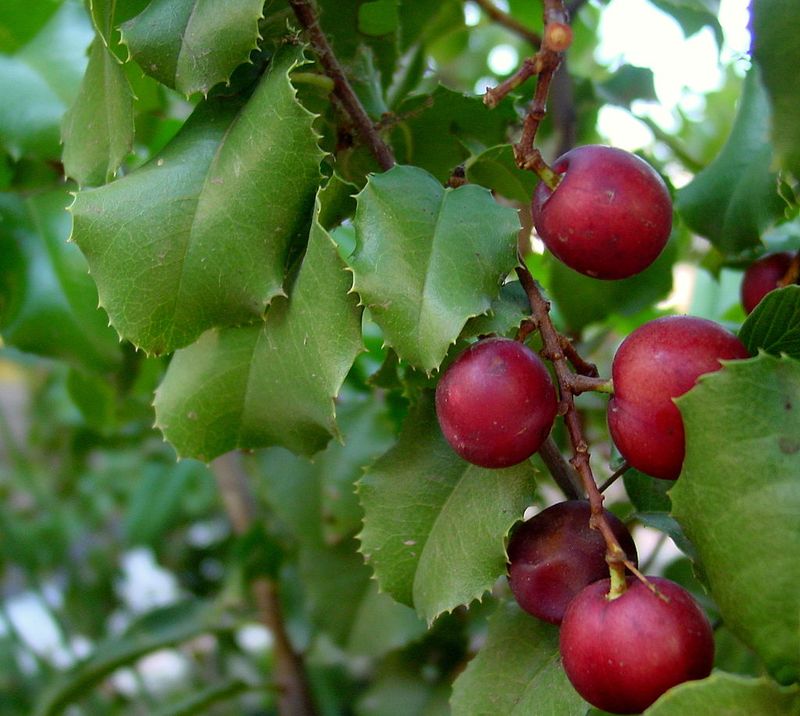
Picture a holly that actually belongs in California. Hollyleaf cherry (Prunus ilicifolia) has shiny, spiny-edged leaves and creamy spring flowers that hum with bees.
It’s slow growing and long lived, keeping moisture in its leaves through dry months better than many shrubs. Several fire-safe plant lists recommend it as a screen or small tree in the outer defensible zone.
Limb it up a few feet from the ground so a grass fire can’t climb into the canopy. That one habit can make a real difference.
5. Island Bush Snapdragon
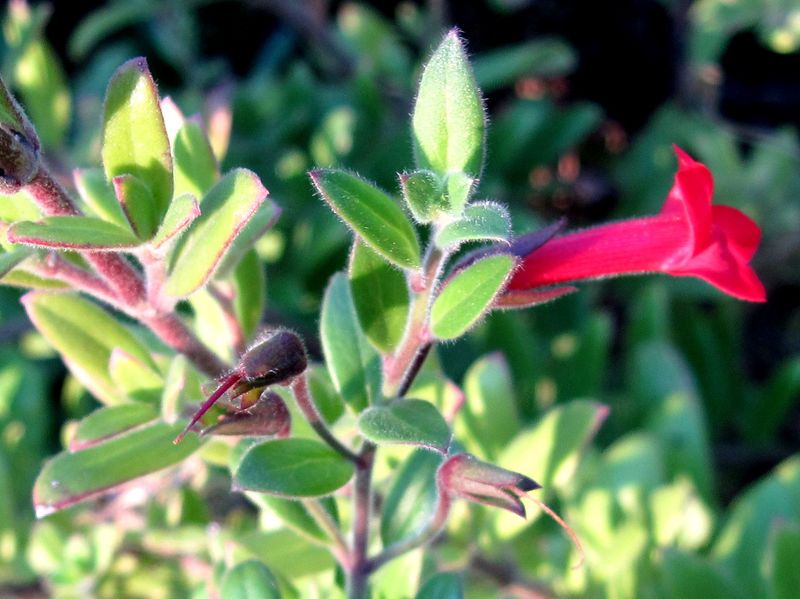
Hummingbird fans, this one is for you. Island bush snapdragon (Gambelia speciosa) comes from the Channel Islands and blooms in fiery red or soft yellow for much of the year.
It stays low, usually two to three feet, and its succulent-like stems hold water. Low height means less fuel and fewer ladder paths toward your eaves, which is what fire crews want near a house.
Tuck it near a patio where you can watch hummingbirds dart in. It likes good drainage and very little water once settled.
6. Creeping Sage
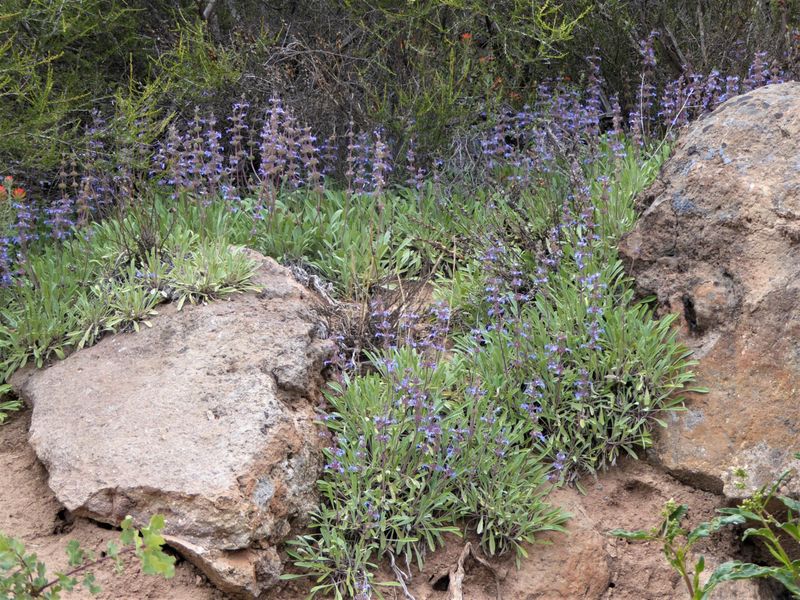
Not every sage is a fire hazard, though tall, woody ones can be. Creeping sage (Salvia sonomensis) hugs the ground at under a foot tall, forming a fragrant gray-green mat.
Low groundcovers like this are often suggested by UC Cooperative Extension for slopes in defensible space, since short plants mean short flames. Keep it irrigated lightly in summer so it doesn’t dry to crisp.
Native bees mob the lavender flowers in spring. It’s a smart, wildlife-friendly replacement for thirsty lawn on fire-zone hillsides.
7. Dwarf Coyote Brush
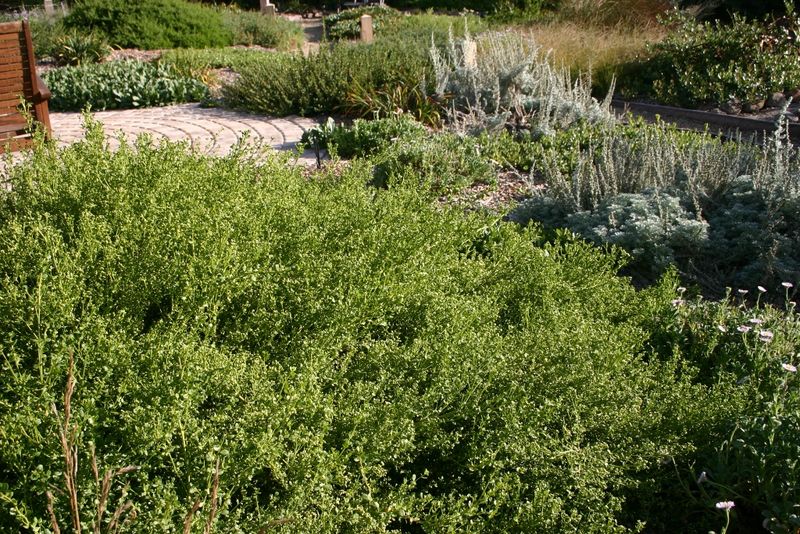
Here’s a twist: tall wild coyote brush is a known chaparral fuel, yet the low cultivar ‘Pigeon Point’ appears on many fire-safe lists. Height and care change everything.
The dwarf form spreads wide and stays under two feet, crowding out weeds and dry grass. Cut it back every few years to clear out woody buildup.
It’s nearly bulletproof in heat and supports tiny pollinators and beneficial insects. Use it to cover banks where nothing else wants to grow.
8. Juniper (Warned Against)
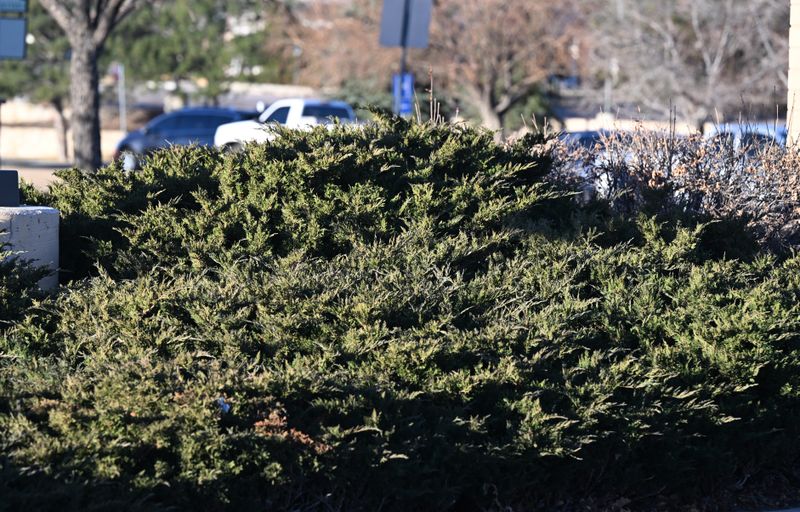
Walk through almost any older California subdivision and you’ll spot junipers hugging foundations. Fire officials have a nickname for them: gasoline plants.
Junipers pack flammable oils and fine needles, and they collect dead material inside where you can’t see it. During recent fires, crews watched embers ignite junipers next to walls, which then lit the homes.
California’s new ember-resistant Zone 0 rules focus on the first five feet around a house, and junipers are a top target. Swap them for gravel, hardscape, or low succulents, and move any keepers well out.
9. Italian Cypress and Arborvitae (Warned Against)
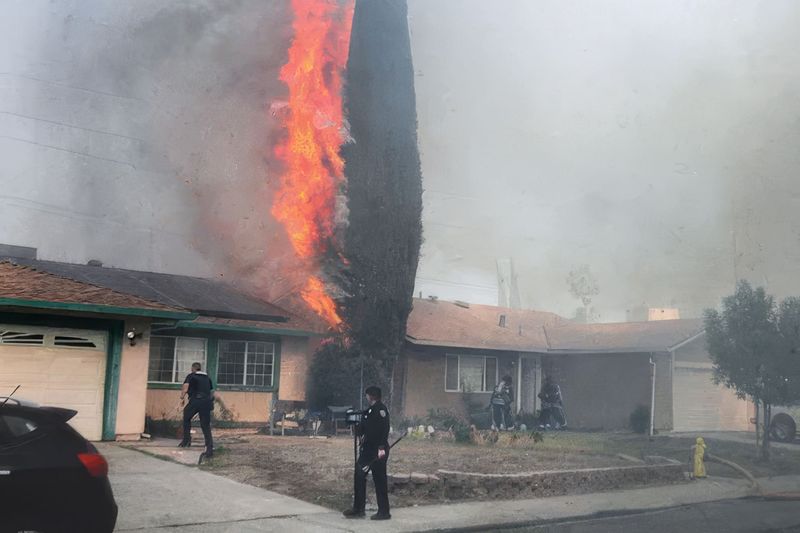
Those tall, skinny green columns look elegant by a Tuscan-style house. Sadly, Italian cypress and arborvitae are dense, resinous, and burn like torches.
Their shape acts like a chimney, pulling flames straight up toward rooflines. Many fire districts advise removing them from within 30 feet of structures.
For a vertical screen, consider spaced hollyleaf cherry or a well-pruned coffeeberry instead. You keep privacy without lining your home with fuel.
10. Rosemary and Pampas Grass (Warned Against)
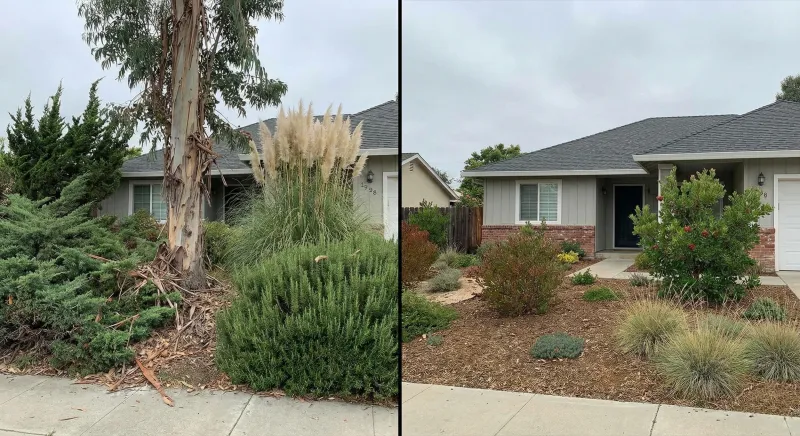
Rosemary surprises people. It’s drought tolerant and smells wonderful, but older, woody plants are oily and full of dead stems, so many fire guides warn against big hedges near homes.
Keep rosemary small, young, and watered, and grow it in Zone 2 or a pot away from walls. That way you can still clip it for dinner.
Pampas grass is a firmer no. It’s both highly flammable and listed by the California Invasive Plant Council as invasive, crowding out native habitat, so pull it and bag the plumes before they seed.