
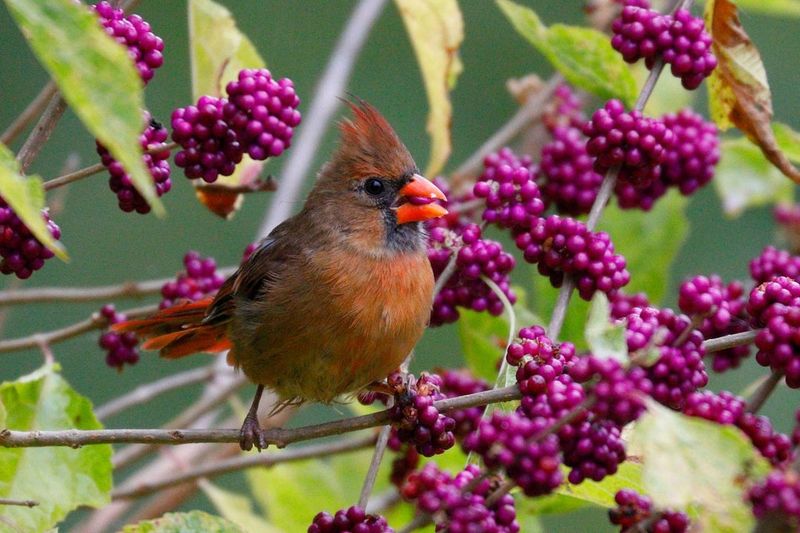
August can be rough on a Florida yard, but birds still need food every day. Native berry bushes help mockingbirds and cardinals find fruit when the heat is high and many gardens look tired.
The right shrubs also give your yard color, shade, and a more natural look with less fuss. Here are seven Florida natives that earn their space by feeding birds and handling tough Southern weather.
1. Beautyberry
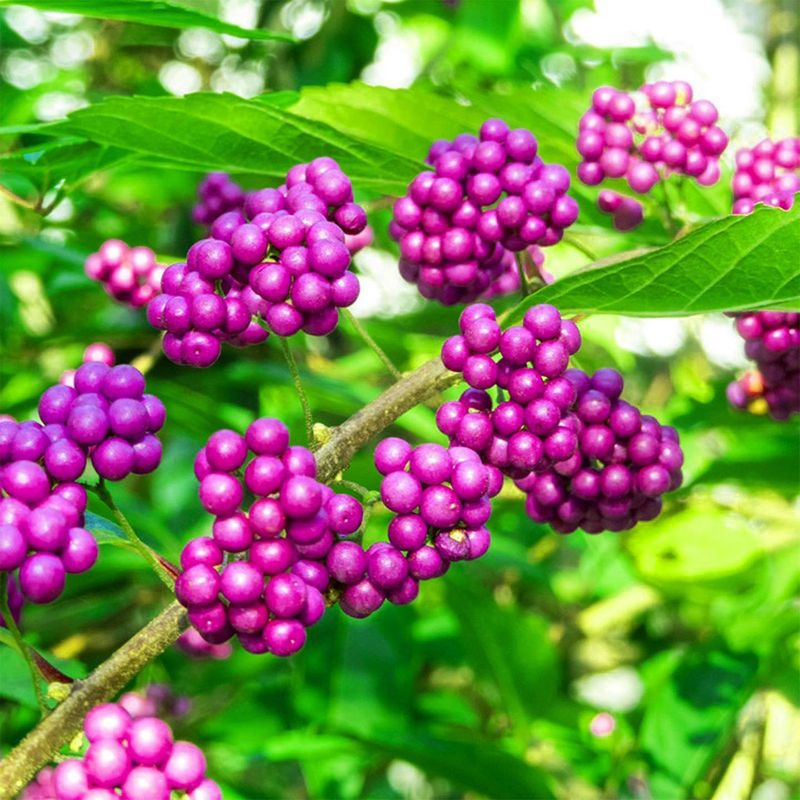
Bright purple berries stop people in their tracks, and birds notice them too. Beautyberry brings a splash of color right when many Florida beds are starting to look worn down by heat, rain, and sandy soil.
Mockingbirds are often quick to work through the berry clusters, while cardinals may visit as the fruit softens and becomes easier to take. The berries form in tight rings along the stems, which makes this shrub look almost decorated without any help from the gardener.
For home landscapes, beautyberry is useful because it fits along fence lines, woodland edges, and informal borders. It can handle part shade, but it fruits better with several hours of sun, especially in well-drained Florida soil.
Prune it in late winter if it gets too loose or leggy, since flowers and berries form on new growth. Give it room to arch instead of forcing it into a tight ball, and it will look more natural while offering birds a late-summer snack bar.
2. Simpson’s Stopper
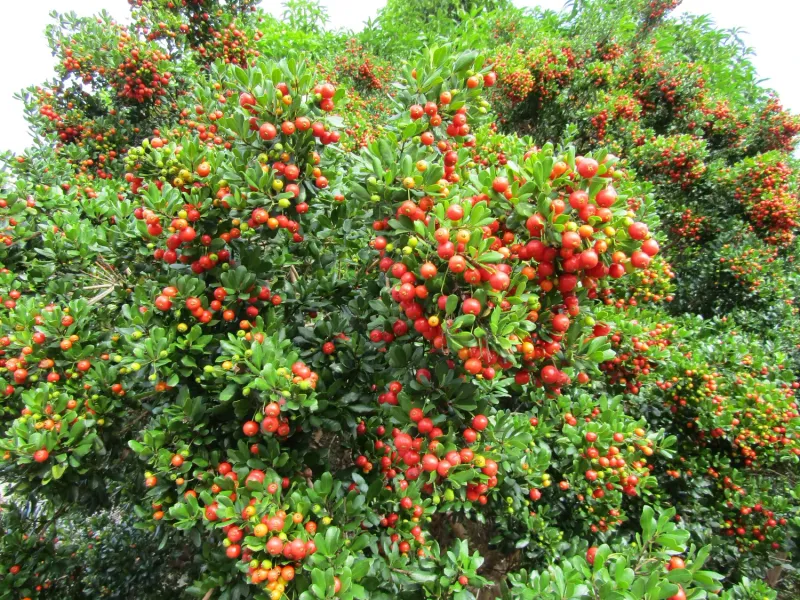
A neat evergreen shrub that feeds birds and still looks polished near the house is hard to beat. Simpson’s stopper has that rare mix of wildlife value and curb appeal, so it works well where a messy thicket would bother you.
Small white flowers can appear during warm months, followed by orange to red berries that mockingbirds readily investigate. Cardinals also use the dense branching for cover, which matters in August when open yards can feel exposed and hot.
Florida gardeners often use Simpson’s stopper as a hedge, screen, or foundation shrub. It is especially handy in coastal and central Florida landscapes because it tolerates heat, humidity, and lean soils once established.
Unlike some berry plants that disappear into the background, this one keeps a tidy shape with glossy leaves. Light pruning is usually enough, and leaving some fruiting stems alone gives birds a better payoff than shearing every few weeks.
3. Firebush
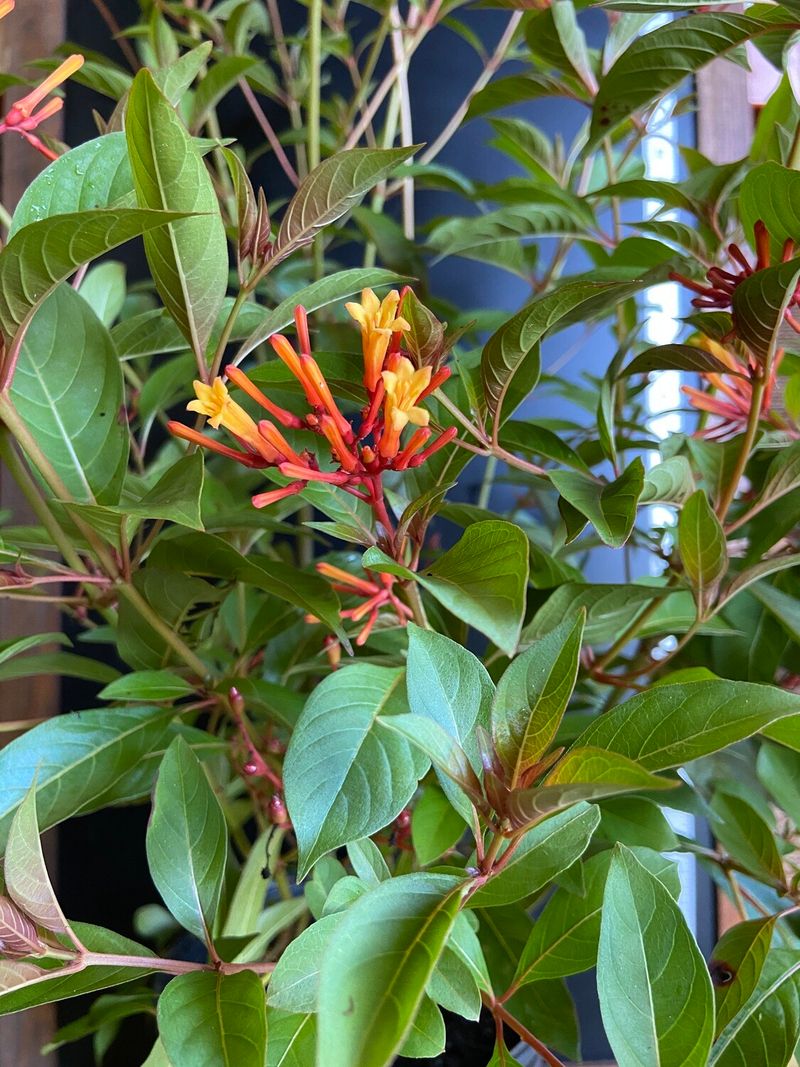
Hummingbirds come for the flowers, but mockingbirds often stay for the berries. Firebush is the lively, sun-loving shrub that can make an August garden feel awake instead of baked.
Clusters of red-orange tubular blooms are the showy part, yet the dark berries that follow are valuable for fruit-eating birds. Northern cardinals may also forage around the plant, especially where the shrub is allowed to grow full and leafy instead of being clipped too tightly.
Firebush shines in hot, sunny places where fussier ornamentals fade. In much of Florida, it grows fast during the warm season and handles sandy, well-drained soil with less pampering than many nonnative shrubs.
Placement matters because this plant can become large in frost-free areas. Use it as a back-of-border anchor, a sunny wildlife corner, or a loose screen near a patio where you can watch the traffic of birds, butterflies, and bees.
In cooler parts of North Florida, cold weather may knock it back, but it often returns from the roots. Mulch lightly, water during establishment, and avoid heavy fertilizer that pushes soft growth over flowers and fruit.
4. Wild Coffee
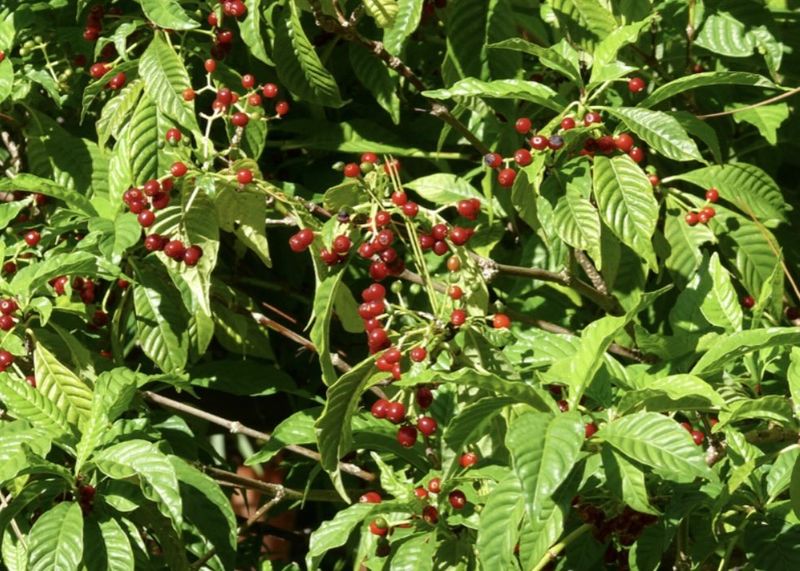
Shady spots under oaks can feel like lost space, but wild coffee turns them into bird-friendly cover. Its glossy leaves look lush even where grass struggles, which is a big win in many Florida yards.
Red berries appear on female plants after small pale flowers, and they are attractive to several birds, including mockingbirds. Cardinals appreciate the low, leafy structure too, especially when the shrub is planted in groups instead of alone like a specimen.
Despite the name, wild coffee is not a backyard source for your morning cup. The common name comes from the look of the fruits, and the plant is best valued as a native understory shrub for wildlife and texture.
Use wild coffee in part shade to shade, such as beneath high tree canopies, along a side yard, or beside a shaded porch. It prefers some moisture but should not sit in soggy soil for long periods.
For the best berry display, plant more than one if you have room. A small cluster creates better shelter, looks fuller, and gives birds more reason to visit during the hottest stretch of the year.
5. Walter’s Viburnum
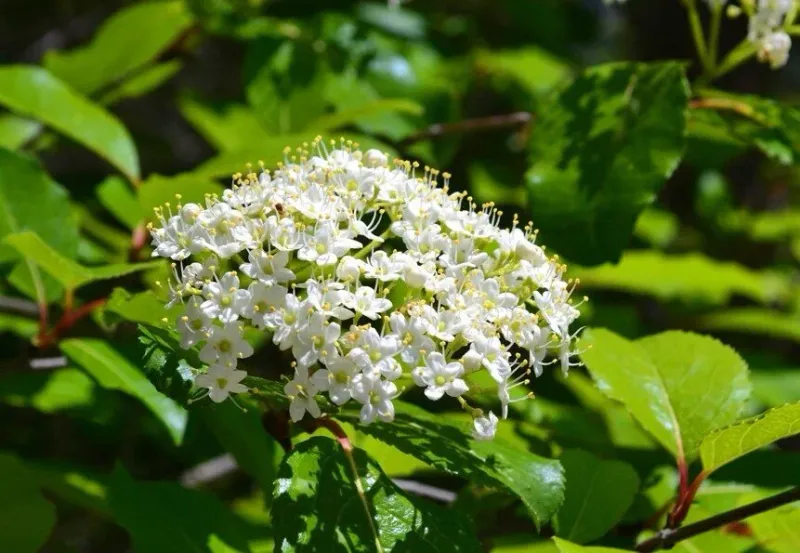
Need a hedge that does more than hide the neighbor’s trash cans? Walter’s viburnum can form a living screen while also giving birds flowers, berries, and shelter.
Spring flowers bring pollinators, and the small berries that follow can help feed wildlife later in the warm season. Mockingbirds are bold enough to perch near the top, while cardinals often slip into the denser interior where they feel safer.
For Florida homeowners, the big advantage is flexibility. Walter’s viburnum can be grown as a clipped hedge, a loose screen, or a small tree form, depending on the variety and how much room you have.
It is especially useful in yards where privacy, storm resilience, and native planting all matter at once. Once established in a suitable site, it can handle typical Florida heat and rain patterns, though young plants need regular water while roots settle in.
If birds are your goal, avoid constant hard shearing. A slightly looser shape allows more flowering and fruiting wood, which means more food and better cover through late summer.
6. Marlberry
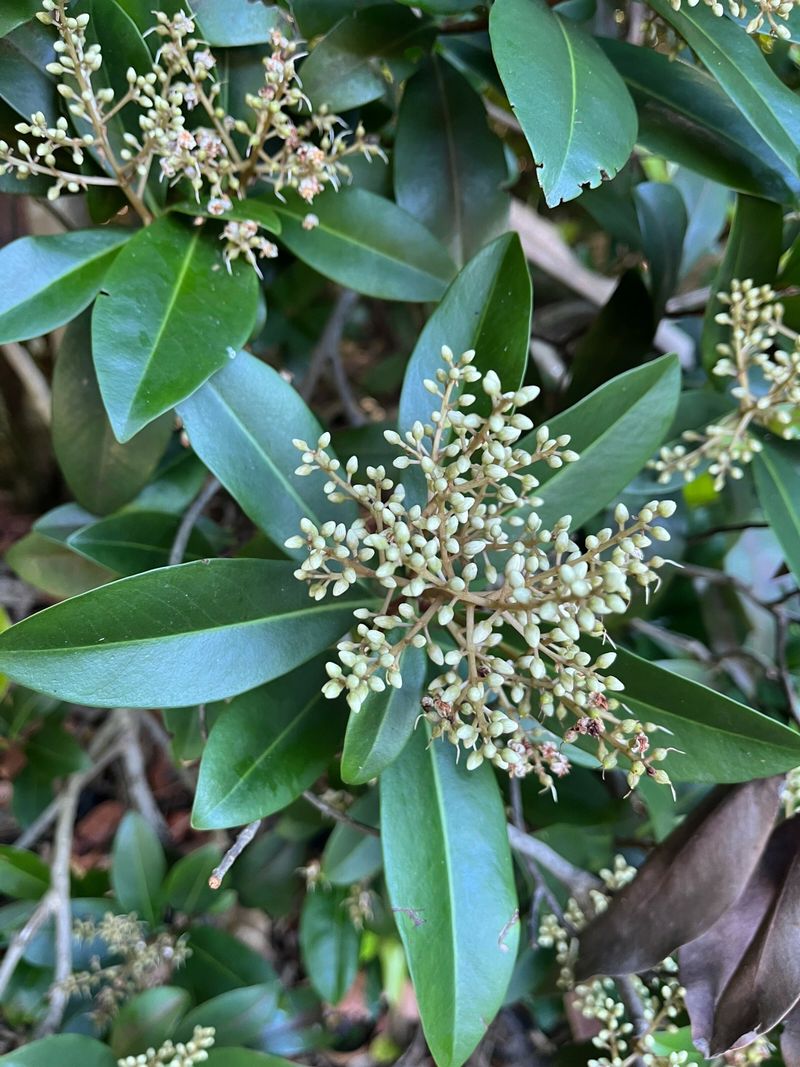
Some shrubs quietly do the work while flashier plants get the praise. Marlberry is one of those steady Florida natives, offering glossy foliage, wildlife cover, and fruit that birds can use when late-summer gardens need backup.
The berries shift from red to dark purple or black as they ripen, adding subtle color rather than a loud display. Mockingbirds are skilled at spotting small fruits like these, and cardinals may forage nearby when the planting includes leaf litter and low branches.
Marlberry is a strong choice for South and Central Florida gardens, especially in naturalistic borders, privacy plantings, and mixed native hedges. It can grow into a large shrub or small tree, so give it space instead of squeezing it into a narrow foundation bed.
Its evergreen leaves help it look good between berry cycles, which makes it easier to use in visible parts of the yard. Pair it with coontie, wild coffee, or beautyberry for layers that offer food at different heights.
Like many native shrubs, marlberry performs best after establishment. Water it during dry spells in the first year, then let it settle into a lower-care rhythm suited to Florida’s long warm season.
7. Coralberry
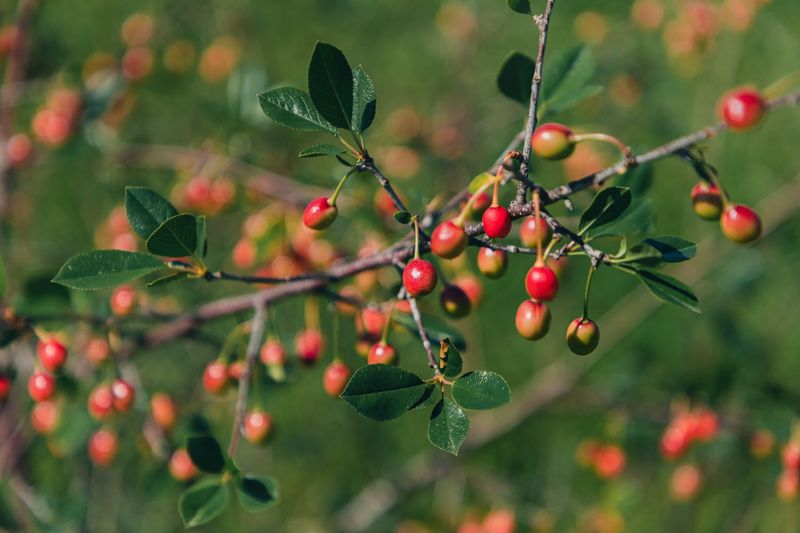
Coral-red fruit tucked among small leaves gives coralberry an old-Florida charm. It feels less like a formal landscape plant and more like the kind of shrub that belongs along a path, fence, or woodland edge.
Birds are drawn to the berries, and the branching habit can provide low cover for cardinals moving through the yard. Mockingbirds, being the watchful neighbors they are, may check the fruit from nearby perches before dropping in.
Coralberry suits gardeners who want a softer, more natural look rather than a clipped hedge. It can work in part shade and sandy soil, making it useful for those tricky spots where afternoon sun is filtered but the ground still dries quickly.
Because it is not usually the boldest shrub in the bed, place it where its fruit can be noticed up close. A mixed native border near a birdbath, bench, or kitchen window is a smart spot.
Leave fallen leaves around the base when possible, as that natural mulch helps soil life and gives birds more foraging interest. With simple care and the right setting, coralberry adds another late-season food source without asking for much attention.