
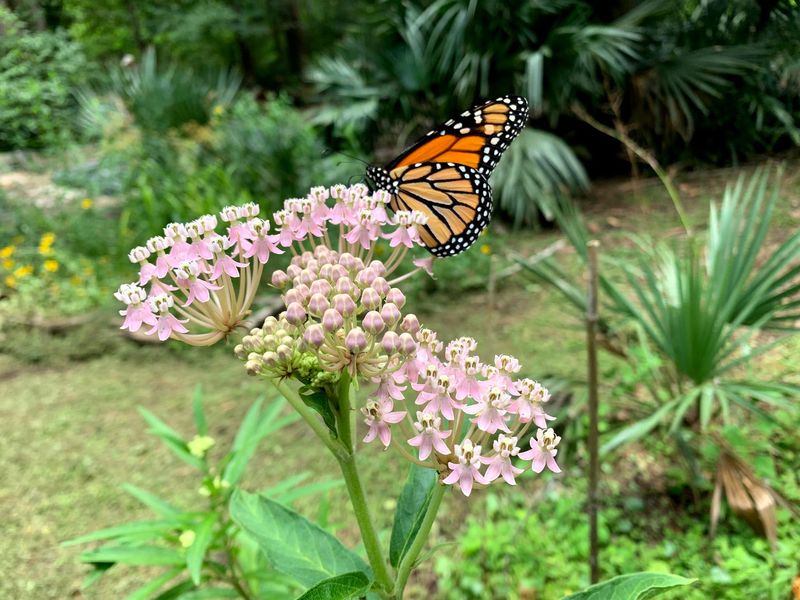
Monarch butterflies are picky in the best possible way. Their caterpillars can only eat milkweed, but not every milkweed helps them in the same way.
In Florida, choosing the right native kinds can support healthier monarchs and a better-looking pollinator garden. One popular milkweed, though, can create problems when it stays green all year.
1. Butterfly Weed
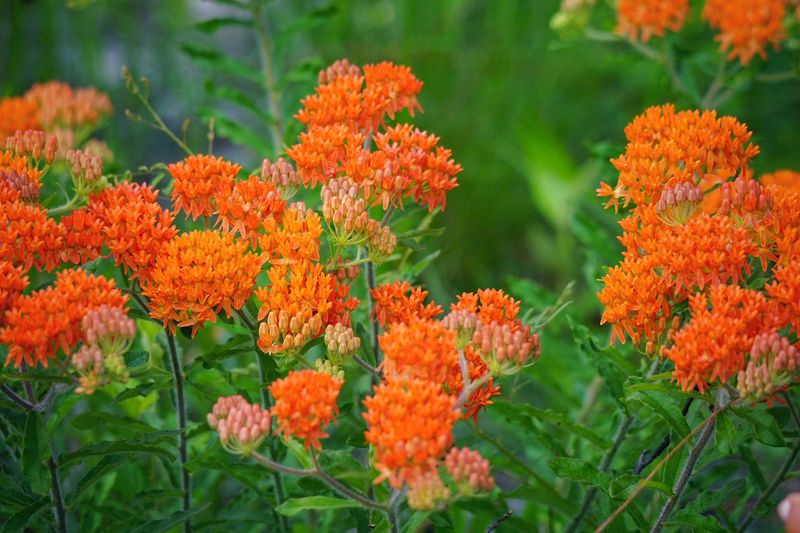
Bright orange flowers make butterfly weed the milkweed most people notice first, and that curb-appeal punch is part of its charm. In a Florida front bed, it can look more like a planned ornamental than a wildlife plant, which helps it fit into tidy neighborhoods and visible porch borders.
Botanically known as Asclepias tuberosa, butterfly weed is native to much of Florida and handles dry, sandy soil better than many fussier perennials. Unlike swamp milkweed, it does not want soggy feet, so it suits raised beds, sunny strips near driveways, and hot spots where irrigation is limited.
Monarch caterpillars use the leaves as food, while adult butterflies, native bees, and other pollinators visit the flower clusters for nectar. Give it full sun and avoid rich, constantly wet soil, because too much pampering can shorten its life.
A helpful trick is to plant several young plants instead of one lonely specimen. More stems mean more caterpillar food, and the repeated orange blooms look intentional rather than scattered.
2. Swamp Milkweed
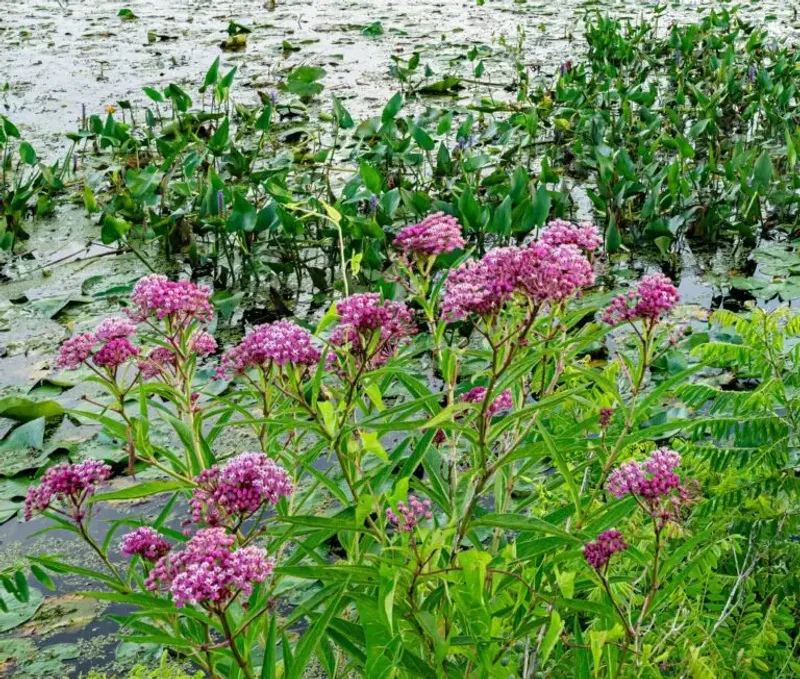
After a heavy Florida rain, swamp milkweed earns its keep while drier plants sulk. Its pink flower clusters and upright shape make it a strong choice for rain gardens, low areas, pond edges, and spots that stay moist longer than the rest of the yard.
Asclepias incarnata is native to Florida, though it naturally prefers wetter conditions than many home landscapes provide. If your soil is sandy and fast-draining, tuck it where roof runoff collects or where irrigation can reach it without soaking the whole bed.
Monarchs use swamp milkweed as a host plant, and gardeners often like it because the foliage can be lush and easy for caterpillars to access. The flowers are also attractive to a wide range of pollinators, so it brings more life to the garden than monarchs alone.
Cutting it back after seed set or when it gets ragged can encourage fresh growth, but avoid turning the bed into a year-round buffet. In Florida, seasonal breaks still matter because they help interrupt disease buildup and keep monarch movement more natural.
3. Aquatic Milkweed
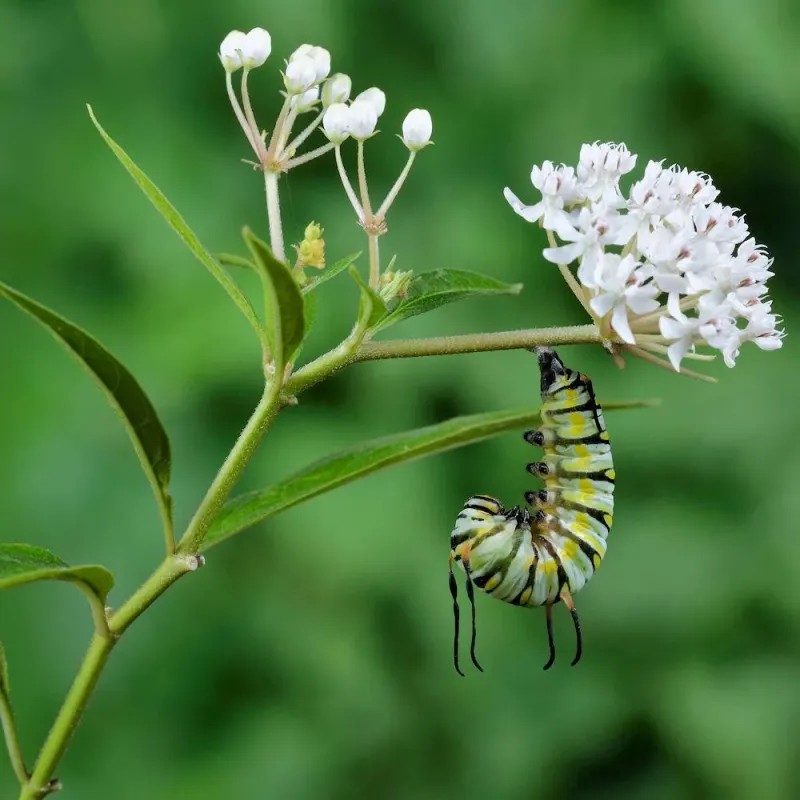
Aquatic milkweed feels made for Florida yards that blur the line between garden and wetland. If part of your property stays damp after storms or sits near a swale, this native can turn a tricky soggy edge into useful monarch habitat.
Known as Asclepias perennis, aquatic milkweed usually has white to pale pink flowers and a softer look than the bold orange of butterfly weed. It is especially useful in moist, partly sunny places, although it can take sun when the soil does not dry out too hard.
Monarch caterpillars feed on its leaves, and the plant’s smaller scale can work well in backyard habitat pockets where taller, showier plants would look messy. It is also a smart fit for gardeners who want native milkweed but do not have the dry conditions butterfly weed prefers.
Because Florida storms can wash seeds and soil around, plant aquatic milkweed where it will not be buried by mulch or drowned under standing water for too long. Moist is good, but stagnant, smothered crowns are not.
Pair it with native sedges, blue flag iris, or other wet-site plants for a border that looks designed while still doing real wildlife work.
4. Pinewoods Milkweed
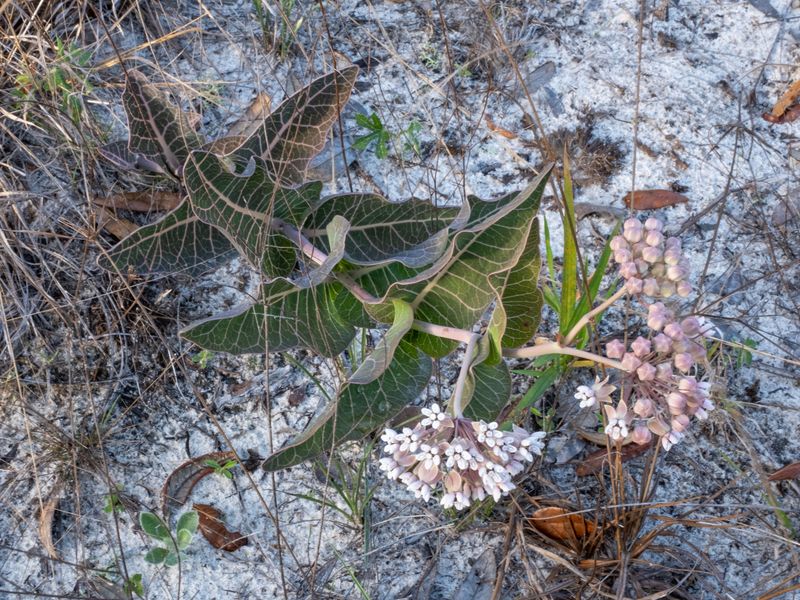
Not every monarch plant needs to be flashy. Pinewoods milkweed has a quieter, wilder look, the kind that suits naturalistic yards, piney edges, and low-maintenance native beds where texture matters as much as color.
Asclepias humistrata is a Florida native often associated with sandy, open habitats, including pine flatwoods and scrubby places. Its broad, low-growing leaves can look almost sculptural, especially when they spread close to the ground instead of standing tall like swamp milkweed.
For monarchs, the value is in the foliage. Caterpillars do not need a plant to look like a bouquet; they need clean, unsprayed leaves that support their growth from tiny hatchlings to plump striped larvae.
Pinewoods milkweed can be harder to find in regular garden centers, so native plant nurseries and local native plant society sales are better places to look. Ask for plants grown from Florida-appropriate sources when possible.
In the yard, give it excellent drainage, full to bright sun, and room away from aggressive groundcovers. It is a plant for gardeners who enjoy a more regional Florida look, not a heavily watered, high-fertilizer flower bed.
5. Fewflower Milkweed
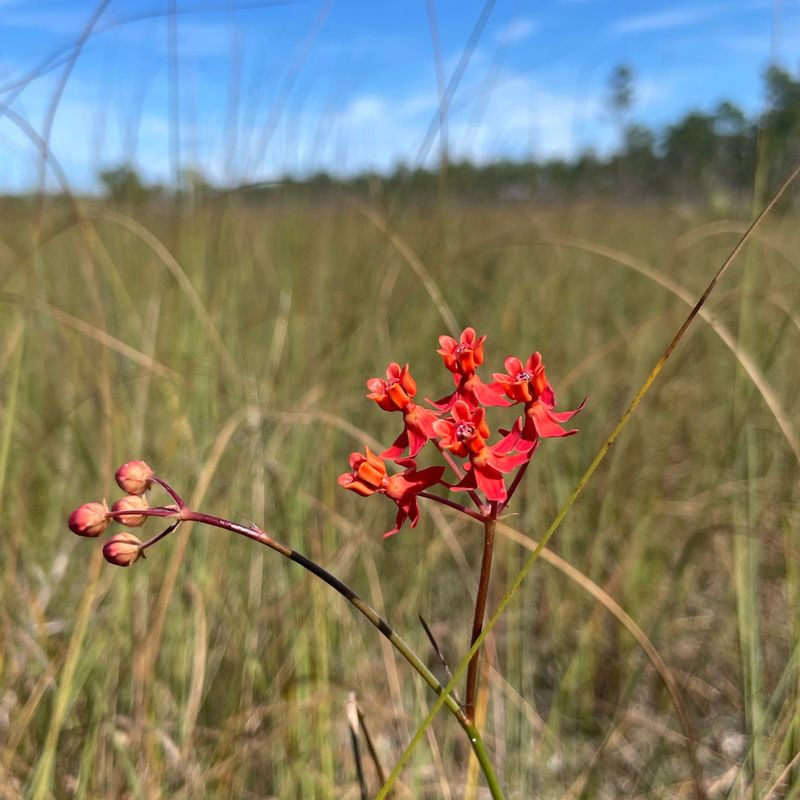
Small flowers can still carry a big habitat job. Fewflower milkweed is not the loudest plant in the bed, but its slim shape makes it easy to weave among grasses, low wildflowers, and sunny native borders without crowding everything else.
Asclepias lanceolata is native to Florida and often grows in moist to seasonally wet places, which gives it a different role from dry-loving butterfly weed. It can work nicely along the damp side of a garden, near swales, or in a meadow-style planting that gets periodic rainwater flow.
Its orange to reddish flower clusters are usually more delicate than the big tropical milkweed blooms sold in many stores. That quieter habit can be a plus in a natural Florida yard, where layered plantings often look better than rows of oversized color blocks.
Monarch females may lay eggs on the leaves, and caterpillars can feed there as they develop. Avoid spraying nearby for pests, even with products labeled for gardens, because young caterpillars are extremely vulnerable.
For best results, plant it with companions that enjoy similar moisture, not thirsty lawn grass or heavy mulch piled against the stems. A loose, living border gives it space to return and keeps the bed looking alive through Florida’s long warm season.
6. Sandhill Milkweed
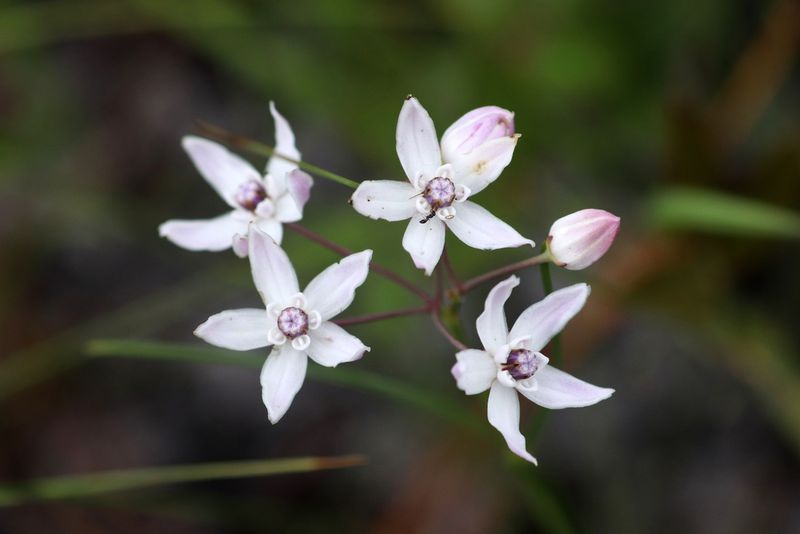
Dry, sandy soil frustrates plenty of Florida gardeners, but sandhill milkweed is built for that kind of ground. Instead of fighting the site with constant watering and compost, this native lets you work with the landscape you already have.
Asclepias cinerea is associated with dry uplands, sandhills, and open sunny habitats. In a home garden, it belongs in lean soil with sharp drainage, not in a damp bed near sprinklers or a low corner that floods during summer storms.
Its flowers are not as showy as the orange milkweeds, yet the plant offers something different: a true dry-site monarch host that fits Florida’s scrubby, sandy character. For gardeners trying to reduce irrigation or replace thirsty lawn edges, that matters.
Finding sandhill milkweed may take patience because it is less common in the nursery trade than butterfly weed or swamp milkweed. Local native nurseries, restoration-focused growers, and native plant sales are the best starting points.
Once planted, resist the urge to overmanage it. Skip heavy fertilizer, keep mulch light, and let the plant follow its natural seasonal rhythm, including periods when it looks sparse or goes dormant.
7. Whorled Milkweed
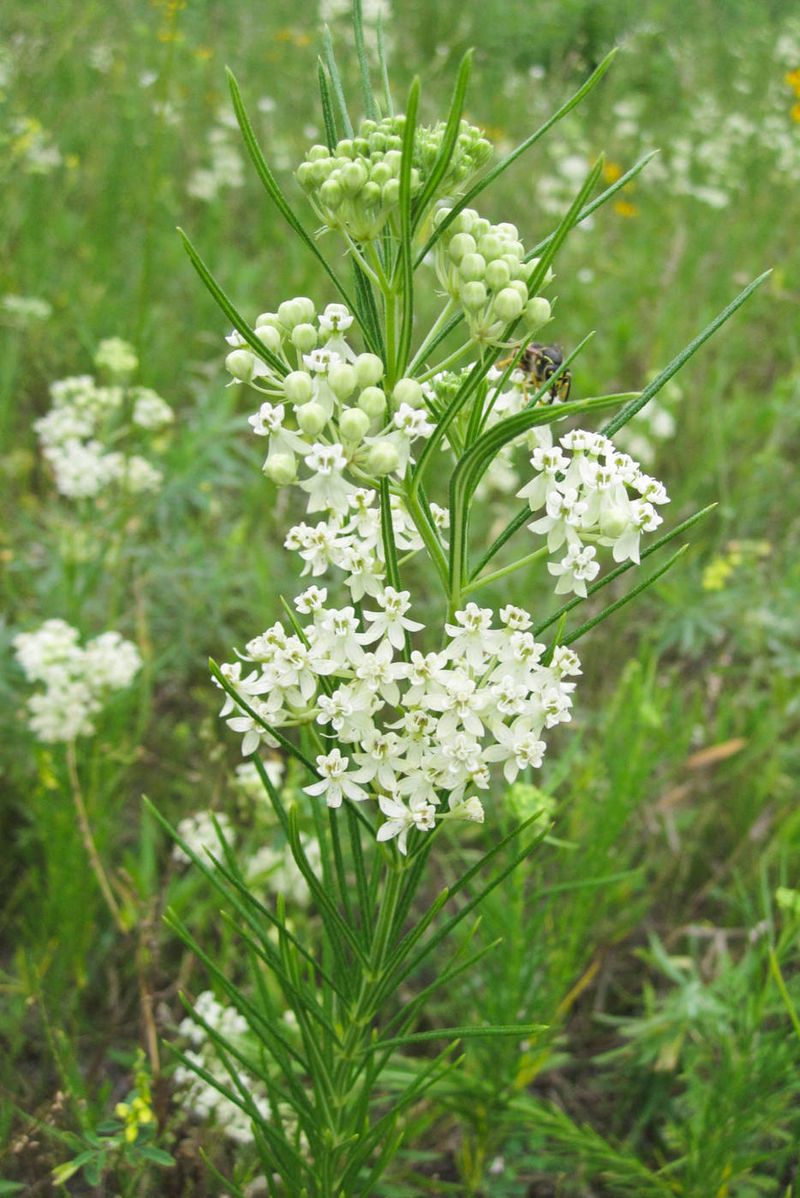
Fine, almost airy foliage gives whorled milkweed a completely different personality from the broader-leaved types. It slips into meadow-style beds and sunny native borders without stealing the whole scene.
Asclepias verticillata is native in parts of Florida and can be useful where gardeners want a lighter texture. Its narrow leaves grow around the stem in whorls, which is where the common name comes from, and the small pale flowers add a soft detail rather than a bold color splash.
Monarch caterpillars can use it as a host plant, but the slender foliage means one plant may not feed as many caterpillars as a larger, leafier milkweed. Planting it in groups helps solve that problem while also making the planting look more intentional.
Place it in sun with good drainage, especially if your yard has sandy soil that dries quickly after rain. It can pair beautifully with native grasses and low wildflowers, creating the kind of layered habitat that supports more than one butterfly species.
One caution for family yards: like other milkweeds, it contains milky sap and should not be eaten by people or pets. Use common-sense placement away from grazing animals and curious toddlers who put plants in their mouths.
8. Tropical Milkweed
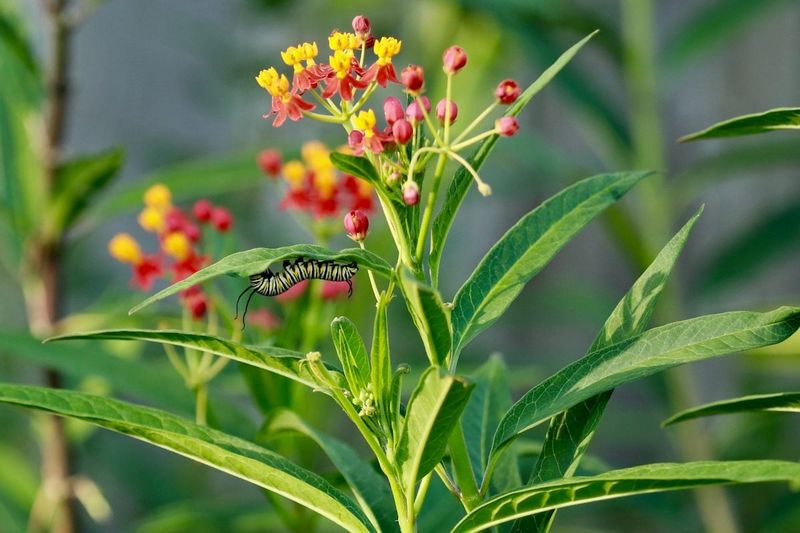
The plant with the brightest nursery tag is often the one causing the most confusion. Tropical milkweed, Asclepias curassavica, is widely sold because it blooms heavily and looks great in pots, but in Florida it can stay green through winter instead of dying back on schedule.
That year-round growth is the concern. When milkweed does not take a seasonal break, it can allow the monarch parasite Ophryocystis elektroscirrha, often called OE, to build up on leaves where caterpillars feed.
It may also encourage monarchs to linger or breed when they would otherwise move through the landscape. Researchers and extension sources have raised concerns about tropical milkweed in warm regions, so Florida gardeners are wise to treat it differently from native, seasonally cycling milkweeds.
If you already have it, you do not have to panic. A practical step is to replace it with Florida native milkweeds, or at minimum cut tropical milkweed to the ground in fall and winter and remove regrowth during cooler months to reduce disease buildup.
For a cleaner long-term plan, use native milkweeds matched to your site: butterfly weed for dry sunny beds, swamp or aquatic milkweed for moist spots, and regional species where you can source them responsibly. Monarch help works best when the plant choice fits Florida’s ecology, not just the color rack at the garden center.