
Rats can turn a peaceful California backyard into a stressful mess, chewing through irrigation lines, raiding fruit trees, and nesting in the ivy. The good news is that you do not need snap traps or poison to send them packing. Certain fragrant, drought-friendly flowers give off scents that rats find overwhelming, and many of them double as pollinator magnets for our native bees and butterflies. Here are seven aromatic plants that may help nudge rodents out while keeping your yard alive and water-wise.
1. Lavender
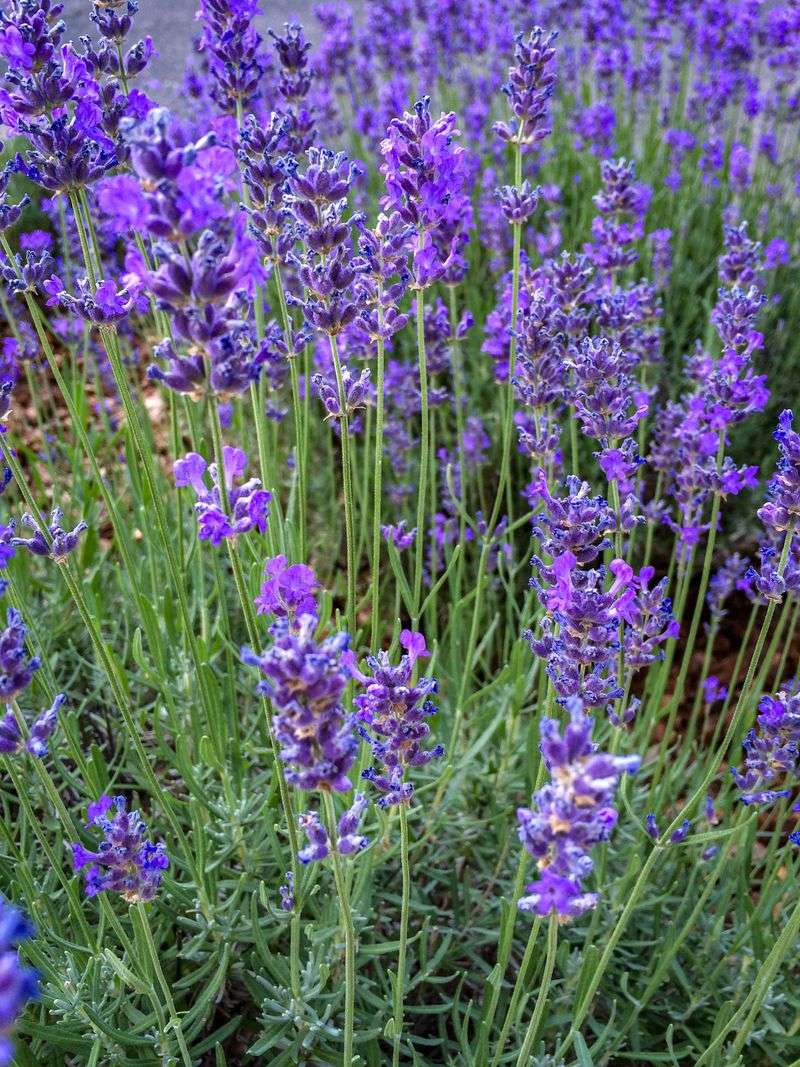
Walk past a blooming hedge of lavender on a hot afternoon and the perfume hits you before you even reach it. That heavy floral punch is exactly what makes rats want nothing to do with it. Their sensitive noses read the concentrated oils as a warning sign, so they tend to route around a lavender border rather than tunnel through it.
For California yards, lavender is close to a perfect fit. It thrives in our long dry summers, shrugs off drought once established, and asks for almost no supplemental water. Spanish and English varieties both do well in coastal and inland valley zones, filling the space with purple spikes that bees and butterflies adore.
Plant it along fence lines, near woodpiles, or beside the spots where you have seen droppings. You get a fragrant barrier that may help deter rodents while feeding pollinators at the same time. Fun bit: the name comes from the Latin lavare, meaning to wash, because Romans tossed it into their baths.
2. Marigolds
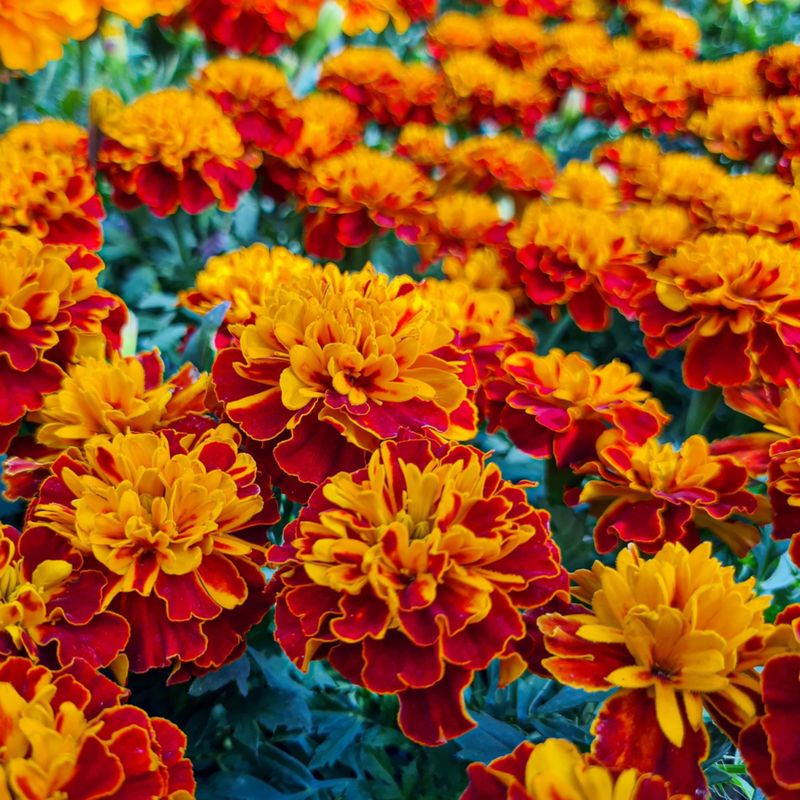
Bright, cheerful, and armed with a scent that many people find sharp, marigolds pull double duty in a rodent-conscious yard. Rats generally dislike the pungent odor released by the foliage and flowers, so a ring of them can act like a scented no-entry sign around vegetable beds and planters.
Gardeners have leaned on marigolds for generations to keep pests away from tomatoes and squash, and the same logic works against curious rodents sniffing for a snack. French marigolds are especially aromatic, and they bloom in fiery oranges and yellows that light up borders through California’s warm months.
Because they handle heat and reflected sun so well, marigolds fit tidily into raised beds, container gardens, and the edges of a drought-tolerant landscape. They reseed readily, come back with little fuss, and draw in hoverflies and other beneficial insects. Tuck a few clusters near where rats like to travel and let the smell do the quiet work.
3. Daffodils
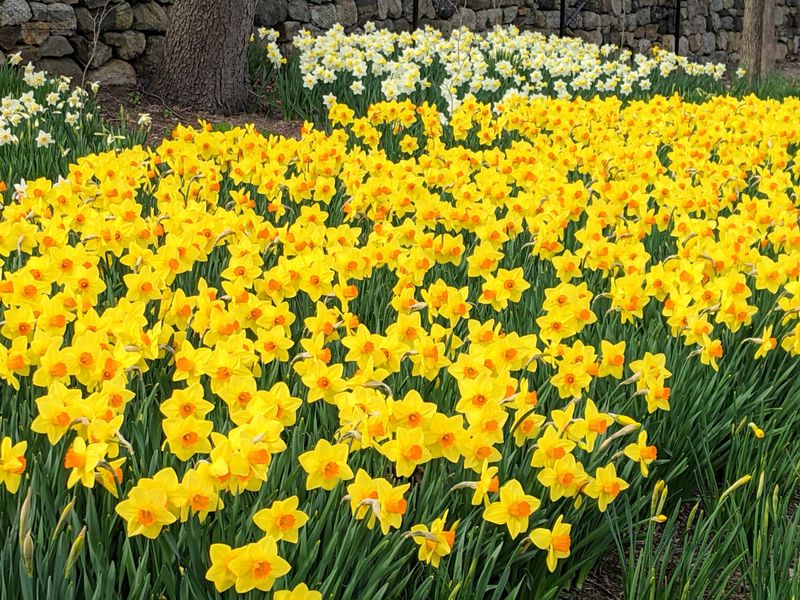
There is something almost sneaky about daffodils. They look like the friendliest flower on the block, yet every part of the bulb is laced with compounds called lycorine that rodents want no part of. Rats, gophers, and even squirrels tend to leave daffodil plantings alone, which is why gardeners often use them as living guards around more vulnerable bulbs.
In California, daffodils shine in the cooler wet-winter stretch, pushing up cheerful yellow trumpets when much of the yard is still waking up. Once the blooms fade, the bulbs quietly rest underground through the dry summer, needing almost no extra water.
Plant them in a protective ring around tulips, edible beds, or the base of fruit trees where rats like to scavenge fallen fruit. The scent and toxicity together may help push burrowing pests to look elsewhere. Just keep in mind the bulbs are toxic to pets and people too, so choose spots away from curious dogs and children.
4. Alliums
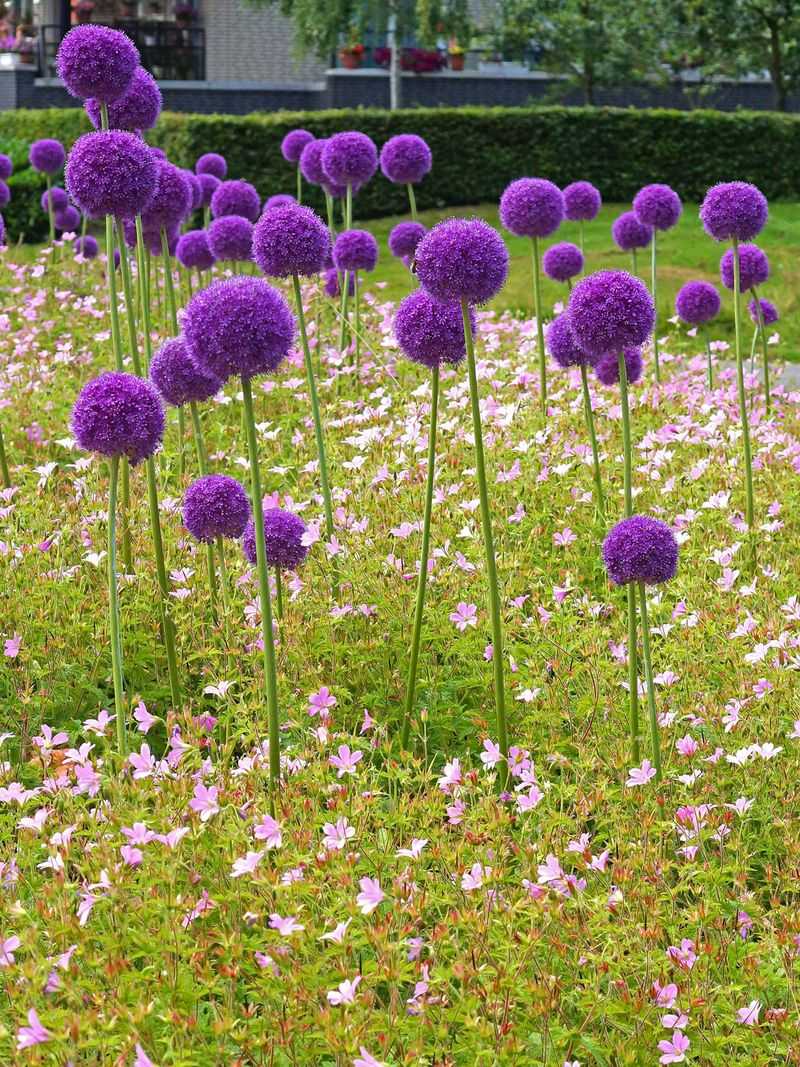
Imagine an onion dressed up as an ornamental flower and you have the allium. Those globe-shaped purple pom-poms floating on tall stems are gorgeous in a border, but their tissues carry that unmistakable oniony sulfur smell that rats find deeply unappealing.
Rodents rely on scent to decide where it is safe to nest and forage, and the garlicky signature of alliums reads as a hard pass. Scatter them among your other plantings and you create pockets of odor that may help keep rats from settling in.
They earn their keep in a water-wise California landscape too. Alliums handle dry conditions with ease, come back year after year from bulbs, and put on a show that draws bees while confusing pests. Weaving them through a bed gives you a repellent effect and a striking vertical accent in one plant. Bonus: they are cousins to the garlic and chives in your kitchen, sharing the same protective chemistry.
5. Chrysanthemums
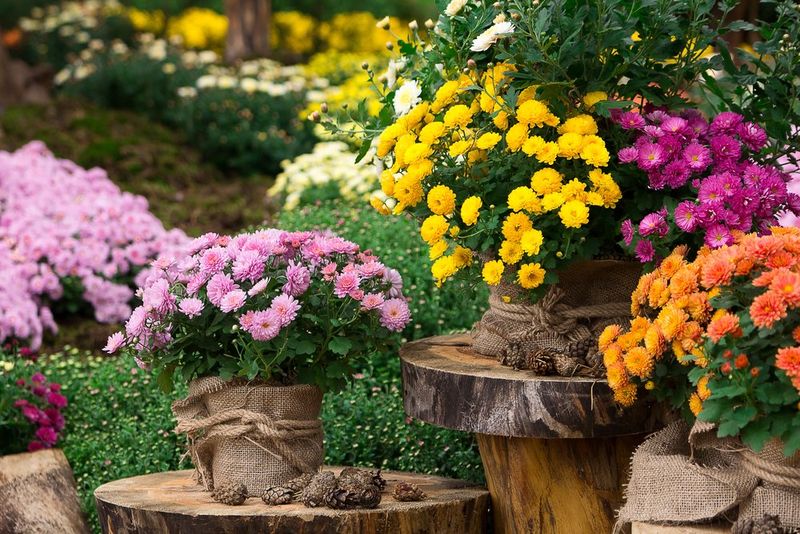
Few flowers pack a self-defense punch quite like the chrysanthemum. Their petals contain natural pyrethrins, the very compounds that show up in a lot of commercial insect and pest products. That built-in chemistry gives mums a reputation as one of the more powerful repellent flowers you can grow.
Rats and a long list of insects tend to steer clear of the area around them, making mums a smart choice near entry points, patios, and the corners of the yard where pests like to gather. As a bonus for California gardeners, they burst into color in fall, right when many summer bloomers are fading out.
They settle happily into borders and containers alike, and once established they tolerate the dry stretches typical of our climate. A cluster of mums near a shed door or along a foundation line can help discourage rodents from moving in close. Handle them thoughtfully, though, since concentrated pyrethrins can bother sensitive pets.
6. Rosemary
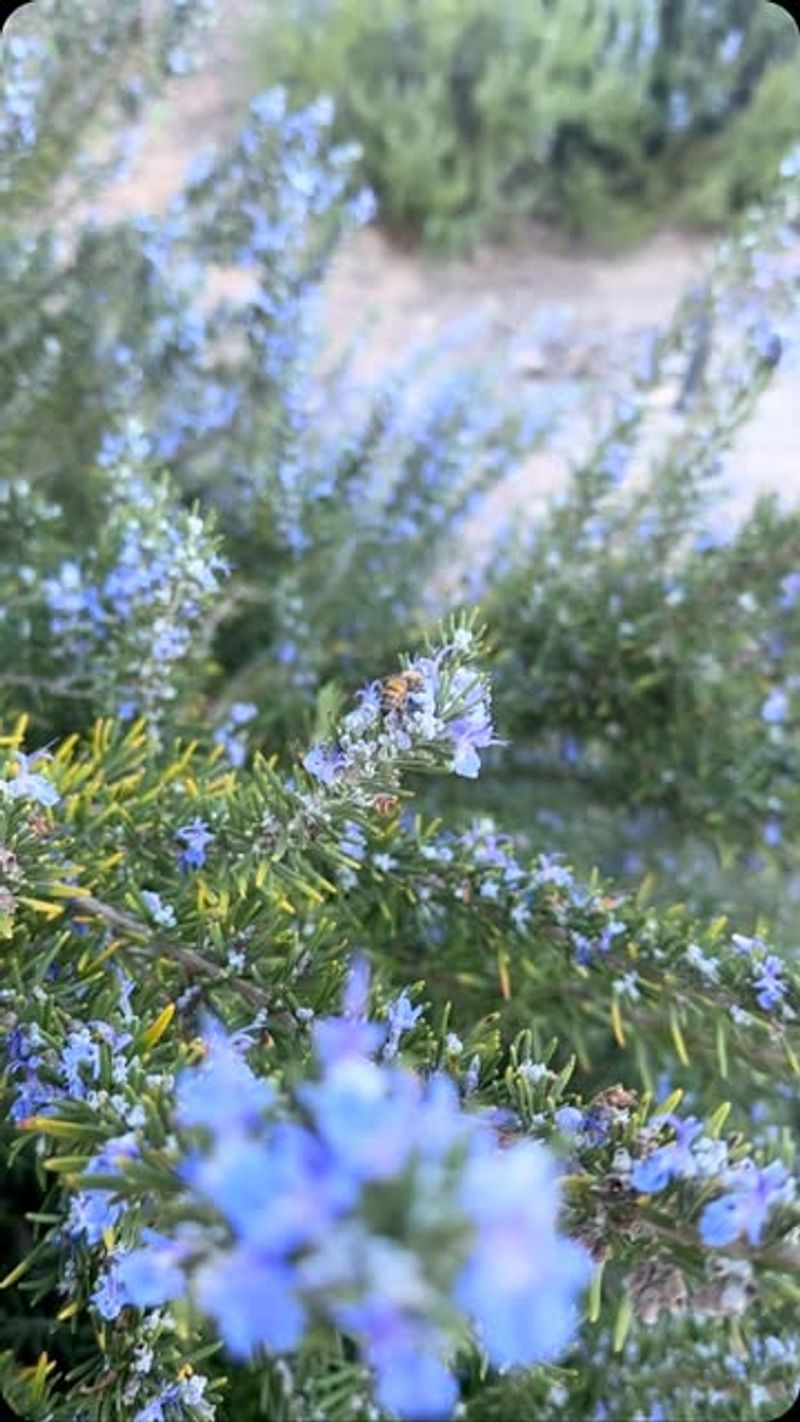
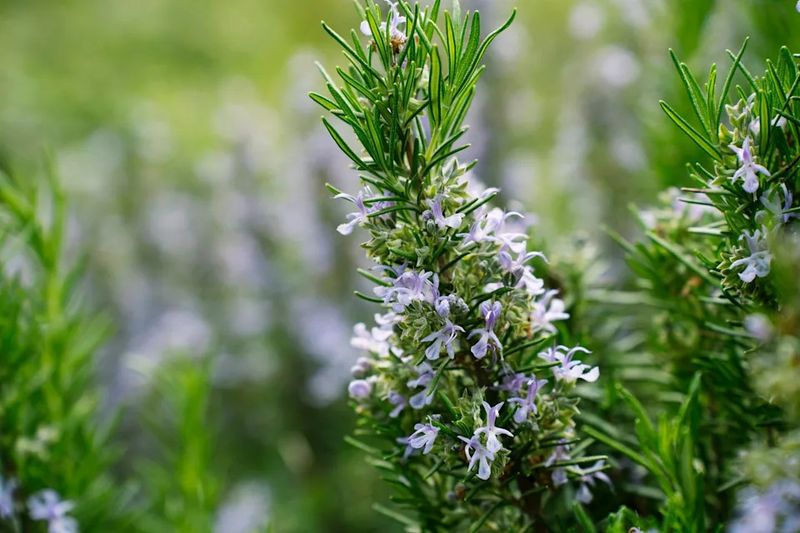
Brush your hand across a rosemary bush and the woody, piney scent clings to your fingers for hours. To us it smells like a good roast dinner, but to a rat that intense oil is an obstacle worth avoiding. The strong aroma masks the food and nesting smells rodents are hunting for, which can make an area feel far less inviting to them.
Rosemary might be the ultimate California multitasker. It laughs at drought, thrives on neglect, tolerates poor soil, and produces tiny blue flowers that native bees flock to. Grown as a low hedge, it forms a fragrant living wall along paths, fences, and raised beds.
Set it near the spots where rats tend to sneak in, and you get a barrier that smells wonderful to you and off-putting to them. It also happens to be one of the most fire-conscious choices when kept trimmed and well-watered in defensible-space zones. Snip a sprig for the kitchen while you are at it.
7. Mint
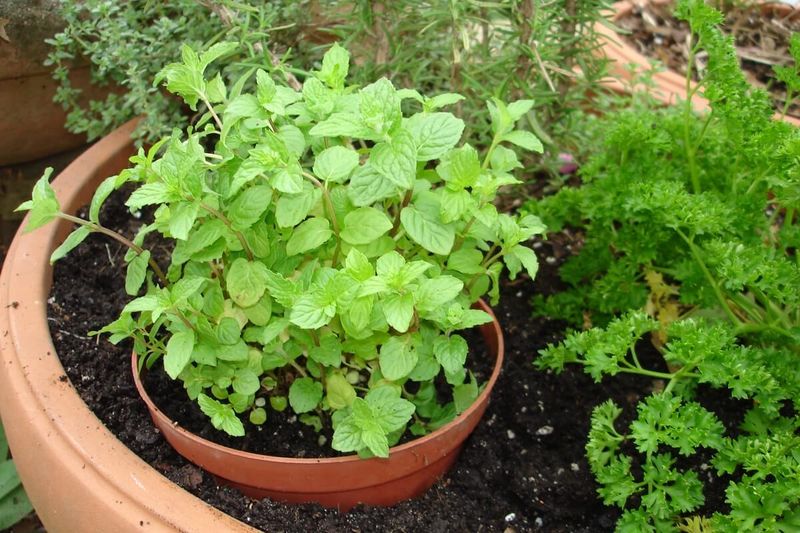
Ask almost anyone about natural rodent control and mint comes up fast, and for good reason. The cool, sharp menthol scent overwhelms a rat’s nose and scrambles its ability to sniff out food and safe pathways. A healthy stand of mint near a trouble spot can make the whole area feel hostile to a rodent scout.
Here is the catch worth respecting: mint spreads aggressively and can bulldoze through a garden bed if you let it loose. In California, where we want to protect natives and stay water-smart, the safest move is to grow it in pots or sunken containers positioned near doorways, garage edges, and known rat runs.
Container growing keeps the roots in check while still releasing that pungent perfume every time the leaves are disturbed. It gives off a strong deterrent effect without taking over your landscape or hogging water. Peppermint and spearmint both work, and you get fresh leaves for tea as a friendly little payoff.