
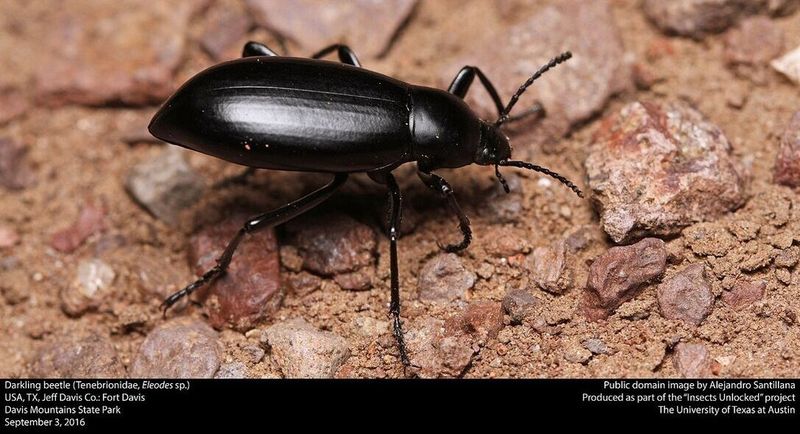
Tiny black beetles are quietly hunting through your garden beds every night, and most California homeowners have never noticed them. Many species in the family Carabidae patrol the soil surface after dark, and some consume the very slugs, snails, and cutworms that chew seedlings down to stubs. The problem is that the same tidy yard habits that feel responsible, like raking every leaf and smoothing every bed, can quietly reduce the habitat some of these beetles rely on. Understanding what ground beetles actually need, and what they realistically can and cannot do, helps you make smarter choices for your plants and your local ecosystem.
Many ground beetles hunt at night—but they are not guaranteed garden patrols
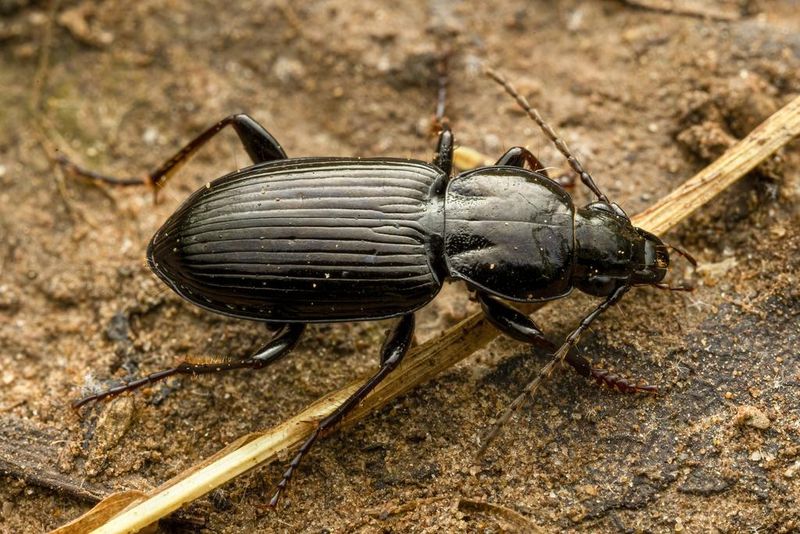
California yards host a surprisingly diverse cast of nighttime hunters, and ground beetles, members of the family Carabidae, make up one of the largest and most varied groups. With roughly 40,000 species worldwide and hundreds present across California, they range from small, copper-tinted beetles barely the size of a watermelon seed to large, jet-black predators nearly an inch long. Most are fast-moving, flattened, and built for chasing prey across bare or litter-covered soil in the dark.
Many ground beetle species are generalist predators that hunt on or near the soil surface at night. Penn State Extension guidance on ground and tiger beetles lists slugs, caterpillars, cutworms, wireworms, maggots, and aphids among the prey that various species may consume. That list is genuinely useful, but it describes the family broadly, not every species in your specific yard.
Some carabids also eat seeds or plant material, which means the family is not a uniformly beneficial group. A few species that specialize in seeds could theoretically nibble on germinating plants, so treating every ground beetle as a garden ally oversimplifies things. Most species you encounter in a California home garden are likely to be predatory, but confirming which ones are present requires more than spotting a beetle near a damaged seedling.
A USDA study on the biological control potential of common carabid beetles detected slug DNA in only a portion of sampled beetles and found associations with vegetation margins rather than direct evidence that beetles protected plants. Eating a pest and preventing plant damage are two different things, and that gap matters when you are deciding how much pest control to expect from your yard’s beetle population.
Ground beetles can be a genuine part of a healthy garden food web, but their presence in your yard on any given night cannot be assumed from seedling damage alone. They are not a guaranteed biological-control service, and UC IPM notes that natural enemies of slugs and snails are usually not effective enough by themselves to deliver satisfactory garden control. Knowing they may help is a good reason to support them, but it is not a reason to skip direct pest management.
What protected ground cover can provide
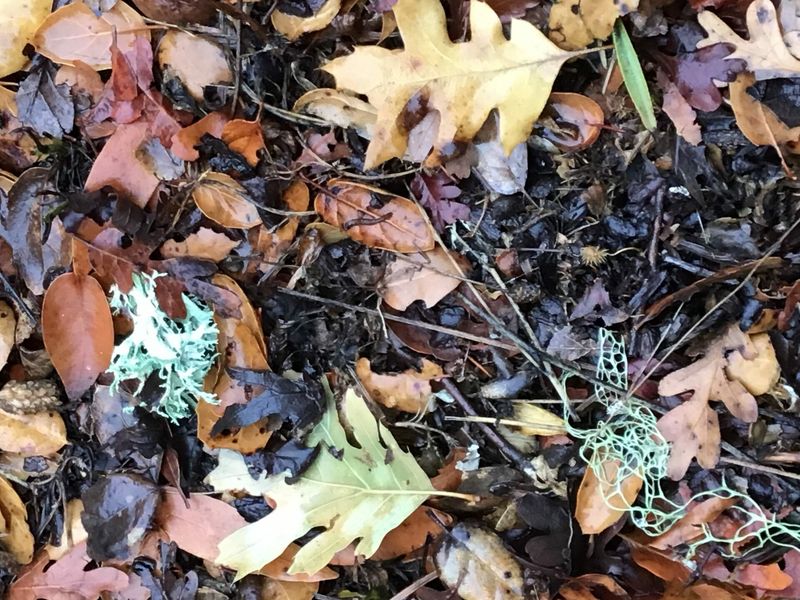
Leaf litter gets raked away because it looks messy, but for many ground beetles it functions as shelter, a hunting corridor, and a place to survive winter. The relationship between cover and beetles is worth understanding before you decide how much of it to remove.
Ground beetles need more than a few leaves to thrive. Penn State Extension explains that suitable habitat must supply prey, protection from temperature extremes, appropriate moisture, and safe places to overwinter, mate, and deposit eggs. Leaf litter contributes to all of those needs by trapping humidity close to the soil surface, providing physical cover from birds and other predators, and harboring the small invertebrates that ground beetles hunt. A thin scatter of leaves on otherwise dry, disturbed soil does not fully replicate that structure.
Coarse mulch, plant debris piled at a border, vegetated margins, and undisturbed hedgerow edges can serve similar functions. University of Wisconsin Extension notes that permanent vegetated areas and undisturbed margins tend to support higher beetle activity than frequently cultivated beds. The key word is “permanent”: a habitat patch that gets tilled, blown clear, or soaked and then baked in the same season loses much of its value. Consistent, low-disturbance cover over time is what supports a resident population rather than just passing visitors.
Virginia Tech Extension guidance on ground beetles reinforces that hedgerows and field margins with permanent vegetation are the habitat features most consistently associated with higher beetle diversity and activity. For a California homeowner, that translates to a border planting left intentionally undisturbed, a strip of native groundcover allowed to build up natural debris, or a mulched zone under a tree that is not raked clean each fall.
Bare soil is not automatically the enemy here. Some ground beetle species use open or sparsely vegetated ground, and UC ANR points out that exposed soil is important nesting habitat for native ground-nesting bees. A yard that mixes a few managed litter patches with open areas serves a broader range of beneficial insects than one that is uniformly covered or uniformly bare. The goal is strategic placement, not a blanket rule to cover everything or strip everything clean.
California evidence links habitat with beetle activity, not automatic raking losses
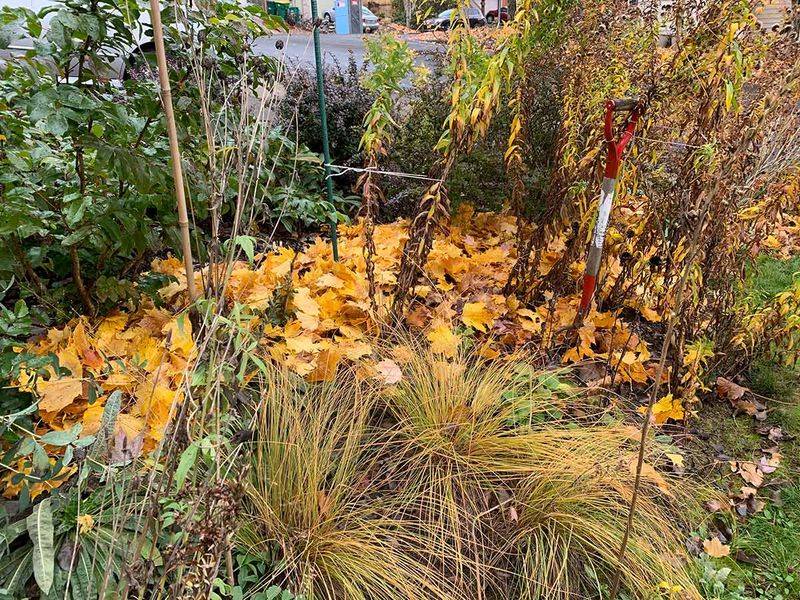
Two studies help clarify what yard maintenance actually does to ground beetle populations, and both carry important qualifications that change how you should read their headlines.
A California-specific urban garden study found that carabid beetle activity was associated with the presence of leaf litter, ground cover, crop diversity, and the character of the surrounding land cover. That observational study is the most locally relevant evidence available, and it does support a real connection between habitat features and beetle activity in California gardens. However, because the research was observational, it cannot prove that removing leaf litter caused beetle losses or that beetles were responsible for any reduction in pest damage. It shows correlation between habitat and activity, not a controlled cause-and-effect chain.
A residential-yard study measured what happened to arthropods when autumn leaves were removed before winter. That study found that removing autumn leaves reduced spring emergence of arthropods overall by about 17%, with beetles declining by roughly 24% and spiders by as much as 67%. Those are meaningful numbers, but the study measured emerging arthropods broadly, not specifically predatory ground beetles, and it did not test whether pest damage to plants changed as a result. What the study actually supports is the conclusion that repeated leaf removal can reduce overwintering arthropod emergence, not that a single raking event immediately drives established ground beetles out of a yard.
Taken together, the two studies point toward the same practical lesson: consistent habitat disruption over time can make a yard less hospitable to some ground-dwelling arthropods, including beetles. A one-time autumn cleanup is unlikely to empty your yard of every beetle. Repeated intensive disturbance across multiple seasons, combined with bare soil and absent ground cover, is more likely to reduce the conditions that support a resident beetle population.
For California homeowners, the actionable takeaway is to avoid making intensive cleanup a habit in every corner of the yard, every season. Leaving a few managed, fire-safe patches of cover undisturbed is more likely to maintain beetle activity than a complete annual overhaul, even if the difference is not dramatic after a single event.
Identify the nighttime pest before changing the habitat
Before rearranging your garden habitat or reaching for any control product, spend one night actually looking at what is eating your seedlings. Nighttime inspection is the single most useful diagnostic step, and it takes less than ten minutes.
Slugs and snails are the most common nighttime seedling pests in California coastal and inland gardens. UC IPM describes slugs and snails as most active at night, favoring cool, moist, protected hiding places during the day. Their characteristic evidence is a shiny slime trail left on soil, leaves, or the surface of pots. Damage typically appears as irregular holes in leaves or the complete disappearance of small seedlings, often with a glistening trail nearby.
In mild Southern California coastal areas, slugs can remain active much of the year, while drier inland valleys see peak activity concentrated in wet winter and spring months.
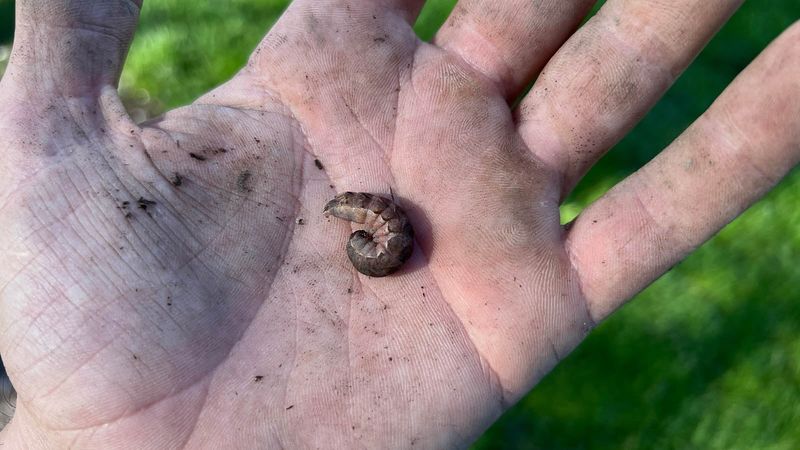
Cutworms look completely different and require a different response. UC IPM explains that cutworms feed at night and spend the day hidden just below the soil surface, tucked under clods of dirt or curled near plant stems. Their damage signature is a seedling clipped cleanly at or just below ground level, as if cut with scissors. You will rarely see a slime trail.
To find them, dig shallowly around a damaged plant and look for a plump, grayish or brownish caterpillar curled into a C-shape.
Earwigs, caterpillars from other moth species, and sowbugs can all cause damage that looks similar to slug or cutworm injury. Earwigs leave ragged holes and are easy to spot with a flashlight because they move quickly when disturbed. Caterpillars often leave frass, small dark pellets of excrement, near the feeding site. Sowbugs tend to feed on decaying material but can damage tender seedlings when populations are high.
Correct identification changes every subsequent decision. Slug control tools do not address cutworms, and cutworm collars do not stop slugs. Treating for the wrong pest wastes effort, costs money, and may expose beneficial insects to unnecessary risk. Take the flashlight out two or three nights in a row if damage continues, because pest activity can vary with temperature and moisture.
Create a small, managed beetle habitat patch
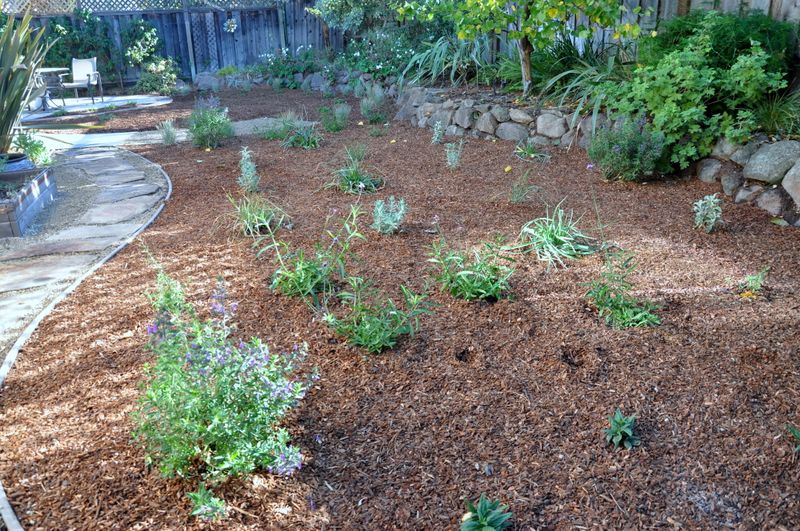
You do not need a wild, leaf-covered yard to support ground beetles. A single well-placed habitat patch, maintained with some intention, can provide the shelter and moisture conditions that make some species stick around without turning your whole garden into a slug refuge.
The practical approach is to pick one or two spots that already stay slightly shaded and relatively undisturbed: under a suitable shrub or small tree, along a fence line at the back of a bed, or at the edge of a border planting away from your main vegetable area. Leave a layer of coarse mulch or accumulated leaf litter in that zone and resist the urge to rake it clean each season. Penn State Extension guidance and University of Wisconsin Extension both describe permanent, low-disturbance vegetated areas as the habitat features most consistently associated with higher ground beetle activity.
Keep plant crowns and the immediate base of stems clear so air can circulate and excess moisture does not pool against vulnerable tissue. That detail matters because the same humid conditions that attract beetles also attract slugs and snails. The California urban-garden study found beetle activity associated with leaf litter and ground cover, but that habitat also shelters the pests beetles eat. A contained patch concentrates the benefit without spreading slug-friendly conditions across every bed.
Irrigation choices make a real difference here. UC IPM recommends drip irrigation or watering near sunrise so that soil surfaces dry out during the day and slugs and snails lose their preferred nighttime conditions. Switching from overhead sprinklers to drip reduces the moist surfaces that favor pests without eliminating the localized ground-level humidity that beetles and other predators use. That combination, a contained habitat patch plus smarter irrigation timing, is a more effective approach than either stripping all cover or letting moisture accumulate everywhere.
Water-wise gardening in California does not require bare soil. It means reducing unnecessary wet surfaces, using drought-tolerant and native plants that need less supplemental irrigation, and targeting water where plants actually need it. A mulched habitat patch under a low-water native shrub fits comfortably within that framework and adds ecological function without increasing your water bill.
Protect seedlings while predators provide background help

Ground beetles may consume slugs, snails, and cutworms when they encounter them, but relying on beetles as your primary seedling defense is a plan that will leave you with eaten plants. Setting realistic expectations is the first step toward a control strategy that actually works.
For slugs and snails, UC IPM recommends combining several approaches rather than depending on any single method. Habitat modification means reducing the daytime hiding spots that shelter large populations: boards, flat rocks, dense low-growing groundcovers right against seedling beds, and debris piles near vulnerable plants. Nighttime hand-picking is effective and free; a short patrol with a flashlight and a bucket of soapy water two or three nights in a row can knock down a population quickly. Traps made from boards or overturned citrus rinds attract slugs and snails to a spot where you can collect and dispose of them each morning.
Switching to drip irrigation or watering near sunrise so surfaces dry during the day removes the moist conditions that favor these pests overnight.
When bait becomes necessary, iron phosphate-based products are considered lower-risk to pets, wildlife, and soil invertebrates than metaldehyde or carbaryl-containing baits. Metaldehyde can poison dogs and cats, and UC IPM specifically warns that carbaryl in some snail baits is toxic to earthworms and beneficial soil insects, including ground beetles. Any bait must be used according to the current product label, applied in targeted amounts near affected plants rather than broadcast across beds, and kept away from areas where pets or children play.
Cutworm management follows a different path. UC IPM recommends nighttime hand-picking, removing infested plant material, and protecting seedlings with physical barriers such as cardboard collars pushed an inch into the soil around each stem or protective fabric row covers. UC IPM’s agricultural cutworm guidance notes that pesticides are often not very effective against cutworms on ornamentals and are generally not recommended. Using stocky, well-established transplants instead of tiny seedlings also reduces vulnerability because cutworms prefer soft, thin stems.
Broad-spectrum or soil-applied insecticides can harm the ground beetles and other beneficial arthropods you are trying to support. Reserve chemical options for situations where monitoring confirms a significant infestation and other methods have not been sufficient, and always follow the current label as the legal and safety standard.
Fire safety limits where you can keep combustible cover
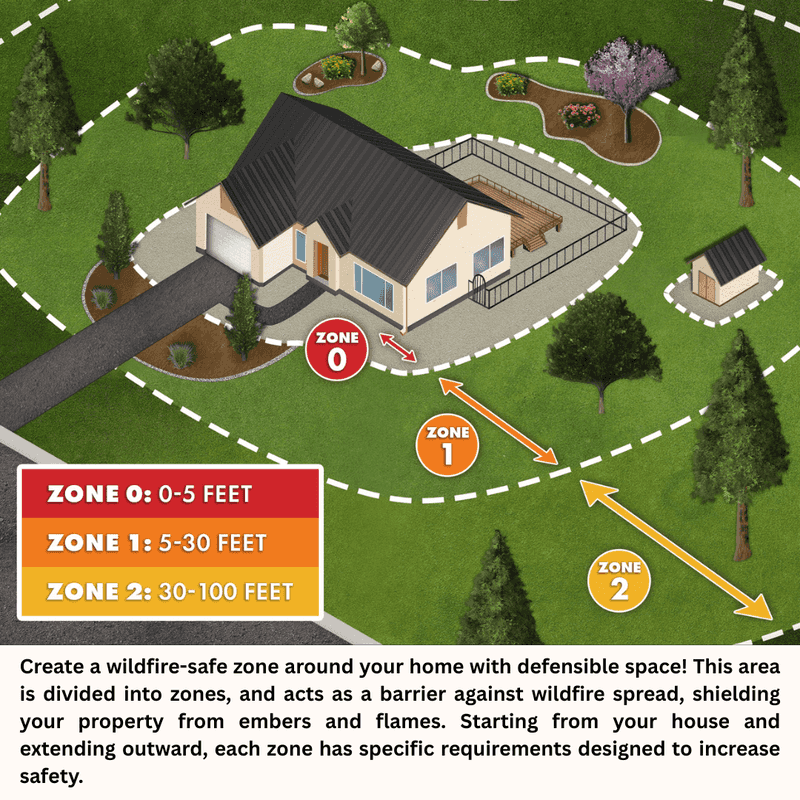
Habitat retention and wildfire preparedness can feel like competing goals in California, but the conflict resolves cleanly once you understand where the rules apply and what they actually require.
CAL FIRE defensible space guidance identifies the area within the first 5 feet around structures as especially important. Dead or dry leaves, combustible mulch, and accumulated plant debris in that zone can carry a fire directly to a building. That immediate perimeter is not a place to leave leaf litter for beetle habitat, regardless of ecological intent. CAL FIRE also notes that local fire departments and fire protection districts may enforce stricter standards than the state baseline, so checking with your local agency matters, especially if you live in a High or Very High Fire Hazard Severity Zone.
Further from structures, material type and management still matter. UC ANR Fire Network guidance on defensible space landscaping and mulches recommends noncombustible materials such as gravel or decomposed granite in the zone immediately around the house and limits the depth and continuity of combustible mulch farther out. Wood chip mulch in deeper zones should be kept moist during fire season where water is available and should not form continuous pathways that could carry fire toward a structure. Dry leaves piled against a fence or under a deck can be just as hazardous as those against the house itself.
For homeowners in dry inland valleys or on fire-prone hillsides, the leaf-litter habitat strategy needs to be concentrated in safer parts of the property: the middle of a wide bed well away from the house, along a back fence with clearance from structures, or under a single native tree in an open area. UC IPM notes that slug and snail pressure in mild Southern California coastal areas can persist much of the year, while drier inland and foothill settings see activity concentrated in wet months. In those drier settings, leaf litter dries out faster and poses a higher fire risk during summer and fall, which makes strategic placement even more important.
Coastal homeowners with lower fire risk have more flexibility to retain natural debris under suitable plants, but defensible-space rules still apply if a structure is nearby. The practical rule across all California settings is to place habitat patches where they are genuinely useful and genuinely safe, not simply wherever leaves happen to fall.
Use a balanced rule for a beetle-friendly California garden
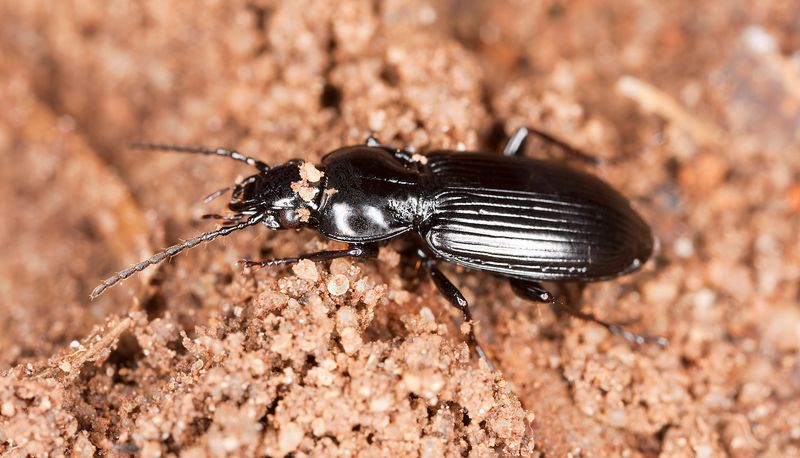
A yard that supports ground beetles does not have to look neglected, and a tidy yard does not have to be ecologically empty. The difference comes down to where and how you manage ground cover, not whether you manage it at all.
The working rule is straightforward: keep one or two small, fire-safe patches of coarse mulch or leaf litter in lower-traffic parts of the garden, away from structure perimeters and continuously wet irrigation zones. Inspect seedlings after dark when damage appears, because correct identification determines whether you are dealing with slugs, cutworms, or something else entirely. Reduce excess moisture by switching to drip irrigation or morning watering so surfaces dry before nightfall. Use physical barriers like cardboard collars and hand-picking as your first response to active damage, and treat any chemical option as a targeted, label-directed last resort rather than a starting point.
UC IPM and UC IPM cutworm guidance both frame pest management as a combination of monitoring, habitat adjustment, physical protection, and targeted treatment rather than reliance on any single tool, including natural predators. Ground beetles fit into that picture as a background benefit worth supporting, not a service you can count on to eliminate a pest problem. CAL FIRE defensible space requirements set the outer boundary on where habitat retention is safe near structures.
A managed, habitat-aware California yard sits between two less useful extremes: bare compacted soil that offers nothing to beneficial insects, and indiscriminate debris accumulation that shelters pests and raises fire risk. Choosing the middle ground carefully, with attention to placement, moisture, and fire safety, is what actually moves the needle for both your seedlings and your local ecosystem.