
Some of the best shrubs for a North Carolina yard are the ones you almost never see at the big box store. These native plants shrug off our hot, humid summers, feed the birds and pollinators we want to keep around, and ask for very little once they settle in.
Better yet, a healthy native shrub layer gives ticks and mosquitoes fewer places to thrive while giving bluebirds and butterflies a real reason to visit. If you are willing to hunt them down at a native plant sale or a specialty nursery, these seven shrubs will pay you back for years.
1. American Beautyberry (Callicarpa americana)
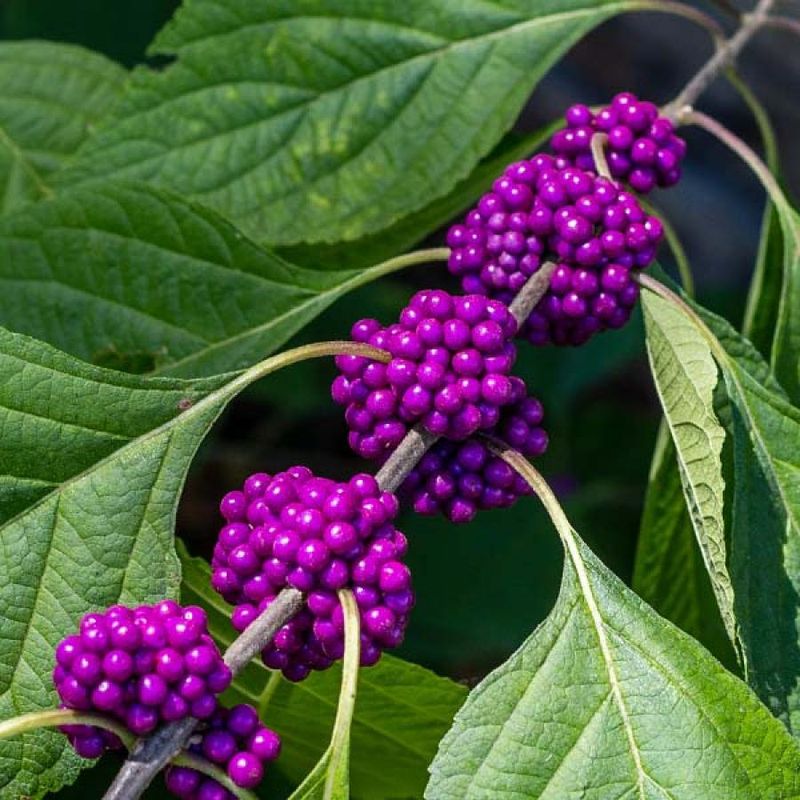
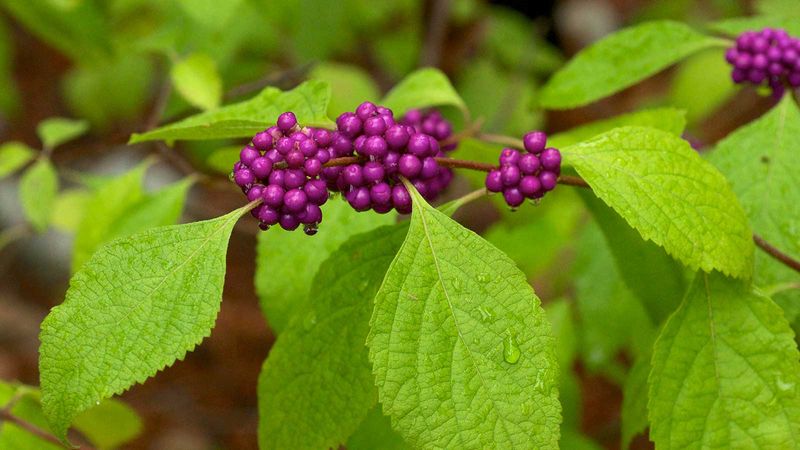
Nothing else in the yard looks quite like it when fall arrives and the branches load up with clusters of electric purple berries. Beautyberry is the kind of shrub that stops visitors mid-sentence and gets them asking what it is.
Beyond the show, the berries feed mockingbirds, cardinals, and dozens of other songbirds heading into winter. Crushed leaves have long been used as a rough-and-ready bug rub, and gardeners often plant it near sitting areas where it may help keep biting insects at a distance.
It thrives across the Piedmont and coastal plain, handling part shade and clay soil without complaint. Cut it back hard in late winter and it comes roaring back bushier than before, making it one of the most forgiving natives you can grow.
2. Virginia Sweetspire (Itea virginica)
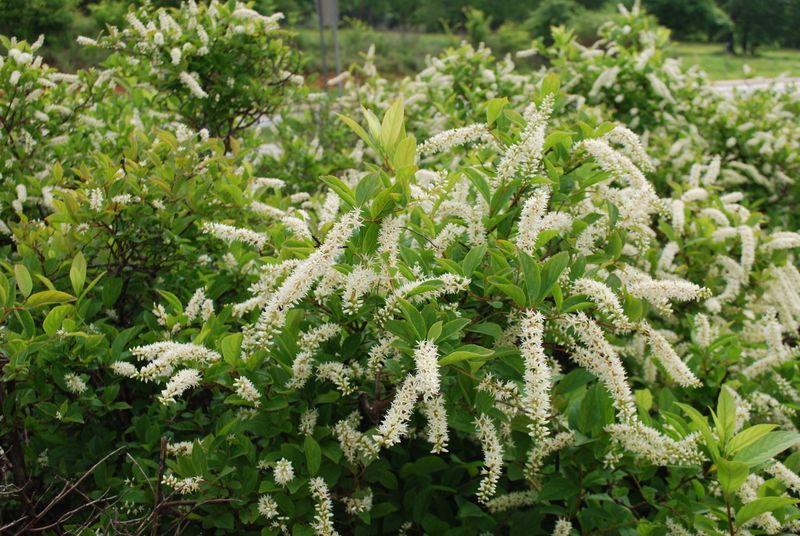
Got a soggy corner where nothing seems happy? Virginia sweetspire actually prefers that damp, difficult spot most shrubs sulk in, turning a problem area into a highlight.
In late spring it drips with fragrant white bottlebrush blooms that hum with bees and small pollinators. Come autumn, the leaves blaze into deep reds and burgundies that hang on well past the first cool nights.
Because it spreads gently by suckers, it works beautifully as a low, informal hedge along a fence line or drainage swale. Low maintenance, native, and endlessly useful for the spots that stump everyone else, it earns its place fast.
3. Oakleaf Hydrangea (Hydrangea quercifolia)
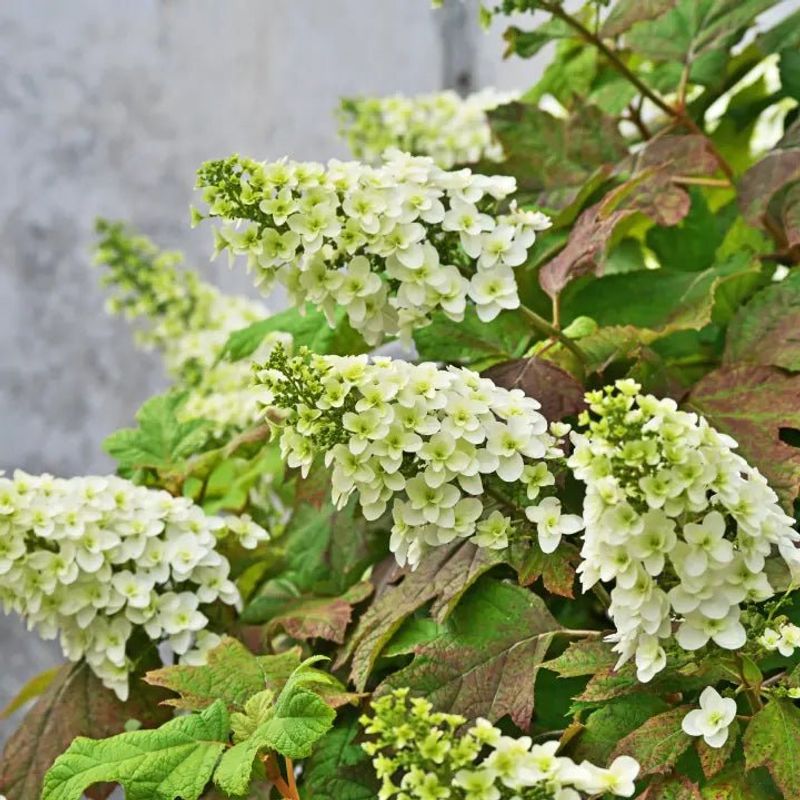
With leaves shaped like giant oak foliage and flower cones the size of your forearm, this hydrangea gives four seasons of interest instead of one. It is a native show-off that never looks needy.
Creamy white blooms open in early summer and slowly fade to a dusty pink and tan, then the leaves shift to wine-red and bronze in fall. Even bare winter branches offer peeling, cinnamon-colored bark worth a second look.
Plant it in the dappled shade beneath tall pines or oaks, the kind of woodland edge so common across North Carolina. The blooms draw pollinators through the summer, and the sturdy canopy gives songbirds a safe place to shelter.
4. Sweetshrub (Calycanthus floridus)
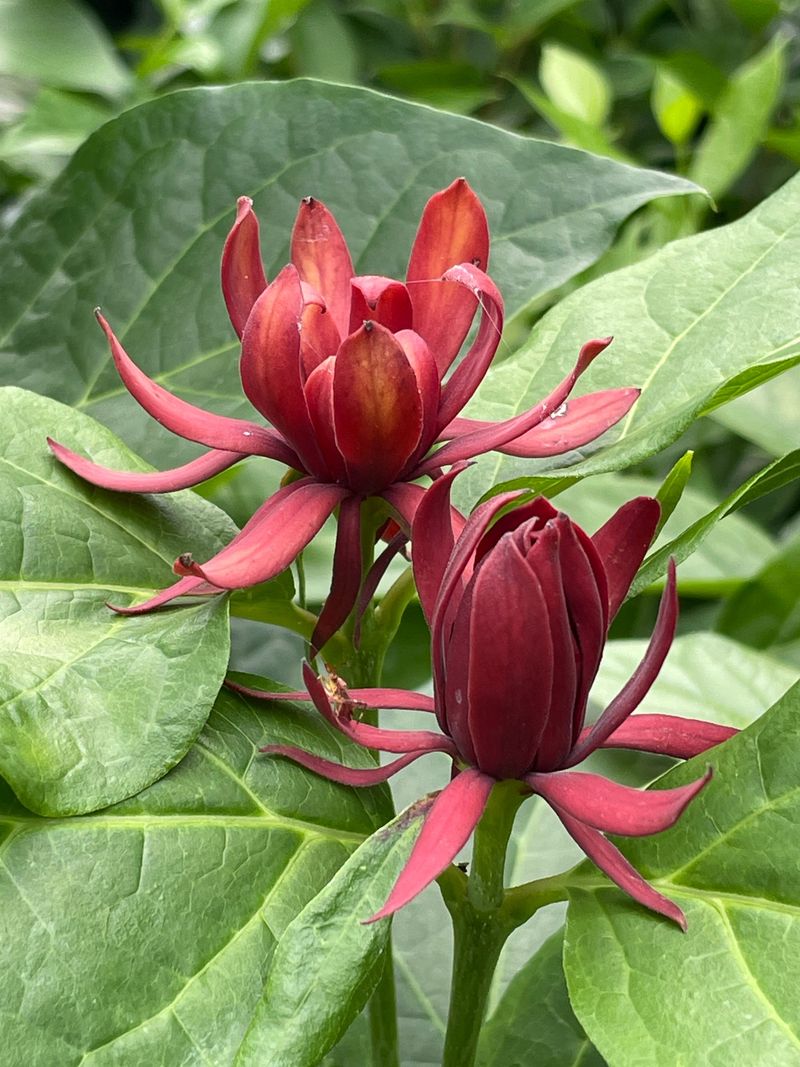
Long before it catches your eye, sweetshrub catches your nose. Brush past those odd maroon blooms and you get a rich fragrance often described as a mix of strawberry, pineapple, and banana.
Old-timers in the Carolinas called it Carolina allspice and tucked the crushed bark into drawers and pockets for the scent. It is a piece of regional garden history that still deserves a spot near a porch or walkway.
Happy in sun or shade and unbothered by clay, it grows into a rounded, well-behaved mound with almost no fuss. The unusual flowers attract beetles and other pollinators, adding quiet diversity to your beds while smelling wonderful the whole time.
5. Coastal Doghobble (Leucothoe axillaris)
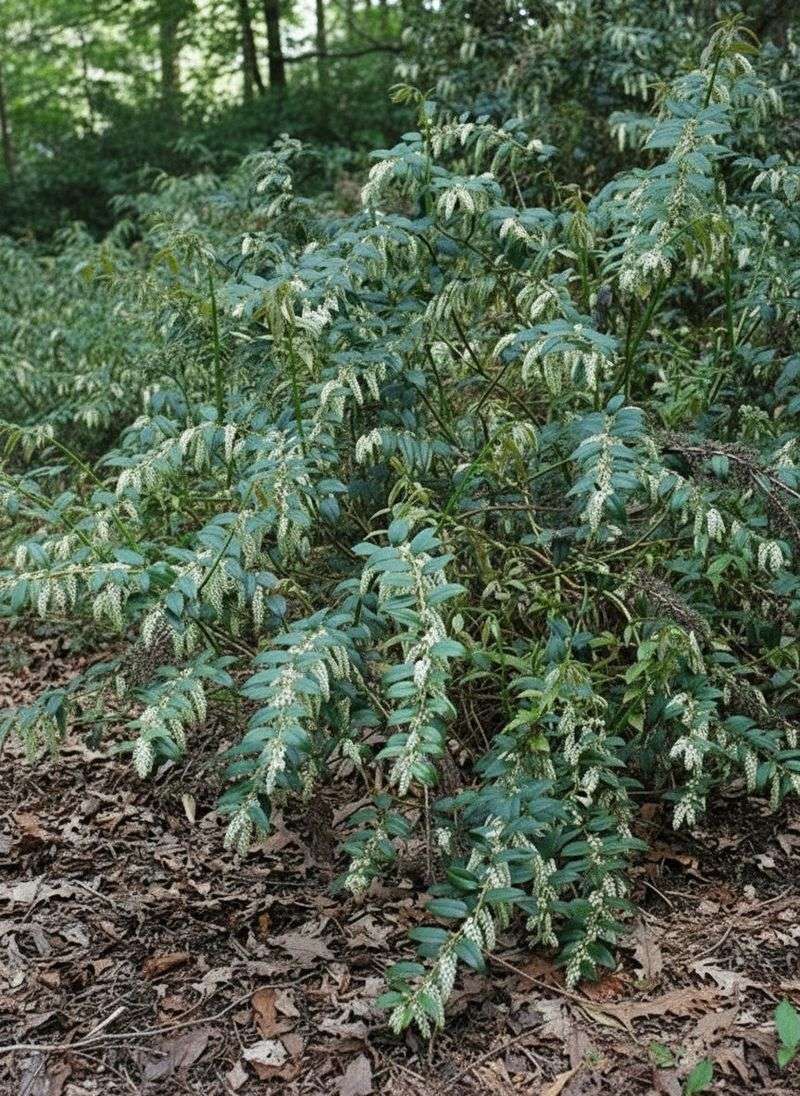
Here is a native evergreen that keeps your shady beds looking full and green all winter long, which is no small feat under a dense tree canopy. Doghobble arches gracefully with rows of dainty white bell-shaped flowers dangling from the undersides of its branches each spring.
The name comes from old hunting lore, since the tangled low growth once tripped up chasing dogs. That same dense habit makes it a wonderful ground-covering shrub for erosion-prone slopes and moist woodland edges.
It loves the acidic soil found across much of the state and pairs naturally with azaleas and rhododendrons. Evergreen structure, spring flowers, and shelter for small wildlife make it a quiet workhorse in low-light spots.
6. Buttonbush (Cephalanthus occidentalis)
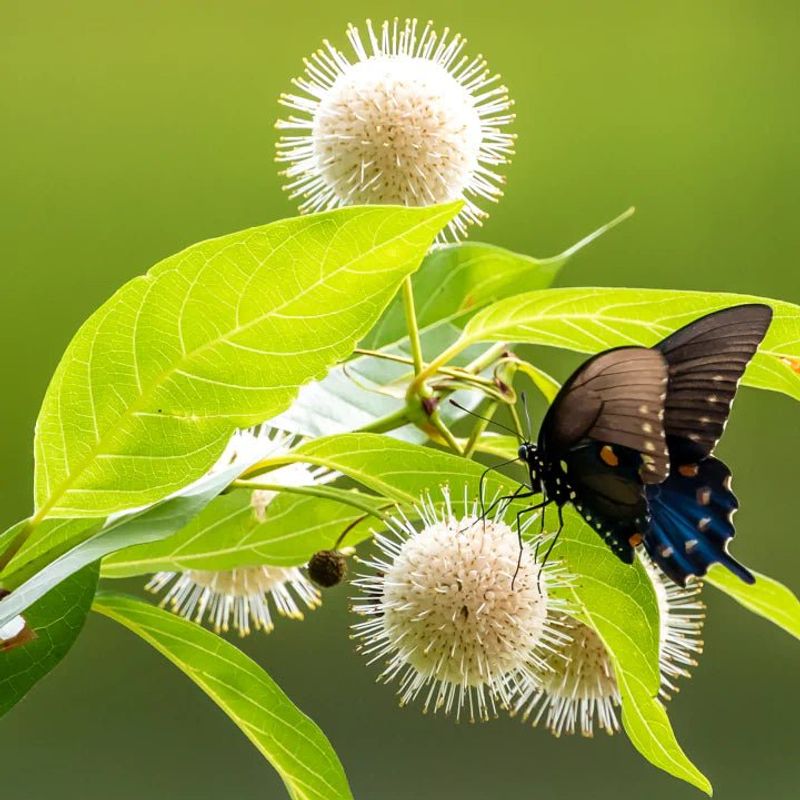
Picture a shrub covered in tiny white spheres that look like fireworks frozen mid-burst, each one crawling with butterflies. Buttonbush turns any wet or low spot into a full-blown pollinator party in midsummer.
Swallowtails, bees, and hummingbirds line up for the nectar, and later the seed balls feed waterfowl and songbirds. If you have a rain garden, pond edge, or that patch of yard that never quite dries out, this is your plant.
It is one of the toughest natives around, handling standing water that would drown almost anything else. For gardeners wanting maximum wildlife value with almost zero babysitting, buttonbush delivers in a big way.
7. Mountain Laurel (Kalmia latifolia)
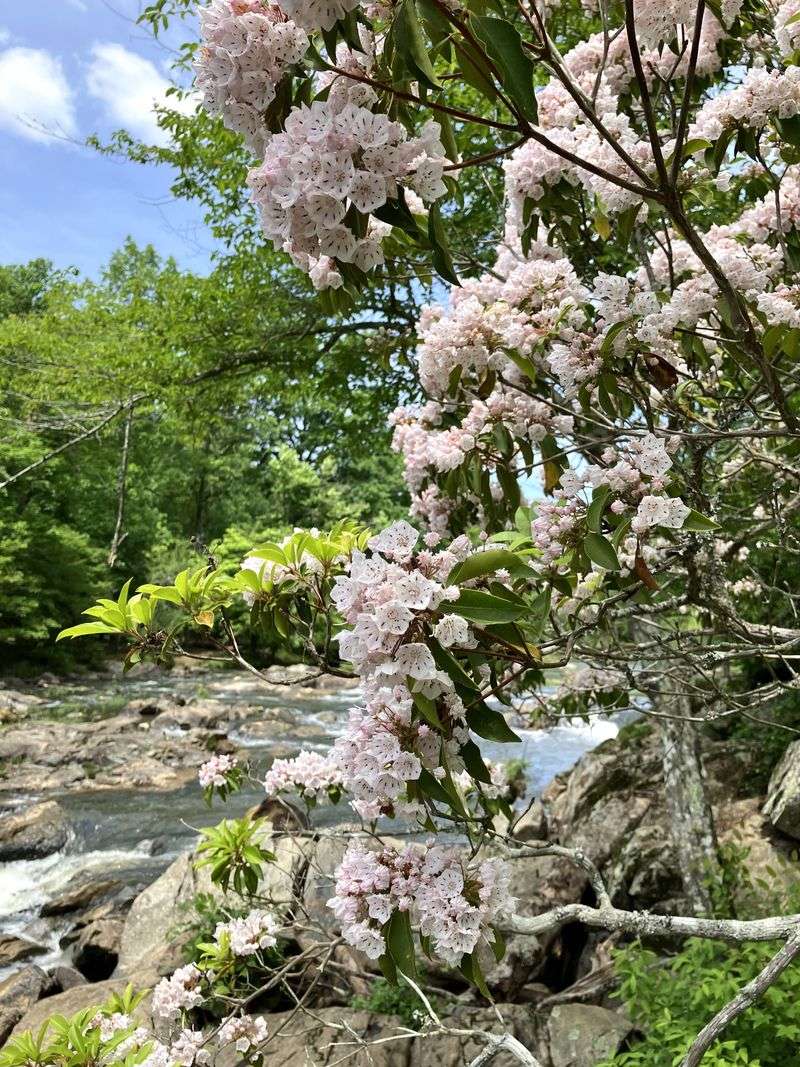
Few native shrubs put on a spring display as breathtaking as mountain laurel, with clusters of cup-shaped blooms so intricate they look hand-painted. It is a signature plant of the North Carolina mountains and a stunner in the right yard.
The evergreen leaves hold their glossy green through winter, giving structure long after the pink-and-white flowers fade. Native bees work the unusual spring-loaded blooms, which snap pollen onto visitors in a clever little mechanism.
It does best in the cooler, well-drained, acidic soils of the western part of the state and along shaded slopes. Give it good drainage and morning sun, and this slow, steady grower rewards patient gardeners with decades of beauty.
Note that all parts are toxic if eaten, so keep it away from grazing pets.