
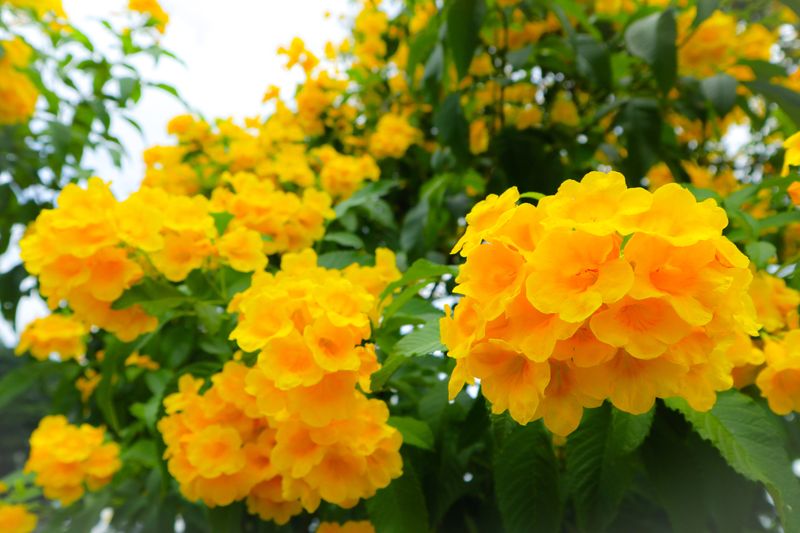
Most Texas gardeners already know Knock Out roses, and for good reason. But every summer, those roses slow down right when the heat cranks up, leaving beds looking thin from July through August.
There is one underrated shrub that can pour on bright yellow color during that exact window, and it thrives in the same punishing conditions that test every plant in a Texas yard. Getting to know Gold Star esperanza could change the way you plan your summer garden.
Why esperanza fills a summer color gap
Knock Out roses have earned their reputation. They handle drought, shrug off black spot, and rebloom reliably across spring, summer, and fall.
A three-year study of landscape roses grown under low-input conditions in North Texas, published in HortTechnology by Harp et al., found that the Knock Out cultivar showed no observed black spot and ranked among the best performers under drought and record heat. That is a strong record, and nothing here is meant to knock it.
The honest observation is about timing. Roses as a group flower most heavily in spring and fall and least heavily in summer.
During July and August, when Texas temperatures routinely push into the upper nineties and beyond, rose bloom counts typically drop across most cultivars, including Knock Out. The plant keeps going, but the show thins out at the exact moment the yard needs color most.
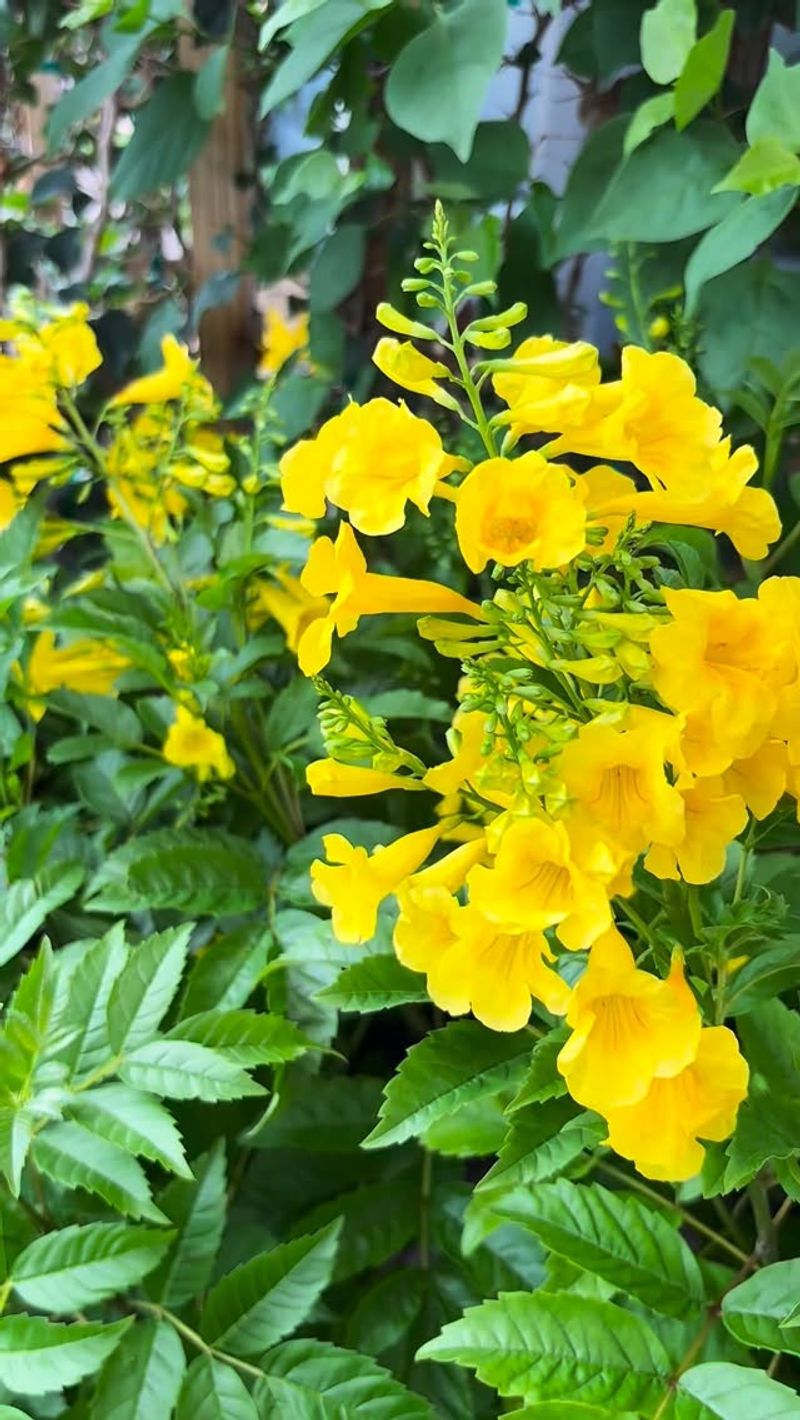
Gold Star esperanza steps into that gap. Its flowering season runs from early summer through the first frost under suitable Central Texas conditions, which means it is producing large golden-yellow clusters during the same stretch when roses are at their quietest.
The comparison is not about total flower count over a full year, because no controlled head-to-head trial between the two plants has been conducted. The real advantage is seasonal: esperanza can deliver conspicuous warm-weather color during the hottest stretch, while Knock Out handles the spring and fall flushes with its characteristic dependability.
Planting both gives a Texas yard something blooming in every season rather than leaving a mid-summer gap.
Gold Star esperanza is the yellow-belled summer performer
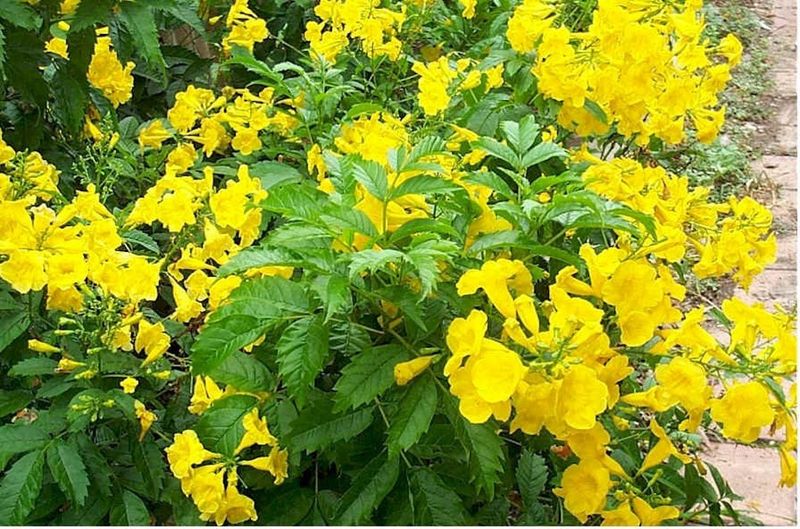
The plant behind all this summer color is Tecoma stans ‘Gold Star’, sold under the common names yellow bells and yellow trumpetbush. Gold Star is a specific cultivar selected for early bloom onset and prolific flower production, and it carries the Texas Superstar designation from Texas A&M AgriLife Extension, a program that recognizes plants proven to perform across the state’s demanding conditions.
The flowers themselves are hard to miss. They emerge in large, rounded clusters of golden-yellow, bell-shaped blooms that hold their color well into the heat.
Texas A&M AgriLife describes Gold Star esperanza as a 4-6-foot, full-sun shrub or summer perennial that can produce these clusters from early summer until frost in Central Texas conditions. That size range makes it manageable in most residential beds, though the broader Tecoma stans species can grow considerably larger in warmer climates, a distinction that matters for gardeners outside of Central Texas.
Beyond the visual display, the flowers do useful work in the yard. Bees, hummingbirds, and butterflies all visit the blooms for nectar, adding wildlife activity to the summer garden at a time when many other flowering shrubs have gone quiet.
That pollinator connection is a bonus rather than a guarantee, since individual yard conditions, nearby plantings, and local wildlife populations all influence how much traffic the flowers attract. Still, for Texas gardeners looking to support summer pollinators while also filling a color gap, Gold Star esperanza earns its place on the plant list.
Full sun and drainage shape its flowering performance
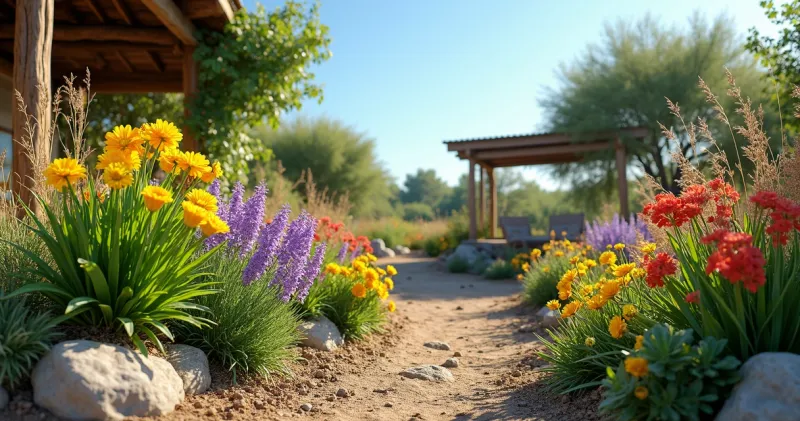
Before buying a Gold Star esperanza, walk your yard and look honestly at two things: how much direct sun the planting site receives and how quickly water moves through the soil after rain. Both factors have a direct effect on how well the plant flowers, and neither can be compensated for with extra fertilizer or more frequent watering.
Full sun produces the best flowering. Texas A&M’s guidance is clear that shaded plants may bloom less heavily, so a spot that gets only morning light or is partially blocked by a fence or tree canopy will likely underperform.
Some afternoon shade is tolerated, but if the goal is that full summer display of yellow clusters, a site with at least six hours of direct sun is the right starting point.
Drainage matters just as much. Gold Star esperanza tolerates a wide range of soil chemistry, from acidic to alkaline, which suits it well across much of Texas where soils vary considerably by region.
What it does not tolerate is saturated or poorly drained soil. Heat tolerance does not compensate for roots sitting in water, and a plant placed in a low spot that holds moisture after rain is likely to struggle regardless of how well it handles dry spells.
If the only available bed has heavy clay soil, improving drainage before planting, by amending with compost or raising the bed slightly, is a better investment than trying to manage a waterlogged site after the fact. Choose the site correctly and the plant has a genuine chance to deliver on its summer color promise.
Drought tolerance still requires a summer watering plan
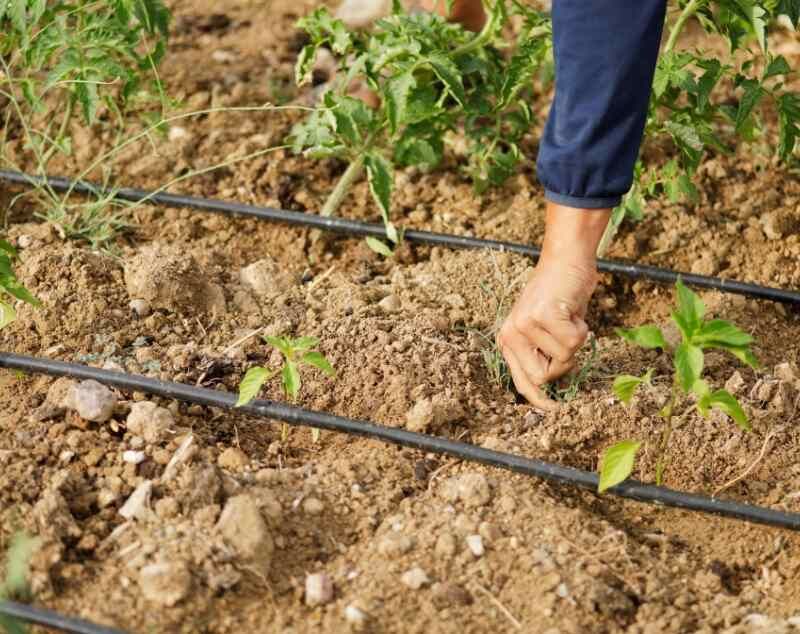
Drought tolerance is one of Gold Star esperanza’s most appealing qualities for Texas gardeners dealing with water restrictions and triple-digit heat. Once established, the plant can handle dry stretches that would stress less adapted shrubs.
Treating that tolerance as a reason to skip watering entirely, however, is a mistake that shows up as reduced flowering rather than outright plant death.
Texas A&M is specific on this point: weekly watering during the hottest periods supports sustained bloom production. An established plant may survive a dry stretch without irrigation, but flowering tends to drop when the plant is under significant water stress.
The goal for most gardeners is not just survival but a full summer display, and that requires some deliberate moisture management even for a drought-adapted shrub.
Texas SmartScape recommends checking soil moisture before watering rather than following an arbitrary schedule, applying 3-6 inches of organic mulch in shrub beds to reduce evaporation and moderate soil temperature, and using drip irrigation instead of sprinklers for smaller landscape areas where efficiency matters. That approach protects the plant from both extremes: underwatering that reduces blooms and overwatering that saturates roots in heavier soils.
A practical routine for midsummer looks like this: check the soil a few inches below the mulch line every few days. If it feels dry at that depth, water deeply enough to reach the root zone rather than applying a light surface sprinkle.
Drip emitters placed near the base of the shrub deliver water where it is needed without wetting foliage, which matters in humid summer conditions. Mulch does much of the conservation work between watering sessions, so maintaining that 3-6 inch layer through the summer pays off in reduced frequency and more consistent soil moisture.
Manage winter damage and maintain flowering
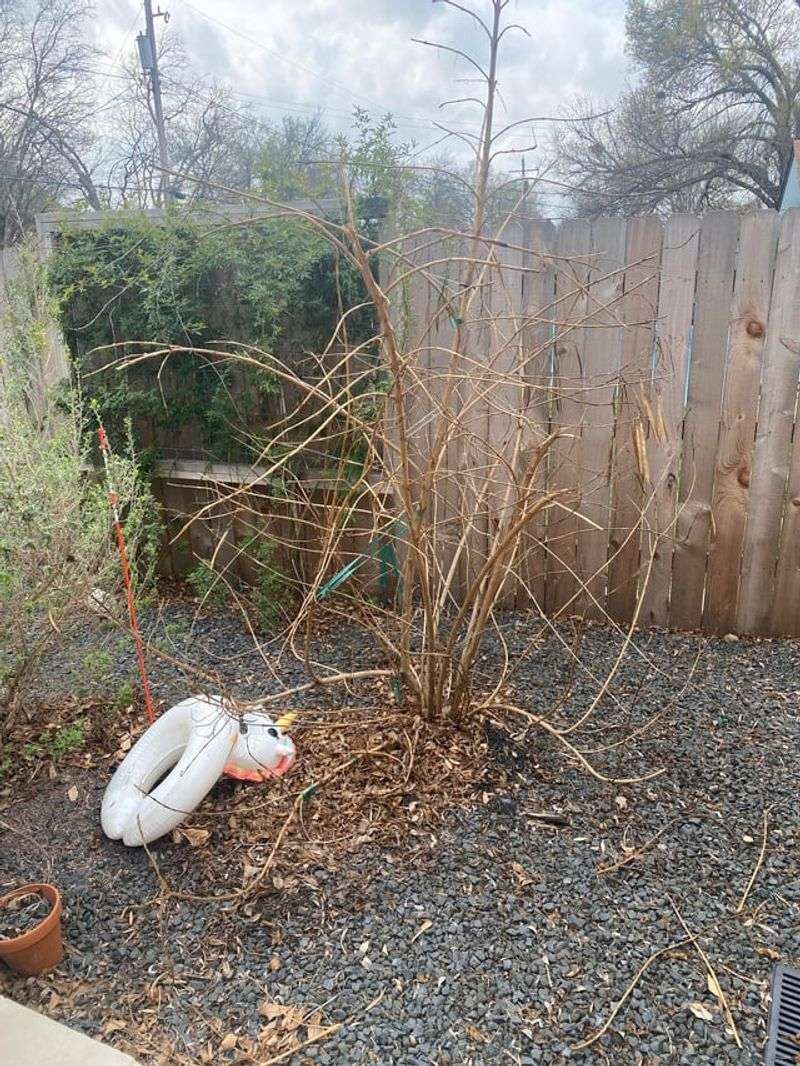
Gold Star esperanza is not a set-it-and-forget-it shrub in most Texas locations. Winter cold can damage or kill the above-ground growth, and how you respond to that damage in late winter and early spring shapes how well the plant flowers in the coming season.
The right time to prune is after you can see where the damage stops, not on a fixed calendar date. Freeze timing varies considerably across Texas, and cutting back too early risks exposing new growth to a late cold snap.
Texas A&M reports that plants can be trimmed back to approximately 6-8 inches when needed after winter damage, and that the plant typically regrows vigorously from the base once warm weather returns. Wait until you see new growth beginning at the base before removing dead wood, so you have a clear picture of what survived.
During the growing season, removing seed pods as they form may help the plant maintain continuous flowering rather than shifting energy toward seed production. This is a targeted task rather than a general pruning prescription.
Routine cutting of healthy stems during summer is not supported by the evidence as a way to increase overall bloom production, so focus deadheading efforts on spent flower clusters and developing pods rather than reshaping the plant mid-season.
For guidance on assessing freeze damage across different plant types, Texas A&M AgriLife Extension’s freeze damage guidance outlines how to distinguish dead tissue from dormant growth and when it is safe to prune without risking healthy regrowth. Applying that approach to esperanza means patience in late winter pays off with a cleaner cut and a faster recovery once temperatures stabilize.
Winter severity determines whether it remains a shrub
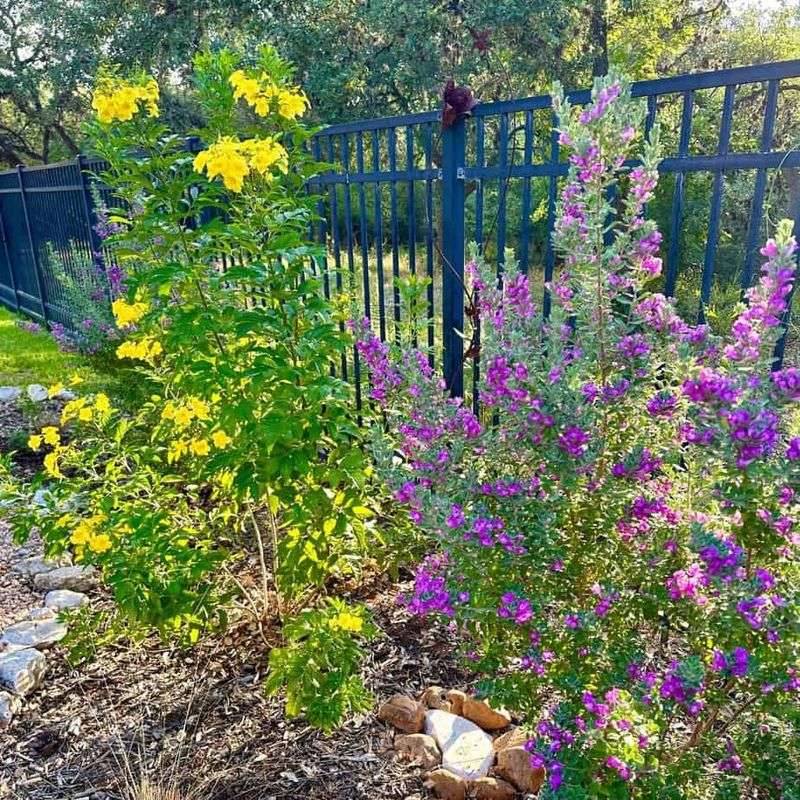
One of the most important things to understand about Gold Star esperanza before planting is that its behavior in winter depends heavily on where in Texas you live. This is not a single-character plant that behaves the same way from Amarillo to Brownsville.
In warmer parts of the state, particularly zone 9 areas along the Gulf Coast and in South Texas, Gold Star esperanza can function as a woody shrub that retains some structure through mild winters. In colder locations, hard freezes can kill the top growth entirely, leaving behind what looks like a dead plant.
Texas A&M classifies Gold Star esperanza as either a summer perennial or woody shrub depending on winter severity, and describes it as reliably perennial in zone 9. In colder zones, regrowth from the base is possible after top-kill, but that regrowth is not guaranteed, and the plant should not be counted on for year-round landscape structure in those regions.
Knock Out roses present a different picture on hardiness. Texas A&M Earth-Kind Roses lists Knock Out as hardy in zones 5b through 9, giving it a substantially broader cold tolerance than Gold Star esperanza.
For gardeners in North Texas, the Hill Country, or the Panhandle, where hard freezes arrive reliably each winter, Knock Out may provide more dependable year-round form and a more predictable spring return.
The subtropical Texas native description that sometimes accompanies esperanza also needs geographic context. The plant is native to subtropical parts of Texas, not to every corner of the state.
Matching it to a location with appropriate freeze exposure is part of choosing it responsibly, and gardeners in colder Texas regions should plan for top-kill as a likely annual event rather than an occasional inconvenience.
Southern gardeners should check local plant guidance

A plant that performs beautifully in a Central Texas landscape does not automatically translate into a responsible choice everywhere in the South. For gardeners outside of Texas who come across Gold Star esperanza recommendations, the regional context matters considerably before any purchase is made.
The broader Tecoma stans species can reach substantially larger sizes in warm climates than the 4-6-foot Gold Star form described for Central Texas. UF/IFAS Extension describes Tecoma stans as capable of reaching 10-30 feet in Florida conditions, a size range that bears little resemblance to the compact shrub Central Texas gardeners encounter at their local nursery.
That size difference alone is a reason for Southern gardeners outside Texas to research local performance before assuming the plant behaves the same way it does in Austin or San Antonio.
For Florida readers specifically, the guidance is more cautionary. UF/IFAS lists Tecoma stans as invasive and does not recommend it except for specified and limited uses.
UF/IFAS guidance on Florida’s non-native plant lists provides a framework for understanding which plants carry invasive designations and how those assessments should shape purchasing decisions. Florida gardeners should consult current state and local plant lists before buying or planting any form of Tecoma stans, regardless of how it is marketed or labeled at the point of sale.
Esperanza complements Knock Out roses rather than replacing them
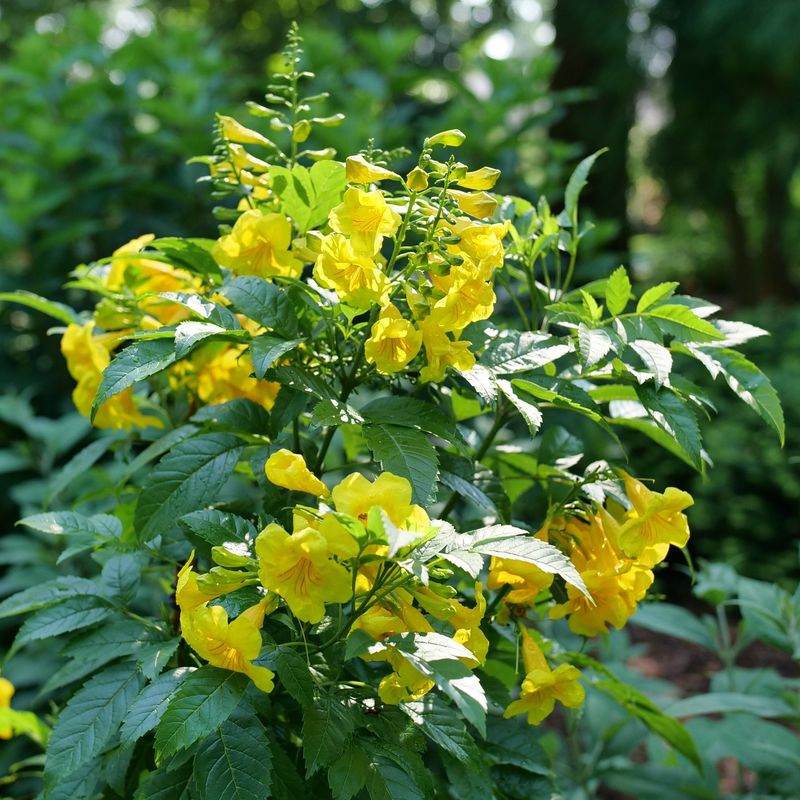
Framing Gold Star esperanza and Knock Out roses as competitors misses the better story. These two plants have different seasonal strengths, and a yard that includes both is likely to have more consistent color across the growing season than one that relies on either plant alone.
Knock Out roses bring real advantages that esperanza does not match. Texas A&M Earth-Kind Roses describes Knock Out as a low-maintenance cultivar with strong black-spot resistance and repeated flowering flushes across spring, summer, and fall.
Its broader hardiness range, listed at zones 5b through 9, also makes it a dependable choice in parts of Texas where esperanza may not survive winter as a woody shrub. Dismissing Knock Out as a plant that fails in heat is not accurate: the North Texas research found it performing strongly even under drought and record temperatures.
Gold Star esperanza’s contribution is different. Texas A&M AgriLife’s Texas Superstar program recognizes esperanza specifically for its ability to produce large yellow flower clusters from early summer until frost under suitable conditions, which is the seasonal window when rose bloom density typically drops.
That yellow color, delivered in volume during July and August, is something Knock Out does not provide.
Claims that esperanza universally outblooms roses, never gets mildew, never dies back, or needs no irrigation are not supported by the available evidence. The North Texas rose performance study did not include a flower-count comparison with esperanza, so no head-to-head verdict exists.
Choose esperanza for warm-weather yellow color and summer-long flowering in suitable warm Texas locations. Choose Knock Out for dependable repeat blooms, broader cold hardiness, and year-round structural presence in the landscape.
The two planted together give a Texas yard more than either one provides on its own.
Choose Gold Star for the summer display your yard needs
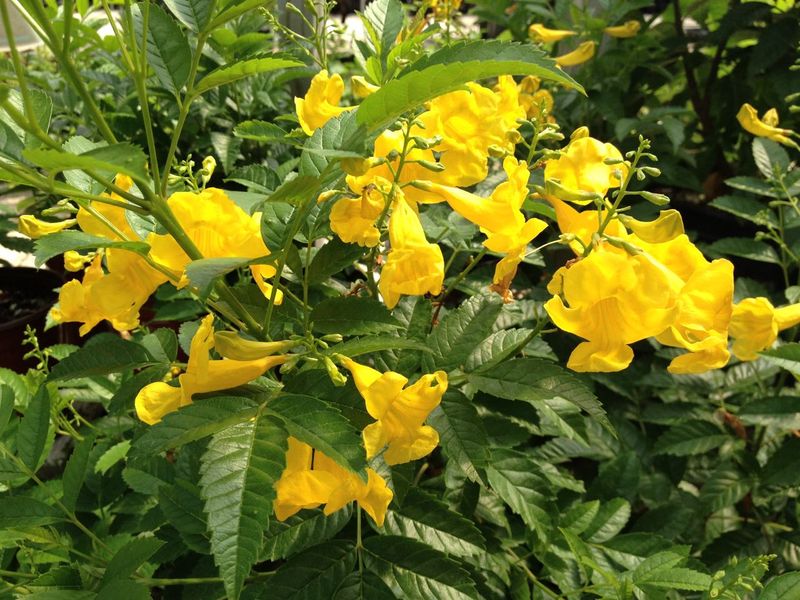
For Texas homeowners with a warm, sunny site and well-drained soil, Gold Star esperanza is a strong candidate for filling the summer color gap that most flowering shrubs leave behind. Plant it in spring after freezing weather has passed, give it a full-sun location, and plan to water weekly during the hottest periods if sustained flowering is the goal.
Texas A&M AgriLife’s Texas Superstar program selected Gold Star specifically for early and prolific flowering, which is the characteristic that makes it most useful alongside Knock Out roses during midsummer.
Account for winter dieback before treating it as permanent shrub structure, especially in Central or North Texas. In colder locations, top growth may not survive a hard freeze, and the plant’s role in the landscape should be planned accordingly.
Research on North Texas rose performance reinforces that Knock Out remains the more dependable year-round structure plant in those regions, while esperanza earns its keep as a seasonal color specialist. Gold Star esperanza is a targeted summer performer and a genuine companion to Knock Out roses, not a maintenance-free replacement for everything your yard already grows.