
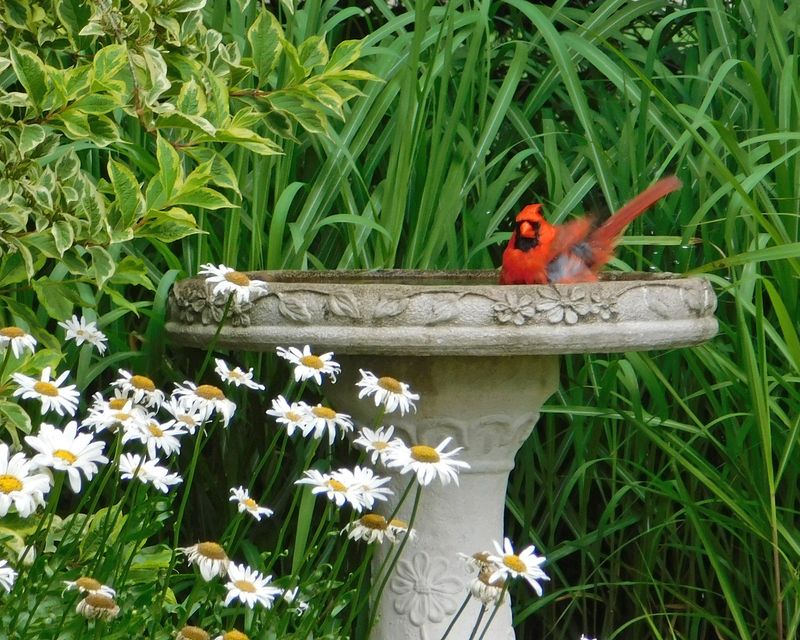
A flash of red in a bare shrub can stop you in your tracks. Many people feel comforted or reminded of someone they love when a cardinal keeps showing up.
Bird research offers plain explanations for why these birds turn up so often in Texas yards. Knowing both sides helps you enjoy the visit and give the bird a better place to stay.
A cardinal’s meaning can be personal
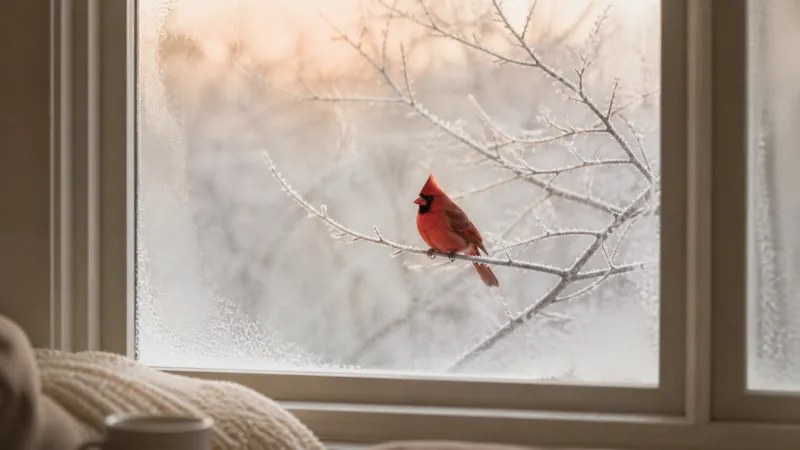
Some people feel a quiet lift when a cardinal lands near the porch. For one person it may bring comfort on a hard day.
For another it may stir a memory of a grandmother who loved birds or a friend who is gone.
Those feelings are real, and they belong to the person having them. They are personal and cultural meanings, the kind of connection people make with all sorts of moments in nature.
Nobody can say how many Texans feel this way, so it is best to treat it as something an individual chooses to take from a sighting.
Bird science tells a different kind of story. Researchers describe cardinal biology and habits at the Cornell Lab of Ornithology, and University of Florida IFAS Extension covers similar ground, but neither describes a message carried by the bird.
A red cardinal at your window does not predict luck, weather, or any coming event.
The sections ahead look at the everyday reasons a cardinal might keep turning up, from where the species lives to what your yard offers. Then we will get practical about making that spot even better for the birds.
Cardinals live year-round in much of Texas
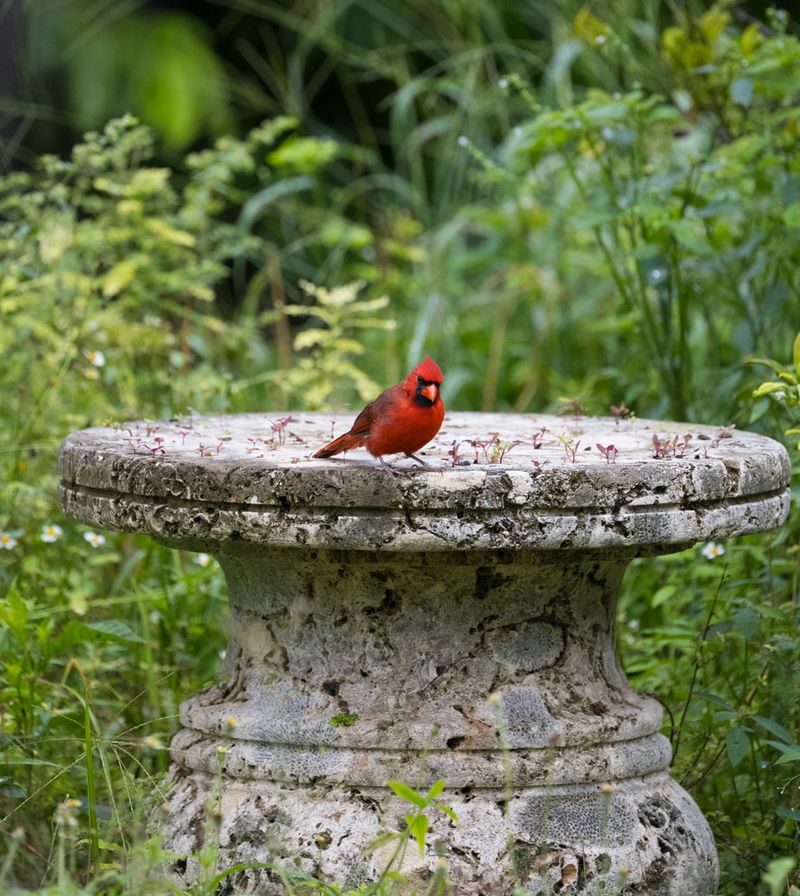
Here is a fact that surprises many people: Northern Cardinals do not migrate. According to Cornell, they stay in or near the same home range through the seasons.
The bird you see in October may well have been in the neighborhood all summer, just hidden in leafy cover.
Texas Parks & Wildlife describes cardinals as year-round residents in the eastern two-thirds of Texas. That wording matters.
Texas is a huge state with very different landscapes, so cardinals are not equally common everywhere. A gardener in the Piney Woods or the Post Oak Savannah is far more likely to host them than someone in the far western desert.
So a fall sighting does not mean a bird just flew in from somewhere else. If you live within the range, cardinals were probably around already.
What about a bird that keeps coming back? Familiar ground helps explain it.
Cardinals use dense shrubs for cover and nesting, and a yard with thick plants and reliable food can hold their attention day after day. That makes repeat sightings quite plausible.
Still, IFAS Extension describes the species’ habits, not individual identity. Without a leg band, a single sighting cannot tell you whether it was the same bird, its mate, or a neighbor that stopped by.
Winter behavior is not proof of a fall influx
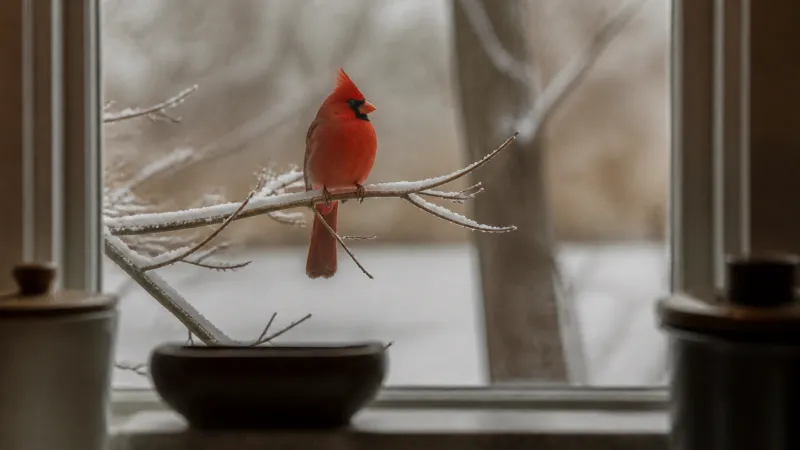
Cooler months do change how cardinals act. Texas Parks & Wildlife notes that cardinals gather socially in winter, and IFAS Extension describes loose winter groups.
Cornell adds that the species stays easy to spot in winter, when bare branches leave a red bird with fewer places to hide.
That is the documented part: winter flocking and winter conspicuousness. Fall is a different matter.
Leaves are still on many trees, and the sources do not show that cardinals visit yards more often across Texas every autumn.
Your own impression may still be right for your yard. Maybe you started filling a feeder, trimmed a hedge, or simply spent more time outside as the heat eased.
Any of those could make cardinals seem more present.
A simple way to test it is to keep a short notebook. Jot down the date, time, and number of cardinals for a few weeks.
Over time you will learn whether your yard really gets busier or whether you are just noticing more.
Build a yard with food, water, and shelter
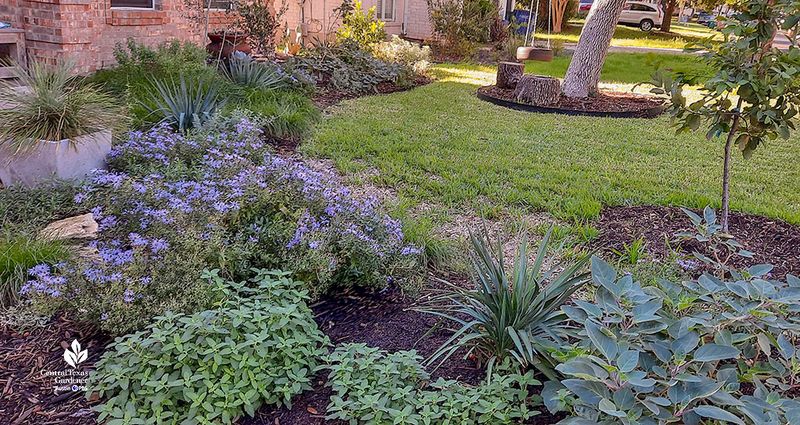
If you want cardinals to stay, think like a bird. They need something to eat, a place to drink, and thick cover to hide from hawks and weather.
Texas Parks & Wildlife wildscape tips point homeowners toward native vegetation and layered planting, with groundcover, shrubs, and trees working together.
Dense evergreen shrubs make strong shelter. Yaupon and southern wax myrtle are two examples TPWD names.
Before you buy either one, check whether it suits your part of Texas and your site, since soil, rainfall, and sun differ widely from the coast to the Hill Country. A local native plant nursery or your county extension office can help you choose.
Natural food matters too. Native shrubs, trees, and grasses supply berries, seeds, and insects across the year, and that steady supply is what makes a yard dependable.
Feeders come later in the plan, as a helper and not a replacement.
Add a shallow water source with a gentle edge, and clean it often so it stays fresh. Place it near shrubs so birds can dash for cover after a drink.
TPWD habitat resources offer more ideas for planning a bird-friendly space.
Fall is a good planting season across much of Texas, because cooler weather lets new roots settle in before next summer’s heat.
Use and maintain feeders responsibly
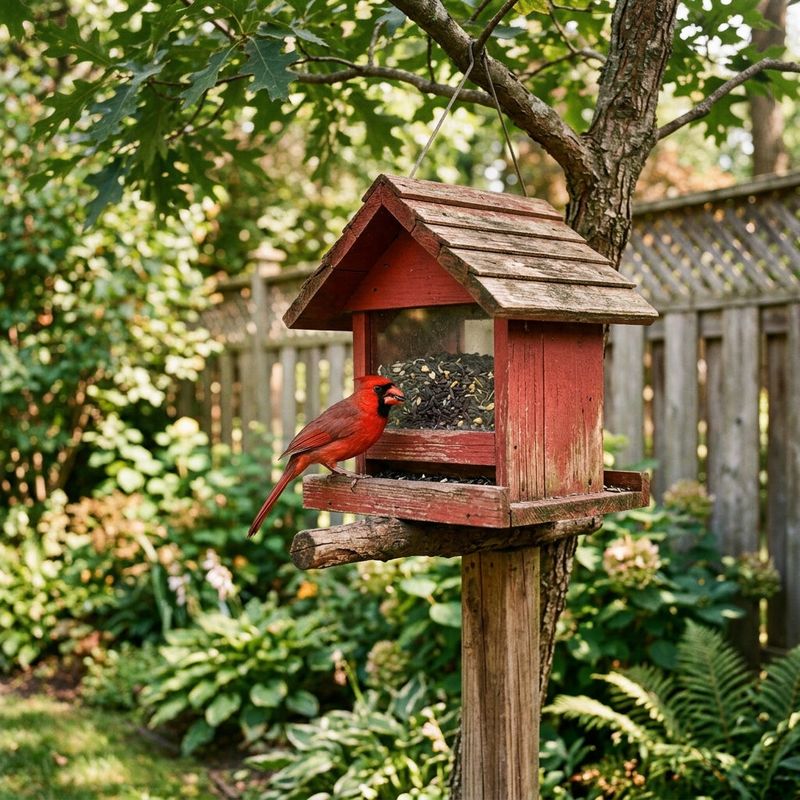
A feeder can be a nice extra once your plants are doing their job. Cornell lists sunflower as a favorite for cardinals, and notes they will use tray or hopper feeders.
Cornell’s seed guide also names safflower as another option. Their thick beaks crack these seeds easily, and a tray gives a big bird room to perch.
Cleaning keeps birds healthy. Cornell recommends washing feeders about every two weeks, and more often with heavy use, wet weather, or sick birds nearby.
Toss any wet or moldy seed right away.
Placement protects birds from window strikes. Cornell’s placement advice is to set feeders within 3 feet of a window or more than 30 feet away.
Avoid the in-between zone, where birds can build up speed and hit the glass.
Sometimes a bird looks sick or turns up dead. Do not touch it.
CDC guidance says to take down feeders and birdbaths for two weeks, so birds scatter and disease has less chance to spread.
Keep these steps simple and steady, and your feeder can be a safe supplement to the shrubs and water you have already provided.
Value the meaning without treating it as proof

You can treasure what a cardinal means to you and still enjoy the simple facts. A bird that stays all year, as Cornell describes, and finds good cover in your yard has plenty of reasons to appear.
It is not a prediction or proof of anything.
This weekend, pick one small step, such as adding a native shrub using TPWD’s wildscape tips or scrubbing your feeder. A welcome you build is one the cardinals can count on.