
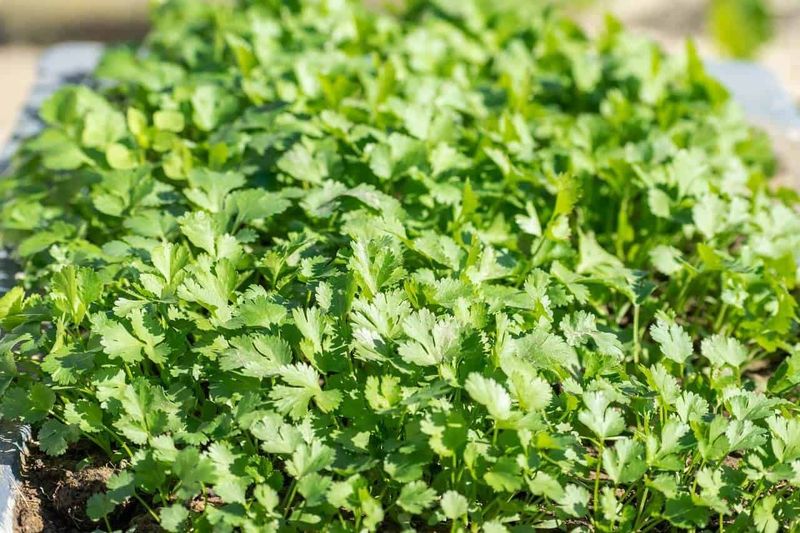
Cilantro might be the most overlooked herb for a North Carolina fall garden, yet it is one of the fastest and most practical options when you plant at the right time. As a cool-season annual, it actually grows better in autumn than in the heat of summer, and an early-September sowing can give you usable leaves before the first frost arrives.
This article explains where, when, and how to get a leaf harvest from cilantro this fall, along with honest guidance about where the approach works best and where it may fall short.
Why early-September cilantro can work—when conditions line up
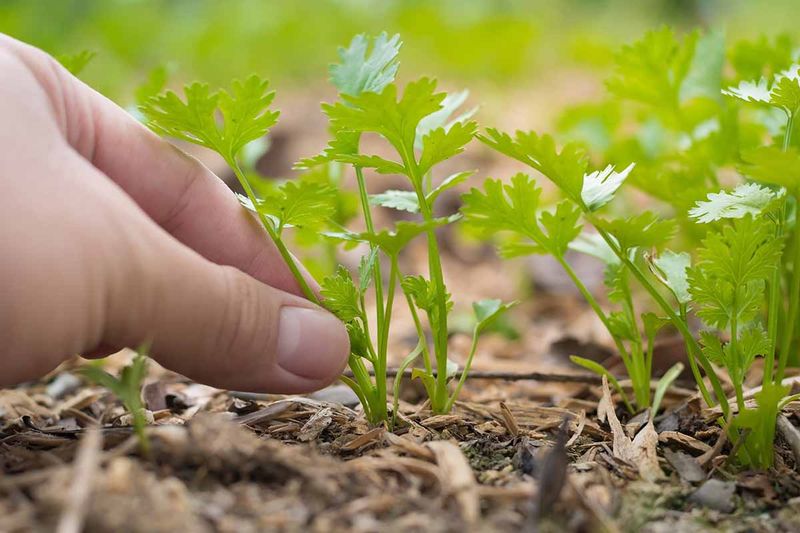
Cilantro earns its place in the fall garden not because research has ranked it above every other herb, but because its growth habits line up well with what early September offers in much of North Carolina. NC State Extension’s plant profile describes cilantro as a rapid-growing cool-season annual that performs best in spring and fall and bolts easily under hot conditions.
That character makes it a practical match for the cooling days that follow late summer.
The planning number most gardeners need is the approximate time from seed to a first usable harvest. NC State’s central North Carolina planting calendar lists cilantro at 50 to 55 days from seed to harvest, while NC State’s Piedmont container gardening guide describes a first harvest arriving about six weeks after seeding.
These figures are planning estimates, not guarantees. Germination speed, soil temperature, moisture, seed quality, and local weather all influence the actual outcome.
The harvest target here is a first useful leaf picking, not a large, fully mature plant. Cilantro leaves become usable well before the plant reaches its maximum size, and capturing that early harvest is exactly what a fall planting is designed to do.
Early September is the window where the math most often works in the Coastal Plain and central Piedmont. Planting later in the month shrinks the margin considerably, so timing the sowing to the first week or two of September gives the crop the best chance of delivering before cold weather ends the season.
North Carolina’s region sets the planting deadline
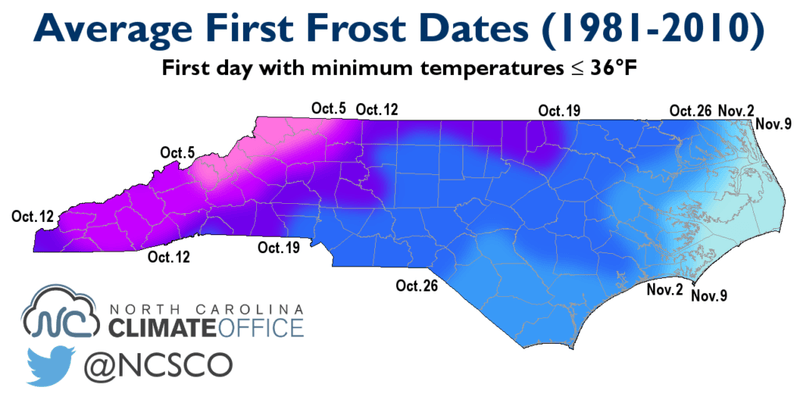
North Carolina is not one climate. A gardener near Wilmington or Greenville has a meaningfully different fall window than someone gardening in Asheville or Boone, and the cilantro recommendation shifts accordingly.
NC State’s community food gardening handbook notes that Coastal Plain gardeners can generally plant later into fall, while mountain gardeners face an earlier and narrower planting window. That difference is not a minor detail; it can determine whether an early-September sowing has enough time to produce or not.
For Piedmont gardeners, the picture is more specific. NC State’s management guidance identifies mid-September as a rough cutoff for fall plantings in the Piedmont without row cover, even for quick crops.
An early-September sowing in Raleigh or Greensboro fits inside that window; a late-September sowing likely does not. Mountain gardeners in the western counties should generally treat any September cilantro sowing as a conditional gamble rather than a reliable plan, because the fall window there closes earlier.
NC State’s western North Carolina planting calendar lists cilantro at the same 50 to 55 days, but its fall planting window is earlier and narrower than the central-region guidance.
The most practical step any gardener can take is to look up the expected first frost for their specific location rather than relying on a statewide average. NC State Climate Office’s Freeze Date Explorer uses 1991 to 2020 data and lets you check probability-based freeze dates by station.
Count backward from your local median first-frost date by 50 to 55 days, then add a few days for germination. If that date falls in early September, the timing is plausible.
If it falls in late August, a September sowing carries real risk. This calculation estimates opportunity; it does not promise a harvest.
Direct-sow the seeds instead of relying on transplants
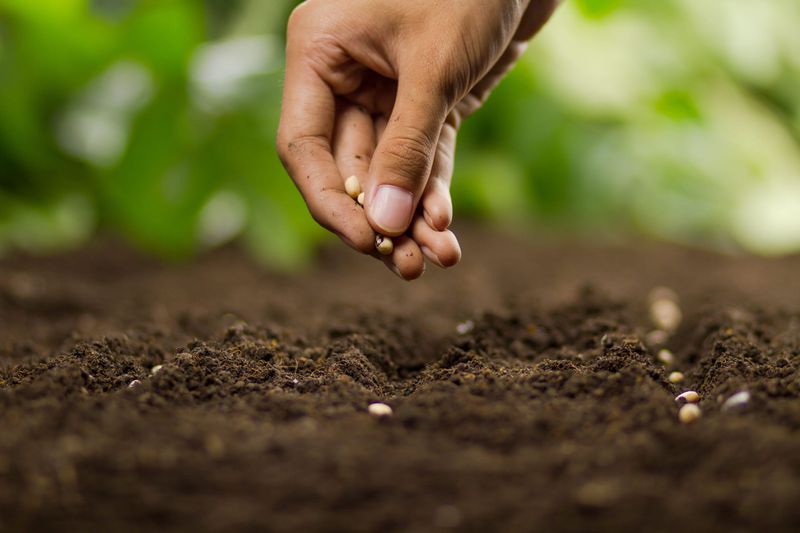
Cilantro does not transplant well, and that is not a minor inconvenience. The plant develops a taproot early, and disturbing those roots during transplanting often causes stress, bolting, or failure.
UGA Cooperative Extension’s herb guide recommends direct seeding cilantro in fertile soil, noting that successive small sowings support continuous harvest. Buying transplants from a garden center may feel like a head start, but it typically sets the plant back rather than ahead.
The planting sequence is straightforward. Choose a spot with fertile, well-drained soil and loosen the top few inches.
Scatter seeds or place them in shallow furrows, then cover with about one-half inch of soil. Oregon State Extension recommends covering seed with one-half inch of soil, thinning to 8 inches apart, and spacing rows 18 to 24 inches apart for good airflow and access.
Penn State Extension similarly recommends direct sowing spaced 6 to 8 inches apart.
Consistent moisture during germination is critical, especially in early September when North Carolina soil can still be warm and dry. Check the seedbed daily if rainfall is scarce, and water gently to avoid washing seeds out of position.
Once seedlings emerge and reach a couple of inches tall, thin them to approximately 6 to 8 inches apart. Crowded plants compete for water and light, and poor airflow in a dense stand can invite disease.
Thinning feels wasteful but it gives remaining plants the space they need to push out the leafy growth you are after.
Give seedlings cool, evenly moist growing conditions
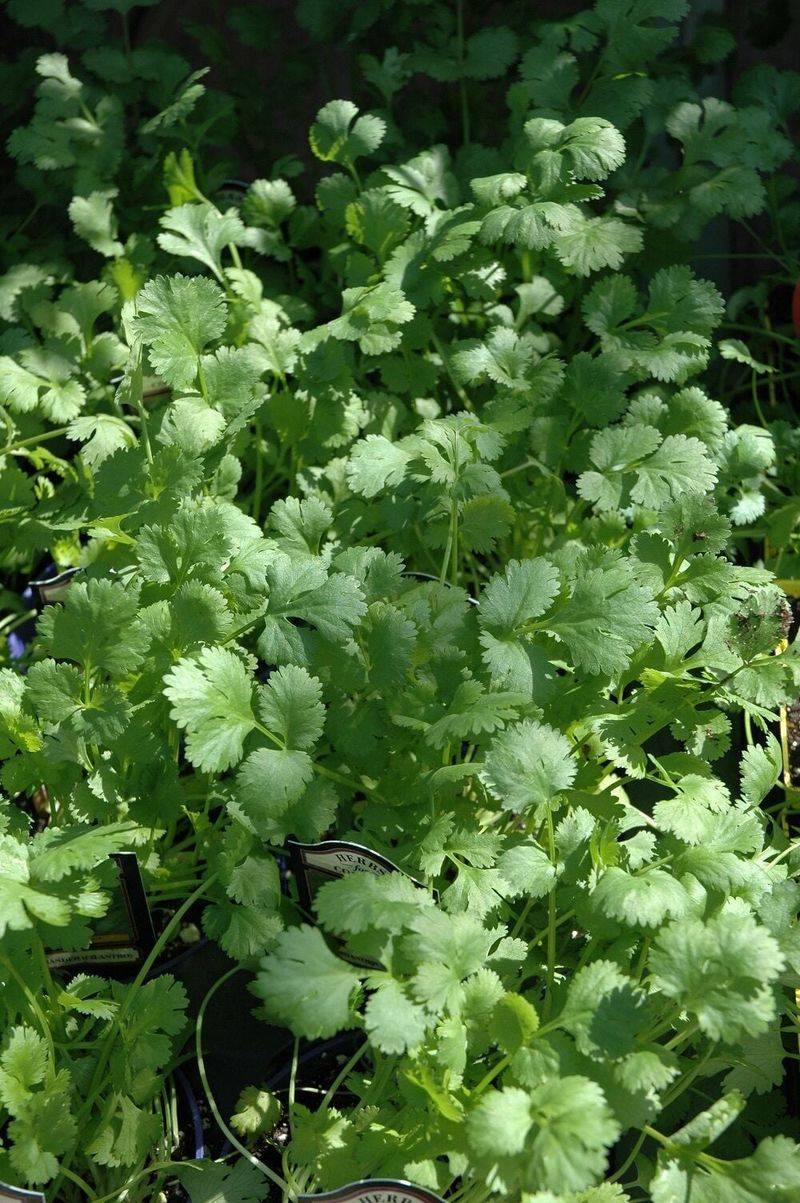
Where you put cilantro matters as much as when you plant it. NC State’s plant profile recommends medium-moist, well-drained soil and notes that cilantro grows in full sun to light shade.
UGA Extension adds that Southern heat and humidity make summer production difficult, which is precisely why fall is the better season. A spot that gets morning sun and some afternoon shade can be a good choice if your site stays unusually warm into September.
Containers are a workable option, particularly for Piedmont gardeners who want flexibility or who garden on a patio or deck. NC State’s Piedmont container gardening guide specifies a minimum depth of 8 inches for cilantro because of the plant’s taproot.
A pot that is too shallow will restrict root growth and stress the plant, which can push it toward flowering before you get a useful leaf harvest. Use a well-draining potting mix and water consistently, since containers dry out faster than garden beds.
Cooler temperatures and shortening fall days work in the gardener’s favor. Oregon State Extension reports that cilantro planted during hot summer conditions may bolt in four to six weeks, while cooler spring or fall conditions allow a longer leafy period.
That said, warm spells in early September are common in North Carolina, and a stretch of above-average heat can still push the plant toward flowering. Keeping the soil evenly moist and avoiding unnecessary stress gives the plant its best shot at staying in the leafy phase long enough to harvest.
Harvest usable leaves before waiting for full maturity
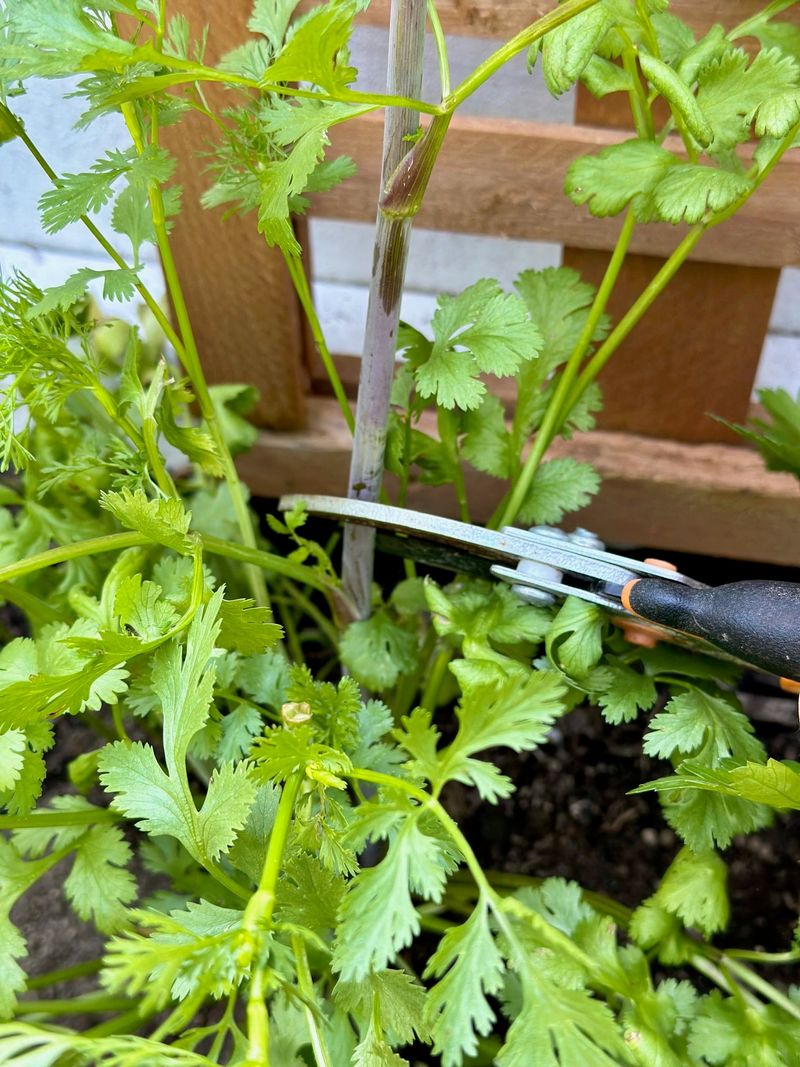
One of the most useful habits a cilantro gardener can build is starting to pick early. You do not need a large, fully leafed-out plant to get value from the crop.
Utah State University Extension advises beginning harvest when plants have usable leaves, often around 6 inches tall, and recommends cutting outer leaves or stems while leaving the central growing point intact. That approach keeps the plant producing rather than shutting it down all at once.
Cutting from the outside in is a simple technique with a real payoff. Snip the outer stems near the base, take what you need, and let the center continue growing.
NC State’s plant profile notes that cilantro and coriander are the same plant used differently: the leaves are called cilantro, while the mature seeds of the same plant are called coriander. A September sowing in North Carolina is aimed at the leafy stage, not seed production.
Expecting ripe coriander seeds before frost is not a realistic goal for most of the state.
Food safety is a quick but necessary step. Illinois Extension advises waiting to wash fresh herbs until just before use, then rinsing them under running water and drying them before adding to a dish.
Washing too far in advance can speed up wilting and create conditions for bacterial growth. Harvest what you plan to use soon, store any extra loosely wrapped in the refrigerator, and rinse right before cooking or serving.
Use row cover only as a limited extension of the season
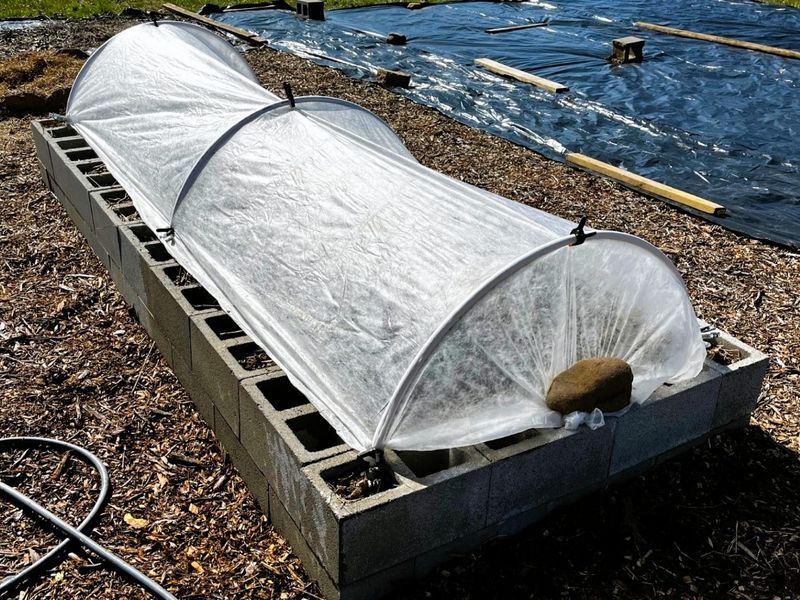
A row cover, sometimes called frost cloth, can buy a cilantro planting a few extra days or nights when temperatures dip toward the frost zone. NC State’s home vegetable gardening guide identifies frost cloth and other season-extension methods as tools for stretching fall production.
That is a genuine benefit, but it has a clear limit: row cover cannot make up for a planting that started too late to reach a harvestable size before cold weather arrives. It adds days, not weeks.
Understanding what you are protecting against also matters. NC State Extension’s guidance on freeze and frost probabilities notes that frost risk rises below approximately 36 degrees Fahrenheit, while a freeze is generally associated with temperatures at or below 32 degrees.
The two events are not the same thing. A light frost on a clear, still night may leave cilantro only slightly nipped, while a hard freeze can kill tender annual growth outright.
Knowing your local forecast and acting before a predicted hard freeze is more reliable than hoping the plants will survive on their own.
If a hard freeze is in the forecast and the plants have usable leaves, harvest them before the event rather than after. NC State’s herb garden winterizing guidance classifies cilantro as a tender annual, which means it should not be treated as a frost-proof or reliably overwintering crop.
NC State’s community food gardening handbook also advises calculating planting dates backward from the local first frost. A late-September sowing in the mountains, even under row cover, carries substantially more risk than an early-September sowing on the Coastal Plain, and row cover does not change that underlying arithmetic.
Make the decision from your planting date and local frost risk
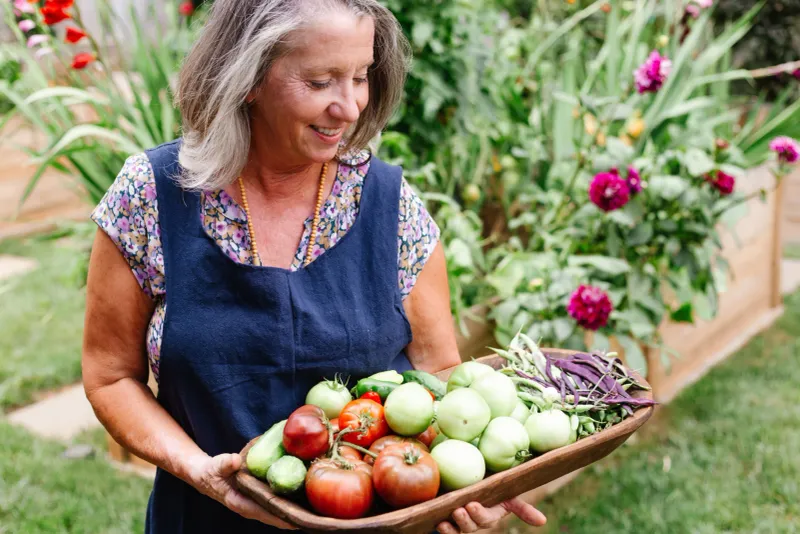
Coastal Plain and lower or central Piedmont gardeners who are reading this in early September have a reasonable window. The practical steps are direct-sowing cilantro now, keeping the seedbed evenly moist through germination, beginning to pick outer leaves as soon as they are usable, and checking local frost information as the season moves forward.
NC State’s central planting calendar supports September as a sowing window for this region, and the math works when you plant early enough.
Mountain gardeners and anyone sowing in the second half of September should treat the crop as a conditional bet. NC State’s western planting calendar shows a narrower and earlier fall window for that region, and a late start leaves little buffer before frost.
Row cover is worth using if the remaining growing time looks plausible, but it is not a substitute for a timely sowing. Use NC State’s Freeze Date Explorer to check your station’s probability-based frost dates before committing to a late planting.
Cilantro offers a practical chance at a pre-frost leaf harvest under the right conditions. NC State classifies it as a tender annual, so winter survival is not the goal.
A well-timed sowing, a consistently moist seedbed, and prompt harvesting are what turn this overlooked cool-season herb into something genuinely useful before the season closes.