
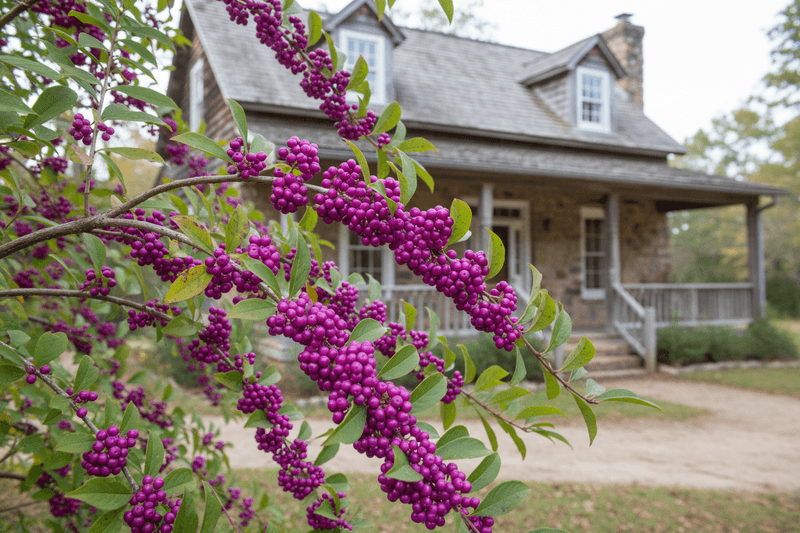
American beautyberry is a North Carolina native shrub that catches your eye every fall with clusters of vivid purple berries, and it also holds a genuinely interesting place in mosquito research. Scientists have pulled bite-deterrent compounds from its leaves in the lab, which is where a lot of the buzz about this plant comes from.
Before you plant a row of them around your patio expecting a mosquito-free summer, though, there are some important things to know about what the research actually says and what works better for real backyard protection.
American beautyberry offers promise—but not a patio mosquito shield
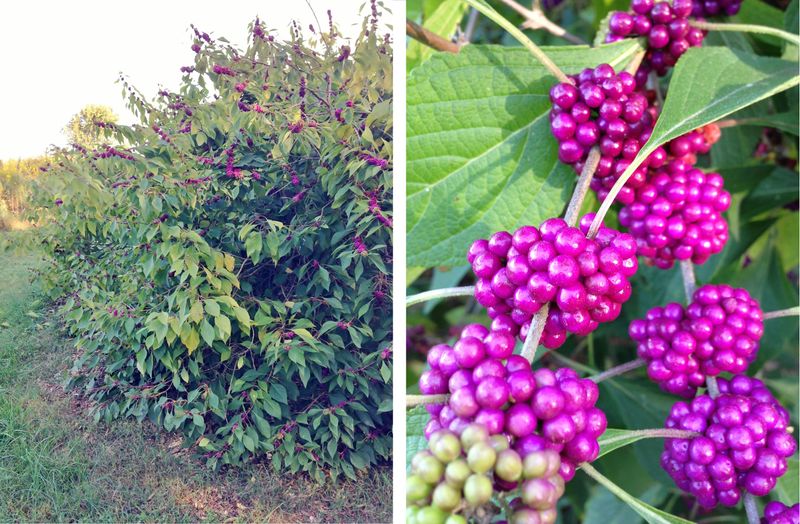
American beautyberry (Callicarpa americana) is a deciduous native shrub that turns heads every August through October with tight clusters of brilliant purple or bluish fruit lining its arching stems. NC State Extension’s plant profile describes it as a low-maintenance landscape plant suited to borders, naturalized areas, and wildlife-friendly beds across much of eastern North Carolina.
That combination of looks and easy care makes it genuinely worth growing.
What also makes it interesting is a body of laboratory research showing that compounds extracted from its leaves can deter mosquito bites. A peer-reviewed study published in the Journal of Agricultural and Food Chemistry identified terpenoid compounds from beautyberry leaves that showed bite-deterrent activity under controlled conditions.
That finding has circulated widely, and it is legitimate science worth understanding.
Here is where the story gets more complicated. No cited study shows that a living beautyberry planted beside your patio reduces mosquito numbers in your yard or creates a reliable repellent zone outdoors.
NC State Extension states plainly that claims about repellent plants placed around porches or decks are not supported by scientifically based tests, and that wind can disperse repellent chemicals and reduce any coverage that might otherwise occur.
The practical takeaway is straightforward. Plant American beautyberry for its striking appearance, its native-plant credentials, and the birds and small mammals it feeds.
Then use separate, evidence-backed methods to manage mosquitoes around your seating area. The two goals are compatible – they just require different tools.
What the beautyberry leaf research actually tested
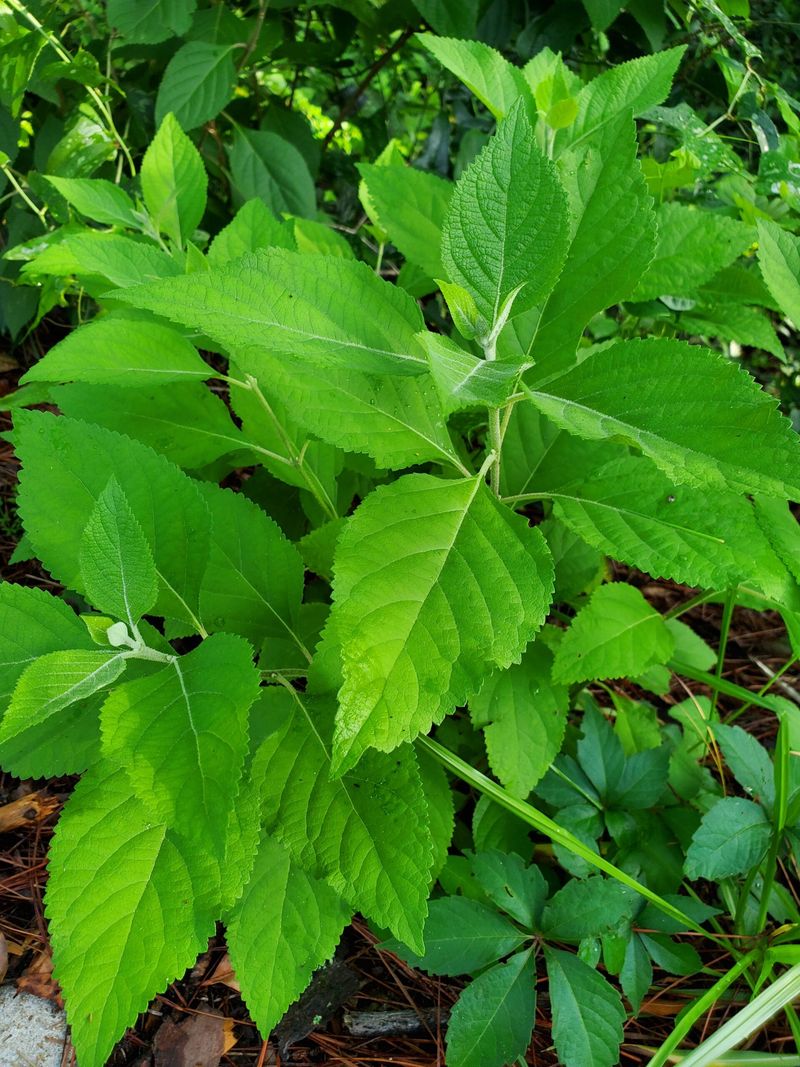
Folk practice in the rural South has long held that rubbing crushed beautyberry leaves on your skin keeps mosquitoes away, and USDA Agricultural Research Service scientists decided to find out whether there was chemistry behind that tradition. Their published findings confirmed that the leaves of Callicarpa americana contain compounds with real bite-deterrent activity – but the way those compounds were tested matters a great deal for what you can actually conclude.
The 2005 isolation study worked with solvent extracts and isolated terpenoid compounds from beautyberry leaves, including callicarpenal and intermedeol. Researchers measured how well those purified or extracted substances deterred mosquito bites under laboratory conditions.
That is a meaningful first step in understanding a plant’s chemistry, and the results were promising enough to generate continued scientific interest.
What the study did not test is whether a living beautyberry shrub growing in your yard releases enough of those compounds into the surrounding air to deter mosquitoes from a nearby seating area. The scent of an intact, unpruned shrub is not the same as a concentrated leaf extract.
The berries were not the subject of the research either – the relevant chemistry sits in the leaves, particularly after they are crushed or processed, not in the fruit clusters that make the plant so recognizable.
Translating a laboratory extract result into a backyard promise skips several critical steps: formulation, concentration, outdoor dispersal, duration of effect, and real-world exposure testing. Those gaps are why extension agencies continue to say that repellent-plant claims around porches lack scientifically based support.
The chemistry is genuinely interesting; the jump from lab bench to patio barrier has not been made.
Why beautyberry still earns a place in the right North Carolina yard
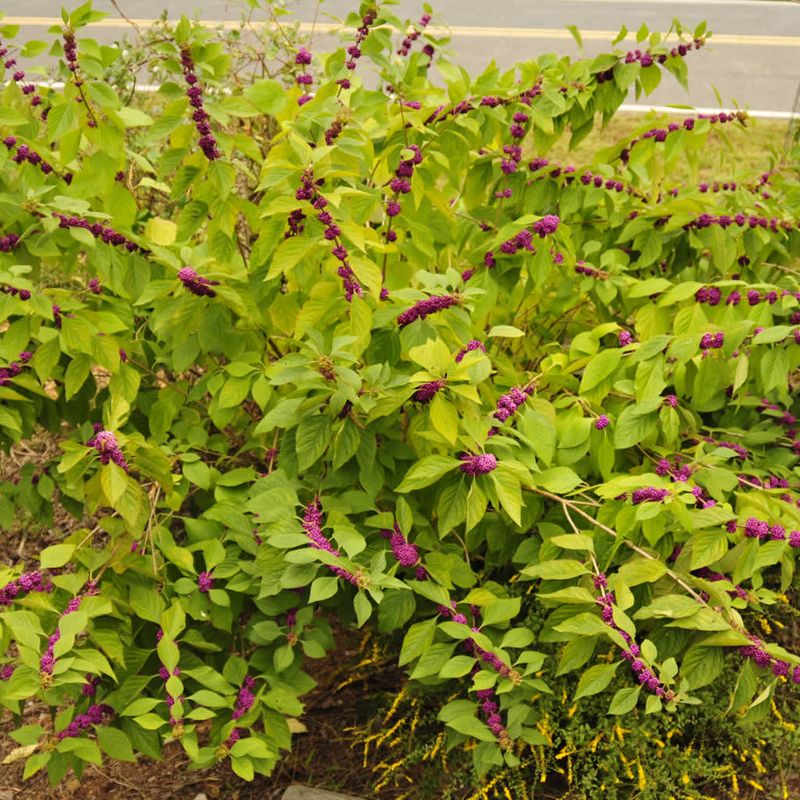
Strip away the mosquito claims entirely and American beautyberry still stands on its own merits as a landscape plant. According to NC State’s plant toolbox, the shrub typically reaches 3 to 8 feet tall and 3 to 6 feet wide at maturity, tolerates full sun to partial shade, and performs well in a range of soils as long as drainage is adequate.
Small pink or lavender flowers appear in late spring to early summer, mostly hidden by the foliage, and then the real show begins.
By August, tight clusters of purple or bluish berries line every stem from base to tip, persisting through October and sometimes into early winter. Those berries feed songbirds and small mammals, making beautyberry a productive addition to any wildlife-friendly planting.
Few native shrubs deliver that kind of visual payoff with so little intervention.
Geography matters when you are shopping for this plant. The Vascular Plants of North Carolina database shows American beautyberry is most consistently native across the Coastal Plain and southeastern Piedmont.
Occurrence becomes more scattered through parts of the west-central Piedmont and the southern mountains, and it is largely absent from much of the northern and western mountain region. Gardeners in Wilmington, Jacksonville, or Fayetteville are working squarely within its native range; gardeners in Asheville or Boone should check local native-plant resources before purchasing.
One more distinction worth making at the nursery: American beautyberry (Callicarpa americanaCallicarpa dichotomaCallicarpa japonicaCallicarpa) is not the same as Chinese beautyberry () or Japanese beautyberry (). Several nonnative species are sold in the Southeast, and the North Carolina flora account recommends using the full common name with the “American” qualifier to avoid confusion.
If native-plant credentials matter to you – and for wildlife value, they should – read the tag carefully before you buy.
Place and maintain it for landscape value, not mosquito control
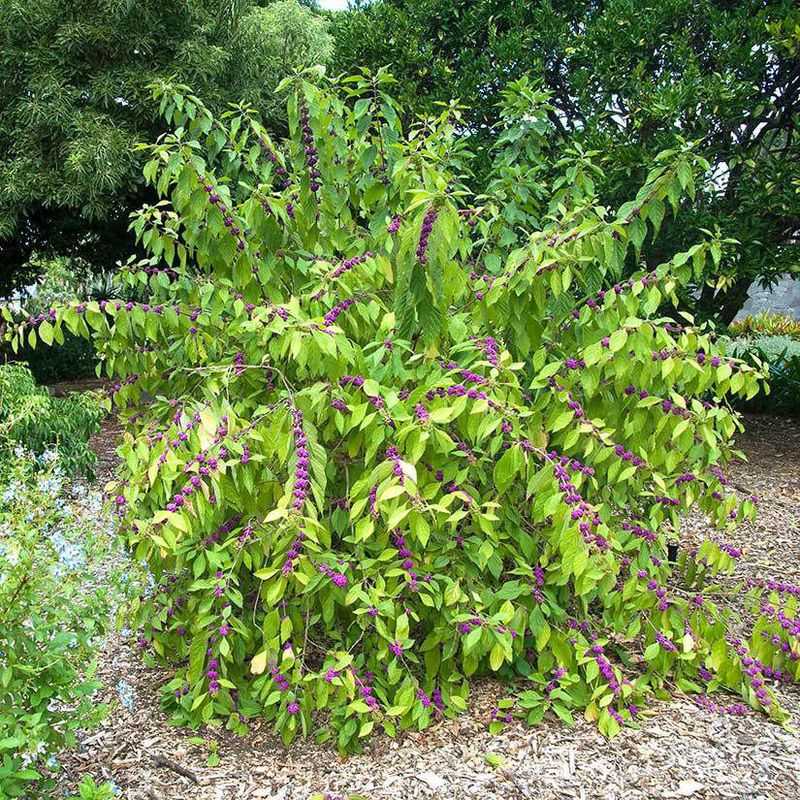
Beautyberry works best when you site it where its natural, arching form can spread without constant cutting. Borders, naturalized areas, the edges of woodland gardens, pond margins, and larger landscape beds all suit it well.
Tucking it immediately beside a patio chair or table is not the right fit – partly because the shrub’s open, sprawling habit needs room, and partly for a reason worth understanding clearly.
Dense, shaded vegetation of any kind can provide resting habitat for adult mosquitoes. NC State Extension’s mosquito-control guidance discusses treating shrubs and vegetation where mosquitoes rest as part of a broader management strategy.
A thicket of densely planted beautyberry crowded against your seating area would create exactly the kind of cool, humid, shaded microclimate that resting mosquitoes prefer. Give the plants space, keep airflow moving through your outdoor living area, and position the shrubs at the bed’s edge rather than against the furniture.
NC State recommends planting several beautyberries near one another because cross-pollination tends to produce heavier fruit set – so a small grouping of two or three plants in a naturalized bed will usually outperform a single specimen for bird-feeding value. Space them generously at planting so they can mature without fighting each other for light.
Maintenance is genuinely low. Because flowers and fruit form on new growth, late-winter pruning is the most effective way to keep the shrub compact.
NC State recommends cutting plants back hard – around 1 foot from the ground – in late winter for a tidy, vigorous renewal each season. Lighter thinning is also an option if you prefer a larger, more natural shape.
Either way, skipping the pruning for a season will not harm the plant; it will simply grow larger and wilder, which some gardeners prefer in naturalized settings.
Remove standing water to reduce mosquito production
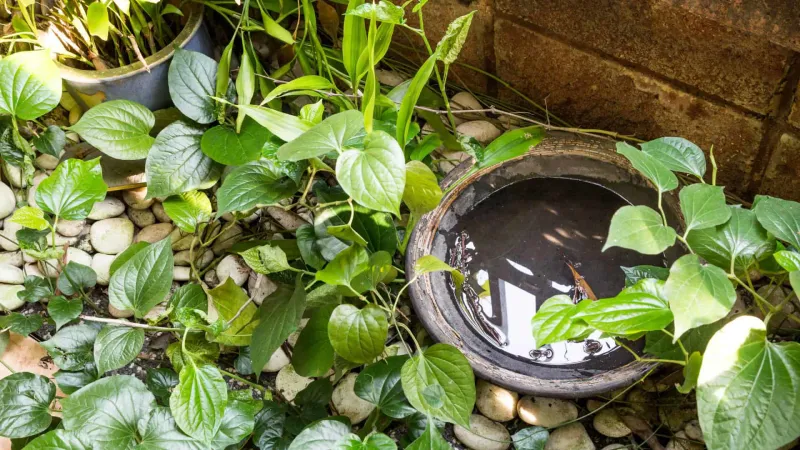
Every mosquito that bites you around your patio started as a larva in standing water somewhere on or near your property. That is where the most dependable home intervention begins – not with a plant choice, but with a weekly water-management routine that removes the breeding sites mosquitoes depend on.
CDC recommends emptying and scrubbing, turning over, covering, or discarding any item that holds water at least once a week. The list is longer than most people expect: flower pot saucers, buckets, children’s toys, birdbaths, old tires, trash containers, bottle caps, and low spots in tarps or covers.
A bottle cap holding a tablespoon of rainwater is enough for a mosquito to complete its larval stage in warm North Carolina summers.
Birdbaths are a particular trap for well-meaning gardeners. They attract songbirds, which is exactly the point, but standing water in a birdbath that goes unchanged for more than a week becomes a mosquito nursery.
Scrubbing the basin with a stiff brush when you refill it disrupts any eggs or early larvae before they develop. A small solar-powered agitator that keeps the water moving is another option, since mosquitoes strongly prefer still water for egg-laying.
Rain barrels and cisterns need tight-fitting lids or fine-mesh screens over every opening, including overflow ports. For larger water features like decorative ponds that cannot be drained or covered, a properly labeled mosquito larvicide – such as a Bacillus thuringiensis israelensis (Bti) product – can be applied according to the product label.
Bti is toxic to mosquito larvae but has a strong safety record for other wildlife, pollinators, and humans when used as directed. Always read the label before applying any product to a water feature, and follow its instructions exactly.
None of this is glamorous, but weekly standing-water checks are the single most effective action a North Carolina homeowner can take to reduce the mosquitoes actually emerging from their own property.
Use EPA-registered repellents for personal bite protection
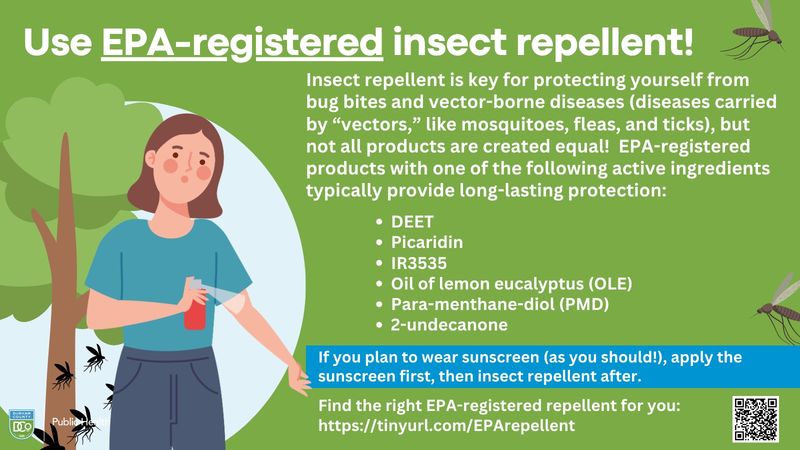
Protecting the people on your patio is a separate job from managing the landscape around it, and it calls for products that have actually been evaluated for that purpose. CDC recommends EPA-registered repellents containing active ingredients such as DEET, picaridin, IR3535, oil of lemon eucalyptus (OLE), para-menthane-diol (PMD), or 2-undecanone.
Each of these has gone through the EPA’s registration process, which evaluates effectiveness and skin-safety data before a product reaches store shelves.
The EPA’s registered repellent ingredient list is the right starting point when you are choosing a product. Higher concentrations of DEET or picaridin generally provide longer protection windows, which matters during a long evening on the patio.
Follow the product label for reapplication timing, age restrictions for children, and instructions for use around the face and hands.
Rubbing crushed beautyberry leaves on your skin is a practice with a long folk tradition in the South, and Mississippi State Extension notes the tradition while also cautioning that possible allergic dermatitis is a real concern. Fresh leaves are not a standardized preparation – concentration, coverage, and duration are all unknown variables – and there is no EPA-evaluated safety or effectiveness data for this use.
That caution applies especially to children, pets, broken skin, and the face.
Penn State Extension’s pollinator-friendly mosquito-control guidance adds that aromatic plants generally do not release enough of their essential oils while growing intact to repel mosquitoes effectively, and that any effect from crushing foliage is short-lived. Homemade beautyberry tinctures or sprays fall into the same category: no established formulation, no duration data, and no regulatory review.
Beyond repellents, long sleeves and pants in light colors, window and door screens kept in good repair, and outdoor fans that disrupt mosquitoes’ weak flight in moving air all add layers of protection without requiring any chemistry. Use the combination that fits your situation, and treat the repellent label as the instruction manual it is.
Make beautyberry one part of a smarter patio plan
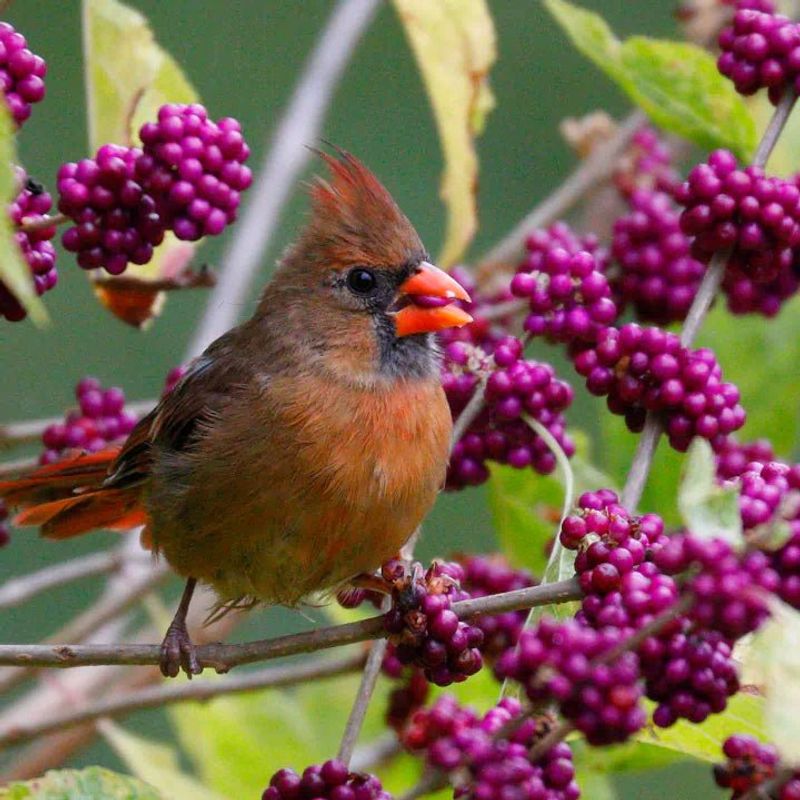
American beautyberry earns its spot in a North Carolina yard on the strength of its native character, its low-maintenance care, its fall berry display, and the songbirds and small mammals it feeds through late summer and into winter. NC State’s plant profile frames it accurately as a landscape and wildlife plant, and that framing is the right one to carry into your planning.
When the goal shifts to reducing mosquito bites on the patio, the approach has to shift too. Weekly standing-water removal is the highest-confidence action you can take on your own property, cutting off mosquito production at the source rather than trying to manage adult mosquitoes after they emerge.
Pair that with EPA-registered repellents applied according to their labels when people need direct bite protection, and keep dense vegetation trimmed back from seating areas so you are not creating shaded resting habitat right where people gather.
Beautyberry planted in a naturalized border, given room to arc and fruit, fed birds while you enjoy the patio a few yards away – that is a plan with honest payoffs on every side. The shrub’s most interesting quality may be its leaf chemistry, but its most reliable quality is simply being a beautiful, useful, North Carolina-native plant that belongs here.