
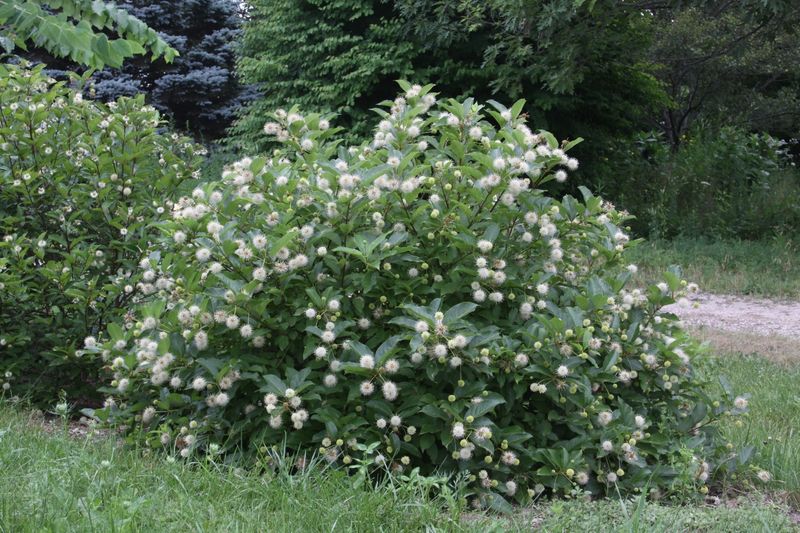
Every North Carolina yard seems to have that one corner that turns into a shallow pond after a hard rain, and most homeowners have no idea what to plant there. Common buttonbush is a native shrub that actually thrives in those persistently wet spots, giving you something useful and wildlife-friendly where other plants drown out.
Before you reach for the shovel, though, it helps to understand what buttonbush can and cannot do for a soggy yard.
A native shrub for a wet North Carolina corner
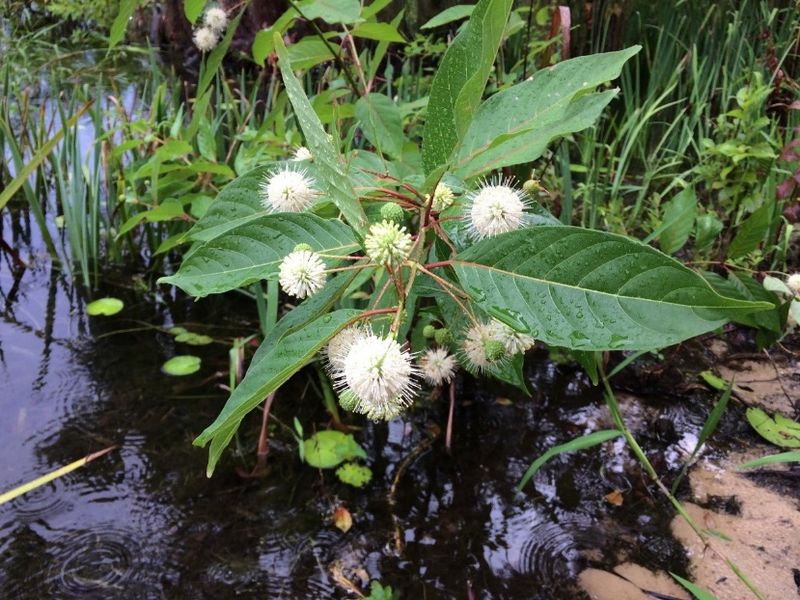
Common buttonbush, known botanically as Cephalanthus occidentalis, is one of the more overlooked native shrubs for North Carolina homeowners dealing with low, wet ground. NC State’s Extension Gardener Plant Toolbox recommends it for consistently moist to wet soils, boggy areas, streambanks, pond edges, water gardens, and designed rain gardens across the Coastal Plain, Piedmont, and Mountains.
That statewide native range means you are working with a plant that belongs here, rather than one imported and forced to adapt.
Spotting buttonbush in a nursery or in the wild is straightforward once you know what to look for. It is a deciduous shrub, so it drops its leaves in winter, and it produces distinctive round, pom-pom-like white flower clusters from roughly June through September.
After the flowers fade, those clusters harden into reddish-brown fruiting heads that persist on the branches well into fall and winter, giving the plant a recognizable silhouette even when bare.
The key thing to understand from the start is what buttonbush actually offers a wet landscape pocket. NC State’s Common Wetland Plants Guide describes it as a shrub suited to standing water and saturated conditions, not as a plant that will convert a swampy depression into dry ground.
It can grow in water up to about three feet deep under favorable conditions, which makes it genuinely useful for sites where almost nothing else will establish. The practical value here is that buttonbush lets you turn a wet, dead-zone corner into a living, productive part of your landscape rather than a muddy patch you mow around.
Find out why the water stays before planting
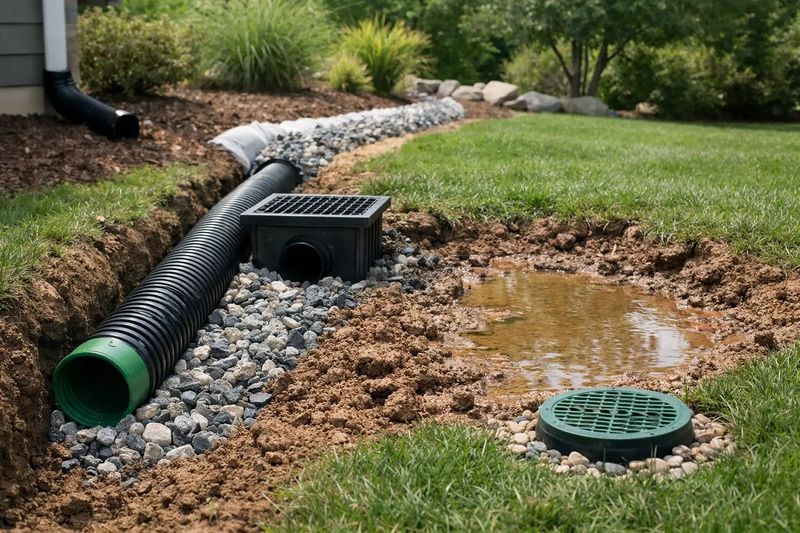
Before buying a single plant, spend a few minutes watching what actually happens during and after a rain event. Walk your yard while it is raining or immediately after, and notice where the water is coming from: a roof downspout dumping onto bare soil, a driveway or patio shedding runoff toward a low corner, a slope funneling water from a neighbor’s property, or simply a natural depression where gravity collects everything.
Knowing the source matters because the fix, if one is needed, depends entirely on the cause.
Timing matters just as much as origin. NC State’s rainscaping guidance draws a clear line between temporary ponding, which may clear within roughly one to three days after a storm, and persistent saturation that lingers far longer.
A low corner that drains within a day or two after a normal rain is behaving like a natural stormwater buffer. One that stays wet for a week, smells foul, or never fully dries between storms is telling you something different about the underlying hydrology.
Pay attention to a few specific warning signs that point toward a drainage or groundwater problem rather than a plant-selection problem. NC Sea Grant’s stormwater guidance highlights moisture in a basement or crawl space, erosion channels forming after each storm, and runoff reaching neighboring property as signals that something beyond landscaping is going on.
If any of those conditions apply, a wet-site shrub will not solve the problem.
Compacted clay soil, a blocked outlet pipe, a high seasonal water table, or poor original grading can all keep water in the same spot year after year. NC State’s Landscape Design handbook recommends testing how quickly your soil actually infiltrates water before assuming a low corner is ready for a rain garden planting.
This diagnosis step is the decision point: if the site holds water temporarily and drains on its own, buttonbush and similar plants are a reasonable fit. If the site stays saturated because of structural or hydrological issues, the planting comes after the problem is addressed, not instead of it.
Buttonbush tolerates wet ground; it does not repair drainage
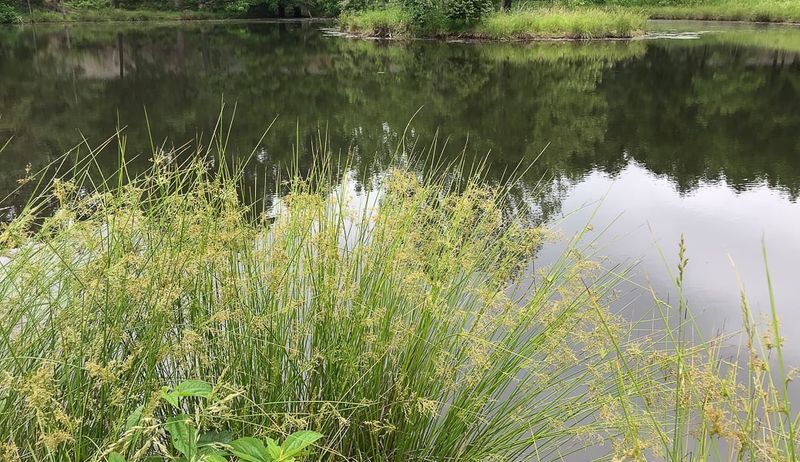
Buttonbush has a genuine and well-documented ability to survive in saturated soil, standing water, and conditions that would kill most landscape shrubs within a single season. That tolerance is real, and it is worth planting for.
What the research does not show is a measurable dewatering effect, meaning there is no evidence that a residential planting of buttonbush will remove enough water from a chronically wet yard to make the ground drier than it would be otherwise.
The distinction matters in practical terms. NC State’s rainscaping program explains that effective stormwater management depends on site location, soil infiltration capacity, basin design, and how long water takes to drain through the system.
Those are engineering and hydrology factors, not plant-selection factors. A shrub, however well-suited to wet conditions, cannot correct poor grading, open a blocked outlet, loosen compacted clay, reduce the volume of runoff entering a site, or lower a high water table.
A properly designed rain garden and a permanently wet depression are also not the same thing, and treating them as equivalent leads to frustration. NC State’s Rainscaping Series specifically cautions that rain gardens are designed to drain within a planned window, not to remain perpetually flooded.
A low corner that never dries out is not automatically a rain garden candidate; it may function better as a pocket wetland, which is a different design with plants selected for permanent or near-permanent saturation.
EPA bioretention guidance reinforces that bioretention systems, including rain gardens, rely on soil infiltration and drainage time to perform as intended. The practical payoff of understanding this is straightforward: buttonbush lets you plant and use an area where ordinary landscape shrubs will fail, turning dead wet ground into something productive.
That is a genuine benefit. It just is not the same as fixing what makes the ground wet in the first place.
Place the planting where water can help, not harm
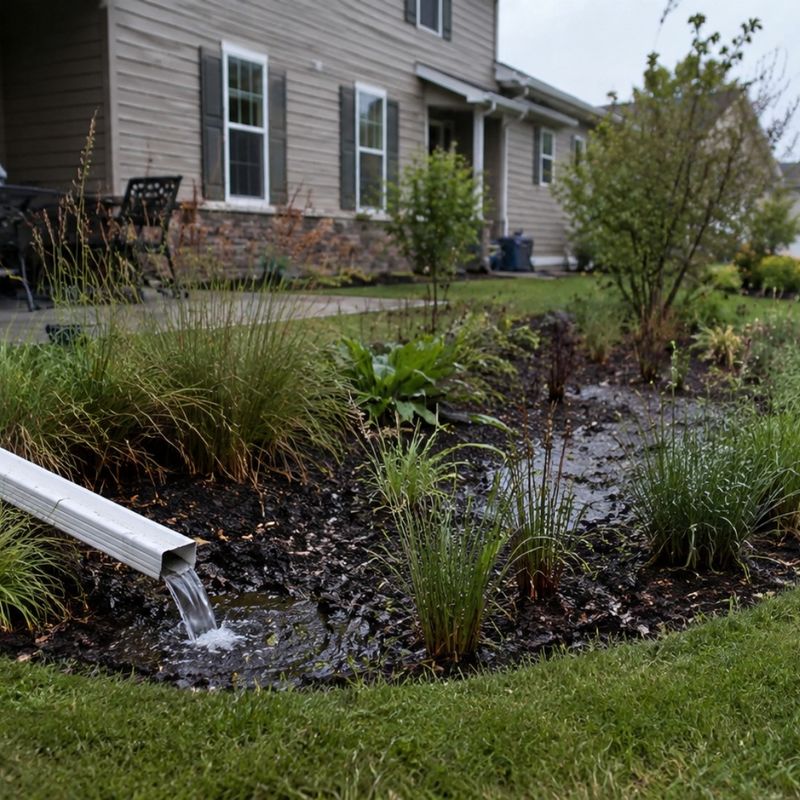
Once you have confirmed that your wet corner is a genuine planting opportunity rather than a drainage problem in disguise, choosing the right location within that area is the next critical step. The best spots for buttonbush are the wettest parts of the landscape: the edge of a pond, a designed water garden, a pocket wetland, or a deliberately constructed rain garden basin.
Placing the shrub where water naturally collects and lingers is exactly what the plant is built for.
What you want to avoid is letting a water-management planting sit directly against your house foundation. NC State’s Landscape Design handbook is clear that redirecting water toward a foundation creates moisture and structural problems that no native plant can offset.
Keeping water features and wet-site plantings downslope and away from the structure is the basic rule.
NC State’s Rain Garden Manual recommends keeping rain gardens at least 10 feet downslope from a foundation and at least 25 feet from a septic drain field. Underground utilities need to be located and avoided before any digging begins, and NC State guidance recommends calling 811 before you break ground anywhere in the yard.
Local wellhead setback requirements vary, so checking with your county or municipality for site-specific rules is the right move before finalizing any layout.
The NC State Rainscaping Series also flags steep slopes, erosion-prone areas, and sites where redirected water could reach a neighbor’s property as situations requiring extra care. Property boundaries matter when you are changing how water moves across a yard.
Taking those setbacks and safety checks seriously before planting protects your home, your neighbor’s property, and the investment you are making in the landscape itself.
Give buttonbush room to become a substantial shrub
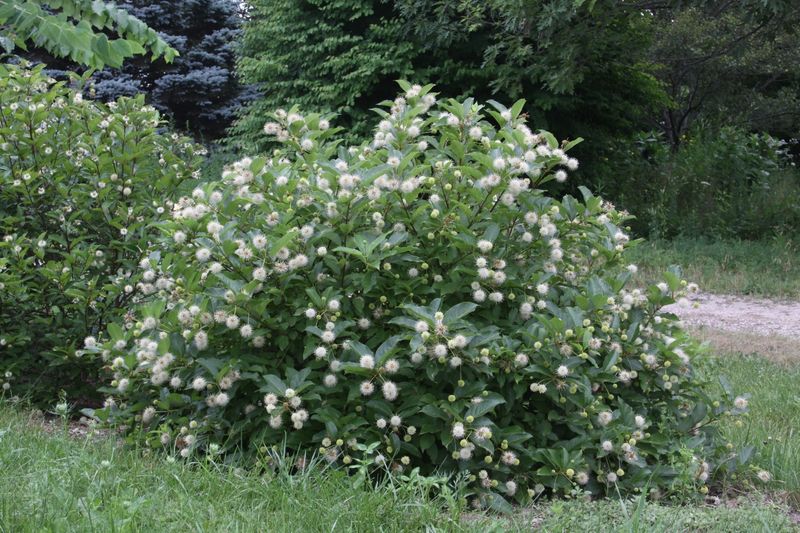
Buttonbush grows comfortably in full sun to partial shade, and it handles the clay soils and occasional compaction common across much of the North Carolina Piedmont and Coastal Plain without much complaint. One thing it will not forgive is being planted in a dry, upland bed; flowering drops off noticeably in dry or heavily shaded locations, and the plant simply will not perform the way it does in consistently moist ground.
Matching the site conditions to the plant’s preferences is the most important care decision you will make.
Size is where many homeowners get a surprise. NC State’s Plant Toolbox lists buttonbush as commonly reaching about 8 to 12 feet tall and several feet wide at maturity, with the potential to grow larger under favorable conditions.
That is a substantial shrub, not a tidy border plant. Before choosing a planting location, mentally picture something roughly the size of a small tree occupying that corner.
Keep it well away from walkways, windows, foundation vents, and any compact bed where a large footprint would create problems within a few growing seasons.
Establishment care is another area where expectations need to be realistic. USDA’s Native Plant Guide notes that rooted cuttings establish better before flooding conditions set in, which is a useful reminder that dropping a small nursery container plant into deep standing water or saturated mud is not the right approach.
Even in a wet site, the root ball of a newly planted shrub can dry out during a stretch of dry weather, so checking soil moisture and watering as needed during the first growing season is still part of the job. NC State’s rainscaping resources confirm that establishment care applies to rain garden and wet-site plantings just as it does to conventional landscape beds.
Its payoff is habitat, not pest control
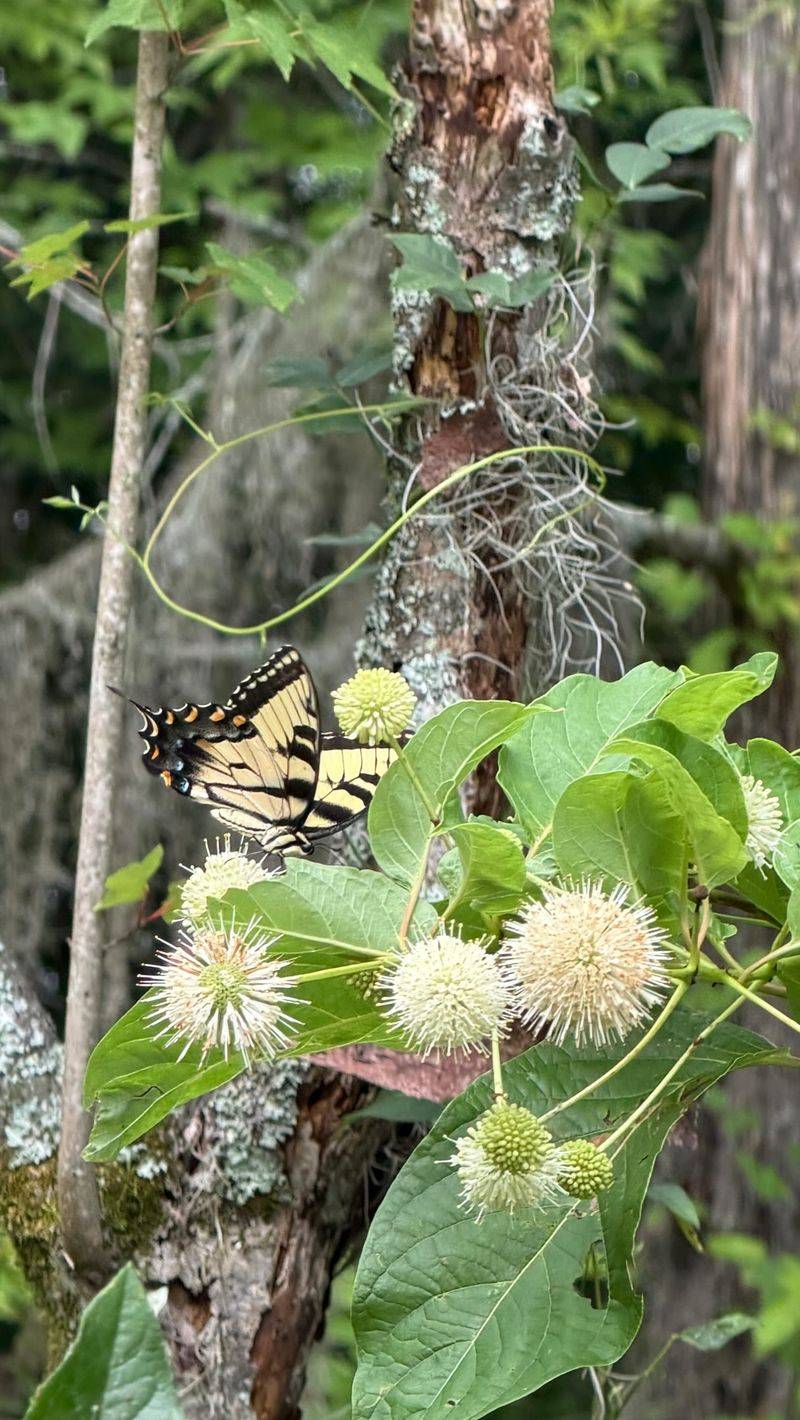
The case for buttonbush goes well beyond what it tolerates in the soil. The flowers are a legitimate pollinator magnet during the summer months, producing nectar and pollen that attract bees, butterflies, and other insects in numbers that most ornamental shrubs simply cannot match.
NC State’s Plant Toolbox specifically names hummingbirds and eastern tiger swallowtails among the regular visitors, which gives the shrub a wildlife draw that lasts through its long blooming window from roughly June into September.
Beyond the flowers, the plant’s persistent fruiting heads and branching structure offer resources that extend well past the summer bloom. NC State’s landscaping-for-wildlife guide highlights fruit and plant structure as benefits for birds, waterfowl, and other wildlife that use wet-edge habitats.
Waterfowl in particular tend to favor the dense cover and fruiting bodies that a mature buttonbush provides at the water’s edge.
Deer resistance is moderate, which is worth noting honestly. USDA’s Native Plant Guide and NC State both describe the plant as having some deer resistance, but that is not the same as deer-proof.
In areas with heavy deer pressure, browsing is still possible, especially on young plants. The plant should not be treated as edible by people or pets; NC State classifies it as having low-severity poisonous characteristics.
One claim worth setting straight is mosquito control. NC State’s rainscaping program notes that diverse wetland vegetation may support organisms that prey on mosquito larvae, but that is a far cry from mosquito elimination.
Buttonbush does not control mosquito populations, and it does not prevent flooding. The honest value proposition is a native shrub that makes a wet corner productive for pollinators, birds, and waterfowl, which is a meaningful and lasting benefit on its own terms.
Know when the landscape needs more than a shrub
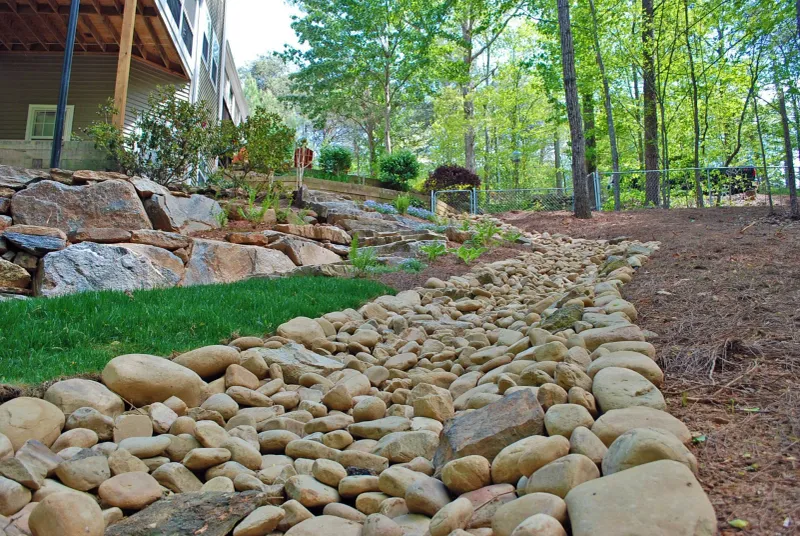
Some yard conditions call for a conversation with a professional rather than a trip to the nursery. Large drainage areas collecting water from multiple properties, steep slopes with active erosion, visible foundation seepage, a high seasonal water table, blocked outlet pipes, or ponding that persists well beyond a few days after a normal storm are all signs that the underlying hydrology needs attention before any planting will succeed.
NC State’s rainscaping program is explicit that situations involving these factors warrant professional assessment or an engineered solution.
The range of practical options between “plant something” and “call a contractor” is wider than most homeowners realize. Downspout dispersal extensions, grading corrections, a simple swale to redirect flow, soil aeration or amendment to improve infiltration, an underdrain beneath a rain garden basin, or a full pocket-wetland design with plants selected for permanent saturation are all tools that address the water itself rather than just inhabiting it.
NC State’s rain garden plant list also includes other native wet-site options, among them Virginia sweetspire, inkberry, winterberry, wax myrtle, and sweet pepperbush, so buttonbush is one suitable choice among several depending on your sun exposure, water depth, soil chemistry, and mature-size constraints.
NC State’s landscape design resources and EPA’s rain garden guidance both reinforce that green infrastructure works best when the site is correctly matched to the solution. The practical rule is simple: use buttonbush to inhabit a verified wet place, then address the water problem separately whenever the hydrology demands it.
A native shrub thriving in a wet corner is a genuine win; a native shrub drowning in a drainage failure is just a plant that needed a better plan first.