
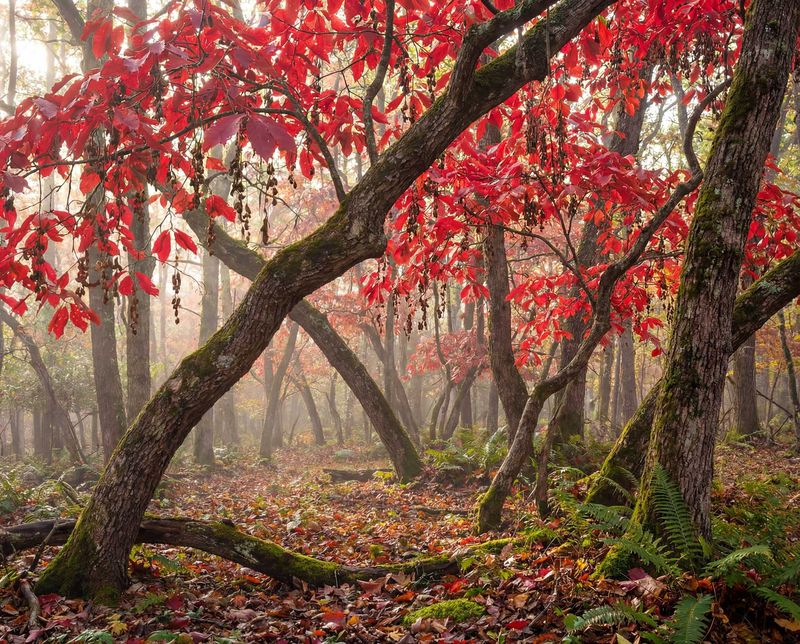
Tucked into the edges of North Carolina woodlands, sourwood is a native tree that earns its place twice over: once in midsummer when honey bees work its fragrant white flowers, and again in fall when its leaves turn a deep, burning red. Most homeowners walk right past it at the nursery without a second look, which is a real missed opportunity.
Plant one in the right spot and you get a tree that pulls double duty as a pollinator resource and a showstopping autumn focal point, all without leaving North Carolina’s native plant palette.
Sourwood brings two seasons of value to a North Carolina yard
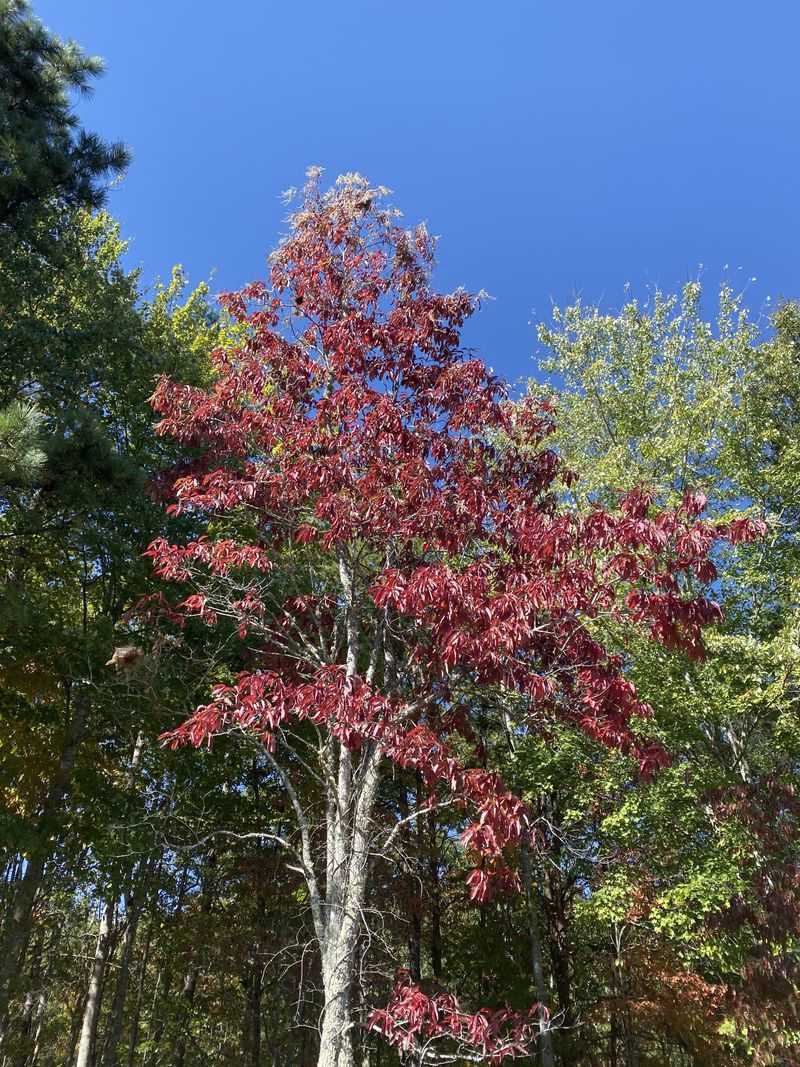
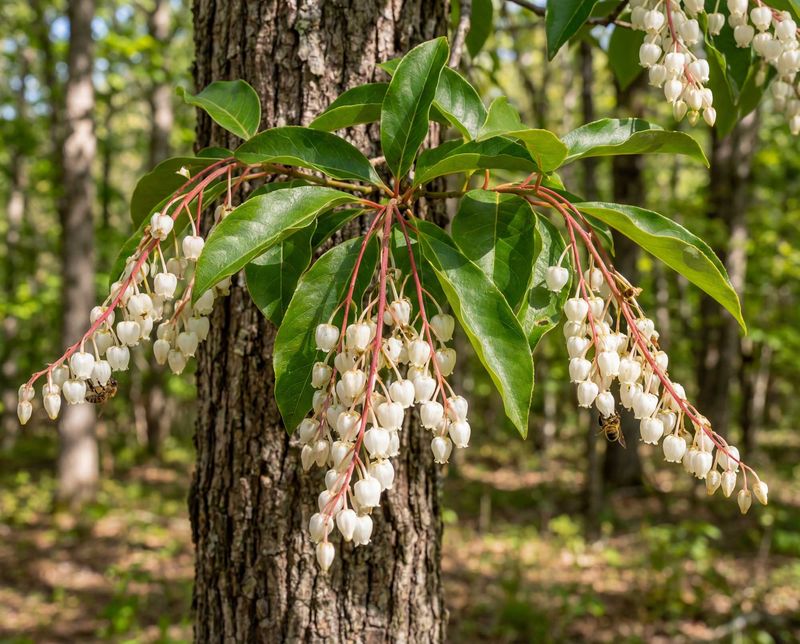
Sourwood, known botanically as Oxydendrum arboreum, is a native tree with a documented presence across the full length and width of North Carolina, from mountain coves to Piedmont woodlands. It goes by several common names, including sorrel tree and lily-of-the-valley tree, a nod to the nodding clusters of white bell-shaped flowers that appear each summer.
What makes it genuinely useful in a home landscape is that it delivers two distinct ornamental and ecological moments in the same growing season.
During June and into July, the tree produces fragrant, arching flower clusters that honey bees find highly attractive. Those flowers are the pollinator payoff.
Then, as the season turns, the foliage shifts from green to a rich crimson red, sometimes touched with yellow or purple, making sourwood one of the more reliable fall-color trees in North Carolina’s native plant lineup.
One important clarification belongs right at the start: the bee benefit and the fall color do not happen at the same time. The flowers that feed bees are a summer feature, while the red leaves are the autumn display.
NC State Extension’s sourwood profile confirms both attributes while making clear that the bloom period precedes the foliage show by several weeks. Sourwood is not a dead-of-fall nectar source, and the article that follows will keep that sequence straight throughout.
As an understory or specimen tree, sourwood fits comfortably into yards that have room for a tree reaching roughly 20 to 30 feet tall. It is not a compact shrub or a foundation planting candidate.
Think of it as a small tree with a long resume, one that rewards the homeowner who matches it to the right site and gives it the patience it needs to establish.
The flowers feed bees in summer, and the red leaves arrive later
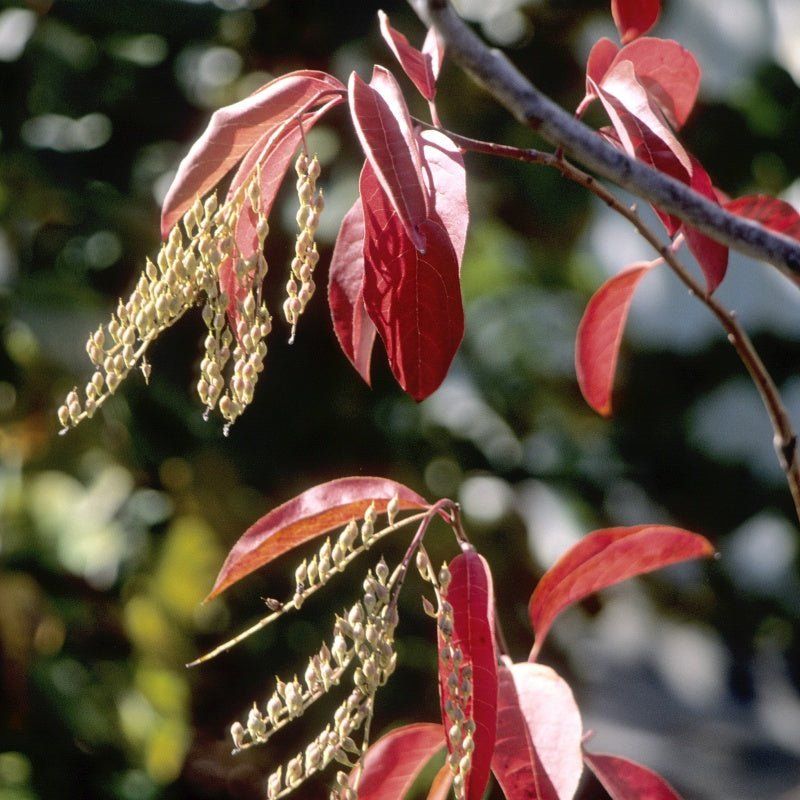
Sourwood’s flowers open in June and carry through July, with some trees in warmer or lower-elevation locations continuing to bloom into August depending on local conditions. The blossoms hang in slender, one-sided clusters that droop gracefully from the branch tips, each individual flower a small white bell.
Up close, they carry a faint sweet fragrance that bees detect well before a person standing nearby notices it.
That summer bloom is the window when sourwood earns its reputation as a honey-bee tree. Bees move through the flower clusters methodically, and on a warm July morning near a stand of mature sourwoods, the hum of foraging activity is audible.
The nectar collected during this period is what beekeepers in the North Carolina mountains have long prized for producing sourwood honey, a topic covered in more detail in the next section.
Once flowering ends and summer transitions toward fall, the tree begins the second chapter of its seasonal display. Leaves shift from green through shades of orange and then deepen into crimson red, occasionally showing streaks of yellow or purple depending on the individual tree and its growing conditions.
NC State Extension notes that the dry seed capsules, which ripen in September and October, add a secondary ornamental texture after the leaves drop, their pale tan clusters persisting on bare branches into winter.
Keeping this timeline clear matters when you are planning a yard. If your goal is late-October or November nectar for honey bees, sourwood will not fill that role.
The tree’s flowers are long finished by then. What you get in fall is color, and on that count, sourwood delivers reliably and vividly in a way that few other native understory trees can match across North Carolina’s range of growing regions.
Why sourwood matters to honey bees and beekeepers
Among the trees that North Carolina beekeepers track through the season, sourwood holds a special place. NC State Extension, the U.S.
Forest Service, and the North Carolina State Beekeepers Association’s flowering plant resources all identify sourwood flowers as an important or highly valued honey-bee nectar source. That consensus across three independent institutions is meaningful, and it reflects decades of practical observation from beekeepers working in the Piedmont and mountain regions where sourwood is most abundant.
The honey associated with sourwood bloom has a regional identity that goes beyond marketing. NC Cooperative Extension’s sourwood feature describes it as a distinctive, light-colored honey with a flavor profile that regular customers recognize and seek out.
Mountain-region beekeepers often plan their season around the sourwood bloom, positioning hives near stands of mature trees to take advantage of the nectar flow when it peaks in July.
That said, a sourwood honey crop is not guaranteed in any given year. Weather plays a large role: a wet, cool June can suppress bloom or reduce bee flight, while a drought year may shorten the nectar flow even when flowers open normally.
Colony strength, the density of mature sourwood trees near the apiary, and the presence of competing flowers all influence how much honey a beekeeper actually harvests. Sourwood honey should not be described as a medical treatment or as automatically pure; its character depends on what bees forage during the bloom period and on local conditions that vary from yard to yard and season to season.
For the homeowner who is not a beekeeper, the practical takeaway is simpler. A sourwood tree in bloom is a legitimate contribution to local honey-bee forage during a period, mid-June through July, when many other major nectar sources have already finished.
Planting one adds a real midsummer resource, even if a single backyard tree represents a small fraction of what a full apiary needs to produce a harvestable crop.
Give this small tree room to become a real tree
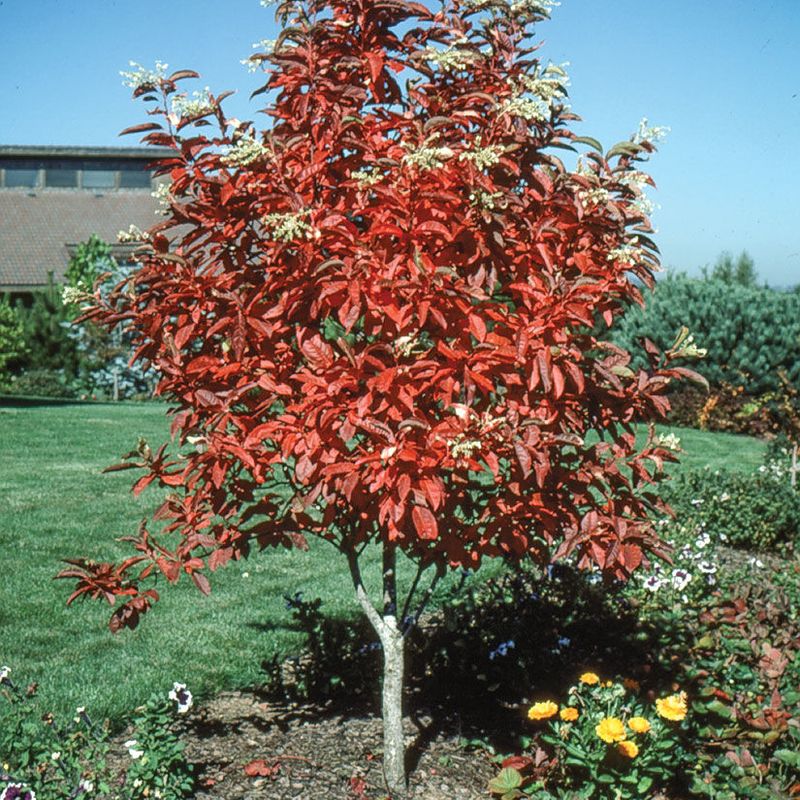
Sourwood’s mature dimensions surprise homeowners who first encounter it as a slender nursery sapling. Expect a tree that reaches roughly 20 to 30 feet tall and spreads 10 to 15 feet wide under typical North Carolina landscape conditions, according to NC State Extension’s plant profile.
That is a genuine tree, not a large shrub, and it deserves placement that accounts for its eventual footprint.
In the right setting, sourwood develops a naturally pyramidal form with slightly pendulous branches that give it a graceful, layered appearance even in winter. Open-grown trees, those with room to develop without competition from taller canopy trees above, tend to produce a more attractive and symmetrical shape than trees tucked into deep shade.
Partial shade is workable, particularly in hotter Piedmont summers, but full sun gives the tree room to express its best structure and often intensifies fall color.
Functionally, sourwood fits several landscape roles. It works well as a woodland-garden specimen near the edge of a tree line, where it gets morning sun and afternoon dappled light.
It can anchor a naturalistic planting bed as a focal point, or serve as part of a small grouping of native trees that provide layered canopy, understory interest, and pollinator habitat together. What it cannot do is serve as a foundation shrub, a compact privacy screen, or a tree planted within a few feet of a structure or overhead utility line.
Before you buy, walk the site and mark out a 15-foot radius around the proposed planting spot. If that circle overlaps a fence, a driveway, a septic line, or a neighboring tree’s drip zone, reconsider the location.
Sourwood placed in the wrong spot will eventually need removal, and because the tree does not relocate well once established, getting placement right the first time is the most important decision you will make for this tree.
Match sourwood to the site before you plant
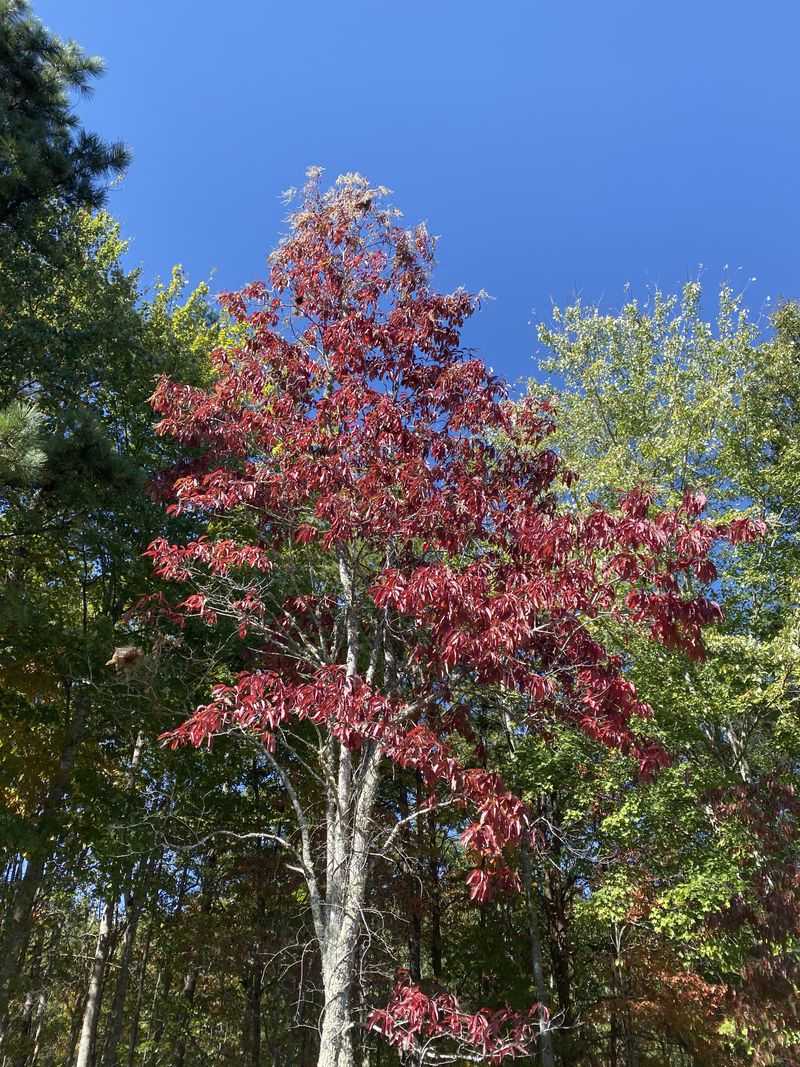
Soil chemistry is where many sourwood plantings succeed or quietly fail. The tree performs best in acidic, moist but well-drained soil that contains a reasonable amount of organic matter, conditions that naturally occur under oak-hickory or mixed pine forest in much of North Carolina.
Where those conditions exist, sourwood establishes with relatively little intervention. Where they do not, the tree may survive but rarely thrives.
Persistently alkaline soil, the kind found in some new-construction yards where concrete-heavy fill or limestone-based grading material has been used, is a poor match. Compacted soil, which is common in established suburban lots that have seen heavy foot traffic or equipment use, restricts root development and drainage.
Poorly drained sites, where water sits after rain, create root-rot risk even for a tree that tolerates brief moisture. NC State Extension’s sourwood entry notes some tolerance of dry soil after establishment, but that tolerance does not extend to chronically waterlogged or heavily compacted urban conditions.
Regional variation within North Carolina adds another layer of consideration. Sourwood is most associated with the Piedmont and mountain regions, where acidic soils and adequate rainfall align well with its needs.
In the Coastal Plain, the species is less common, particularly in low alluvial areas where soils may be wetter, sandier, or subject to different drainage patterns. Mountain slopes with good drainage and organic leaf-litter soil often represent sourwood’s ideal habitat.
Piedmont clay can work if it drains reasonably and has not been compacted or limed.
Before planting, test your soil’s pH. A reading between 4.5 and 6.0 is the target range.
If your soil tests above 6.5, amending with sulfur over time can bring it down, but that is a multi-season project, not a one-time fix. Evaluate drainage by digging a hole 12 inches deep, filling it with water, and checking whether it drains within a few hours.
Combine that drainage check with a realistic look at available space, sun exposure, and proximity to any impervious surfaces or structures. Site matching is the work that happens before the tree goes in the ground, and it matters more than the tree’s statewide native status alone.
Choose a young tree and its permanent location carefully
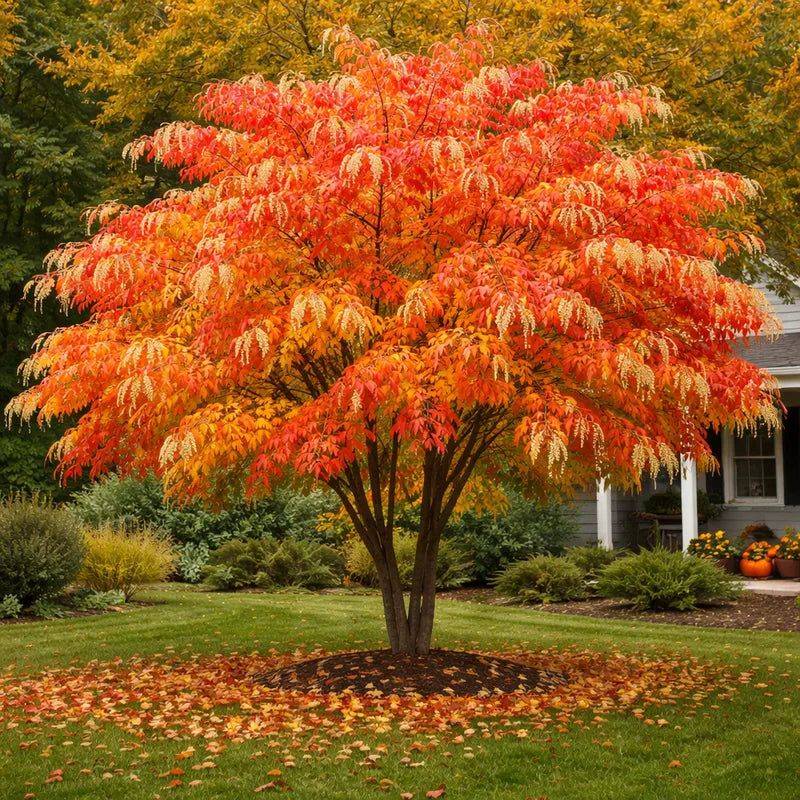
Sourwood’s slow growth rate and poor transplant tolerance are two characteristics that shape every practical decision about buying and planting one. A tree that moves reluctantly and grows unhurriedly needs to go into the right location the first time, because moving it later is not a realistic option once the root system has established itself.
At the nursery, select the youngest, smallest specimen that is healthy and well-rooted. Younger trees establish more reliably than larger ones for many native species, and sourwood is a clear example of that pattern.
NC State Extension specifically advises transplanting only young plants, a recommendation rooted in the species’ sensitivity to root disturbance. A tree in a three- or five-gallon container, properly watered and cared for through its first two growing seasons, will often outperform a larger balled-and-burlapped specimen that struggled through transplant shock.
After planting, water consistently through the first full year, particularly during dry spells in summer. Mulch out to the drip line with two to three inches of organic material, keeping mulch away from direct contact with the trunk, to conserve moisture and moderate soil temperature.
NC State’s plant guidance confirms that sourwood’s slow-growing nature means visible progress in the first few years will be modest. Patience is not optional with this tree.
Avoid the temptation to fertilize heavily to speed growth. Excess nitrogen can push weak, fast growth that is more susceptible to stress and less characteristic of the tree’s natural form.
Instead, focus on keeping the soil moist, the mulch layer intact, and competing grass or weeds away from the root zone. The tree will find its pace, and once established, it will begin to show you why beekeepers and fall-foliage enthusiasts have valued it for generations.
Build a pollinator sequence around sourwood’s summer bloom
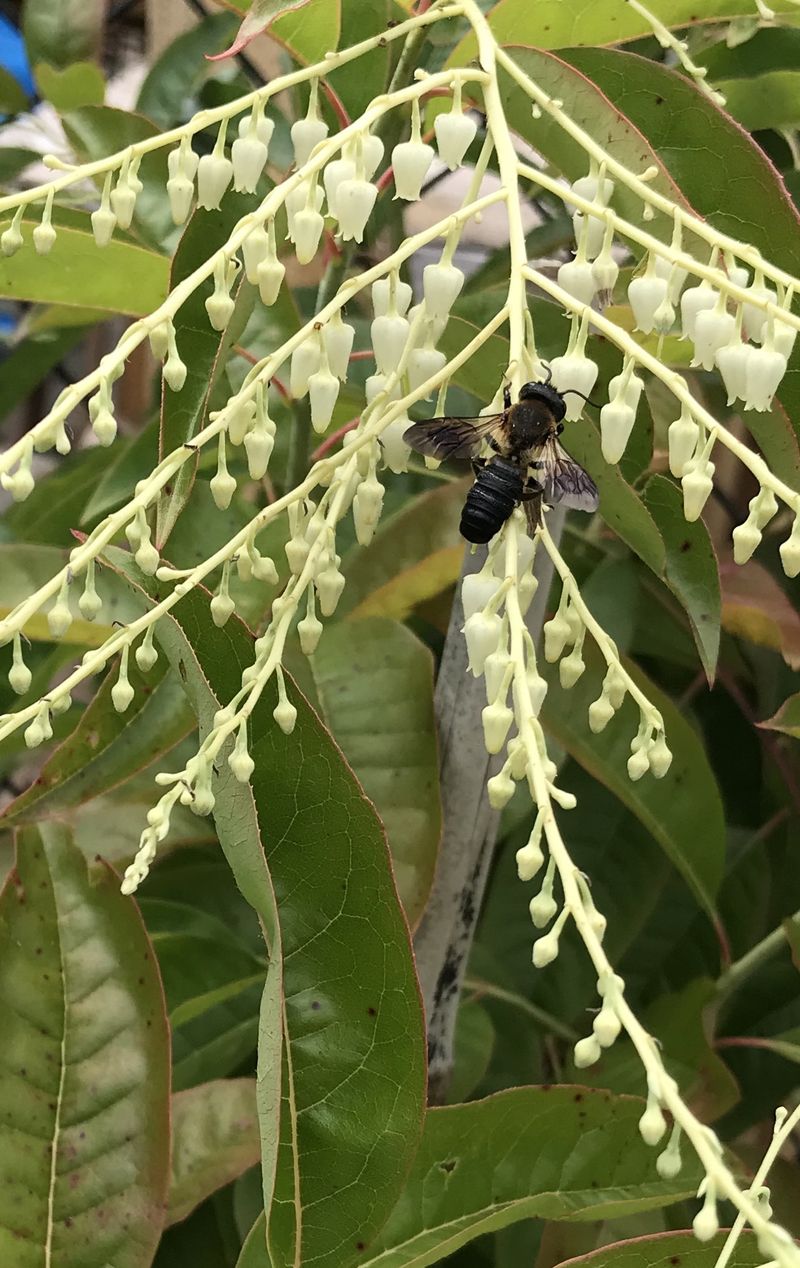
A single sourwood tree makes a genuine contribution to local pollinator forage, but no single plant can cover an entire growing season on its own. Honey bees and native bees need nectar and pollen from early spring through late fall, and building that full-season resource requires a succession of blooming plants rather than one standout species.
Sourwood’s June-through-July bloom slots into the midsummer gap that many pollinator gardens leave empty after spring ephemerals finish and before fall composites open. That is a real and valuable role.
Pair it with early-spring bloomers such as native redbuds, wild azaleas, and serviceberries to open the season, and then follow sourwood’s midsummer contribution with late-season plants that carry pollinators through September and October.
For late-season forage in North Carolina, goldenrod and asters are the better-supported choices. The North Carolina State Beekeepers Association’s flowering plant list and NC State Extension’s native plants guidance both point to goldenrod and asters as important fall nectar sources.
Several goldenrod species native to North Carolina, including tall goldenrod and wrinkleleaf goldenrod, bloom from August into October. Native asters such as aromatic aster and smooth blue aster carry the season into November in some years.
Adding these plants around or near your sourwood creates a layered habitat that supports bees across multiple months rather than a single summer window. Native bumblebees, sweat bees, and other non-honeybee pollinators also benefit from this kind of succession planting, using different flower types and bloom times in ways that a single-species yard simply cannot provide.
Think of sourwood as one strong chapter in a longer story, not the whole book.
Protect bees while the tree is in bloom
When sourwood is in full bloom and bees are actively foraging, pesticide applications near the tree or on nearby flowering plants can cause direct harm to those bees through contact, drift, or residues on treated surfaces. The practical rule is straightforward: do not spray blooming sourwood or any flowering plant within foraging distance while bees are working the flowers.
If a pest problem genuinely requires treatment during the bloom period, the responsible sequence is to identify the specific pest before reaching for any product, confirm that the pest actually requires chemical intervention rather than a physical or cultural fix, and then select a product labeled for that pest. EPA guidance on pollinator protection recommends applying pesticides only during label-approved periods, typically evening or early morning when bee activity is lowest, and taking steps to minimize drift onto blooming plants.
Following the label is not optional; it is the legal baseline and the primary safeguard for both the applicator and the surrounding environment.
Sourwood itself does not function as a pest deterrent. It will not reduce mosquito populations, discourage ticks, or repel any household pest by its presence in the yard.
Its value is ornamental and ecological, not protective in that sense. Resist any framing that suggests otherwise.
The simplest protective habit during bloom is to hold off on any broad-spectrum spraying in the yard from mid-June through late July. If a problem can wait, let it wait.
If it cannot, identify it precisely and treat as narrowly as possible, keeping the sourwood’s flowering canopy and any companion blooms out of the spray zone entirely.
Use sourwood for the right seasonal promise
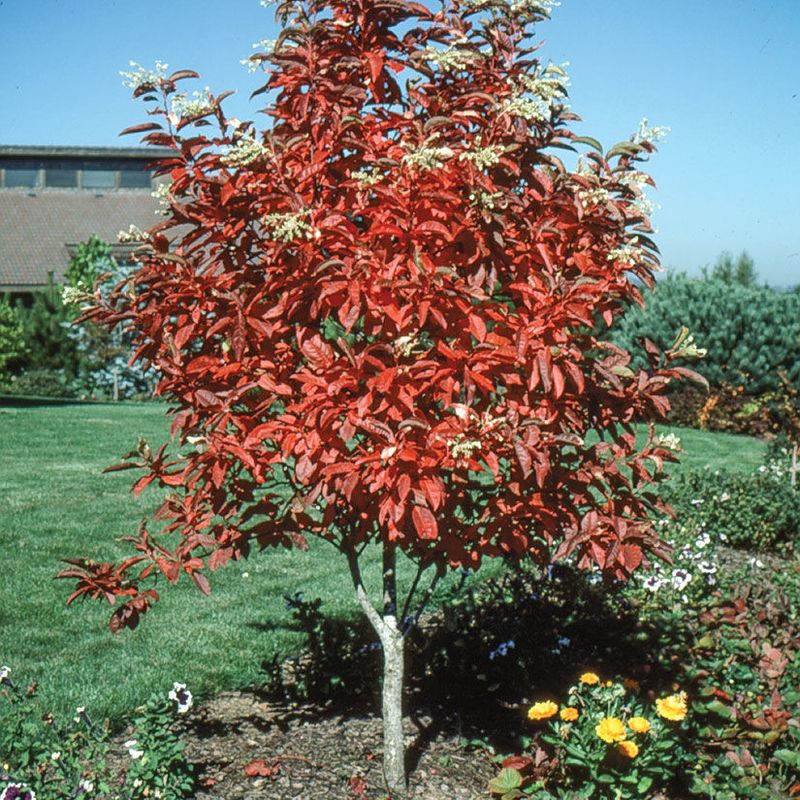
Sourwood earns its place in a North Carolina yard when the site is right and the expectations are accurate. Acidic, well-drained soil, enough open space for a tree that will eventually stand 20 to 30 feet tall, and patience through a slow establishment period are the non-negotiable requirements.
Where those conditions exist, sourwood delivers reliably on two fronts: midsummer honey-bee forage during its June-through-July bloom, and memorable crimson fall color that few other native trees in the region can match at the same scale.
What it does not deliver is late-autumn nectar. By October, the flowers are months gone and the tree’s energy is in its foliage, not its pollen or nectar.
For the bees that are still flying in October and November, goldenrod and asters are the plants to have in the ground. NC State Extension’s plant profile and NC State’s native plants handbook together support a diverse planting approach over any single-species solution.
Judge sourwood by what it actually does well, a midsummer nectar contribution and a fall foliage display that can stop a neighbor mid-stride, and it is a genuinely strong native tree for the right North Carolina yard. A tree that blooms for bees in summer and then lights up red in fall is already doing two things most ornamental trees never manage at all.