
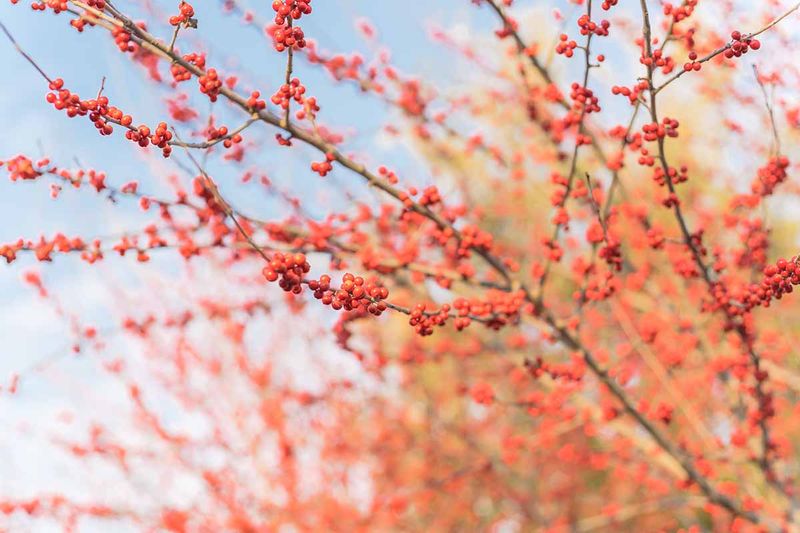
When the last leaves drop and the yard turns bare, most North Carolina homeowners assume wildlife has to fend for itself until spring. Possumhaw holly is a deciduous native shrub or small tree that quietly changes that picture, holding orange-red berries on bare branches through the coldest months of the year. For gardeners in the Coastal Plain and Piedmont who want to do right by local birds and mammals, this overlooked plant deserves a second look.
The bare winter yard reveals what wildlife still needs
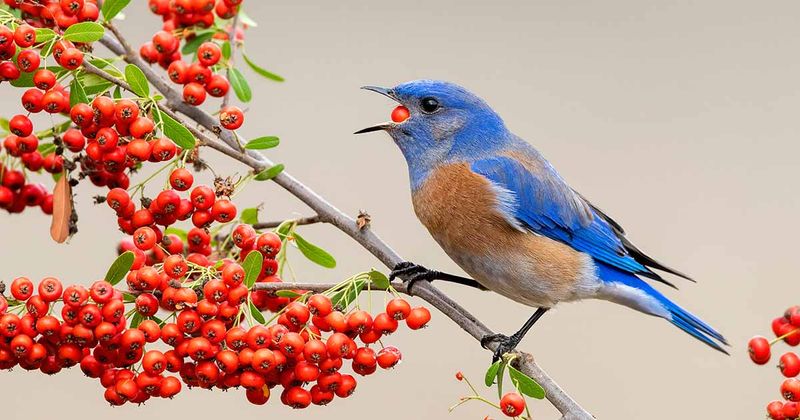
Autumn strips the yard fast. One week the dogwoods are blazing, the next the branches are empty and the berry-producing shrubs have gone quiet. For the birds and mammals that stayed behind, this calendar gap is not just an inconvenience; it is a genuine shortage of reliable food, cover, and safe foraging spots all at once.
A single berry-producing plant can help fill part of that gap, but only part of it. NC State Extension guidance on winter wildlife habitat makes clear that birds also need insects, seeds, open water, and evergreen cover for roosting and protection from predators. No single plant provides all of that on its own.
Possumhaw holly enters this picture as a focused answer to one specific problem: the absence of visible, accessible fruit on bare branches during the months when almost everything else has dropped its leaves and gone dormant. Framing it that way keeps the expectation honest.
This plant is not a pest-control treatment, a guaranteed food source, or a complete wildlife system. NC State’s native plant landscaping guide reinforces that lasting habitat comes from layering food plants with water sources, cover plants, and other features that meet wildlife needs across all seasons. Possumhaw belongs in that larger plan, not in place of it.
For Coastal Plain and Piedmont homeowners who already have some structure in the yard and want to add a plant that earns its keep during the bleakest weeks of winter, possumhaw is worth understanding on its own terms, starting with what it actually looks like and where it actually grows.
Possumhaw makes the leafless season its showcase
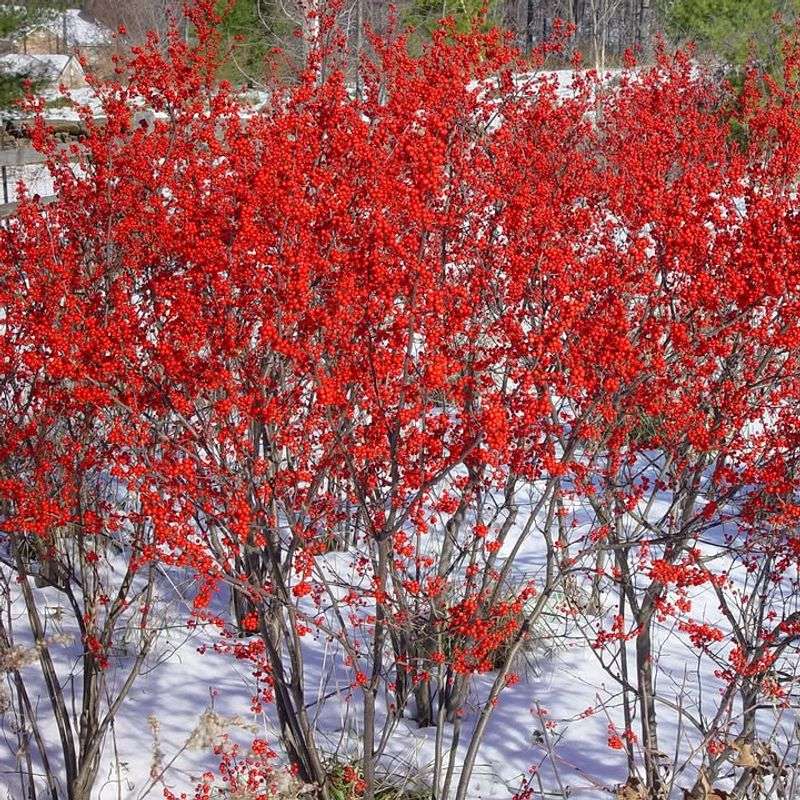
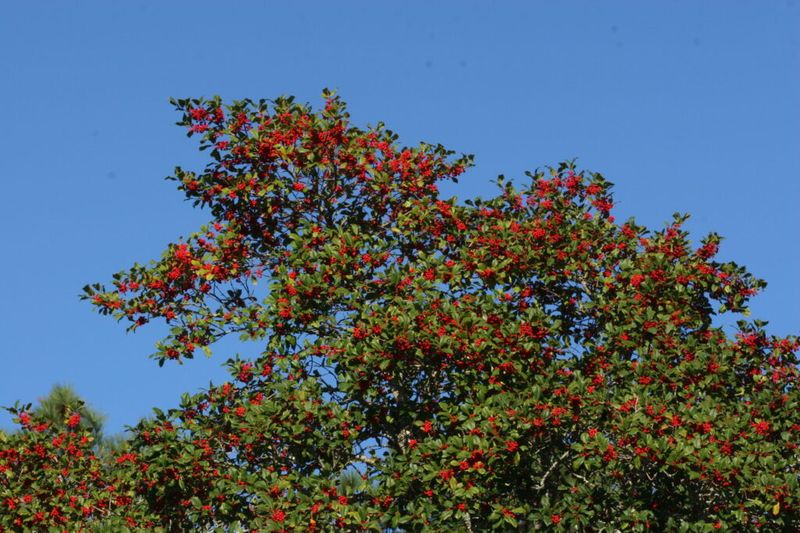
Possumhaw holly, known botanically as Ilex decidua, is not the large shade tree the common name might suggest. NC State’s possumhaw plant profile describes it as an upright shrub or small tree that typically reaches about 7 to 15 feet in cultivation, though wild specimens in favorable conditions can push taller. That scale fits comfortably into a family yard without crowding a foundation or blocking a view.
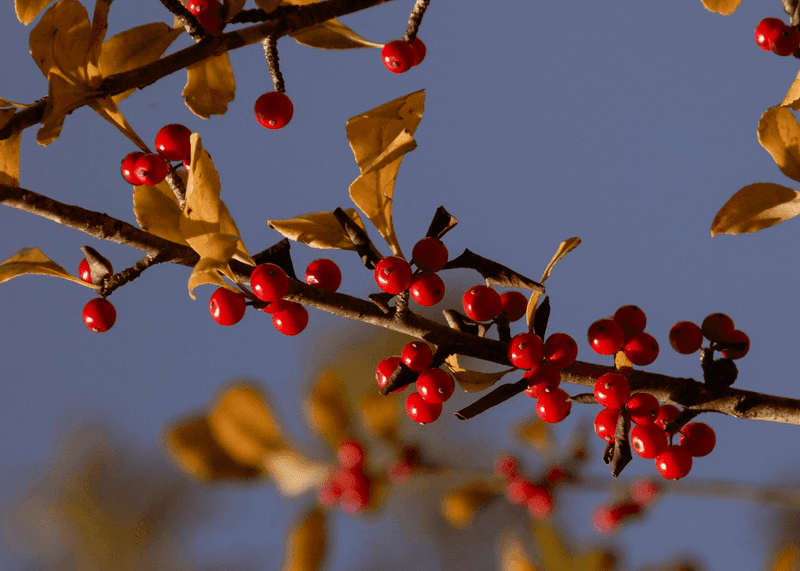
The plant is deciduous, meaning the leaves drop in fall just like a red maple or a dogwood. That is precisely what makes winter its moment. Once the foliage clears, the orange-red fruit clusters that have been developing since September become fully visible on gray-brown bark, turning bare branches into a seasonal display that stands out against a dull winter landscape.
The crown is generally rounded, and the branching pattern is dense enough to give the plant some visual presence even without leaves. In a yard setting, that structure matters. Possumhaw does not disappear into the background the way a dormant ornamental grass does; it holds its shape and, when pollination has gone well, holds its fruit.
NC State documents this plant for the Coastal Plain and Piedmont regions of North Carolina, not the Mountains. That geographic limit is important. Homeowners in Asheville or Boone who plant possumhaw on the assumption that it behaves like a statewide native may find it outside its documented comfort zone. For the majority of North Carolina’s population, which lives in the Piedmont and Coastal Plain, the plant fits the climate, the soil range, and the scale of a typical residential lot in a way that few other winter-interest natives can match at this size.
Understanding the plant’s form and range is the first step. The second is understanding what actually produces those berries and how reliable that production can be.
Its winter berries can keep food visible after the leaves fall
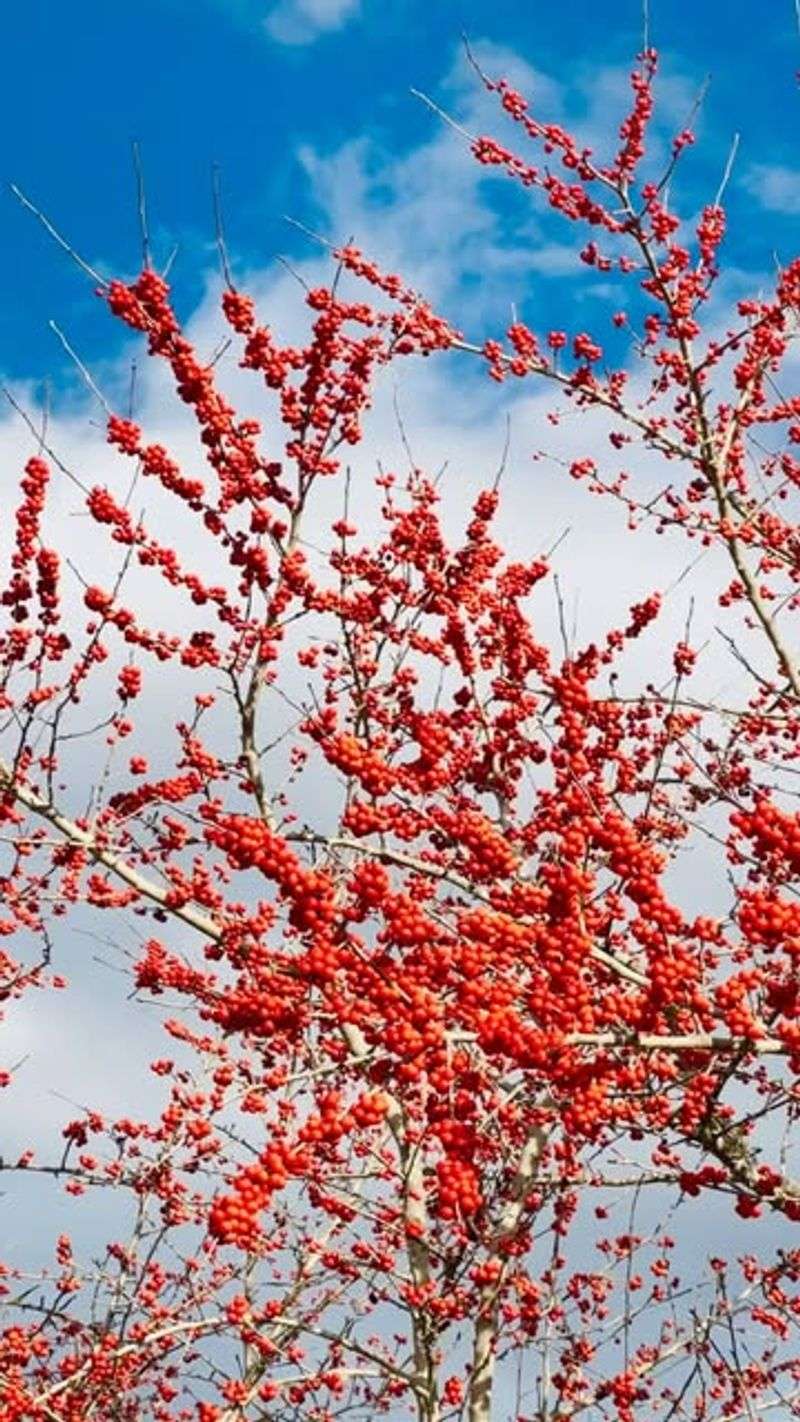
Possumhaw flowers in spring, typically in April or May, when pollinators are active and moving between plants. When a female flower is successfully pollinated, it develops into a small, round fruit that ripens to orange or red by September. The leaves are still on the plant at that point, so the fruit is partly hidden. The real payoff comes later.
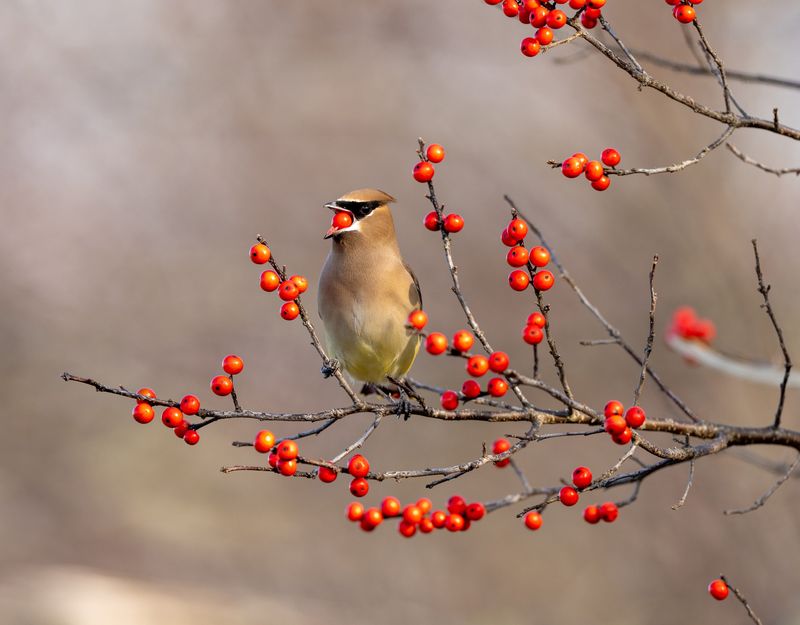
After the leaves fall, those berry clusters become fully exposed on bare branches. According to the NC State possumhaw profile, fruit on female plants may persist until approximately mid-March before new growth begins pushing through. That potential window, roughly September through mid-March, covers the heart of winter when almost no other deciduous plant in a North Carolina yard is offering visible fruit at eye level.
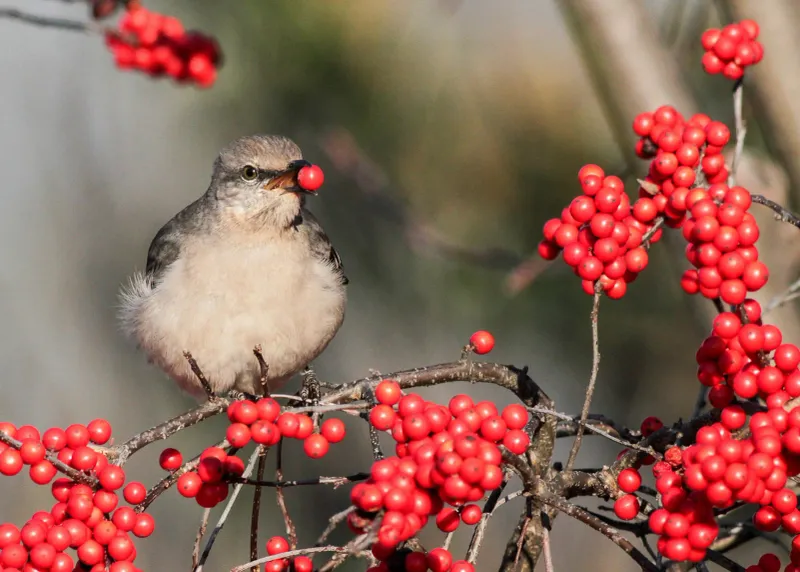
The birds that take advantage of this include mockingbirds, robins, cedar waxwings, and other songbirds that forage on persistent fruit through winter. Deer and opossums also consume the berries, which is part of why the plant earned its common name. As a secondary benefit, the spring flowers attract native bees and other pollinators, and the plant supports the Henry’s elfin butterfly, a small native species whose caterpillars feed on holly foliage.
Two qualifications matter here. First, fruit production depends entirely on successful pollination, which requires the right conditions and the right companion plant nearby. Second, berry persistence is not guaranteed to last until mid-March. If a flock of cedar waxwings or a group of robins moves through the yard in January, they can strip a shrub in an afternoon.
Growing conditions, including drought stress during fruit development, can also reduce the crop. The NC State profile frames persistence as a possibility, not a promise, and that framing is the right one to carry into any planting decision.
Reliable fruit begins with the right male-and-female pairing
Buying one possumhaw plant and expecting berries is the most common mistake homeowners make with hollies. Possumhaw is mostly dioecious, which means male flowers and female flowers are generally carried on separate plants. A female plant produces the fruit, but she needs a compatible male nearby to supply pollen. Without that pairing, pollination fails and the branches stay bare all winter for the wrong reason.
Before purchasing, confirm the sex of each plant and ask the nursery whether the male cultivar is compatible with the female you are buying. Nursery labels do not always make this straightforward. Some hollies are sold simply as “holly” without indicating sex, and compatibility between cultivars is not universal. The NC State possumhaw profile notes that some individual plants may have perfect flowers, meaning they carry both male and female parts, but this is the exception rather than the rule.
Plan for the dioecious case unless a nursery professional can confirm otherwise for the specific plant you are buying.
A practical rule of thumb used by many holly growers is one male plant for every few females, positioned close enough that pollinators can move pollen between them during the spring bloom window. Distance matters because pollinators do the work, and a male plant placed too far away or blocked by structures may not reliably serve the female.
Even with correct pollination in place, fruit set and persistence vary from year to year. A dry summer can reduce fruit development. A mild winter with heavy bird activity can drain the supply before February. The winter berry display that possumhaw can produce is genuinely valuable, but it is not a fixed annual output.
Treating it as a conditional benefit, one that requires good site conditions and proper pollination, keeps the expectation accurate and the disappointment manageable.
Site and region decide whether possumhaw belongs in your yard
Few native plants tolerate as wide a range of conditions as possumhaw does. The NC State profile documents its ability to grow in full sun to partial shade, across a broad range of soil types, and through periods of occasional flooding, saturated soils, summer heat, drought, and even soil compaction. For homeowners dealing with a low spot that stays wet after rain or a clay-heavy backyard that bakes in July, that flexibility is genuinely useful.
That said, the plant has a documented regional range in North Carolina that matters more than its soil adaptability. NC State lists possumhaw for the Coastal Plain and Piedmont, not the Mountains. A homeowner in Raleigh, Fayetteville, or Wilmington is working within that documented range. Someone in Boone or Asheville is not, and pushing a plant beyond its adapted range usually means more maintenance, poorer performance, and less reliable fruit production, even if the plant technically survives.
For those in the right region, NC State’s guide to landscaping with native plants presents fall as a generally favorable planting season for most native plants in North Carolina. Cooler temperatures and seasonal rainfall give roots time to establish before summer stress arrives. That said, local nursery availability for possumhaw varies, and not every garden center stocks it or carries both male and female plants. Calling ahead or connecting with a native plant nursery before fall planting season is a practical first step.
Maintenance needs are modest once the plant is established, though “low-effort” is too simple a description for what the planting actually requires. Site preparation, correct plant sex, companion planting for pollination, and any additional habitat elements all involve real decisions and real work upfront. NC State’s general pruning guidance recommends shaping hollies in early spring, just before new growth begins, which avoids removing developing flower buds and keeps the plant tidy without sacrificing that season’s berry crop.
Confirming that your site, your region, and your nursery source all line up before planting gives possumhaw the best chance of delivering on its winter promise.
Mountain yards and evergreen goals call for a different choice
Possumhaw is the right answer for a specific question in a specific part of North Carolina. Change the question or the location, and a different plant often fits better. Three natives deserve attention here, each suited to conditions or goals that possumhaw does not cover well.
Winterberry (Ilex verticillata) is the closest relative and the most direct comparison. Like possumhaw, it is a deciduous holly with persistent red berries that feed birds through winter. Unlike possumhaw, NC State’s winterberry profile lists it across the Coastal Plain, Piedmont, and Mountains, making it the better-documented choice for mountain homeowners. It generally behaves more like a shrub, reaching about 3 to 15 feet, and it strongly prefers moist, acidic soil.
If the yard has a wet area and mountain conditions, winterberry is the more appropriate recommendation.
American holly (Ilex opaca) serves a different purpose entirely. NC State’s American holly profile describes a large evergreen tree, typically 40 to 60 feet tall, whose female plants produce red berries that may persist from September through February. Because it keeps its foliage year-round, it does not create the bare-branches-plus-berries visual that makes possumhaw distinctive in winter. American holly is better suited to homeowners who want a significant shade or specimen tree with winter berries and year-round screening, not a small deciduous shrub.
Eastern redcedar (Juniperus virginiana) addresses a third goal: combining winter food with evergreen shelter. NC State’s eastern redcedar profile and USDA Forest Service silvics data document its blue, berry-like cones as a major food source for cedar waxwings, other songbirds, and numerous mammals. The dense evergreen foliage also provides roosting and nesting cover that bare-branched hollies simply cannot offer. NC Forest Service resources on eastern redcedar note its adaptability across North Carolina.
When a homeowner’s primary goal is both winter food and winter cover in a single plant, redcedar often delivers more complete habitat value than any of the hollies alone.
The decision between these plants comes down to region, space, soil moisture, and what the yard is actually missing. Possumhaw fills the bare-branch food gap in the Piedmont and Coastal Plain. The others fill different gaps in different places.
One berrying plant works better beside other winter habitat
Planting possumhaw and expecting a self-contained wildlife sanctuary is the wrong frame. What it actually does is fill a single, specific gap: visible fruit on bare branches during the months when the yard is otherwise empty. Filling the other gaps requires other plants and other features alongside it.
NC State’s winter wildlife habitat guidance specifically recommends placing evergreen trees and shrubs near feeding and watering areas so birds have quick cover between foraging trips. Eastern redcedar, American holly, yaupon, and wax myrtle are all named as examples of native evergreens that supply the roosting and protective cover that a leafless holly cannot provide. Positioning possumhaw within reach of one of these shelter plants gives visiting birds a safer foraging experience.
Water is another gap that berries do not fill. A shallow bird bath or a drip water source kept accessible through freezing weather can be as valuable to winter birds as any fruit-bearing plant. Birds need to drink and bathe even in January, and open water in a frozen landscape draws species that might otherwise pass through without stopping.
Insects and seeds round out the winter food picture. Dead flower stalks, leaf litter, and native grasses left standing through winter harbor the insects and larvae that many birds rely on when fruit runs low. NC State’s native landscaping guide encourages homeowners to resist the urge to cut everything back in fall, because that “tidy” habit removes food and shelter that wildlife uses through March.
Possumhaw fits into this layered approach as a seasonal food contributor, not a substitute for the full system. Pair it with evergreen cover, open water, and a less-manicured leaf layer, and the yard starts functioning as genuine winter habitat rather than just a yard with one interesting shrub in it.
A realistic planting decision protects wildlife and the household
For a Coastal Plain or Piedmont yard where bare branches, possible winter berries, and small-tree scale are the goals, possumhaw holly is a reasonable native choice worth pursuing. Verify that you are buying both a female plant and a compatible male pollinizer, source them from a nursery that labels sex and cultivar clearly, and plan the site with sun exposure, soil drainage, and proximity to evergreen cover in mind.
Expect variable fruit from year to year. Good pollination, adequate summer moisture, and a relatively quiet winter with light bird pressure can produce a striking display that lasts into March. A dry summer, a missed pollination window, or an early flock of hungry waxwings can shorten that window considerably. The NC State possumhaw profile frames persistence as a possibility, and that framing should follow the plant home from the nursery.
For mountain conditions, wetter acidic sites, or a yard where evergreen shelter is the missing piece, consider winterberry or eastern redcedar instead.
One safety point applies to every holly in the yard, without exception. Poison Control warns that holly berries are poisonous to people and pets and can cause vomiting, diarrhea, and other illness if ingested. Keep children and animals away from the fruit, and contact Poison Control or a veterinarian immediately if ingestion occurs. The berries belong to the birds, not the household.
A yard that feeds wildlife through winter without shortcuts or false promises is a yard worth building, one well-chosen native plant at a time.