
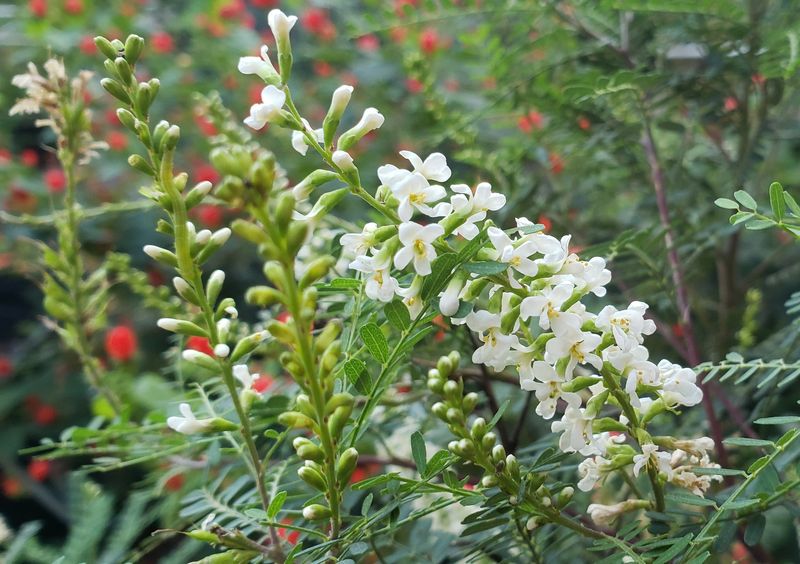
If you have spent a Central Texas summer swatting mosquitoes on the patio and wondering whether the right native plant could bring bats in to fix the problem, you are not alone. Texas kidneywood is a real, regionally native shrub that belongs on Bat Conservation International’s list of Central Texas bat-garden plants, and it earns that spot honestly.
But one plant cannot build a complete bat habitat, promise bat occupancy, or reliably clear mosquitoes before dark. This article explains what Texas kidneywood can genuinely do, what it cannot, and how to build a yard that gives bats and your summer evenings a better chance.
Texas kidneywood can support a bat-friendly yard—but it is not a one-plant solution
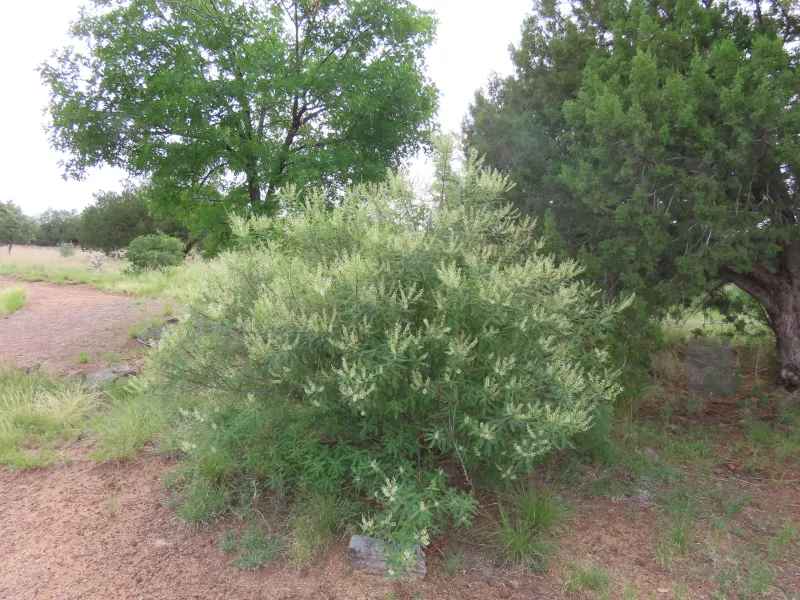
Texas kidneywood (Eysenhardtia texana) is a legitimate candidate for a Central Texas bat-friendly yard. Texas A&M’s range plant profile documents it as a native shrub of Central and West Texas that tolerates drought once established and favors dry calcareous or rocky limestone soils.
Those are precisely the conditions that cover much of the Texas Hill Country and surrounding regions, which is why the plant fits so naturally into conversations about low-maintenance native gardening here.
Bat Conservation International takes that fit a step further by including Texas kidneywood on its list of regional native plants recommended for Central Texas bat gardens. That inclusion reflects the shrub’s ability to support insects through its flowers and seeds, giving foraging bats something to chase in a well-planted yard.
Being on that list is a meaningful endorsement, but it is not a guarantee of results.
Here is where the title of this article needs an honest correction: no single plant can build the shelter-and-food system that bat occupancy requires. BCI’s bat garden guidance identifies food, water, darkness and suitable roosts as separate habitat needs, all of which must be addressed together.
Texas kidneywood can contribute meaningfully to the food side of that equation, but it cannot substitute for roosting structure, manage standing water, or make bats move into a yard on its own.
Think of this shrub as one solid building block rather than a finished structure. Planting it alone and waiting for mosquito-free evenings is likely to disappoint.
Planting it as part of a diverse, insect-supporting native landscape gets you meaningfully closer to a yard that bats will want to visit.
The plant helps bats indirectly through insects
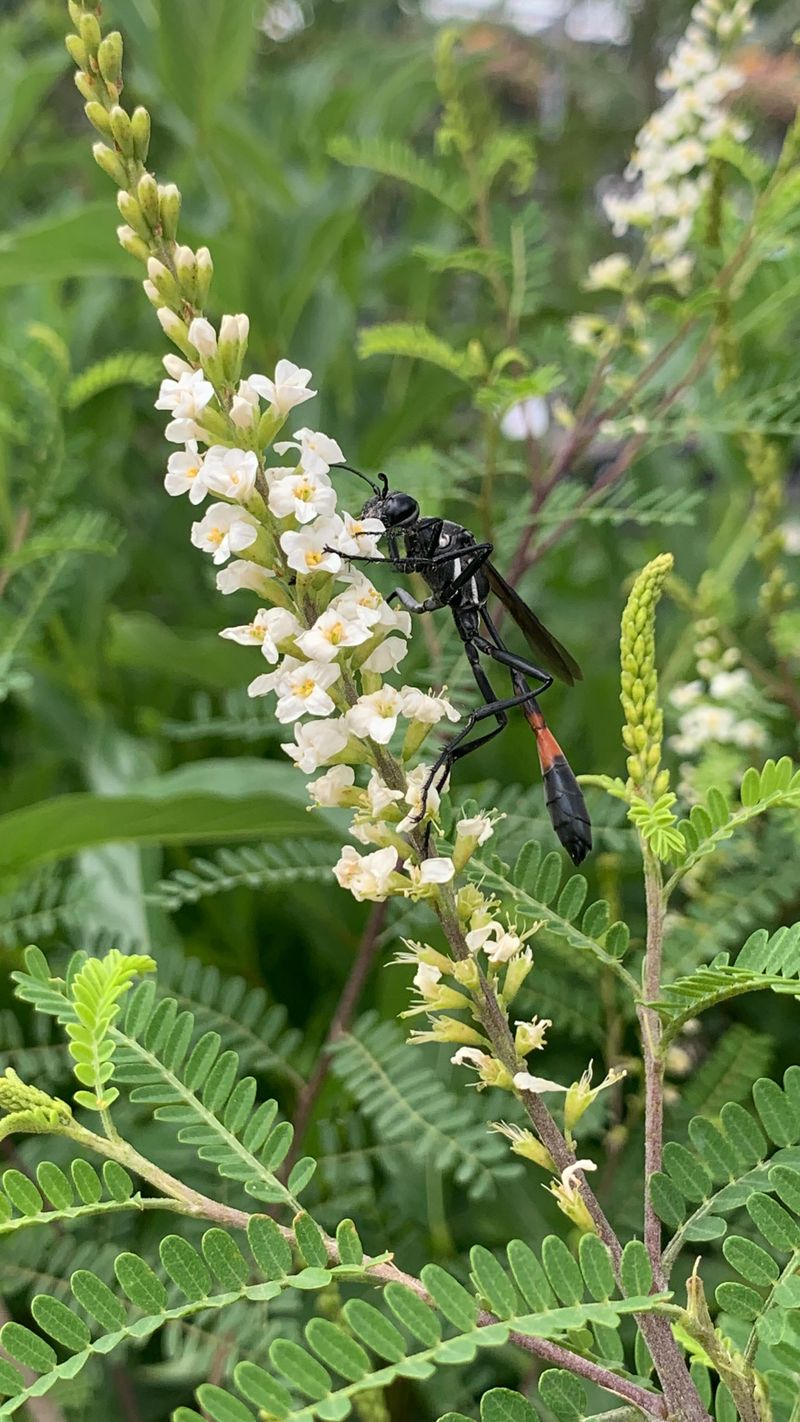
Bats do not respond to plants the way a hummingbird responds to a red flower. They respond to insects, and plants matter because they support the insects bats eat.
Understanding that indirect chain is the key to using Texas kidneywood wisely rather than expecting too much from it.
Texas A&M documents that the shrub’s flowers and seeds have value for insects and birds. That documented benefit is specific and real: pollinators visit the flowers, and seed-eating wildlife finds the plant useful.
What the existing literature does not establish is which particular moth species use it as a host plant or which beetles specifically depend on its foliage. Keeping those broader claims general is the honest approach until species-specific research fills in the gaps.
BCI’s bat garden recommendations explain the broader strategy: choose native plants that support moths, beetles and other insects, favor evening- or night-blooming flowers when possible, and build a yard that produces insect activity across multiple seasons. The goal is a diverse insect community, and Texas kidneywood contributes to that goal through its flowers and seeds without being the only plant doing the work.
A common misconception is that a plant acts as a direct lure, pulling bats toward a specific spot the way a porch light pulls moths. Bats are hunting, not following a scent trail to a shrub.
They cover territory in search of prey concentrations, and a yard that produces more insects through diverse native plantings gives foraging bats a reason to return. Texas kidneywood can be one source of that insect activity, alongside other well-chosen Central Texas natives, without carrying the entire load by itself.
Central Texas bat diets do not support the mosquito-free promise
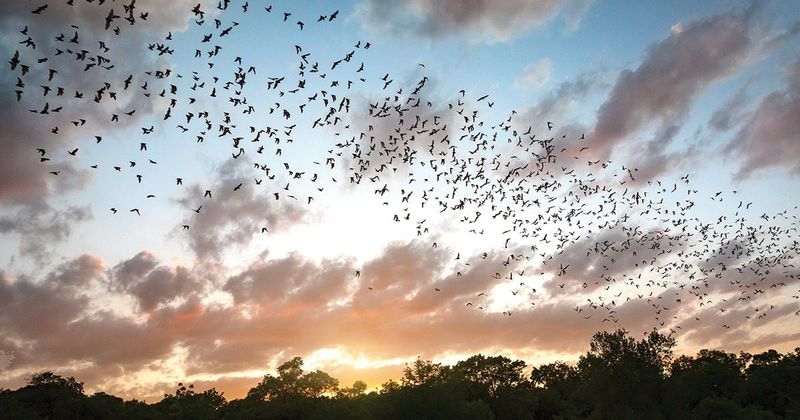
Watching bats sweep across a Central Texas sky at dusk is genuinely satisfying, and the instinct to connect that spectacle to mosquito relief is understandable. The reality of what those bats are eating, though, is more complicated than the popular story suggests.
Brazilian free-tailed bats are the dominant species in much of Central Texas, and Texas Parks and Wildlife estimates that house bats consume between 6,000 and 18,000 metric tons of insects annually across the state. That is a genuinely large number.
The problem is that mosquitoes are not the primary item on the menu. National Park Service research on free-tailed bat feeding habits finds that documented prey consists mainly of moths, beetles, flying ants and June bugs, with mosquito remains rarely turning up in guano studies.
Other bat species do consume mosquitoes more regularly, and a yard with diverse bat activity may include some mosquito predation. But the species mix, local weather, proximity to established roosts, ambient lighting and overall insect availability all shape what actually happens over any given backyard on any given evening.
None of those variables are controlled by a single plant or even a well-designed garden.
The widely repeated claim that one bat eats 10,000 mosquitoes every night is not a reliable general figure, and free-tailed bats in particular are not the mosquito-eating machines that reputation implies. A 2023 systematic review of pest suppression by bats found that evidence for direct insect suppression resulting from habitat-management actions remains very limited.
Bats are ecologically valuable neighbors worth supporting, but counting on them to make summer evenings bite-free by dusk is a promise the science does not back.
Build a diverse native planting around the kidneywood
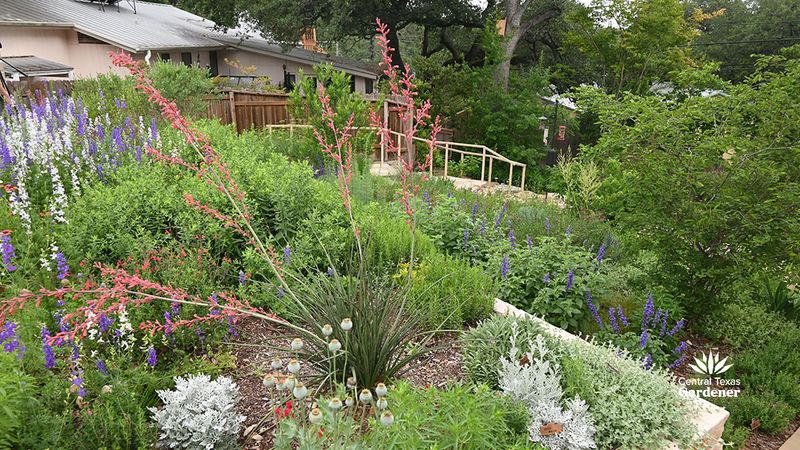
Texas kidneywood works best when it is part of a layered native planting rather than a standalone specimen. A yard that produces insects for bats across multiple seasons needs structural variety, staggered bloom periods and a mix of plant types that together create a functioning habitat rather than a single-species patch.
BCI’s Central Texas regional plant list offers a useful starting framework. Alongside Texas kidneywood, the list includes beebrush, elderberry, roughleaf dogwood, plateau live oak and wafer ash as trees and shrubs, plus perennials such as frostweed, goldenrod, purple coneflower, yarrow and century plant.
Choosing several of these and staggering their bloom periods means something is always producing nectar, pollen or seeds that support the insect community bats depend on.
BCI’s bat garden guidance specifically highlights native oaks as especially valuable because they host a wide range of insects and can also provide roosting options as they mature. A plateau live oak planted alongside Texas kidneywood adds both immediate insect-foraging value and long-term structural habitat that the shrub alone cannot provide.
Evening- or night-blooming flowers, light-colored fragrant blooms and moth host plants are worth including where the site allows, because they extend insect activity into the hours when bats are most active. Central Texas Gardener’s bat-garden planting guide reinforces the practical value of native diversity over any single-plant approach.
One point that cannot be overstated: the National Park Service recommends limiting herbicide and pesticide use in bat-supporting landscapes. Broad-spectrum insecticides reduce the insects bats need.
If the goal is to support foraging bats, spraying the yard’s insect population undermines the entire effort.
Use the shrub where Central Texas conditions suit it
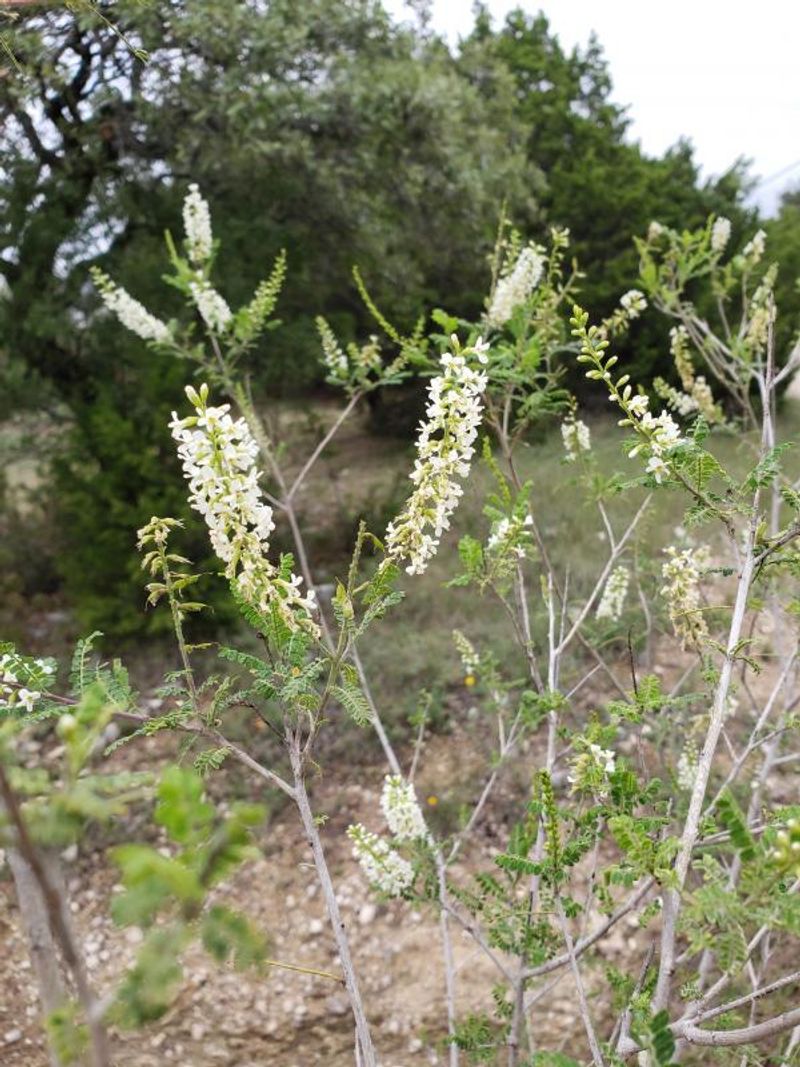
Matching a plant to the right site is what separates a thriving specimen from a struggling one. For Texas kidneywood, the documented conditions are specific and worth taking seriously before digging a hole.
Texas A&M’s plant profile establishes the core facts: Texas kidneywood is native to Central and West Texas, performs well in dry calcareous or rocky limestone soils, and becomes drought-tolerant once it is established. Those three characteristics describe a large portion of the Hill Country and surrounding regions, where thin, rocky, alkaline soils are the norm rather than the exception.
If your yard sits on that kind of ground, kidneywood is a well-matched choice rather than a plant you need to coax into survival.
Properties with heavy clay, consistently moist soils or conditions that differ significantly from the plant’s native range may not be the right fit, and no amount of enthusiasm for bat habitat changes that. The honest move is to assess your soil type and drainage before planting, and to consult a local nursery, county extension agent or the Texas A&M AgriLife Extension office for site-specific planting, sunlight and establishment guidance that goes beyond what the published range profile covers.
Kidneywood also functions as a shrub or small tree, so it adds mid-level structure to a planting rather than canopy. That makes it a complement to taller natives rather than a replacement for them.
Placing it where it can grow to its natural size without being crowded out or repeatedly cut back lets it produce the flowers and seeds that give it ecological value in the first place. Getting the site right is the foundation everything else builds on.
Add roosting habitat only when the site can support it
Foraging bats and roosting bats are two different things, and a yard that draws bats to hunt insects at night is not automatically a yard where bats will take up residence. Food, water, darkness and shelter are separate habitat requirements, and a planting strategy alone addresses only one of them.
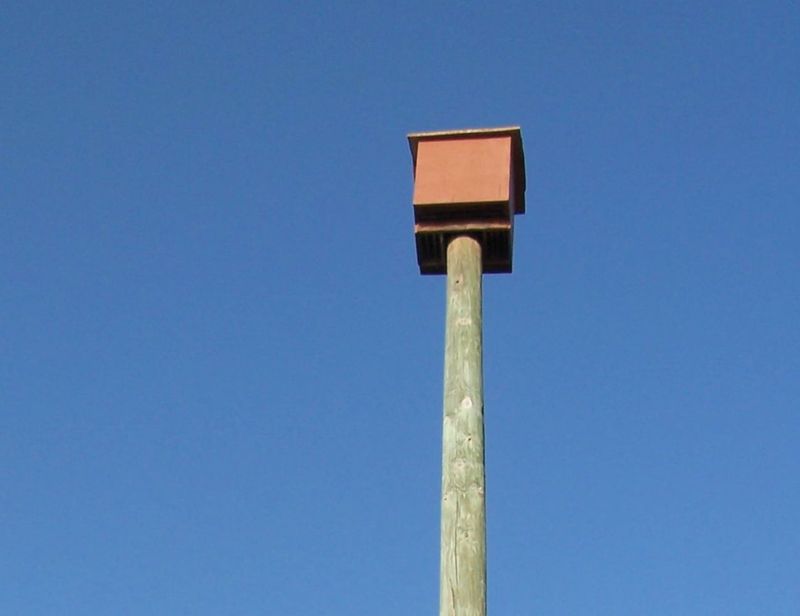
If roosting habitat is the goal, a properly installed bat house is the most practical option for most residential properties. BCI’s bat garden overview describes water and shelter as distinct needs from the food supply that plants provide, which means a bat-friendly yard ideally addresses all of them rather than relying on one element to do everything.
For the bat house itself, BCI’s bat house guidelines are detailed and worth following carefully. Key placement requirements include at least 12 feet of unobstructed space below the exits, minimal nearby branch clutter that could interfere with bat flight, and substantial solar exposure.
In warm southern climates like Central Texas, morning sun with east-facing placement can help prevent the interior from overheating during the hottest part of the afternoon. Two bat houses placed near each other, ideally within 100 meters, can offer different temperature zones and may improve occupancy odds compared to a single unit.
Even with ideal placement, occupancy is not guaranteed. Local bat populations, nearby roost competition, seasonal movement patterns and other factors all influence whether bats choose a house.
Treating a bat house as a definite mosquito-control device sets up an expectation the structure cannot reliably meet.
One boundary applies without exception: never install a bat house or create any opening where bats could move from an outdoor roost into the living space of a home. Bats roosting inside a house create serious health and safety concerns that far outweigh any benefit from their insect-eating habits.
Control mosquitoes by removing breeding water
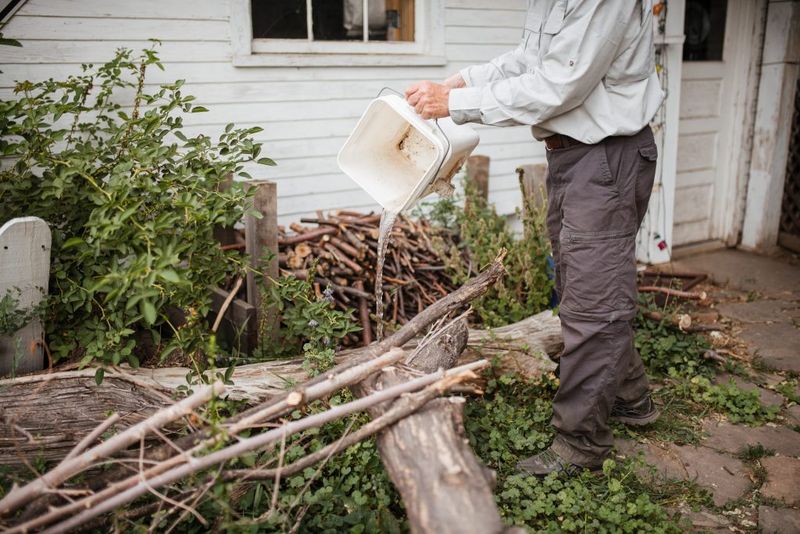
No amount of native planting or bat habitat work replaces the single most effective step a Central Texas homeowner can take against backyard mosquitoes: eliminating the standing water where they breed. Bats forage at night, but mosquitoes breed and develop in water that may be just a few yards from your back door, around the clock.
Texas A&M AgriLife Extension’s backyard mosquito control guidance identifies stagnant water that sits for roughly seven days or longer as the primary breeding environment. Birdbaths, clogged gutters, buckets, old tires, saucers under potted plants and any container that collects rainwater all qualify.
Many common Texas mosquito species stay within roughly 200 to 300 yards of their breeding sites, which means the problem is often closer than it seems and more directly solvable than a yard-wide wildlife strategy.
The routine is straightforward: empty containers that hold water, cover anything that cannot be emptied, and clean birdbaths at least once a week to interrupt the development cycle before larvae become adults. Gutters deserve particular attention because they are easy to forget and can hold enough debris and water to produce significant numbers of mosquitoes through a Texas summer.
Where water genuinely cannot be removed, such as a pond, rain garden or decorative water feature, EPA-registered Bti products are a labeled option for targeting mosquito larvae. Bti is a naturally occurring bacterium that kills larvae when applied according to the product label.
Two things to understand clearly: Bti does not kill adult mosquitoes, and it must be used exactly as the label directs. A water feature managed with Bti can support bats that come to drink without becoming a mosquito nursery, but the treatment needs to be maintained consistently to stay effective throughout the season.
Protect people while supporting bats
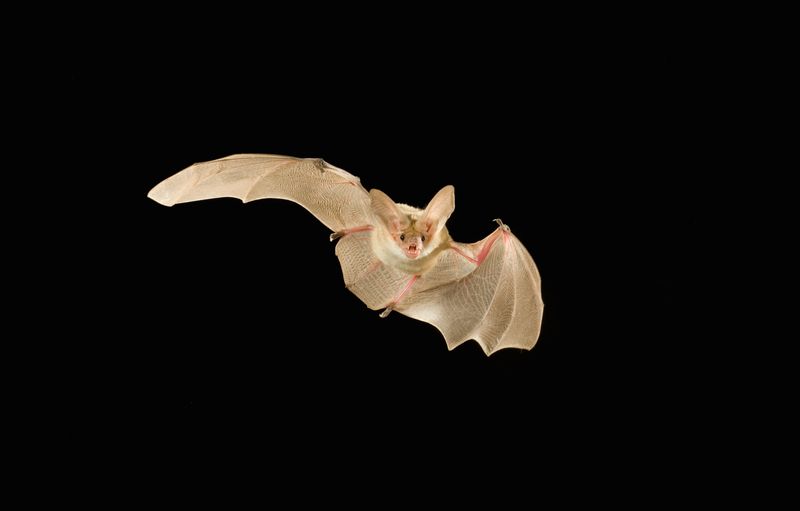
Building a yard that supports bats and native insects is a worthwhile goal, and it goes hand in hand with protecting the people who use that yard. Native plants and foraging bats are not substitutes for the bite-prevention measures that actually keep mosquito-borne illness risk low.
CDC guidance on mosquitoes is straightforward: use screens on windows and doors, apply EPA-registered repellents when spending time outdoors, and wear clothing that covers exposed skin during peak mosquito activity. Those steps work regardless of what is planted in the yard or whether bats are foraging overhead.
They remain the foundation of personal protection.
Bats themselves require a clear boundary. Never handle a bat under any circumstances, and do not attempt to relocate, train or encourage one into a living space.
If a bat is found inside a room where a person was sleeping, or if a bat has made any contact with a person or child, treat the situation as a potential exposure and act quickly. CDC’s bat rabies prevention guidance explains that bat bites can be difficult to see, and rabies post-exposure treatment is time-sensitive.
Contact local health authorities or a healthcare provider promptly rather than waiting to see whether symptoms develop.
Texas kidneywood can contribute to a diverse, insect-supporting yard that gives foraging bats a reason to visit. That is a real and ecologically meaningful contribution.
What it cannot do is fill a yard with bats on a schedule, eliminate mosquito bites by dusk, or replace any of the practical steps that protect people during a Central Texas summer.
A yard that combines well-chosen native plants, managed water sources, appropriate roosting conditions and reliable personal protection is the most honest version of the bat-garden idea – one where the ecology is real and the expectations fit what the evidence actually supports.