
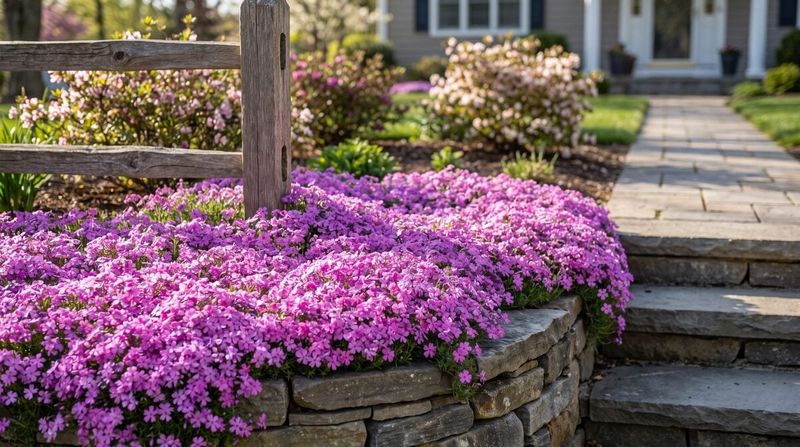
Pulling out the edger every few weeks is one of those yard chores that never seems to stay done. A low-growing North Carolina native called trailing phlox, or Phlox nivalis, can change that equation by creating a planted boundary that holds its shape through the season.
It won’t eliminate every bit of upkeep, but in the right sunny, well-drained bed, it can seriously cut down how often you reach for that edger.
Choose trailing phlox for a lower-maintenance walkway edge
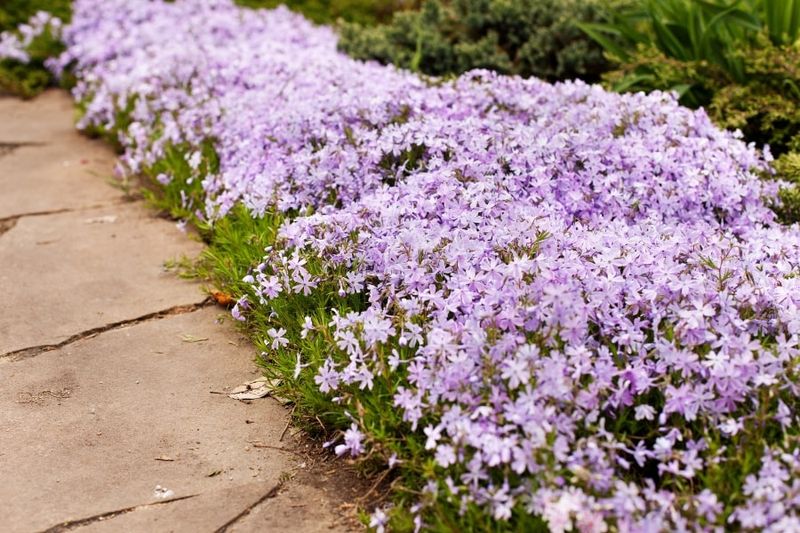
Trailing phlox, known botanically as Phlox nivalis, goes by several names at the nursery: pineland phlox, pine phlox, and sweet trailing phlox are all the same plant. NC State Extension’s plant profile describes it as a low, evergreen, spreading mat that stays around 6 inches tall, produces spring flowers, and works well for edging and front-border planting across the mountains, Piedmont, and Coastal Plain.
That 6-inch height is key. A plant that stays low beside a walkway frames the path visually without blocking it, and its spreading evergreen mat covers the soil between the pavement edge and the rest of the bed.
Covered soil means fewer gaps where weeds can sprout and fewer bare patches that invite the eye to expect a crisp, freshly cut line.
Here is where the title of this article needs a small correction. No plant can guarantee a walkway edge that never needs attention again.
What Phlox nivalis can do is create a deliberate planted boundary that reduces how often you feel compelled to run the mechanical edger. That is a meaningful difference from turf or bare mulch, but it is not the same as permanent, zero-maintenance containment.
Spring flowers add pink, lavender, or white color and provide nectar and pollen for early-season bees and butterflies. That wildlife value is a genuine bonus, though it is the plant’s habit and site fit, not its flowers alone, that make it worth considering for a walkway border.
Think of Phlox nivalis as a living edge you plant once, establish carefully, and then monitor rather than mechanically re-cut every few weeks. That shift in approach is where the real time savings come from.
Let a low evergreen mat define the path
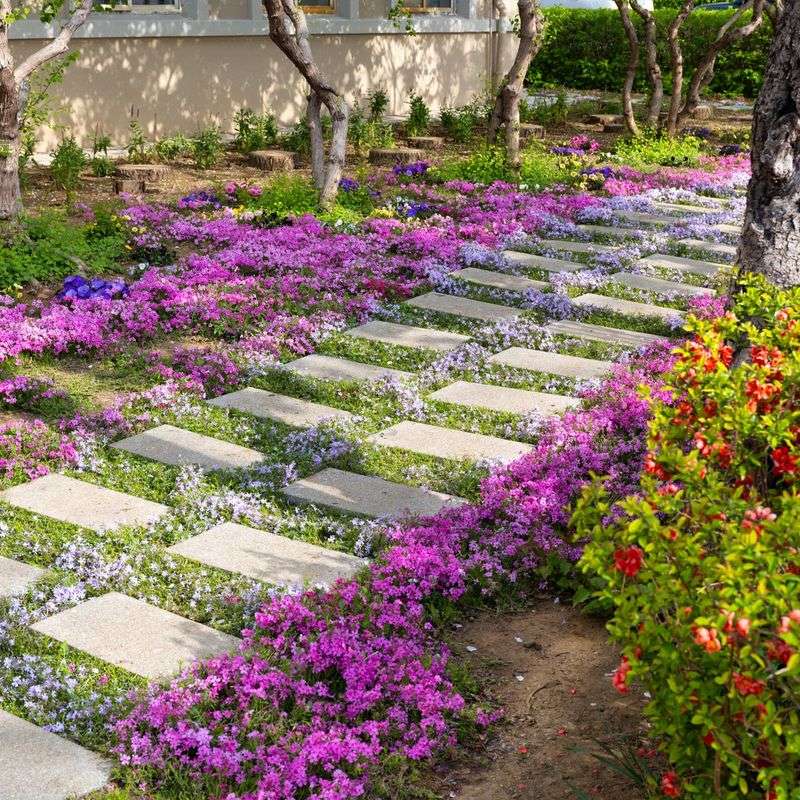
A freshly edged turf line looks sharp for about two weeks before the grass creeps back across the concrete and the whole job starts over. A planted groundcover like Phlox nivalis works differently: instead of a bare soil boundary that blurs quickly, you have a living layer that holds the visual separation between pavement and bed throughout the growing season.
The mat itself does the framing. Because Phlox nivalis grows low and spreads horizontally, it creates a soft but readable line where the garden stops and the walkway begins.
NC State’s walkway planting guidance supports choosing border plants that frame a path clearly without sharp spines, rampant upright growth, or habits that make the edge harder to maintain over time. A 6-inch mat qualifies on all three counts.
One distinction matters here: the phlox belongs beside the walkway, not on it. This is not a plant for the walking surface.
Groundcovers need time to root in and establish, and repeated foot traffic can damage or kill them before they ever fill in. Keep it in the bed, set back from the pavement, and let the visual edge do the work.
The clean line you see once the mat fills in comes from deliberate placement, not from any guarantee that the plant will stop exactly at the pavement edge. Phlox nivalis does spread, and a stem or two may eventually reach toward the concrete.
That is not a failure of the plant; it is a natural behavior that occasional observation and light hand-pruning can handle without the full edging routine you were running before.
A living boundary and a mechanical edge are different tools. This plant reduces your reliance on the second by making the first visible and consistent.
Match the plant to a sunny, well-drained bed
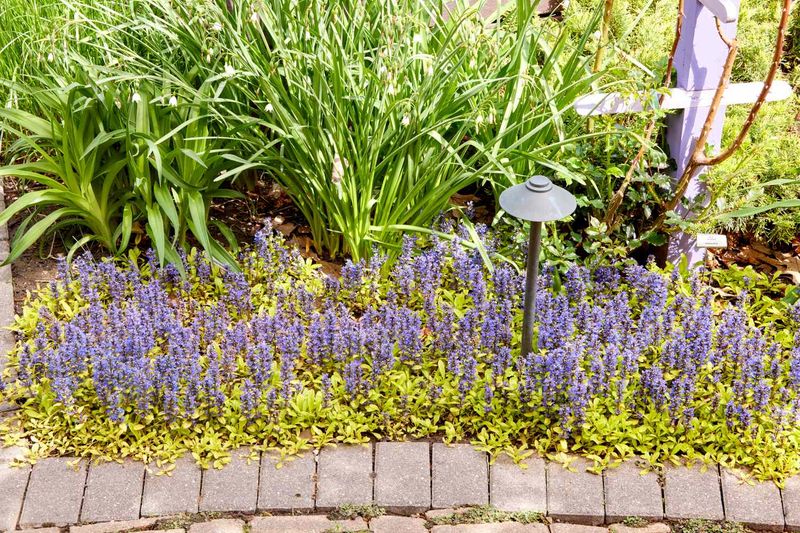
Sunny and well-drained are the two conditions that make this recommendation credible. Phlox nivalis is particularly associated with hot, dry, and sandy habitats, including the sandhill regions of the Coastal Plain, and NC State describes it as flourishing in full sun with well-drained soil.
A bed that bakes in summer and drains quickly after rain is exactly where trailing phlox performs best.
The plant is native across North Carolina’s mountains, Piedmont, and Coastal Plain, which sounds like a green light for any yard in the state. That range is real, but it reflects where the species can be found growing naturally, not a promise that every yard soil will support it.
NC State’s native plants handbook makes the point plainly: soil texture, drainage, pH, reflected heat from pavement, and local microclimate can all affect how a native plant performs, even in its home state.
Wet or poorly drained soil is the most common site problem for this species. Heavy clay that holds water after rain, compacted ground near a driveway, or a shaded north-facing bed are all situations where Phlox nivalis is likely to struggle or fail outright.
If your walkway bed stays soggy after a summer storm, this plant is not the right choice for that spot.
Reflected heat from concrete or pavers can intensify conditions near a walkway. In a hot, sunny, well-drained bed, that extra warmth tends to favor trailing phlox rather than harm it.
In a bed that also holds moisture, the same reflected heat can stress the plant and promote root problems.
Check your actual bed before you buy. Squeeze a handful of soil after a rain: if it forms a tight ball and holds its shape, drainage may be too slow.
If it crumbles apart, you likely have the right starting point for a successful planting.
Plan the setback before the mat spreads
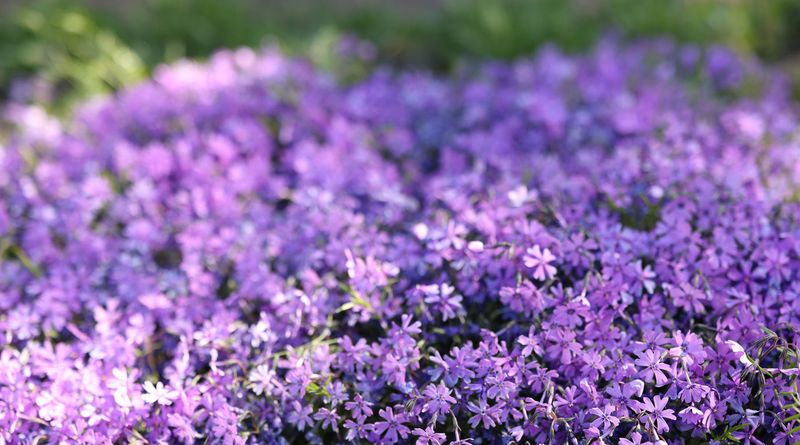
Before any plant goes in the ground, the placement decision matters more than most gardeners realize. Phlox nivalis spreads as it matures, and where you set it today determines how much work you create for yourself two or three growing seasons from now.
Setting plants too close to the pavement edge means stems reach the concrete sooner, and you are back to trimming on a schedule not much different from what you wanted to avoid.
Bed preparation comes first. Clear the area of existing weeds, loosen the soil if it is compacted, and confirm that drainage is adequate before planting.
NC State’s walkway planting guidance reinforces the idea of setting a clear, maintained edge and choosing plants that will grow into their space without immediately overrunning the pavement.
Growing Wild Nursery, which grows North Carolina-sourced material, recommends approximately 24 inches between plants for group planting. That figure is a useful nursery-based starting point, not a universal containment specification.
Spacing and setback should also account for the plant’s mature spread and how quickly you want the mat to fill in: closer spacing fills in faster but may require earlier shaping, while wider spacing gives each plant more room before crowding becomes an issue.
No spacing choice prevents stems from eventually spreading toward the walkway. What good placement does is give you more time before any redirection is needed and makes observation easier because you know where the edge is supposed to be.
Think of the setback as buying yourself a longer interval between check-ins, not as a permanent solution. A plant set 12 inches back from the pavement with room to spread 18 inches will eventually approach that edge.
A plant set back 24 inches with the same mature spread gives you more seasons before that moment arrives, and when it does, a light trim handles it without the full edging ritual.
Water and mulch during establishment
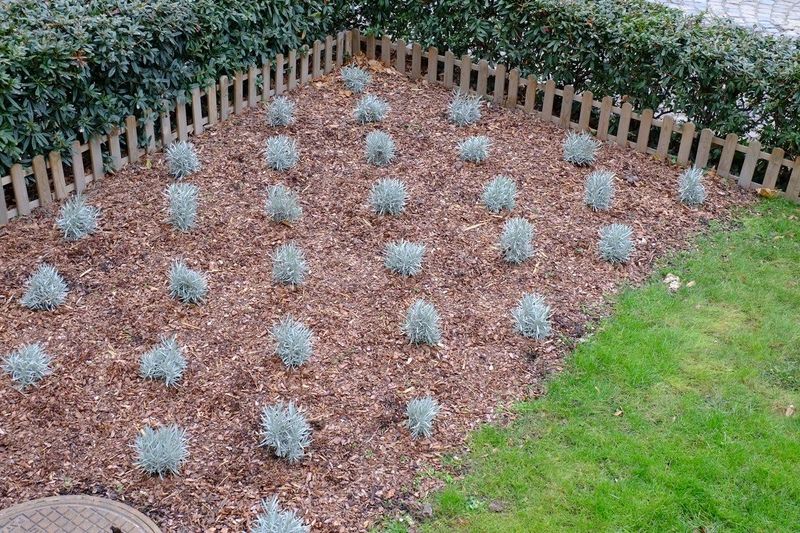
Drought tolerance is a mature-plant trait, not a planting-day pass. Newly installed Phlox nivalis needs consistent moisture while its roots spread into surrounding soil, and skipping that establishment window is one of the most common reasons groundcovers fail in the first season.
Penn State Extension’s native groundcover guidance recommends planting in spring or fall when possible and watering regularly through the first growing season, with extra attention during hot, dry stretches.
Spring and fall planting give roots time to establish before the extremes of summer heat or winter cold arrive. A plant put in the ground in late April still has weeks of moderate temperatures before a North Carolina July hits.
One planted in September gets a similar runway in the opposite direction. Both windows are better than midsummer installation, when the plant is trying to root while already managing heat stress.
A thin mulch layer around newly planted phlox conserves soil moisture, moderates temperature, and reduces weed competition during the establishment period. Keep the mulch pulled back from the plant crowns so it does not hold moisture against the stems, which can encourage rot.
Water-wise landscaping guidance from Utah State Extension also cautions that landscape fabric beneath planted groundcovers can interfere with natural spread and complicate future maintenance, so skip the fabric and rely on mulch and hand-weeding instead.
Once the plant is established in a suitable, well-drained site, its documented heat and drought tolerance means you can reduce supplemental irrigation significantly. That reduced irrigation need is part of what makes it a lower-maintenance choice over time.
Getting to that point, though, requires the same attentive watering you would give any new planting during its first season.
Expect fewer edging sessions, not zero upkeep
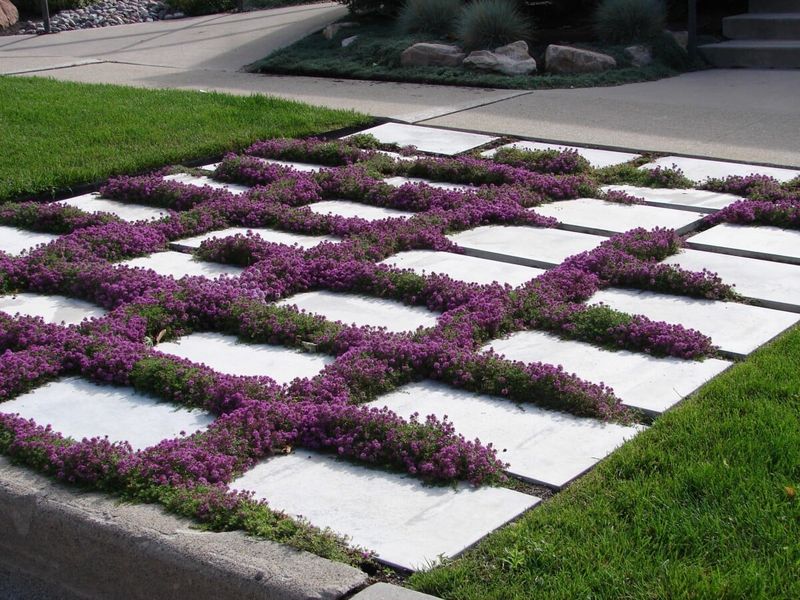
Fewer edging sessions is the honest promise here, and it is a genuine one. A dense, established mat of Phlox nivalis covers the soil between the bed and the pavement, removes the bare-edge look that typically prompts re-edging, and stays low enough that it does not visually overwhelm the path.
What it does not do is lock itself permanently in place and refuse to spread, self-weed, or thin over time.
Weeds are the most consistent upkeep task. Extension guidance on native groundcovers is consistent on this point: a dense planting can reduce open soil and weed pressure, but it does not eliminate weeds.
Pulling a few weeds from a filled-in mat is a lighter task than edging an entire walkway border, but it is still a task.
Stems that wander toward the pavement may need occasional redirecting or a light trim. This is not the same as mechanical re-edging on a fixed schedule; it is more like a periodic check where you walk the border, note anything that has reached the concrete, and snip or lift the offending stem.
Most established plantings reach this point only a few times per season rather than every two weeks.
Sections of the mat may also thin or lose density over time, particularly in spots that receive less sun or more foot disturbance. Those areas may need a few new plants or some light soil amendment to recover.
NC State’s moss phlox profile notes that older plantings of Phlox subulataP. subulataP. nivalis can thin in the center as new growth extends outward, and that cutting back after flowering is sometimes used to improve density in that species. That guidance applies specifically to and should not be assumed to transfer directly to without species-specific confirmation.
Plan for a lighter maintenance rhythm, not an absent one. The goal is to trade a predictable, recurring chore for an occasional, observation-based one.
Do not substitute every creeping phlox
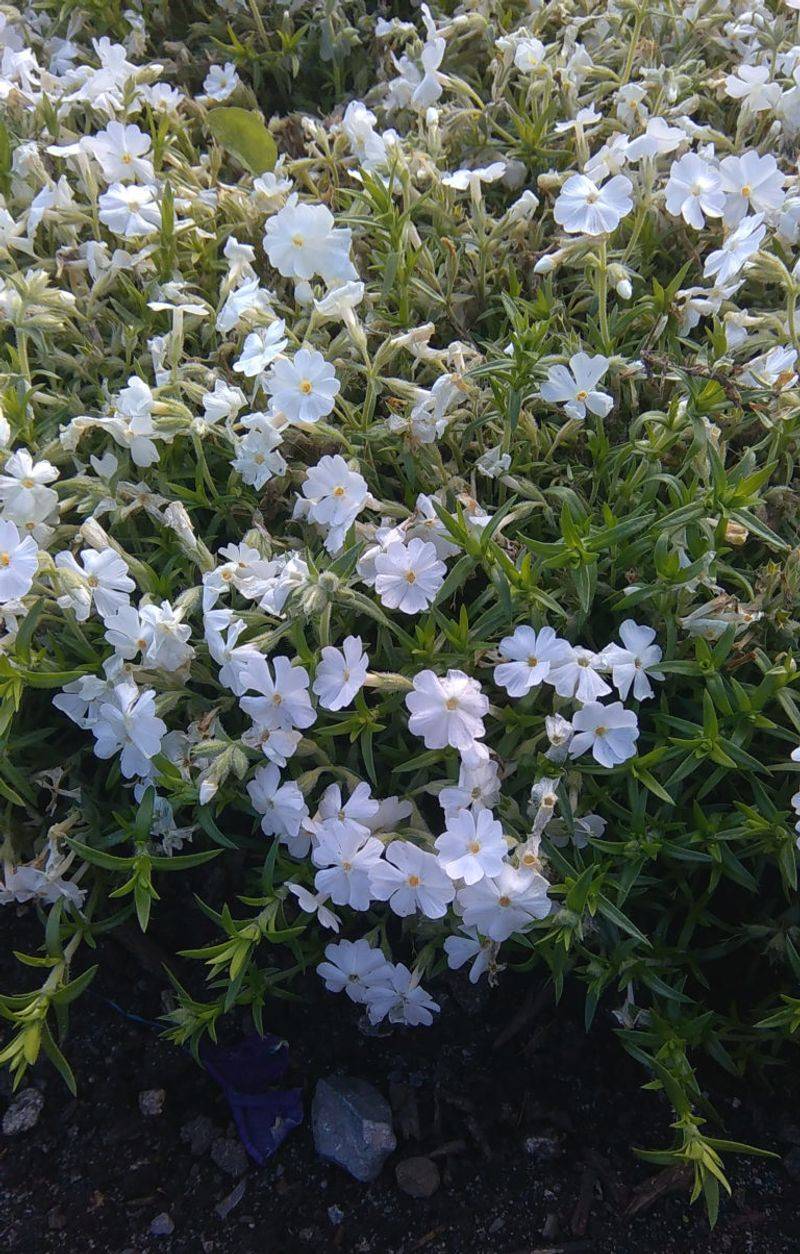
At the garden center, several phlox species sit in similar-looking pots with similar-sounding common names, and picking the wrong one for a hot, sunny walkway border can mean a struggling plant instead of a thriving edge. The species are related, but their site preferences differ enough to matter.
Phlox subulataPhlox nivalisP. subulata, commonly called moss phlox or creeping phlox, is also a native low mat-former and can work in sunny edging situations. The North Carolina Native Plant Society identifies as similar to but more heat tolerant, which is a meaningful distinction for a North Carolina walkway bed that bakes through July and August.
NC State’s Phlox subulataP. nivalis profile notes that hot, humid summers may make some dappled shade beneficial for that species, while is specifically documented for hot, well-drained conditions. If your walkway bed is reliably sunny and dry, trailing phlox is the stronger call.
Phlox stolonifera, or creeping phlox, is a different plant altogether. NC State’s stolonifera profile describes it as better suited to moist, well-drained conditions and notes its strongest fit in Appalachian mountain settings.
A shaded, moist woodland edge in the western part of the state is good stolonifera territory; a sunny, dry walkway border in the Piedmont or Coastal Plain is not. Swapping species without changing the site advice sets the planting up to fail.
Browsing is worth mentioning before you finalize any phlox purchase. NC State’s phlox profiles identify phlox foliage as potentially browsed by rabbits and note that deer can be a problem in areas with high deer populations.
Phlox is not reliably deer-proof or rabbit-proof, so if browsing pressure is heavy in your yard, factor that into the decision. A plant that gets nibbled back repeatedly will not fill in the way you need it to.
Check the label, confirm the species name, and match it to your actual site conditions before you buy.
Use the plant when the site does the hard work
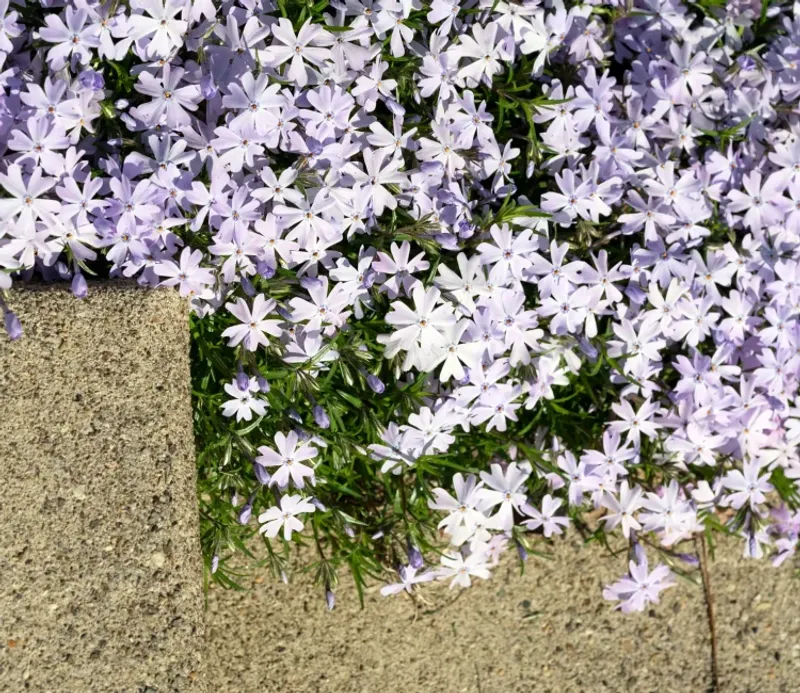
Phlox nivalis earns its place in a walkway border when three conditions line up: full sun, well-drained soil, and enough bed width to let a low spreading mat develop without immediately crowding the pavement. NC State’s plant profile confirms those conditions as the core of its documented site preference, and Extension guidance on native groundcovers reinforces that correct site selection is what separates a thriving planting from a struggling one.
When those conditions are met, the plant’s evergreen habit, spring bloom, and heat-oriented site fit work together toward the goal of reducing frequent re-edging. The mat stays visible and low through the season, the flowers bring in early pollinators, and the established plant handles summer heat without constant irrigation.
Occasional weeding, light shaping, and periodic observation remain part of responsible care. The real payoff is trading a recurring, scheduled chore for a lighter, as-needed one.
A plant placed well and established carefully tends to hold its own – and that is exactly what a good walkway border is supposed to do.