
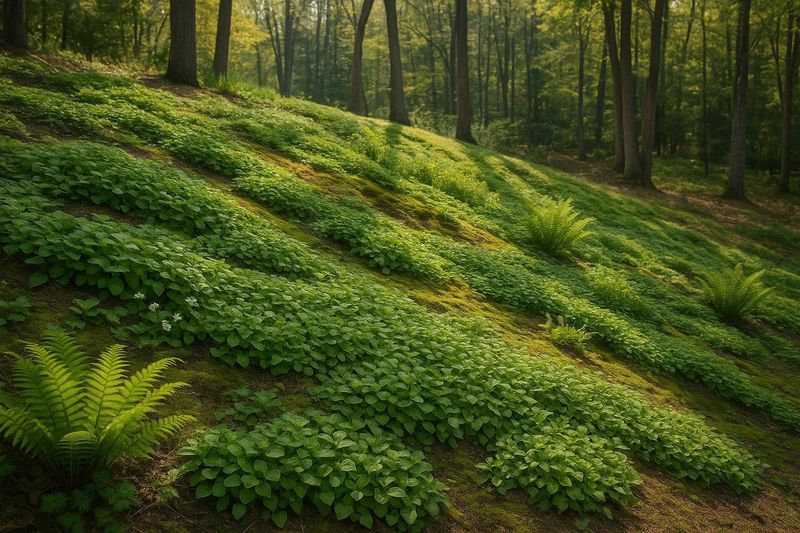
A steep bank in your yard can be a real headache, washing out every time a big Carolina storm rolls through. River rock looks tidy for a while, but it slides, weeds poke through, and it does nothing for local wildlife.
The good news is that North Carolina has native ground covers that grip the soil with deep roots, cover bare dirt fast, and feed pollinators along the way. Here are seven tough, homegrown plants that turn a crumbling slope into a low-effort, living carpet.
1. Green and Gold (Chrysogonum virginianum)
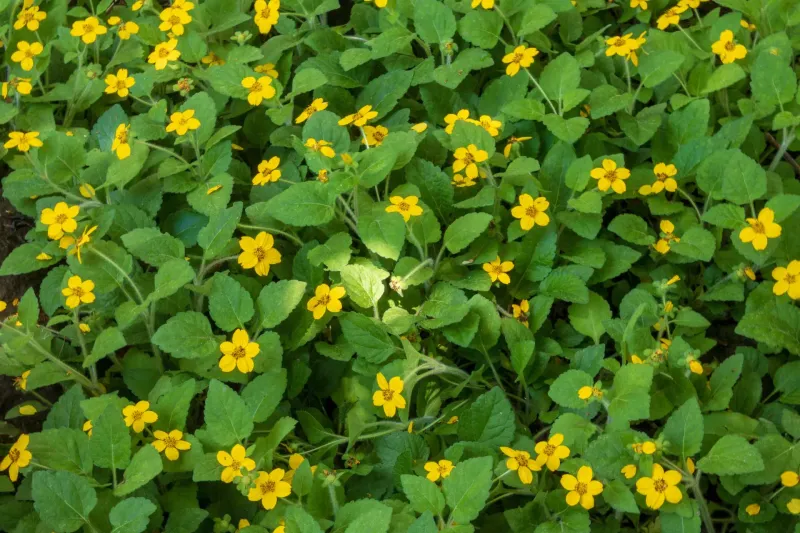
Cheerful yellow blooms greet you from early spring straight through fall, which is why this little woodland native earns a spot at the top of the list. Green and gold hugs the ground, spreading by runners to knit shaded banks into a solid green mat.
It thrives in the dappled light under Piedmont oaks and pines, exactly the kind of spot where grass gives up and rocks slide away. The shallow, spreading roots lock soil in place while the leaves shade out weeds.
Small native bees and early butterflies love the flowers, so you get pollinator support along with erosion control. For a shady slope near the house, few natives work this hard while asking for so little in return.
2. Creeping Phlox (Phlox subulata)
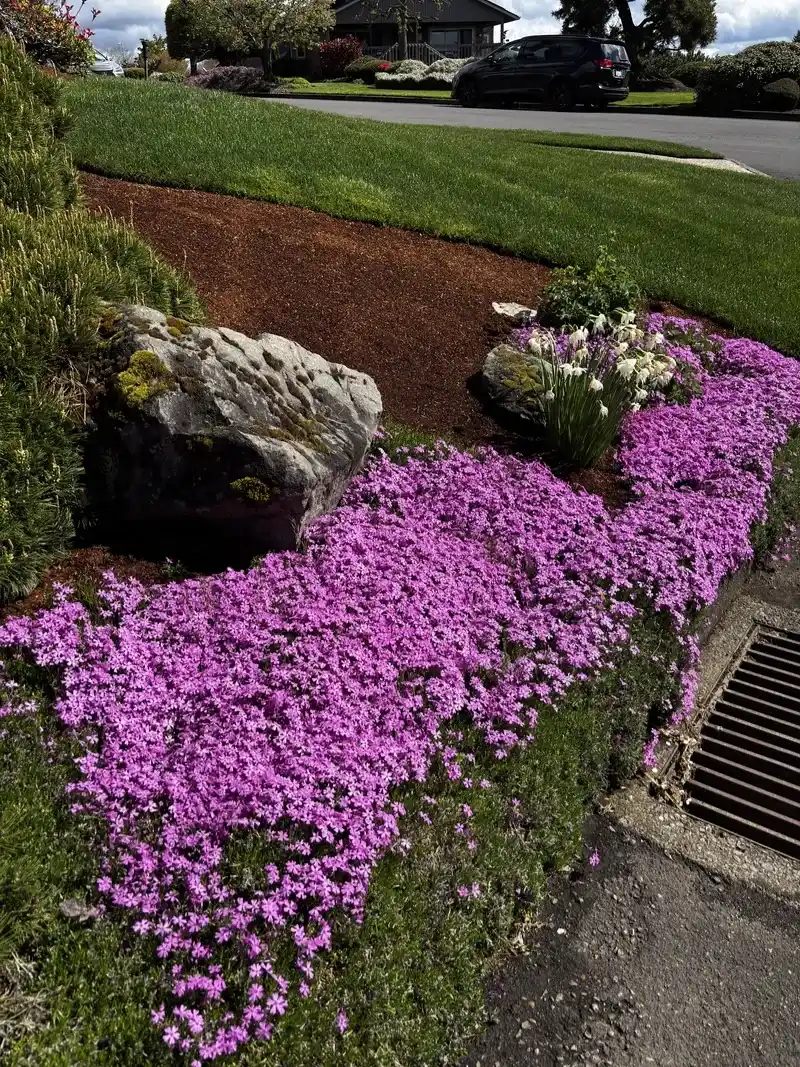
Come April, a bank of creeping phlox looks like someone spilled a bucket of pink, purple, and white across the hillside. That show-stopping bloom is only half the story, though.
Beneath the flowers, this evergreen native forms a tight, needle-leaved mat that clings to sunny, dry slopes where river rock would just tumble downhill. The dense growth means rain hits leaves instead of bare dirt, cutting erosion dramatically.
It shrugs off the heat and drought that Piedmont summers dish out, and once established it barely needs watering. Early butterflies and native bees stop by for the nectar, making it a workhorse that also happens to be gorgeous.
3. Woodland Stonecrop (Sedum ternatum)
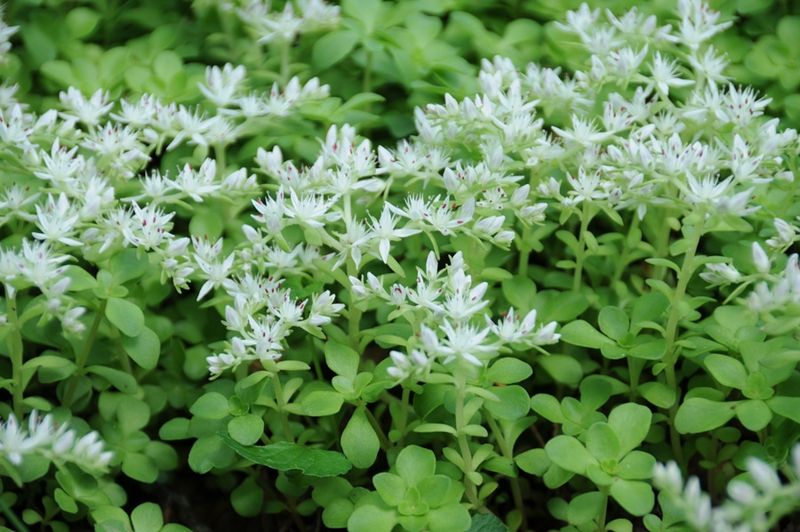
If part of your bank is rocky, dry, or downright stubborn, woodland stonecrop is your friend. This native succulent stores water in its plump little leaves, so it laughs off the tough conditions that kill other plants.
Unlike the imported sedums sold everywhere, this one belongs in NC woods and coexists happily with our native pollinators. Tiny white star flowers appear in spring and draw in small bees.
It spreads low and steady across thin soil and around exposed roots, filling gaps where nothing else will grow. On a partly shaded slope with poor dirt, stonecrop holds ground that rocks could never keep tidy.
4. Allegheny Spurge (Pachysandra procumbens)
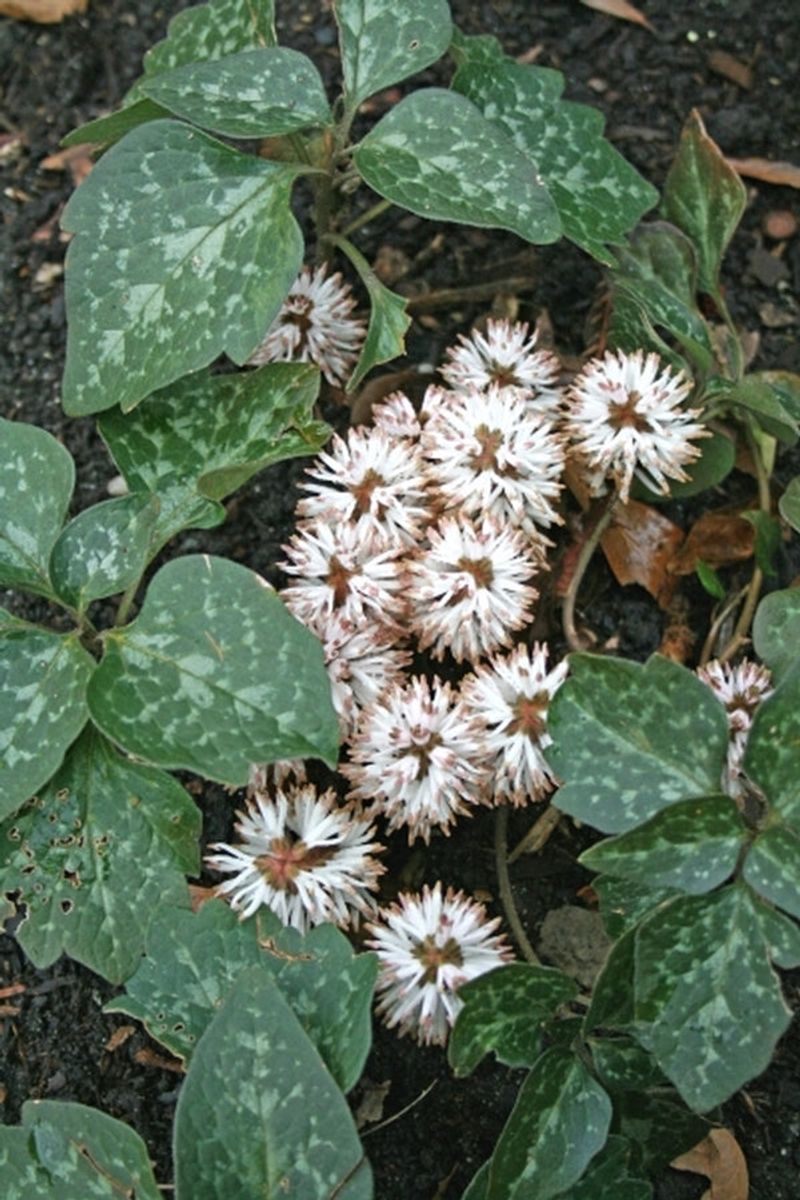
Most folks know the invasive Japanese pachysandra that swallows yards whole. Meet its better-behaved cousin, the true native Allegheny spurge, which brings all the lush ground-covering power without the bully attitude.
Handsome mottled leaves take on a silvery-blue cast, and fragrant white flower spikes push up in early spring before the leaves fully expand. It forms slowly spreading clumps that stitch together on shady mountain and Piedmont banks.
Deep, mounding growth means it holds moist, wooded slopes where soil tends to slip. Swap it in for the imported version and you get the same easy carpet while doing right by NC habitat.
5. Wild Ginger (Asarum canadense)
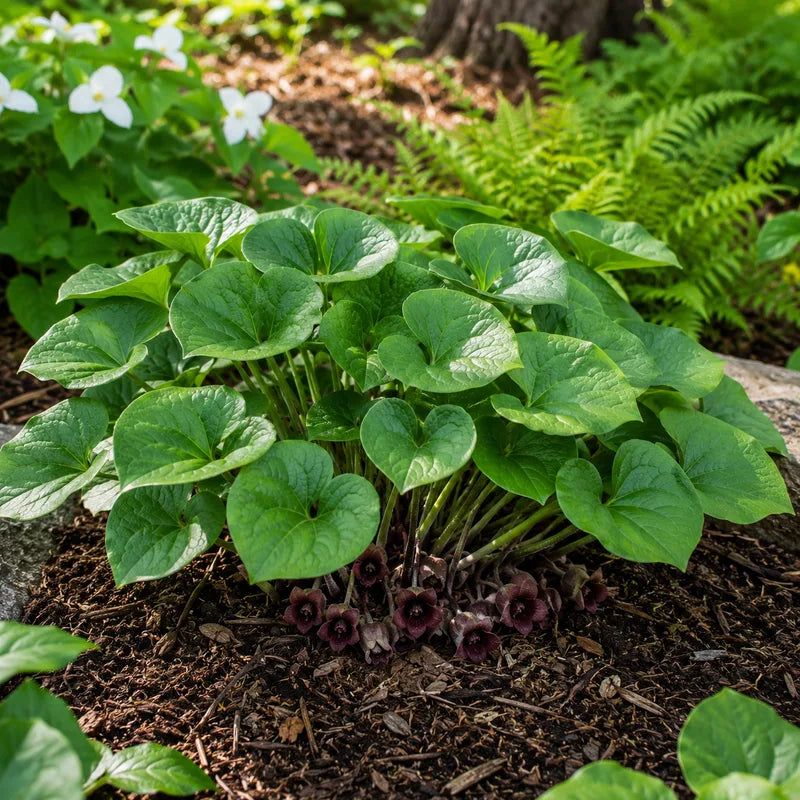
Lift a leaf of wild ginger and you will find hidden maroon flowers tucked right at the soil line, a quirky little surprise pollinated by ground-crawling insects. Above them, big heart-shaped leaves overlap into a lush green quilt.
Deep, moisture-loving roots make this native perfect for damp, shady banks near downspouts, creeks, or the north side of the house. The broad leaves catch rainfall and slow it before it can carve gullies.
It spreads politely by rhizomes, filling in over a few seasons without taking over. For a cool, wooded slope that stays moist, wild ginger delivers a soft, storybook carpet.
6. Pennsylvania Sedge (Carex pensylvanica)
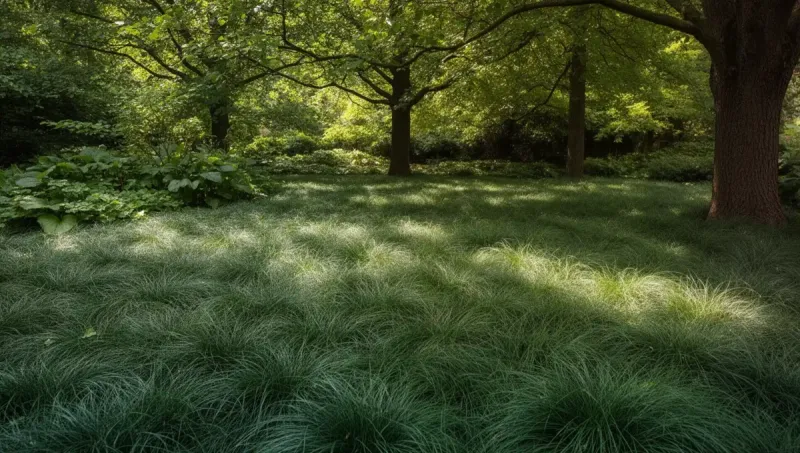
Dreaming of a grassy look on a slope where real lawn refuses to grow? Pennsylvania sedge gives you that soft, flowing meadow texture without the mowing, watering, and fertilizing headaches.
This native cool-season sedge spreads by rhizomes into a fine, arching carpet that thrives in the dry shade under trees. Its fibrous root system grabs soil tightly, one of the best natural anchors for a bank.
Songbirds forage among it and small critters use it for cover, so it quietly supports the food web too. Where turf fails and you still want that green, lawn-like feel, this sedge is a smart, low-effort swap.
7. Green Creeping Juniper (Juniperus horizontalis, native forms)
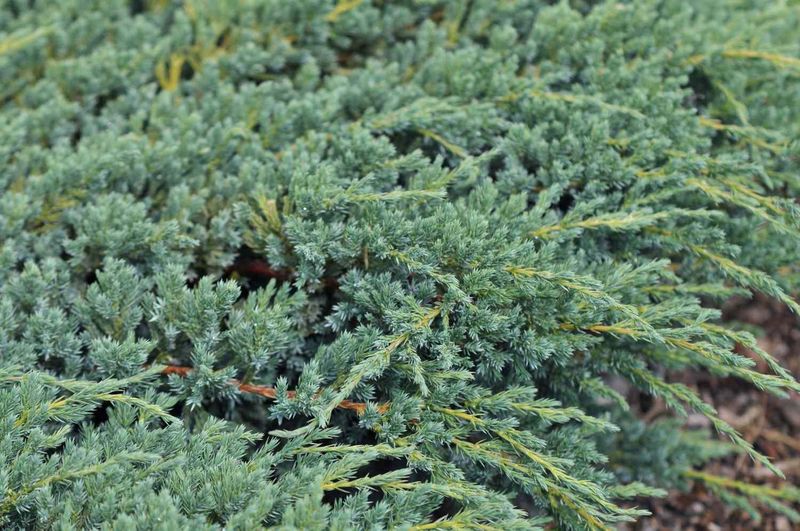
For the hottest, driest, most sun-baked slope on your property, a low-spreading juniper brings tough, evergreen coverage all year long. Its trailing branches root as they creep, forming an interlocking web that pins soil down even on the steepest grades.
Needled foliage in blue-green shades stays put through winter, so your bank never goes bare and vulnerable. The dense mat blocks weeds and shrugs off the drought and reflected heat that fry other plants.
Birds shelter in the low branches and nibble the small berry-like cones through the colder months. When you need something that holds a punishing slope far better than sliding river rock, this evergreen groundcover earns its keep.