
Pine straw looks tidy for a few weeks, then it thins out, blows around, and the weeds push right back through. Living groundcovers work differently, because they fill bare soil with roots and leaves so weed seeds have less room and light to sprout.
North Carolina has plenty of native options that handle our heat, clay, and humidity while feeding bees, butterflies, and birds. Late September is a smart time to plant many of them, since cooler air and warm soil help roots settle in before winter.
1. Green and Gold
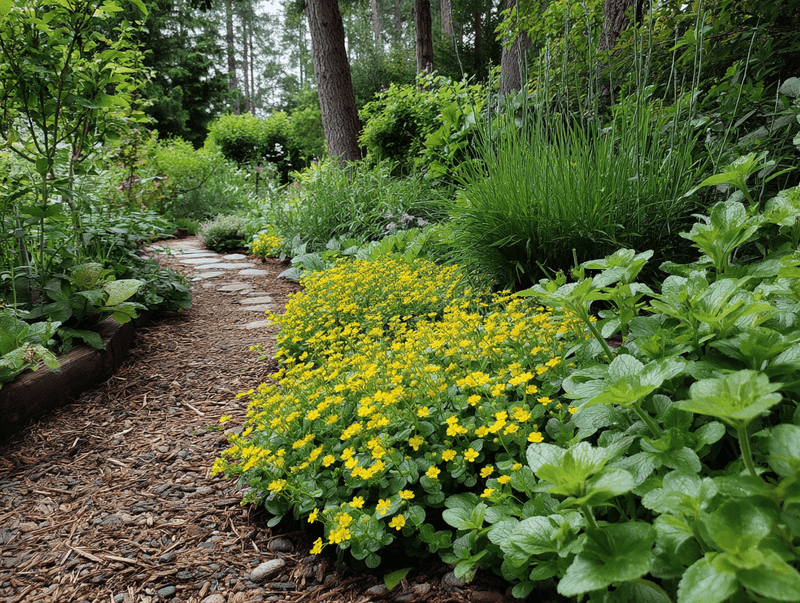
Picture a bed that blooms in spring, keeps flowering lightly through fall, and spreads into a thick mat without any help. Green and gold, a native of the Piedmont and mountains, does exactly that.
Its bright yellow daisy-like flowers pop against fuzzy green leaves.
The plant spreads by short runners, knitting together a low cover a few inches tall. Once it fills in, it can shade out many small weed seedlings before they get going.
Partial shade under trees suits it best, though it handles some morning sun.
Space plants about 12 inches apart this fall, and most beds may close up by the second summer. Small native bees visit the flowers often, which is a nice bonus for a plant doing ground duty.
2. Creeping Phlox
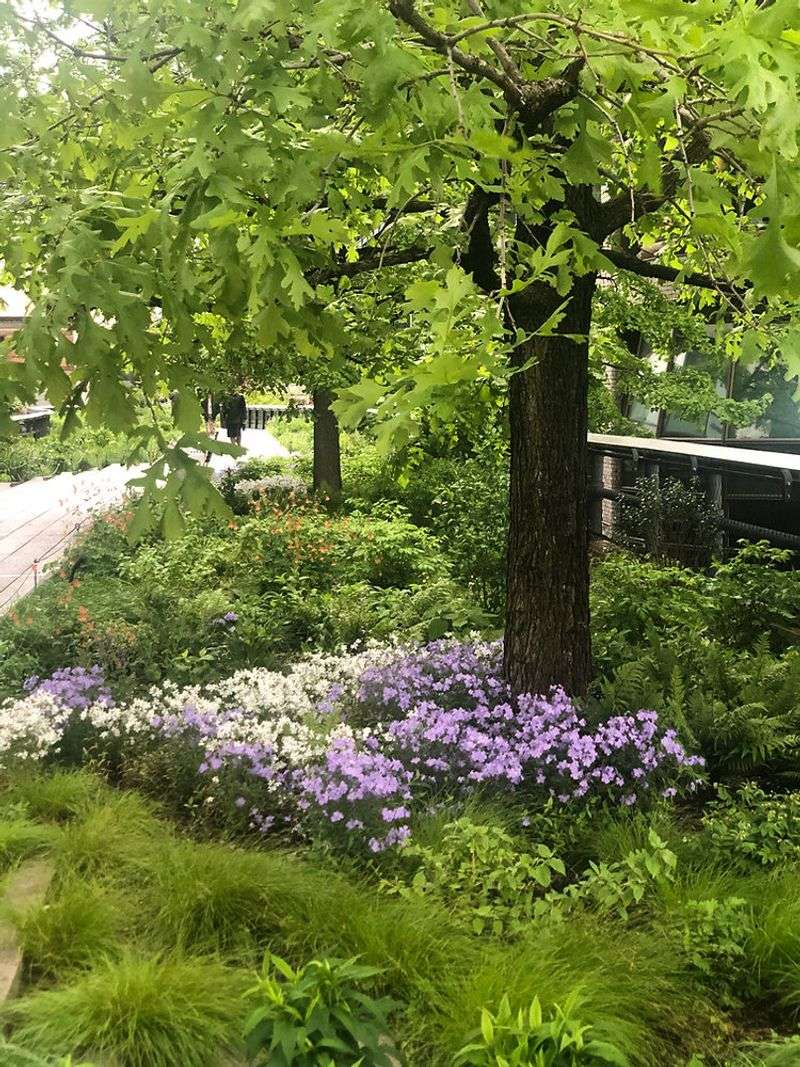
Mountain hikers know the sight: sheets of lavender spilling across shady trail edges each April. That is creeping phlox, a true Appalachian native that behaves beautifully in home beds.
Unlike moss phlox, which wants full sun, this one prefers dappled shade and rich, moist soil. Its leafy stems root as they crawl, forming a dense evergreen mat that stays put all year.
Weeds struggle to find bare ground once it settles in.
Plant it under oaks or along a north-facing walk. Swallowtail butterflies and early bees visit the flowers, giving you spring color and a living mulch in one move.
3. Pennsylvania Sedge
Tired of mowing patchy grass under big trees? Pennsylvania sedge might be the swap you have been waiting for.
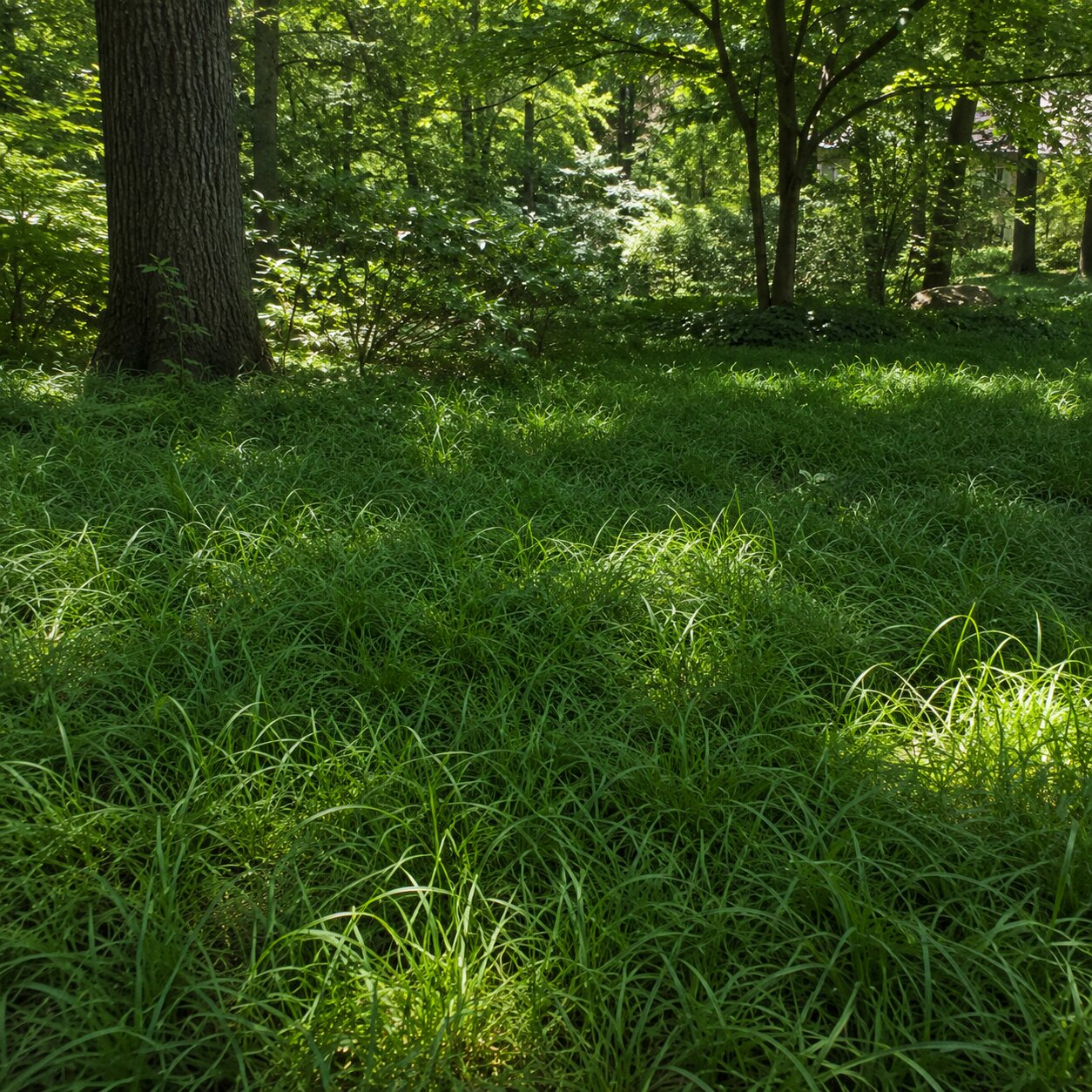
It looks like a soft, flowing lawn but rarely needs cutting.
Its fine blades form a low, dense cover in dry shade, which is exactly where pine straw tends to wash away. Over time the clumps spread by rhizomes and fill gaps where weeds would otherwise move in.
Plant plugs about 8 to 12 inches apart in fall across the Piedmont and mountains. It can handle light foot traffic, making it a solid choice for shady side yards where kids and pets roam.
4. Partridgeberry
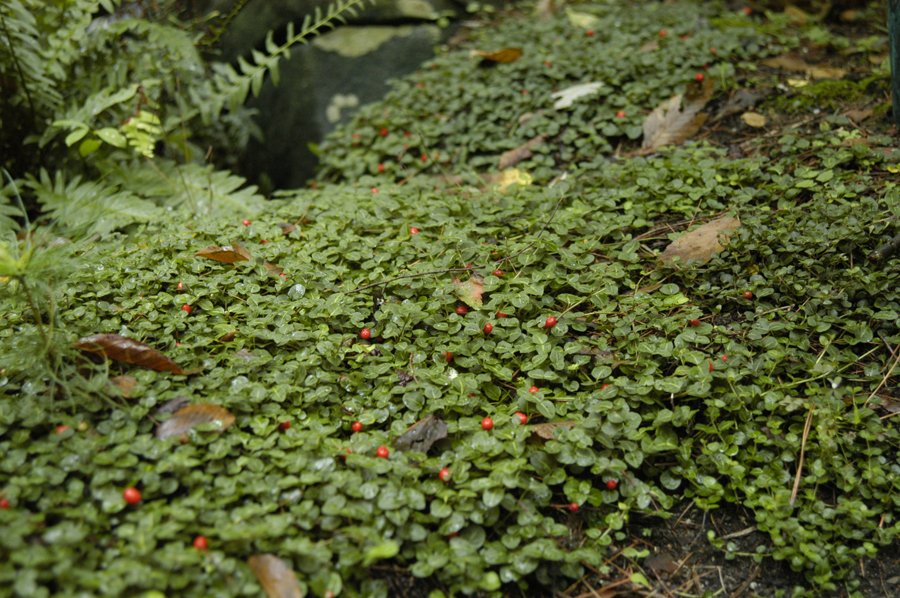
Here is a fun fact: each red partridgeberry forms from two fused flowers, and you can spot two tiny dimples on every berry. Kids love finding them.
This tiny evergreen vine creeps flat along the ground in moist shade, rooting as it goes. It grows slowly, so think of it as a finishing layer between ferns or under shrubs rather than a fast fix for big beds.
Where it does take hold, it forms a tight mat that holds soil and blocks light from weed seeds. Wild turkeys, grouse, and small mammals snack on the berries through winter, which makes it a quiet wildlife helper.
5. Wild Ginger
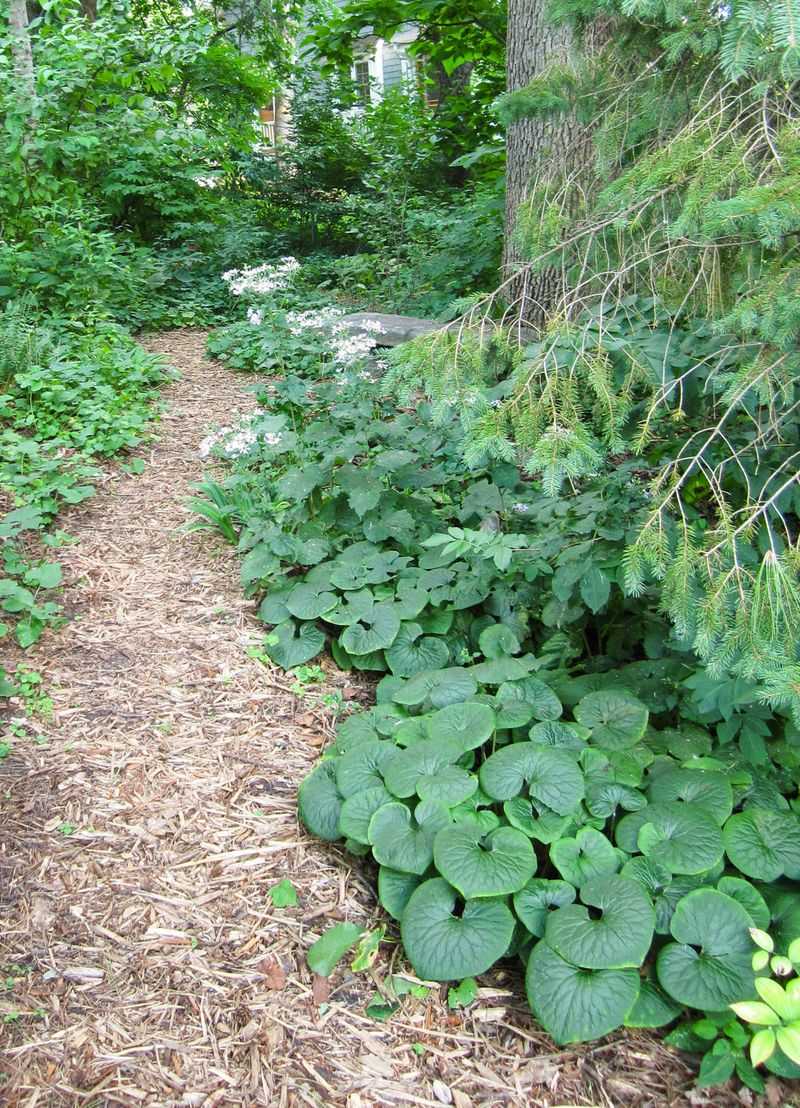
Gardeners with soggy, shady corners often give up and dump more pine straw. Wild ginger offers a better answer.
Its velvety heart-shaped leaves overlap like shingles, shading the soil so thoroughly that few weeds get a chance. The odd maroon flowers hide near the ground and are thought to be visited by early-season insects crawling along the soil.
It goes dormant in winter, so pair it with evergreens if you want year-round cover.
For an evergreen cousin, look at little brown jug (Hexastylis arifolia), which grows wild across much of the state. Both prefer rich soil and steady moisture in the Piedmont and mountains.
6. Golden Ragwort
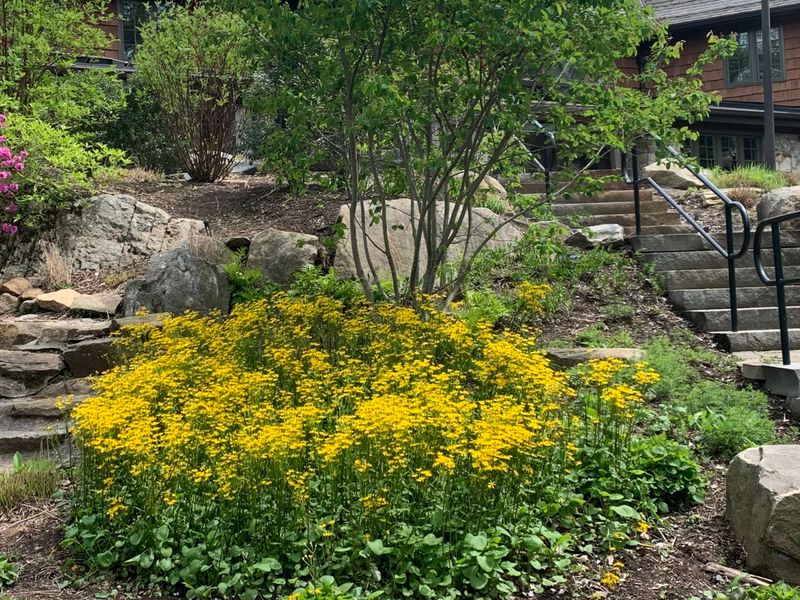
Bold and fast, golden ragwort is the groundcover for people who want results this year, not in three. It spreads quickly by runners and fills a bed with low rosettes that stay green through most winters.
In early spring, yellow flowers shoot up and bring in hungry bees. Afterward, the leaves return to their ground-hugging work.
It thrives in moist spots, rain garden edges, and partial shade across all three NC regions.
A fair warning: it can wander. Give it room or edge it with a path, and it will happily outcompete weeds for you.
7. Foamflower
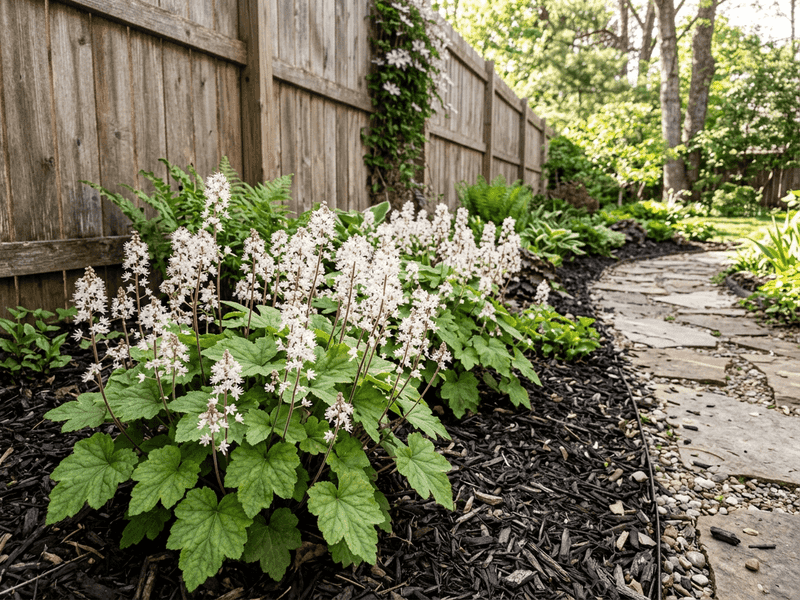
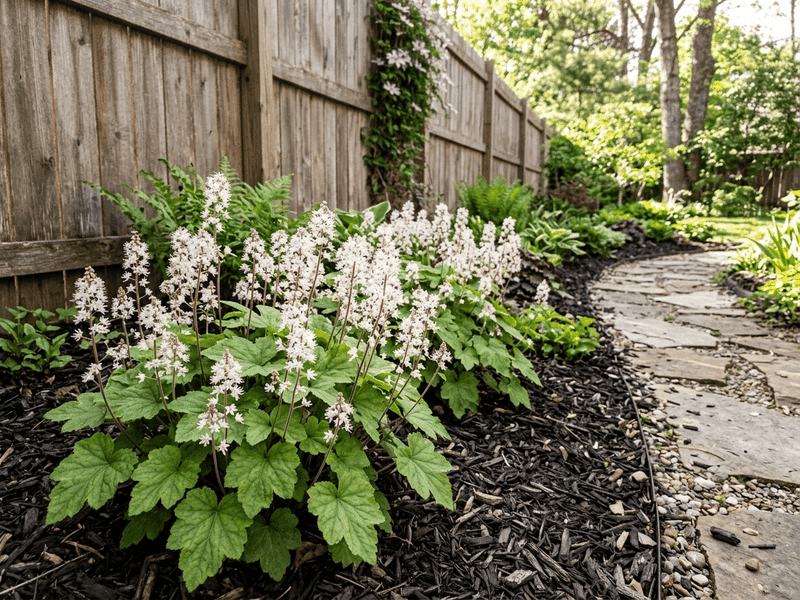
Soft as a cloud in April, foamflower earns its name with frothy white spikes rising over neat, maple-shaped leaves. Native to our mountains and upper Piedmont, it feels right at home in shady beds.
Running types spread by stolons, building a full cover in a couple of seasons. The leaves often blush bronze in fall and hold on through mild winters.
Choose a spreading form rather than a clumping one if weed control is your goal. Mix it with creeping phlox for a layered look that leaves very little bare soil behind.
8. Sunshine Mimosa
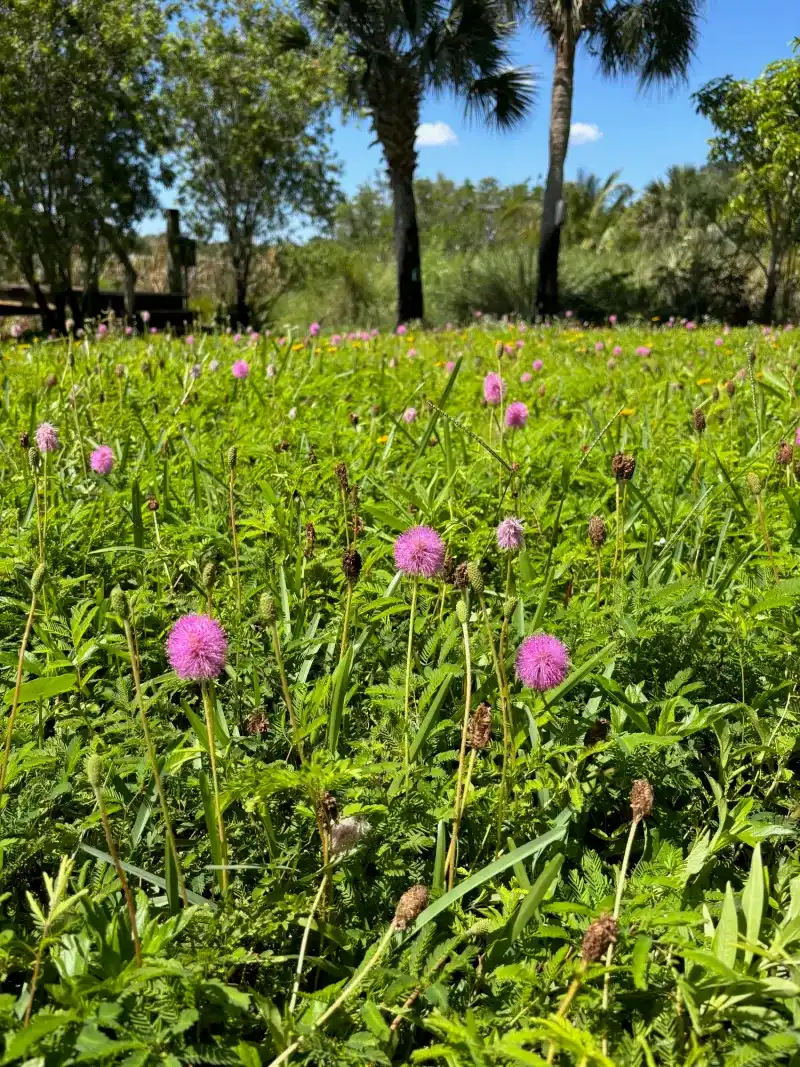
Coastal plain gardeners, this one is for you. Sunshine mimosa thrives in sandy soil and full sun, where shade lovers on this list would fry.
It sends out runners that form a dense mat with fluffy pink puffball flowers all summer. The ferny leaves fold when touched, which children find endlessly entertaining.
Bees swarm the blooms in hot weather.
It can handle light foot traffic and needs little water once rooted. It is native farther south along the coast, so it may die back in colder Piedmont winters, but in warmer eastern yards it can be a strong weed blocker.
9. Christmas Fern
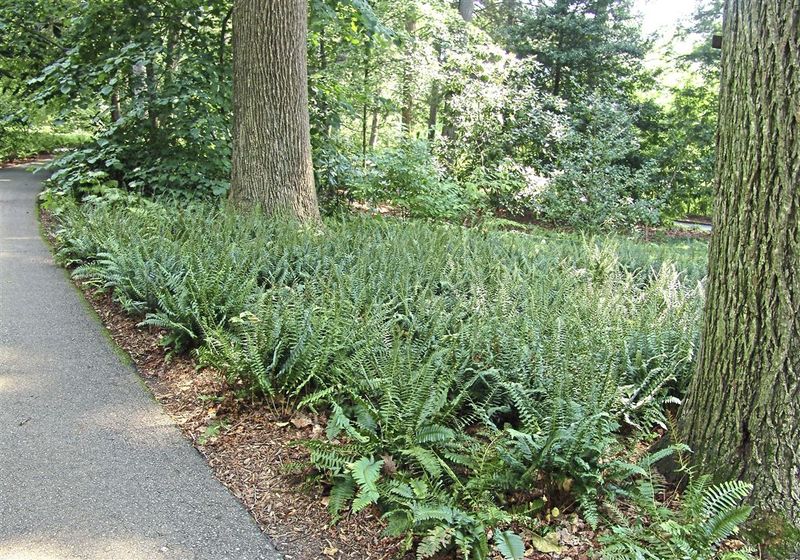
When December rolls around and most plants have quit, Christmas fern still stands green. Early settlers reportedly used the fronds for holiday decorating, which explains the name.
Planted in groups, the arching fronds overlap and shade the ground, making life hard for weeds on shady slopes. Fallen fronds break down into rich mulch right where they land.
It handles dry shade better than most ferns, too.
Set plants about 18 inches apart this fall. It grows well statewide and gives toads and ground beetles cool shelter, a small win for your local wildlife.