
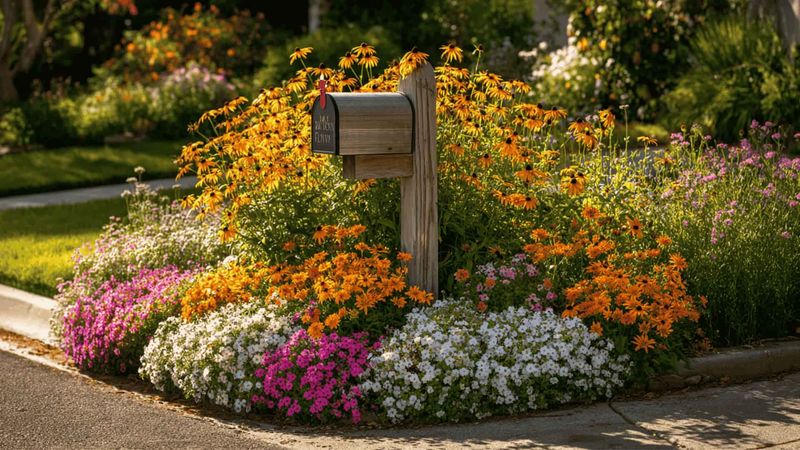
Mailbox beds are easy to overlook, but a well-chosen planting can turn that strip of roadside dirt into something genuinely worth noticing. For a sunny North Carolina mailbox site with decent drainage, three native or regionally proven perennials work especially well together: butterfly weed, black-eyed Susan, and little bluestem.
Each one earns its spot with season-long color, real wildlife value, and a toughness that suits the punishing conditions near pavement. Get the site and layout right, and the result is a colorful, lower-maintenance bed that supports pollinators and looks sharp from the street.
A Three-Plant Mix Adds Seasonal Color and Lasting Structure
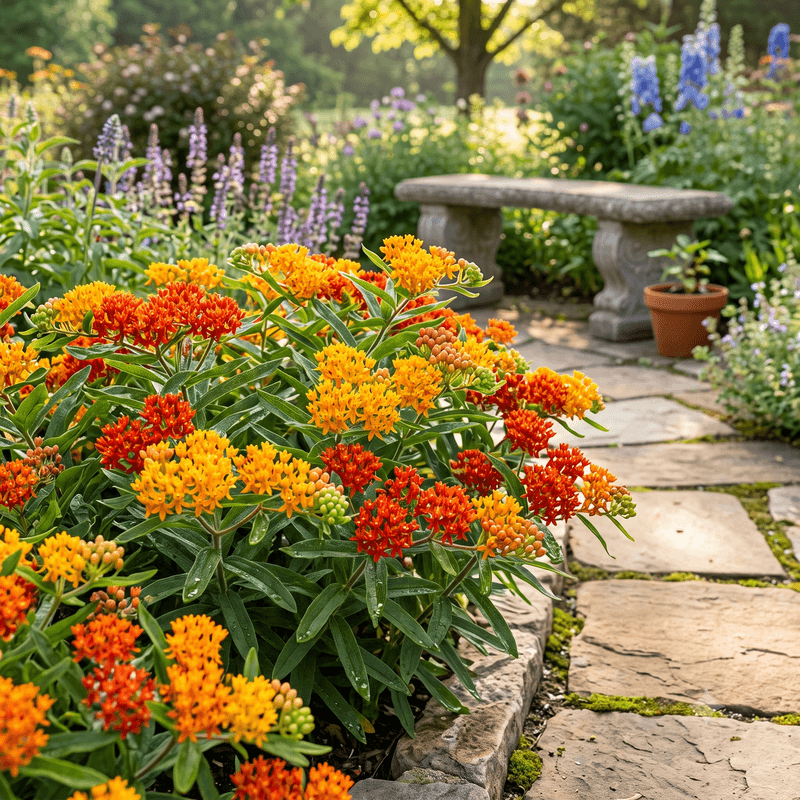
Pairing butterfly weed, black-eyed Susan, and little bluestem around a mailbox works because the three plants cover different seasons and play different roles without competing for the same visual moment. The two flowering perennials carry the color load from late spring through fall, while the grass quietly holds the planting together when nothing is in full bloom.
NC State Extension’s profile of butterfly weed confirms it as a North Carolina-native herbaceous perennial suited to full sun and average-to-dry well-drained soil, with documented nectar value for butterflies and larval-host value for monarchs and other caterpillars. Rudbeckia, which includes the black-eyed Susans, handles hot and humid conditions, tolerates drought after establishment, and supports pollinators through a long flowering window.
Little bluestem is also a North Carolina native, growing in tight clumps with blue-green summer foliage that shifts to copper as temperatures drop in fall and winter.
Together, the three plants create a planting that offers warm-season flowers, between-bloom structure, and year-round form. That is a practical design result, not a guarantee that any particular mailbox will rank above the neighbors.
The combination works best where the bed receives at least six hours of direct sun daily and drains reliably, so wet, shaded, or heavily compacted sites may call for a different approach.
Butterfly Weed Supplies Orange-Yellow Summer Color and Host-Plant Value
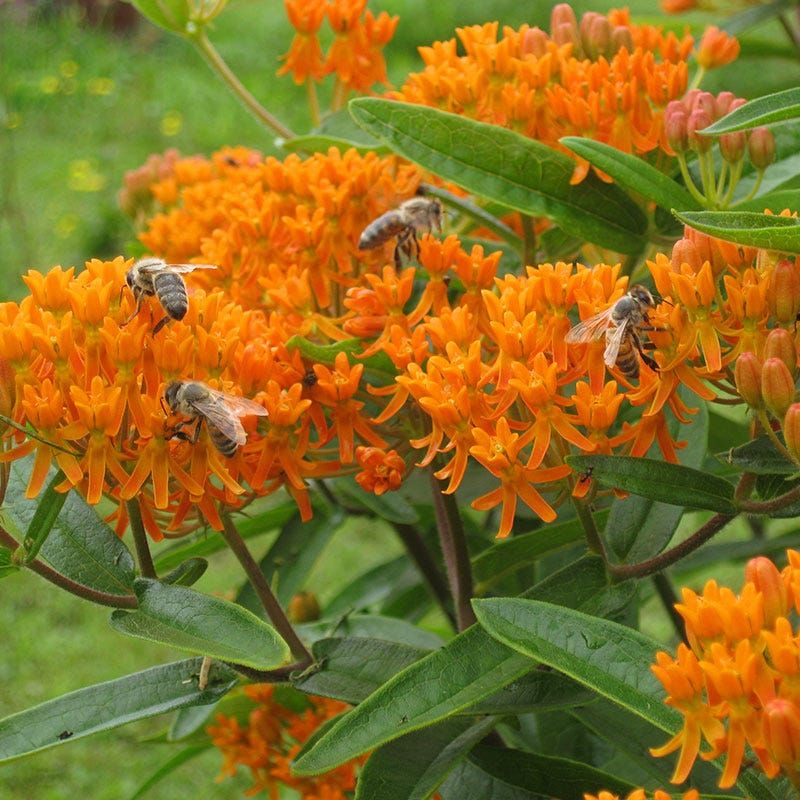
Asclepias tuberosa earns its place at the front of a mailbox bed through a combination of vivid color and genuine ecological function. Its flower clusters open in shades of orange to yellow during summer, attracting butterflies, bees, and other pollinators that are actively foraging on warm days.
Beyond nectar, the plant’s foliage serves as a documented larval food source for monarch caterpillars and several other species.
Mature plants typically reach about one to two feet tall, which keeps them from blocking the mailbox or crowding the carrier’s approach. NC State Extension’s plant profile describes butterfly weed as preferring full sun and average-to-dry well-drained soil, with low maintenance needs and moderate salt tolerance once established.
That profile fits the often harsh conditions near a paved road, though it does not mean every roadside microclimate will suit the plant equally well.
A few practical details matter before buying. Butterfly weed develops a deep taproot that anchors the plant and improves drought resistance over time, but that same taproot makes transplanting difficult.
Moving an established plant usually kills it, so place it where it can stay permanently. Growing from seed takes patience, often two or three years before the plant flowers, which makes nursery-grown stock the more useful choice for a bed where curb appeal is the goal.
One caution worth keeping in mind: NC State notes that butterfly weed has low-severity poisonous characteristics, and its milky sap can cause contact dermatitis in sensitive individuals. Handle it with gloves, and consider that detail if children or pets regularly access the area near the mailbox.
Documented wildlife support from this plant is real, but actual butterfly or monarch activity depends on surrounding habitat, weather, and how well the plant establishes in your specific spot.
Black-Eyed Susan Extends Reliable Warm-Season Flowering
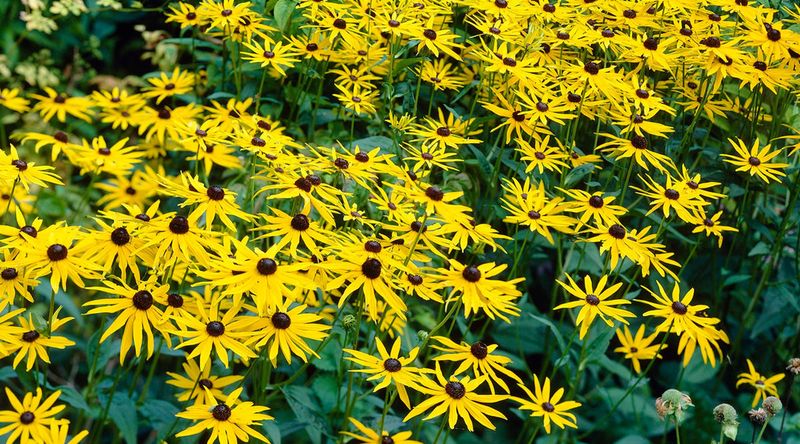
Rudbeckia brings a long flowering window that few other native perennials can match in the summer heat. Rudbeckia fulgida, one of the most commonly recommended species for North Carolina gardens, can bloom from early summer into fall, providing a reliable yellow layer that holds the planting’s color through the hottest months when many other plants take a break.
NC State’s profile of Rudbeckia fulgida describes it as a perennial that handles hot and humid summers, tolerates drought once established, and supports pollinators through its flowering period. The broader Rudbeckia genus profile confirms tolerance of full sun, poor soil, and dry-to-moist conditions, making it a practical fit for a roadside bed that may dry out quickly near pavement.
Species and cultivars within Rudbeckia vary more than the common name suggests. Heights can range from about one and a half feet to over three feet depending on the selection, and bloom timing and spread differ as well.
Checking the mature dimensions of the specific cultivar before purchasing helps avoid surprises when plants fill in.
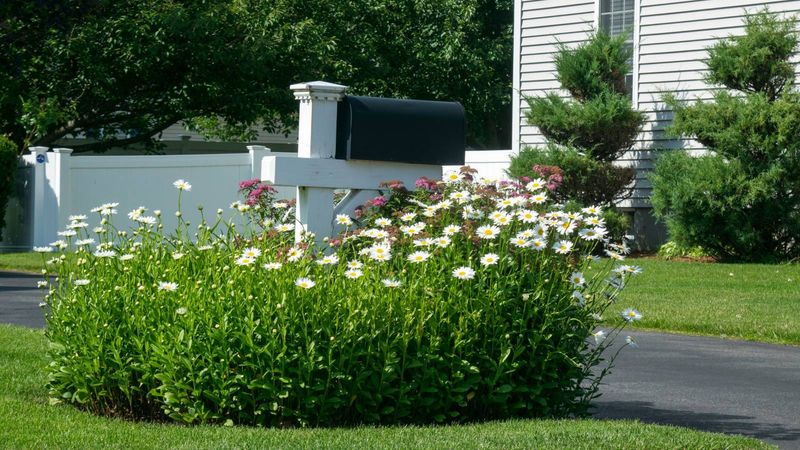
Rather than planting a single black-eyed Susan, repeated small groups or a short drift through the middle of the bed creates a more cohesive look and provides a better resource for visiting pollinators. One isolated plant tends to disappear visually at street distance, while a grouping of three or five plants reads clearly from a passing car or from the sidewalk.
That massing approach also makes the planting feel intentional rather than accidental, which is the difference between a designed bed and a random collection of plants.
Little Bluestem Carries Color and Form Into Fall and Winter
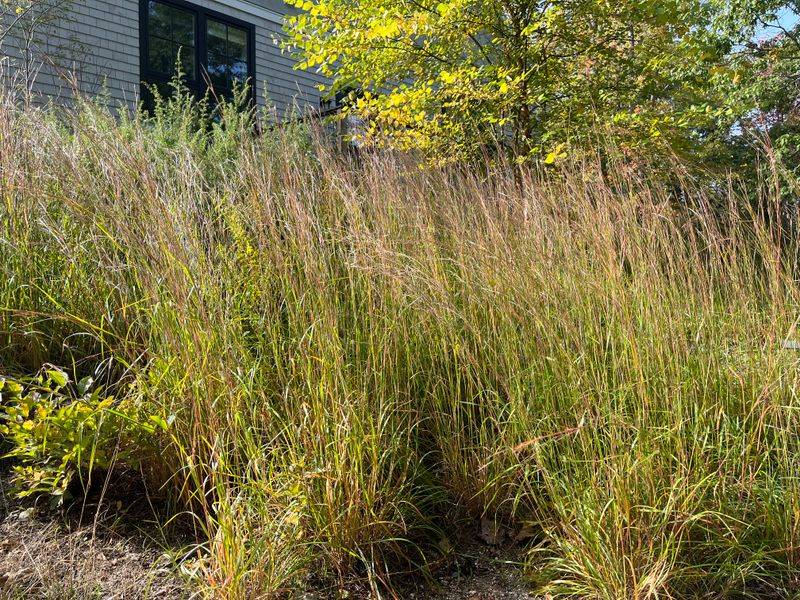
Most mailbox plantings look tired by October. Little bluestem is one of the reasons this combination does not have that problem.
Where butterfly weed and black-eyed Susan wind down as temperatures cool, the grass shifts into its most striking phase, turning copper, bronze, and rust as fall progresses and holding that warm color through the winter months.
NC State Extension’s profile of little bluestem describes it as a North Carolina-native perennial grass that grows in narrow upright clumps, typically two to four feet tall, with blue-green foliage in summer. That clumping form is an asset in a tight mailbox bed because the plant does not spread aggressively or flop over into the carrier’s path the way some ornamental grasses can.
It performs best in full sun and well-drained average-to-dry soil, tolerates clay and infertile conditions, and develops strong drought resistance after the first season or two of establishment.
The wildlife contributions of little bluestem extend beyond its visual role. Seed heads that remain on the plant through winter provide food for songbirds and small mammals, and the dense basal clumps offer cover.
Some butterfly species also use it as a larval host plant. That documented resource value is real, but how many birds or butterflies actually visit depends on surrounding habitat, pesticide exposure in the neighborhood, weather, and how well the plant establishes in a particular spot.
Because of its upright, narrow form and year-round presence, little bluestem functions as the structural anchor of the planting. It gives the bed a defined shape even in January when the flowering perennials have died back to the ground, which is exactly what a roadside bed needs to look cared-for through the off-season rather than abandoned.
Layer the Plants Around Delivery and Roadway Clearances
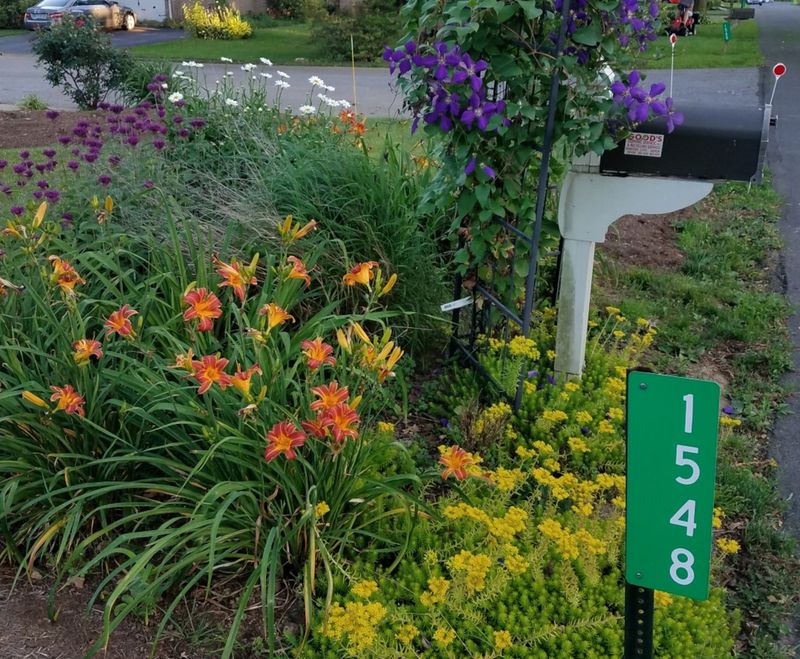
A practical layout for this trio places little bluestem toward the rear or house side of the bed, where its two-to-four-foot height creates a backdrop without crowding the mailbox itself. Black-eyed Susan goes through the middle zone, and shorter butterfly weed sits toward the road-facing edge.
That front-to-back arrangement follows the plants’ documented mature heights and keeps taller growth away from the delivery side. It is a design recommendation based on those heights, not a formal state prescription.
Spacing within the bed should be based on each plant’s mature spread, not on how small the nursery container looks at purchase. Planting in small repeated groups of three to five rather than one of each makes the design read more clearly from the street and gives pollinators a more useful resource patch.
Keep every plant far enough from the mailbox door, post, and carrier approach path that a mail carrier can open the box and deposit or retrieve mail without pushing through dense foliage or stems.
USPS Mailbox Improvement Week guidance recommends placing a curbside mailbox so the door is 41 to 45 inches above the road surface and set back six to eight inches from the road edge or curb. Landscaping that interferes with delivery access creates problems with service, so clearance around the box is non-negotiable.
Before any planting begins, contact 811. NC State Extension’s landscape design guidance recommends utility marking before digging because underground lines can run through mailbox areas without obvious surface indicators.
Right-of-way rules add another layer of planning. NCDOT guidelines for planting within the highway right-of-way state that vegetation generally cannot be placed in the state right-of-way without a written permit, with clear zones, low vegetation, and roadway visibility as priorities.
NCDOT’s driveway access policy references a 42-inch height limit for vegetation in sight-distance triangles at specified roadway contexts, but that figure does not apply universally to every mailbox location. Check applicable state, county, and municipal rules for your specific address before planting anything near the road edge.
Establishment Care Makes the Lower-Maintenance Design Work
Calling these plants low-maintenance is accurate once they are established, but that phrase can set up false expectations during the first season or two. New plants need consistent attention to root in successfully, and skipping early care is one of the most common reasons a native planting underperforms.
Fall is generally a favorable planting season in North Carolina because roots can develop while shoot growth and water demand are lower. Spring works as a second option.
NC State Extension’s lawn and landscape guidance recommends watering new plantings regularly until they are established, and the native plants chapter is explicit that even native perennials may need supplemental irrigation during hot, dry periods and after planting. A mailbox bed near pavement can dry out faster than a typical garden bed because of reflected heat and compacted soil, so check soil moisture more often than you might expect to.
A two-to-three-inch layer of organic mulch applied after planting conserves moisture, moderates soil temperature, and suppresses weeds that would otherwise compete with establishing plants. NC State’s herbaceous ornamentals guidance recommends keeping mulch pulled back from plant crowns and stems to avoid rot and pest problems at the base of the plant.
Seasonal maintenance for each plant is straightforward but should not be skipped. Little bluestem performs best when cut back to the ground in late winter or early spring, which clears old growth and encourages a fresh flush of blue-green foliage.
Rudbeckia can be deadheaded during the season to encourage additional blooms, but leaving some seed heads through fall and winter gives birds a food source worth having. Butterfly weed needs minimal pruning but should not be moved once established because of its deep taproot.
For an immediate curb-appeal result, nursery-grown butterfly weed plants are far more practical than starting from seed, which can take two to three years to reach flowering size.
Test the Mailbox Site Before You Buy the Plants
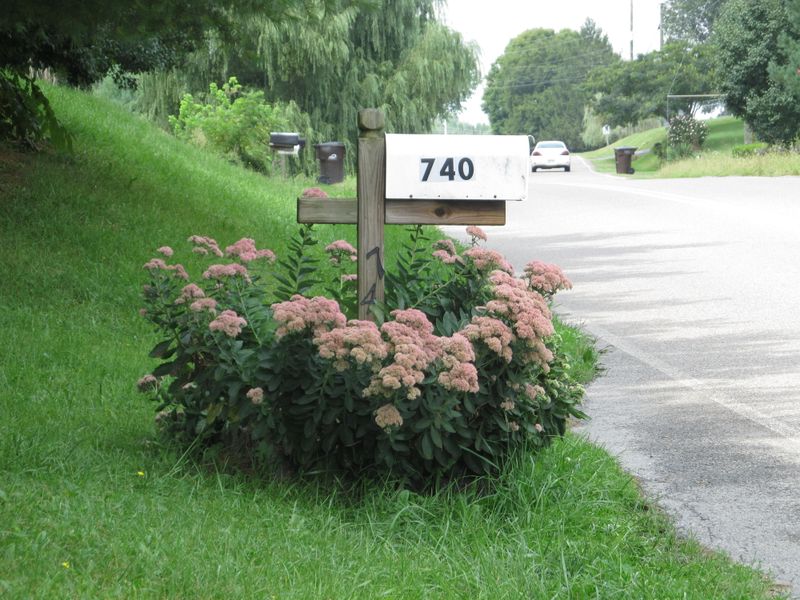
North Carolina spans mountains, Piedmont, Sandhills, and Coastal Plain, and those regions differ enough in soil, moisture, elevation, and microclimate that a combination thriving in a dry Piedmont mailbox bed might struggle in a wet mountain site or a heavily shaded suburban location. The NC Native Plant Society’s landscape guidance emphasizes matching plant selection to specific local conditions rather than assuming any native combination works everywhere in the state.
Before buying plants, spend a few days observing the actual site. Count the hours of direct sun on a clear summer day.
Watch where water pools after rain, and note how quickly the soil dries out. Butterfly weed and little bluestem are both poor choices for a persistently wet bed.
NC State’s profile for butterfly weed specifically warns against wet conditions, and little bluestem similarly prefers well-drained soil. If the site stays soggy after rain, the combination needs to change regardless of how well it works elsewhere.
Mailbox beds present microclimate challenges that typical garden beds do not. Pavement reflects heat, road spray can deposit salt, and soil near a curb is often compacted from foot traffic or previous construction.
Butterfly weed has moderate salt tolerance, and little bluestem handles urban conditions reasonably well, but neither plant is proven to thrive in every difficult roadside microclimate. NC State’s native plants chapter is clear that urban conditions often differ substantially from natural habitats, and that watering, fertilization, and maintenance needs vary accordingly.
One firm rule applies regardless of site: do not collect plants from the wild. NC State recommends purchasing plants propagated from local seed or cuttings because wild collection can damage natural populations and collected specimens often transplant poorly.
Look for nurseries that sell propagated native stock rather than dug plants, and ask about the source when buying butterfly weed in particular.
Protect Pollinators With a Diagnose-First Pest Strategy
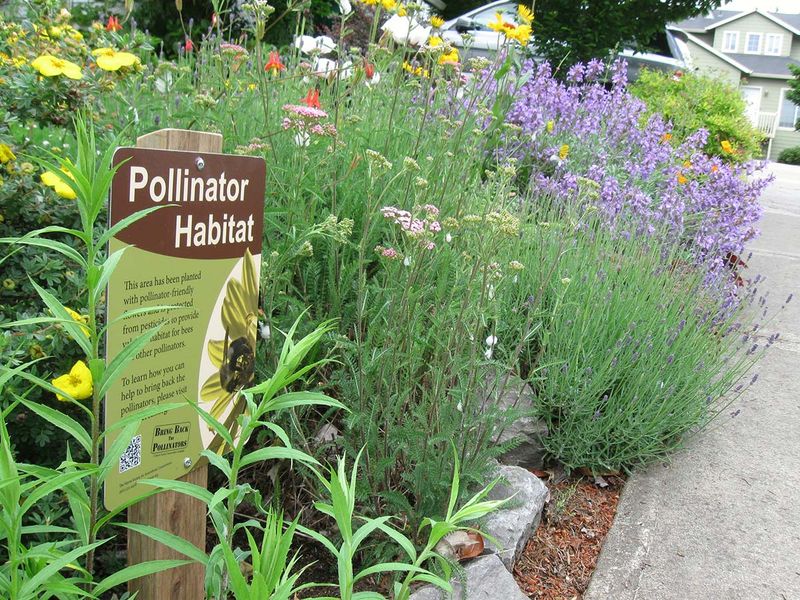
Chewed leaves on a native plant do not automatically signal a crisis. Many of the insects feeding on butterfly weed, black-eyed Susan, and little bluestem are part of the food web the planting is meant to support.
Reaching for a spray bottle at the first sign of leaf damage can undercut the wildlife value the bed is designed to provide.
Pollinator Partnership recommends diagnosing the pest or plant problem first, then using integrated pest management strategies before applying any pesticide. That means identifying what is actually causing the damage, considering whether the plant is healthy enough to tolerate it, and choosing the least-disruptive response.
When treatment is genuinely necessary, following the pesticide label exactly and avoiding applications to blooming plants while pollinators are active protects the bees, butterflies, and other beneficial insects visiting the bed.
Reducing unnecessary pesticide use in a pollinator planting is straightforward in practice. Most established native perennials in a well-matched site can tolerate moderate insect feeding without significant long-term harm.
Monitoring the planting regularly and catching problems early gives more options than waiting until damage is severe. NC State’s native plants guidance reinforces that properly sited natives tend to need fewer interventions, though urban and roadside conditions can still produce pest pressure that warrants attention.
Providing documented nectar, larval-host, seed, and cover resources is what this planting does well. Whether monarchs, native bees, or songbirds show up in numbers depends on factors outside any single gardener’s control, including surrounding land use, seasonal conditions, and how well the plants establish.
The goal is to make the habitat available, then let the wildlife respond on its own terms.
Use the Trio When the Site Supports It
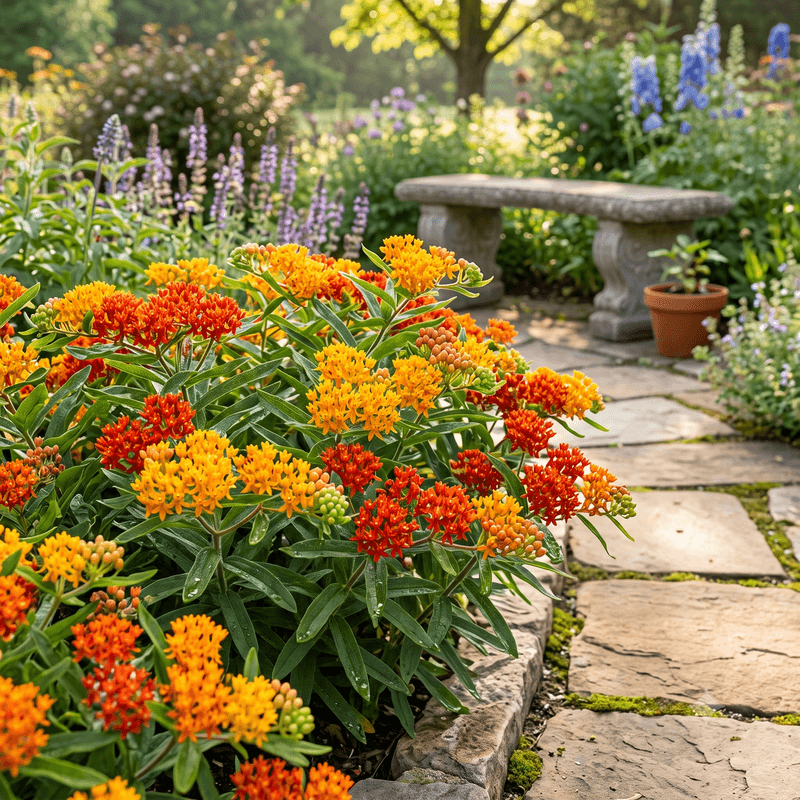
Choose butterfly weed, black-eyed Susan, and little bluestem when the bed gets at least six hours of direct sun, drains reliably, has room for plants that can reach two to four feet, and clears all delivery, utility, roadway, and right-of-way requirements. When those conditions line up, each plant contributes something distinct: butterfly weed brings orange-yellow summer flowers and monarch larval-host value, black-eyed Susan extends warm-season color from early summer into fall, and little bluestem supplies blue-green summer structure and copper winter form that holds the bed together long after the flowers are gone.
The strongest results come from correct placement, good establishment care, and consistent early watering, not from planting once and stepping back. Sites that are shaded, wet, compacted, heavily salted, or subject to right-of-way restrictions need a different plan, and there is no single combination that suits every North Carolina mailbox.
For the right site, though, this trio creates a colorful, wildlife-friendly planting that earns its place at the curb through every season of the year.