
Fireflies need more than dark summer nights. They also need cool, slightly damp places with leaves, stems, and low cover where adults can rest and young fireflies can develop near the soil.
By planting the right North Carolina natives, you can make your yard look better while giving these glowing insects a place to stick around.
1. Christmas Fern
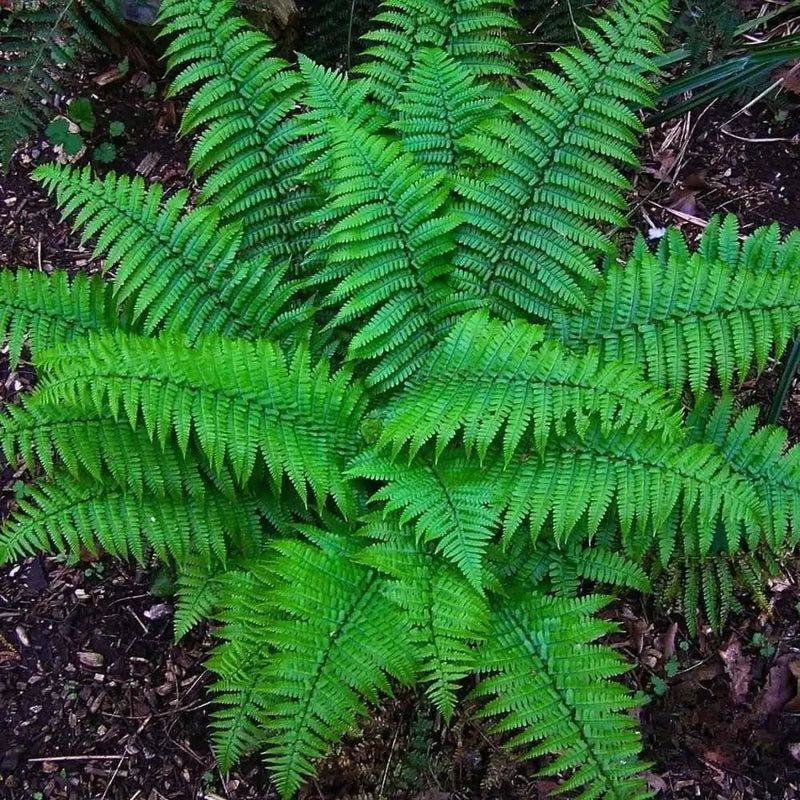
Nothing makes a firefly-friendly bed feel settled faster than a drift of Christmas fern. Its glossy, evergreen fronds stay low and full, which helps create the cool, sheltered layer many insects use during hot North Carolina summers.
For gardeners in the Piedmont and mountain regions, that year-round cover is a big deal because bare soil dries out quickly and loses the soft, protected feel fireflies seem to favor.
Christmas fern earns its spot by doing quiet work all year. It helps shade the ground, catches fallen leaves, and softens the edge under trees where moisture tends to linger a little longer.
That combination can support the damp, leafy conditions firefly larvae need near the soil, especially when you let natural leaf litter stay in place instead of tidying everything away.
Use it along shaded walkways, beneath oaks, or in the north side of the house where turf struggles anyway. Once established, it is fairly low effort and far better for this job than a clipped, open border.
If your yard feels too exposed at ground level, Christmas fern is one of the easiest native fixes.
2. Foamflower
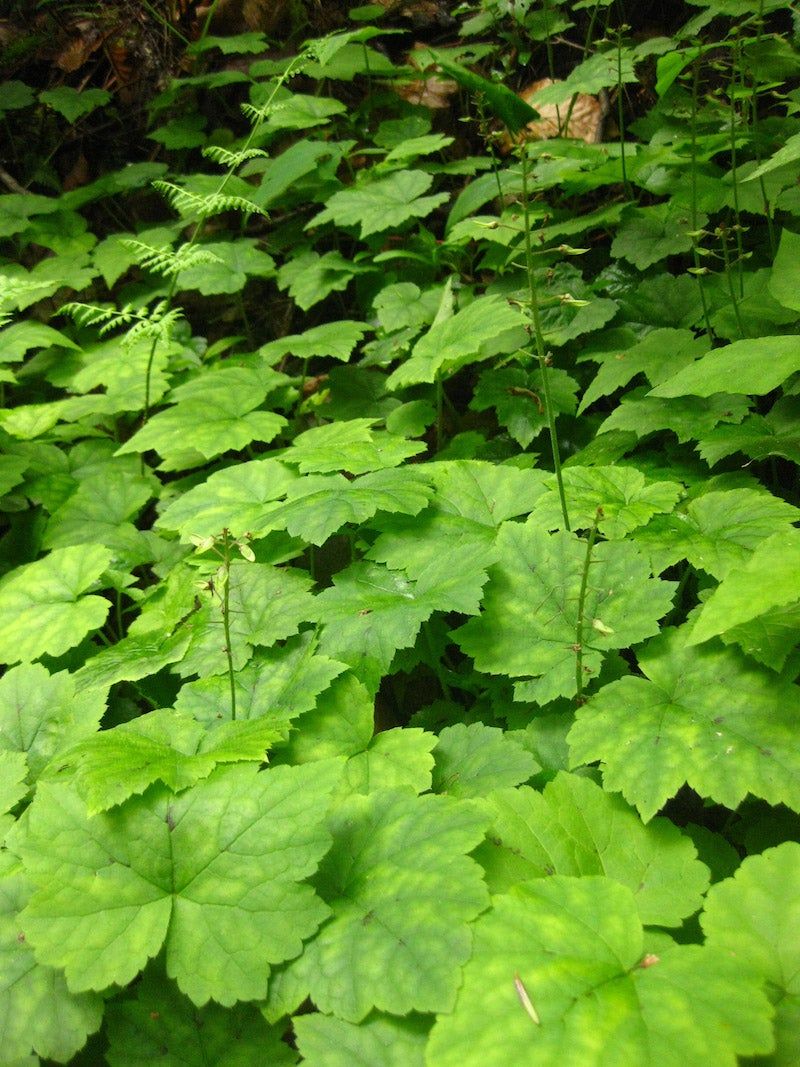
Soft groundcover can be the missing piece in a yard that looks nice by day but feels empty at dusk. Foamflower spreads into a leafy carpet, filling those gaps between shrubs and ferns where the soil would otherwise sit exposed.
In a firefly habitat, that matters because low cover helps hold humidity near the ground and gives small creatures safer places to move.
Unlike plants that disappear after blooming, foamflower keeps pulling its weight with attractive foliage. The leaves form a living layer that cools the soil surface, especially in part shade with decent organic matter.
Home gardeners in the coastal plain and Piedmont can use it to turn thin, patchy shade beds into something fuller and more stable without adding a lot of maintenance.
Plant it where downspouts, trees, or larger shrubs already create a little shelter. It pairs especially well with Christmas fern and native sedges, making the bed feel layered instead of flat.
For anyone trying to bring fireflies back without building a wild-looking mess, foamflower offers a neat middle ground between tidy landscaping and real habitat.
3. Appalachian Sedge
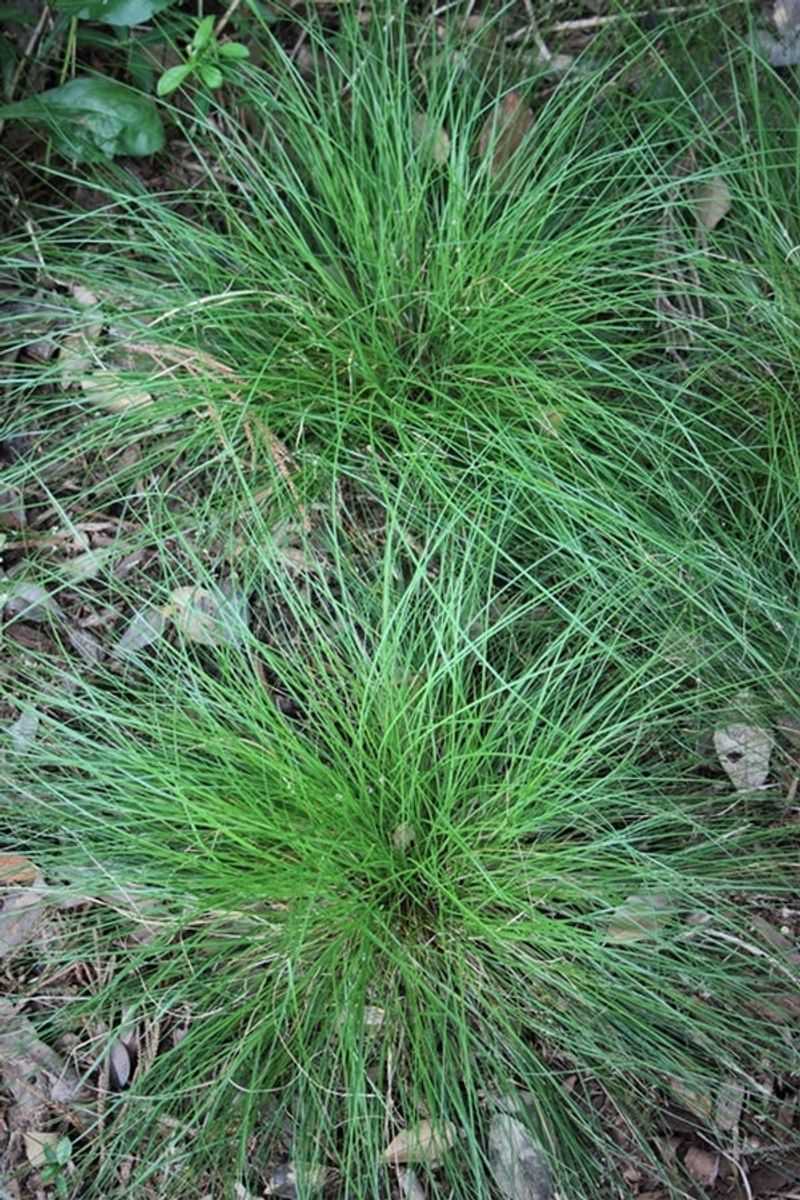
For yards that need a lawn alternative in shade, Appalachian sedge solves two problems at once. It gives you a softer, more natural floor under trees, and it builds the kind of low, grassy cover that can make a bed friendlier to fireflies.
Instead of a hard line between mulch and open space, you get a gentle layer where moisture hangs on longer and the ground stays cooler.
One reason this plant stands out is texture. The narrow blades weave together into small hummocks and drifts, creating lots of tiny hiding places without turning the bed into a jungle.
That structure can be useful around the base of shrubs, along paths, or beside patios where homeowners want habitat value but still need a clean look.
In North Carolina, especially across the Piedmont, it fits well in dry shade to medium-moist conditions once established. Keep fallen leaves scattered lightly among the clumps and skip heavy raking.
If you are trying to cut back on struggling turf while helping beneficial backyard wildlife, Appalachian sedge is one of the smartest swaps you can make.
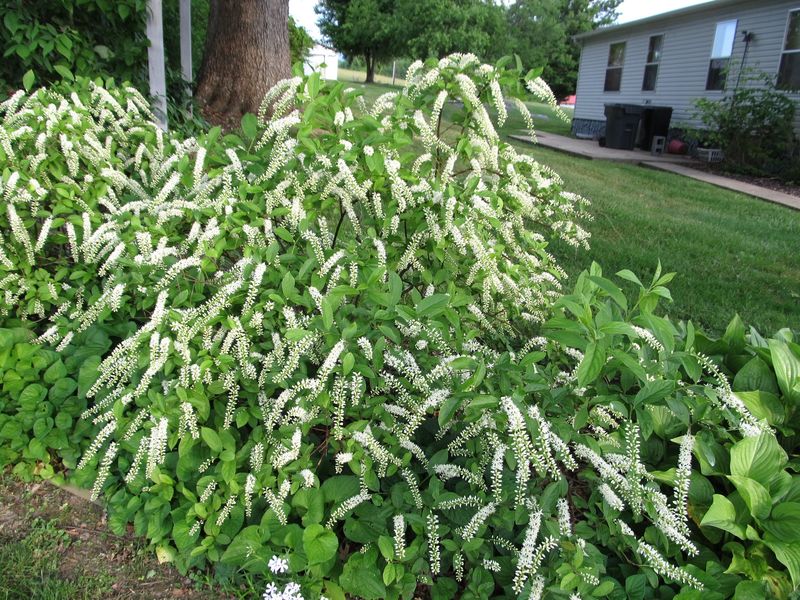
4. Virginia Sweetspire
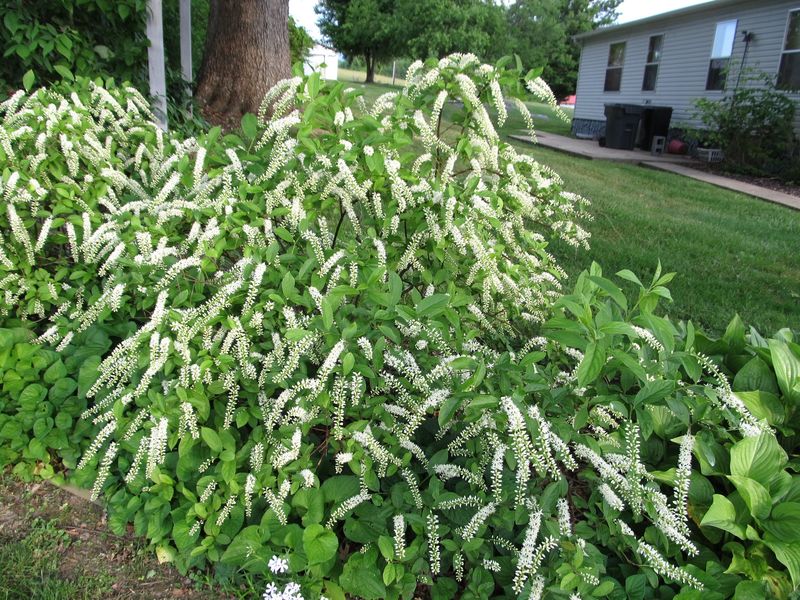
Arching stems and dense summer foliage give Virginia sweetspire a very different role from groundcovers and ferns. It creates a mid-level thicket, which helps turn a simple planting bed into a layered hideout.
Fireflies do not use just one height in the garden, so that extra structure can make a yard feel more welcoming than a flat bed with only mulch and annuals.
Sweetspire is especially useful in spots that stay a bit damp after rain. Along a swale, near a downspout outlet, or at the edge of a rain garden, it grows into a leafy mass that shades the soil beneath it.
In practical terms, that means less summer stress on the bed and a better chance of holding the cool, sheltered conditions that support the insects fireflies share space with during their life cycle.
North Carolina gardeners also get a bonus: spring flowers and strong fall color. That makes it easier to justify habitat planting in visible parts of the yard, including front beds.
If your goal is a wildlife-friendly landscape that still looks intentional, Virginia sweetspire brings that polished-but-useful quality many native shrubs struggle to deliver.
5. Oakleaf Hydrangea
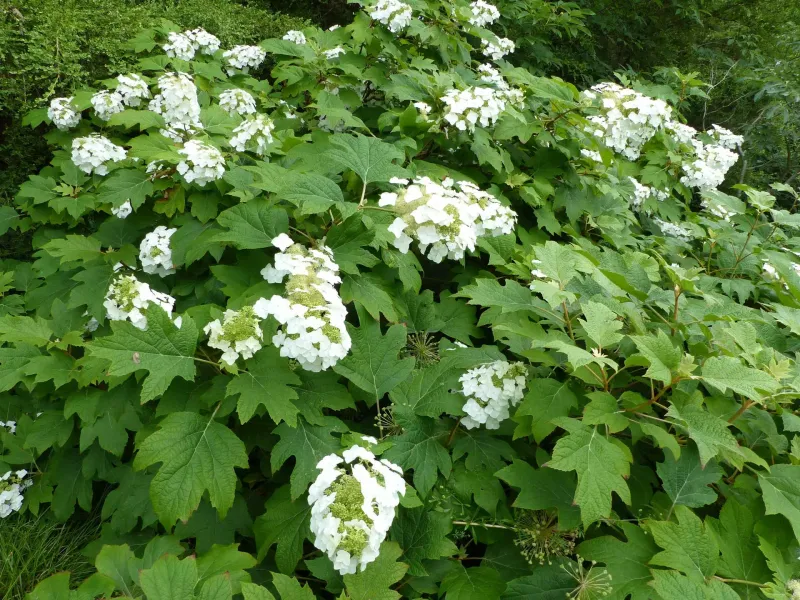
Big leaves can change a planting bed in a hurry, and oakleaf hydrangea proves it. The broad foliage throws real shade at soil level, helping the ground stay cooler through North Carolina’s sticky summer stretch.
For fireflies, that kind of sheltered understory may be more useful than a bed full of small, widely spaced plants that lets heat and dryness creep in.
What makes oakleaf hydrangea different is the amount of cover it provides without asking for constant pruning. Its branching habit creates pockets beneath and between stems, while fallen leaves add another layer if you let them rest under the shrub.
In mountain and Piedmont gardens, it is a strong choice for woodland edges, foundation beds with morning sun, or the shaded side of a patio where you want a fuller backdrop.
There is also a homeowner payoff beyond habitat. Summer blooms, handsome bark, and rich fall color make this one feel ornamental in every season.
That matters because the best firefly planting is often the one you are happy to keep for years. Oakleaf hydrangea can anchor a bed beautifully while quietly building the leafy refuge those evening flashes need nearby.
6. Spicebush
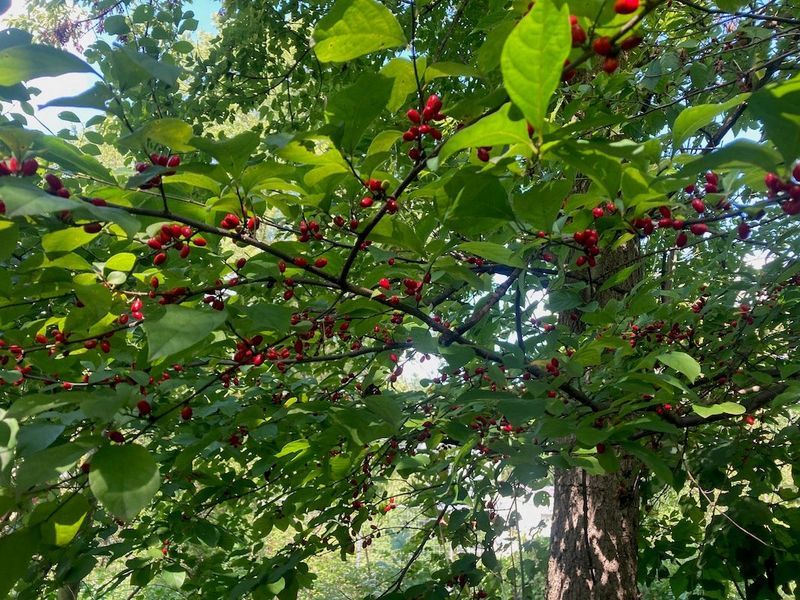
Here is the shrub for gardeners who want their yard to feel a little more alive without taking on a major project. Spicebush has a loose, natural shape, but once grouped in twos or threes it forms a cool understory screen that works hard for wildlife.
Fireflies benefit from that sheltered middle layer, and homeowners get a native shrub that supports far more than just one flashy summer insect.
Spicebush tends to shine in part shade with decent moisture, making it a strong fit near tree lines, fence edges, and backyard borders that are too dim for showier sun plants. Underneath the canopy, the soil stays more protected, and leaf litter often gathers naturally.
That is exactly the kind of less-disturbed zone many beneficial insects prefer, especially compared with open, heavily raked beds.
Another reason to plant it is the wildlife chain it supports. Birds use the cover, swallowtail butterflies use it as a host plant, and the whole area starts functioning more like a small native habitat patch.
For North Carolina homeowners trying to do right by the land while keeping the yard attractive, spicebush is a practical, high-value addition.
7. River Oats
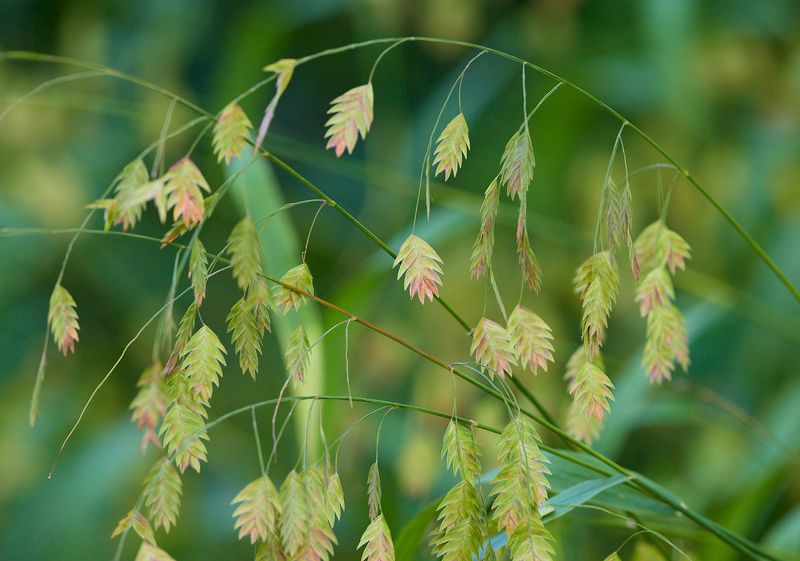
Movement changes how a garden feels, and river oats brings that easy, rustling motion while still helping with cover. The arching leaves and dangling seed heads catch light beautifully, but the bigger win for fireflies is the dense colony this native grass can form in the right spot.
That mass creates shade at the base and a more protected zone than open mulch alone.
River oats is especially handy where you need to bridge the space between shrubs and the ground layer. It fills in the middle with an airy look from a distance, yet near the soil it is much denser than people expect.
In part shade across much of North Carolina, it can help soften property lines, naturalize a side yard, or turn the edge of a wooded backyard into a cooler, more habitat-rich strip.
Give it room, because it can spread by seed. That is not always a downside.
In a casual border or wildlife bed, a drifting patch of river oats often looks more relaxed and more useful than tightly spaced ornamentals. If your firefly goal is to create a layered hideout instead of a bare showcase bed, this plant adds the last piece of the puzzle.