
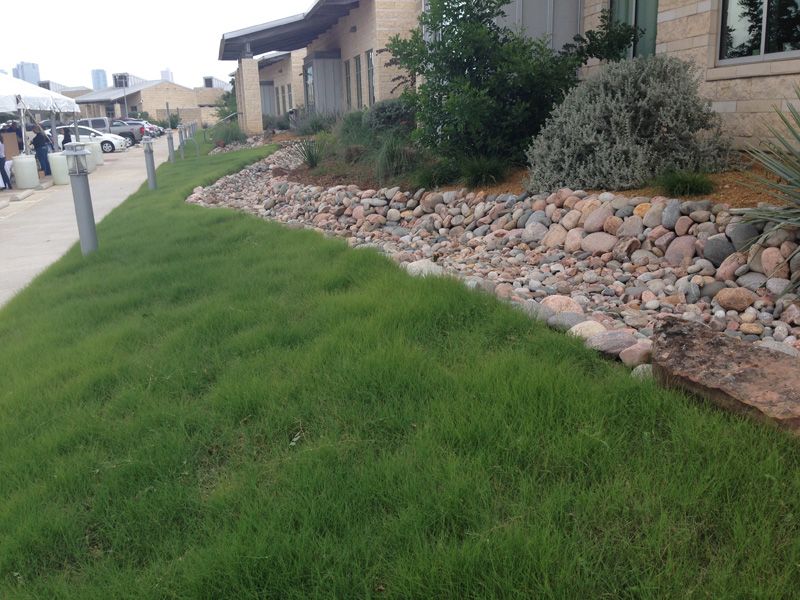
Some Central Texas homeowners are trading thirsty turf for a grass that grew on the plains long before lawns existed. Buffalograss is a native shortgrass-prairie plant that can work as a short, soft lawn in the right spot.
Local native plant groups are talking it up, and fall is when many people start planning yard projects. Here is what the history, the site rules, and the planting calendar really say.
Texas prairies held more than one kind of grass
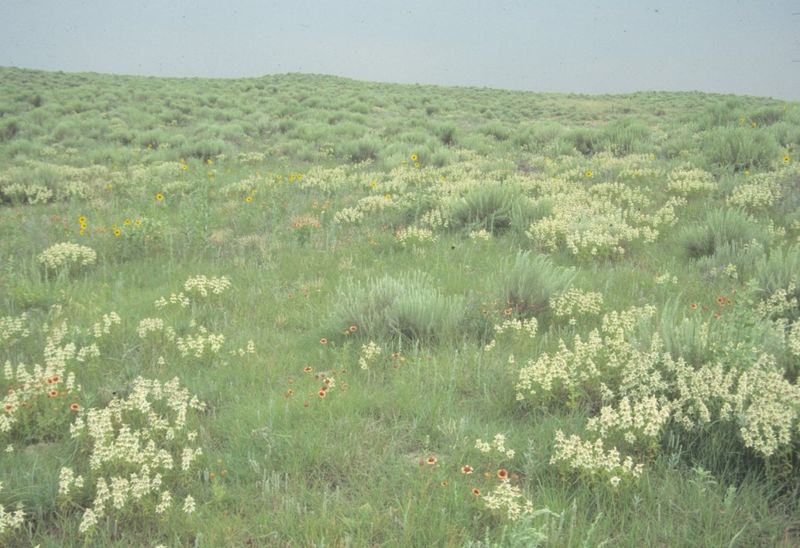
Before European settlement, grassland covered about two-thirds of Texas, according to the Texas State Historical Association. But that land was never one uniform carpet.
It included desert, shortgrass, midgrass, and tallgrass regions, each with its own mix of plants.
That detail matters for how we talk about buffalograss. It is a native shortgrass-prairie species, not the single grass that covered the whole state.
Central Texas sits in a different zone, where taller grasses such as little bluestem are common parts of the Central Mixedgrass Prairie.
So why is buffalograss showing up in conversations about local yards? Because it is short, it is native, and it can stand in for a conventional lawn on the right property.
The Austin chapter of the Native Plant Society of Texas has recently promoted native turf lawns, including a buffalograss-based seed blend.
Promotion is a sign of interest, though, not a head count. Nobody has measured how many Central Texas yards have switched, so treat the idea of a big comeback as a hopeful story rather than a documented trend.
What you can say is that curious homeowners have a native option worth a close look.
Buffalograss brings shortgrass prairie into a lawn-sized space
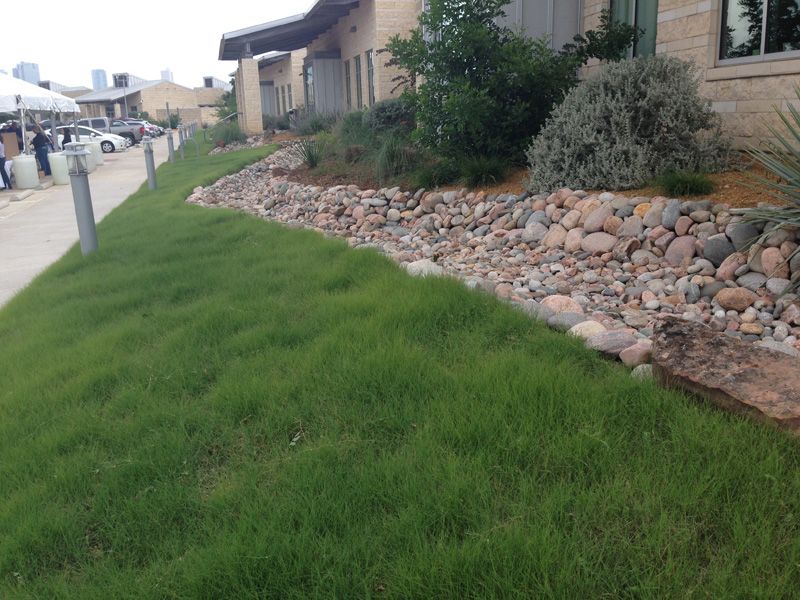
Buffalograss goes by Bouteloua dactyloides today, and older books and plant tags may list it as Buchloe dactyloides. Same plant, new name.
Texas Parks and Wildlife recommends it as a turf alternative in Central Texas.
Mature plants stay roughly 4 to 6 inches tall, with fine, curling, gray-green blades. That gives a soft, low look that reads as a lawn from the street.
Left alone, it has a relaxed prairie feel.
You get a choice in how it looks. Leave it unmowed for that loose, natural texture, or mow it to about 2 to 3 inches for a tidier lawn.
Either way, mowing is optional rather than required.
Do not confuse this with the tall native grasses people often picture when they hear the word prairie. Little bluestem, a signature grass of the Central Mixedgrass Prairie, grows 3 to 4 feet tall according to Austin’s plant guide.
It suits meadows, natural areas, and restoration plantings, not a spot where kids play or the dog runs.
Think of buffalograss as a lawn-sized nod to shortgrass prairie, and little bluestem as the bunchgrass you tuck into a border or meadow.
Would buffalograss suit your Central Texas yard?
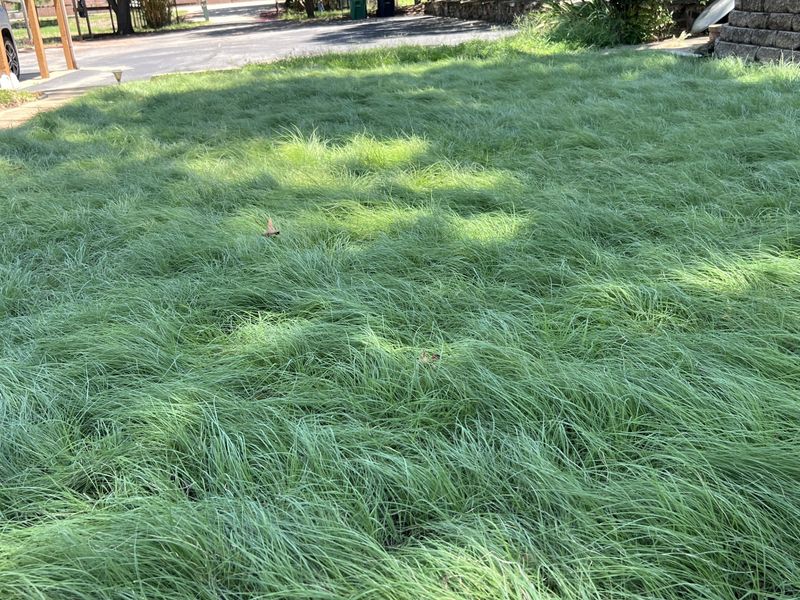
Before you shop for seed, walk the yard and note where the sun lands. Buffalograss wants full sun and soil that drains well.
It also favors the clay soils of the prairie regions, according to Texas Parks and Wildlife.
Three conditions are red flags. Shade is the first, so the strip under a big pecan or the north side of the house is likely a poor match.
Soggy or poorly drained spots are the second, such as low corners where water sits after a storm. Sandy soil is the third.
Here is a quick test. After a good rain, check the yard a day later.
If puddles linger, drainage may be the issue. In the afternoon, count the hours of direct sun in the area you want to convert.
Being generally suited to Central Texas does not make every property a fit. A sunny front lawn on clay can be a strong candidate, while a shady backyard with a damp low spot probably is not.
Parts of one yard can also split, so you might use buffalograss in the open sun and something else elsewhere.
If your site misses on these points, look at another approach, such as shade-tolerant groundcovers, mulch, or a different turf. A mismatched grass will struggle no matter how good the seed is, and the buffalograss guidance is clear about its limits.
A native turf blend is different from buffalograss alone
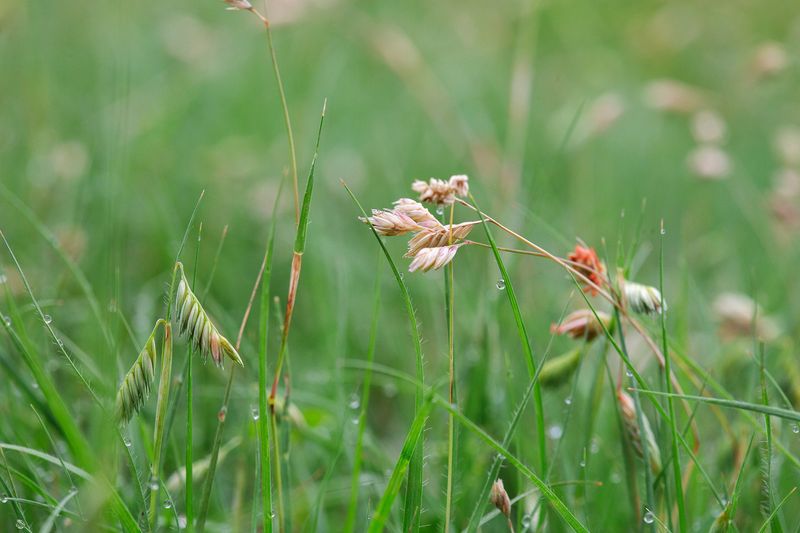
Shopping for native turf can get confusing, because buffalograss and Habiturf are not the same thing. Habiturf is a seed blend developed by the Lady Bird Johnson Wildflower Center.
The Austin chapter’s article lists its grasses as buffalograss, blue grama, and curly mesquite.
So buffalograss is one ingredient in the blend, not another name for it. Planting buffalograss alone gives you a single species.
A blend spreads the bet across three native grasses that each bring their own look and habits.
That is the main choice to weigh. A single species can give a more uniform lawn.
A mix may look a bit more varied, and some gardeners like that idea because different grasses can handle different patches of a yard.
Neither option is a guarantee. Results depend on your soil, sun, how well you prepare the site, and the weather during the first season.
Ask the supplier what is actually in the bag, how it is meant to be sown, and what coverage to expect.
A blend is a distinct product, so read the label rather than assuming. If the label says Habiturf, you are buying a mix.
If it says buffalograss, you are buying one grass, as seed or sod.
Fall can be a planning season, but timing depends on the planting
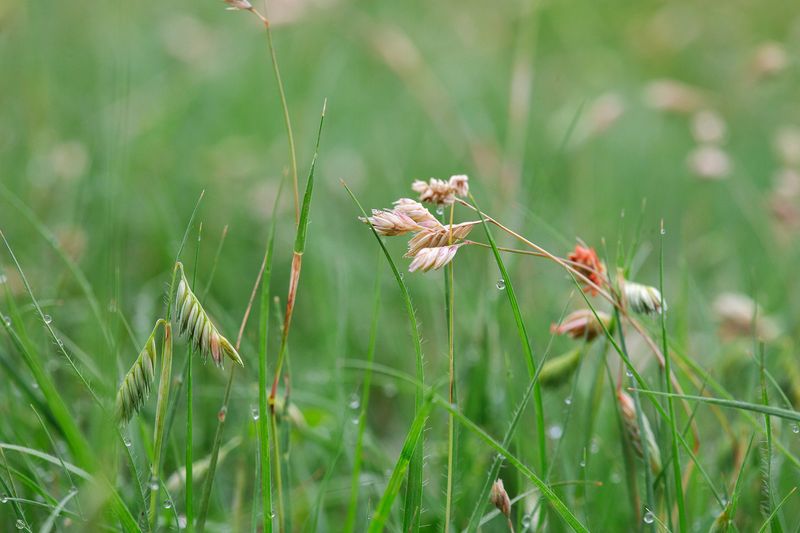
If you have heard that fall is the time to plant native grass, the real answer is that it depends. The Austin chapter says September is a good time to replace a full-sun lawn with native turf.
That advice speaks to that kind of project.
Other guidance points elsewhere. Statewide restoration advice from Texas Parks and Wildlife gives January through April as the general window for native grass seed.
Texas A&M notes that warm-season species are often seeded from late winter to early spring.
These sources cover different situations, from a home lawn to large restoration sites, so they do not cancel each other out. The practical takeaway is that no single date works for every seed mix, region, and planting method.
Sod, plugs, and seed can each have their own timing.
Your best move is to read the supplier’s directions for your area and your exact product. Many warm-season grasses are commonly seeded in spring, so do not assume October is safe just because the weather feels pleasant.
Fall still has real value. It is a great season for the groundwork: mapping sunny and shady areas, testing drainage, removing the old lawn, and tackling Bermuda grass.
Doing that now can leave you ready to sow when your product’s window opens.
New native turf still needs attention as it fills in
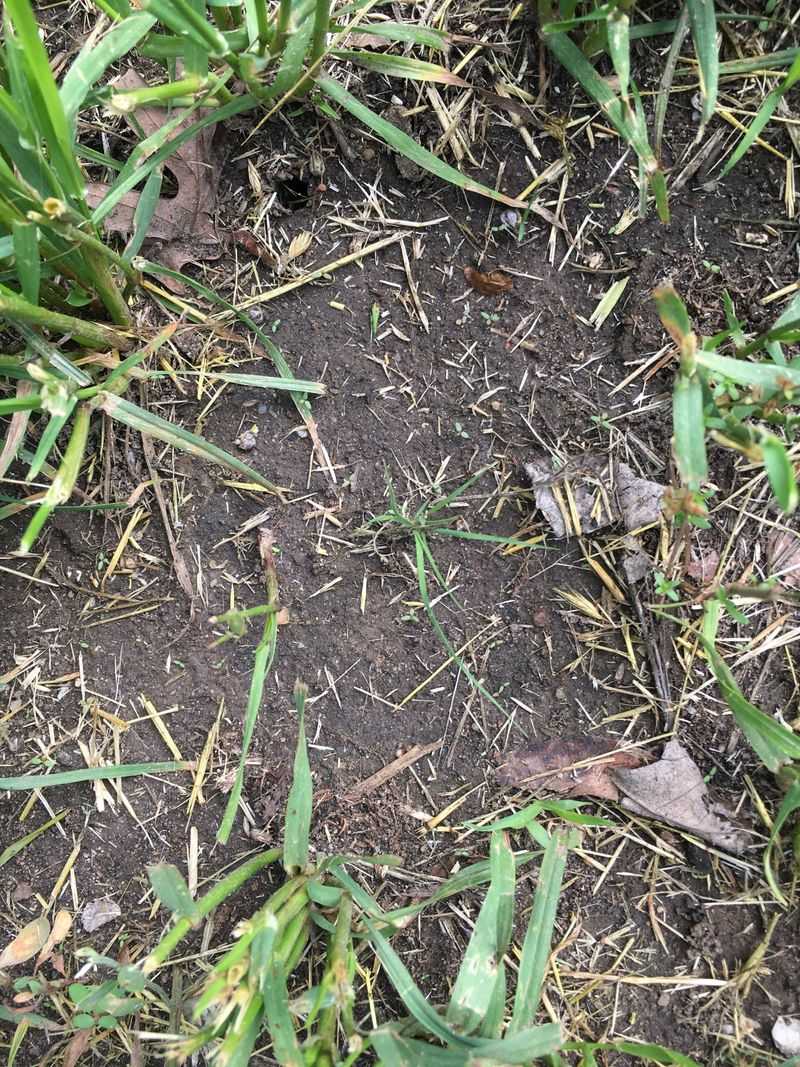
A native lawn is not a no-effort project, especially in its first season. The Austin chapter’s advice starts with preparing the site and controlling any existing Bermuda grass before you sow.
Bermuda is aggressive and can creep back into new turf.
The same advice suggests starting with a manageable area rather than the whole yard. A small test patch lets you learn how the grass behaves before you commit.
It also keeps weeding and watering within reach.
While the turf fills in, expect to pull weeds by hand. Bare soil between young plants is an open invitation.
Staying on top of weeds early can make a real difference.
Water as needed during establishment, especially when rain is unreliable. Central Texas can swing from soaking storms to long dry spells, so keep an eye on the forecast and the soil.
How fast the turf fills in will vary, and no one can promise a date.
Drought tolerance is a separate matter. Texas Parks and Wildlife describes buffalograss as drought tolerant once established, not as a grass that never needs water.
Mature turf may need far less help, but new seedlings do not have those deep roots yet.
Mowing stays your call. You can mow for a neat look or let it grow for a looser one.
Choose the grass for the yard you have
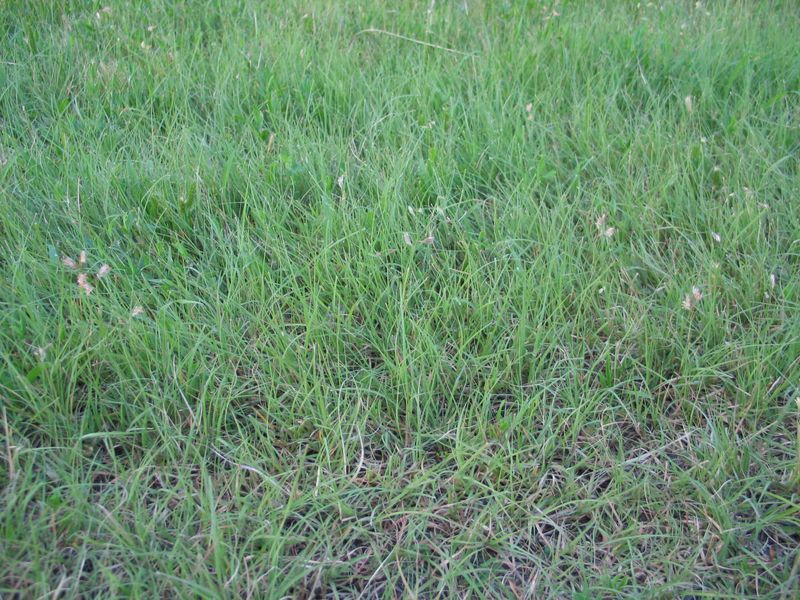
Start with the yard itself. Confirm it gets full sun and drains well, as Texas Parks and Wildlife advises.
Then decide between buffalograss alone and a native blend like the one in the Austin chapter’s article.
Before you buy seed or sod, check the planting window on the label, keeping in mind that statewide guidance leans toward late winter and spring. This fall, a good next step is to clear and prep one small sunny patch.
A native lawn is simply a smart turf choice for the right spot. The prairie, meanwhile, lives on in the taller grasses and wild corners that no lawn can replace.