
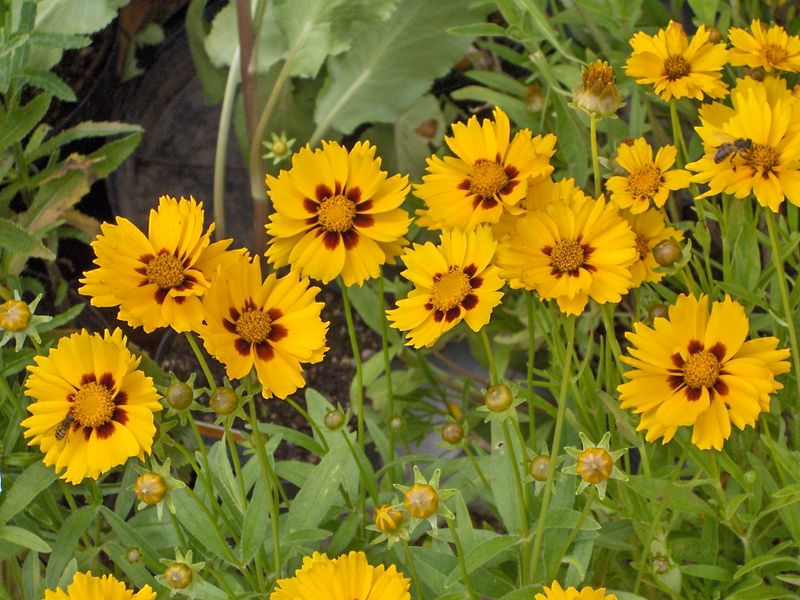
If you have a clump of lanceleaf coreopsis growing in your yard, you may already own the materials for a free plant multiplication project. Coreopsis lanceolata is a yellow-flowered Texas native that forms basal rosettes, which means you can dig it up, separate the rooted sections, and grow several plants from one.
The real payoff is not a guaranteed doubling of flowers but the chance to fill more sunny spots with a plant you did not have to buy. Understanding when and how to divide it safely makes the difference between thriving new plants and a frustrating setback.
Lanceleaf coreopsis fits the project—but not the original promise
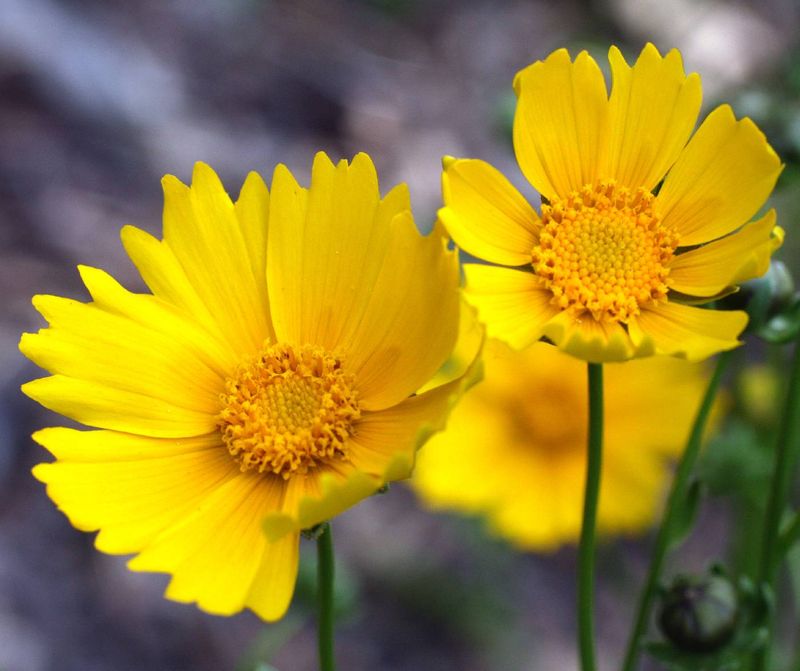
Lanceleaf coreopsis, known botanically as Coreopsis lanceolata and sometimes called lanceleaf tickseed, is a perennial wildflower native to parts of Texas, including portions of eastern, southeastern, and Blackland Prairie regions. According to the Native Plant Society of Texas, the plant produces bright yellow, daisy-like flowers on stems that typically reach one to two feet tall, and it performs best in full sun or light part shade with well-drained soil.
Heavy or consistently wet soil can cause serious problems for this plant, so site selection matters from the start.
What makes division practical for lanceleaf coreopsis is its clumping growth habit. The plant produces basal rosettes, meaning leafy clusters that develop at the base and each hold their own roots.
Those rosettes can be separated from the parent clump and replanted as independent plants, which is the foundation of the entire project.
Before you reach for a shovel, though, the premise deserves a clear-eyed correction. One established clump can become several rooted plants, and those plants may eventually produce more flowering clumps, especially if the original was crowded and declining.
No authoritative source supports the idea that division reliably doubles flower production the following summer. Root disturbance, establishment conditions, and the health of each division all affect whether and how well the new plants bloom.
Lanceleaf coreopsis is also not the same as every coreopsis you might find at a garden center. The genus Coreopsis includes dozens of species, annuals, cultivars, and plants bred for different regions.
UF/IFAS guidance on coreopsis notes that seed source affects growth and flowering, so a cultivar sold under a similar common name may behave quite differently from the straight species. If you want a plant that matches the native-Texas description, confirm the species name before you buy or divide.
Choose the division window for your region, not the calendar alone
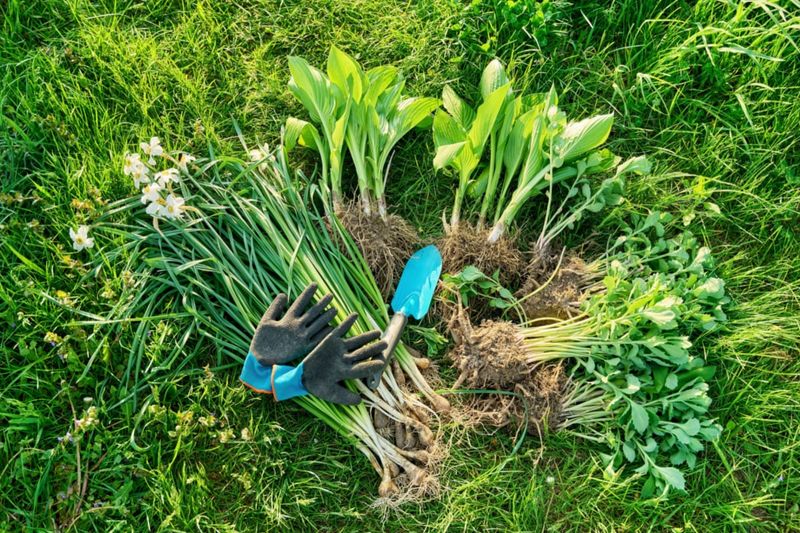
Timing a division correctly is one of the most important decisions in this project, and the answer is not the same for every Texas gardener. Texas AgriLife Extension guidance on perennials supports dividing spring- and summer-blooming perennials in late summer or fall as a general practice, which is where the seasonal premise in this article’s title comes from.
That general guidance, however, does not override what species-specific sources say about lanceleaf coreopsis in particular.
The Native Plant Society of Texas recommends dividing lanceleaf coreopsis in winter or early spring, and UF/IFAS recommends late winter or early spring as well. The Morton Arboretum notes that either spring or fall can work depending on conditions.
When general guidance and species-specific guidance disagree, the species-specific recommendation deserves more weight, especially for a plant you are investing time and effort into propagating.
For Texas gardeners, the most useful rule is not tied to a month but to conditions. Divide after the worst summer heat has passed, when the plant is not in the middle of heavy flowering, and early enough that the new divisions have time to grow roots before they face another period of extreme heat or a hard freeze.
Those three conditions matter more than any single date on a calendar.
Texas is not one climate, and that detail matters here. North Texas gardeners may find a workable fall window after August heat breaks, with enough mild weeks remaining before first freeze.
Central Texas often has a longer moderate stretch in fall, but soil can stay warm and dry in ways that stress fresh divisions. South Texas and the Gulf Coast rarely see the kind of cool fall conditions that make late-season establishment easy, and those gardeners may find late winter or early spring far more forgiving.
Adjust the timing to the conditions outside your door, not to a statewide rule.
Look for crowding before you decide to divide
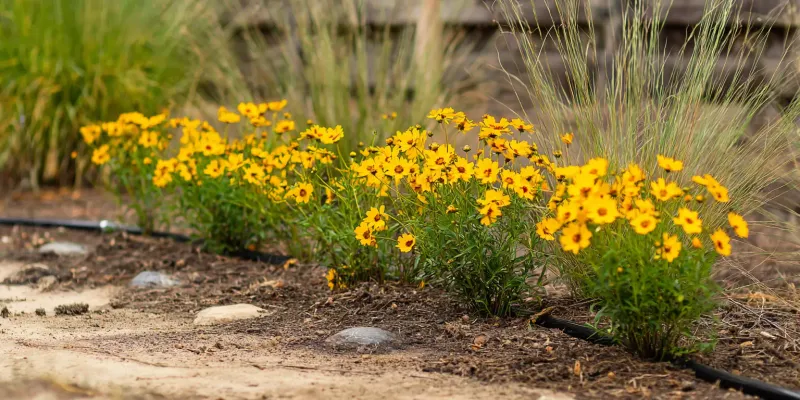
Not every coreopsis clump needs to be divided, and digging up a healthy plant without a good reason can set it back rather than help it. University of Minnesota Extension guidance on dividing perennials identifies several reliable warning signs: fewer flowers than the plant used to produce, smaller flower size, stems that flop or look weak, and a dead or bare center surrounded by active growth at the edges.
A clump that has simply spread beyond the space you intended for it is also a reasonable candidate.
When you see those signs, division is a practical response. A crowded clump competes with itself for water, nutrients, and light, and the result is often reduced vigor across the whole plant.
Separating the rooted sections and giving each one room to grow can restore that vigor over time. University of Illinois Extension echoes this point, noting that division is most beneficial when the plant shows visible signs of decline from crowding rather than as a routine yearly task.
Lanceleaf coreopsis is considered relatively short-lived compared with some long-established perennials. NC State Extension describes the plant as potentially benefiting from periodic division to maintain performance.
Dividing every two to three years when crowding or declining bloom is apparent is a reasonable maintenance approach, not an annual obligation. A vigorous, well-spaced plant that is blooming freely does not need to be disturbed simply because a general planting calendar suggests the timing is right.
Separate rooted sections without sacrificing viable growth

Start by watering the plant and the surrounding soil thoroughly the day before you plan to divide, especially if conditions have been dry. Moist soil clings to roots better than dry soil does, and roots that arrive in the ground with soil still attached have a head start on reestablishment.
Skipping this step on a hot or dry day is one of the more common reasons divisions fail before they ever get planted.
When you are ready to dig, work around the full perimeter of the clump rather than cutting straight down through the center. Use a spade or garden fork to go beneath the root ball and lever the entire clump out of the ground, keeping as much of the root system intact as possible.
NPSOT recommends digging up the entire plant, then separating the basal rosettes into individual sections for replanting. Pulling the clump apart by hand works for loose sections; a clean knife or spade cut works for sections that are more tightly joined.
Each division you keep should have several healthy roots and at least one visible growing point, which is the leafy rosette that will push new growth after replanting. University of Minnesota Extension advises that undersized fragments with minimal roots are much less likely to survive, so resist the urge to maximize the number of pieces at the expense of root mass on each one.
Three or four solid divisions from one clump will outperform eight tiny scraps every time.
Remove any material that is dead, visibly diseased, woody, or clearly non-viable. The goal of removing that material is to keep your working pile free of sections that will not root successfully, not because removing a woody center on its own guarantees that the remaining pieces will bloom more vigorously.
University of Illinois Extension notes that keeping divisions shaded and moist between digging and replanting reduces stress significantly, so work in a shaded spot or cover the roots with a damp cloth if you cannot replant immediately. Speed and moisture protection during this step protect the investment you just made.
Replant each division at its original depth and protect establishment
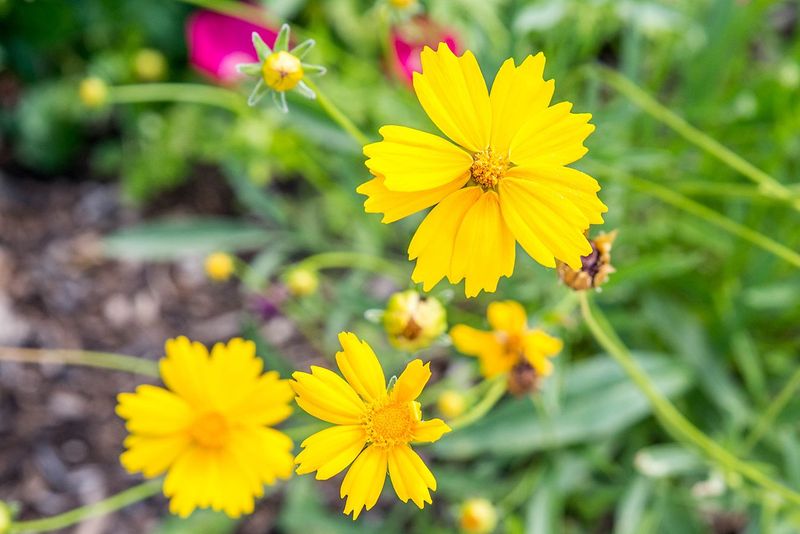
Once you have viable divisions ready, choose planting spots that match what lanceleaf coreopsis actually needs. Full sun is the first requirement, though light part shade is workable, particularly in South Texas where afternoon shade can reduce heat stress.
Well-drained soil is non-negotiable. Henderson County Master Gardeners describe the plant as performing best in open, sunny sites with good drainage, and planting into heavy clay or a low spot that holds water invites root problems from the start.
Set each division at approximately the same depth it was growing before you dug it. Planting too deep buries the crown, which can lead to rot, while planting too shallow leaves roots exposed and vulnerable to drying out.
Firm the soil gently around the roots to eliminate large air pockets, and space the new sections far enough apart that they will not immediately crowd each other again. The point of dividing was to give each piece room to grow, so placing them six inches apart recreates the original problem faster than you might expect.
Water each division thoroughly right after planting, and then keep the soil consistently moist until you see new growth emerging. UF/IFAS guidance and University of Minnesota Extension both emphasize that newly divided plants are especially vulnerable to drying out during the establishment period.
An established lanceleaf coreopsis can tolerate some dry spells, but a fresh division has not yet rebuilt the root system that makes that tolerance possible.
Avoid dividing during a stretch of hot, bright weather if you can help it, and do not leave roots sitting in the sun between steps. Overwatering into heavy, poorly drained soil is just as damaging as letting the roots dry out, so aim for consistent moisture in well-drained ground rather than saturating the planting area.
NPSOT notes that regular watering while the plant establishes is important, and backing off too soon is a common reason new divisions stall or fail.
Expect more plants and possible blooms—not a guaranteed flower count
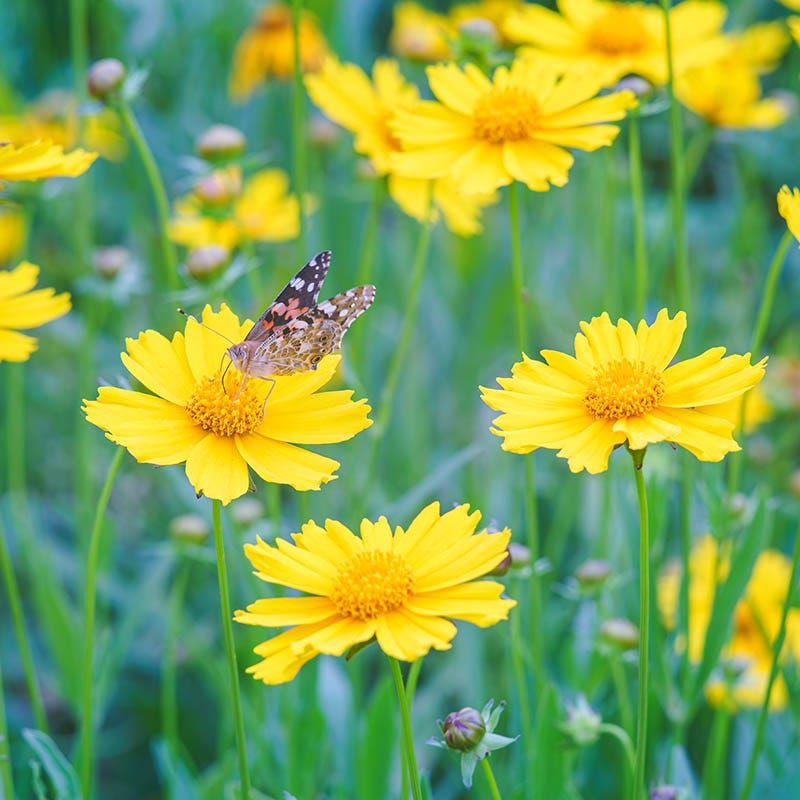
After successful establishment, the realistic outcome is more plants in more locations, with the possibility of restored or increased flowering when crowding was the original problem. Root disturbance during division, variable establishment conditions, and the energy each plant puts into rebuilding its root system can all reduce how much a division blooms in its first season.
Some divisions will flower well the following summer; others may put most of their energy into root growth first and bloom more fully in their second year.
Managing the plants after they are established gives you more influence over flowering than the division itself does. Deadheading, which means removing spent flower heads before they go to seed, can encourage the plant to keep producing new blooms rather than shifting energy into seed development.
UF/IFAS and NC State Extension both note that leaving some spent heads in place allows the plant to self-sow, which can be a benefit if you want more plants in the area or a problem if the plant spreads beyond the space you intended.
Lanceleaf coreopsis has real value for wildlife. NPSOT describes the plant as providing nectar and pollen for bees, butterflies, and moths, and seeds that may attract birds.
Those benefits vary by what species visit your particular yard and when the plant is in flower, so framing this as a potential contribution to local pollinators rather than a guaranteed wildlife magnet is the more accurate way to think about it. More flowering clumps spread across your garden do expand the available habitat, which is one of the more durable arguments for the division project beyond the simple pleasure of getting free plants.
Use a simple decision rule before you dig
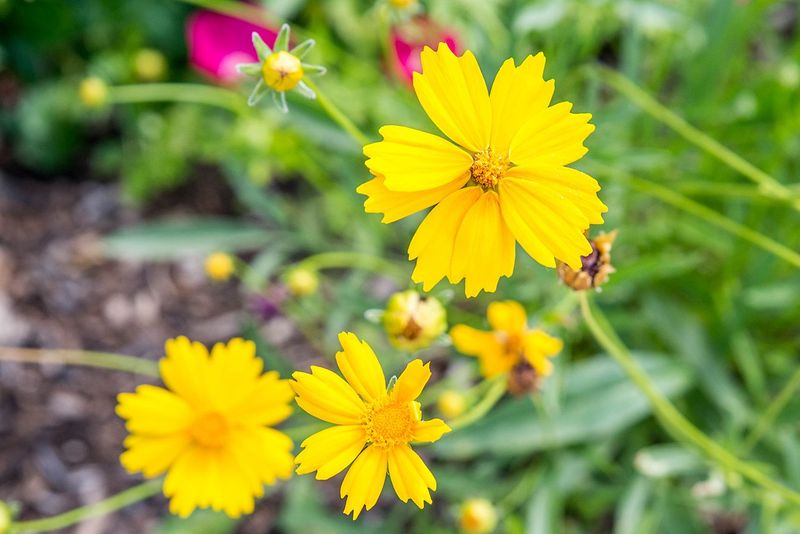
Before picking up a shovel, run through a short checklist. Confirm the plant is Coreopsis lanceolata rather than a cultivar or a different species entirely.
Check that the clump shows signs of crowding or declining vigor, because a healthy, open plant with good bloom does not need to be disturbed. Choose a timing window that fits your Texas region and the current conditions, leaning toward late winter or early spring if species-specific guidance feels more reliable than the general fall recommendation for your area.
NPSOT recommends dividing plants that are a couple of years old and replanting the rooted basal rosettes rather than tiny fragments.
When conditions are wrong, postpone. Dividing during extreme heat, when the plant is flowering heavily, into poorly drained soil, or too close to a hard freeze reduces the odds that new divisions survive.
Texas AgriLife Extension supports late summer or fall division as a general window for spring- and summer-blooming perennials, but that guidance works best when establishment conditions are actually favorable. University of Minnesota Extension reinforces that each division needs viable roots and a growing point to have a reasonable chance.
The dependable benefit of this project is more rooted plants and the possibility of more flowering clumps in spots where you want them. Keep the new divisions watered through establishment, give them sun and drainage, and let the plants show you what they can do.
A yard with three or four well-placed lanceleaf coreopsis plants, each with room to grow, will usually outperform a single crowded clump every season.