
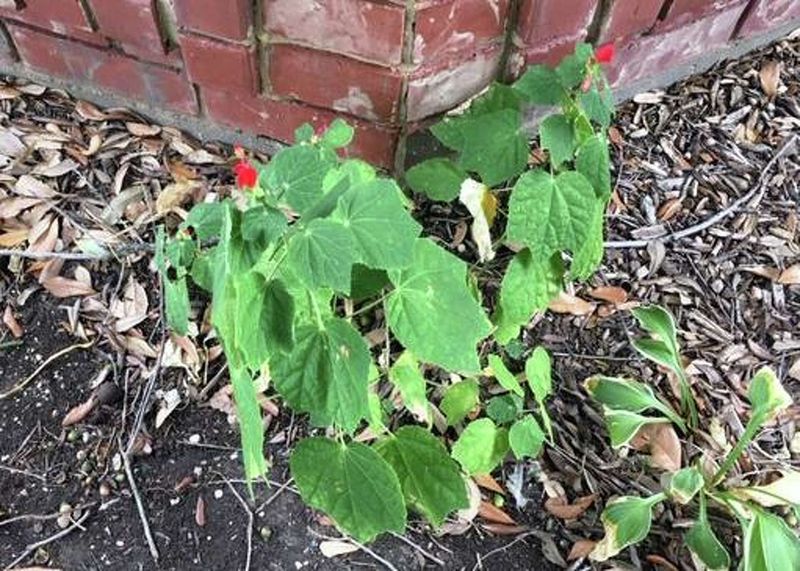
Every summer, Texas gardeners watch their hostas turn brown at the edges and slowly give up in the heat. The problem usually comes down to a simple mismatch: hostas want shade, and many Texas beds dish out blazing afternoon sun.
There is a tough native shrub that actually thrives in those same exposed spots and pulls in hummingbirds and butterflies from summer into fall. That plant is Turk’s cap, and it deserves a place in a lot more Texas yards.
Hostas struggle when a shady plant meets an exposed Texas bed
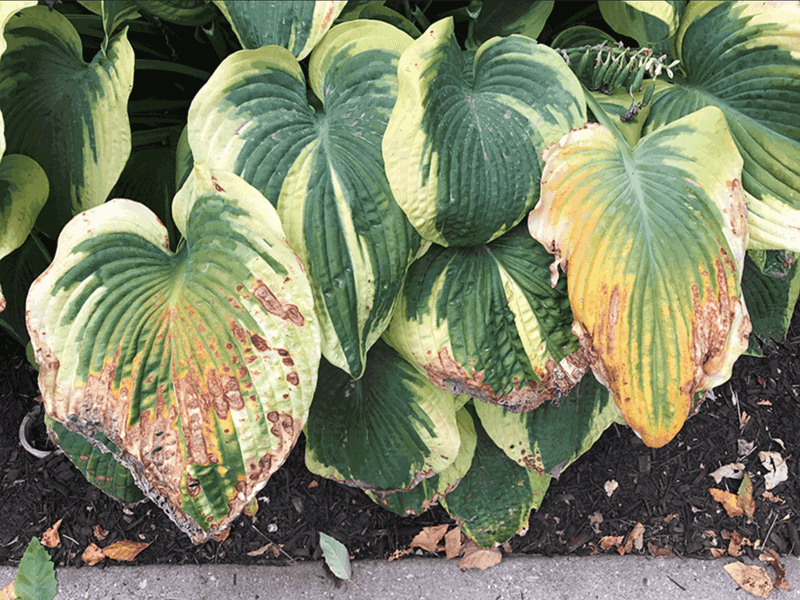
Hostas earned their reputation as reliable, low-maintenance perennials in cooler climates with reliable rainfall and filtered light. Texas gardening guidance consistently tells a different story.
Henderson County Master Gardener guidance on growing hostas places them firmly in full shade or limited morning sun, warning that Texas heat and direct afternoon exposure can scorch foliage and send even established plants into decline.
That does not mean hostas are impossible across the entire state. In East Texas and parts of Central Texas, gardeners who can offer deep shade, consistent moisture, and organically rich soil sometimes keep hostas looking reasonable through the summer.
The Henderson County April garden guide notes that hostas can survive in Texas when those conditions line up, but also acknowledges that the window for success is narrow compared to regions further north. A Central Texas Master Gardener resource puts the challenge plainly: growing hostas in Central Texas is possible, but it requires careful site selection and consistent effort.
The real problem surfaces when a gardener installs hostas in a bed that gets open sun for most of the day. That is exactly the kind of site where a hosta’s foliage scorches, its roots dry out between waterings, and the plant spends more energy recovering than growing.
For that situation, the honest answer is not a better hosta variety or a more aggressive watering schedule. The answer is choosing a plant that fits the actual conditions of the bed, one that can handle the heat and light and still reward the gardener with something worth looking at.
That is where a different kind of Texas native earns its place.
Turk’s cap offers a different native answer
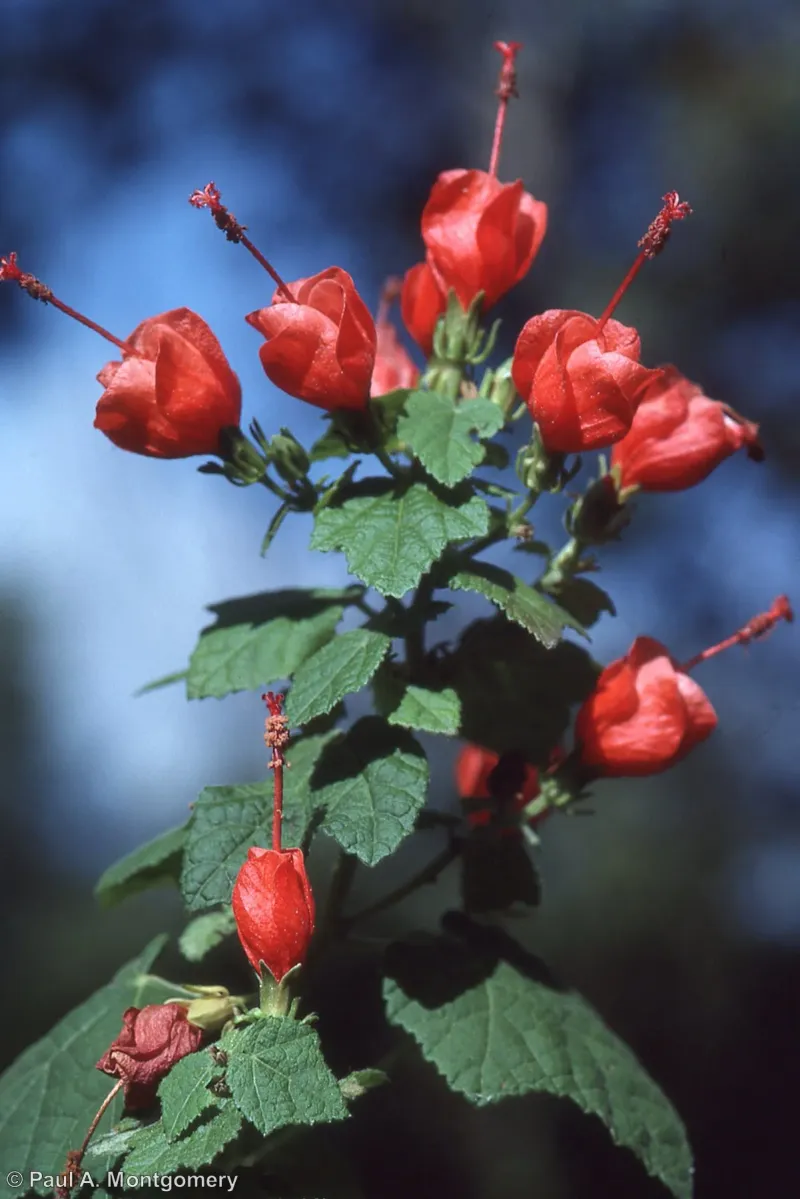
The plant worth knowing by name is Malvaviscus arboreusdrummondiiMalvaviscus drummondii var. , commonly called Turk’s cap or wax mallow. Some sources list it as , so when you are shopping at a nursery or reading a tag, checking the full botanical name is the safest way to confirm you have the right plant.
North Carolina Extension’s plant profile for Malvaviscus arboreus var. drummondii classifies it as a perennial shrub or subshrub in the mallow family, with a native range that includes Texas and extends eastward toward Florida and into northeastern Mexico.
Visually, Turk’s cap is easy to recognize once you know what to look for. The leaves are broad, dark green, and heart-shaped, often with three shallow lobes that give them a slightly maple-like outline.
The flowers are the real standout: bright red, with petals that twist together into a loose spiral rather than opening flat, which gives the bloom its distinctive capped appearance and its common name. Those partially closed flowers are not a design quirk; they are shaped precisely for the long bills of hummingbirds and the probing behavior of certain butterflies.
Gardeners accustomed to the low, tidy mound of a hosta need to adjust their mental picture before planting Turk’s cap. The Native Plant Society of Texas profile for this species describes it as a shrub, not a compact perennial, and mature plants can take up substantially more space than a hosta clump ever would.
Treating it as a direct visual substitute will lead to a poorly planned bed. Think of it instead as a flowering native shrub with attractive foliage that happens to thrive where hostas often fail, and plan accordingly.
Full sun works, but the hottest exposure is not always the prettiest
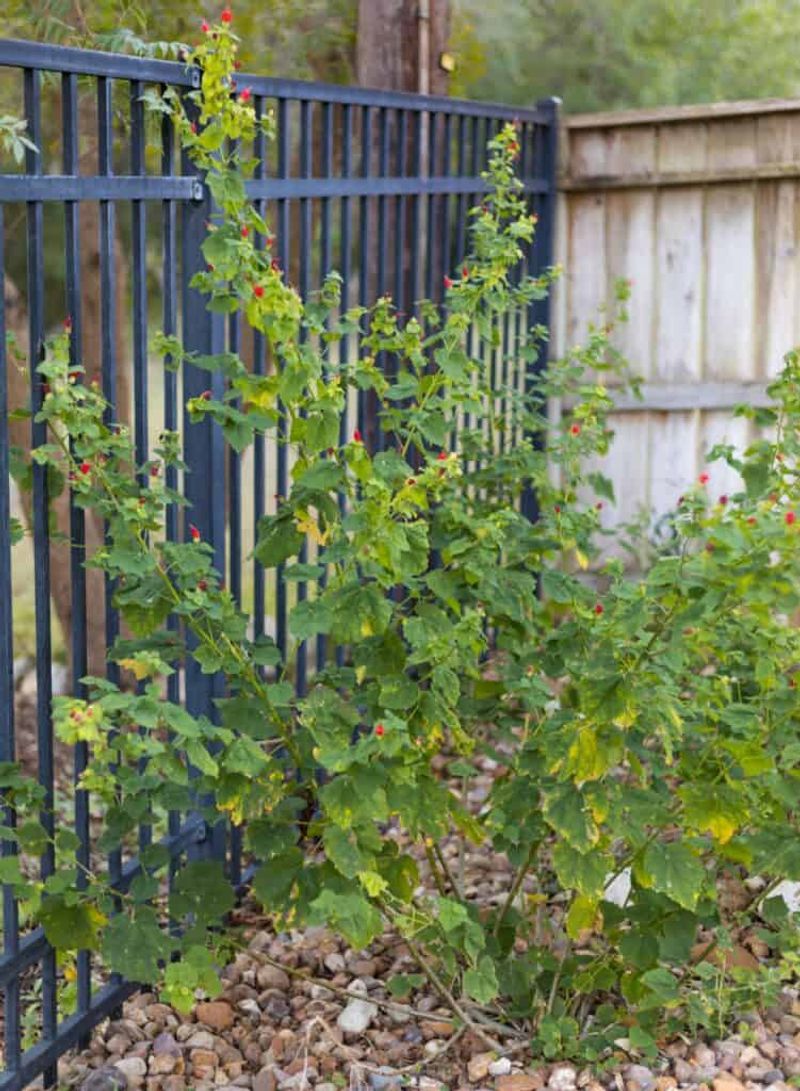
Turk’s cap has a wider tolerance for sun than most gardeners expect from a plant with such lush-looking foliage. The Texas Prairie nine-natives shade garden guide confirms that Turk’s cap can adapt to and thrive in full sun, even in heavy soil conditions that would challenge many ornamentals.
That flexibility is exactly what makes it useful for the kind of exposed Texas bed where hostas routinely struggle.
Tolerance and peak performance are not the same thing, though. The same Texas Prairie source notes that excessive sun can cause the leaves to become smaller, rougher, darker, and puckered compared to plants growing in part shade.
The flowers still come, and the plant still supports wildlife, but the foliage loses some of its clean, broad texture. For gardeners who care about how the plant looks between bloom cycles, that distinction matters when deciding where to put it.
A practical middle ground works well for most Texas sites: a location with good morning sun and some relief from the most intense afternoon heat. West-facing beds that catch reflected heat off a wall or fence are the spots most likely to push the plant’s foliage toward that rougher, puckered look.
East-facing or south-facing beds with partial afternoon shade tend to produce better-looking leaves without sacrificing flowering. Full-sun tolerance also does not mean the plant runs on no water.
The Texas A&M Earth-Kind plant selector evaluates plants by region and accounts separately for heat, drought, soil type, and water needs, which is a useful reminder that no single performance profile applies across all of Texas. Irrigation needs depend on your soil, your rainfall, and the specific heat load of your site.
Its flowers support pollinators from summer into fall
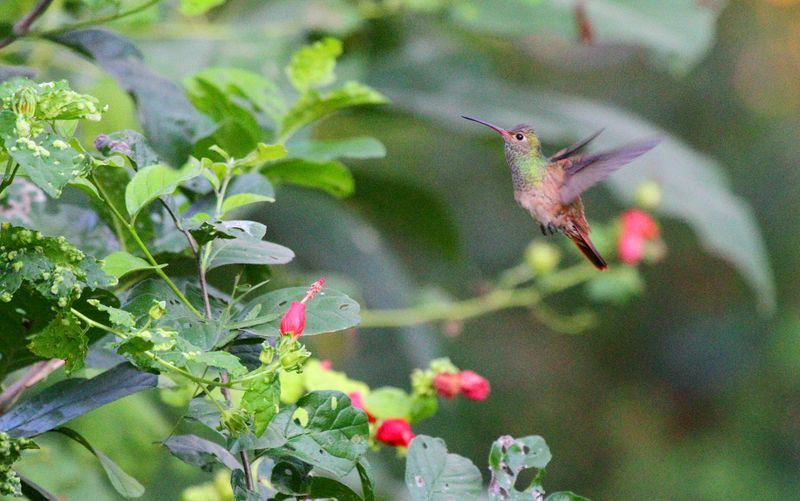
Turk’s cap earns its reputation as a wildlife plant through a bloom period that runs from summer into fall. The Texas Prairie shade garden guide puts the main flowering window at approximately July through September, which lines up with the period when many Texas gardens have the fewest blooming plants and pollinators are still actively foraging.
That timing makes Turk’s cap genuinely useful, not just attractive.
Hummingbirds are the most visible visitors. North Carolina Extension’s profile for this species documents it as an important food source specifically for female and juvenile ruby-throated hummingbirds, which tend to linger in the South longer than adult males during fall migration.
The partially closed, tubular flower shape is well-matched to a hummingbird’s bill, and the red color is a reliable attractant. Butterflies also visit regularly, drawn to the accessible nectar.
One plant working from July through September cannot substitute for a full spring-to-fall pollinator garden. Spring-blooming natives like salvias, columbine, and other regional species provide nectar months before Turk’s cap opens its first flower, and early-season bees and butterflies depend on those earlier bloomers.
Texas Parks and Wildlife guidance on augmenting pollinator resources recommends planting multiple native species with staggered bloom periods, suggesting at least three flowering species per season as a starting point for consistent forage. Turk’s cap fills the summer-to-fall slot well.
Filling the rest of the calendar requires other natives alongside it.
Plant it for establishment, not just for heat tolerance
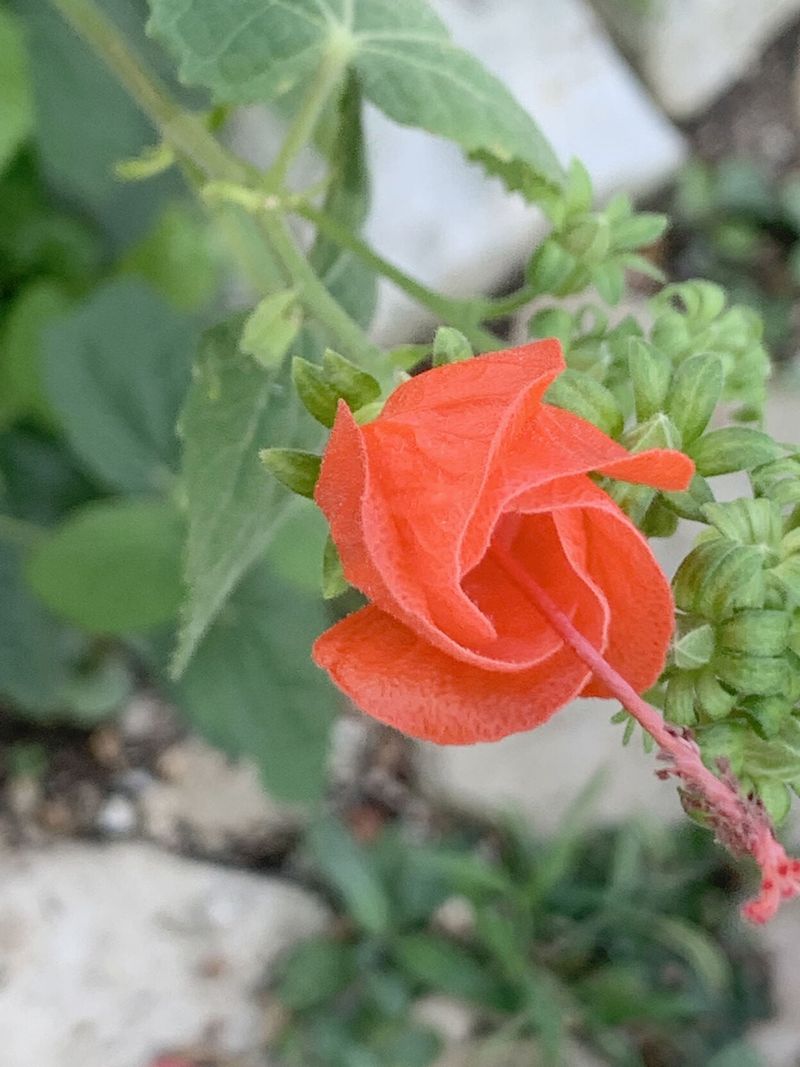
Heat tolerance gets most of the attention when people talk about Turk’s cap, but the first season in the ground is when the plant is most vulnerable. North Carolina Extension’s plant profile recommends moist, well-drained, fertile soil as the conservative baseline for this species.
That guidance applies whether you are gardening in Houston’s clay, San Antonio’s rocky alkaline ground, or the sandy loam of the Piney Woods. Getting the soil condition as close to that target as possible before planting gives the roots a better foundation for the months ahead.
Watering right after planting is not optional. Texas A&M AgriLife Extension guidance on transplanting native plants recommends watering thoroughly immediately after planting and maintaining appropriate moisture while roots establish.
The specific frequency will vary by your soil type, how much rain your part of Texas receives, and whether you are planting in spring or late summer. There is no single schedule that works statewide, and assuming the plant will manage on its own too soon is one of the most common ways a healthy transplant fails.
Mulch is one of the most practical tools for bridging the gap between watering sessions. The University of North Florida Botanical Garden’s entry on this species notes the plant’s preference for moisture retention around the root zone.
Texas A&M’s transplanting guidance specifically recommends covering the root area with leaves, straw, or leaf mold to hold moisture and moderate soil temperature. A 2-to-3-inch layer applied just after planting does more for establishment than most other single actions, keeping the soil from drying out as fast between waterings and reducing the temperature swings that stress new roots.
Give the shrub room and build a longer bloom sequence
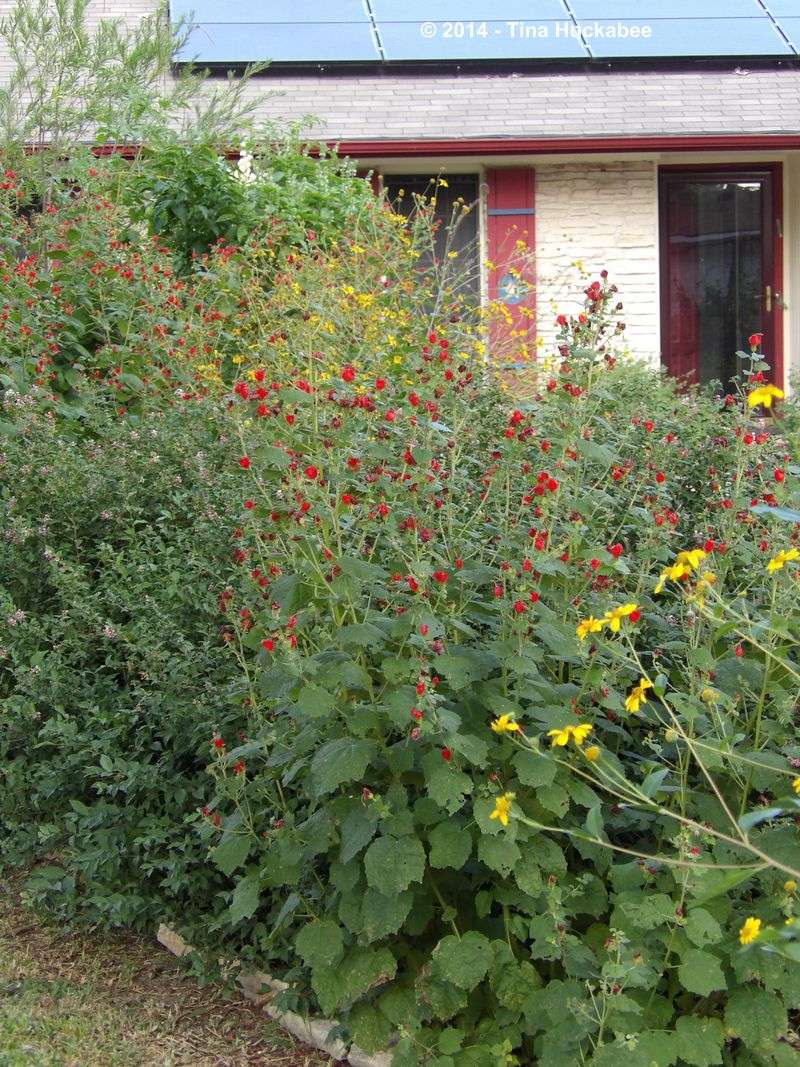
Mature size is one of the most important things to sort out before putting Turk’s cap in a bed. The Texas Prairie shade garden guide describes plants in the 2-to-3-foot range for some Texas shade garden contexts, while broader horticultural descriptions from North Carolina Extension put mature specimens closer to 5 to 10 feet in height and spread under favorable conditions.
The difference between those two numbers is not a typo; it reflects how much climate, soil, rainfall, and pruning history can shape the plant over time.
Texas has ten recognized ecoregions, each with its own rainfall patterns, soil chemistry, temperature extremes, and irrigation realities. A Turk’s cap growing in the humid, well-watered Piney Woods of East Texas will behave differently from one planted in the drier Hill Country or the alkaline soils near San Antonio.
Texas Parks and Wildlife’s Wildscape certification program encourages gardeners to learn the plants and conditions characteristic of their specific region before making planting decisions, which is good advice for any native shrub with a wide natural range. Check your local conditions and plan for the larger end of the size range to avoid crowding out neighboring plants within a few years.
Once you know how much room Turk’s cap will need, the next step is building a planting palette around it. One shrub blooming in summer and fall is a meaningful contribution to a pollinator yard, but it leaves spring largely uncovered.
Texas Parks and Wildlife guidance on augmenting pollinator resources recommends at least three flowering native species per season as a starting point for continuous forage. Pairing Turk’s cap with spring-blooming natives like Salvia greggii or Texas columbine, along with late-season bloomers such as fall asters, builds the kind of staggered succession that actually sustains hummingbirds, bees, and butterflies across the full gardening calendar.
Choose Turk’s cap when the bed needs a sunny native anchor
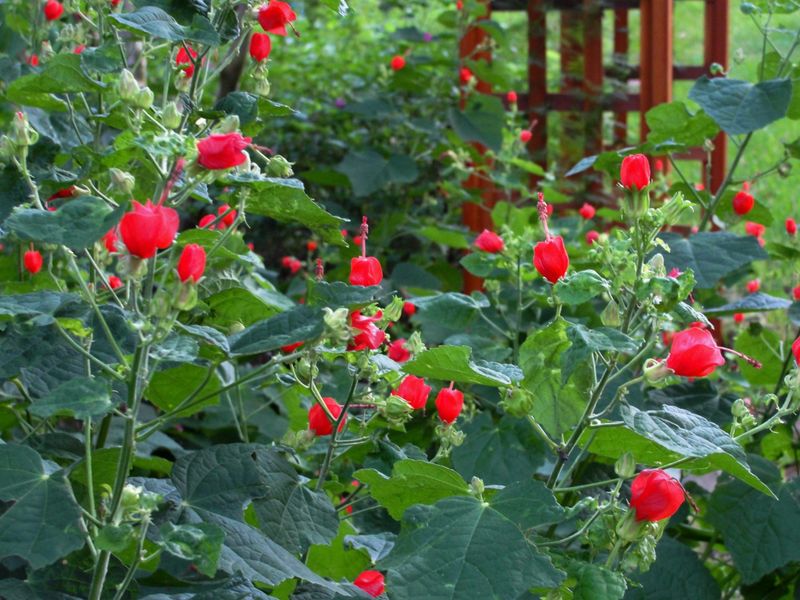
When a Texas gardener has a sunny or partly sheltered bed where hostas have failed or would likely struggle, Turk’s cap is a strong native fit. It handles the heat, tolerates full sun, and starts feeding hummingbirds and butterflies right when summer nectar sources thin out.
Texas Prairie’s native plant guidance backs its adaptability to full sun and heavy soil, which covers a lot of the difficult sites Texas gardeners actually deal with.
Buy the plant by its botanical name, Malvaviscus arboreusdrummondii var. , to avoid common-name confusion at the nursery. Give it appropriate moisture during establishment, allow for shrub-scale growth, and pair it with other documented native bloomers that cover spring and late fall to build genuine season-long pollinator support.
A plant that does that much useful work in a Texas summer deserves a permanent spot in the bed.