
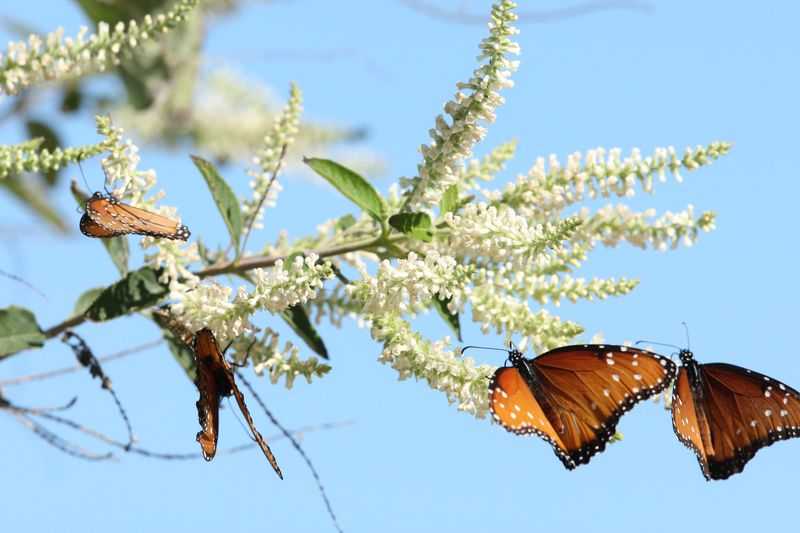
A fragrant native shrub called Texas kidneywood grows wild across parts of South, Central, and West Texas, and it has quietly earned a spot on bat-garden plant lists for good reason. Its clusters of small white flowers support the kinds of night-flying insects that insect-eating bats hunt, making it a smart building block for a livelier, wildlife-friendly evening yard.
Planting it will not guarantee a bat overhead or empty your porch of every mosquito, but paired with smart habitat choices and weekly standing-water cleanup, it can help make your yard a place worth visiting after dark.
Meet the Texas kidneywood
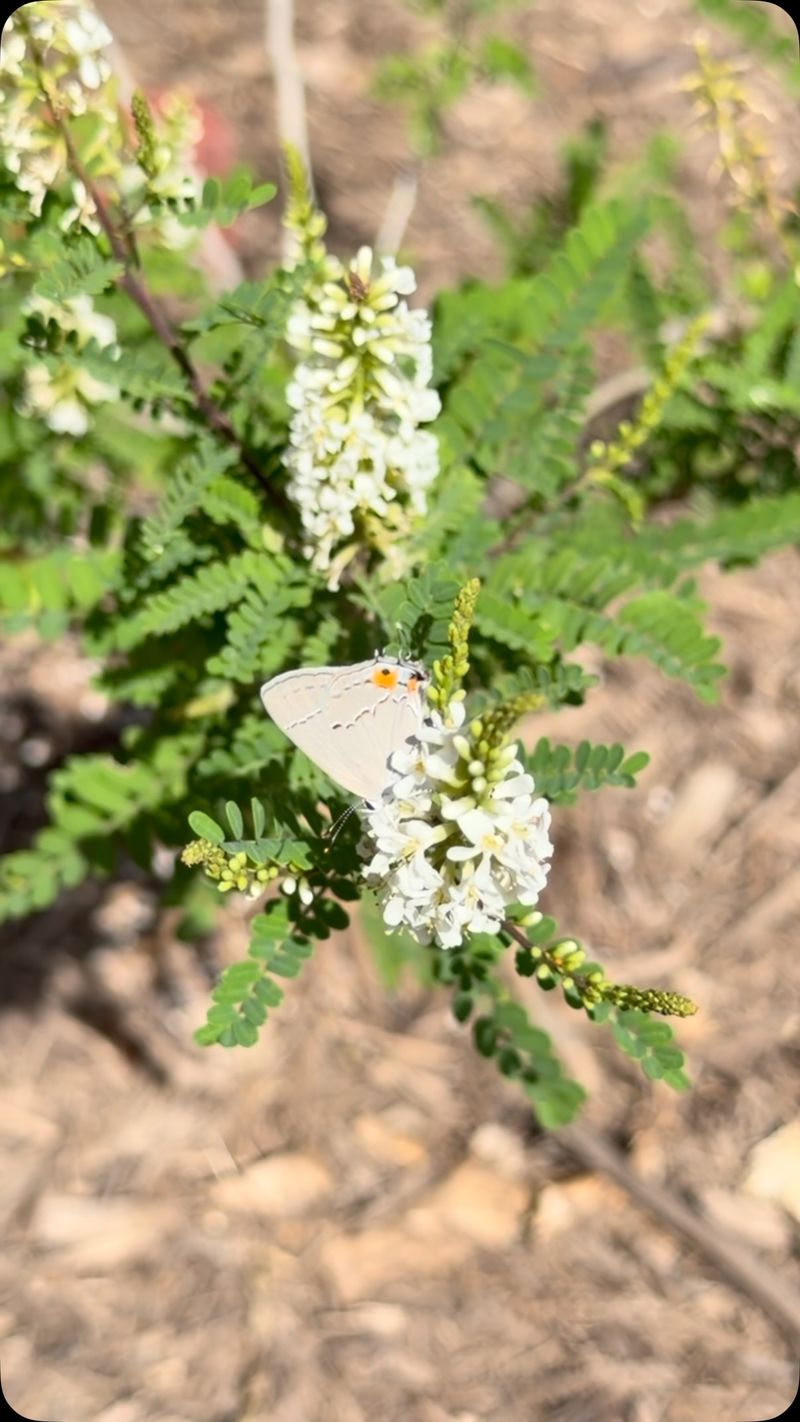
Tucked into the brushy draws and rocky hillsides of South, Central, and West Texas, Texas kidneywood (Eysenhardtia texana) grows as a multi-stemmed native shrub that most passersby would walk right past in winter but stop to smell in summer. Its botanical name nods to an 18th-century botanist, yet the plant itself is thoroughly Texan, native to the Trans-Pecos, Edwards Plateau, Southern Coastal Prairie, and Rio Grande Plains.
Texas A&M’s range plant database describes it as native to brushy areas across several of the state’s ecological regions, valued by both insects and birds.
In a home landscape, kidneywood typically reaches three to eight feet tall, occasionally stretching toward ten feet in favorable conditions. The leaves are fine-textured and pinnately compound, giving the canopy an airy, feathery look that filters afternoon light rather than blocking it.
Come late spring and through much of summer into fall, the branch tips fill with elongated clusters of small white flowers that carry a sweet, noticeable fragrance, especially in the early morning and evening hours.
Those flowers are the plant’s calling card for wildlife gardeners. USDA plant records confirm its native status and document its range in Texas and northern Mexico.
Because the shrub is genuinely native to specific Texas regions rather than the entire state, gardeners in North or East Texas, or those gardening in wetter, heavier soils, should check whether it fits their site before purchasing. For those in the right place, though, kidneywood offers drought tolerance, seasonal fragrance, and a proven relationship with the insects that make an evening yard worth watching.
Follow the plant-to-insect-to-bat pathway
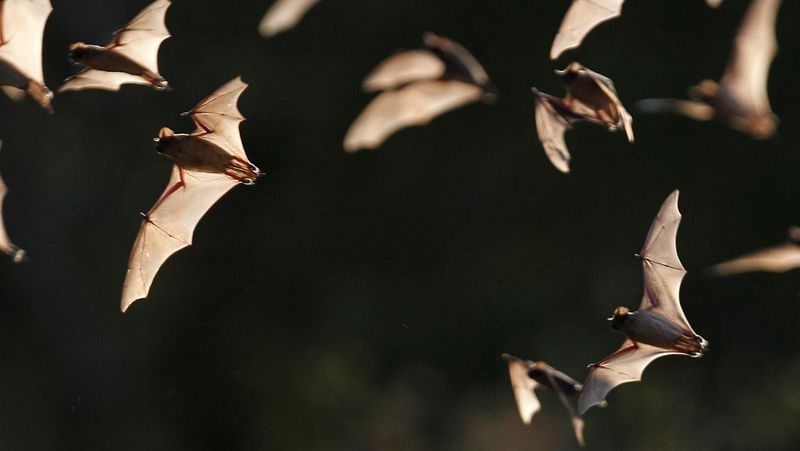
Bats do not fly to a specific plant the way a hummingbird targets a red trumpet vine. The more accurate picture is a chain reaction: Texas kidneywood supports native insects, and insect-eating bats pursue those insects wherever they find them in the evening air.
Bat Conservation International’s regional native plant list for the Texas Coastal Bend specifically names Texas kidneywood among plants that can help attract the insects bats eat, which is a meaningful but carefully worded endorsement.
The insects drawn to kidneywood’s fragrant flowers, especially moths and beetles active at night, are exactly the prey that common Texas bat species pursue on their evening hunting runs. Mexican free-tailed bats, among the most widespread and recognizable bats in Texas, commonly target moths, beetles, and other larger flying insects rather than mosquitoes alone.
BCI’s bat garden guidance frames native plants as habitat builders that strengthen local insect communities, which in turn make a yard more attractive to foraging bats.
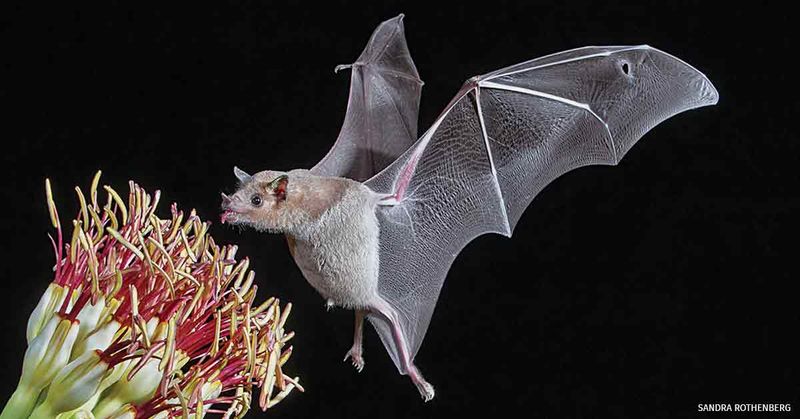
A separate group of Texas bats, long-nosed and long-tongued species, does feed on nectar and pollen from flowering plants, but those are highly specialized relationships with specific desert-bloom plants. Texas Parks and Wildlife describes the Mexican long-nosed bat as dependent on agave and other large-flowered plants, which is a very different niche from the insect-hunting bats most homeowners will see above a suburban yard.
If a bat appears over a kidneywood-planted yard on a summer evening, it may be using that space because the insect supply is good, the habitat feels right, or it is simply passing through on a regular hunting route. A single sighting cannot tell you why it came or confirm that the shrub brought it there.
Match the shrub to the right Texas site
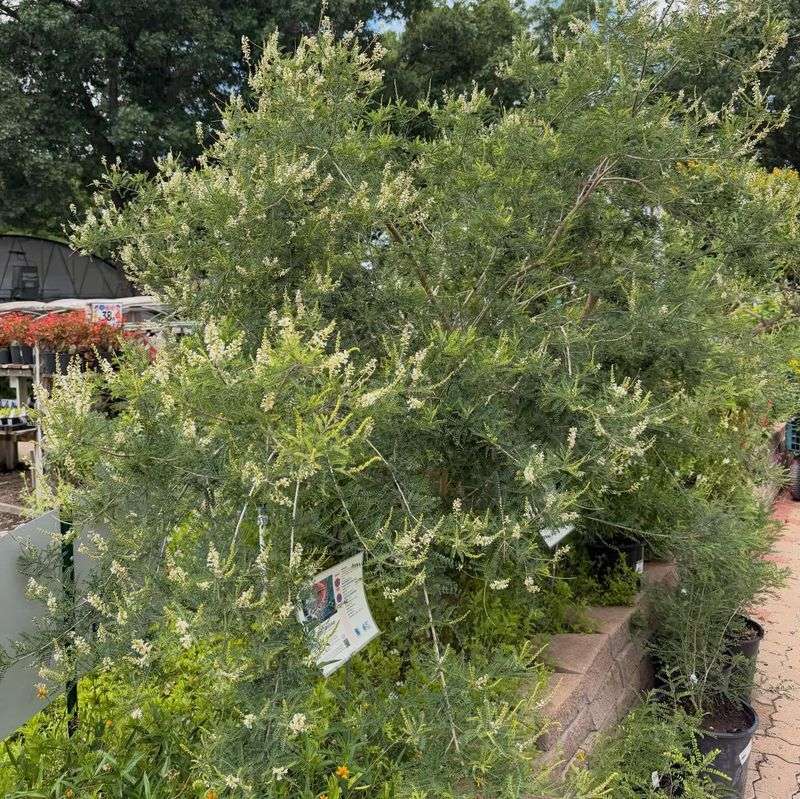
Getting Texas kidneywood to thrive comes down to matching the plant’s natural preferences, and that starts with sun. Full sun or very light shade suits it best; deep shade from large trees or a north-facing fence will produce a leggier, less floriferous shrub that contributes little to insect habitat.
The plant’s wild home is rocky hillsides and brushy draws where sunlight hits hard and soils drain fast, so replicate those conditions and you are most of the way there.
Calcareous or rocky soils are where kidneywood genuinely excels. Caliche-heavy yards, limestone-based beds, and gravelly berms that frustrate other plants are this shrub’s comfort zone.
Heavy clay that holds water after rain is a mismatch; standing moisture around the roots can cause more stress than the hottest Texas summer. USDA documentation confirms its preference for well-drained, often calcareous soils across its native Texas range.
Drought tolerance is real but not absolute. During an extended dry stretch, the shrub may drop leaves temporarily as a survival response, then flush new growth once water returns.
That kind of seasonal defoliation can startle a new gardener, but it is a normal adaptation rather than a sign of plant failure. Plan for three to eight feet of spread at maturity, with occasional specimens reaching close to ten feet under ideal conditions, and give it room so it does not need hard pruning that removes the flowering tips.
Regional fit matters more than any other factor. Texas A&M’s range plant records document kidneywood across South, Central, and West Texas ecological regions.
Gardeners in the Piney Woods, the upper Gulf Coast, or the wetter blackland prairie soils should look at regionally appropriate alternatives. The Texas A&M AgriLife EarthKind plant resources can help match native selections to your specific county and soil type before you buy.
Build the habitat around the planting
One shrub, no matter how well placed, cannot supply everything a bat needs to treat a yard as regular hunting territory. Bats look for a combination of features: enough insect prey in the air, a reliable water source nearby, a safe roosting spot, and an environment that does not blast them with bright lights or drench the insect community in pesticides.
Texas kidneywood contributes to the insect side of that equation, but the rest of the habitat has to be built around it.
Layered native plantings make the biggest difference. A mix of native trees, mid-sized shrubs like kidneywood, and low groundcovers creates the kind of structural complexity that supports a wide range of insects across different seasons and flight heights.
BCI’s bat garden creation guide recommends prioritizing plants that bloom or remain insect-attractive at night, since that is when foraging bats are active. Mature trees with rough bark or natural cavities offer roosting options that no bat house can fully replicate.
Nighttime lighting is an underappreciated obstacle. Bright security lights, flood-lit patios, and LED strips close to plantings can suppress moth activity and push insect populations away from the yard’s edges, exactly where bats prefer to hunt.
Switching to motion-activated, amber-spectrum lights, or simply keeping the garden edges darker, can help maintain the insect activity that makes the habitat useful. Texas Parks and Wildlife’s wildscaping tips support reduced pesticide use and native plantings as core practices for urban wildlife habitat.
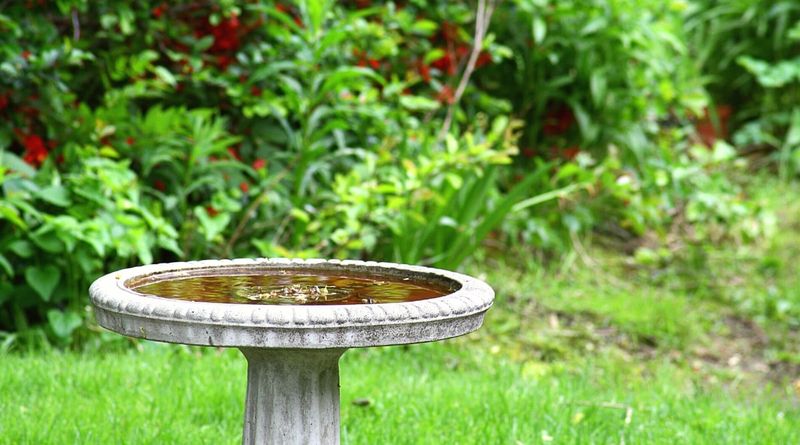
Water is essential but requires careful management. A shallow birdbath or wildlife basin gives bats a place to drink on the wing, and that access can make a yard more attractive to them.
The catch is that any standing water left unattended becomes a mosquito nursery. CDC guidance on home mosquito control is clear: empty and scrub birdbaths, saucers, and basins at least once a week.
Wildlife water and mosquito prevention have to be managed together, not treated as separate goals.
Consider a bat house only as an optional supplement
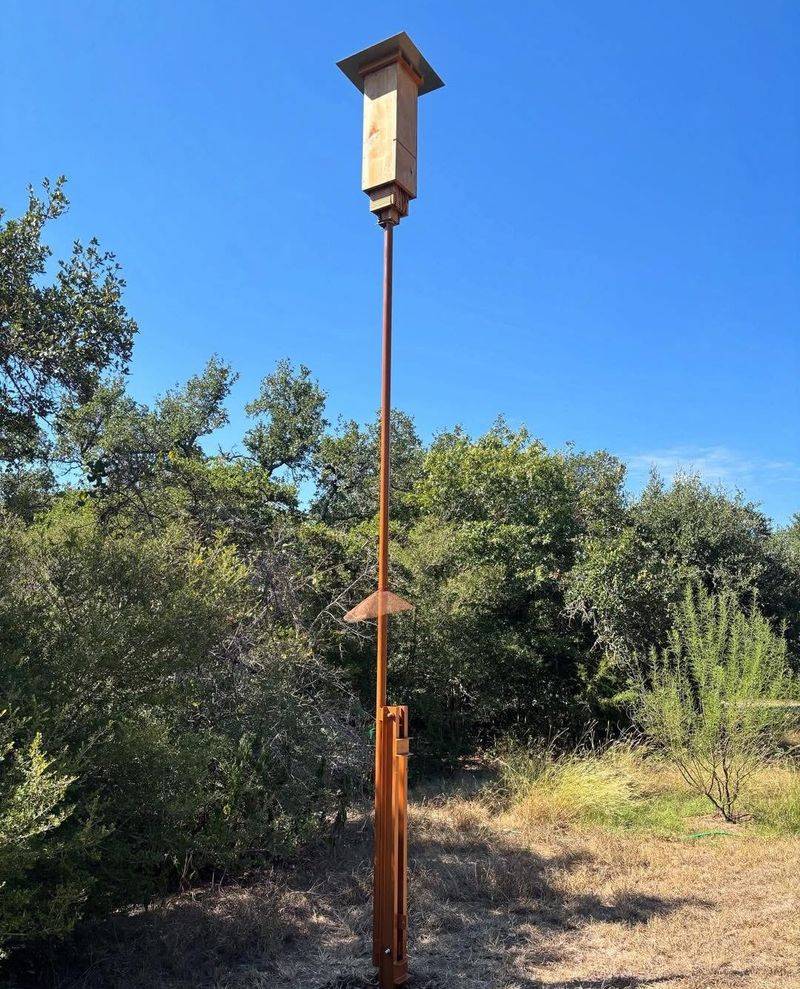
A bat house can be a useful addition to a wildlife-supportive yard, but it is worth being clear about what it is not. A bat house is not a mosquito trap, not a guaranteed bat magnet, and not a replacement for the habitat features that actually make a yard worth visiting.
Think of it as an optional roosting supplement, one that may or may not be used depending on local bat populations, nearby habitat, and placement quality.
BCI’s bat house guidelines give specific placement criteria that matter especially in Texas heat. Mount the house high, with a minimum of twelve feet of unobstructed space below the exit slot so bats can drop into flight without hitting obstacles.
Keep it well away from predator perches like fence tops and overhanging branches. Avoid placing it directly above doors, windows, or high-traffic areas where guano accumulation becomes a nuisance problem quickly.
Sun exposure is a genuine challenge in Texas summers. A house that overheats in the afternoon can become uninhabitable.
East-facing placement captures morning warmth to help bats regulate their body temperature while reducing the risk of dangerous afternoon heat buildup. BCI’s bat house tips suggest at least six hours of daily sun and placement twelve to twenty feet above the ground, with nearby water improving the odds of use.
Taller, multi-chamber houses generally outperform small single-chamber boxes, partly because they hold heat more effectively and offer more interior space for colony formation. BCI’s installation guide covers construction and mounting details for those who want to build rather than buy.
Even a perfectly placed house may take a full season or longer to attract its first occupants, and some houses are never used. Patience and realistic expectations are part of the deal.
Keep mosquito control separate and practical
Bats eat mosquitoes. That part is true, and field research backs it up.
Peer-reviewed studies have detected mosquito DNA in bat diet samples, including from arbovirus-vector species documented in the southeastern United States. Bat species that forage low over water, in particular, show meaningful mosquito consumption in some settings.
So the connection between bats and mosquitoes is real.
What the research does not show is that planting Texas kidneywood in a yard, or even attracting bats to that yard, will measurably reduce the number of mosquitoes landing on you at the porch table. Studies published in the Journal of Mammalogy note that mosquito consumption varies considerably by bat species, season, location, prey availability, and habitat type.
Many commonly seen Texas bats, including Mexican free-tailed bats, predominantly pursue moths and beetles, which are larger, more energy-dense prey than mosquitoes.
National Park Service information on bat feeding habits explicitly cautions that widely repeated claims about bats consuming thousands of mosquitoes per night are not supported by direct feeding studies. The actual number depends heavily on what else is available to eat, and bats are opportunistic hunters that follow the best prey at any given moment.
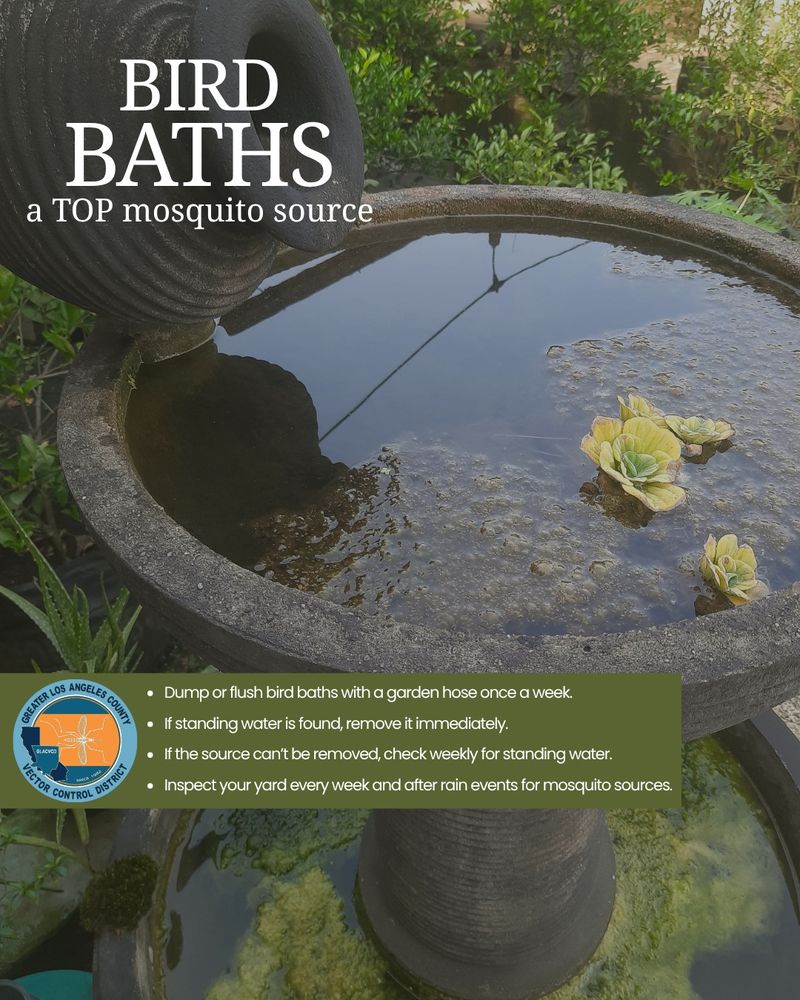
For reliable mosquito reduction at home, the CDC’s primary homeowner recommendation is standing-water removal and management. Once a week, empty and scrub birdbaths, flip over saucers and buckets, cover rain barrels with tight screens, discard old tires, and check toys, tarps, and planters for pooled water.
Mosquitoes can complete their larval cycle in surprisingly small amounts of stagnant water, which means a forgotten saucer under a potted plant can undermine everything else you do. Containers that cannot be emptied should be covered tightly or treated with a larval control product according to label directions.
That weekly habit does more to reduce backyard mosquito pressure than any single plant or wildlife feature.
Set a realistic evening-yard goal
A yard that supports bats and feels alive after sundown is genuinely achievable in the right parts of Texas. Plant Texas kidneywood where the soil, sun, and regional climate fit, add other native shrubs and trees for layered insect habitat, dial back pesticide use and unnecessary nighttime lighting, and manage standing water every single week.
That combination builds the kind of environment where a bat might choose to hunt, even if nothing about it is guaranteed.
A bat house can go up once the habitat basics are in place, but site it carefully using BCI’s placement guidelines and accept that occupancy may take time. BCI’s bat garden resources offer a useful starting framework for pulling these elements together.
The honest payoff is a yard that supports native wildlife, hums with insect life on summer evenings, and gives bats a reason to pass through, not a porch free of every mosquito. For that last goal, the weekly water-scrubbing routine remains the most direct tool available, as CDC guidance consistently recommends.
One firm rule applies to any bat encounter: do not handle bats. Texas Parks and Wildlife advises against picking up any bat, especially one found on the ground, active during daylight, or behaving sluggishly.
If you find a bat in that condition, contact your local public-health authority or Texas Parks and Wildlife for guidance. The best bat encounter is the one you watch from a comfortable chair, a cold drink in hand, as the sky goes dark over a yard you built for them.