
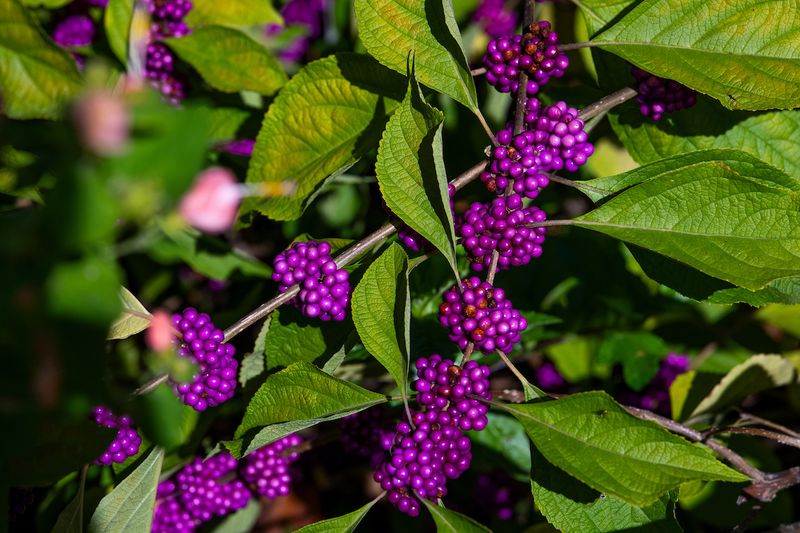
American beautyberry has been getting a lot of attention lately as a possible natural defense against ticks in Texas backyards. The buzz comes from real laboratory research, but the plant’s actual role in tick prevention is more limited than most headlines suggest.
Understanding what the science actually found, and what it did not, helps you make smarter choices for your yard and your family’s safety.
American beautyberry is an intriguing native shrub—not a backyard barrier
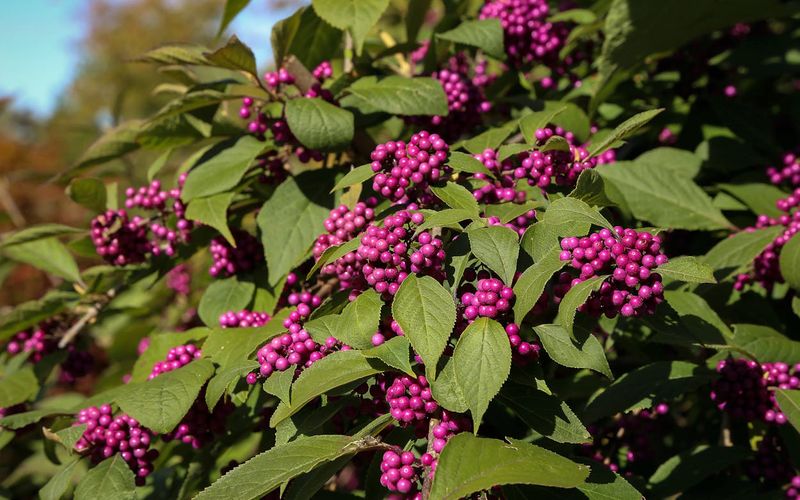
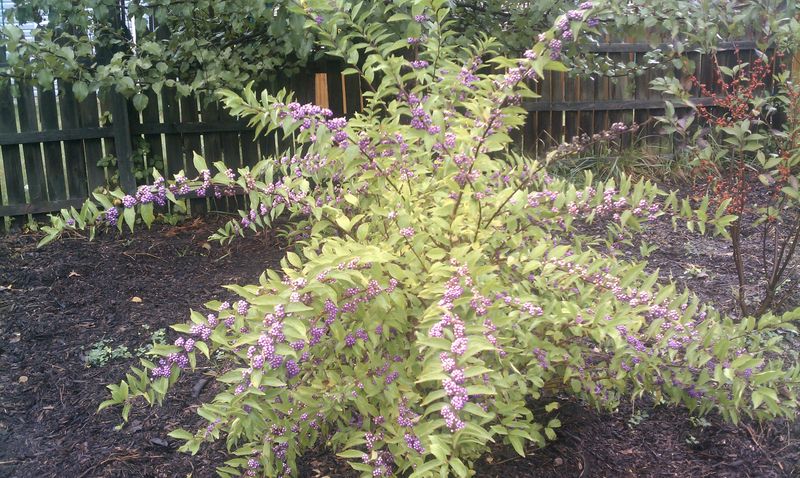
American beautyberry, known botanically as Callicarpa americana, is one of the most visually striking native shrubs you can grow in Central Texas. Come late summer and fall, its arching stems erupt with tight clusters of bright purple berries that practically glow against the green understory.
According to Austin’s official plant guide, a mature shrub typically reaches four to six feet tall with a spread of roughly six feet, making it a substantial presence near a porch or patio without overwhelming a modest bed.
The plant is classified as low-water once established, but that label comes with important conditions. Beautyberry naturally grows as an understory shrub, which means it prefers filtered or partial shade rather than full Texas sun.
It also does best in deep or well-drained soil with dependable moisture, so a baking, caliche-heavy, exposed corner of the yard is not the right fit.
Wildlife value is genuine. Birds feed on the berries through fall and winter, and the shrub provides cover for small animals.
Those qualities make it worth planting near frequently used outdoor spaces when the site conditions actually match what the plant needs.
Where beautyberry’s reputation gets ahead of the evidence is in tick control. The research that sparked the excitement studied chemical compounds isolated from the plant’s leaves in a laboratory, not a live shrub growing in a yard.
No identified study has tested whether planting beautyberry around a home creates any kind of tick barrier or changes how ticks move through a residential landscape. The plant is an intriguing laboratory subject and a genuinely attractive native shrub, but the decision to grow it should rest on site fit and wildlife value, with tick repellency treated as an unproven bonus rather than a primary reason to plant it.
Researchers found laboratory repellency in beautyberry compounds
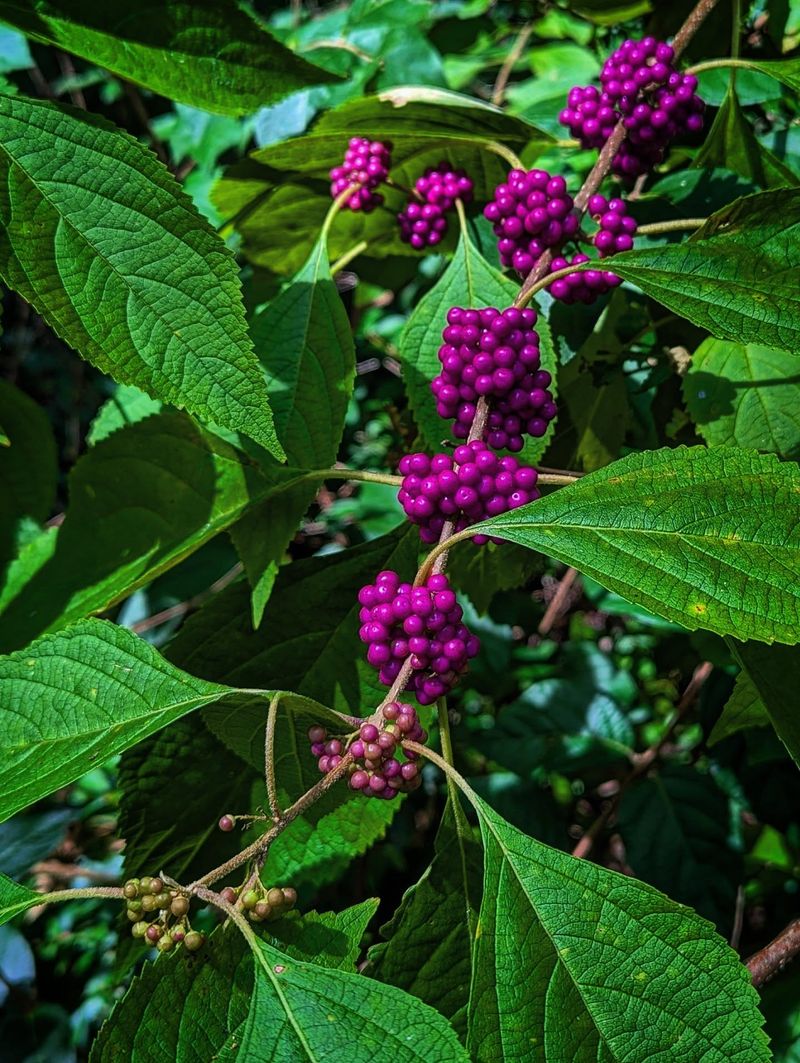
The story behind beautyberry’s tick reputation starts in a USDA Agricultural Research Service laboratory, where scientists isolated two chemical compounds from the plant’s leaves: callicarpenal and intermedeol. Both belong to natural fragrance families already familiar in perfumery and traditional plant medicine.
What made them interesting to tick researchers was a pattern of field observations suggesting that people who rubbed crushed beautyberry leaves on their skin seemed to attract fewer biting insects, a folk remedy with roots in the rural South.
To test whether the compounds had measurable repellent activity, researchers applied them at controlled doses to treated cloth and then exposed blacklegged tick nymphs, the life stage most likely to transmit Lyme disease, to those treated surfaces. The published USDA study found that callicarpenal repelled 98 percent of blacklegged tick nymphs at the tested dose.
The compound held full effectiveness for three hours, and repellency was still measurable at 53.3 percent at the four-hour mark.
Intermedeol also showed activity in the assay, though the study’s headline number belonged to callicarpenal. The researchers described these as preliminary findings and noted that additional work would be needed before any practical application could be recommended.
USDA presented the results as early-stage science, not as a ready-to-use product or a validated landscape strategy.
Two details matter enormously for anyone reading this research as a homeowner. First, the experiment used purified compounds applied at precise concentrations, not a shrub releasing scent into open air.
Second, the fingertip cloth assay measured whether tick nymphs would cross a treated barrier, not whether ticks would avoid a yard, a porch, or a person standing near a growing plant. The laboratory setting and the real-world landscape are very different environments, and the study’s results belong firmly in the first one.
Laboratory repellency does not show that a shrub changes backyard movement
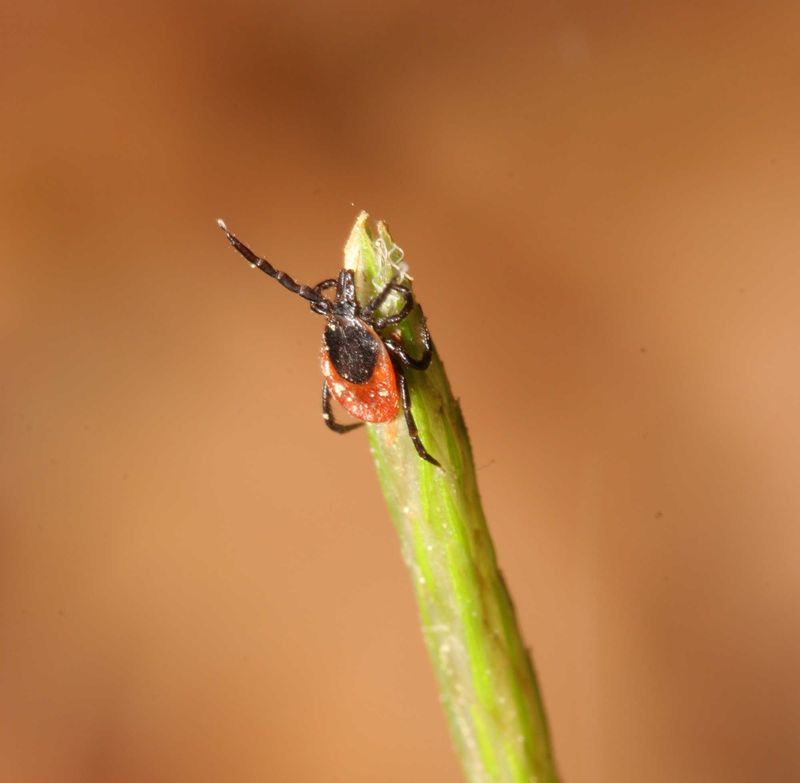
Ticks are remarkably good at finding hosts, and they rely heavily on chemical signals to do it. Research on tick chemosensory biology shows that species like the blacklegged tick and the lone star tick detect carbon dioxide, body heat, and volatile organic compounds released by potential hosts.
They use these signals to position themselves on vegetation and wait for passing animals or people, a behavior called questing.
Knowing that ticks rely on scent makes it tempting to conclude that a beautyberry shrub releasing callicarpenal into the surrounding air would confuse or deter questing ticks in a yard. That reasoning sounds logical, but the USDA beautyberry study did not test it.
The experiment measured whether tick nymphs would cross a piece of cloth treated with a measured dose of purified compound. Crossing a treated cloth in a controlled fingertip assay is not the same as navigating a residential yard with variable air movement, vegetation, humidity, and competing scent sources.
The study did not evaluate whether a live shrub releases callicarpenal at concentrations high enough to affect tick behavior outdoors. It did not test whether the scent from intact leaves disperses meaningfully beyond the plant itself.
And it made no claim that beautyberry masks carbon dioxide, disrupts host-seeking navigation, or prevents ticks from crossing a yard perimeter. Those are reasonable questions for future research, but they were not answered by the available evidence.
Treating the laboratory result as proof of a backyard barrier overstates what was actually measured. The honest takeaway is that certain compounds in beautyberry leaves showed repellent activity against tick nymphs on treated cloth under controlled conditions.
That is a meaningful scientific starting point, and it is also where the demonstrated evidence stops.
Lone star tick results narrow the Texas promise
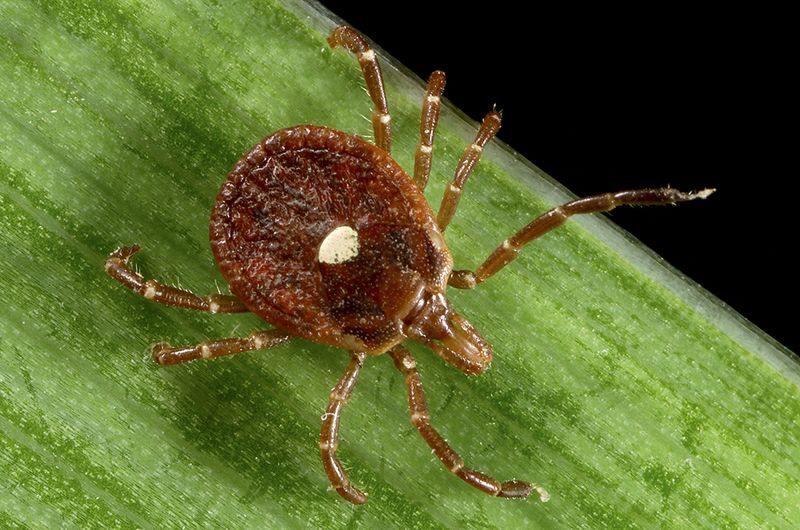
For Central Texas homeowners, the lone star tick is arguably a more pressing concern than the blacklegged tick. Lone star ticks are abundant across eastern and central Texas, aggressive host-seekers, and capable of transmitting several pathogens including the bacteria that cause ehrlichiosis and spotted fever group rickettsioses.
Any plant-based repellent strategy pitched at Texas readers needs to perform against lone star ticks to be genuinely useful.
The USDA beautyberry study did include lone star tick nymphs, and the results were considerably less impressive. The same research that found 98 percent repellency against blacklegged tick nymphs found only 20 percent repellency for callicarpenal against lone star nymphs at one tested dose.
That gap is not a minor variation. A compound that repels roughly one in five lone star ticks at a controlled laboratory dose cannot be presented as reliable protection against the tick species Texas residents encounter most often outdoors.
Intermedeol showed some activity against lone star ticks in the assay, but neither compound produced results against lone star nymphs that matched what callicarpenal achieved against blacklegged ticks. The researchers did not explain the biological reason for the difference in their published findings, but the practical meaning is clear: the most striking number from this study applies to one tick species under laboratory conditions and should not be generalized to the broader Texas tick population.
Headlines and social media posts about beautyberry and ticks almost always lead with the 98 percent figure without mentioning the 20 percent lone star result. For a Texas reader deciding whether to plant a shrub as part of a tick-reduction strategy, that omission matters.
The blacklegged tick finding is genuinely interesting, and the lone star tick finding is a firm reminder that interesting laboratory results and dependable yard protection are not the same thing.
Choose beautyberry for the right Central Texas microclimate
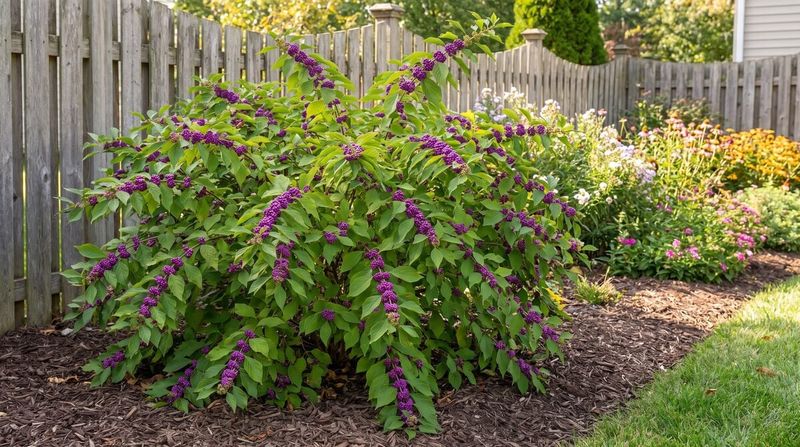
Beautyberry earns a place in a Central Texas yard when the site actually suits it, and that is a more specific set of conditions than most planting guides acknowledge. The shrub originates in moist, rich woodland understories, and that background shapes what it needs to thrive.
Austin’s plant guide recommends filtered shade or part shade as the ideal light exposure, along with deep or well-drained soil and dependable moisture. A location under the canopy of established live oaks, cedar elms, or other shade trees along the east or north side of a structure is a much better fit than a south-facing bed that bakes in direct afternoon sun.
Soil type is worth checking before you plant. Beautyberry prefers loose, somewhat organic soil where its roots can establish without fighting compacted caliche.
Texas Parks and Wildlife guidance notes that the plant appreciates watering during dry periods, which in Central Texas means irrigation during establishment and during severe drought years regardless of how long it has been in the ground.
The University of Texas Biodiversity Center’s profile of the species confirms its preference for shaded, relatively moist woodland conditions and notes that it is native to eastern and central parts of the state. That regional specificity matters: beautyberry is not equally at home in every Texas ecoregion, and gardeners in drier, more exposed western Hill Country sites may find it struggles without consistent supplemental water.
Near a porch or patio where filtered shade exists and a hose is nearby, beautyberry can be a genuinely rewarding choice. Its mature footprint of roughly four to six feet tall and six feet wide means a single specimen makes a visual statement without crowding a small space.
Plant it for the purple berries, the birds it attracts, and the way it fills an understory gap with something native, then let any tick-related benefit remain a possible side note rather than the reason you chose it.
Use the yard-management steps CDC recommends
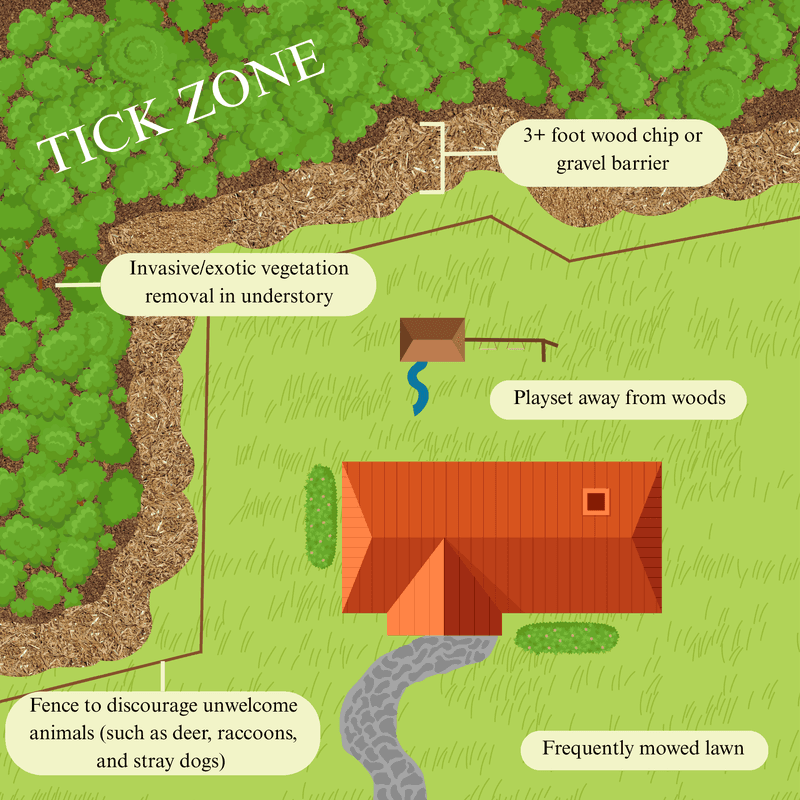
A beautyberry shrub near the back porch is a pleasant addition to a yard, but it does not substitute for the habitat changes that actually reduce tick exposure around a home. CDC guidance on tick prevention points to several yard-management steps that address the conditions ticks need to survive and find hosts, and these measures have more direct support behind them than planting any repellent shrub.
Removing leaf litter is one of the most practical starting points. Ticks, particularly blacklegged tick nymphs, depend on moist, shaded microhabitats to avoid desiccation between host encounters.
Piles of leaves along fence lines, under shrubs, and at the edges of wooded areas create exactly that environment. Clearing them regularly, especially in spring when nymph activity peaks, removes shelter that ticks would otherwise use.
Tall grass and dense brush along lawn edges and near the house are equally important targets. Ticks quest from vegetation, so keeping grass mowed and brush trimmed back from high-traffic zones reduces the number of spots where they can position themselves to encounter people or pets.
The CDC also recommends installing a three-foot strip of wood chips or gravel between the lawn and any adjacent wooded areas. That dry, exposed barrier is harder for ticks to cross and creates a visible boundary between managed yard space and wilder habitat.
Wildlife hosts play a role too. Deer, mice, and other small mammals carry ticks into yards and drop them in leaf litter and ground cover.
Dense vegetation, unmanaged brush piles, and bird feeders that attract rodents can all increase tick pressure regardless of what shrubs are planted nearby. These are not reasons to strip a yard of all plants, but they are a reminder that tick exposure in a residential setting reflects the whole habitat, not just one corner of it.
Yard management works best as a consistent habit rather than a one-time cleanup.
Layer personal and pet protection around the landscape
No landscape plant, including beautyberry, provides the kind of personal protection that keeps ticks off people and pets. The yard-management steps described by CDC guidance reduce tick habitat, but ticks can still be present in a managed yard, and they can hitch a ride inside on clothing, gear, or animals.
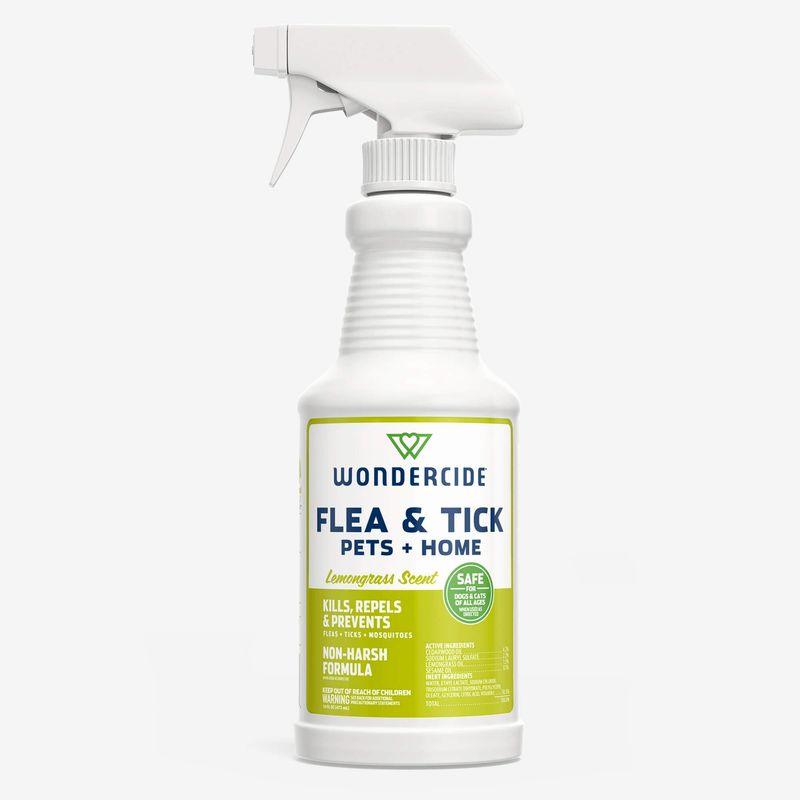
CDC recommendations for personal protection cover several habits that work together: check your body, clothing, and gear thoroughly after any time outdoors, shower within two hours of coming inside to wash off unattached ticks, and treat clothing with permethrin or wear EPA-registered repellents on exposed skin according to the product label.
EPA-registered repellents have undergone review for both safety and effectiveness at labeled doses. EPA’s repellent registration process evaluates products before they can make efficacy claims for use on skin, which is a standard that unregistered botanical preparations have not met.
That distinction matters when choosing what to put on your skin or your child’s skin before heading into tick habitat.
One thing that is not safe or advisable: crushing beautyberry leaves and rubbing them on skin as a homemade repellent. The USDA study that found laboratory repellency in callicarpenal and intermedeol explicitly stated that the effects of concentrated forms of those compounds on human skin were unknown.
Traditional folk use and a laboratory assay on treated cloth are not substitutes for safety and dose testing on skin, so that shortcut should be skipped entirely.
For pets, a tick check after outdoor time is a good habit but not a complete protection plan. Dogs and cats can carry ticks inside before they attach, and some tick-borne diseases in pets progress quickly.
Discussing veterinarian-directed, label-compliant tick prevention products with your vet gives pets ongoing coverage that a spot-check alone cannot provide. A combination of yard management, personal protection, and appropriate pet prevention covers the gaps that any single measure leaves open.
Treat beautyberry as a supporting garden choice
Putting the evidence and the practical advice together leaves a clear picture. American beautyberry is an attractive, regionally appropriate native shrub whose leaves contain compounds that showed genuine repellent activity against blacklegged tick nymphs in a controlled laboratory setting.
No available research demonstrates that a live planting keeps ticks from crossing a backyard, and the results against lone star ticks, the species Central Texas residents encounter most, were considerably weaker.
Choose beautyberry because it fits your site: filtered shade, reasonably moist and well-drained soil, and a location where you can water it during establishment and dry spells. Plant it for the fall berries, the birds it feeds through winter, and the native understory character it brings to a shaded corner near a porch or patio.
Then build your actual tick protection around the measures that have stronger support: CDC-recommended yard management, EPA-registered repellents, thorough tick checks, and veterinarian-directed prevention for pets.
Beautyberry is worth growing on its own merits. Treating it as one piece of a layered approach, rather than the centerpiece of a tick-barrier strategy, is both honest about what the science shows and genuinely useful for the people spending time in your yard.