
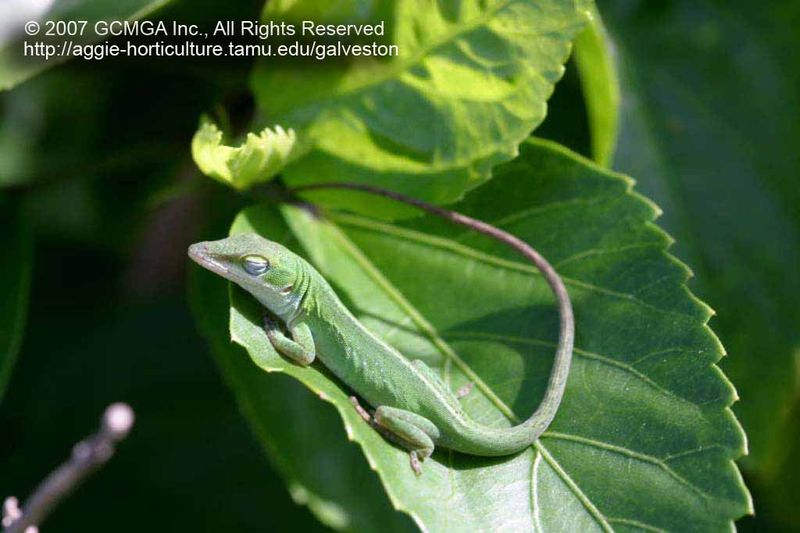
Summer evenings on a Texas porch come with unwanted company, and plenty of homeowners are looking for a natural way to tip the odds in their favor. The idea that one native plant can draw in green anoles and chase roaches away for good sounds almost too good to be true, and honestly, it mostly is. What the research actually shows is more useful than any single-plant promise, and understanding it will help you make smarter choices for your yard and your peace of mind.
Shrub density matters more than a magic species
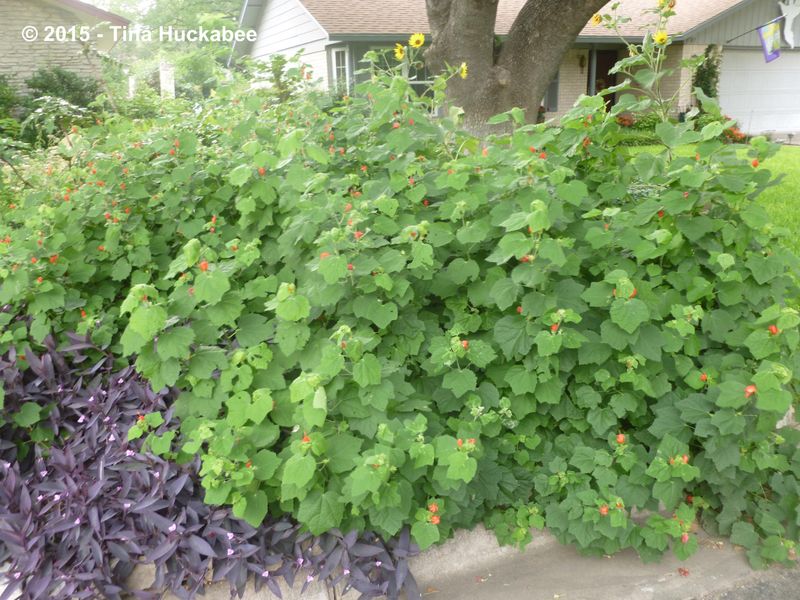
Plenty of gardening advice pins a single plant as the secret to attracting wildlife or solving a pest problem, and the idea of one Texas native pulling in green anoles while clearing your porch of roaches fits that pattern perfectly. The problem is that the strongest field evidence from Texas points somewhere else entirely. A study conducted in the Angelina National Forest in eastern Texas found that estimated green-anole populations were about 16 times higher in a high-shrub-density plot than in a low-shrub-density plot during late spring, and the same study found little evidence that anoles preferred or avoided most individual shrub species.
That result shifts the practical focus from “which plant” to “how much plant.” Anoles responded to the volume and density of live shrubs, and they tended to use shrubs substantially larger than the average available in their habitat. One specimen shrub surrounded by bare mulch is unlikely to move the needle much. A thick, multi-plant border with real branching structure and canopy coverage is a more promising starting point.
The roach side of the equation needs a separate, honest framing. No authoritative source establishes that attracting green anoles to a porch will reliably reduce a cockroach population, let alone clear one permanently. Anoles eat varied arthropods and may consume a small roach when the opportunity arises, but pest control is not their job, and the evidence does not support treating them as one. The responsible takeaway is that a suitable planting may improve anole habitat and increase sightings, while cockroach management requires its own targeted approach.
Green anoles use vegetation, shade, and nearby structures
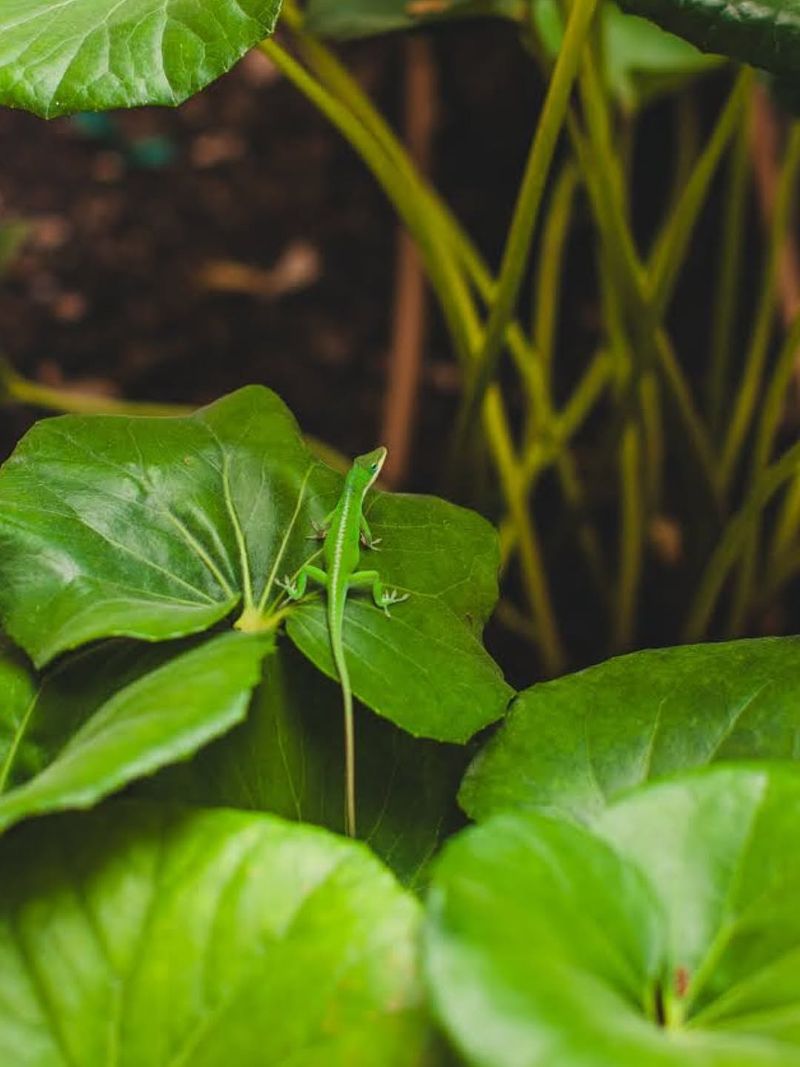
Green anoles are creatures of the eastern third of Texas. According to Texas Parks and Wildlife, they favor greenery, occasional shade, moisture, trees, and shrubs, though they regularly use walls, fences, and other built surfaces too. That last point matters for anyone planning a porch planting: anoles are already comfortable on structures, so a shrub border near a porch is not introducing them to an alien environment. It is adding useful habitat to a space they might already visit.
The eastern Texas field study adds important detail about what kind of vegetation actually gets used. Anoles most often used live shrubs and selected shrubs substantially larger than the average available shrub, which means plant volume, branching structure, and canopy cover matter more than simply having any shrub present. A young or heavily pruned shrub with little interior structure offers far less than a mature, full-bodied plant that provides real cover, multiple perch heights, and shaded interior space.
Shade and moisture are useful supporting features rather than absolute requirements. Anoles are cold-blooded, so they need to move between sun and shade throughout the day to regulate body temperature. A planting that includes both sunny exposure and shaded pockets gives them room to thermoregulate without wandering far. Moisture around the planting, whether from irrigation, mulch, or naturally humid East Texas conditions, also makes the habitat more comfortable.
None of these features guarantee anole presence, but together they describe the kind of yard where anoles are more likely to stick around rather than pass through.
Yaupon is a regional shelter option, not a proven anole attractant
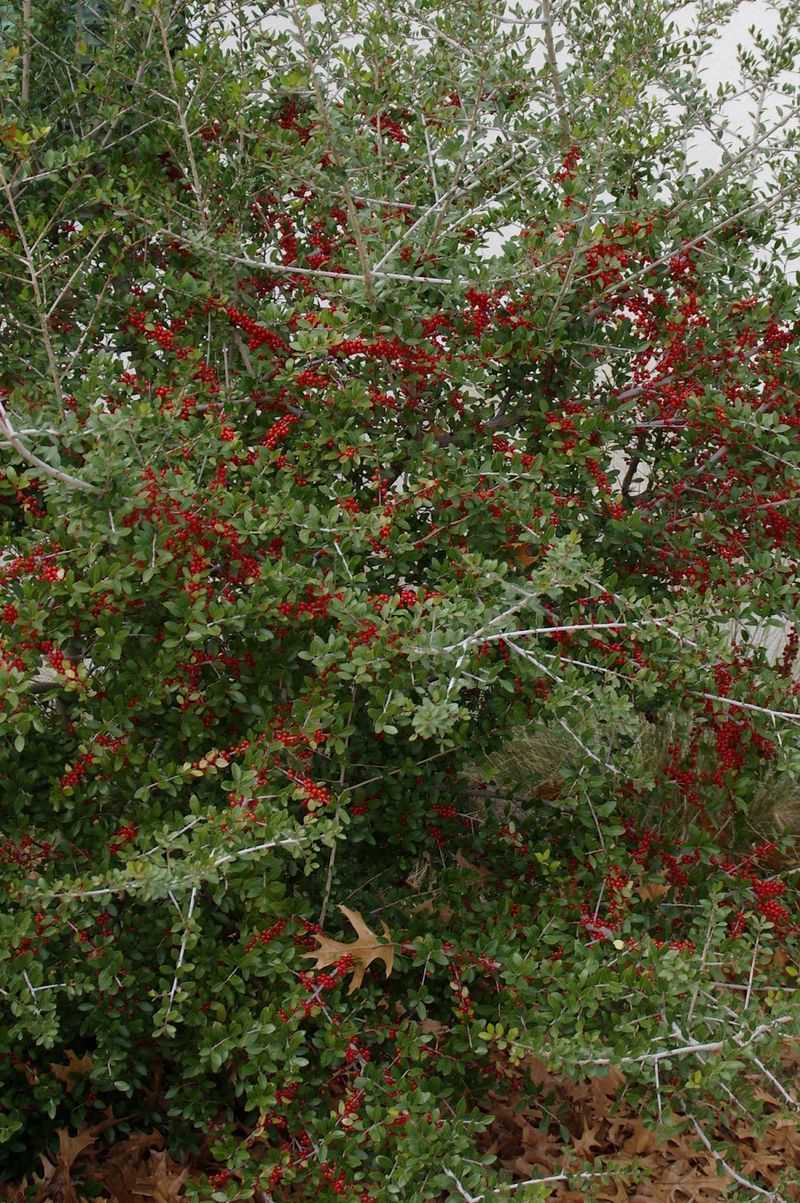
Yaupon holly comes up often in Texas native plant conversations, and for good reason. Texas Parks and Wildlife lists yaupon as useful shelter vegetation in South Texas Wildscapes guidance, alongside other regionally appropriate plants like southern wax myrtle, Barbados cherry, coralberry, and live oak. That listing reflects its value as wildlife cover, not a proven ability to attract green anoles specifically.
The eastern Texas field study adds a complication worth knowing. In one study plot, yaupon was ranked as an avoided shrub species by green anoles, meaning anoles used it less than its availability would predict. That result should not be stretched into a statewide condemnation of yaupon as anole habitat, since the study covered a specific area and a single season. But it directly argues against calling yaupon uniquely preferred or scientifically proven as a green-anole attractant.
Where yaupon fits your yard depends on your ecoregion, soil drainage, winter temperatures, and available water. Texas has ten ecoregions, and a plant that thrives on the Gulf Coast may struggle in the Hill Country or North Texas. Yaupon is a solid habitat shrub option in parts of East, Central, and South Texas where conditions support it, but treating it as a statewide fix or a uniquely powerful anole magnet sets up unrealistic expectations. Use it as one well-adapted piece of a larger, denser planting rather than a standalone solution.
Build layered habitat around the porch

A lone yaupon or any single specimen shrub sitting in a mulched bed does not create the kind of habitat that field research associates with higher anole numbers. What works better is a layered border: tall plants at the back, medium shrubs in the middle, and lower ground cover or perennials at the front, with enough density that the canopy layers overlap and create real interior cover. Texas Parks and Wildlife Wildscapes guidance recommends multilayered wildlife plantings containing tall, medium, and short vegetation, and specifically notes that evergreen plants provide year-round cover, which is especially valuable during mild Texas winters when anoles may still be active on warm days.
Texas ecoregions vary sharply, so the specific plants that belong in that layered border depend on where you live. Native plants are encouraged in Texas Wildscapes because wildlife is adapted to regional native vegetation, and a planting that works well on a Houston lot may be a poor fit for a San Antonio yard with rocky alkaline soil or a North Texas yard with hard freezes. Before selecting plants, check your ecoregion and consider your soil drainage, summer heat load, and access to supplemental water during establishment.
For the porch border specifically, avoid heavy annual pruning that removes the interior branching and volume anoles use for perches and escape cover. A shrub kept neatly clipped into a tight ball may look tidy but offers little of the structure that makes it useful habitat. South Texas Wildscapes examples include plants like southern wax myrtle, coralberry, and Barbados cherry as components of a layered planting, and similar layering principles apply across East and Central Texas with regionally appropriate substitutions. This approach reflects what the eastern Texas shrub-density research and Wildscapes guidance support, not a directly tested porch recipe with a guaranteed outcome.
Anoles may eat some roaches, but their diet is broader
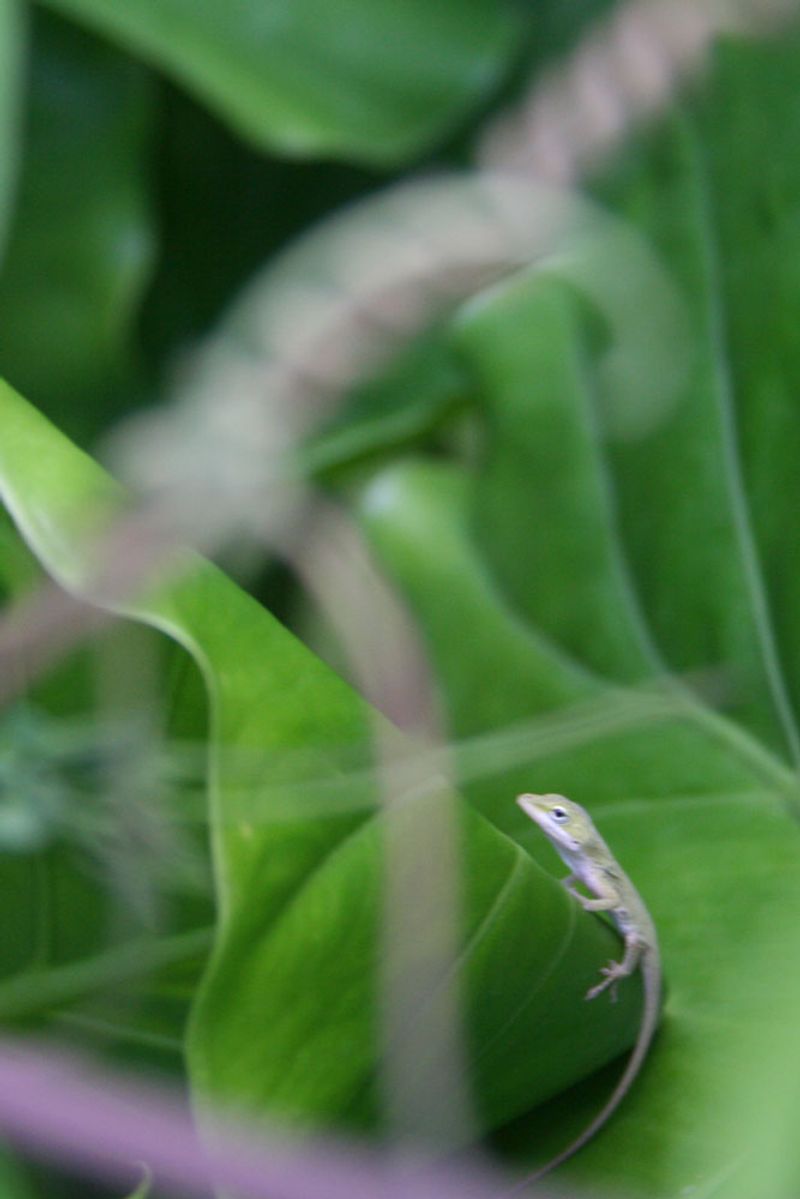
Green anoles are opportunistic hunters. Texas Parks and Wildlife describes them as eating insects and small spiders, and Animal Diversity Web notes a broad arthropod diet that shifts based on whatever is available in their immediate hunting area. A green anole perched in a shrub near your porch is not scanning for roaches specifically. It is watching for movement and grabbing whatever prey crosses its path at a catchable size and speed.
A small cockroach nymph moving through a shrub at the right moment could absolutely end up as an anole meal. The trouble is that most of the roaches causing porch headaches in Texas are adults, and large adult American cockroaches can be too big, too fast, or simply out of reach in the lower debris zones where anoles rarely hunt. Florida IFAS extension notes that cockroach prey is not a primary or reliable component of anole diet in managed landscapes, and the predator-prey interaction depends heavily on roach species, body size, anole abundance, and whether the roaches are outdoors or established inside the structure.
There is also a habitat trade-off worth acknowledging. Dense vegetation, moist mulch, and accumulated leaf litter around a porch border can provide useful cover for anoles, but UC IPM guidance identifies moisture, debris, and dense vegetation as conditions that can also support outdoor cockroach harborage. Adding habitat for one does not automatically subtract habitat for the other. Managing the moisture and debris levels in a planting border is part of keeping the habitat beneficial without inadvertently making roach conditions worse.
Identify the cockroach before choosing a response
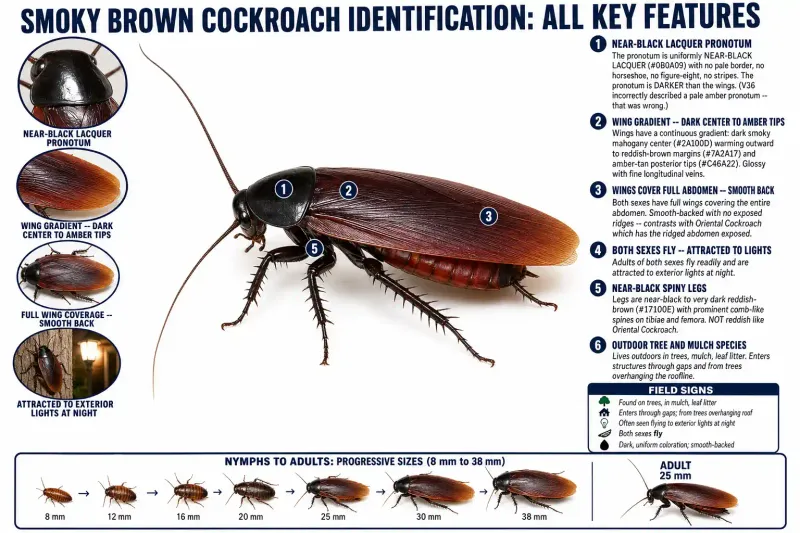
Not every cockroach on your porch means you have an infestation, and treating every sighting the same way wastes time and money. Texas A&M entomologists point out that many cockroach species live outdoors and help decompose dead plant material, and only a small group of U.S. species are serious household pests. Seeing one large roach on a summer evening is a different situation than finding multiple small roaches inside your kitchen cabinets.
American cockroaches, Oriental cockroaches, and Turkestan cockroaches are common outdoor species in Texas that may wander onto a porch, especially during hot weather or heavy rain. They typically live in mulch, leaf piles, wood debris, or utility areas and enter buildings through gaps rather than breeding inside. UC IPM guidance distinguishes outdoor-dwelling species from German cockroaches, which generally live and breed indoors and require a different control approach entirely. German cockroaches are smaller, tan to light brown, and almost never found outdoors.
Location and pattern of sightings are your most useful diagnostic tools. A single large roach near a drain or compost pile is almost certainly an outdoor species doing its ecological thing. Repeated sightings of smaller roaches inside, especially near food or water, suggest German cockroaches and call for a faster, more targeted indoor response. Getting the identification right before choosing a treatment prevents wasted effort on the wrong pest and keeps you from applying outdoor products to an indoor problem or vice versa.
A county extension office or pest management professional can help confirm the species if you are unsure.
Manage porch roaches with targeted integrated pest management
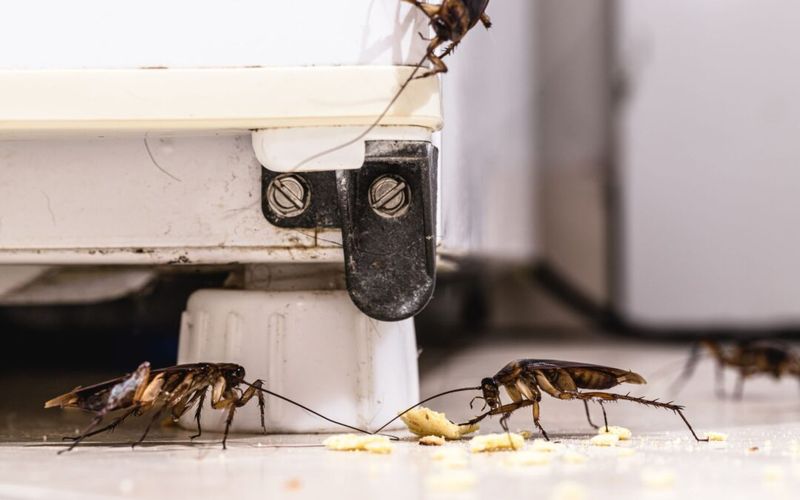
Habitat planting and cockroach reduction are separate projects that need separate plans. The actual work of reducing outdoor roach activity around a Texas porch starts with removing what attracts them: standing water, pet food left out overnight, open compost, and accumulated leaf litter or wood debris near the foundation. Moisture is a bigger draw than most homeowners realize, and a leaking spigot or chronically wet mulch bed near the porch can sustain a cockroach population through a dry Texas summer regardless of what plants are growing nearby.
Sealing the building envelope is the next priority. Gaps under doors, around utility penetrations, and along the foundation are the routes outdoor cockroaches use to become indoor cockroaches. Weatherstripping, door sweeps, and caulk around pipe penetrations address the structural side of the problem before it escalates. Texas A&M integrated pest management guidance for outdoor cockroaches favors baits over spray-applied residual insecticides, noting that baits are more effective and reduce overall pesticide exposure compared to broadcast spraying around the perimeter.
When a treatment product is needed, following the label is not optional. Texas A&M landscape IPM safety guidance advises preventing pesticide drift and runoff and considering environmental exposure, particularly for nontarget wildlife. Broad perimeter sprays applied repeatedly around a porch border can reduce the arthropod population that anoles depend on for food and may directly expose the lizards themselves. Targeted bait placements in harborage areas, such as under debris or near entry points, accomplish more with less collateral impact.
For persistent activity, heavy indoor sightings, or German cockroach evidence, a licensed pest management professional with experience in Texas conditions is the most reliable next step.
Use the planting for habitat, not as a pest-control guarantee
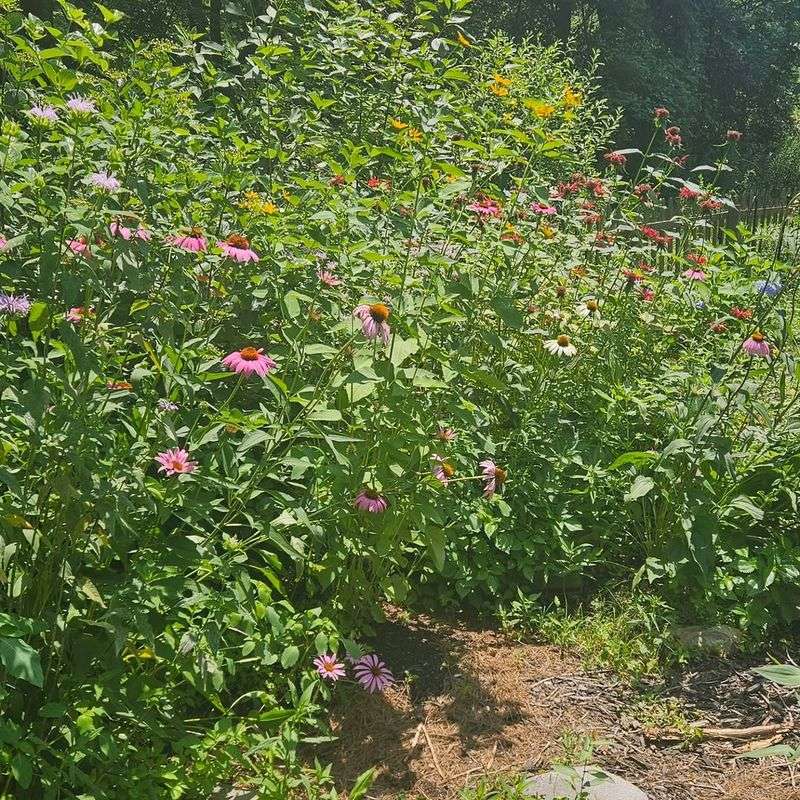
A dense, regionally appropriate native shrub planting can make a Texas yard more hospitable to green anoles and support broader backyard biodiversity. The eastern Texas field research makes a reasonable case that shrub density and plant volume influence anole presence, and building that kind of habitat near your porch is a worthwhile goal on its own terms, separate from any pest-reduction benefit.
What the planting cannot do is guarantee that green anoles will arrive, stay, or clear your porch of cockroaches permanently. Yaupon is a useful habitat shrub in parts of Texas where conditions support it, not a proven anole attractant. Persistent roach activity, especially indoors or involving repeated sightings of small tan cockroaches, requires identification, sanitation, exclusion, and targeted integrated pest management, handled separately from any planting project.
Plant the habitat because it supports the ecosystem in your corner of Texas. If an anole shows up and snags a roach along the way, that is a fine bonus, not the plan.