
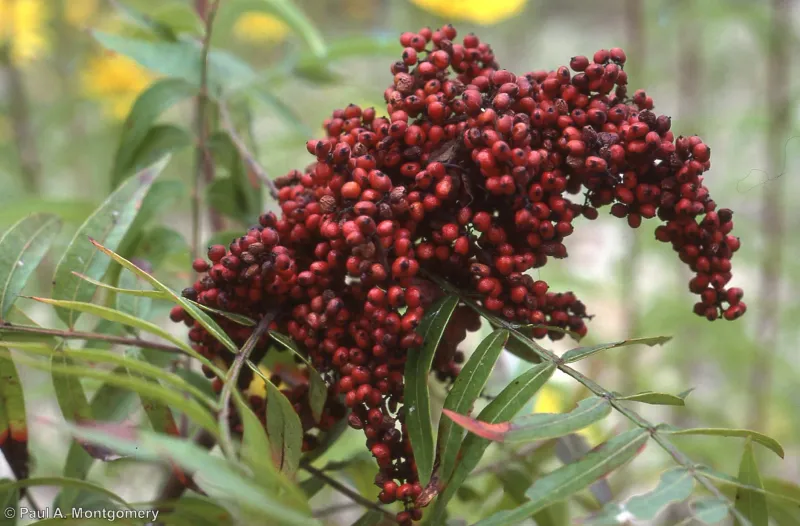
A feeder can bring cardinals close, but it cannot do everything they need in a Texas fall. As days cool and natural food shifts, these bright red birds look for berries, seeds, cover, and safe places to rest.
The right native plants can turn a yard into a real fall pantry and shelter zone. That means more cardinals, less upkeep, and a garden that works with Texas weather instead of fighting it.
1. American Beautyberry
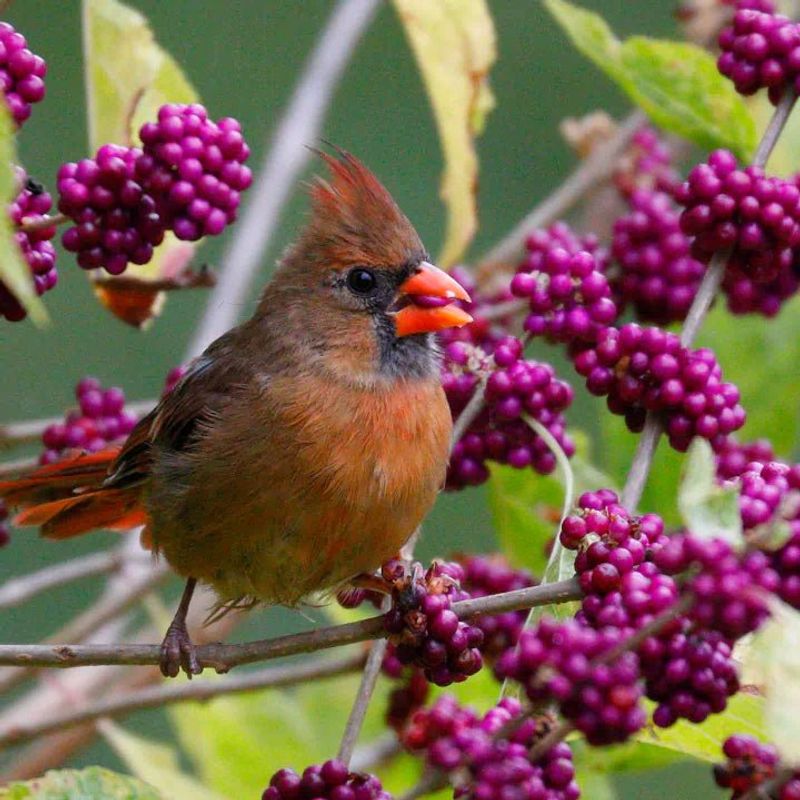
Nothing looks quite as cheerful in fall as a beautyberry loaded with neon-purple fruit. Cardinals notice it too, and that color signals more than curb appeal.
It marks a dependable food source right when many summer blooms are fading and backyard feeders may not offer the same variety as natural fruit.
Beautyberry earns its place because it feeds birds and adds dense branching for quick cover. Cardinals are famous for staying lower in the landscape than many songbirds, so a full shrub they can duck into matters almost as much as the berries themselves.
In a Texas yard, that kind of layered shelter helps birds feel safe enough to keep coming back.
Home gardeners also get an easy win here. American beautyberry handles heat better than many ornamental shrubs, and it fits well along fences, woodland edges, and back borders where cardinals like to travel.
Plant more than one if you have room, because the fruit display is stronger and the effect feels more like a natural stopover than a single decorative plant.
2. Yaupon Holly
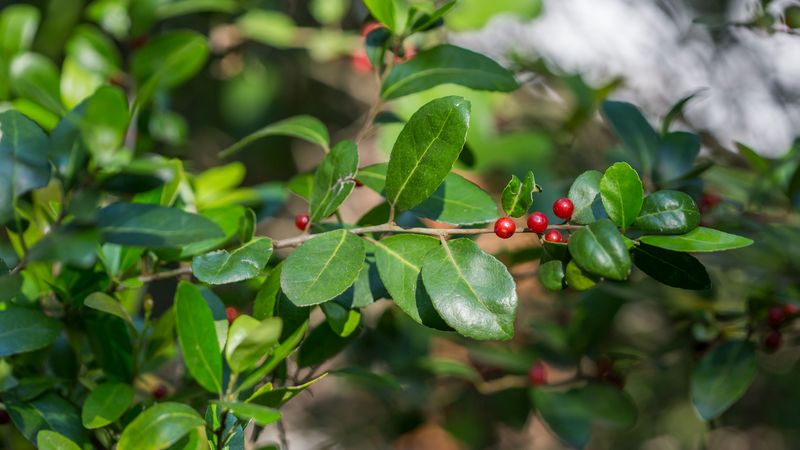
When other plants start looking tired, yaupon holly steps in with glossy leaves, thick structure, and bright berries that keep a garden lively. Cardinals use it like a two-in-one resource.
They get food from the fruit and a protected place to perch when cool fronts or windy fall weather roll across Texas.
One reason yaupon holly stands apart is its evergreen cover. A feeder may offer seed for a few minutes, but an evergreen shrub offers security all day.
Cardinals often move carefully through shrubs before crossing open space, so yaupon can act like a safe bridge between planting beds, trees, and the feeder itself.
For homeowners, it is also one of the smartest natives for hard-working landscapes. It tolerates pruning if you want a hedge, but it also looks good left more natural in mixed borders.
In much of Texas, especially where heat and dry spells test softer shrubs, yaupon holds its shape and usefulness with far less fuss than many nonnative berry plants.
3. Flameleaf Sumac
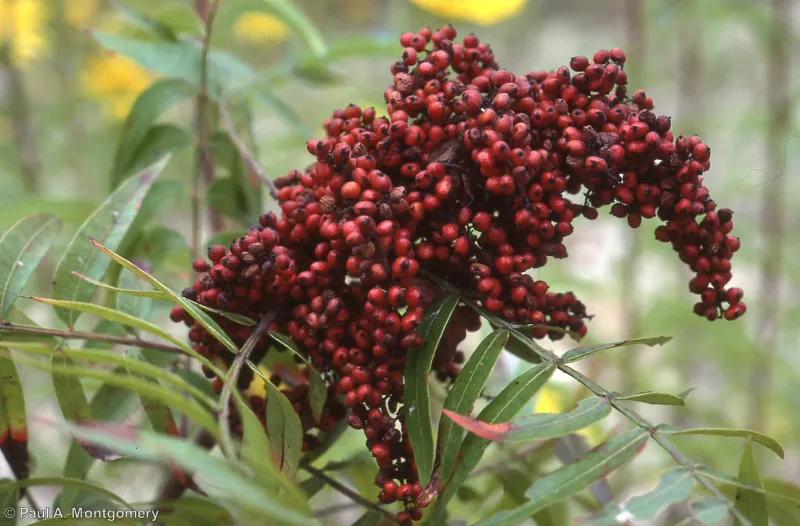
Few plants make a stronger fall entrance than flameleaf sumac. Its leaves turn glowing shades of red and orange, and the fruit clusters hang on like natural ornaments.
Cardinals benefit from that fruit, while gardeners get one of the best native color shows available for a Texas yard.
What makes flameleaf sumac different is timing plus visibility. In fall, when birds are actively moving through the landscape and scouting food, those fruit clusters are easy to spot.
Cardinals are not just eating at random. They are using reliable native cues that tell them where calories are waiting.
There is also a practical yard advantage here. Flameleaf sumac works well in sunny spots, informal borders, and larger naturalized areas where you want seasonal drama without pampering.
It can spread, so it is better for gardeners who have some elbow room and want a wilder look. In return, you get a plant that supports birds, handles Texas conditions well, and makes the whole garden feel tied to the season instead of decorated for it.
4. Roughleaf Dogwood
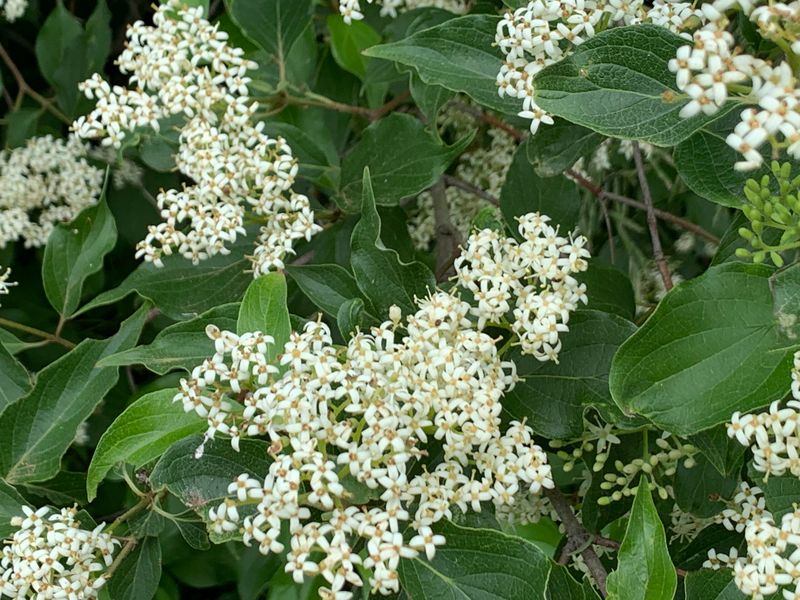
Tucked into a side yard or back corner, roughleaf dogwood can quietly become one of the busiest bird plants on the property. It does not shout for attention the way showier ornamentals do, but cardinals value it for exactly that reason.
The branching is useful, the fruit is accessible, and the whole plant feels like shelter.
Roughleaf dogwood earns its keep by filling that middle layer so many yards are missing. A lot of Texas landscapes jump from lawn straight to tall trees, leaving birds exposed.
Cardinals prefer a more connected setup, and this shrub helps stitch together the lower and upper parts of the yard so they can move, feed, and hide without crossing too much open ground.
Gardeners with part shade should take special note. This native fits spots where sun-loving berry shrubs may struggle, especially along fence lines, near woodland edges, or in looser privacy plantings.
During fall, that means your yard keeps offering bird value even in places that often get ignored. For a species that likes security as much as food, that balanced mix is a big deal.
5. Eastern Red Cedar
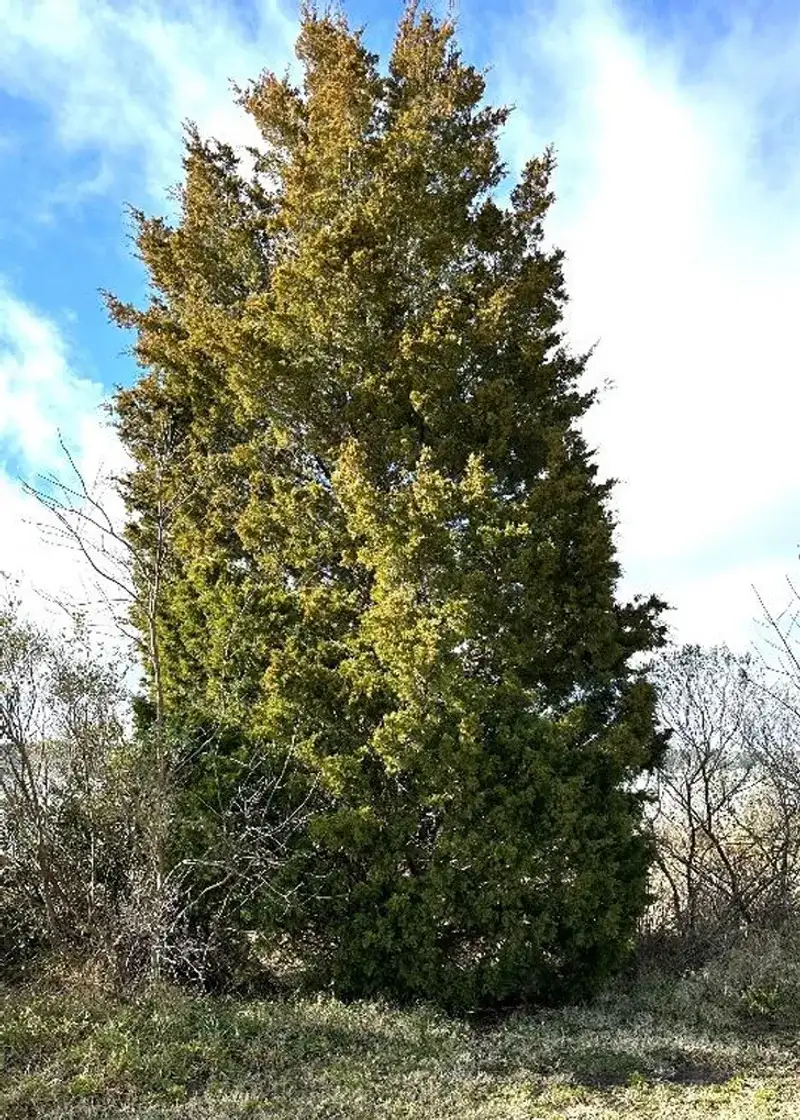
Ask a cardinal where to hide from a cold rain or a surprise hawk, and a dense evergreen is often part of the answer. Eastern red cedar does that job beautifully.
Its blue berry-like cones provide seasonal food, but the real magic is the thick, year-round cover that makes birds feel secure enough to linger.
Unlike a feeder, this tree solves several problems at once. Cardinals can shelter in it, nest in it later on, and use it as a lookout post through changing weather.
In fall, when leaves are dropping elsewhere, that evergreen structure becomes even more valuable because open yards suddenly feel much riskier to small birds.
For Texas homeowners, eastern red cedar can be a smart fit in larger spaces, windbreaks, or habitat edges. It is not the tree for every tiny suburban lot, but where space allows, it adds backbone to a bird-friendly landscape.
Think of it as the plant that gives your fall garden staying power. Seeds in a feeder disappear fast.
A protective native tree changes how wildlife uses the entire yard.
6. Little Bluestem
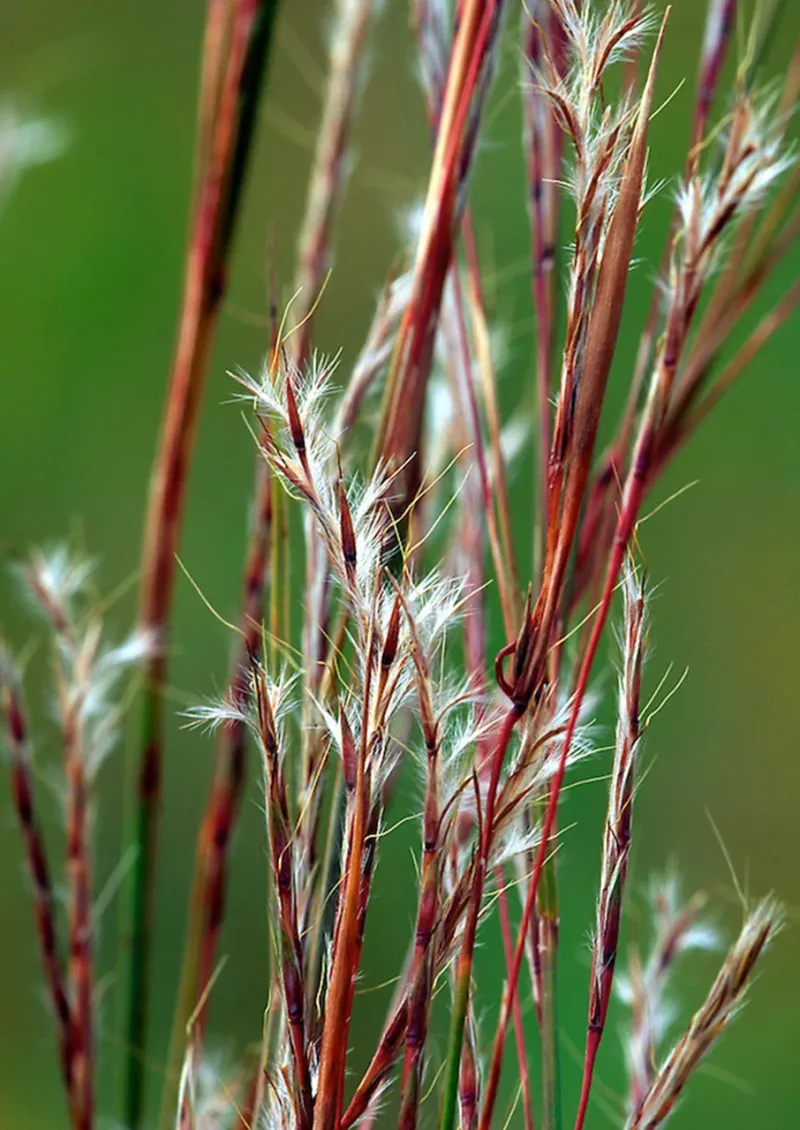
Here is the surprise pick many gardeners overlook. Cardinals do not live on berries alone, and little bluestem offers fall seed along with a low, protective structure they can forage around.
In a yard full of clipped shrubs and tidy mulch, a stand of native grass gives birds something more natural to work with.
Little bluestem stands out because it brings prairie function into home landscapes. Its seed heads feed birds, and the upright clumps create small pockets of cover near the ground where cardinals feel comfortable moving.
That matters in Texas, where open, sunbaked yards can look neat to people but feel exposed to wildlife.
From a design angle, it is useful too. The blue summer color shifts to coppery fall tones, so you gain texture and seasonal beauty without demanding irrigation or constant trimming.
Plant it in drifts near shrubs and berry plants rather than isolating it in a single tuft. That combination gives cardinals a more complete setup: fruit overhead, seed below, and safer travel paths in between.
7. Inland Sea Oats
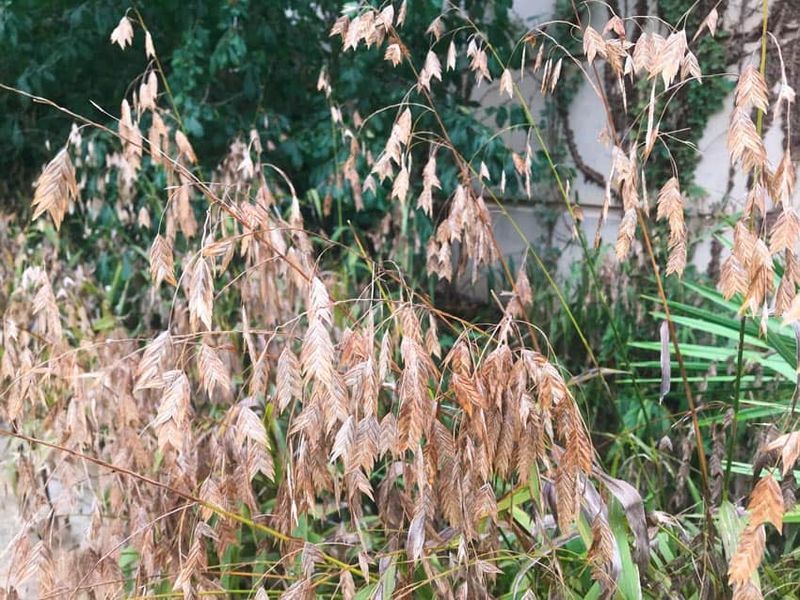
Shady yards deserve bird value too, and inland sea oats brings it with a softer, woodland look. The dangling seed heads catch the eye of gardeners first, but cardinals appreciate the food and the cover close to the ground.
It is one of those plants that makes a landscape feel alive even when flowers are no longer the main event.
What makes inland sea oats special is where it works best. Many native bird plants need full sun, yet plenty of Texas homes have side yards, live oak edges, or fence runs with filtered light.
Sea oats fills that gap and helps create a layered feeding area instead of leaving shaded spots bare or covered in plain turf.
There is a nice visual payoff as well. The seed heads move in fall breezes, adding motion that pairs well with shrubs and evergreens nearby.
For the birds, that planting mix creates a practical little network of seed, shelter, and quick escape cover. For the homeowner, it is a low-key way to make difficult spaces feel intentional while still serving a real wildlife purpose.
8. Coral Honeysuckle
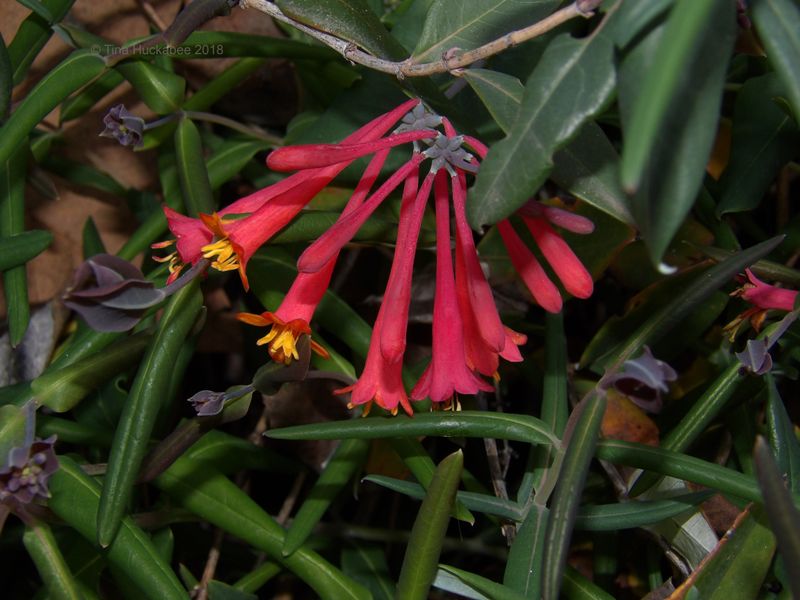
Not every cardinal plant has to be a shrub or tree. Coral honeysuckle brings a climbing layer that can soften fences, dress up arbors, and still help birds in practical ways.
By fall, the vine offers cover, structure, and fruit that fits into a more complete backyard habitat than a feeder alone can provide.
Its big advantage is vertical habitat in small spaces. Many suburban Texas yards do not have room for a thicket, but they do have a fence panel, mailbox trellis, or side-gate arbor.
A native vine on those features creates shelter and movement corridors, giving cardinals more confidence to use tighter landscapes that might otherwise feel too exposed.
Gardeners also get a plant that earns attention across seasons. Hummingbirds enjoy the flowers earlier, while birds can later benefit from the cover and fruit.
In a water-wise Texas garden, that kind of multi-season usefulness is hard to beat. Pair coral honeysuckle with berry shrubs and one clump of native grass, and a plain fence line starts acting like genuine habitat instead of a dead edge.