
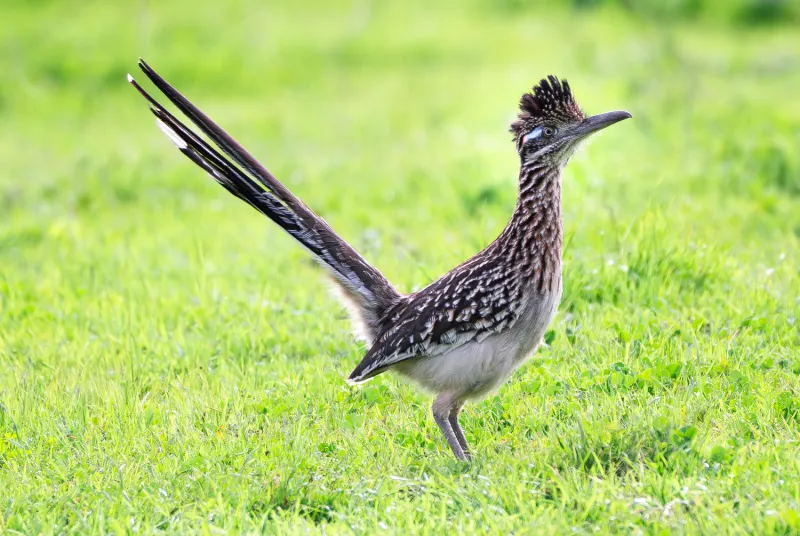
Greater Roadrunners are one of those birds that make Central Texas feel genuinely wild, even in a suburban yard. They sprint across open ground, snap up lizards and insects, and occasionally surprise you by perching on a fence post like they own the place.
What actually draws them closer is not a single magic plant but a yard that mimics the open brushland and scattered cover they naturally use. Getting that balance right is something most Central Texas homeowners can work toward with locally appropriate native plants.
What a Greater Roadrunner yard actually needs
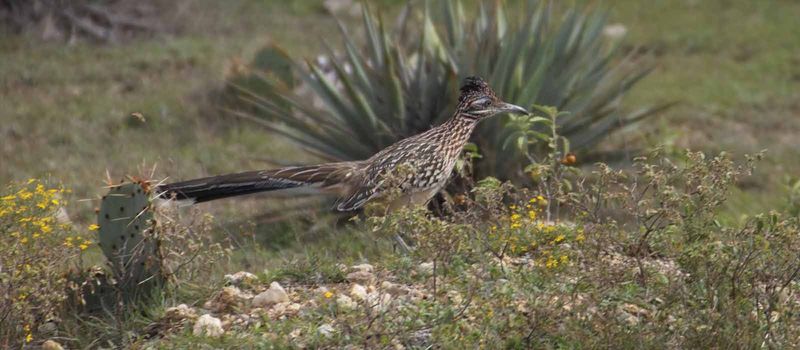
Greater Roadrunners are ground hunters first. They walk and sprint across open terrain while scanning for insects, lizards, frogs, and other small animals, so a yard packed wall to wall with dense shrubs or tall grass actually works against them.
Texas Parks and Wildlife describes roadrunners as birds of Hill Country limestone outcrops and brush that need bare ground with scattered trees and bushes to hunt effectively.
The Texas Breeding Bird Atlas identifies open brushland, savanna, open woodland, stream corridors, yards, parks, and vacant lots as potential roadrunner habitat. That list is useful because it shows what the species is actually looking for: a mosaic of open space and sturdy vegetation, not a garden planted so thickly that running room disappears.
The realistic goal for a Central Texas homeowner is not to plant a specific shrub and wait for a roadrunner to arrive on schedule. A yard can function as one useful patch within a much larger landscape these birds move through.
Scattered native shrubs, low trees, thorny plants, and cactus can provide cover, perches, nesting sites, and roosting structure alongside the open ground a roadrunner needs to hunt.
No single plant guarantees a visit, and no yard design will force an individual bird to settle nearby. What a thoughtful planting plan can do is make the space structurally compatible with how roadrunners actually use land, which is the honest and achievable version of the goal.
Native plants help mainly by supporting the food web
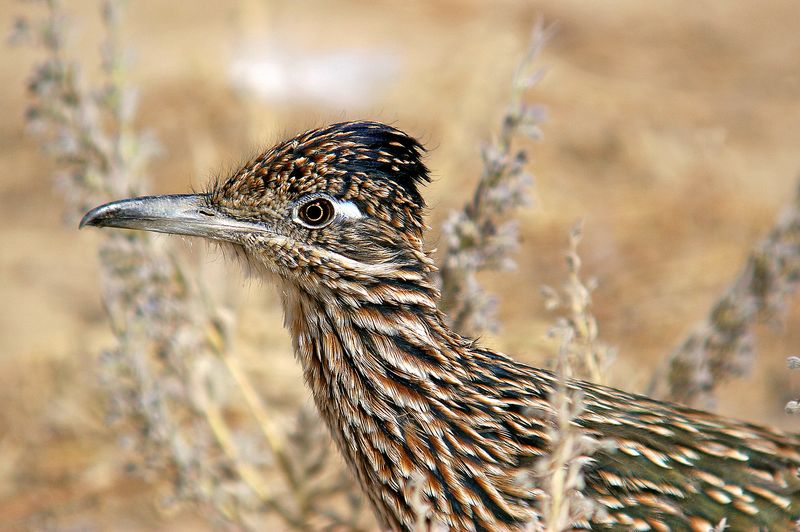
Animal prey makes up the overwhelming majority of what a Greater Roadrunner eats. Cornell Lab of Ornithology’s life history account lists insects, lizards, snakes, frogs, toads, centipedes, scorpions, small mammals, birds, eggs, and chicks as regular prey items.
Fruit, seeds, and other plant material appear in the diet mainly during winter when animal prey is harder to find.
Native plants connect to that diet indirectly. A yard planted with locally appropriate native species supports native insects, which in turn attract lizards, frogs, and other small wildlife that roadrunners hunt.
Texas Wildscapes guidance from TPWD specifically notes that leaving insects in the habitat maintains food for insect-eating wildlife, and that native plants form the foundation of that support system.
The chain runs from plant to insect to prey to predator. A yard relying on non-native ornamentals or one that has been treated heavily with broad-spectrum insecticides is unlikely to support the same density of native insects, which reduces the food available to lizards, frogs, and ultimately the birds that eat them.
TPWD habitat resource guidance reinforces this by recommending native vegetation as the foundation of any wildlife-friendly yard. Skip the idea of putting out meat, pet food, live insects, or other direct food offerings.
Beyond the wildlife welfare and disease concerns, artificial feeding bypasses the habitat work entirely and can create nuisance-animal problems. Building a yard that supports native prey naturally is both safer and more durable.
Native plants that can contribute useful habitat functions
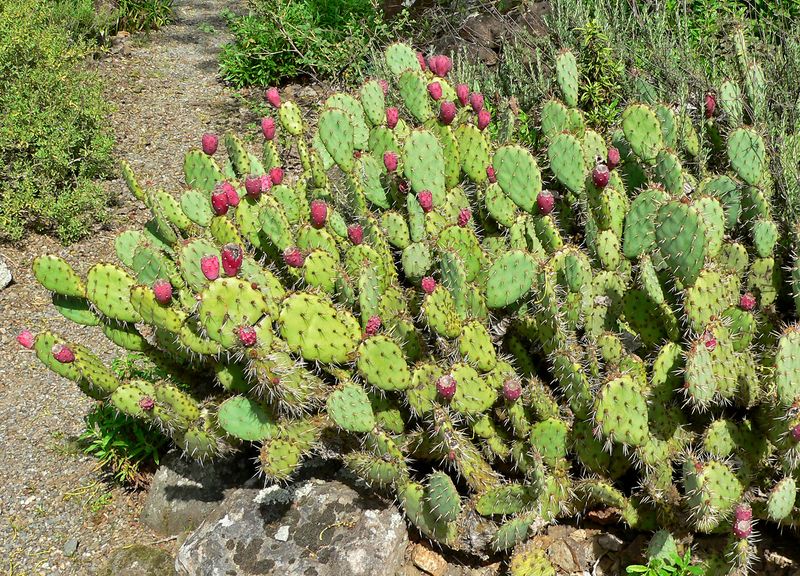
Prickly pear cactus is one of the more defensible recommendations for Central Texas roadrunner habitat because Texas sources identify cactus as part of both the habitat structure and nesting sites roadrunners use. Texas A&M AgriLife Extension notes that prickly pear produces fruit that wildlife eat, and the dense, spiny pads offer cover and potential nesting structure.
Place it away from walkways, play areas, and pet routes where spines could cause problems.
Native oaks, Texas persimmon, Mexican plum, Texas mountain laurel, native sumacs, Texas lantana, flame acanthus, and rock rose can all contribute depending on your specific site. Each provides some combination of cover, perching structure, seasonal fruit, or insect habitat.
The Texas A&M Earth-Kind Plant Selector and the Native Plant Society of Texas North Central chapter plant list are practical tools for matching these species to your ecoregion, soil depth, and drainage conditions. Not every plant on either list is equally useful for roadrunner habitat, and not every plant suits every Central Texas yard.
Mesquite deserves a careful mention. A north-central Texas radio-telemetry study, referenced through USGS research on Greater Roadrunner home range and habitat selection, found that male roadrunners preferred mesquite woodland and mesquite savanna, while females preferred mesquite savanna and riparian woodland.
That is a habitat association from one region, not a tested planting prescription for a Central Texas suburb. Mesquite grows large, spreads aggressively in some soils, and is better suited to properties with enough space and the right local conditions.
Consider it only if your site, ecoregion, and soil genuinely support it.
None of the plants named here has been proven to attract Greater Roadrunners on its own. TPWD Cross Timbers vegetation guidance and TPWD roadrunner habitat descriptions point toward plant communities and structural features rather than individual species as the key.
Think in terms of what job a plant performs, such as cover, nesting structure, perch, or prey support, rather than which plant name to put on a shopping list.
Arrange the yard as open ground beside scattered cover
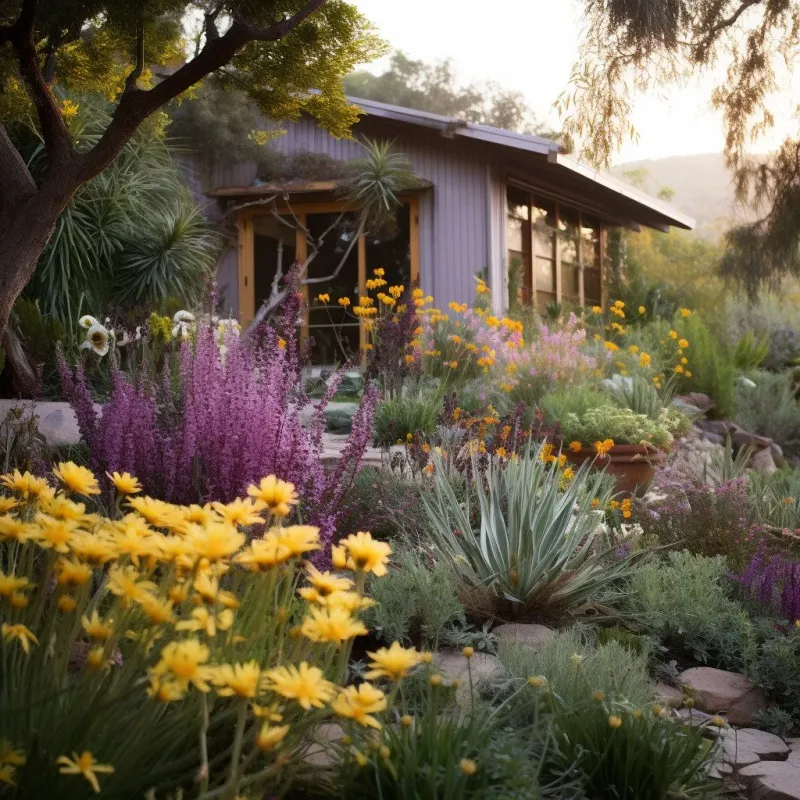
Yard layout matters as much as plant selection. A useful pattern for roadrunner habitat is a relatively open, sparsely covered area positioned beside scattered shrubs, low trees, thorny plants, or cactus clumps.
The Texas Breeding Bird Atlas account for the Greater Roadrunner describes nesting commonly occurring in thorny shrubs, low trees, thickets, and cactus clumps, all adjacent to the open areas birds use to hunt.
Native grasses can play a role here when handled carefully. Little bluestem, sideoats grama, and buffalograss are among the warm-season natives suited to Central Texas conditions, as noted in both TPWD Cross Timbers vegetation resources and the Native Plant Society of Texas North Central plant list.
Plant them as scattered bunches or defined clumps rather than allowing them to spread into an unbroken tall-grass monoculture, which can reduce the open running lanes roadrunners depend on.
The goal is contrast: a patch of ground where a bird can walk and sprint without obstruction, bordered by enough vertical structure to offer a quick escape route, a resting perch, or a nesting site. A small yard can achieve this on a modest scale, even if the open area is only a portion of the space.
Safety and access need to stay part of the plan. Texas Wildscapes guidance recommends keeping habitat features toward the yard perimeter or in designated beds rather than against the house foundation or across main paths.
Thorny plants like prickly pear and native hawthorns belong in spots where they will not block doors, cross pet routes, or create hazards near play areas. Clear visibility and easy access around the house should stay intact regardless of how much native planting you add.
Maintain cover, prey, and safe access
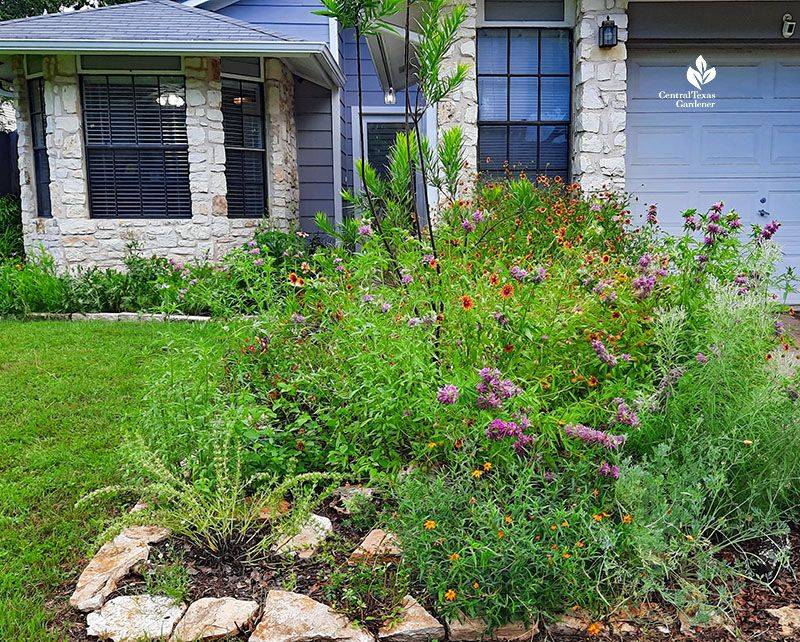
Plant selection is only half the job. Matching each native plant to the actual conditions in your yard, including soil depth, drainage, sun exposure, mature size, and available water, determines whether it thrives or struggles.
The Earth-Kind Plant Selector from Texas A&M AgriLife Extension lets you filter by those local variables, which is a more reliable starting point than a generic native-plant list.
“Drought tolerant” does not mean a plant needs no water when it is young. Newly installed Central Texas natives generally require regular irrigation through at least one full growing season while roots establish, and some need two.
TPWD water and yard guidance makes clear that establishment watering is a real requirement, not optional, even for species that will eventually handle dry conditions on their own.
Pruning decisions should preserve the structural contrast the yard is trying to create. Trim shrubs and low trees to maintain their cover and nesting potential without letting them spread so far that open hunting lanes close off.
Routine broad-spectrum insecticide applications work against the goal: Audubon’s bird-friendly yard guidance and its bird-friendly plants FAQ both point out that pesticides can remove the native insect base that birds and their prey depend on. Spot-treating a specific pest problem is a different matter from spraying the entire yard on a schedule.
A shallow water basin is optional and is not a roadrunner-specific feature, but it can make a yard more useful to birds generally. Texas Partners in Flight guidance recommends keeping water shallow, roughly two inches or less in at least one area of the basin.
Clean the basin regularly to prevent algae and mosquito breeding. When you clean it, wear gloves and wash your hands thoroughly afterward.
CDC guidance for bird hobbyists and CDC Salmonella and wild songbird research both recommend gloves and handwashing during feeder and birdbath maintenance, with extra caution around any visibly sick or dead birds. Do not handle a sick or dead bird with bare hands, and follow local guidance on reporting or disposal if one appears near your water feature.
Why a suitable yard may not produce regular sightings
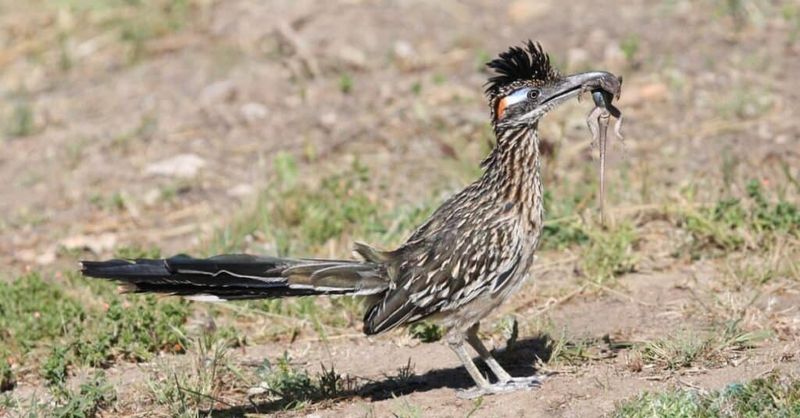
Even a well-designed yard with open ground, scattered native cover, and a healthy prey base may see a roadrunner only occasionally, or not at all for stretches of time. Space requirements are the primary reason.
A north-central Texas radio-telemetry study on Greater Roadrunner home range and habitat selection found that median home ranges were approximately 80 to 90 hectares, with core areas of about 17 to 19 hectares. A typical suburban yard covers a fraction of one hectare.
That scale difference matters practically. A roadrunner moving through its territory may pass through your yard, use a perch or a patch of bare ground, and then continue across several neighboring properties, a vacant lot, a creek corridor, and beyond.
Whether it returns depends on prey availability, the quality of surrounding habitat, disturbance levels, the season, and the individual bird’s established territory. No amount of planting inside a single yard overrides those factors.
The Texas Breeding Bird Atlas confirms that roadrunner presence across a landscape reflects the broader mosaic of open land, brush, and corridors available in a region, not just what any one property offers. A yard in a densely developed neighborhood surrounded by maintained turf and few native plantings is starting from a harder position than one embedded in a semi-rural edge or near a greenbelt.
A useful mindset shift is to define success as creating a structurally suitable space rather than securing a predictable visitor. If a roadrunner does pass through and finds open ground, a useful perch, and prey to chase, that is the yard doing its job.
Consistency of sightings depends on the surrounding landscape, which is largely outside any individual homeowner’s control.
Plan for a predator, not a backyard pest-control service
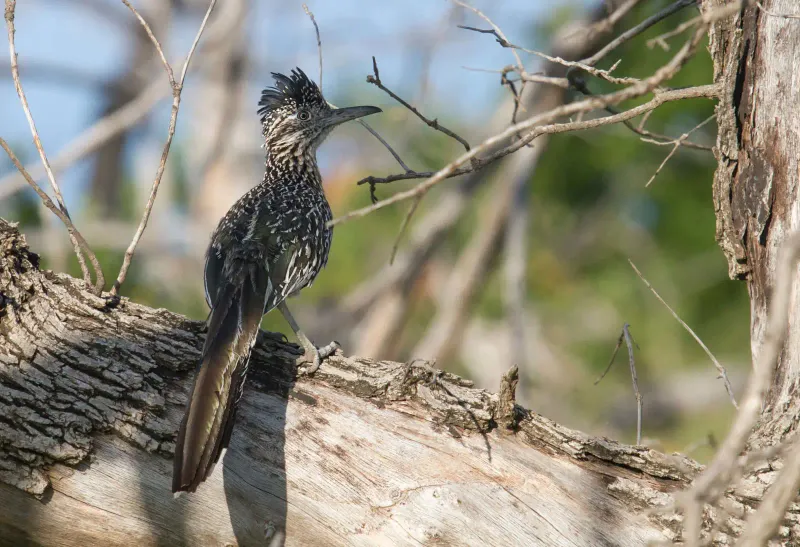
Greater Roadrunners are genuine predators with a wide appetite. Cornell Lab’s life history account documents prey that includes grasshoppers, beetles, lizards, small snakes, scorpions, rodents, frogs, centipedes, and, notably, other birds, eggs, chicks, and birds visiting feeders or nest boxes.
A roadrunner near your yard is not a harmless guest that will tidy up pest populations on request.
That range of prey means some trade-offs come with the territory. Songbirds nesting nearby, lizards you enjoy watching, and the occasional small visitor to a feeder are all potential targets.
Welcoming roadrunner-compatible habitat means accepting that a top predator operates by its own rules. TPWD wildlife guidance recommends native plants as food sources and cautions against artificial feeding arrangements that can create unintended problems with wildlife.
The practical action sequence is straightforward. Keep a patch of open ground available for hunting.
Add scattered native cover suited to your specific Central Texas ecoregion, soil, and space rather than filling every bed. Protect the prey base by limiting broad-spectrum pesticide use, as recommended by Texas Wildscapes guidance.
Skip artificial feeding entirely, whether that means meat scraps, live animals, or pet food left outside. Then let the surrounding landscape determine what actually shows up.
A Central Texas yard built around these principles supports more than roadrunners. It becomes a functional piece of local habitat in a region where open brushland and native plant communities are increasingly fragmented.
That outcome holds value whether or not a roadrunner ever sprints across your open patch – though when one does, it tends to be the kind of sighting you remember.