
A brighter spring yard starts months before the flowers appear. In North Carolina, fall is the best time to plant many bulbs so they can settle in before winter and burst into color when the weather warms.
The right mix can give you a longer bloom season, better curb appeal, and early food for pollinators. Here are eight bulbs worth planting now if you want a fuller, more layered spring display.
1. Daffodils
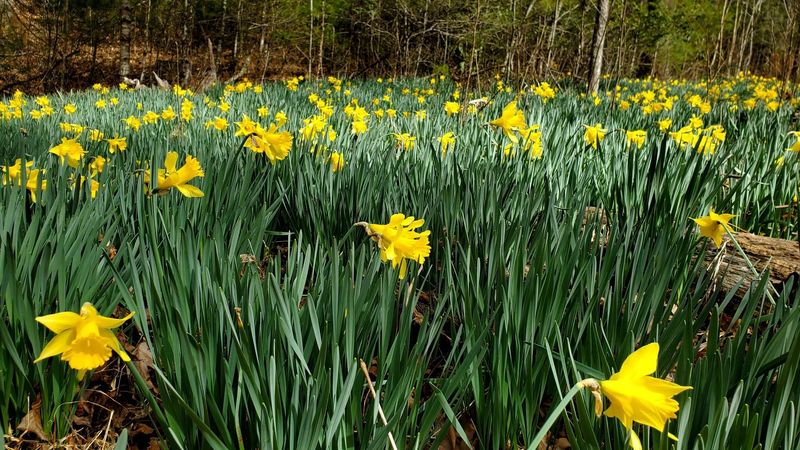
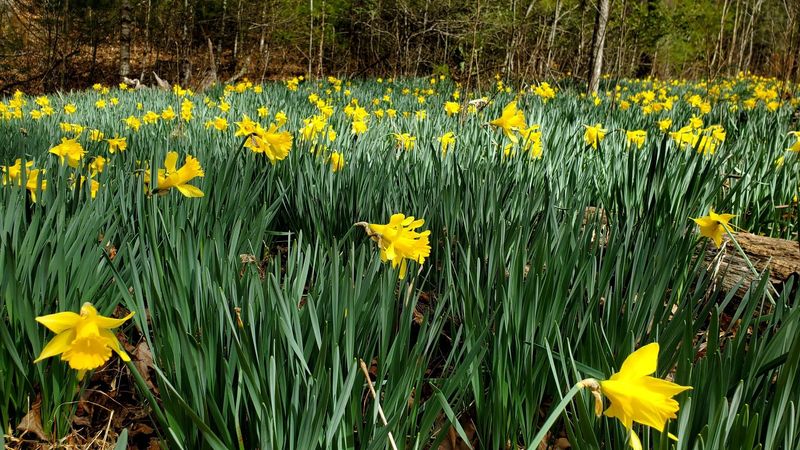
Nothing says spring in North Carolina quite like a sweep of daffodils glowing along a driveway or beneath bare trees. They are often the smartest first choice for homeowners because they come back reliably, multiply over time, and are usually left alone by deer and squirrels.
That makes them especially useful in rural yards, wooded lots, and neighborhoods where hungry wildlife can turn spring planting into a guessing game.
For the fullest show, plant daffodils in clumps instead of straight lines. Tuck them into sunny borders, under deciduous trees, or along the edge of a lawn where their foliage can ripen naturally after bloom.
In the Piedmont and mountain regions, many classic trumpet and large-cupped types perform well, while the coastal plain can also support sturdy early and midseason varieties if drainage is good.
One of their biggest strengths is range. By mixing early, mid, and late bloomers, you can stretch color for weeks rather than getting one quick burst and done.
Pair yellow varieties with white ones for a cleaner look, or mix heights for a planting that feels more relaxed and established year after year.
2. Crocus
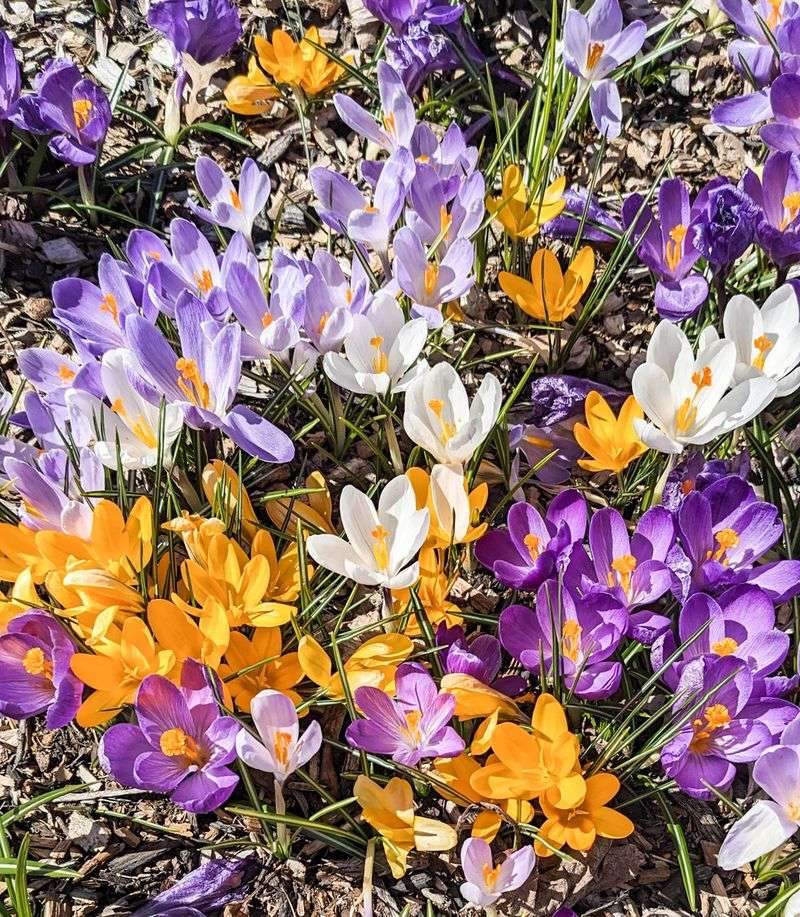
Just when winter starts to feel endless, crocus steps in with a cheerful little surprise. Those cup-shaped blooms often open very early, sometimes while the rest of the garden still looks sleepy, and that timing is exactly what makes them valuable.
They help fill the gap before larger spring bulbs take over, which gives your yard a more complete sequence of color.
Crocus works best where you will actually notice it up close. Think along a front walk, near a mailbox bed, beside porch steps, or in a sunny patch near the kitchen window.
Because the flowers are small, they can disappear in wide open spaces, but grouped in pockets of 25 or more, they create a bright, jewel-like effect that looks much bigger than you might expect.
Another plus for North Carolina gardeners is pollinator support. On mild late-winter days, bees may visit early crocus blooms when little else is available.
Good drainage matters, especially in heavier Piedmont clay, so loosen the soil and consider raised beds or sloped sites if winter wetness is common in your yard.
3. Hyacinths
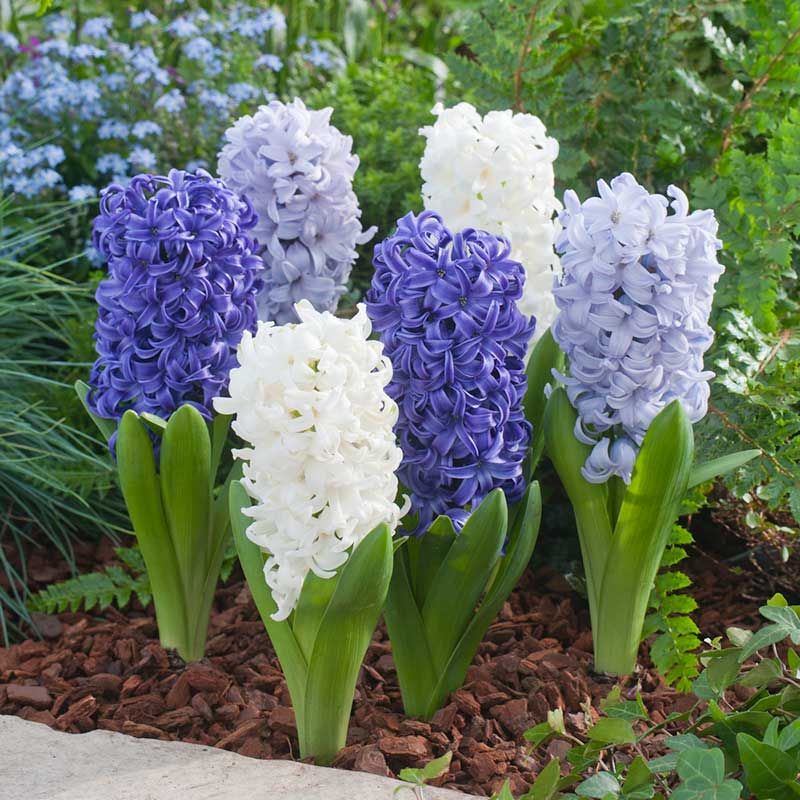
Fragrance can change the whole feel of a spring garden, and hyacinths bring it in a big way. A few blooms near the front door, patio, or mailbox can make the yard feel richer and more welcoming before many shrubs have even leafed out.
Their dense flower spikes also add a tidy, finished look that suits formal beds and smaller entry plantings.
Because hyacinths have such a strong scent, placement matters more than sheer quantity. Rather than planting them far from the house, use them where people pass by often.
Tuck them into containers, edge a short walkway, or cluster them in a small front bed where their color and fragrance can do the most work.
In North Carolina, hyacinths usually perform best in full sun to light shade with well-drained soil. They may not naturalize as freely as daffodils, so many gardeners treat them as standout accents instead of broad sweeps.
That is not a drawback if your goal is a polished spring moment near the places your family actually uses every day.
4. Muscari
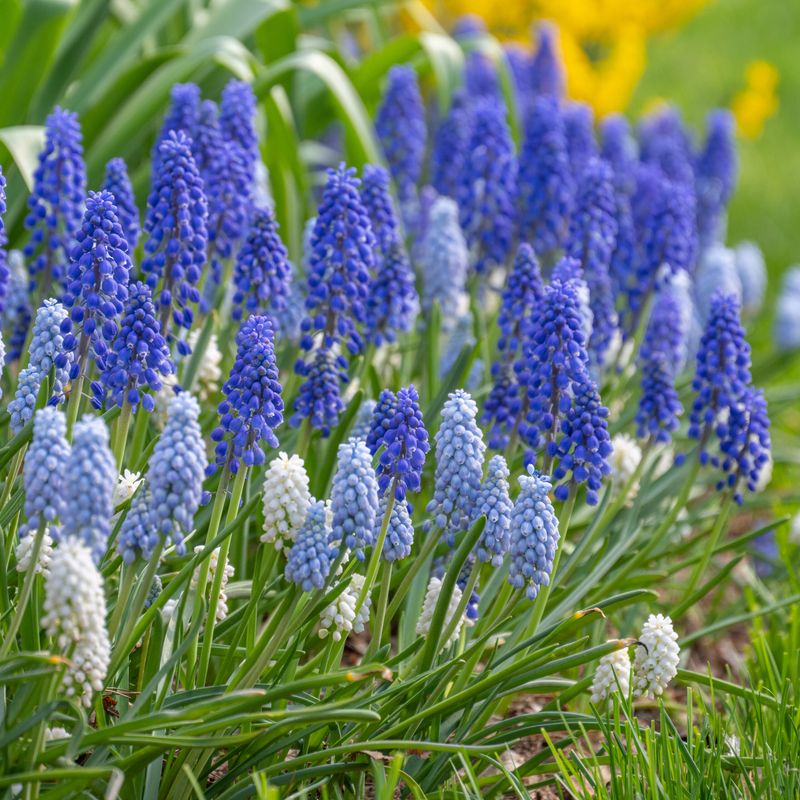
For a ribbon of blue that ties a spring planting together, muscari earns its space. Often called grape hyacinth, it produces small clustered blooms that read almost like a border of color from a distance.
That makes it one of the easiest bulbs to use when a bed needs a finished edge instead of a scattered look.
Muscari shines when layered with larger bulbs. Plant it in front of daffodils, between tulips, or around young shrubs that still let in winter sun.
The compact size helps cover bare spots at soil level, so your spring display looks fuller and more connected from top to bottom.
North Carolina gardeners also appreciate how low-fuss it can be once established. It handles the state’s spring swings fairly well, from cool mountain mornings to milder coastal conditions, as long as the site drains properly.
If you like a natural, old-garden style, let muscari drift outward over time and soften the hard edges of paths, borders, and foundation beds.
5. Species Tulips
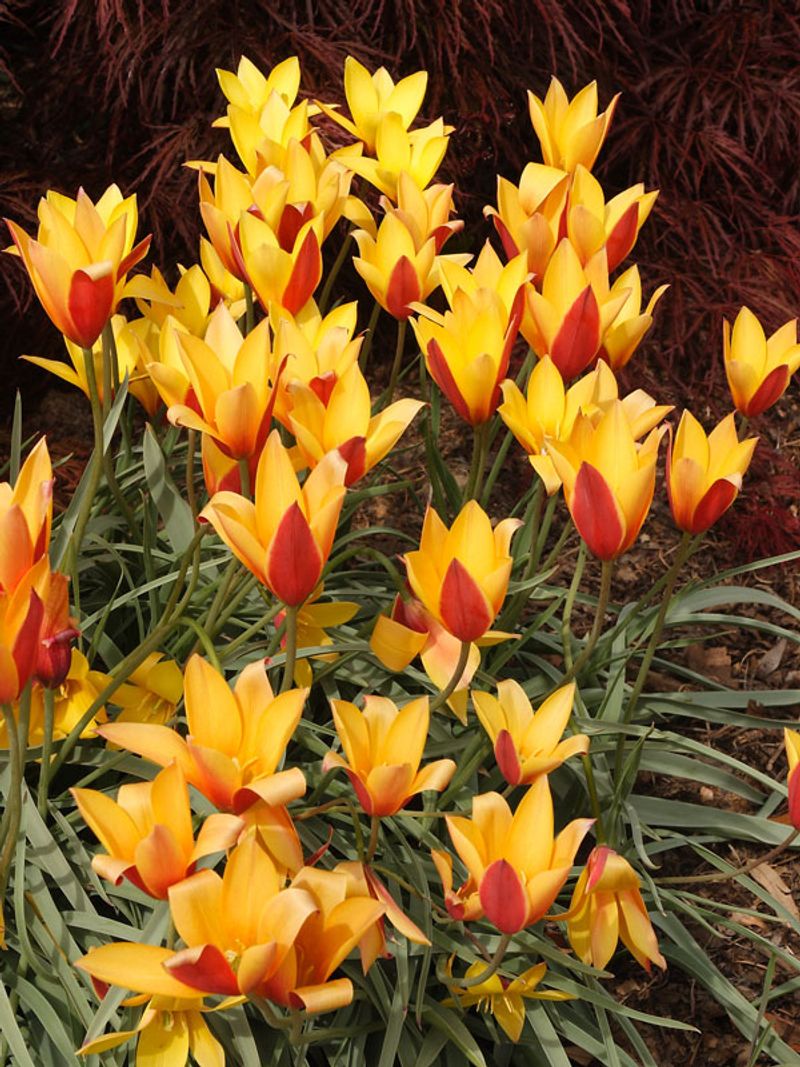
Tulips can be a little tricky in much of North Carolina, but species tulips give you a better shot than many of the big florist types. They are generally smaller, tougher, and better suited to gardeners who want spring color without expecting a perfect formal display every year.
If you have admired tulips but worried they might struggle in Southern conditions, this is the category worth trying first.
The secret is simple: give them excellent drainage and plenty of sun. Raised beds, gravelly spots, and areas that do not stay wet in winter are your best options, especially in the Piedmont where clay can hold moisture.
Plant them where you can enjoy them up close, because their finer form and smaller flowers have a charm that gets lost in large, distant plantings.
Species tulips are ideal for homeowners who like a more natural look. Their blooms can feel lively and delicate rather than stiff, and many open wide in sunshine.
Treat them as a special feature instead of the backbone of your bulb plan, and they can add something fresh and a little unexpected to a North Carolina spring garden.
6. Ornamental Alliums
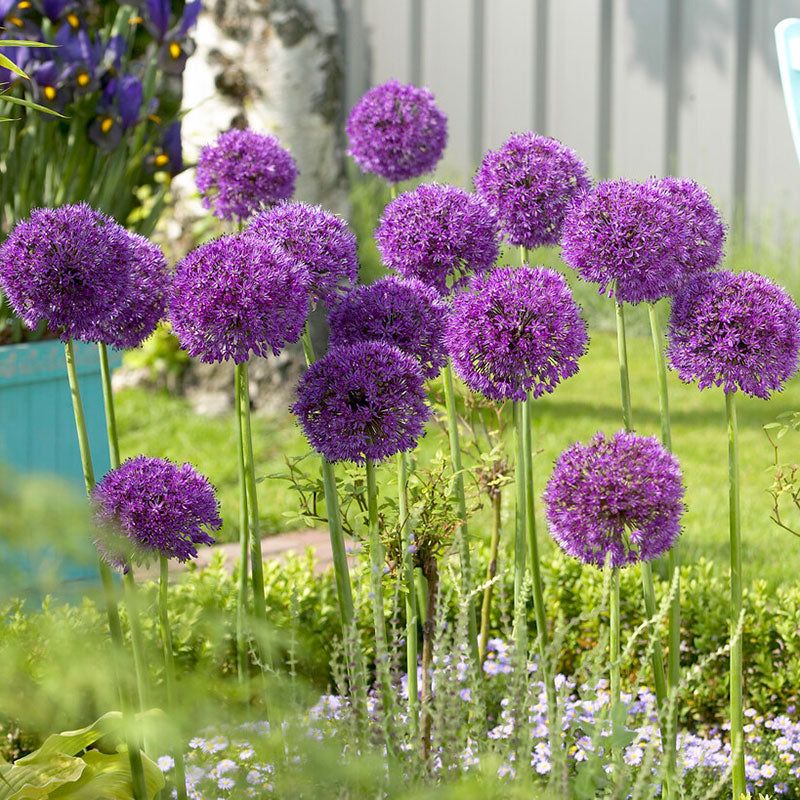
If your spring beds need shape as much as color, ornamental alliums bring a look that other bulbs simply do not. Their round flower heads rise on clean stems and create strong vertical accents, almost like punctuation marks in the garden.
That structure helps a mixed planting look intentional, especially once early bulbs start fading and perennials are still filling in.
Place alliums among emerging daylilies, salvia, or ornamental grasses so the later foliage can help hide aging bulb leaves. This is a smart move in North Carolina gardens where a long, uneven spring can leave gaps between bloom times.
The purple, pink, white, or burgundy flower spheres also mix easily with cottage, modern, and pollinator-friendly styles.
Another reason to include them is timing. Many ornamental alliums bloom after the earliest bulb rush, which extends the season and keeps your beds from peaking too soon.
In well-drained soil and full sun, they can be a simple way to add height, rhythm, and a touch of drama without building a high-maintenance planting scheme.
7. Dutch Iris
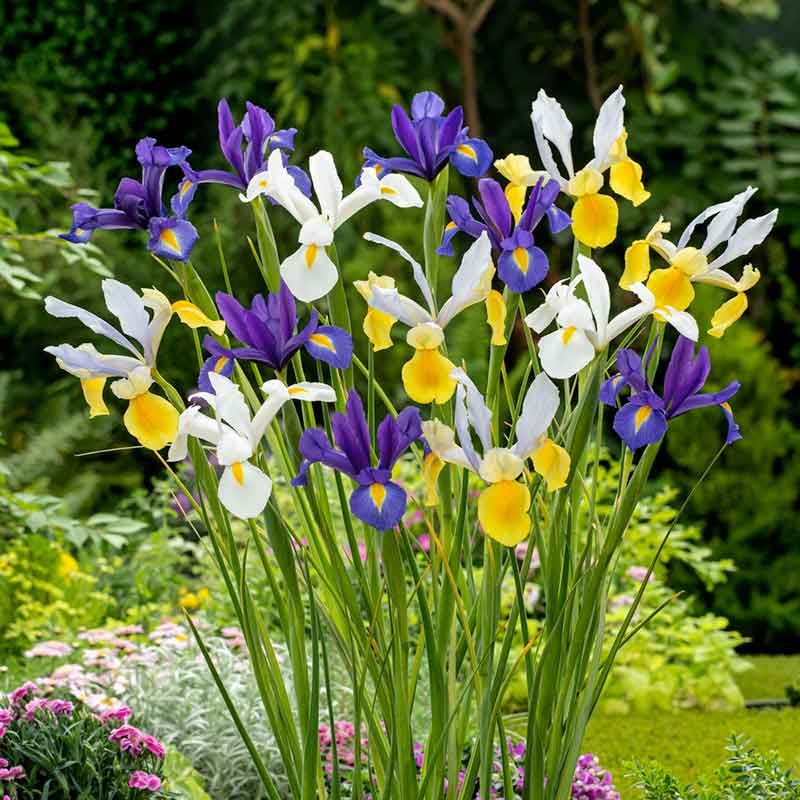
Few bulbs give you such a clean, elegant flower shape with so little visual clutter around it. Dutch iris has a lighter, airier presence than many spring bloomers, which makes it useful when a bed already has a lot going on.
Instead of adding weight, it threads color upward and keeps the planting from feeling too dense.
Gardeners who like cutting flowers should pay close attention here. Dutch iris makes an excellent addition to spring bouquets, and planting a good-sized group means you can snip some for indoors while still leaving plenty outside.
A narrow side bed, sunny vegetable garden edge, or dedicated cutting patch can all work well for this purpose.
Across North Carolina, success usually comes down to drainage and sun. Heavy soil should be improved before planting, and soggy winter spots are best avoided.
Use Dutch iris where you want a refined touch between the boldness of daffodils and the fuller growth of later perennials, and the whole spring border starts to feel more balanced.
8. Camassia
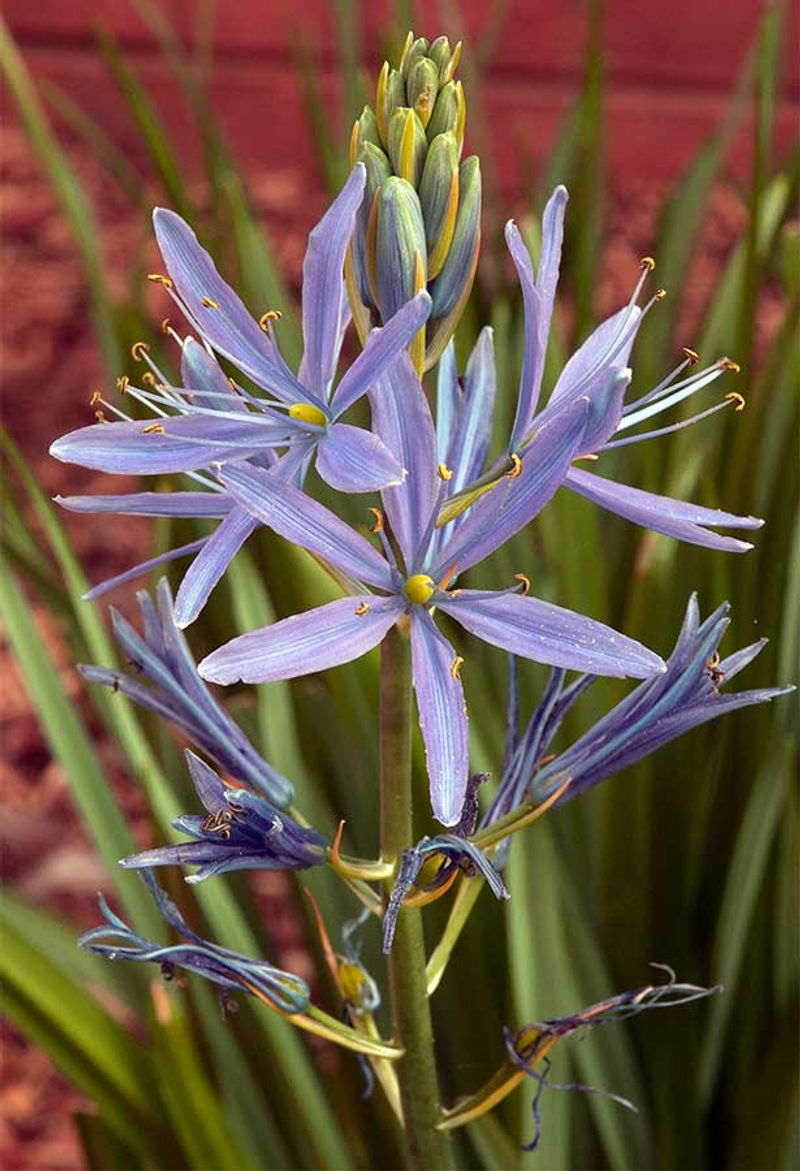
Camassia is the bulb for gardeners who want spring beauty to feel connected to the landscape around them. Its starry flowers rise on slender spikes and look especially at home in looser, natural-style plantings rather than stiff formal beds.
That softer effect can be a great match for North Carolina homeowners who want a yard that supports wildlife and still looks cared for.
One reason camassia stands out is timing and texture. It often blooms after some early bulbs have passed their peak, helping bridge the gap into later spring.
The upright flower spikes bring motion and grace, especially when planted among native perennials or at the edge of a rain-friendly bed with consistent moisture but not standing water.
For North Carolina gardens, camassia can be a thoughtful choice in spots that stay evenly moist in spring, especially compared with bulbs that demand sharper drainage. It is not as commonly planted as daffodils or hyacinths, which is part of its appeal.
Adding it to your mix gives the garden a less predictable, more place-aware feel while still delivering the fuller spring color promised by a well-layered bulb plan.