
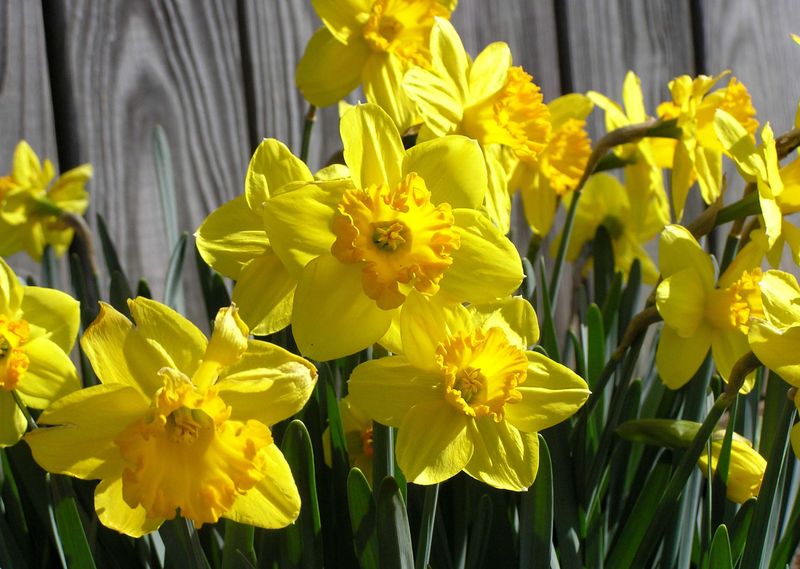
Fall is the right time to get bulbs in the ground in North Carolina, and choosing the right ones can reward you with flowers that come back year after year with very little extra work. The catch is that most bulbs planted in fall actually bloom in late winter or spring, not in fall itself, and no bulb can promise a bigger display every single season.
Still, some choices, especially daffodils, can gradually form larger clumps over time and keep flowering reliably when planted in the right spot. Here is what the evidence actually supports, and how to make the most of a fall planting this season.
Daffodils offer a strong long-term payoff—after a necessary title correction
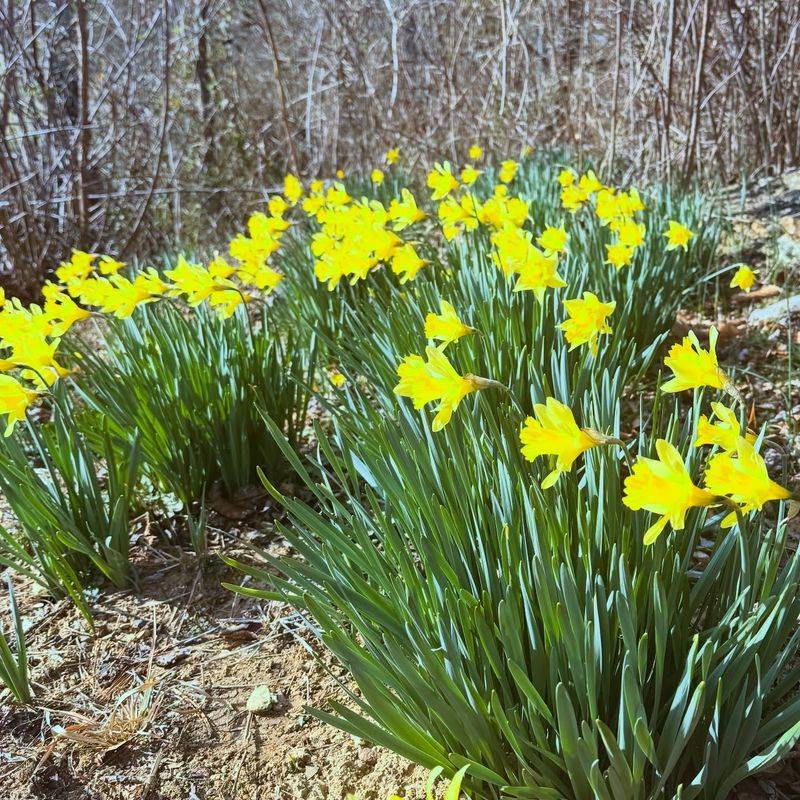
Daffodils are one of the best-supported choices for North Carolina gardeners who want to plant once and enjoy recurring flowers with minimal fuss. NC State Extension describes them as perennial, easy to grow, capable of multiplying over time, and suitable for naturalized plantings, noting that daffodils generally return year after year with minimal care.
That is a genuinely encouraging track record, but it comes with a detail the title glosses over.
Daffodils planted in fall do not bloom in fall. They bloom in late winter or spring, depending on cultivar and location, and the phrase “every single fall” in the title describes the planting season, not the flowering season.
Fall is the right time to put them in the ground; spring is when you collect the payoff.
The second correction involves certainty. Daffodils can form larger clumps gradually through offset production, but that expansion is not guaranteed every year.
Performance depends on site conditions, cultivar selection, drainage, light, and how foliage is managed after bloom. NC State does not rank daffodils as definitively the best bulb in the state, and this article will not either.
What the evidence does support is calling them a strong, low-maintenance option for a long-lived planting that can expand over time, provided the conditions are right. Actual fall-blooming bulbs, such as Sternbergia and colchicum, are a separate category covered later in this article and carry their own timing, regional, and safety considerations.
Offsets gradually turn one daffodil into a clump
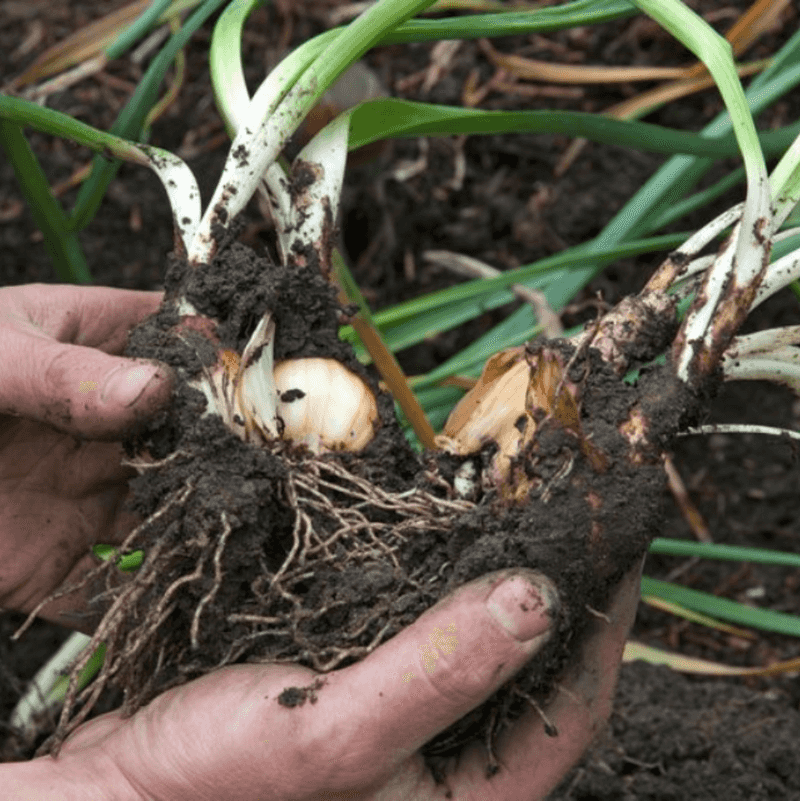
Underground, each daffodil bulb can produce smaller daughter bulbs called offsets, which develop around the base of the original. Over several growing seasons, a single bulb can become a dense clump.
The Royal Horticultural Society explains that offsets form gradually and that newly separated or undersized bulbs may need a full growing season or longer before they reach flowering size.
That timeline matters for managing expectations. Planting a bag of bulbs this fall will not produce an instantly larger display next spring.
What you are starting is a slow, organic process where the planting builds on itself over years, not months. Some offsets will bloom the following spring; others will spend their first season developing root systems and storing energy before they are ready to flower.
Several factors influence how quickly a clump expands. Bulb size at planting matters, since larger bulbs generally produce offsets sooner.
Adequate sunlight, proper drainage, and undisturbed foliage after bloom all support faster development. Crowding, poor drainage, root competition from nearby trees or shrubs, rodent pressure, and unsuitable hardiness zones can slow or stop the process entirely, as NC State Extension identifies these as reasons bulbs may fail to perennialize.
Evaluating a daffodil planting after just one season can be misleading; a fair assessment usually takes three to five years. Patience is the real investment here, and the gradual expansion, when conditions cooperate, is the genuine payoff.
Use the right fall planting window for your region
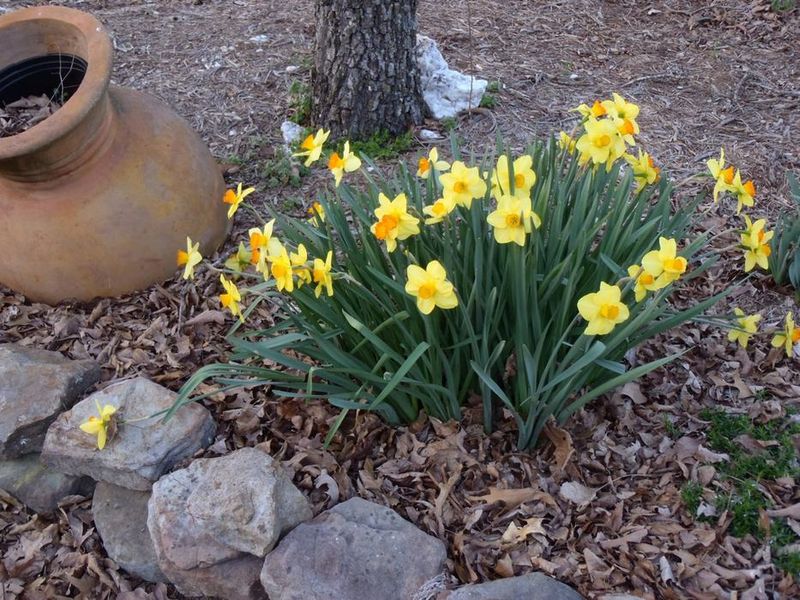
Timing a fall bulb planting in North Carolina is less about picking a date on the calendar and more about reading your soil. NC State Extension recommends waiting until soil temperatures drop below 60 degrees Fahrenheit before planting spring-flowering bulbs, because warmer soil can trigger premature root growth and stress the bulb before winter.
In most of the Piedmont and Coastal Plain, which fall in Zones 7 and 8, that threshold typically arrives in November or early December. In the mountains, where Zone 6 conditions are common, October is generally the appropriate window.
Local weather can shift those windows by weeks in either direction. A warm October in Charlotte or Raleigh is not unusual, and planting too early into warm soil does more harm than waiting a few extra weeks.
A soil thermometer, available at most garden centers, gives a more reliable reading than the air temperature or a general regional chart. Penn State Extension notes that soil temperature is a more dependable guide than calendar date for fall bulb planting decisions.
One timing rule applies across all three NC regions: spring-flowering bulbs and fall-blooming bulbs operate on entirely different schedules. Daffodils, standard crocuses, and most alliums go in during the fall window described above and flower months later.
Fall-blooming plants like Sternbergia and colchicum need to be planted promptly in late summer, shortly after purchase, to produce autumn flowers that same season. Mixing up those schedules is one of the most common reasons fall bulb plantings disappoint.
Drainage, light, and space determine whether bulbs return
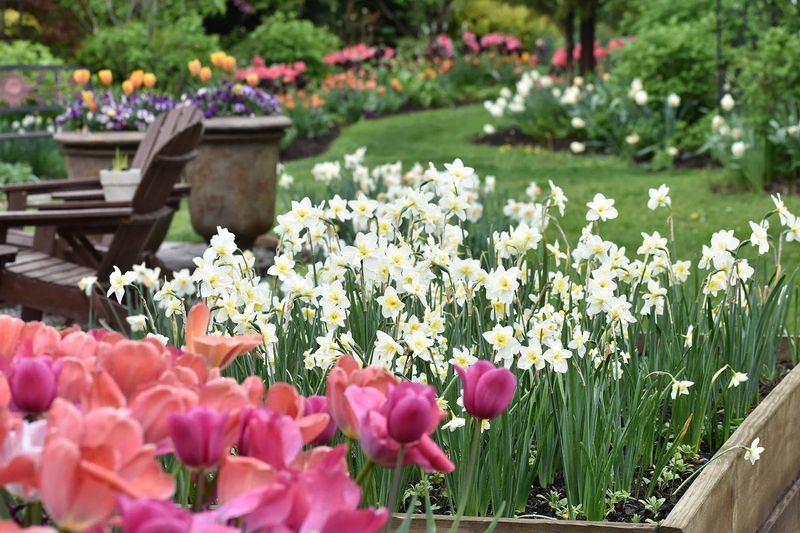
Picking the right spot matters more than almost any other decision in a bulb planting. NC State Extension warns that most bulbs do not tolerate poor drainage and recommends checking a prospective site after a heavy rain.
If standing water remains for more than a few hours, or if a drainage test hole holds water longer than that, the site is likely to cause bulb rot. Wet soil through winter and spring is one of the most reliable ways to lose an entire planting before it ever blooms.
A simple test is to dig a hole about a foot deep, fill it with water, and check back in an hour. Rapid draining is a good sign.
Slow draining or pooling suggests you need to choose a different spot, amend the bed with compost and coarse material to improve structure, or build a raised bed. Slopes, elevated beds, and spots away from downspout runoff tend to drain better than flat, compacted areas near the house foundation.
Light is the other key variable. Daffodils handle full sun to partial shade and are notably drought tolerant once established, which makes them adaptable across many NC yard situations.
However, deep shade under dense tree canopies will reduce flowering and slow offset development. Root competition from shallow-rooted trees and shrubs can also limit bulb performance by competing for moisture and nutrients.
Beyond drainage and light, crowding, rodent pressure, and hardiness mismatches can all prevent a planting from returning. Crocus corms are especially vulnerable to squirrels.
Choosing daffodils in areas with rodent pressure is often a more practical call, since their toxicity makes them far less attractive to digging animals. The low-effort result depends on a well-chosen site, not on abandoning care entirely after planting day.
Let the foliage recharge the bulb after bloom
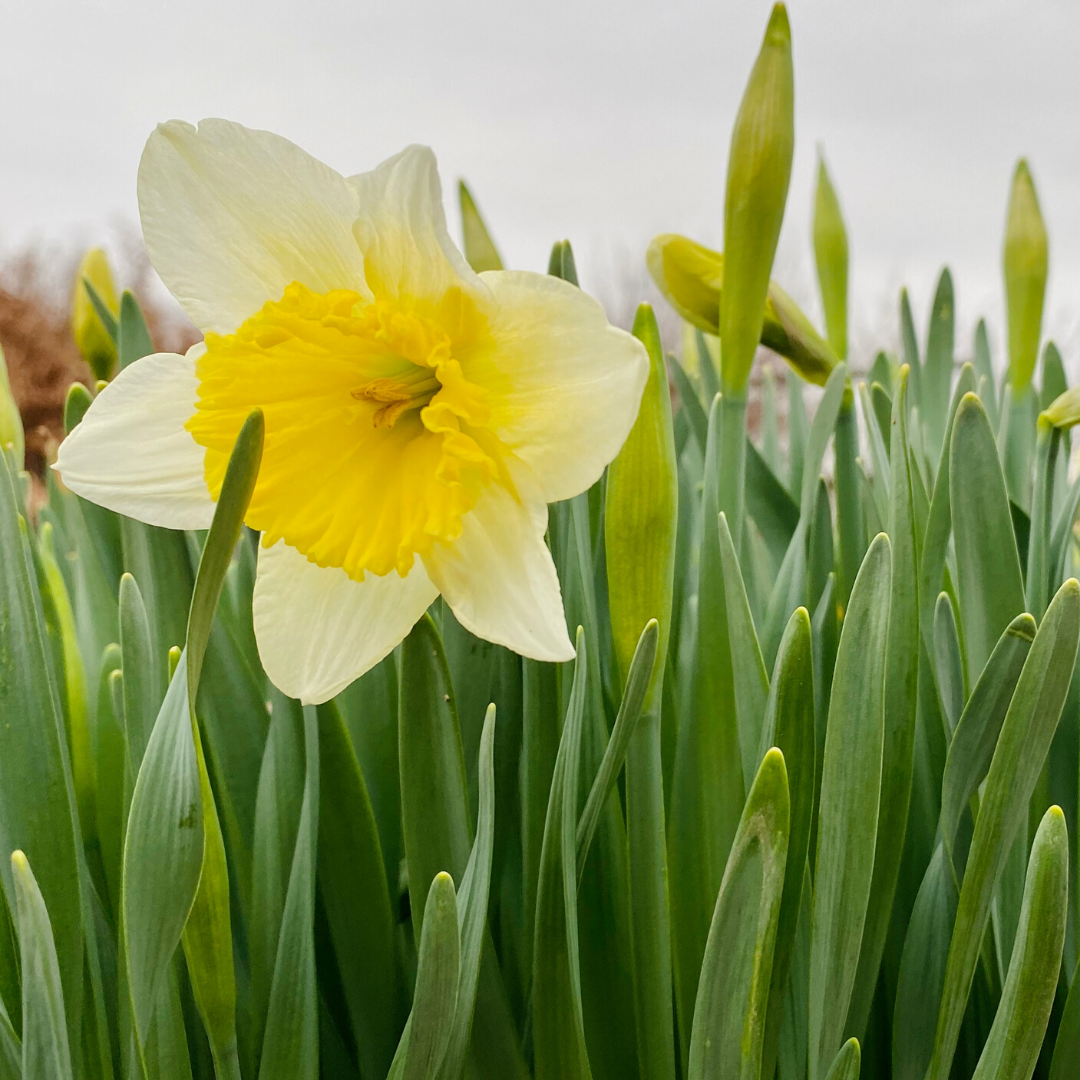
After the flowers fade, the real work begins underground. Daffodil leaves continue to photosynthesize for weeks after bloom, pushing energy back into the bulb to fuel next year’s flowers and support offset development.
Penn State Extension is clear that foliage must be left intact until it naturally yellows or dies back, because cutting it early starves the bulb and weakens or eliminates future blooms. The same principle applies to crocuses and most other spring-flowering bulbs.
Braiding, rubber-banding, or folding the leaves does not solve the problem. Those practices restrict the leaf surface exposed to sunlight and reduce photosynthesis almost as much as cutting the foliage outright.
The tidier approach is to plant low-growing perennials, ornamental grasses, or groundcovers nearby that fill in and camouflage the yellowing leaves while they complete their job. Hostas, daylilies, and ferns work well in NC borders for this purpose.
Lawn plantings require extra planning. The RHS advises that bulbs naturalized in turf should be early-flowering varieties, because their foliage has more time to mature before the regular mowing season begins.
Later-flowering bulbs in a lawn put the gardener in a difficult position: mow on schedule and cut the foliage too soon, or delay mowing and let the lawn grow ragged. Choosing early-blooming daffodil cultivars for turf areas, and saving later-blooming types for borders or woodland edges, avoids that conflict entirely.
NC State’s plant toolbox confirms daffodils are suitable for lawn naturalizing with this timing consideration in mind.
Naturalize bulbs without confusing spread with native value
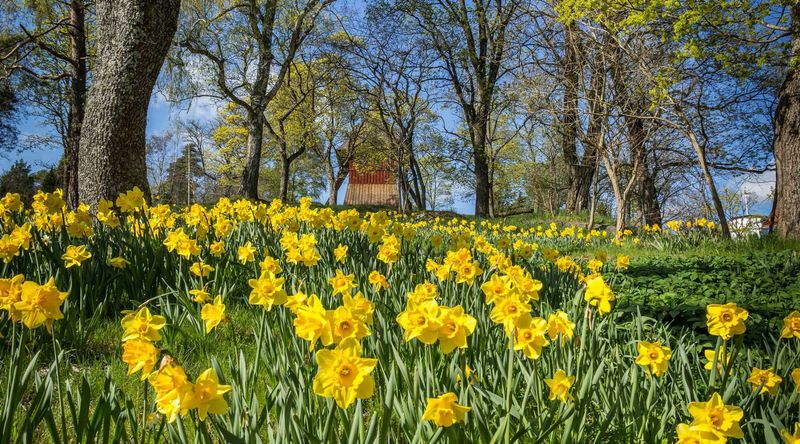
Naturalizing bulbs means planting them in a location where they can spread and return without being lifted each year, mimicking the look of plants growing on their own. Good candidates include lawn edges, the base of deciduous trees, sloped areas with good drainage, and semi-shaded woodland borders.
NC State’s plant toolbox lists daffodils as well-suited to naturalized settings, particularly in spots that can remain undisturbed for years at a time.
The mowing tradeoff applies directly here. Any naturalized area in or near turf needs a delayed-mowing plan, because foliage must remain until it yellows.
Choosing a spot that can go unmowed through late spring, such as a slope, a woodland edge, or an informal meadow area, removes that conflict and lets the bulbs do their job without competing with lawn maintenance schedules. The RHS recommends identifying a section of lawn where delayed mowing is practical before committing to a turf naturalization plan.
Spreading well is not the same as being native. Daffodils are native to parts of Europe, North Africa, and Asia.
They naturalize readily in NC conditions but are not North Carolina native plants, and their ecological value to local wildlife differs from that of native species. NC State’s native plants guidance distinguishes between native, naturalized, and invasive categories and notes that some nonnative plants can escape cultivation.
A yard that includes naturalizing daffodils alongside native plants serves both aesthetic and ecological goals better than one that relies entirely on nonnative species for habitat. NC State’s landscaping for wildlife resources can help identify native companions that provide genuine food and cover for local wildlife.
Crocuses and alliums offer qualified alternatives
Crocuses grown from corms are a reasonable companion to daffodils in a naturalizing planting, with some caveats. NC State’s plant toolbox lists species crocuses as perennial corms suitable for mass planting, lawns, woodland gardens, and naturalized areas, with statewide regional coverage across the mountains, Piedmont, and Coastal Plain.
They should be planted roughly two and a half inches deep in fall for spring flowers. The practical limitation is rodent pressure: squirrels actively dig up newly planted crocus corms, which can wipe out an entire planting before winter ends.
Pairing crocuses with daffodils sometimes helps, since the daffodils’ toxicity makes that area of the bed less attractive to digging animals overall.
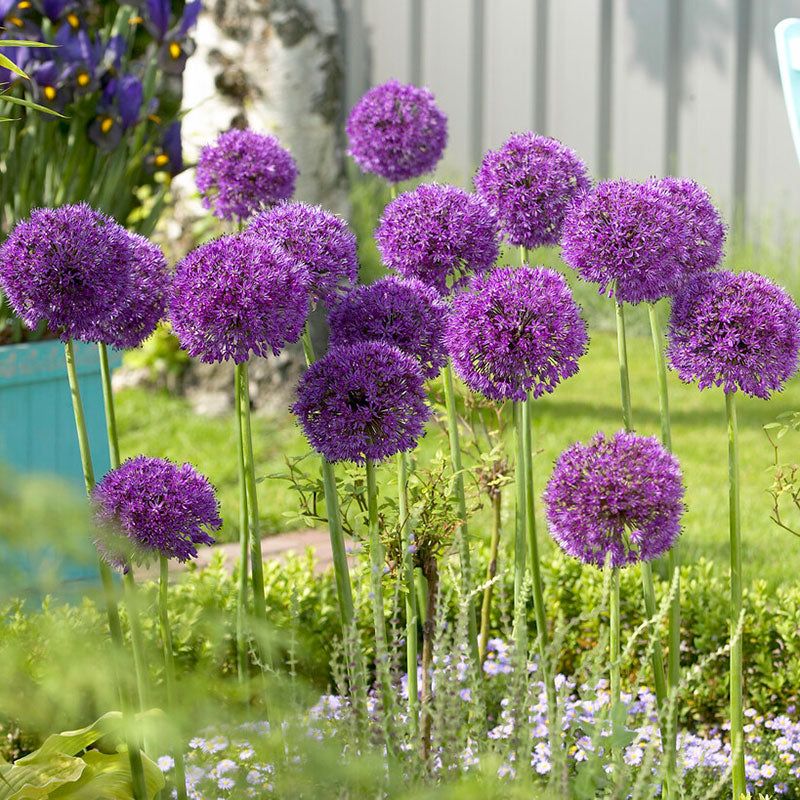
Ornamental alliums offer a different kind of interest, with globe-shaped flowerheads that bloom in late spring and attract pollinators. NC State describes alliums as low-maintenance plants suited to perennial, pollinator, and mass plantings, and notes that they can multiply through bulb offsets over time.
Most ornamental alliums sold at garden centers are nonnative, so their ecological value to NC wildlife is limited compared to native alternatives.
The native option worth knowing is nodding onion, Allium cernuum, a North American native that can naturalize in meadows and open woodland. NC State identifies nodding onion as a native species suitable for naturalized settings and notes its value to pollinators.
For gardeners who want both a multiplying plant and genuine native wildlife value, nodding onion is a stronger ecological choice than most ornamental alliums. NC State’s native plant guidance reinforces that native status and naturalizing ability are not interchangeable terms, and that choosing natives intentionally produces different ecological outcomes than choosing nonnative plants that happen to spread.
True fall-blooming plants require different timing and caution
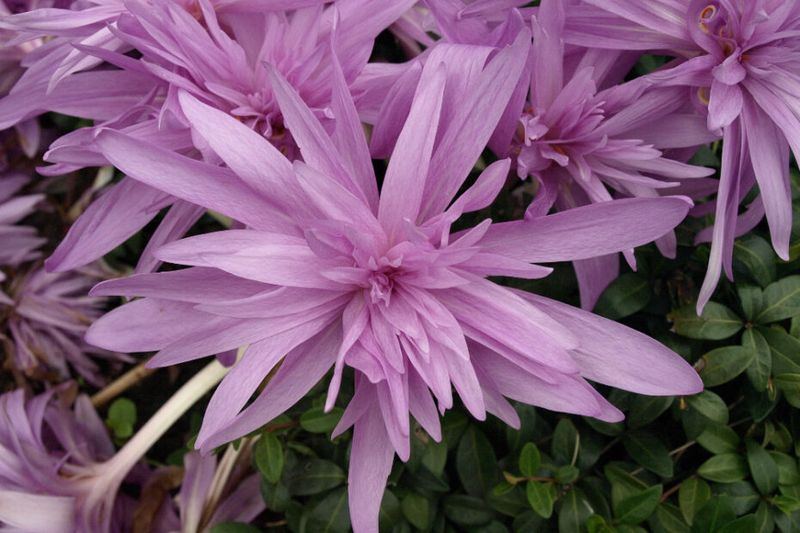
Resolving the “every fall” idea in the title means addressing the plants that actually do bloom in autumn, because they operate on a completely different schedule from daffodils. Penn State Extension explains that fall-blooming bulbs should generally be planted promptly in late summer, shortly after purchase, not held until the November-to-December window used for daffodils and standard crocuses.
Waiting too long means missing the bloom entirely that first season.
Sternbergia lutea, sometimes called the fall daffodil, is one of the better-documented fall-blooming options for parts of North Carolina. NC State’s plant toolbox lists Sternbergia for the Coastal Plain and Piedmont, with hardiness extending through Zones 7a through 10b, but does not list it for the mountains.
It needs well-drained soil, regular moisture during active growth, and dry conditions during dormancy. NC State recommends leaving new bulbs undisturbed for several years before dividing, so this is not a plant to move around frequently.
Colchicum autumnale, commonly sold as autumn crocus, is a corm-grown plant that produces fall flowers and can divide every other year. NC State classifies colchicum as highly poisonous to humans and potentially dangerous to pets, with all parts carrying toxic alkaloids.
It has also naturalized in North Carolina, meaning it can spread beyond garden boundaries. Colchicum is not an uncomplicated choice for households with children or pets, and it should not be confused with saffron crocus.
Saffron crocus is Crocus sativus, a separate species with a very different profile. Penn State Extension covers saffron crocus production and notes its requirements for well-drained, fertile soil and a dry summer dormancy period.
It is botanically a corm, not a true bulb, and its care needs differ from both colchicum and spring-blooming crocuses. Using the casual label “autumn crocus” for both plants is a genuine safety risk; when buying or researching fall-blooming corms, confirming the Latin name is worth the extra step.
Choose a long-lived planting, then maintain it lightly
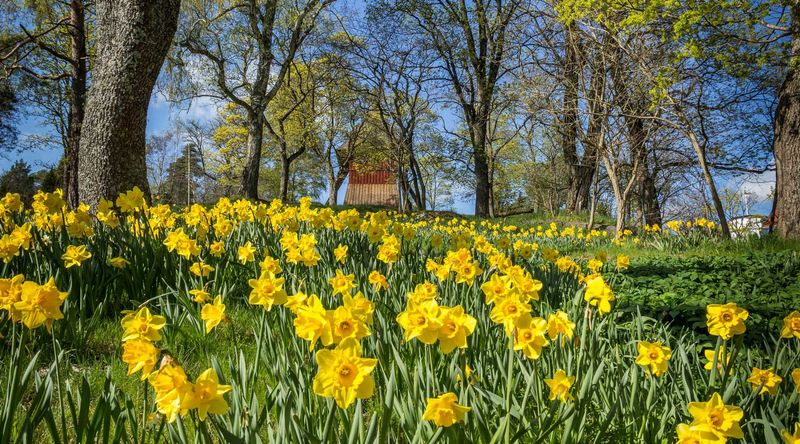
Daffodils remain a strong, evidence-supported option for North Carolina gardeners who want recurring spring flowers and gradual clump expansion with minimal ongoing effort. NC State Extension supports their perennial habit, naturalizing potential, and low-maintenance profile, provided site conditions cooperate.
That means well-drained soil, adequate light, a planting time matched to your region, and foliage left intact until it yellows each spring.
Light maintenance will still be part of the picture over time. Crowded clumps eventually produce fewer flowers, and dividing them every several years restores vigor.
Penn State Extension notes that division after bloom, once foliage has matured, is the standard way to reinvigorate an overcrowded planting. Replanting the offsets at proper spacing gives each bulb room to develop and return to full flowering size, often within one or two seasons.
Gardeners who specifically want flowers every autumn need to look at a separate category of plants, including Sternbergia for the Piedmont and Coastal Plain, with the timing, regional limits, and safety considerations those choices carry. The real promise of a fall bulb planting is not a show every October; it is a planting that quietly builds on itself underground and pays off more visibly each late winter and spring.
That slower, steadier reward is the one worth planning for.