
Bare patches in a North Carolina yard can feel like an open invitation to weeds, mud, and eroding soil. The good news is that some native plants spread just enough to knit those gaps closed without taking over your whole bed.
These well-mannered groundcovers protect the soil, feed local pollinators and birds, and cut down on the mulch and mowing you have to fuss with. Here are seven NC natives that fill in nicely and then politely know when to stop.
1. Green and Gold (Chrysogonum virginianum)
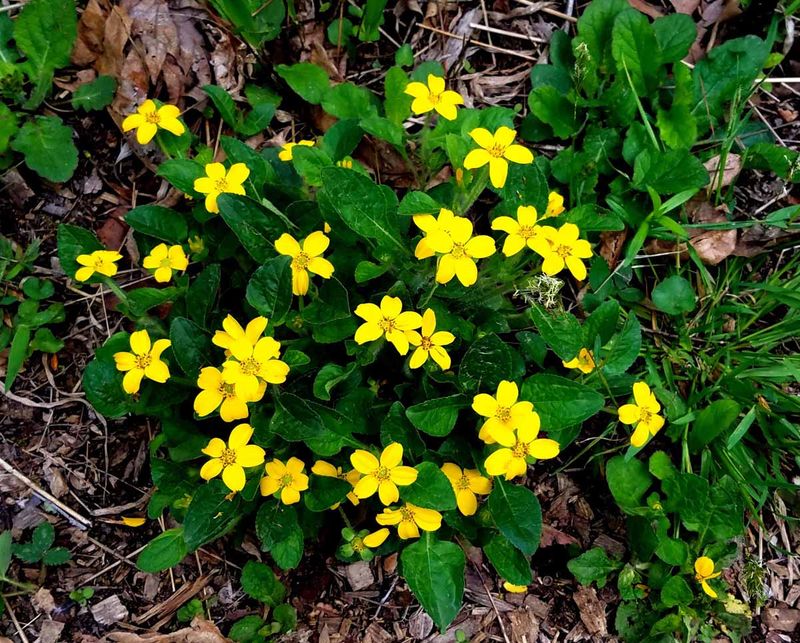
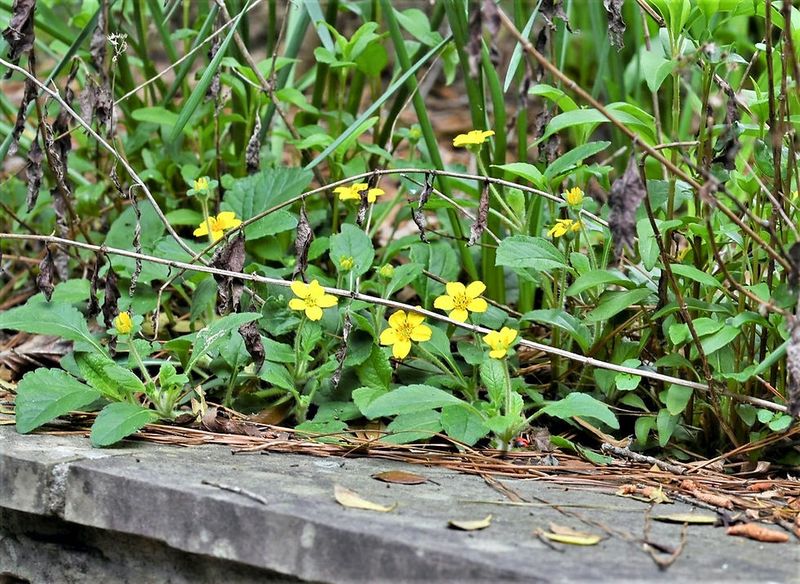
Cheerful little yellow stars start popping up in early spring and keep showing off on and off well into fall. Green and gold hugs the ground at just a few inches tall, weaving through shady spots where grass usually gives up.
What makes it a standout is its manners. It roots slowly along the surface and fills a bare patch under trees without launching aggressive runners across the whole bed.
Native to Piedmont and mountain woodlands, it thrives in dappled shade and average soil. Bees and small pollinators visit the blooms, so you get color and a little wildlife support in one low-effort plant.
Tuck it along a shaded walkway or beneath dogwoods where mulch keeps washing away. It holds the soil, softens the edge, and asks for almost nothing in return.
2. Creeping Phlox (Phlox stolonifera)
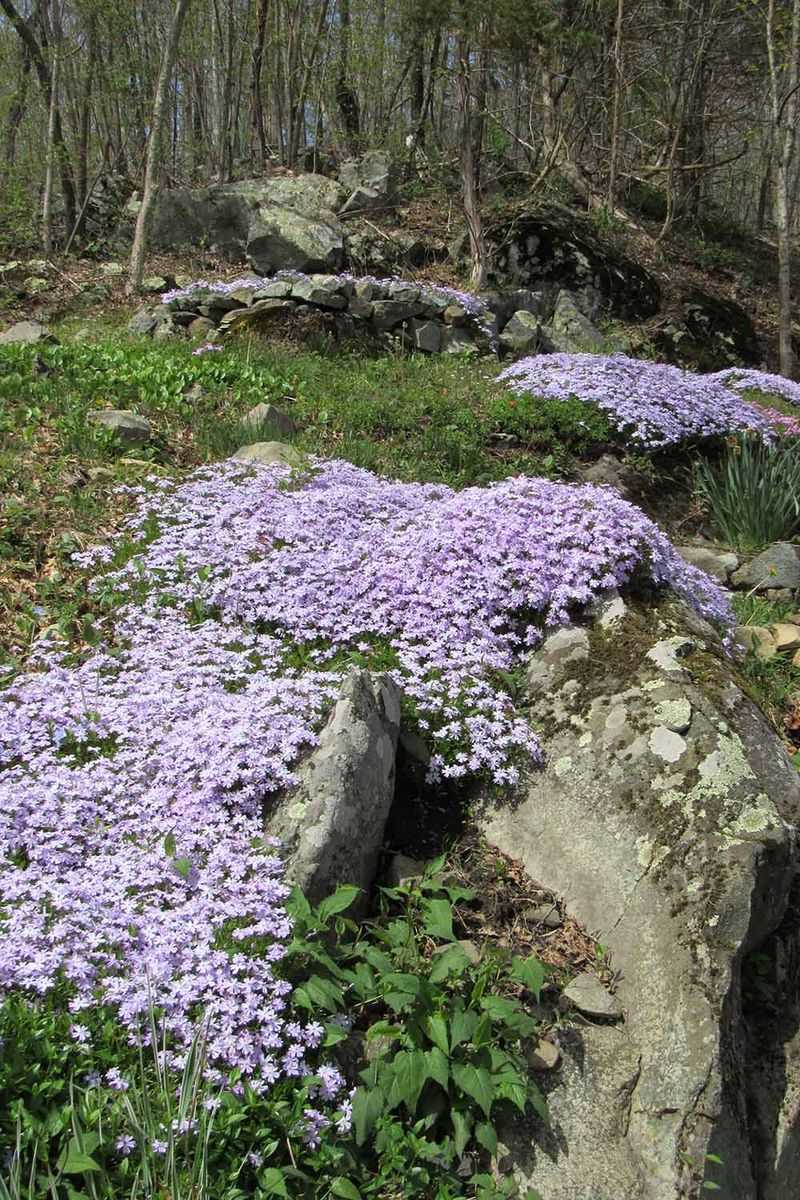
Come April, a sheet of soft lavender, pink, or white blooms can turn a tired slope into something worth stopping for. Creeping phlox spreads by gentle above-ground stems that root as they go, forming a tidy mat rather than a runaway tangle.
The plant tops out around six inches, so it fills gaps without swallowing neighbors. After the spring show, the low green carpet stays neat and keeps weeds from muscling in.
Native to our mountain and Piedmont woods, it handles part shade and slopes beautifully, which helps hold soil on banks that tend to erode. Early butterflies and native bees appreciate the nectar when little else is blooming.
Try it along a shaded front-bed edge or a difficult slope by the driveway. It reads as intentional groundcover, never as a chaotic mess.
3. Wild Ginger (Asarum canadense)
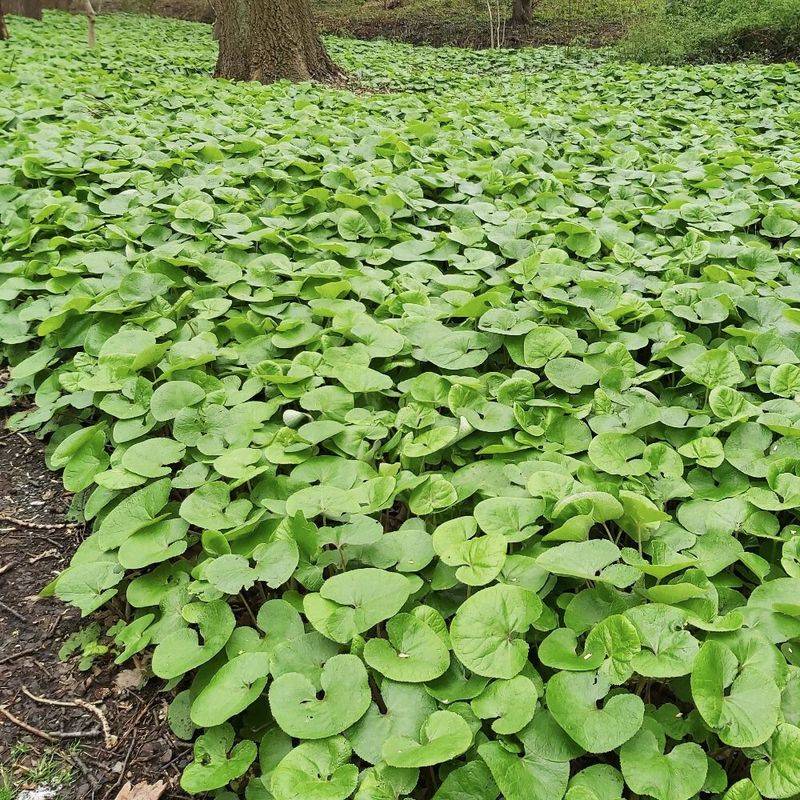
Run your hand across a patch and the crushed roots give off a faint gingery scent, a fun surprise from a plant that is all about quiet coverage. Wild ginger spreads by slow underground stems, laying down a dense mat of heart-shaped leaves in deep shade.
It is the plant for those tricky dark corners where nothing else wants to grow. The foliage stays low and full, shading out weed seedlings before they get going.
A native of rich woodland soils across the mountains and Piedmont, it prefers moisture and shelter under trees. Its odd little maroon flowers hide down at ground level, pollinated by tiny ground-dwelling insects.
Use it to carpet the north side of the house or the base of mature hardwoods. Once settled, it expands at a calm, controllable pace instead of bolting across the yard.
4. Golden Ragwort (Packera aurea)
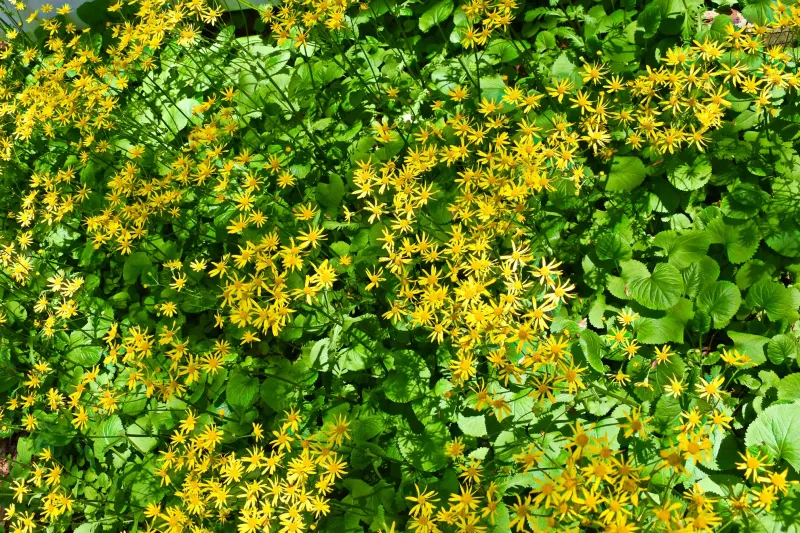
If you have a damp low spot that stays soggy after rain, golden ragwort just might be your quiet hero. It forms a leafy evergreen rosette at ground level, then sends up cheerful yellow daisy-like blooms in spring.
The basal leaves knit together into a weed-suppressing carpet that looks good even out of bloom. It naturally seeks the edges of rain gardens, drainage swales, and shady moist beds.
Native across much of North Carolina, it feeds early bees and small pollinators when nectar is scarce. It can spread by seed and root, but it settles into a stable colony rather than a bully patch when you give it the right damp home.
Plant it where soggy soil keeps defeating turfgrass. You get living erosion control, early-season color, and one less muddy patch to worry about.
5. Pennsylvania Sedge (Carex pensylvanica)
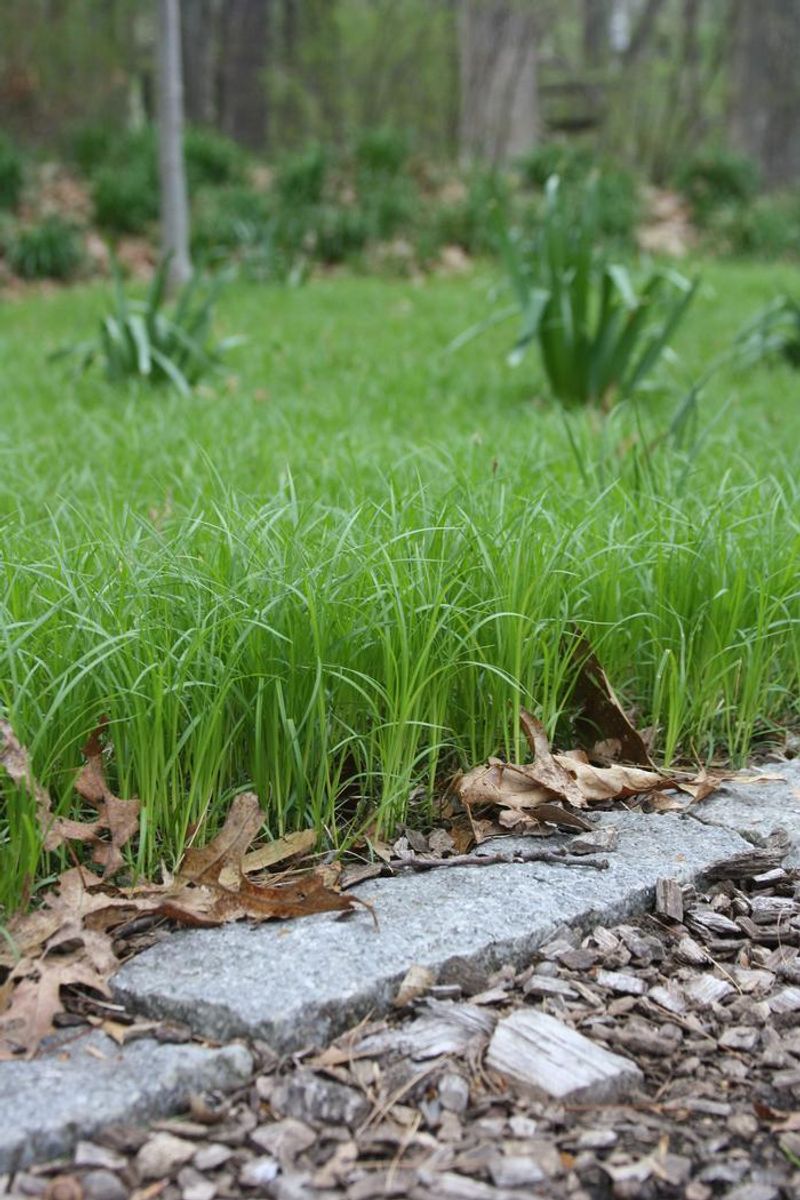
Picture a soft, fine-textured meadow that never needs mowing and stays happy in the shade under your oaks. Pennsylvania sedge fills that daydream, forming a gently spreading lawn-alternative carpet where regular grass struggles.
It creeps outward by short rhizomes at a measured pace, closing bare ground without any turf-style aggression. The arching blades give a relaxed, flowing look that softens hard edges.
A dry-shade native found in NC woodlands, it tolerates root competition and low water once established. Ground-nesting native bees and various small critters benefit from the low, undisturbed cover.
Use it as a no-mow groundcover under trees or along shaded paths. It reduces the mowing chore while keeping soil in place and weeds at bay.
6. Foamflower (Tiarella cordifolia)
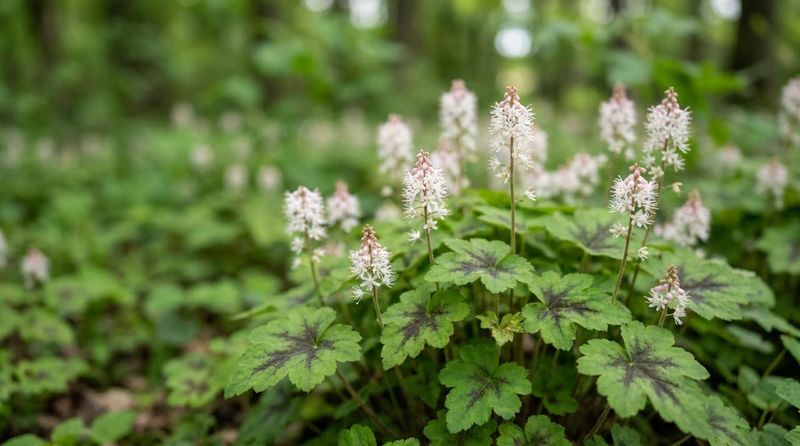
Frothy white flower spikes rise like little sparklers over a mound of maple-shaped leaves, and the whole effect feels almost magical in a shady bed. Foamflower spreads by short runners, forming a modest colony that fills a gap and then holds its ground.
The foliage stays attractive all season, often blushing red in cooler weather. Because it clumps and creeps politely, it slips between larger woodland plants without crowding them out.
Native to our mountain and Piedmont forests, it loves rich, moist shade beneath trees and shrubs. Spring pollinators, including small native bees, work the airy blooms.
Line a shaded front walkway or fill the front edge of a woodland border with it. You get texture, spring flowers, and dependable coverage from a plant that respects boundaries.
7. Robin’s Plantain (Erigeron pulchellus)
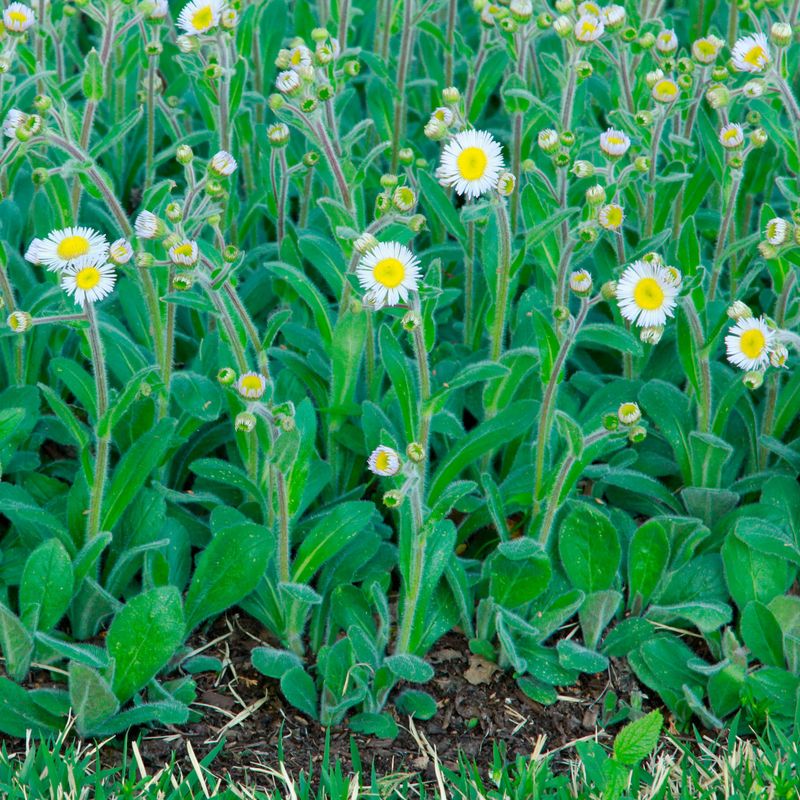
Fuzzy gray-green rosettes hug the ground all year, then send up sweet lavender-tinged daisies in late spring that pollinators can’t resist. Robin’s plantain is one of the friendliest native fleabanes for filling gaps in sun to part shade.
It spreads by short surface runners, expanding into a soft groundcover mat that stays low and tidy between blooms. The coverage crowds out weeds while the flowers pull in bees, butterflies, and other beneficial insects.
Widespread across North Carolina, it shrugs off average soils and moderate dry spells once rooted. Its willingness to colonize gently makes it great for edging beds or knitting together a pollinator patch.
Set it along a sunny border or the front of a mixed bed where you want living color and coverage. It fills in, blooms, and then keeps a well-behaved footprint season after season.