
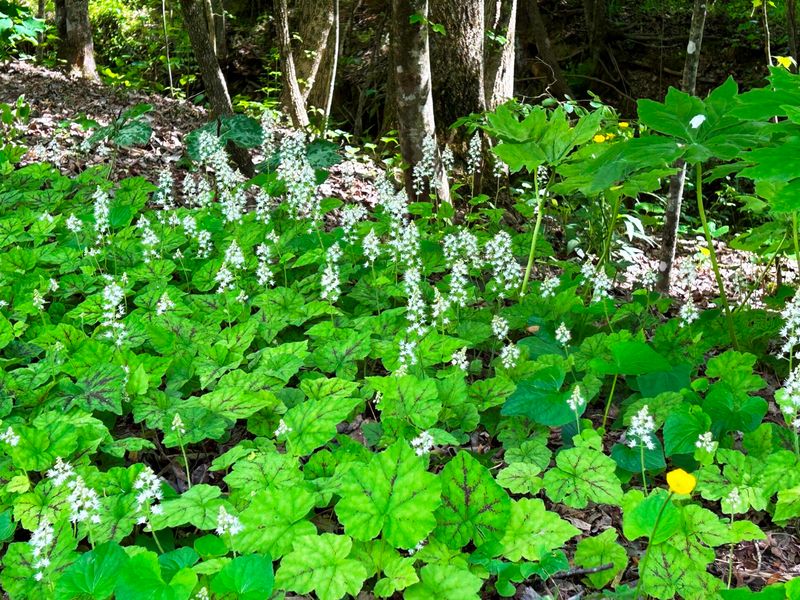
Buying bag after bag of mulch every spring gets old fast, and it drains your wallet while doing very little for the birds and bugs your yard could be feeding. The good news is that North Carolina has its own tough, low-growing native plants that spread out and cover bare soil all on their own.
Once these ground covers settle in, they choke out weeds, hold moisture, and give ticks fewer dry leaf piles to hide in. Here are twelve NC natives you plant once and let do the mulching for you.
1. Green and Gold (Chrysogonum virginianum)
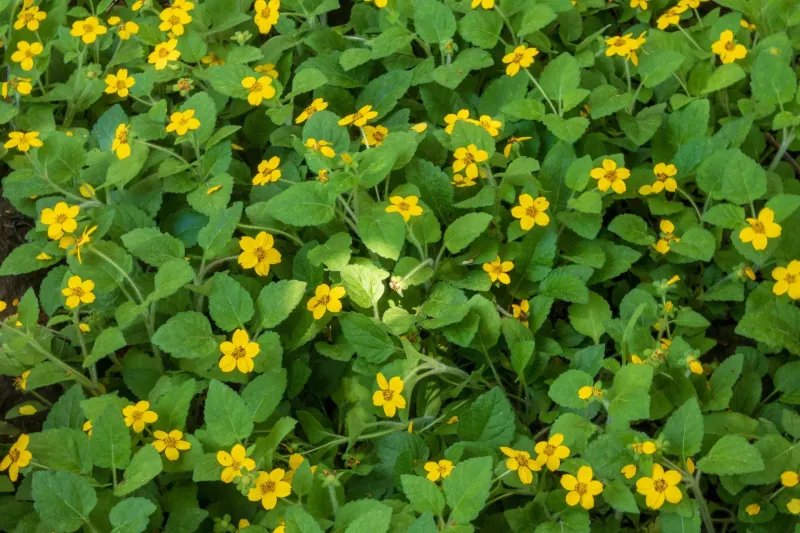
Cheerful yellow stars pop up over a carpet of soft green leaves from early spring right through summer, and green and gold barely asks for anything in return. It hugs the ground at just a few inches tall, spreading by runners until it forms a tidy living blanket.
Piedmont gardeners love it for those shady spots under trees where grass refuses to grow and mulch keeps washing away. The dense mat shades out weed seeds before they can sprout, so your weekend weeding shrinks fast.
Small native bees and early pollinators visit those sunny blooms when little else is flowering. Plant a few plugs a foot apart, water them through their first summer, and watch them knit together into coverage you never have to reapply from a bag.
2. Creeping Phlox (Phlox stolonifera)
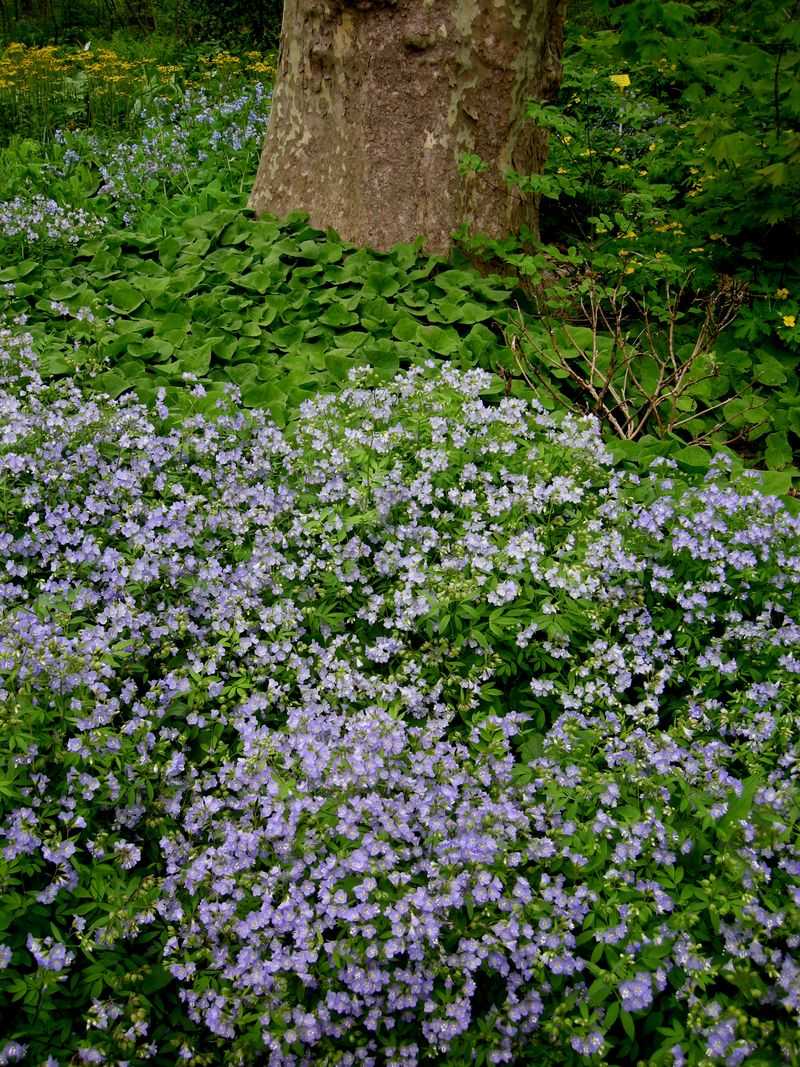
Come April, creeping phlox throws down a sheet of pink, lavender, and white that looks like someone spilled a paint bucket across the forest floor. Woodland phlox is the shade-loving native cousin of the sun-baked rock garden types, and it thrives in the dappled light under NC hardwoods.
Its stems root as they crawl, so a small starter patch quietly claims more ground each year. That spreading habit is exactly what smothers weeds and keeps bare dirt covered without a single mulch delivery.
Butterflies and long-tongued bees work the blooms hard during that spring window. After flowering, the low green foliage sticks around as a soft carpet, holding soil on slopes where mulch would only slide downhill.
3. Wild Ginger (Asarum canadense)
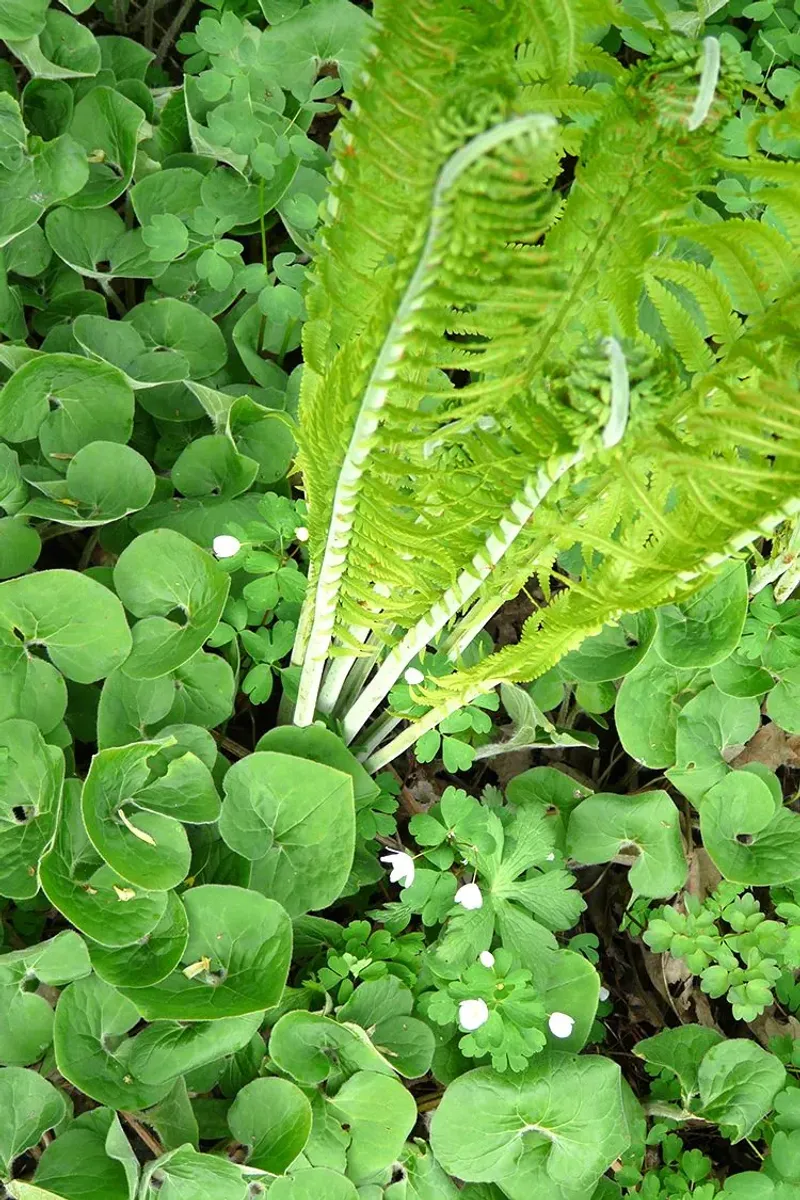
Run your hand across a patch of wild ginger and you get a whiff of that spicy, gingery scent from the roots, even though it is not related to the culinary kind. The big, heart-shaped leaves overlap like roof shingles, creating a deep green cover that blocks sunlight from ever reaching a weed seed.
Deep shade is where this plant shines, thriving under the densest tree canopy where almost nothing else will fill in. Its hidden little maroon flowers sit right at ground level, quietly pollinated by beetles and gnats crawling through the leaf litter.
The colony spreads slowly by underground rhizomes, so give it a season or two to really take hold. Once established, it forms a self-maintaining mat that keeps moisture in the soil and mulch bags out of your cart.
4. Allegheny Spurge (Pachysandra procumbens)
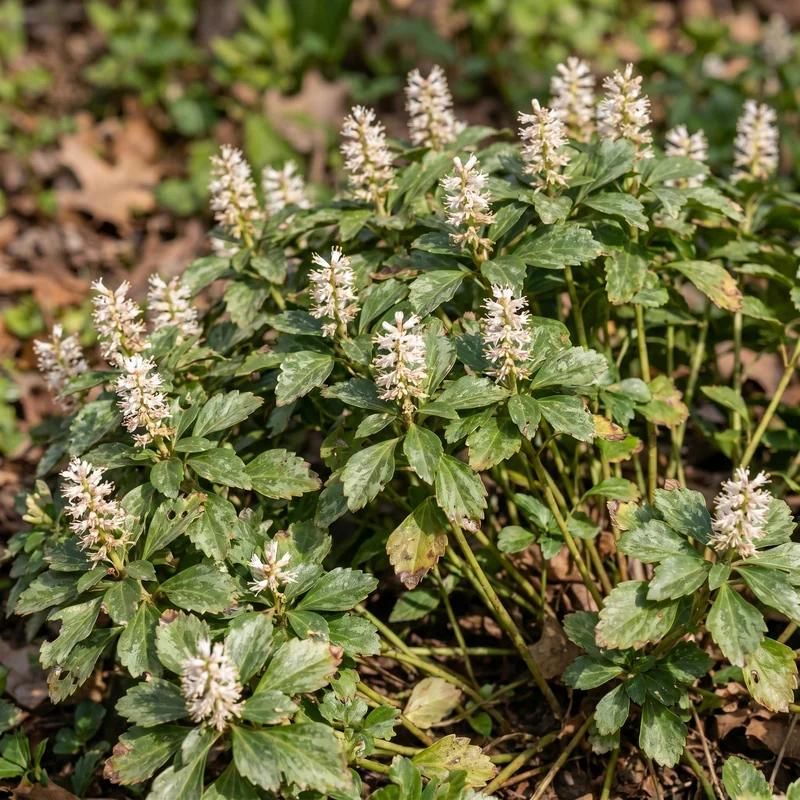
Most folks reach for the imported Japanese pachysandra without knowing North Carolina has its own better-behaved native version. Allegheny spurge carries mottled blue-green leaves that pick up silvery and bronze tones as the seasons turn, plus fuzzy little white flower spikes in early spring that smell faintly sweet.
Unlike its aggressive foreign lookalike, this native stays polite, forming a slow, dense clump that covers ground without swallowing the whole bed. It handles dry shade like a champ, making it a smart pick under maples and oaks where roots hog the water.
Swap this in for the store-bought pachysandra and you get the same weed-blocking carpet while feeding local pollinators instead of nothing. Plant it, mulch it once to get going, and then let the leaves take over the job.
5. Golden Ragwort (Packera aurea)
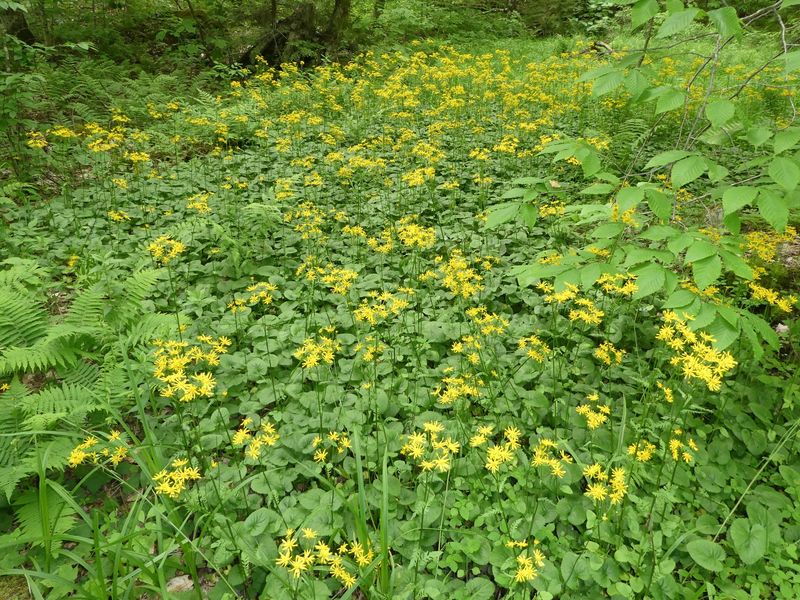
If you have a soggy corner that eats mulch every rainstorm, golden ragwort will move in and love the wet. Rounded, semi-evergreen leaves hug the ground all winter, then send up cheerful yellow daisy clusters on tall stems each spring.
The basal foliage forms a thick, weed-suppressing mat that stays green through the cold months, so bare soil never gets a chance to show. It spreads by both seed and runners, filling in ditches, rain gardens, and stream edges faster than you would expect.
Early bees, flies, and small butterflies flock to those spring blooms when food is scarce. For coastal plain and Piedmont yards with damp spots that stay muddy, this is a fill-and-forget solution that never needs a bag of anything.
6. Partridgeberry (Mitchella repens)
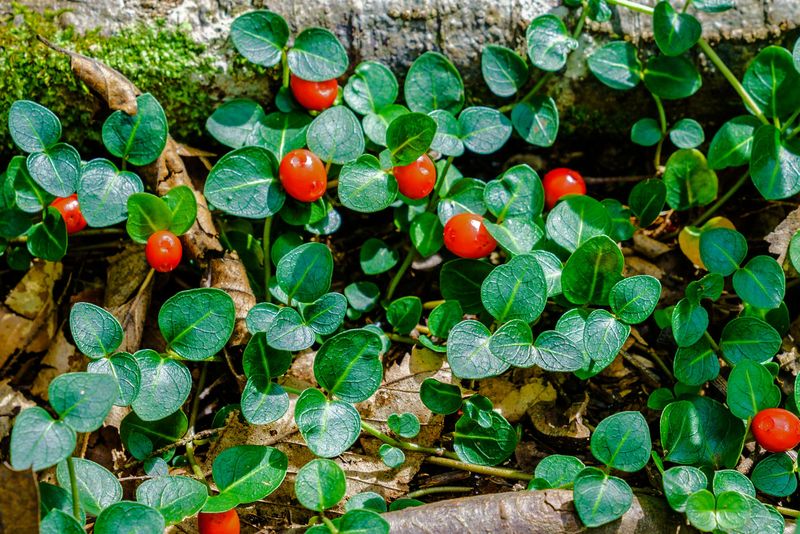
Tiny and delicate, partridgeberry weaves a flat, glossy green tapestry across the forest floor, dotted with cheerful red berries that hang on through winter. The pairs of little round leaves stay evergreen, giving you living color in the dead of the season.
It creeps rather than climbs, rooting as it goes and threading between rocks and tree roots where mulch never stays put. Because it stays under an inch tall, it works beautifully in the front of shady beds or tucked around larger natives.
Ground-feeding birds and small critters nibble the berries during lean winter months. This is a plant for the patient gardener who wants a fine-textured, self-knitting carpet in deep shade that quietly does its own upkeep.
7. Woodland Stonecrop (Sedum ternatum)
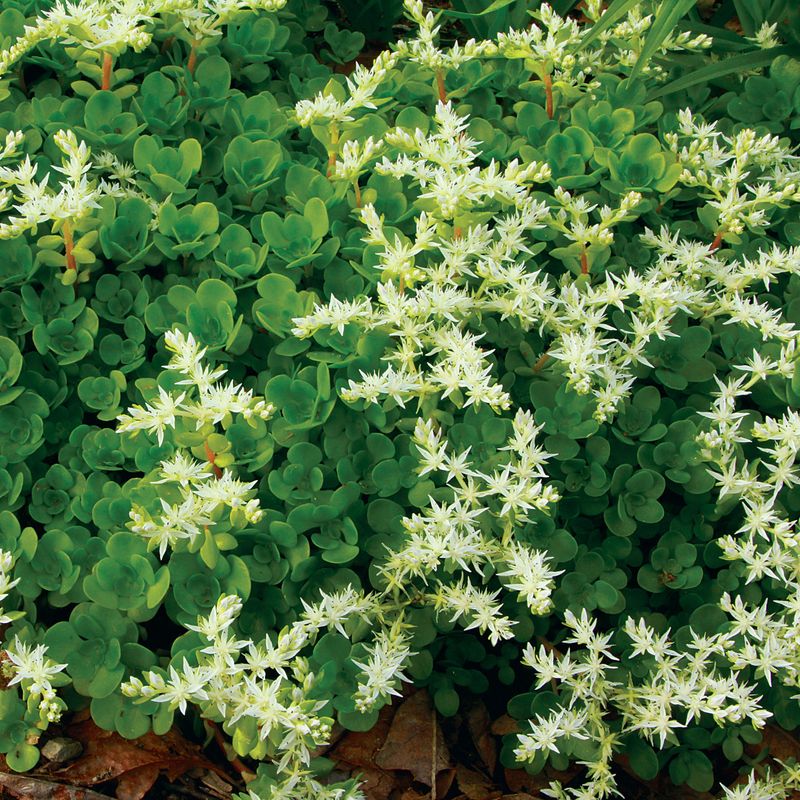
Here is a native succulent that breaks the rule about sedums needing full sun. Woodland stonecrop thrives in shade and even damp, rocky ground, spreading fleshy green rosettes that light up with tiny white star flowers in spring.
Its succulent leaves store water, so it shrugs off dry spells once rooted, and it happily colonizes the mossy, root-filled spots where grass and mulch both fail. The plants root wherever a stem touches soil, so a handful of starts becomes a spreading mat in short order.
Small native bees and other pollinators visit the pale blooms during that spring show. Tuck it between stepping stones, over shallow ledges, or along shady walls, and you get a tough, low carpet that never asks for a mulch refill.
8. Pennsylvania Sedge (Carex pensylvanica)
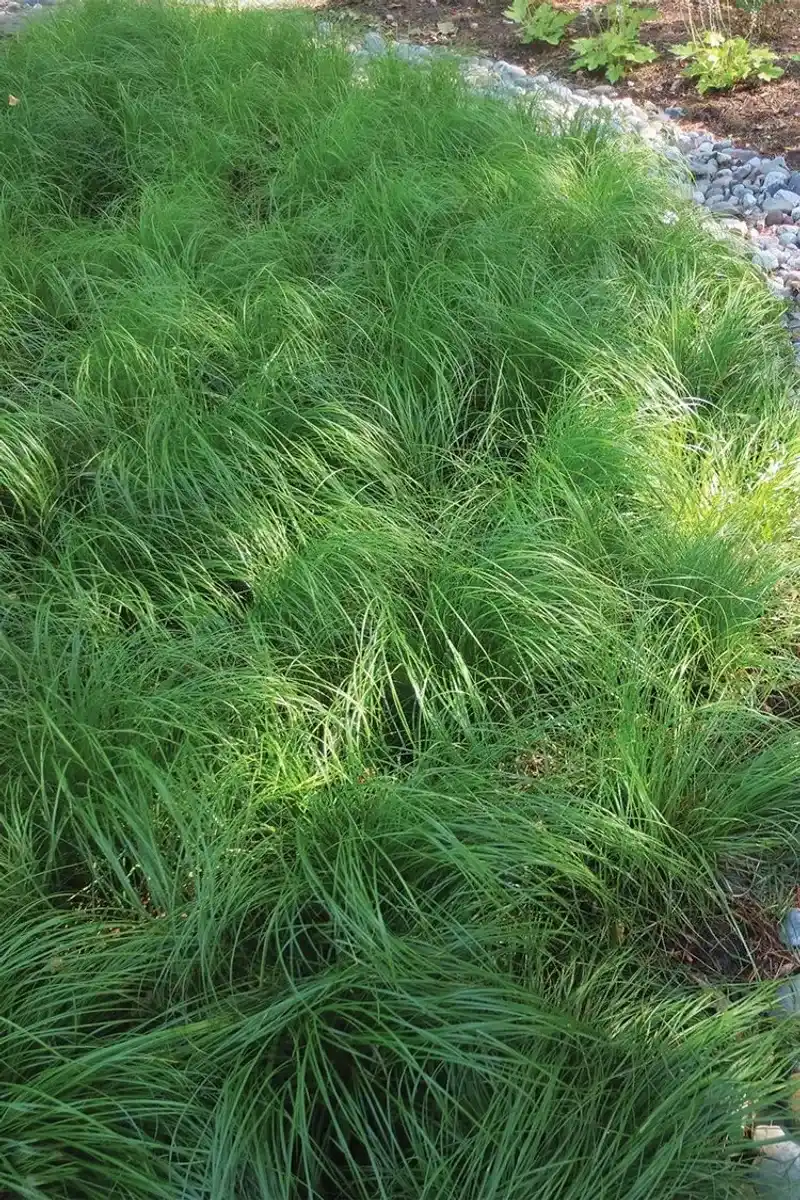
Dreaming of a lawn you almost never mow? Pennsylvania sedge gives you that soft, flowing green look without the endless upkeep of turf, and it actually prefers the dry shade where regular grass gives up.
The fine, arching blades form a gentle carpet that can be left natural or trimmed a couple times a year for a tidier meadow effect. It spreads by rhizomes into a dense mat, crowding out weeds and holding soil under trees where mulch always seems to blow or wash away.
As a native sedge, it supports skipper butterfly larvae and gives ground-nesting insects cover. For NC homeowners chasing a low-effort lawn alternative that keeps ticks from finding dry leaf piles, this is one of the best swaps around.
9. Foamflower (Tiarella cordifolia)
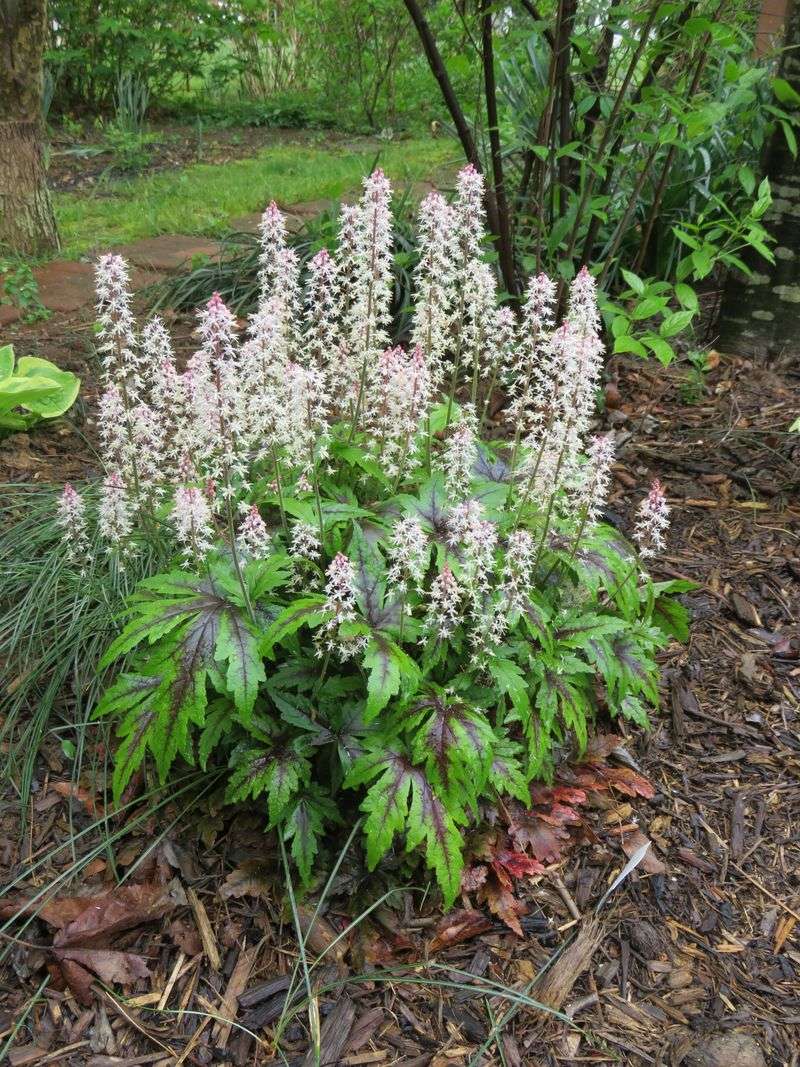
Airy white flower spikes rise like little bursts of foam above heart-shaped leaves each spring, and that soft, frothy look gives foamflower its name. The maple-like foliage often shows reddish veins and turns bronze in fall, so the carpet stays interesting long after the blooms fade.
It spreads by short runners into a dense clumping cover, perfect for the fronts of shady borders and along woodland paths. Bumblebees and other early pollinators work the delicate blooms when the spring garden is just waking up.
Moist, rich shade is its happy place, the exact conditions found under NC hardwood canopies. Plant it in drifts, water through the first season, and the leaves handle weed suppression from then on without any bagged help.
10. Robin’s Plantain (Erigeron pulchellus)
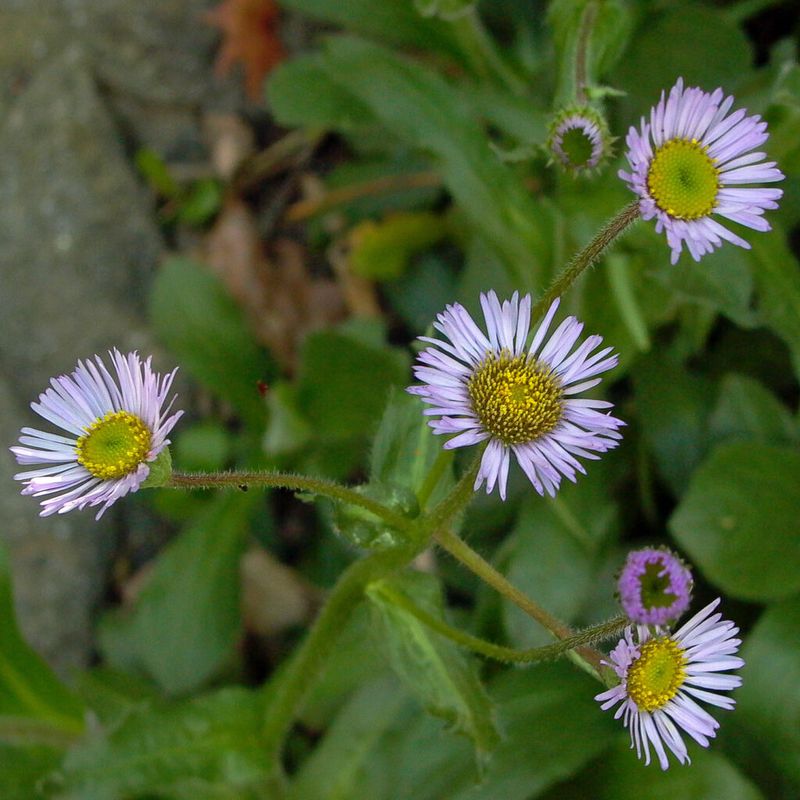
Soft, fuzzy leaves and cheerful lavender-blue daisies make Robin’s plantain look far more delicate than it actually is. This tough native forms spreading rosettes that fill in gaps in both sun and part shade, tolerating clay and dry ground that would stop fussier plants cold.
The low basal foliage stays semi-evergreen and knits together to keep weeds down between the spring flushes of bloom. It sends out runners to colonize new territory, so a small planting steadily claims more bare soil each year.
Native bees and small butterflies love the daisy flowers, which arrive earlier than most fleabanes. For Piedmont gardeners who want a pollinator-friendly filler in tricky transitional spots, this one earns its keep and skips the mulch bill.
11. Barren Strawberry (Geum fragarioides)
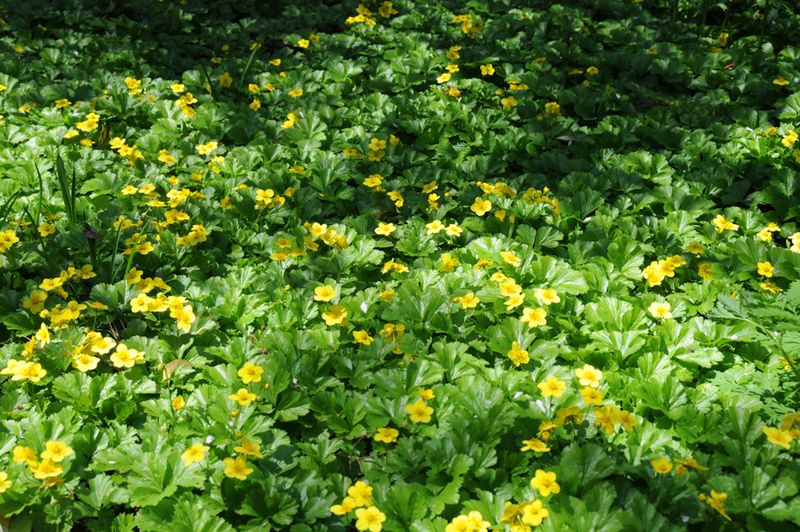
Everything about barren strawberry says strawberry except the fruit. Glossy, three-part leaves and bright yellow spring flowers mimic the real thing, but this native is grown for its handsome, weed-blocking evergreen mat rather than any berries.
The dense foliage stays green through much of the NC winter, holding down soil and keeping mulch off your shopping list year-round. It spreads by runners into a tight, low carpet that handles part shade and average soil without complaint.
Early pollinators visit the sunny yellow blooms in spring. Use it as a durable edging or a broad filler under shrubs, and you get a polished, tidy cover that quietly maintains itself once it settles in.
12. Christmas Fern (Polystichum acrostichoides)
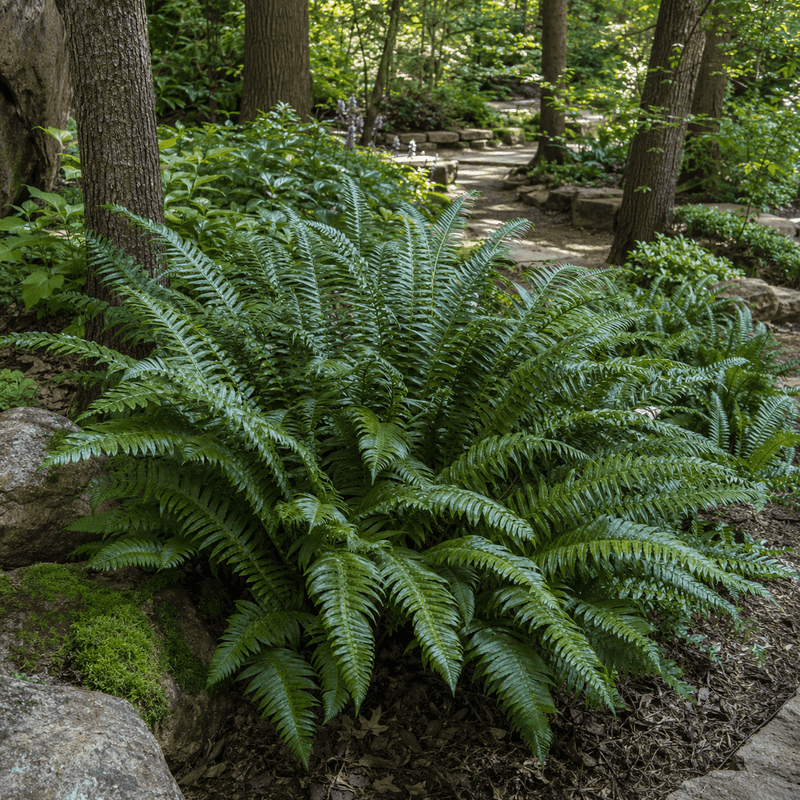
Named for its habit of staying green right through the holidays, the Christmas fern keeps your shady slopes covered when everything else has gone brown. Its leathery, dark green fronds arch out from a central crown, forming clumps that gradually knit into solid coverage.
Those roots grip hillsides and stream banks, making it one of the best natives for erosion control where mulch would simply wash away. As the clumps mature and multiply, they blanket the ground and shade out weeds beneath the fronds.
The winter greenery gives shelter to small wildlife and adds structure when the woodland garden is bare. Plant a row along a shady bank, let the clumps expand, and you trade recurring mulch runs for a lush, self-sustaining fern carpet.