
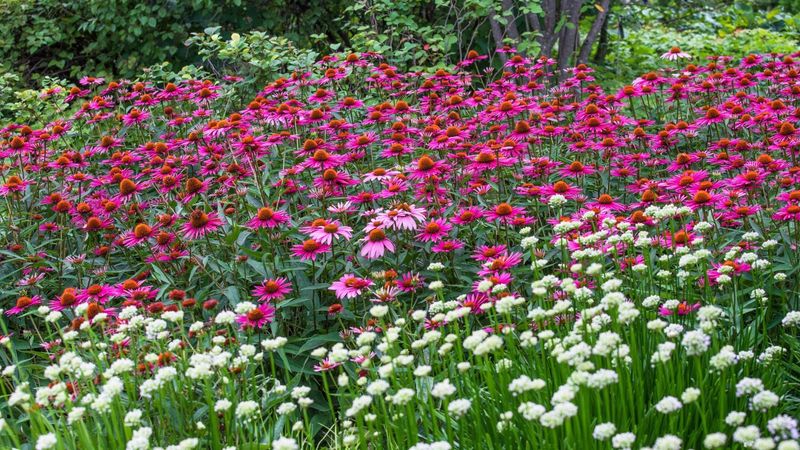
Waiting three years for a new flower bed to look full is nobody’s idea of fun. Some North Carolina perennials grow so quickly they cover bare soil in a single season, giving your yard that lush, settled look right away.
The best part is that many of these plants are natives that feed bees, butterflies, and birds while keeping your weekend chores light. Here are eight fast-fillers that thrive from the mountains to the coast and make your garden look like it has been there for years.
1. Black-Eyed Susan
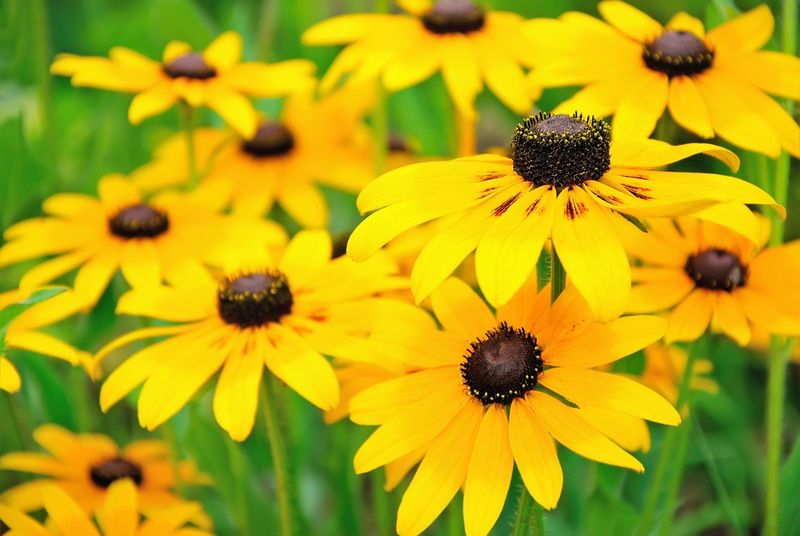
Toss a few of these golden bloomers into a bare spot and by midsummer you would swear they had lived there for years. Black-eyed Susan spreads by seed and root, knitting together into a solid sheet of yellow that hides mulch and empty gaps fast.
Native across the Piedmont and beyond, it laughs at July heat and clay soil. Bees and small butterflies work the flowers all season, and goldfinches pick the seed heads clean come fall.
Leave the dried stalks standing through winter and you get free seedlings the following spring. For a NC homeowner who wants instant fullness plus wildlife value, few plants pull double duty this well.
2. Purple Coneflower
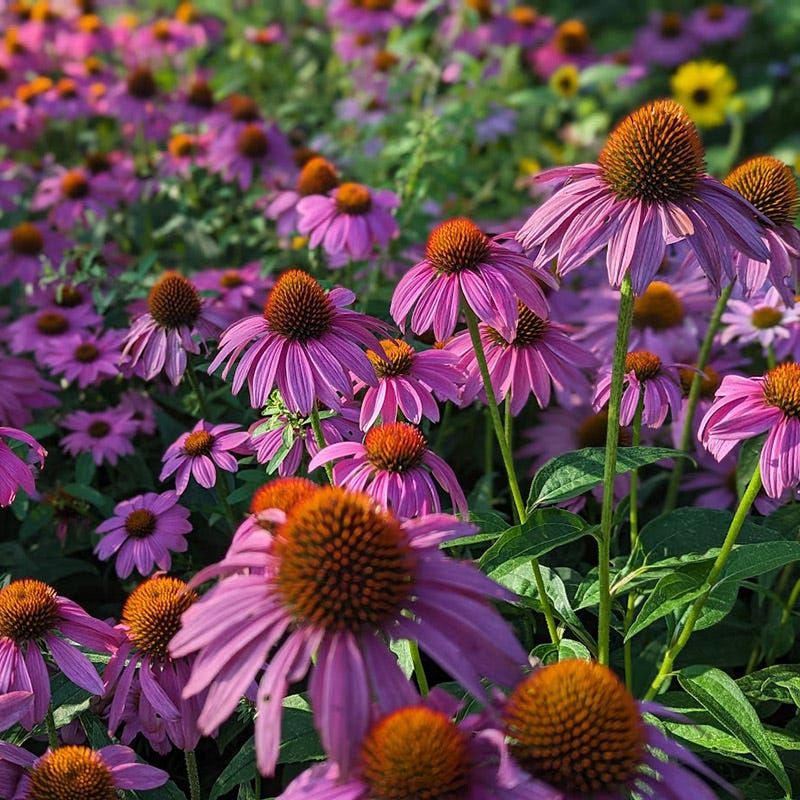
Plant a small pot of purple coneflower in spring and it bulks up into a broad, bushy clump before the season ends. The daisy-shaped blooms rise on sturdy stems, filling vertical space so beds look mature almost overnight.
Echinacea handles our humid summers and drought spells without complaint, and it settles happily into coastal plain sand or Piedmont clay. Monarchs and swallowtails cluster on the flowers, while goldfinches raid the seed cones later.
Fun bit of history: coneflower roots were once a common home remedy long before it became a garden staple. Give it full sun and it rewards you with years of easy, pollinator-packed color.
3. Threadleaf Coreopsis
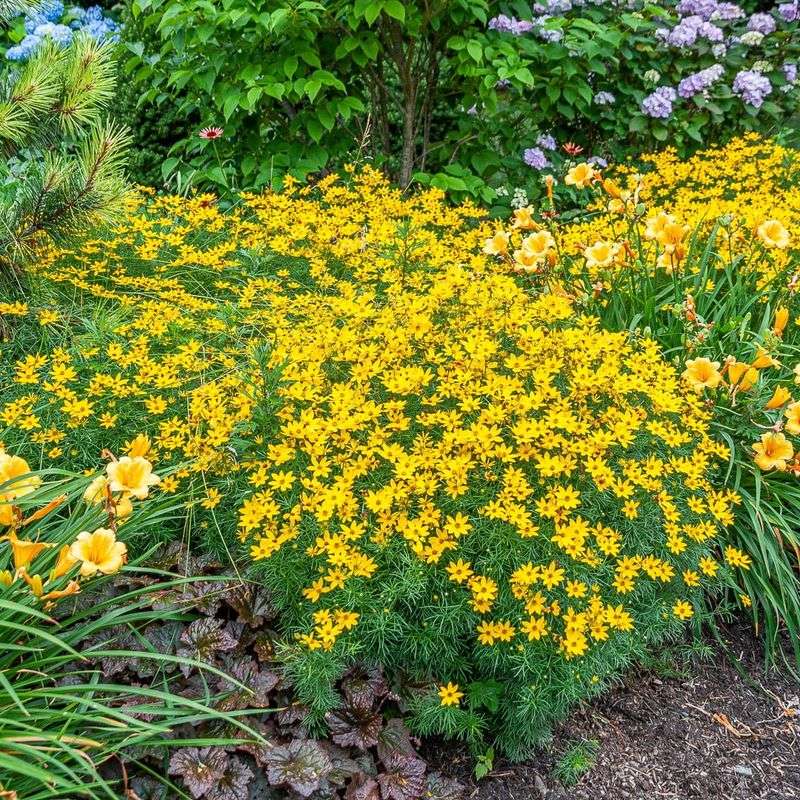
Feathery and cheerful, threadleaf coreopsis grows outward like a slow-motion firework, spilling into a soft mound of ferny green topped with hundreds of little yellow stars. One plant fills a surprising amount of ground in a single summer.
Because it multiplies by underground runners, gaps between plants close quickly, giving your border that grown-in look you usually wait years for. It thrives in the lean, dry spots where fussier flowers sulk.
Small native bees adore the shallow blooms, and a quick shearing in midsummer brings a fresh flush of color. It is about as low-effort as flowering perennials get in North Carolina.
4. Bee Balm
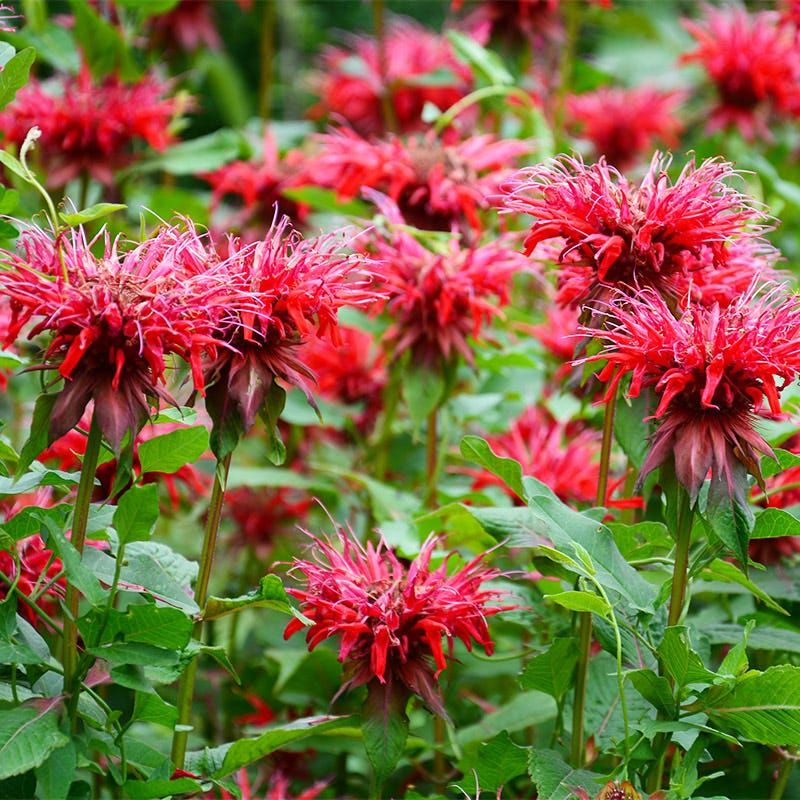
Few plants earn their name as loudly as bee balm, whose shaggy red and lavender flowers hum with pollinators from morning to dusk. It races upward and outward, forming a leafy thicket that fills borders in one warm season.
Native to our region, this member of the mint family spreads by roots, so a couple of starts quickly become a satisfying stand. Hummingbirds treat it like a filling station, and the fragrant leaves make a soothing tea.
Give it decent air flow to keep the foliage clean, and it will anchor a wildlife bed for years. In a mountain or Piedmont yard, it delivers fast fullness with a jolt of hummingbird traffic.
5. Creeping Phlox
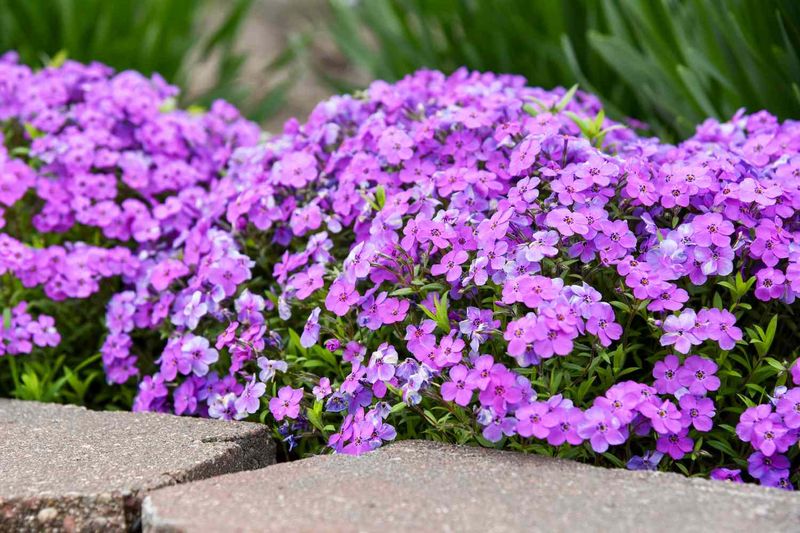
Come early spring, creeping phlox rolls out a carpet of pink, purple, or white so dense you cannot see the soil beneath it. Set young plants a foot apart and they knit together into a seamless mat within a season.
Perfect for slopes, walkway edges, and rocky spots that erode, its low mound of needle-like leaves stays green year-round in much of North Carolina. Early bees find its blooms when little else is flowering.
Once it settles in, it chokes out weeds and asks for almost nothing. For instant ground coverage on a bare bank, this evergreen native cousin is hard to top.
6. Swamp Milkweed
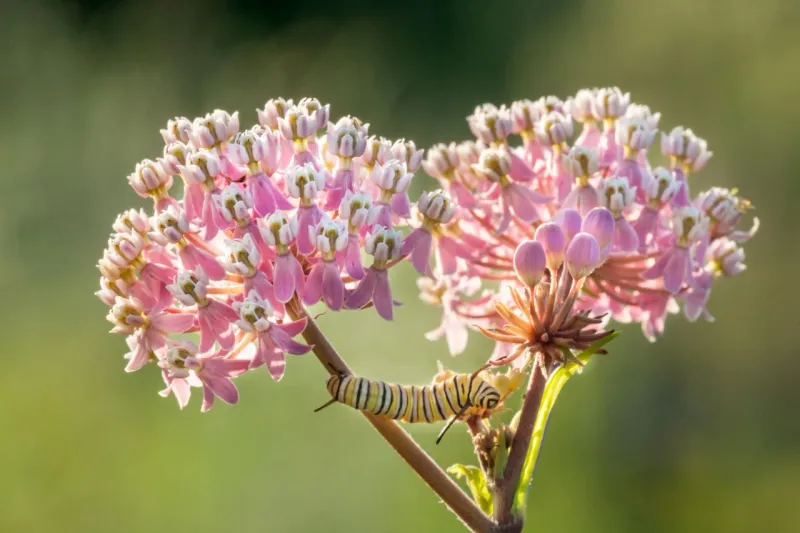
Monarch lovers, meet your workhorse. Swamp milkweed shoots up tall and leafy in early summer, filling the middle of a border with clouds of soft pink blooms that seem to appear from nowhere.
Despite the name, it grows fine in average garden soil as long as it does not bake bone-dry, making it a fit for both coastal plain and Piedmont yards. It is a host plant, meaning monarch caterpillars actually eat the leaves and grow up here.
Planting it may support struggling monarch numbers while giving you a fast, full clump of nectar-rich flowers. Doing right by the land rarely looks this pretty this quickly.
7. Eastern Blue Star
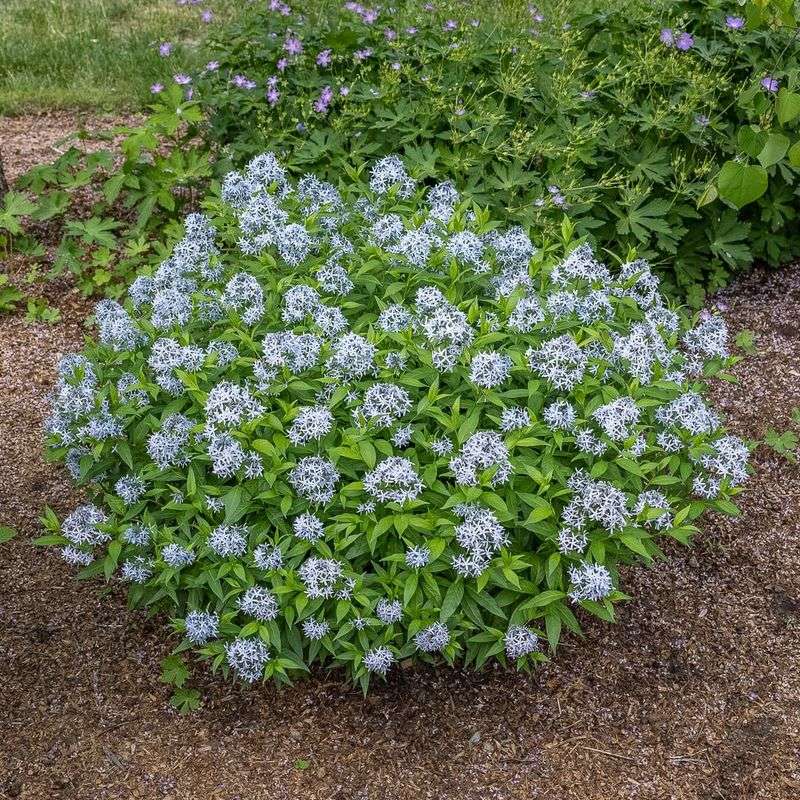
Here is a quiet overachiever that behaves almost like a shrub. Eastern blue star, or amsonia, bulks into a rounded, waist-high mound of fine foliage its very first year, topped in spring with dusty-blue star flowers.
A true NC native, it shrugs off heat, humidity, and clay, then puts on a golden fall show when the leaves turn buttery yellow. Early pollinators sip the blooms, and deer usually leave it alone.
Because it holds its shape without staking or fussing, it gives new beds structure and fullness right away. Plant it once and it just gets better every season with zero drama.
8. Wild Blue Indigo
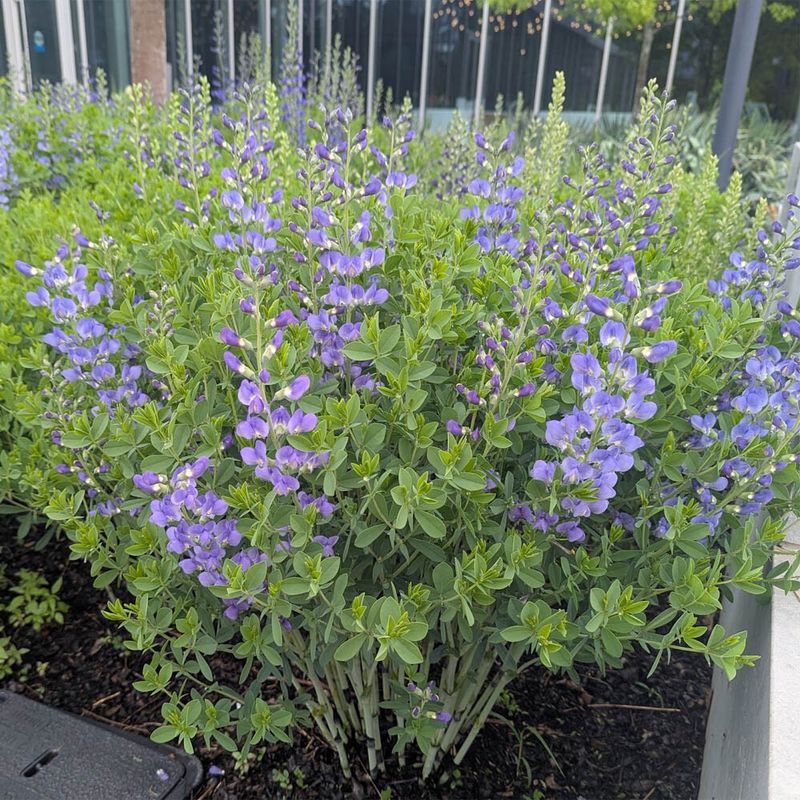
Big, bold, and shockingly fast to bulk up, wild blue indigo forms a shrub-sized mound of blue-green leaves with tall spires of indigo blooms in late spring. Even a young plant reads as established, filling a corner other perennials would take years to cover.
Baptisia is native to our region and sinks a deep taproot, so once it is in the ground it handles drought and poor soil without blinking. Bumblebees pry open the pea-shaped flowers, and the seed pods rattle nicely in fall breezes.
It stays put and needs no dividing, making it a set-and-forget anchor for any low-effort NC bed. For instant heft and native pollinator appeal, it is the closest thing to a shortcut in the garden.