
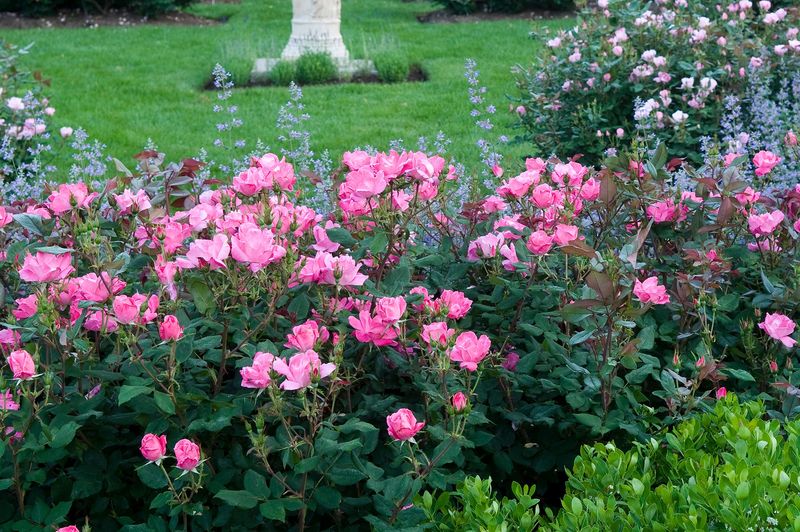
California summers can cook a rose bush right in the ground, and many fancy modern hybrids sulk, scorch, or quit blooming once the heat sets in. The good news is that some old garden roses were thriving here long before drip irrigation and shade cloth ever existed.
These tough, time-tested beauties handle long dry spells, blazing inland heat, and lean water budgets far better than most catalog favorites. Here are eight heritage roses that keep blooming when the rest of the yard is begging for mercy.
1. Mutabilis (Butterfly Rose)
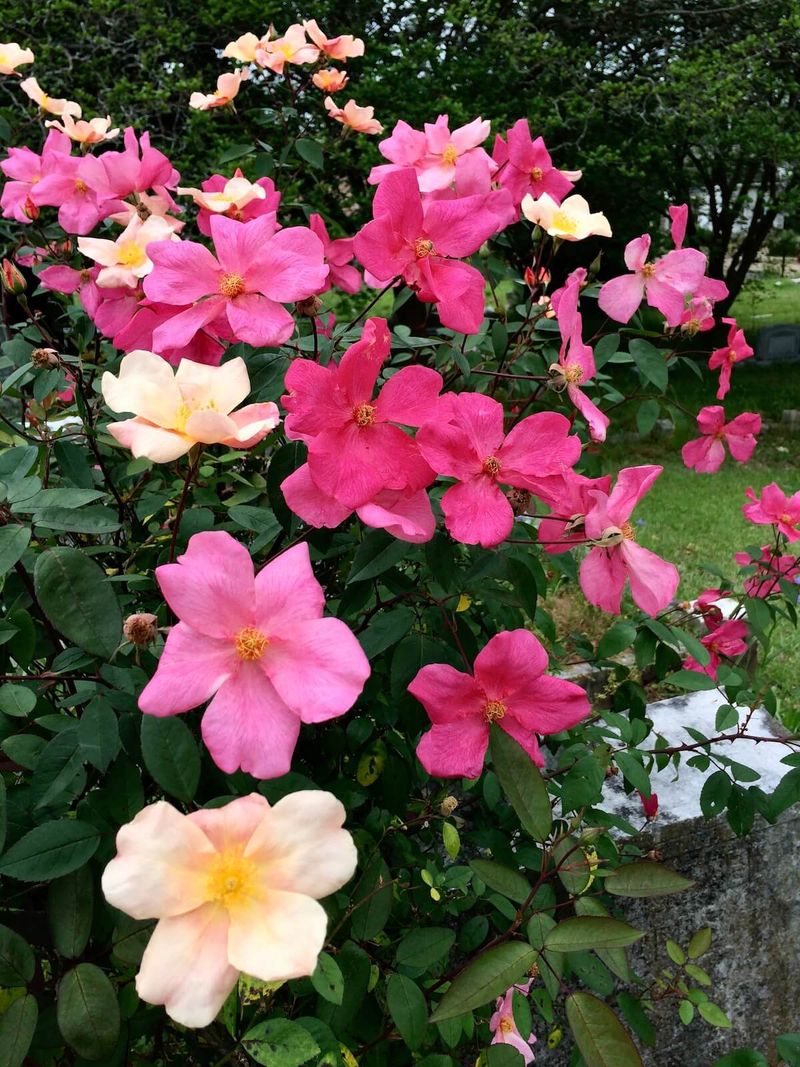
Watch a Mutabilis bush for a single day and you would swear it belongs to three different plants. Each single bloom opens soft yellow, warms to peach and pink, then deepens to crimson before it drops, so the shrub looks like a cloud of hovering butterflies.
What earns it a spot here is stamina. This China rose keeps pumping out flowers through the worst inland valley heat, asking for almost nothing once it settles in.
It shrugs off dry spells that would leave a hybrid tea crispy at the edges.
Give it room, because a happy Mutabilis can swell into a rounded shrub six feet across. Plant it where it gets full sun and let it become a living hedge or a focal point near the driveway.
Fun fact: it has been grown in gardens since at least the 1800s, which tells you plenty about its staying power.
2. Old Blush
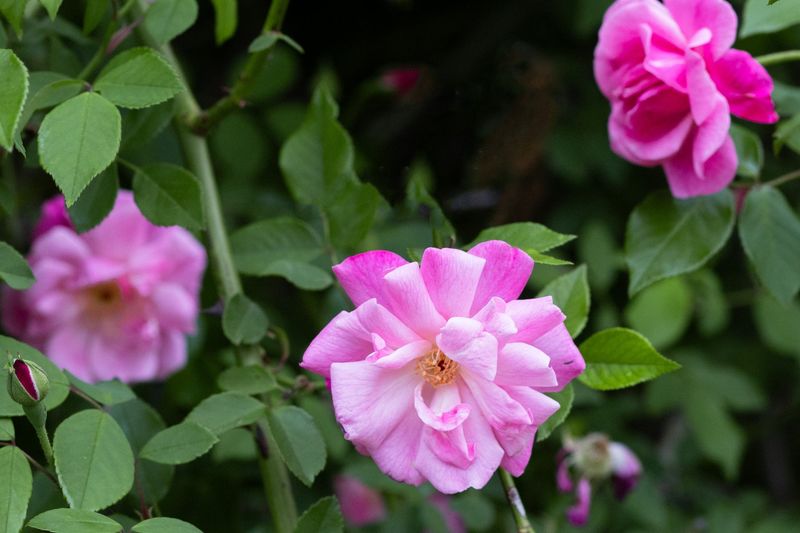
If a rose could be described as cheerfully unbothered, Old Blush would be it. Clusters of soft pink flowers appear almost nonstop from spring until the first real chill, barely pausing when the thermometer climbs past 95.
Gardeners in hot, dry regions have leaned on this China rose for centuries because it simply refuses to quit. It tolerates lean soil, skimpy watering, and the kind of relentless afternoon sun that flattens more delicate varieties.
The plant stays a manageable size, which makes it a smart pick for a front border or a spot beside the porch where you actually see it every day. It also carries a light sweet fragrance that drifts on warm evenings.
This is the rose to hand a nervous beginner who is convinced they kill everything.
3. Souvenir de la Malmaison
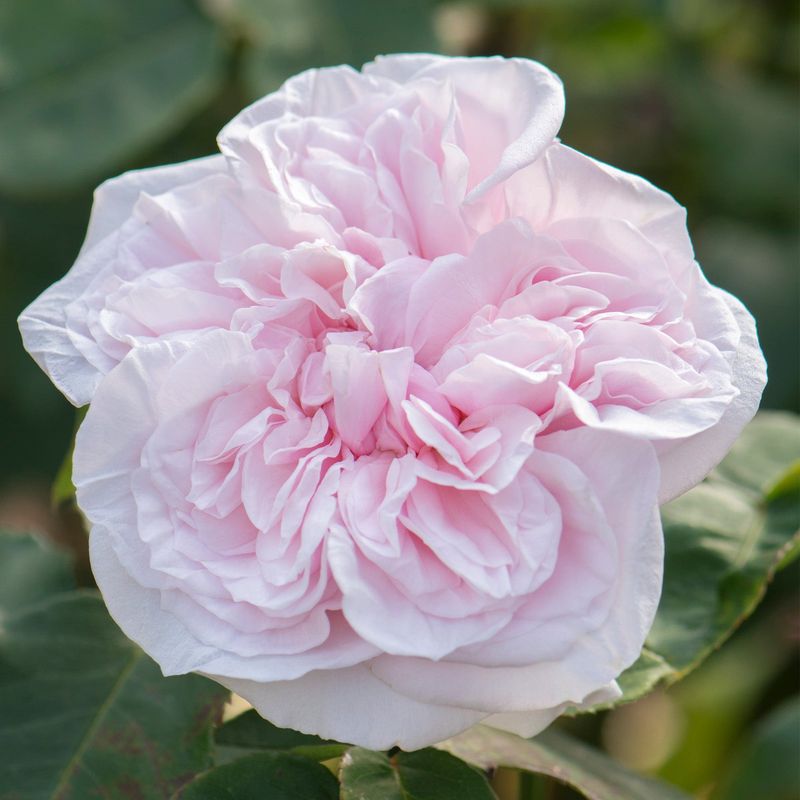
Some roses look far too elegant to be tough, and this Bourbon beauty fools everyone. Its large, pale pink blooms open in a swirl of quartered petals that look plucked from an antique painting, yet the plant handles dry Mediterranean heat with surprising grace.
Heat actually flatters the flowers instead of frying them. In cool damp weather the buds can ball up and refuse to open, but California’s long dry summers give this rose exactly the conditions it prefers.
Keep it near a walkway or seating area so the strong, sweet perfume can do its work. It stays compact enough for smaller yards and rewards a light feeding with repeat waves of bloom.
Consider it proof that a rose can be both a romantic showpiece and a low-fuss survivor.
4. Cecile Brunner (The Sweetheart Rose)
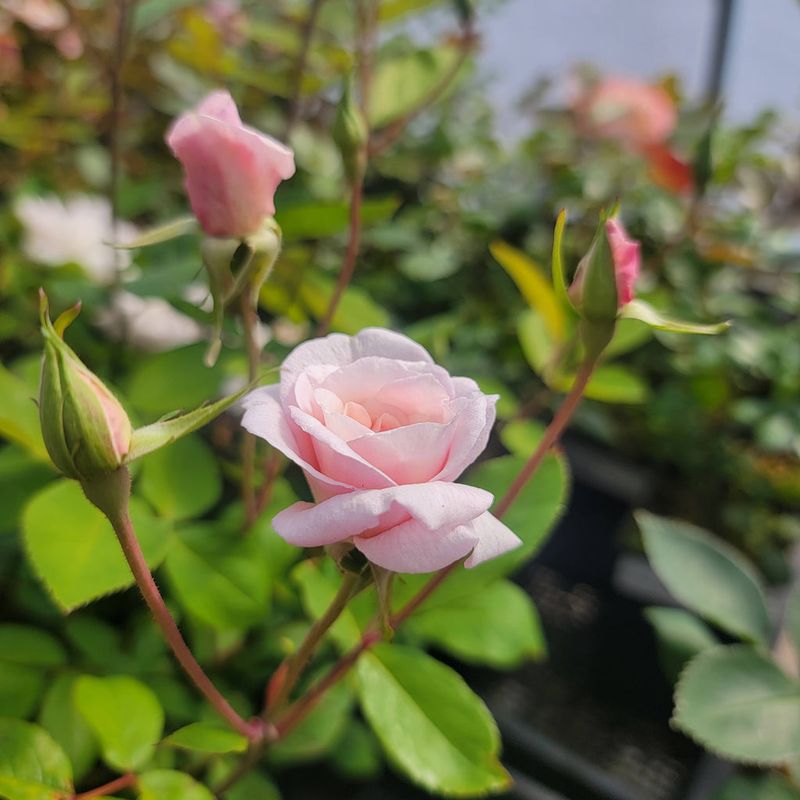
Tiny, perfectly formed buds the size of a thimble give Cecile Brunner its old nickname, the Sweetheart Rose. Each little pale pink flower looks like a miniature version of a florist’s showpiece, and the bush covers itself in dozens of them.
Behind that dainty appearance is a genuinely rugged plant. It laughs at heat, tolerates poor soil, and keeps blooming when better-behaved roses take the summer off.
There is a climbing form that can gallop up a fence or arbor and provide light shade, plus a tidier shrub version for beds and borders. Either way, expect an easygoing plant that asks little and gives a lot.
Old-timers used to snip these buds for boutonnieres, which is how it picked up its sweet reputation.
5. Rose de Rescht
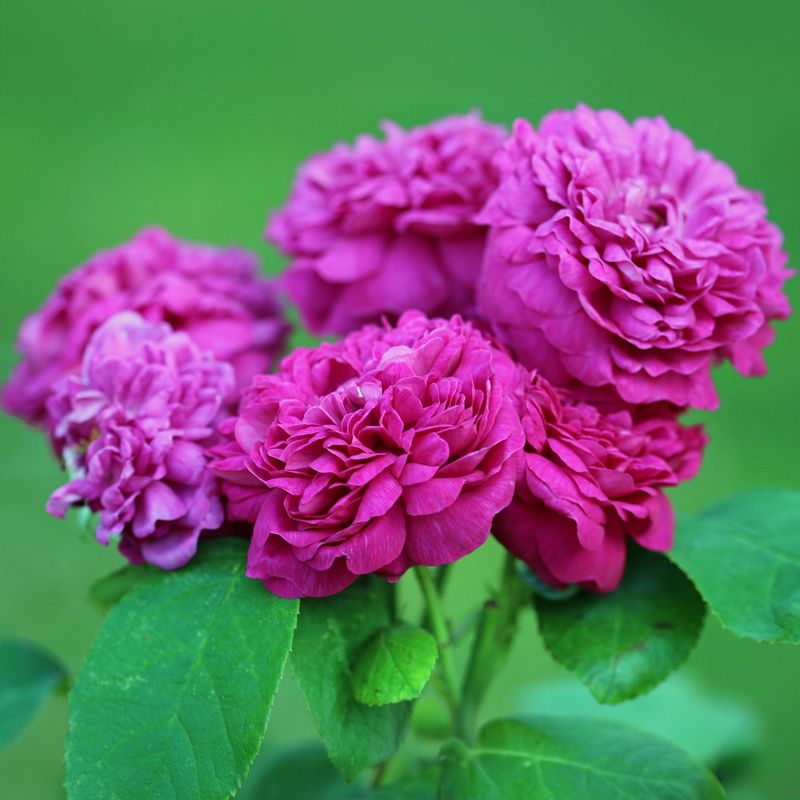
Small package, big personality. Rose de Rescht produces intensely fragrant, densely packed blooms in a rich fuchsia-magenta that practically glows against its short, bushy frame.
Unlike many old roses that bloom once and rest, this Portland variety repeats reliably through the season, even when the heat is punishing. Its compact size, usually staying around three feet, makes it ideal for a raised bed, a container, or a tight spot by the front steps.
The perfume is the real headline here, a deep old-rose scent that fills the air on a warm afternoon. It also resists disease better than most, so you spend more time enjoying it and less time fussing.
For anyone with a small California yard who still wants big fragrance and reliable color, this one is hard to beat.
6. Louis Philippe
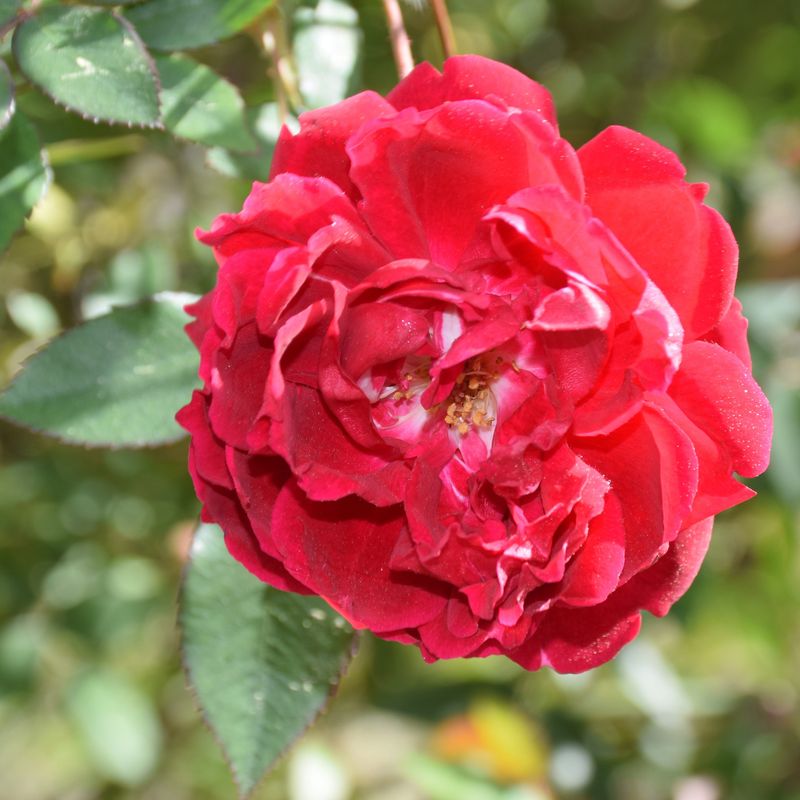
Nicknamed the Cracker Rose in parts of the Deep South, Louis Philippe has been quietly outlasting heat waves since the 1830s. Its deep crimson blooms, often edged with a paler blush, keep coming even when summer feels like an open oven.
Drought barely fazes it. Once established, this China rose gets by on very little water, which makes it a natural fit for water-wise California landscapes and inland zones where restrictions are a way of life.
It forms a sturdy, upright shrub that works well as a low hedge or a standalone anchor in a sunny bed. The color reads bold and old-fashioned at the same time, a welcome change from the pastels that dominate so many rose lists.
If you want a heritage red that will not sulk in the heat, start here.
7. Duchesse de Brabant
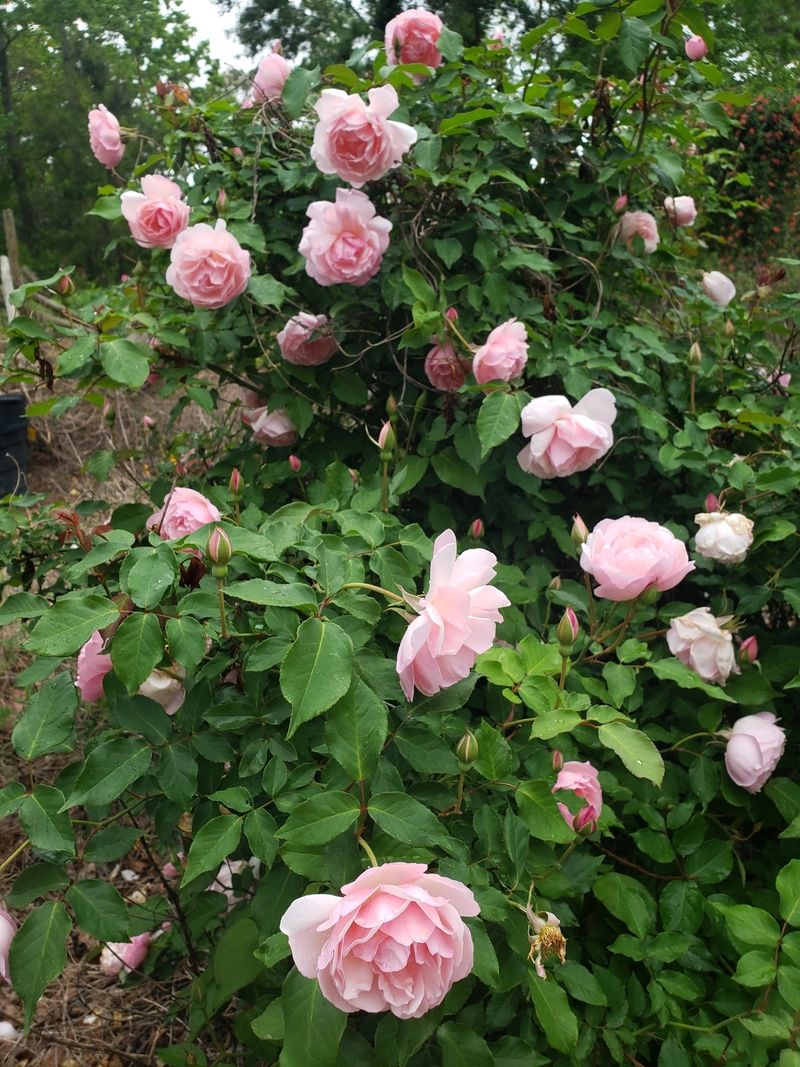
President Teddy Roosevelt reportedly wore this rose in his lapel, and it is easy to see why he chose so well. Duchesse de Brabant carries cupped, soft pink blooms that nod gently on the stem, giving the whole shrub a relaxed, cottage-garden charm.
As a Tea rose, it was practically built for warm climates. Heat brings out its best, and it flowers generously from spring straight through fall with only modest care.
The plant grows into a graceful, rounded shrub that fits comfortably along a fence line or near a patio where its light, fruity fragrance can be enjoyed. It handles dry spells with quiet confidence and rarely throws a tantrum over imperfect conditions.
Think of it as the calm, dependable friend of the rose world.
8. Lady Banks Rose
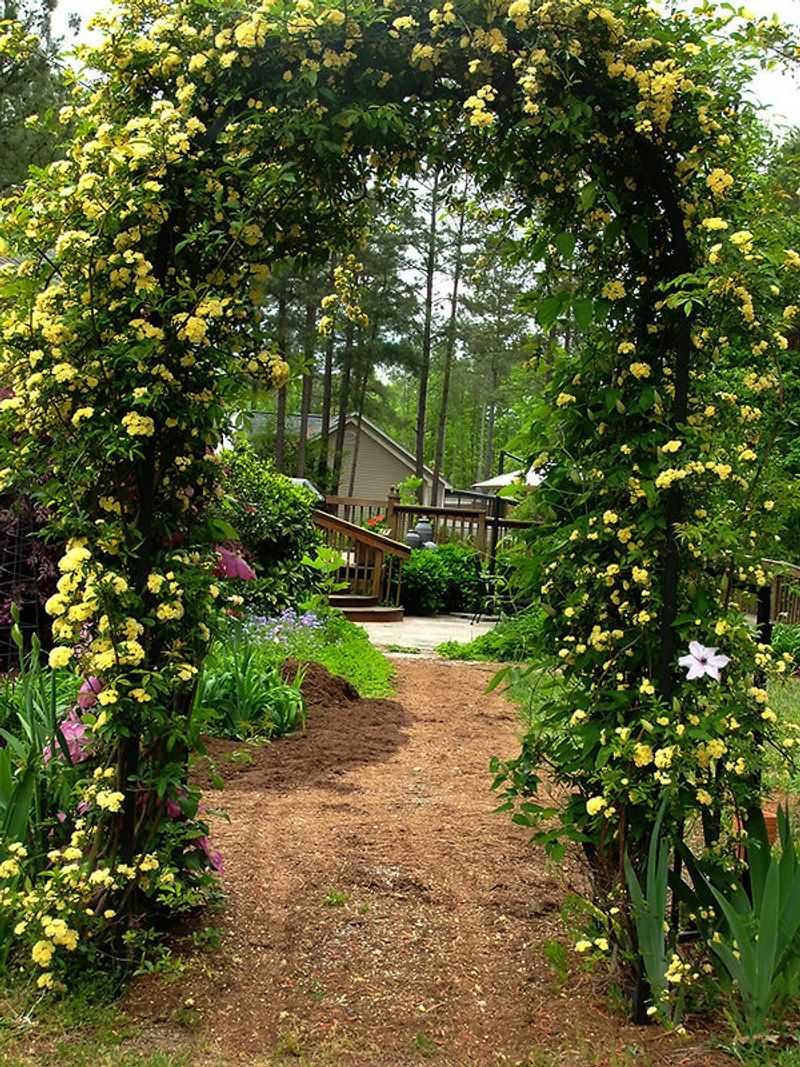
Nothing quite compares to a Lady Banks rose in full spring flood, when thousands of tiny pale yellow blooms tumble over an arbor like a waterfall. One famous specimen in Arizona has grown so enormous it covers thousands of square feet, which tells you how much this rose loves heat.
Once it is established, drought is almost a non-issue. It thrives on neglect, needs little water, and shrugs off the dry, baking conditions of inland California without complaint.
A big bonus for anyone tired of getting scratched: the canes are nearly thornless, making it a friendly choice for covering a pergola, fence, or shed. It blooms mainly in one spectacular spring show rather than repeating, so plant it where that burst can steal the scene.
Give it space and a strong support, then mostly stand back and let it do its thing.