
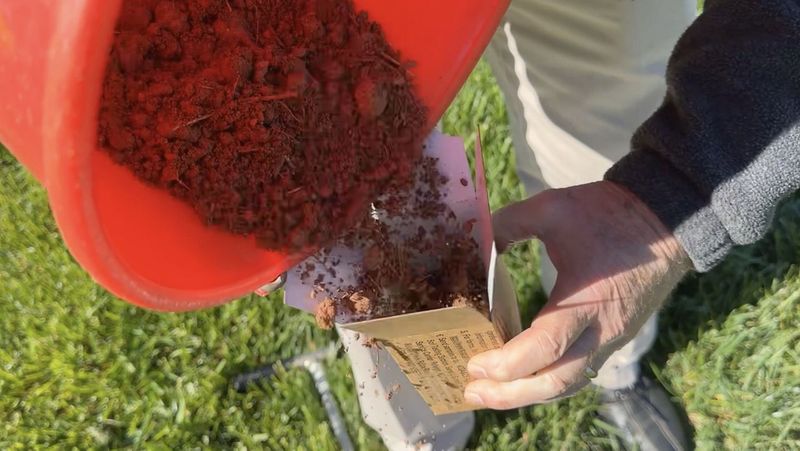
Most North Carolina gardeners spend October pulling spent plants and putting tools away, but one quiet task often gets skipped: collecting a soil sample and sending it to a lab. That skip can matter because North Carolina soils tend to run acidic, and an undetected pH problem can limit how well plants use the nutrients already in the ground.
A fall soil test gives you the report you need while there is still time to apply slow-acting amendments before spring planting begins. That said, a soil test is a useful preventive step, not a guaranteed fix, and whether it is the most important fall chore depends on what you already know about your garden.
The soil problem worth finding before spring
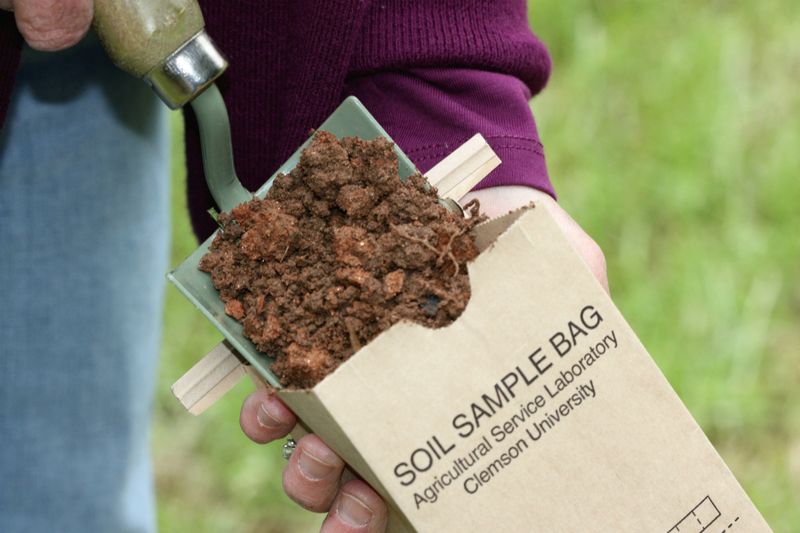
Soil chemistry is invisible until plants start struggling, and by the time symptoms show up in spring, the planting window is already shrinking. North Carolina soils are naturally inclined toward acidity, a result of the region’s rainfall, organic matter decomposition, and underlying geology.
When soil pH drops too low, nutrients that are physically present in the ground can become chemically locked up, meaning roots cannot absorb them no matter how much fertilizer gets added on top.
That is the core problem a soil test is designed to catch early. NC State Extension’s soils and plant nutrients guidance explains that pH directly controls nutrient availability and that correcting it before planting gives amendments time to work.
Without a test, a gardener may not realize that phosphorus, calcium, or magnesium is effectively unavailable until seedlings come up pale or stunted months later.
Skipping an October soil test does not guarantee poor spring growth. Soil conditions are one factor among many, including rainfall, drainage, pest pressure, plant selection, and planting practices.
But it can leave a correctable acidity or fertility problem undiscovered until spring, when the practical window for applying slow-acting amendments has already narrowed. The test itself is a diagnostic tool.
Its value comes from acting on what the report says, not simply from mailing the sample.
Why fall testing can give amendments a head start
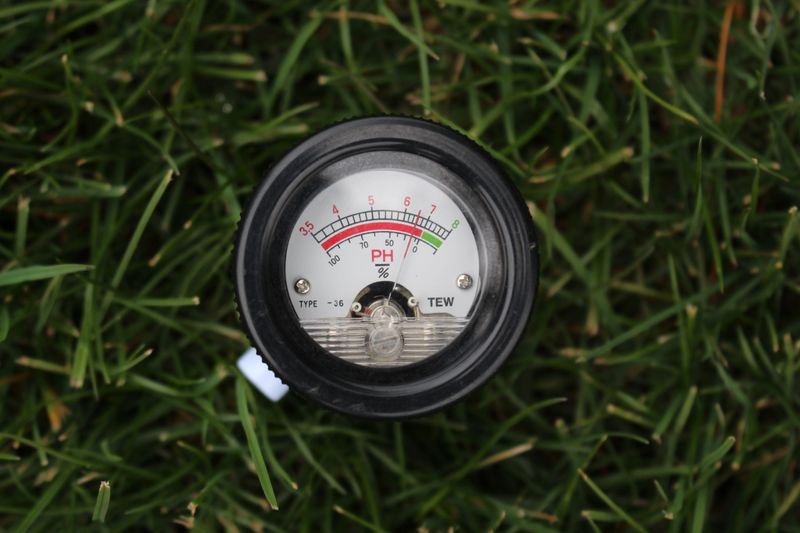
Lime is the most common amendment recommended when a soil report shows low pH, and lime is slow. Depending on particle size, soil moisture, and how thoroughly it is worked in, agricultural lime can take three to six months to meaningfully shift pH.
That timeline makes fall a practical window: a gardener who tests in October, receives results in a few weeks, and applies lime in November or December may see a real pH change before transplants go in the ground in March or April.
NC State’s careful soil sampling guidance notes that submitting samples right after fall harvest can produce faster turnaround because the state laboratory is less busy than during the spring rush. Faster results mean more time to act, which matters most when the report calls for lime rather than a quick-dissolving fertilizer.
October is a practical target, not a statewide deadline. Gardeners in the North Carolina mountains typically wrap up warm-season crops earlier and face earlier frost dates, so their post-harvest window may open in September.
Coastal Plain gardeners may still be harvesting into November and have a longer window before spring planting begins. The Piedmont falls roughly in between.
The point is not to hit October 1 on the calendar but to test early enough after harvest to receive the report and apply any recommended amendment while reaction time remains. A gardener who already tested last year and made corrections may gain more this fall from planting a cover crop or removing diseased plant material than from retesting a bed that has not changed.
Collect a sample that represents the garden
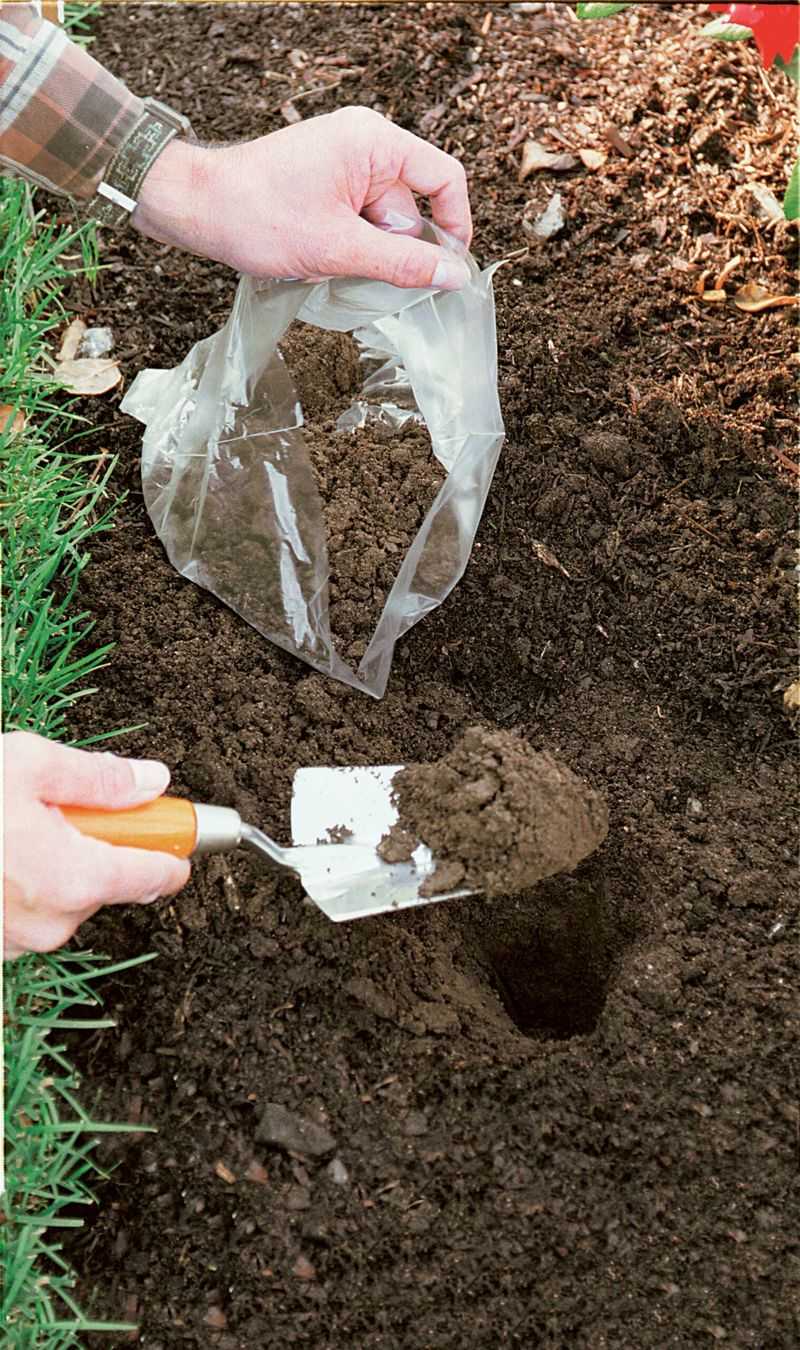
A soil test is only as useful as the sample it analyzes. The most common mistake home gardeners make is grabbing one scoop of dirt from a single spot and treating that result as if it describes the entire property.
Soil varies across a yard, sometimes dramatically, and a single grab can miss a problem in the area that matters most.
The practical fix is to treat each distinct garden area as a separate sample. Vegetable beds, established lawn areas, shrub borders, fruit trees or blueberry patches, and ornamental flower beds can each have different pH histories, fertilizer histories, and drainage patterns.
NC State’s soils guidance recommends collecting soil from five to eight spots within each area, mixing those cores together in a clean bucket, and submitting roughly a pint of the composite. Combining a vegetable bed with a shrub border into one sample produces an average that may not accurately represent either area, making the recommendations less useful for both.
Sampling depth matters too, and it differs by garden type. For cultivated vegetable or annual flower beds, sample to the depth you till or plan to till, typically six to eight inches.
For an established lawn, four inches is generally sufficient. For trees and shrubs, pull cores from roughly six inches deep near the drip line, where feeder roots are most active.
Going too shallow in a tilled bed can miss the zone where roots actually grow, while sampling too deep in a lawn picks up subsoil that behaves differently from the surface layer.
Label each bag clearly with the area name before you submit. When the report arrives, the recommendations for each labeled area will reflect what that specific soil actually needs, rather than a blended guess across your entire property.
Use the report instead of guessing at lime or fertilizer
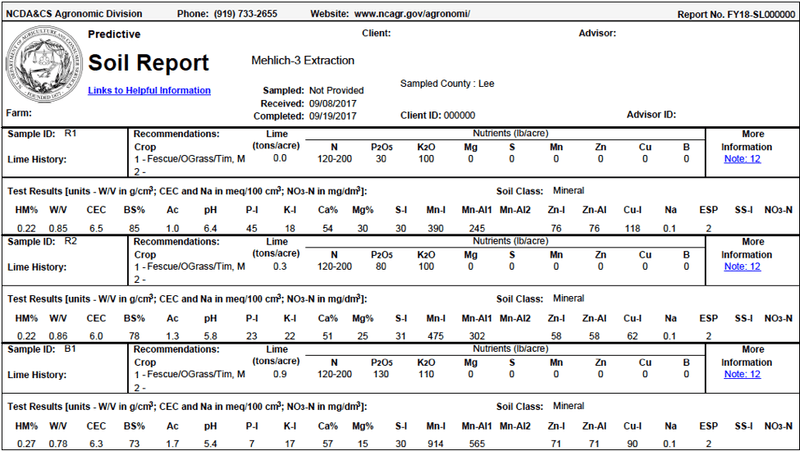
Getting a report back from the lab is where the real work begins. A routine analysis from the NCDA&CS homeowner soil testing program typically covers soil pH along with plant-available phosphorus, potassium, calcium, magnesium, sulfur, sodium, zinc, manganese, and copper.
The report also includes calculated cation-exchange capacity and base saturation, which reflect how well your soil holds and releases nutrients. Each of those numbers helps explain what the soil can and cannot do on its own.
The report pairs those numbers with specific recommendations for the area and crop you identified on the submission form. For most vegetables, NC State’s vegetable gardening guidance points to a target pH of roughly 6.0 to 6.5, a range where most nutrients remain readily available.
That target does not apply across the board. Blueberries, azaleas, and certain native ornamentals are acid-loving plants that perform best at pH levels well below 6.0, so applying lime to those beds based on vegetable-garden logic would work against them rather than help.
Following the recommended rate matters as much as following the recommendation itself. NC State warns that overapplying lime or fertilizer can waste money, damage plant roots, increase disease susceptibility, and send excess nutrients into nearby waterways.
Overliming in particular can push pH too high, triggering deficiencies of iron, manganese, and other micronutrients that were previously available. The report tells you how much to apply; applying more than that amount does not accelerate the benefit and can create new problems.
One more distinction worth keeping clear: a standard homeowner soil test is designed to assess nutrient availability and pH. It is not a screen for lead, arsenic, or other soil contaminants.
Gardeners with concerns about contamination from old paint, industrial history, or heavy vehicle traffic should pursue appropriate contaminant testing through a private laboratory rather than relying on a routine agronomic analysis.
Adjust the schedule to your soil, garden, and region

Testing frequency is not a one-size answer. NC State’s general guidance recommends testing garden soil every two to three years for most homeowners.
That interval gives amendments time to work and avoids over-managing soil that is already in good shape. A gardener who tested two years ago, followed the report, and saw healthy plant performance may not need to retest every October.
Sandy Coastal Plain soils are an exception worth noting. Because sandy soils hold nutrients less firmly than clay-heavy Piedmont or mountain soils, they can lose nutrients more quickly through leaching and may acidify faster.
NC State’s sampling guidance acknowledges that more frequent monitoring can make sense for these soils, particularly in active vegetable gardens where harvesting removes nutrients season after season.
Regional timing also shapes when fall testing fits best. Mountain gardeners often wrap up their growing season by early October and have a longer lead time before spring planting.
Piedmont gardeners typically finish warm-season crops in September or October, making that a natural moment to pull samples. Coastal Plain gardeners may still be harvesting into November, but their later last-frost dates also push spring planting further out, preserving some of the lead time.
On the practical side, NCDA&CS has announced that for the 2026-27 season, North Carolina residents who submit samples between April 1 and November 30, 2026, receive testing at no charge. Samples arriving between December 1, 2026, and March 31, 2027, carry a $5-per-sample fee.
That fee window reinforces the practical case for submitting before the end of November, though the agronomic reasoning stands regardless of the cost.
Keep soil testing separate from other fall work

A soil test tells you about pH and nutrient availability. It does not tell you whether your beds have disease pressure, whether erosion is removing topsoil over winter, or whether native insects have somewhere to overwinter.
Those are real garden concerns, and they call for different actions that a soil test cannot replace.
Cover crops are a good example. NC State’s vegetable gardening guidance recommends seeding fall cover crops in the Piedmont roughly between mid-September and late October, with timing shifted earlier in the mountains and later in the Coastal Plain.
Crops like crimson clover, cereal rye, or hairy vetch can reduce soil erosion over winter, suppress early weeds, and add organic matter when terminated in spring. NC State’s soil health guidance frames cover cropping as a longer-term investment in biological activity and organic matter, which complements but does not substitute for understanding what your pH and nutrient levels currently are.
Disease and pest cleanup is another separate task. Removing tomato foliage infected with early blight or squash vines colonized by vine borers can reduce the overwintering population of those pathogens and insects.
That work protects next season’s planting in a way that lime or fertilizer cannot.
Wildlife-conscious cleanup adds a third consideration. NC State research on garden cleanup for pollinators found that hollow and pithy perennial stems provide overwintering and nesting habitat for native solitary bees.
A blanket fall cleanup that removes every stem and leaf pile can eliminate that habitat. Leaving non-diseased perennial stems standing through winter and trimming them in their first winter, rather than in October, supports native bee populations without sacrificing disease management where it genuinely matters.
Turn the test into a measured spring advantage
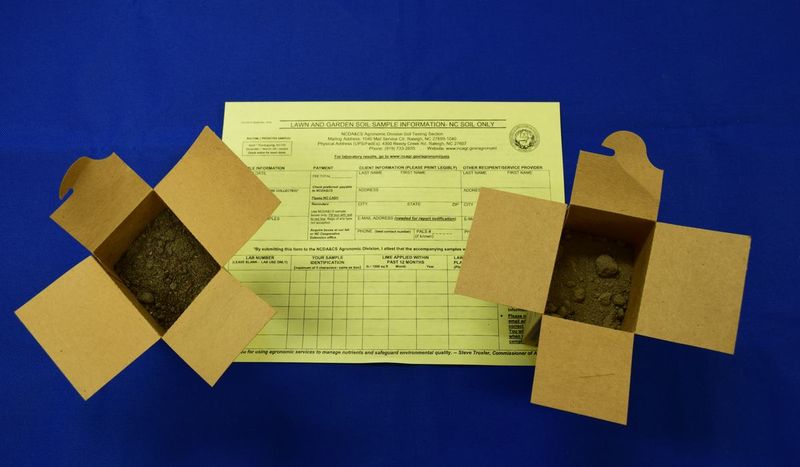
The action sequence is straightforward. After harvest, identify each distinct garden area, collect five to eight cores per area, mix them into a composite sample, and submit about a pint to the NCDA&CS lab with the correct area and crop information on the form.
Submit early enough to receive the report with time to act before spring planting. NC State’s sampling guidance points to the post-harvest fall window as a practical moment when lab turnaround tends to be faster.
When the report arrives, apply only what it recommends at the rate it specifies for that area and crop. NC State’s soils guidance is consistent on this point: the benefit comes from following the recommendations, not from applying amendments on instinct or habit.
The honest payoff is this: fall soil testing creates time to address a correctable pH or nutrient problem before planting. It cannot promise a vigorous spring garden on its own.
Water management, pest and disease pressure, drainage, compaction, and plant selection all shape what actually grows. A soil test improves one piece of that picture, and sometimes that piece turns out to be the one that was quietly holding everything else back.