
Butterfly bush is one of those shrubs that looks spectacular in summer and then raises a genuine question in fall: what exactly should you do with it before winter arrives? A lot of popular advice pushes a hard fall cutback, promising it will lock in stronger blooms the following year.
The reality is more nuanced, and getting the timing wrong can actually work against the plant. Understanding the difference between two separate tasks, fall deadheading and a late-winter structural cutback, is what gives North Carolina gardeners the clearest path to a healthy, well-blooming shrub next season.
Correct the fall-pruning premise before you reach for the shears
Popular gardening content loves a dramatic promise, and “make this one fall cut or your blooms will suffer” is exactly the kind of hook that spreads fast. For the common summer-blooming butterfly bush, Buddleja davidii, that claim does not hold up against what extension horticulturists actually recommend.
The plant flowers on new growth produced each season, which changes everything about when and why you prune it.
According to N.C. State Extension’s plant profile for Buddleja davidii, pruning is recommended in early spring, not fall.
Penn State Extension places butterfly bush among the flowering shrubs that should receive their major cutback in late winter or very early spring, before new growth begins. Neither source ties next year’s bloom performance to a mandatory fall pruning step.
Two separate tasks are at work here, and conflating them is where the confusion starts. Deadheading means removing spent flower clusters from the tips of stems.
Structural pruning means cutting back the canes themselves to manage the plant’s size and encourage vigorous new growth. Fall is a reasonable time for the first task on an identified B. davidii.
It is generally not the right season for the second.
Skipping fall deadheading will not condemn next year’s flower display. Performing a hard structural cutback in fall, on the other hand, can create problems that a correctly timed late-winter pruning avoids entirely.
The rest of this guide explains both tasks, clarifies when each one belongs in the calendar, and offers region-specific guidance for North Carolina’s Coastal Plain, Piedmont, and mountain gardens.
Identify the Buddleja before applying species-specific advice
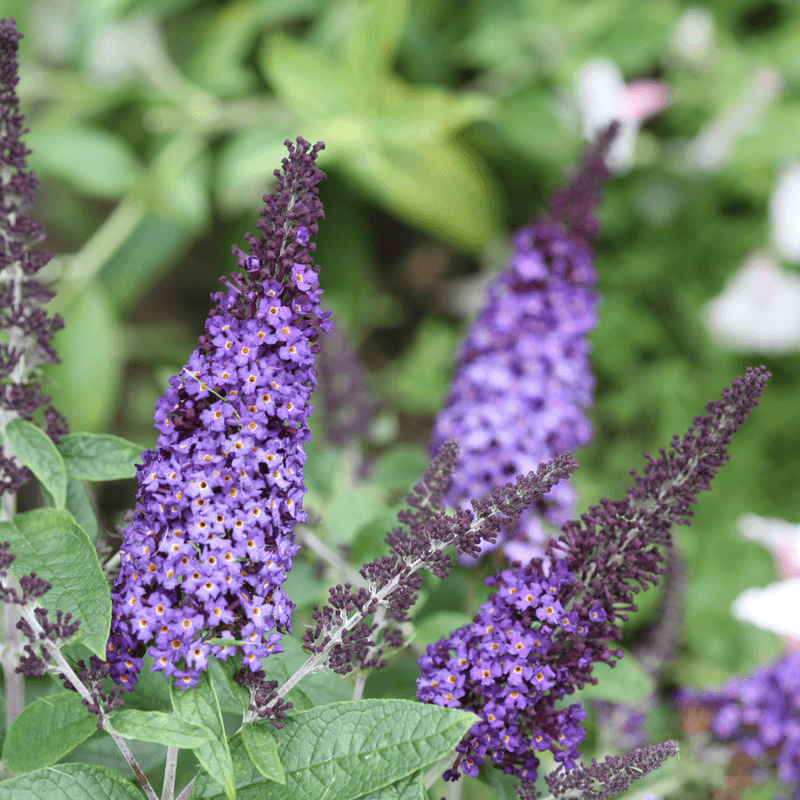
“Butterfly bush” is a common name that covers a wider range of plants than most gardeners realize. The genus Buddleja includes deciduous, semi-evergreen, and evergreen species, along with dozens of cultivars bred for compact size, reduced seed production, or unusual flower color.
Pruning advice that fits one type can be wrong for another, so confirming what you actually have is worth a minute of your time before any cutting begins.
The main subject of this guide is Buddleja davidii, the familiar deciduous shrub that puts up long arching flower spikes in summer and drops its leaves in winter across most of North Carolina. Its growth habit, its tendency to self-seed, and its response to hard pruning are well documented by N.C.
State Extension. Other Buddleja types, such as the semi-evergreen ‘Lochinch’ summer lilac, have different growth habits and may not respond the same way to a severe cutback.
Compact and dwarf cultivars marketed as “sterile” or “noninvasive” also behave differently from the standard species. Their mature size is smaller, their vigor may be lower, and their seed production is often reduced, though not always eliminated.
Applying the same aggressive pruning schedule you might use on a full-sized B. davidii to a compact cultivar could set it back unnecessarily.
Check the plant label or tag before making any significant cut. If you no longer have the label, look at mature size, leaf shape, and whether the plant is fully deciduous in winter.
When in doubt, treat the plant as standard B. davidii for pruning purposes and err toward the lighter end of any recommended cutback range.
Use fall deadheading only for the job it can do
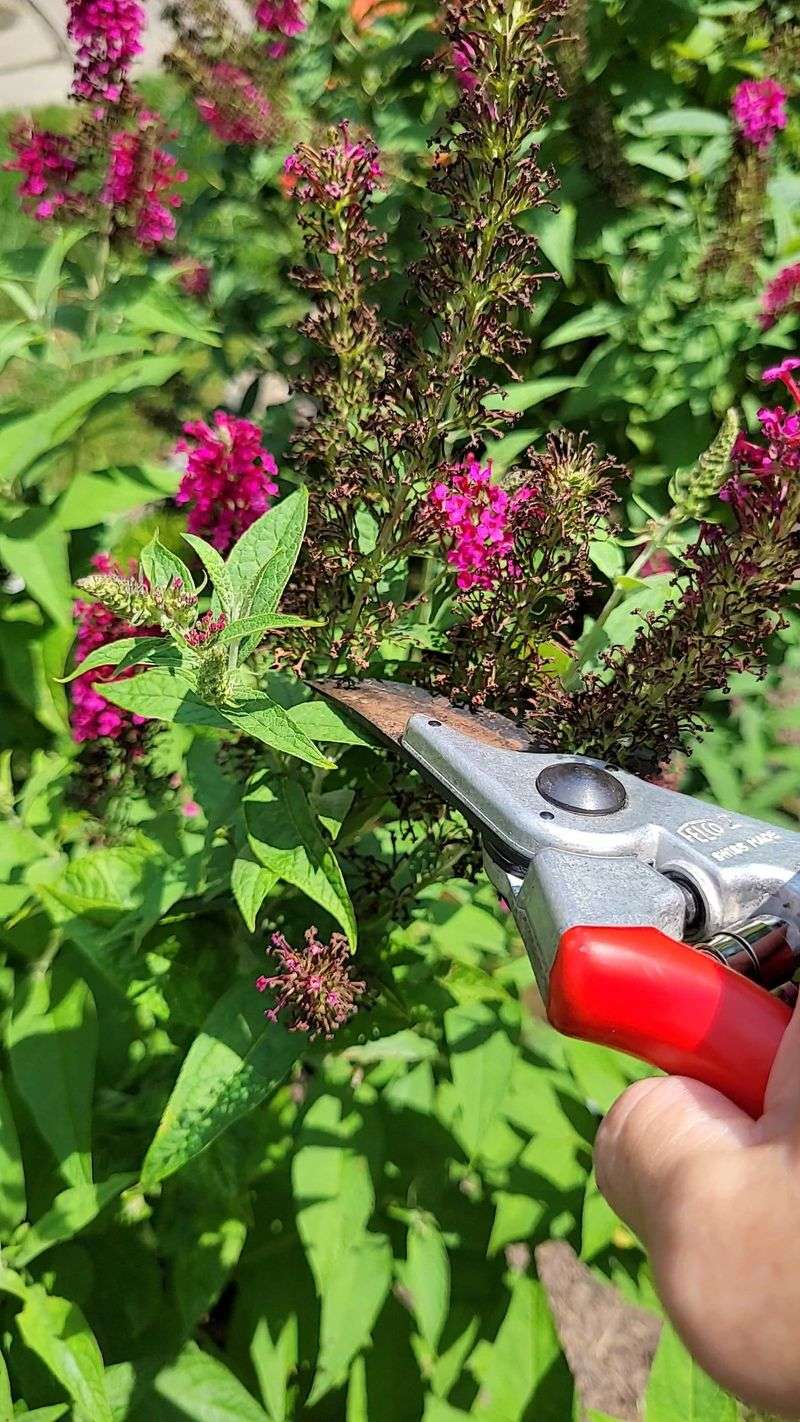
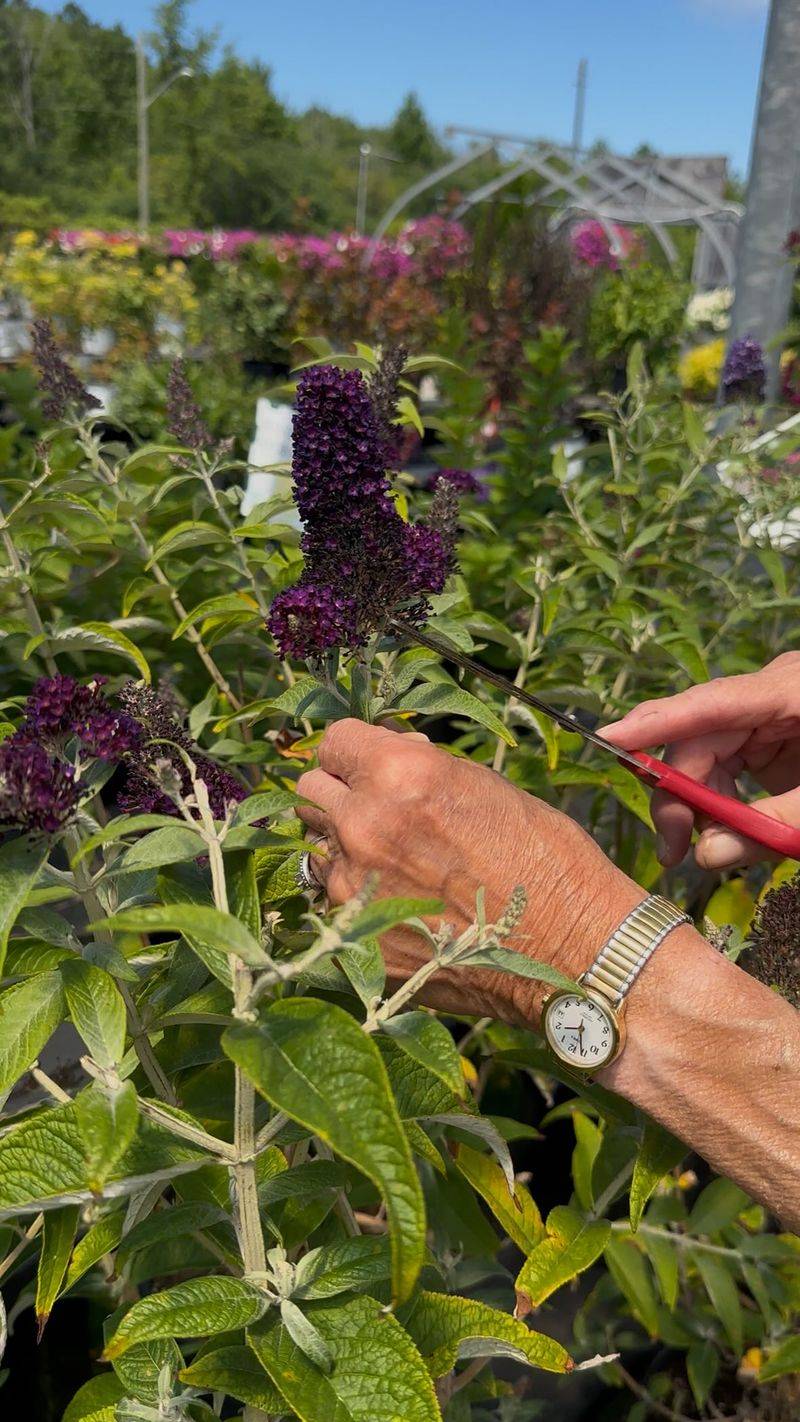
When flower clusters on a B. davidii start to fade and turn brown in late summer or fall, removing them is a reasonable and straightforward task. The technique is simple: cut the spent spike off just below the exhausted flower head, leaving the stem and any nearby developing buds intact.
You are not reshaping the shrub or removing canes, just clearing away what has already finished blooming.
The clearest published support for fall deadheading on butterfly bush comes from the ‘Attraction’ cultivar specifically. N.C.
State Extension’s profile for Buddleja davidii ‘Attraction’ recommends deadheading and removing flower clusters before seed dispersal, noting that this practice may extend the current flowering period and can reduce reseeding. Those are qualified benefits, not guarantees, and they apply most directly to that named cultivar.
For standard B. davidii and other cultivars, the same logic applies in principle: removing spent clusters before seeds mature and drop can limit how many seedlings appear the following season. Whether deadheading meaningfully extends late-season flowering on your particular plant depends on how many buds remain lower on the stem, how far into fall you are, and whether temperatures have already slowed growth.
What deadheading does not do is set up next year’s bloom display. Penn State Extension draws a clear line between deadheading, which removes spent flower heads, and the structural pruning that actually prepares the plant for a new season of vigorous growth.
Expecting fall deadheading to deliver the same result as a correctly timed late-winter cutback sets up a disappointment that has nothing to do with the plant and everything to do with the task being asked of it.
Deadheading removes flowers; structural pruning renews the shrub
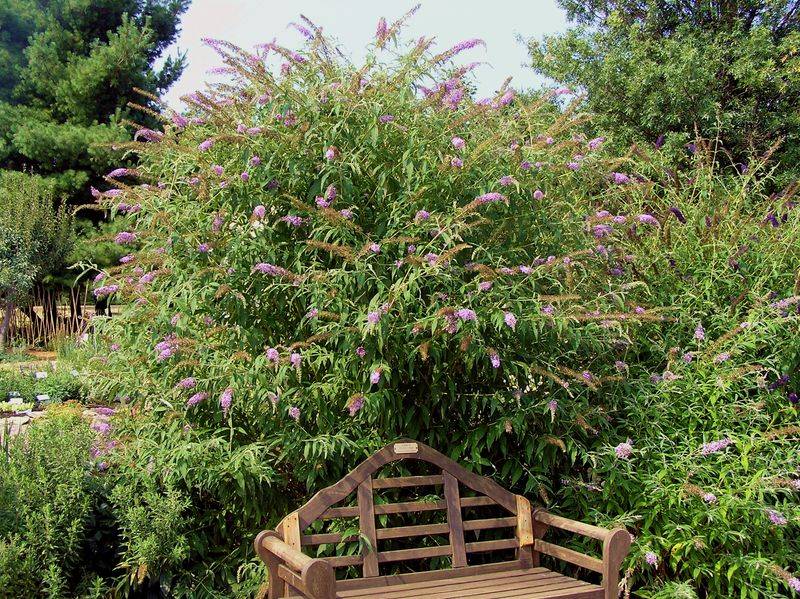
Keeping these two operations straight matters because they accomplish completely different things. Deadheading is a targeted, tip-level cut that removes what has already bloomed.
You are not changing the plant’s structure, its height, or the number of canes it carries. The shrub looks tidier afterward, and if timing and cultivar cooperate, it may push a few more flower spikes before cold shuts things down.
Structural pruning works at the cane level. You are removing significant portions of old wood to reduce the plant’s overall size and, critically, to push the production of vigorous new canes in spring.
Because B. davidii flowers on new growth, the quality and quantity of next season’s bloom display depends on how well the plant produces fresh shoots, and that is directly influenced by how and when the major cutback happens.
Connecting fall deadheading to next year’s flowers misses this distinction entirely. Penn State Extension’s guidance on pruning flowering shrubs places butterfly bush in the group that blooms on new wood and should receive its structural cutback in late winter or very early spring.
That timing allows the plant to direct energy into strong new canes as soon as temperatures rise, rather than wasting it on regrowth that has to survive a winter.
Think of deadheading as seasonal housekeeping and structural pruning as the annual renovation. Both have a place in caring for B. davidii, but only the renovation, done at the right time, shapes what the shrub delivers the following summer.
N.C. State Extension’s profile for ‘Attraction’ reinforces this by treating deadheading and structural care as separate recommendations rather than interchangeable steps.
Why a hard fall cut can carry a cold-injury risk
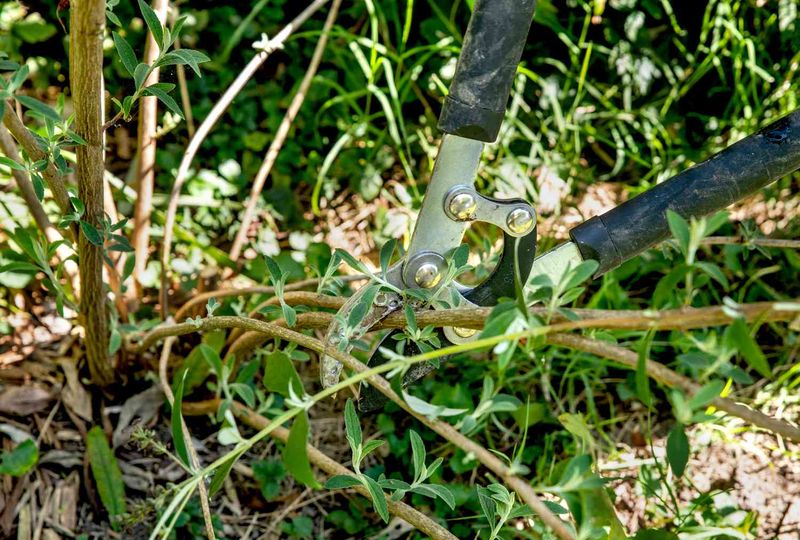
Cutting a butterfly bush back hard in fall is not just poorly timed, it can actively invite a problem. When you remove a large portion of the shrub’s canes in late summer or fall, the plant may respond by pushing new growth from the remaining wood.
That fresh, soft tissue has not had time to harden off before cold weather arrives.
University of Georgia Extension guidance for the Southeast advises against pruning summer-flowering shrubs in late summer or fall for exactly this reason: new growth stimulated by pruning may be more vulnerable to cold injury than growth that has had a full season to mature. This is a general regional caution, not a species-specific finding that applies identically to every B. davidii in every North Carolina county, but it reflects real horticultural risk that blanket fall hard-pruning advice ignores.
The conditional nature of that risk matters. A butterfly bush in a sheltered Coastal Plain garden that rarely sees hard freezes faces a different situation than one growing in the North Carolina mountains, where temperatures can drop sharply and stay low for weeks.
Cultivar hardiness, plant age, and the specific fall weather pattern in a given year all influence how much cold damage tender regrowth might sustain.
Contrast that risk with the outcome of waiting. A B. davidii that goes into winter with its old canes intact is not losing any bloom potential.
The canes are largely dormant, the plant is not wasting energy on vulnerable new shoots, and the major structural work can happen in late winter when the timing actually supports vigorous spring regrowth. Patience here is the practical choice, not a compromise.
Make the major cutback in late winter
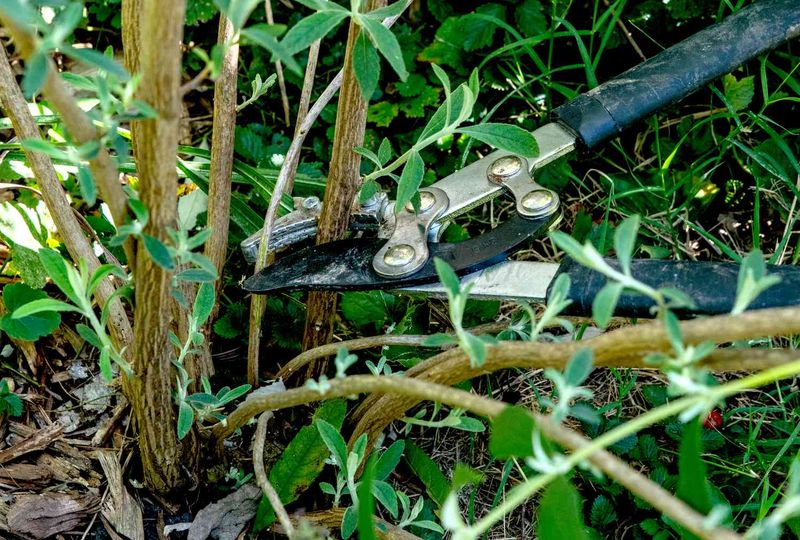
Late winter is when the real work happens for B. davidii, and the timing matters more than the exact measurement you use. The goal is to get the major cutback done before new growth begins, so the plant channels its early-season energy into fresh, strong canes rather than having to recover from a pruning wound while simultaneously trying to push new shoots.
N.C. State Extension recommends pruning butterfly bush in early spring, which in North Carolina terms generally means late winter into the first weeks of spring before buds break.
Georgia Extension calendars offer some specific numbers as regional examples: one recommends reducing butterfly bush to approximately 12 to 18 inches, while another suggests cutting the shrub to roughly half the size desired for the coming season. These figures are useful starting points, not universal requirements that apply to every cultivar or garden situation.
A compact or dwarf cultivar almost certainly does not need to be reduced to 12 inches. A large, established standard B. davidii that has gone unpruned for several seasons might benefit from the more aggressive end of that range.
Read the plant’s condition, not just the number in the guide.
Structural pruning is also the right time to remove dead, damaged, diseased, or dangerously crossing canes. Penn State Extension notes that this kind of corrective work is distinct from the routine seasonal cutback and can be done whenever the problem is identified, but late winter is a natural opportunity to address it at the same time as the annual renovation.
The UGA Paulding County care card for shrubs similarly groups butterfly bush with plants that benefit from significant late-winter reduction, reinforcing that this is the season built for the job.
Let local freezes determine when you prune
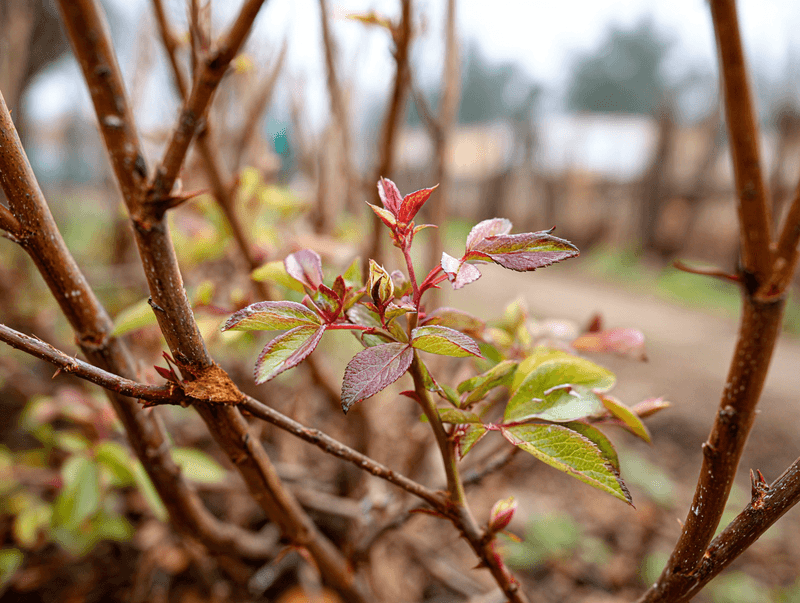
North Carolina stretches across three distinct climate zones, and freeze timing is not the same in Wilmington as it is in Boone. Giving every gardener in the state a single calendar date for the butterfly bush cutback is a recipe for mistakes.
The safer instruction is to wait until late winter or just before you see spring growth beginning on the shrub itself, which is a more reliable cue than any fixed date on a calendar.
Coastal Plain gardeners often see earlier warming and may be able to make the cutback in late February. Piedmont gardens typically follow a few weeks behind, and mountain gardeners may need to wait into March or even early April before the threat of hard freezes has genuinely passed.
Georgia Extension advises waiting until freezes have passed before pruning because freeze damage can appear gradually and may not be fully visible right after a cold event. Cutting too soon risks removing wood that would have recovered on its own.
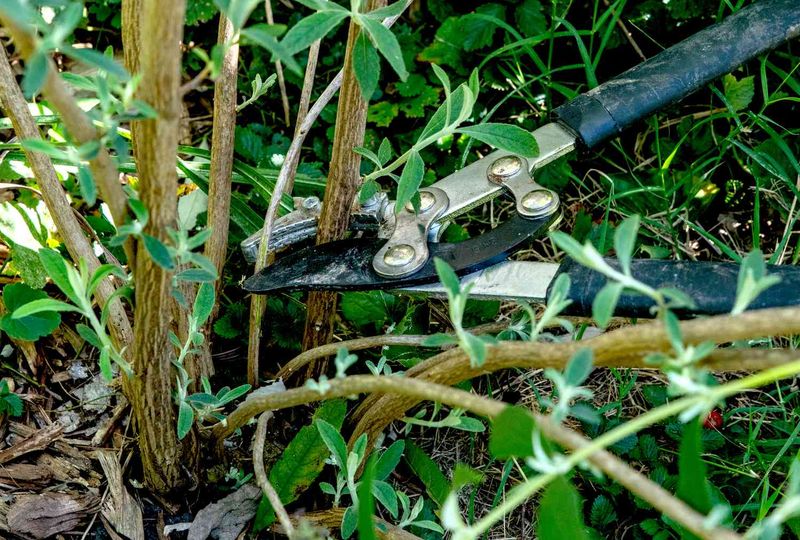
When you do make the cut, technique matters. Use sharp, clean bypass pruners or loppers rather than dull blades that crush stem tissue.
Cut just outside the branch collar, the slightly swollen ring of tissue where a branch meets the main stem or cane, rather than leaving a long stub or cutting into the collar itself. UGA Fulton County Extension encourages gardeners not to fear pruning when the tools are right and the timing is appropriate.
Clean cuts heal more efficiently and reduce entry points for disease.
Safety is worth a sentence too. A large, unpruned butterfly bush is a tangle of woody canes at eye level.
Wear gloves to protect your hands from scratches and safety glasses when working inside the shrub’s canopy. UGA Forsyth County Extension notes that renewal pruning can reinvigorate freeze-damaged shrubs, but that assessment requires waiting long enough to see where the plant is and is not recovering before making irreversible cuts.
Treat fall deadheading as seed management, not a cure-all
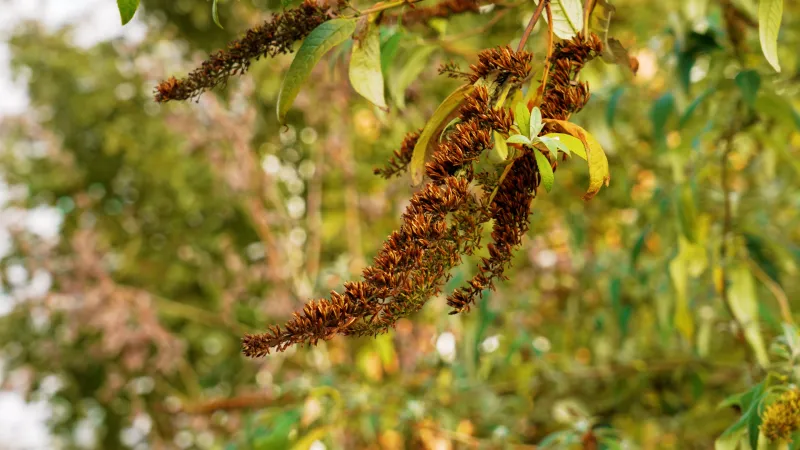
Standard Buddleja davidii produces abundant, lightweight seeds that disperse easily on the wind. N.C.
State Extension notes that the species can self-seed and naturalize, and it is listed as invasive in the Mountain and Piedmont regions of North Carolina. The North Carolina Native Plant Society’s invasive-exotic species list includes B. davidii among plants of concern, and the North Carolina Department of Agriculture has also addressed the spread of invasive ornamentals in the state.
Removing spent flower clusters before seeds ripen and drop is a meaningful stewardship step, especially for gardeners in the Piedmont and mountain regions where naturalization has been documented. Framing deadheading as seed management is more accurate than calling it a bloom-enhancement technique.
It will not solve the plant’s invasive potential on its own, since seeds can still travel from neighboring properties, but it reduces the contribution your plant makes to the problem.
Some cultivars marketed as sterile or low-seed-production may spread less than the standard species, but Penn State Extension cautions that not all cultivars promoted as non-invasive are permanently incapable of producing viable seed. Check the specific cultivar name and its documented fertility before assuming your plant poses no risk.
On the wildlife side, butterfly bush does supply nectar to adult butterflies, and that value is real. What it does not do is serve as a host plant for native butterfly caterpillars.
Most native butterfly larvae require specific native plants to complete their life cycle, and B. davidii does not fill that role. If supporting butterflies through their full life cycle is a goal, planting native larval food plants alongside or instead of butterfly bush is the more complete answer for North Carolina gardens.
The corrected two-season care plan
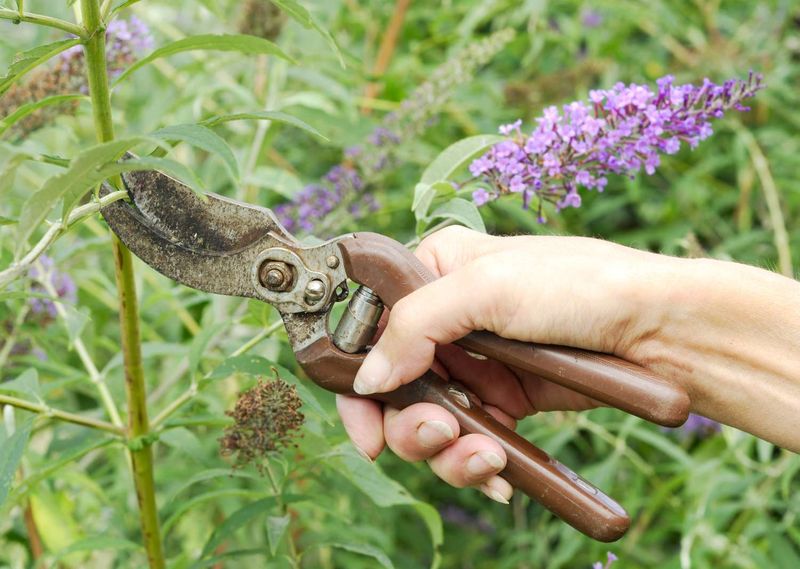
For an identified Buddleja davidii, the care calendar breaks into two distinct moments. In fall, if flower clusters are fading on your plant, you can remove the spent spikes below the exhausted flower head.
This may extend current-season flowering and can reduce seed dispersal, particularly for cultivars like ‘Attraction’ where the benefit has explicit extension support. Deadheading is optional, not mandatory, and skipping it will not weaken next year’s blooms.
In late winter or very early spring, after local freeze risk has passed and before new growth begins, make the structural cutback. That is when N.C.
State Extension and Penn State Extension place the major work for this new-wood bloomer. Check your cultivar, read the plant’s condition, and let local freeze timing guide your start date rather than a single calendar date that cannot account for the difference between the Coastal Plain and the mountains.
No cited evidence supports a mandatory fall hard cut as the step that protects next year’s blooms. Two well-timed, correctly understood tasks will serve the shrub and the garden far better than one dramatic fall intervention ever could.