
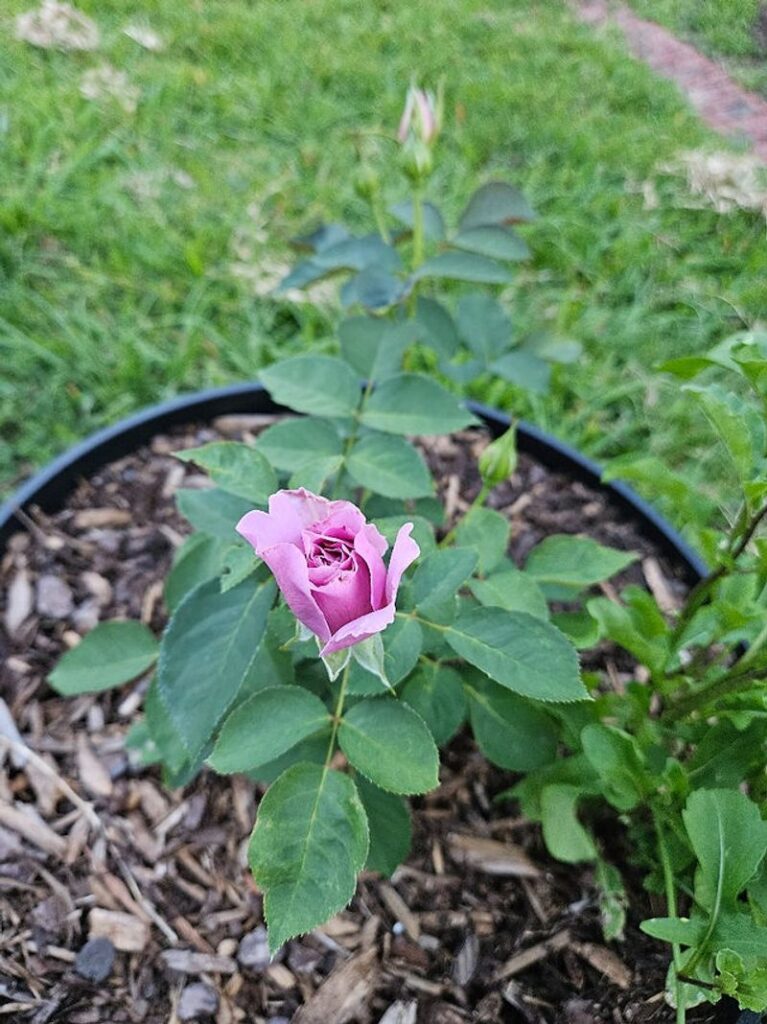
Your roses worked hard all through that long Texas summer, pushing out blooms in heat that would wilt most plants. Now cooler nights are rolling in, and a surprise blue norther can drop temperatures fast.
One simple fall job can protect the roots, keep the canes healthy, and set you up for a big spring flush of flowers. Best of all, it takes about an afternoon and costs very little.
1. Mulch Deeply Around the Base
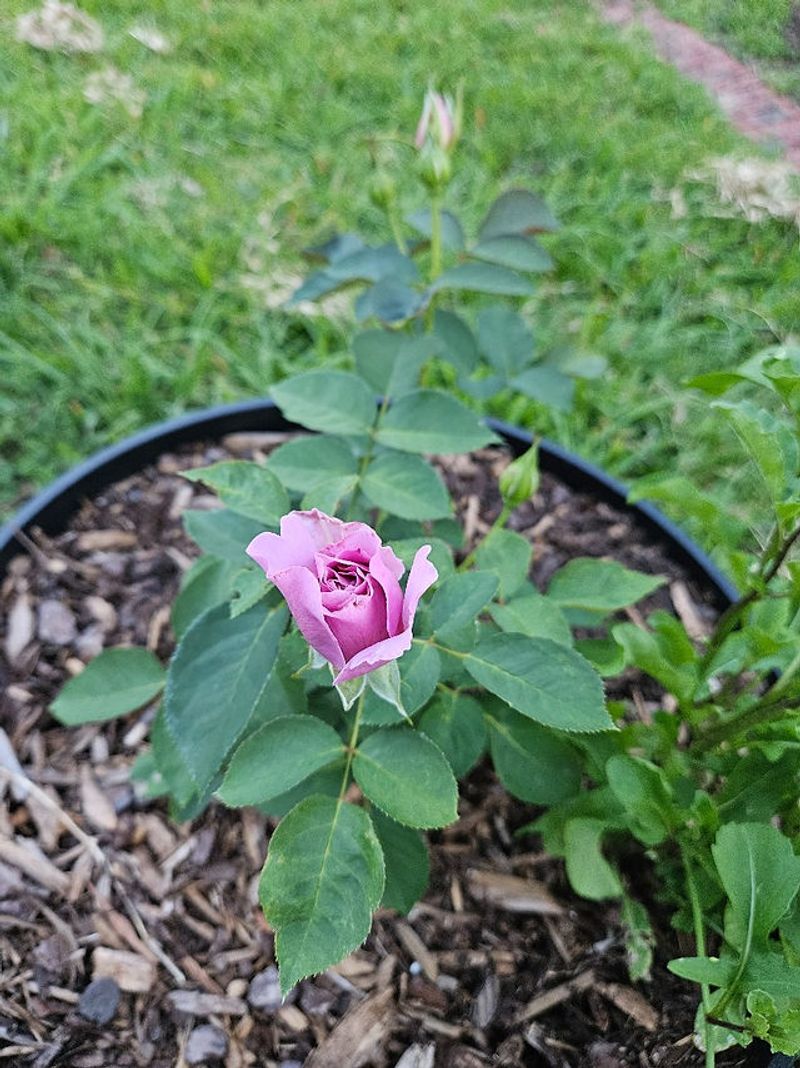
Ask any longtime Texas rosarian what they do in November, and you will likely hear the same answer: pile on the mulch. A good blanket of mulch around the base of your roses works like a cozy quilt for the roots.
It keeps soil temperatures steadier when a cold front swings the thermometer from 75 degrees to below freezing overnight.
Aim for a layer about 3 to 4 inches deep, spread in a wide circle that reaches out to the drip line of the plant. Shredded hardwood, pine bark, pine straw, or chopped leaves all work well.
Leave a small gap of an inch or two right around the canes so moisture does not sit against the bark and invite rot.
Timing matters too. Across much of Texas, the best window is after a few cool nights but before the first hard freeze, often late October through November in North Texas and later along the Gulf Coast.
Water the bed well first, since moist soil tends to hold warmth better than dry soil.
Hold off on heavy fall pruning and high-nitrogen fertilizer, which can push tender new growth that frost may damage. Fun fact: many old garden roses found in Texas cemeteries survived for a century with little more than leaf litter piling up at their feet.
Your mulch layer copies that natural trick, and come spring it can also help slow weeds and hold in water during watering restrictions.