
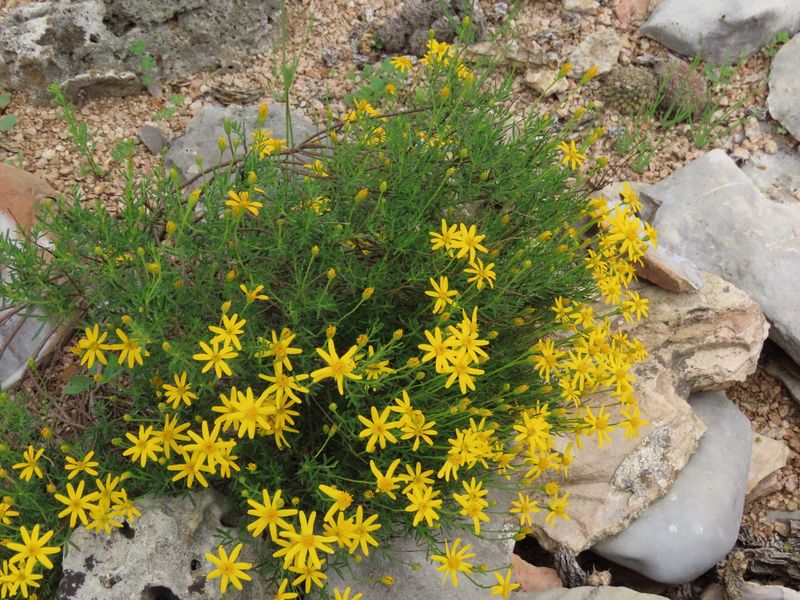
Scorpions showing up around your Central Texas home can feel alarming, especially on hot summer nights when they seem to appear out of nowhere. A native plant called damianita has been getting attention as a yard solution, but the real story is more nuanced than a simple fix. Damianita is a genuinely excellent choice for hot, dry, limestone-heavy Central Texas sites, though the evidence for it repelling scorpions simply is not there. Understanding what damianita can and cannot do will help you make smarter decisions about both your landscape and your actual scorpion risk.
Damianita Fits the Landscape, Not the Pest-Control Claim
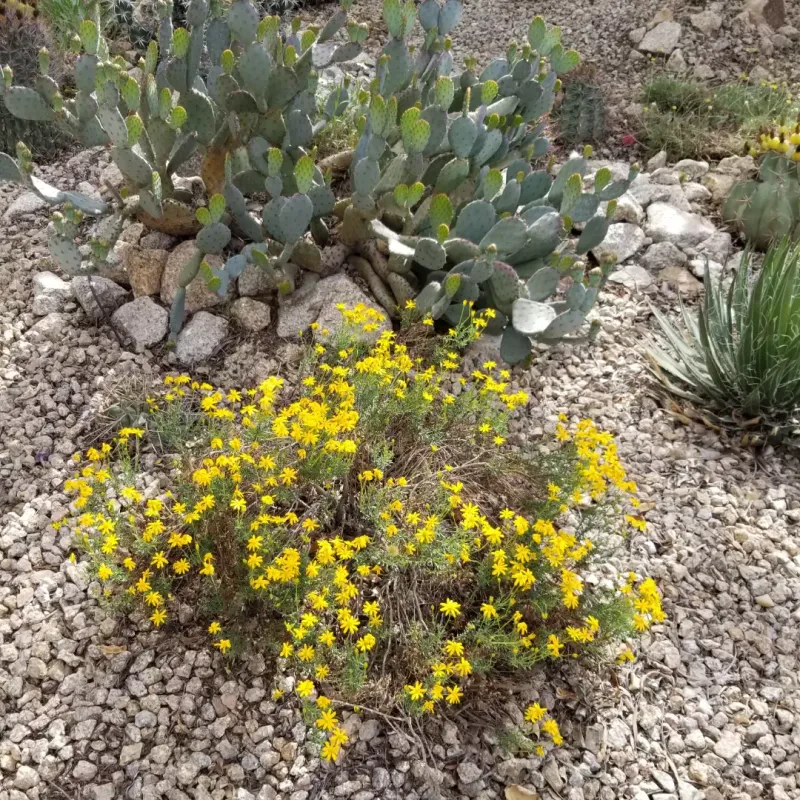
Damianita, known botanically as Chrysactinia mexicana, is a compact native shrub that earns its place in Central Texas yards on horticultural merit alone. The Native Plant Society of Texas describes it as native to caliche and limestone outcrops across the Edwards Plateau and surrounding regions, growing roughly one to two feet tall and wide with needle-like, strongly aromatic foliage and bright yellow daisy-like flowers. Those traits make it a practical fit for the rocky, alkaline, sun-baked conditions that define much of Central Texas.
Austin’s city plant guide lists damianita as drought-hardy, low-water, and appropriate for rock gardens where soil drainage is reliable, and that city-level endorsement reflects its genuine adaptability to the region’s challenging growing conditions. Its aromatic foliage is a documented characteristic, noted consistently across horticultural sources. What those same sources do not document is any effect on scorpion behavior.
No field trial, Texas extension publication, or Central Texas yard study has shown that planting damianita reduces scorpion numbers, makes a property chemically unappealing to scorpions, or prevents them from entering a home. The plant is a strong landscape choice for the right site, but that recommendation rests entirely on its drought tolerance and site compatibility, not on pest-control performance. Separating those two things from the start helps readers use damianita wisely without relying on a premise the evidence does not support.
Give Damianita Sun, Drainage, and Careful Watering
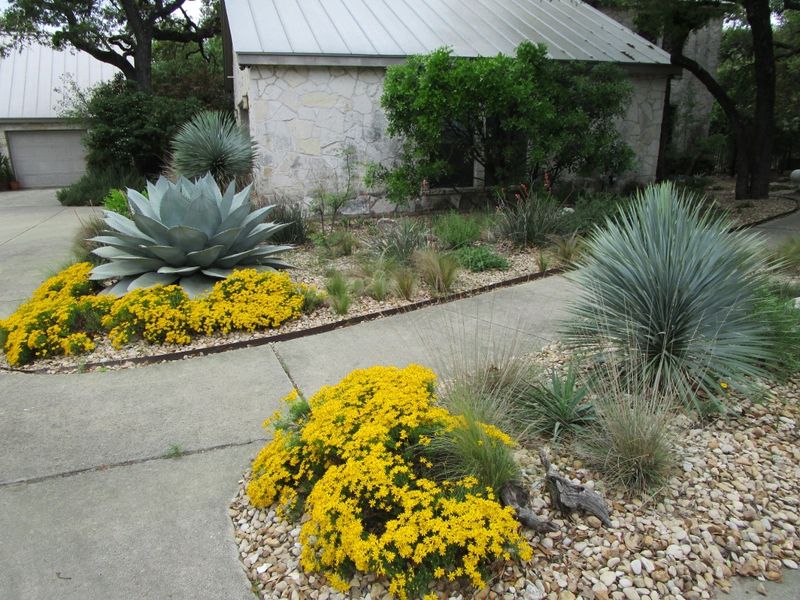
Picking the right spot is the single most important decision when adding damianita to a Central Texas yard. Full sun is non-negotiable; this plant evolved on open limestone outcrops and does not perform well in shade or partial shade. Lean, fast-draining soil is equally critical, which is why Austin’s plant guide specifically recommends it for rock gardens where drainage is reliable rather than for standard lawn beds that may hold moisture after rain.
Caliche tolerance is one of damianita’s best-known traits, and it is genuinely useful in Central Texas where shallow caliche layers frustrate so many other plantings. That tolerance, however, should not be confused with an ability to handle standing water or saturated soil. Heavy clay soils, low spots that collect runoff, and beds that stay moist after irrigation are all settings where damianita tends to fail. Central Texas Gardener notes that excellent drainage is the key condition to get right before planting.
Watering strategy shifts depending on where damianita is in its life cycle. During the establishment period, which typically runs through the first growing season, supplemental watering helps the root system develop enough to handle drought on its own. Once established, the plant is genuinely low-water and can often survive on rainfall alone during normal Central Texas conditions. During extreme drought or extended heat events, a deep, infrequent watering can prevent stress without creating the soggy conditions that damage roots.
The Native Plant Society of Texas also notes that damianita is more cold-hardy than its desert appearance suggests, tolerating freezes that kill less-adapted ornamentals. For Central Texas gardeners dealing with both summer heat and the occasional hard freeze, that resilience adds practical year-round value to an already low-maintenance plant. Site it correctly, water it thoughtfully during establishment, and damianita largely takes care of itself.
A Fragrant Foliage Does Not Prove Scorpion Repellency
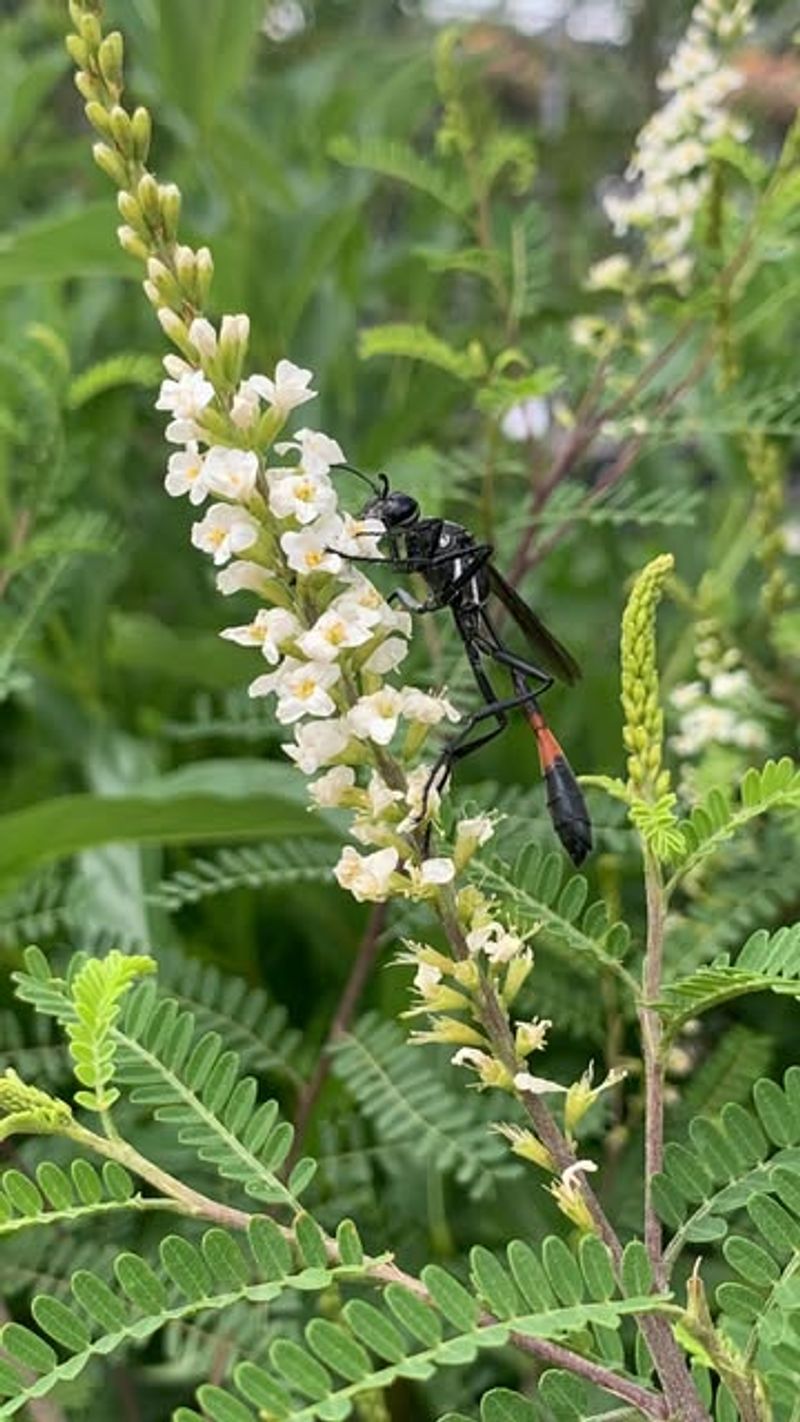
Damianita’s foliage has a strong, resinous aroma that is one of its most frequently mentioned traits in gardening literature. That scent is real, consistent, and documentable. What it does not do, on its own, is prove that the plant changes scorpion behavior in any measurable way. Aromatic foliage and chemical repellency are two separate things, and horticultural sources that describe damianita’s scent are not making a pest-control claim.
The leap from “fragrant plant” to “scorpion deterrent” is a common one in gardening culture, and it applies to several well-known species. Brazil’s Butantan Institute, a leading scorpion research center, specifically addresses this pattern, stating that there is no scientific confirmation that commonly promoted aromatic plants such as rosemary, rue, lavender, or citronella repel scorpions. If those heavily studied and widely used plants lack confirmed repellency evidence, it would be a stretch to assume damianita accomplishes what they have not been shown to do.
Deer resistance is another trait sometimes mentioned alongside damianita’s aroma, and it illustrates the same problem. A plant that deer tend to avoid because of its scent or taste is not automatically one that repels a completely different animal class with different sensory biology. Scorpions locate prey, shelter, and mates through a combination of vibration sensing, pectine organs on their underside, and chemical detection, not through the same pathways a browsing deer uses.
Austin’s official plant guide and the Native Plant Society of Texas both describe damianita’s aromatic quality as a horticultural characteristic, not as evidence of any pest-deterrent function. Readers can enjoy the plant’s scent, its flowers, and its landscape performance with confidence. They should just keep that enjoyment separate from pest-control expectations that the sources do not support.
Laboratory Oil Studies Cannot Validate a Yard Strategy
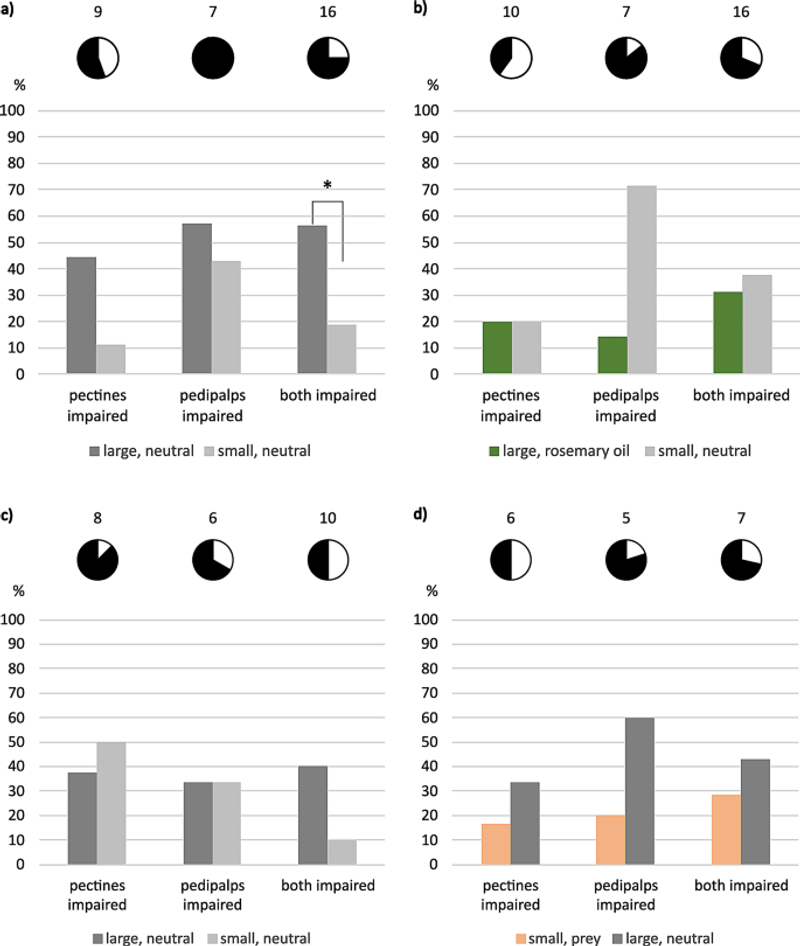
A study published in the Journal of Arachnology by University of Oklahoma researchers tested whether striped bark scorpions spent more time on rosemary-oil-treated sand versus mineral-oil-treated sand in a controlled arena. That experiment found that scorpions spent more time on the mineral-oil side, suggesting some avoidance of the rosemary-oil-treated substrate. The finding is genuinely interesting. What it cannot do is validate a yard-planting strategy in Central Texas.
The study used sixteen scorpions collected in Oklahoma, tested concentrated rosemary essential oil applied directly to sand, and took place in a small enclosed laboratory arena. There were no living plants involved, no outdoor soil, no Central Texas conditions, and no damianita. The gap between “scorpions avoided rosemary-oil-treated sand in a lab” and “planting an aromatic native shrub in your yard reduces scorpion presence” is significant enough that the researchers themselves called for further study rather than drawing applied conclusions.
Later research adds another layer of complexity. A 2025 study examining two European scorpion species found that one species showed avoidance of rosemary oil while the other did not respond the same way. Shelter size and prey scent also strongly influenced the scorpions’ choices, sometimes overriding scent preferences entirely. That result makes it harder, not easier, to generalize any scent-avoidance finding across species, regions, or real-world conditions.
Texas A&M reports eighteen scorpion species in Texas, with two recorded near Austin. Results from Oklahoma-collected striped bark scorpions in a laboratory setting, or from European species in a shelter-choice experiment, should not be treated as confirmation that any plant or oil product works predictably across Central Texas populations. The honest reading of the available research is that scent responses exist in some species under some conditions, and that more field-level work is needed before any aromatic plant or extract earns a place in a verified pest-control plan.
Manage the Shelter and Routes Scorpions Actually Use
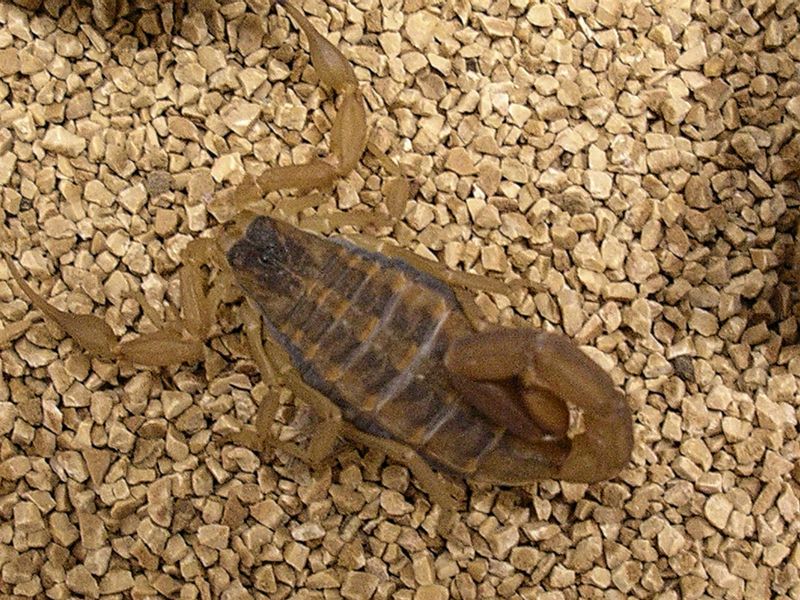
Scorpions are nocturnal, spending daylight hours in cool, dark, sheltered spots and becoming active after dark to hunt and move. Texas A&M AgriLife Extension documents that scorpions hide under rocks, boards, logs, debris piles, and other objects at ground level, making any yard with accumulated clutter a more hospitable environment regardless of what plants are growing there.
Striped bark scorpions, which are among the most commonly encountered species in Central Texas, are also capable climbers. They can scale trees, rough walls, and building exteriors, which means a low-growing plant border cannot function as a reliable barrier between a scorpion and a structure. A scorpion that wants to reach a wall or roof does not need to cross open ground at all if a tree branch, vine, or shrub touching the building provides an alternative route.
Hot weather appears to increase the chances of seeing scorpions around buildings, likely because heat drives them to seek cooler shelter and because more people are outside at night. Texas A&M confirms nighttime activity and movement into structures during hot conditions, but the source does not establish August as a verified annual peak for Central Texas scorpion activity. Saying that late-summer evenings may bring more scorpion sightings around homes is accurate; treating August as a proven statewide high point requires more location-specific seasonal data than the available sources provide.
Knowing where scorpions actually shelter and travel is the starting point for any practical response. A plant’s scent cannot redirect a scorpion that is moving along a wall seam toward a gap under a door. The shelter and the entry point are the variables that matter, and those are the ones that evidence-backed control measures target directly.
Use Cleanup and Exclusion as the First-Line Defense
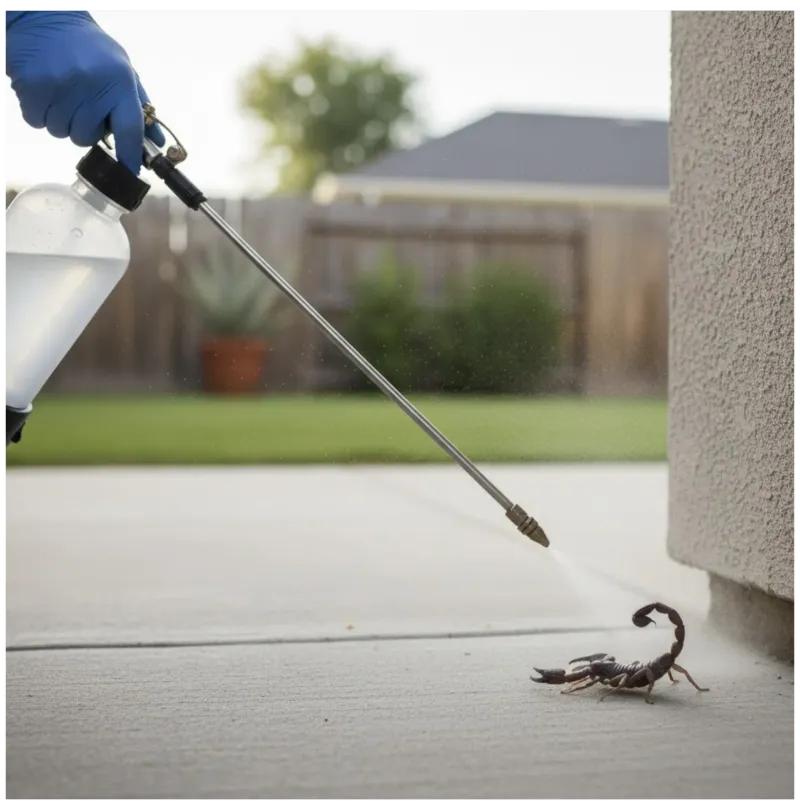
Removing the conditions that attract and shelter scorpions is more effective than any plant placement. Texas A&M AgriLife Extension recommends clearing debris, logs, boards, stones, bricks, and trash from areas near structures as a primary control step. Every pile of material left against a foundation or fence line is potential scorpion real estate, and removing it costs nothing but time.
Grass and vegetation management near buildings also matters. Keeping lawn areas closely mowed near the house reduces ground-level cover that scorpions and their prey can use. Pruning tree branches so they do not touch roofs or walls eliminates one of the climbing routes that striped bark scorpions use to reach upper parts of a structure. These are not complicated measures, but they address the actual behavioral patterns that bring scorpions into contact with homes.
Structural exclusion is the other half of the equation. Sealing cracks in foundations, walls, and around roof penetrations prevents scorpions from entering through the gaps they naturally exploit. Maintaining screens on windows and vents, and weather-stripping exterior doors so there are no gaps at the bottom or sides, closes off the low-effort entry points that scorpions use during nighttime movement. A door with a visible gap at the threshold is a more significant scorpion risk than an unplanted section of yard.
Pesticide products labeled for scorpion control can be used as a supplementary measure, but Texas A&M is clear that applications must follow product directions and be applied only to labeled sites. “Natural” products, including those based on plant essential oils, may have shorter residual activity than synthetic options. No pesticide recommendation should be applied casually or without reading the label for safety precautions related to children, pets, pollinators, and indoor versus outdoor use. Exclusion and habitat cleanup come first; pesticide use, when chosen, comes second and always with label guidance.
Place the Plant Without Creating New Shelter
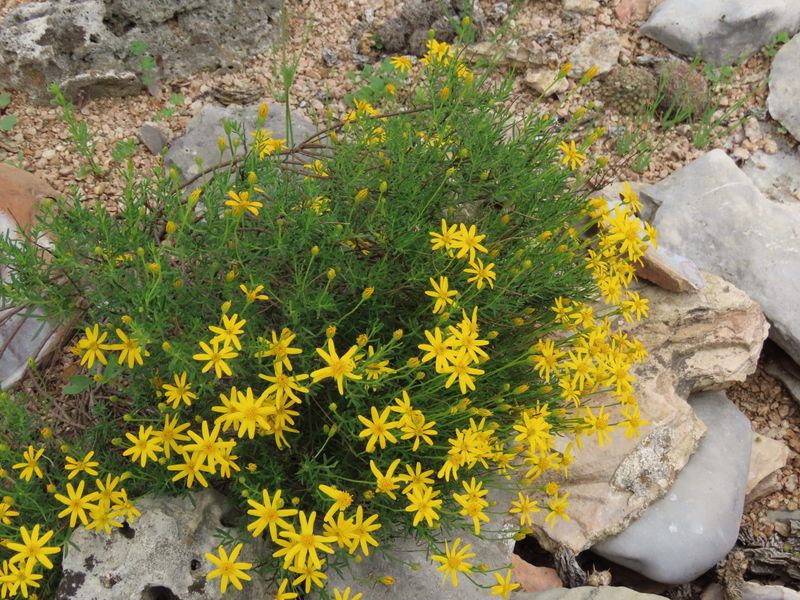
Damianita belongs in a well-considered planting design, not just dropped in wherever space allows. Because scorpions use vegetation, debris, and dense growth as shelter and travel corridors, the placement of any plant near a structure matters. Keeping damianita and surrounding plantings at least a few feet from exterior walls, and making sure the ground between the planting bed and the foundation stays clear of accumulated debris, reduces the chance that the landscaping itself becomes a scorpion-friendly zone.
Texas A&M’s scorpion guidance ties structural risk directly to vegetation and debris near buildings, which means thoughtful bed design is part of a sensible overall approach. Damianita’s compact mature size, typically one to two feet tall and wide, helps here. It does not develop the sprawling canopy or dense interior that larger shrubs can create, which limits the amount of ground-level cover it adds near a structure when planted correctly.
Austin’s plant guide and Central Texas Gardener both emphasize open, well-drained settings like rock gardens, which naturally align with the kind of clean, low-clutter bed design that does not create hidden pockets for ground-dwelling animals. Using decomposed granite or gravel mulch rather than organic mulch around the plant also keeps the bed drier and less hospitable to the insects scorpions prey on.
The bottom line is that damianita is a landscape choice, not a tested scorpion-reduction intervention. Planting it thoughtfully, in a site that suits its needs and does not accumulate debris or press against building edges, lets it do what it genuinely does well: survive and look good in the kind of hot, dry, rocky conditions that defeat less-adapted ornamentals.
Respond Safely to a Scorpion Sting

Getting stung by a scorpion is painful, and knowing what to do immediately matters more than most people realize. Wash the sting site thoroughly with soap and water, then contact Poison Control or a health-care provider for guidance on next steps. Poison Control can be reached in the United States at 1-800-222-1222 and is available around the clock.
Most scorpion stings in Texas cause localized pain, swelling, and numbness that resolve on their own. The situation calls for urgent medical evaluation when symptoms go beyond the sting site or persist longer than expected. Muscle twitching, abnormal eye movements, slurred speech, difficulty swallowing, or trouble breathing are all signs that the body is having a more serious reaction and that prompt evaluation is needed. CDC guidance for scorpion encounters reinforces the importance of seeking care when systemic symptoms appear, particularly for young children and older adults who may be more vulnerable to severe reactions.
No planting strategy, cleanup routine, or exclusion measure guarantees that a sting will never happen. Scorpions can enter homes through very small gaps, travel along walls and ceilings, and end up inside shoes, clothing, or bedding. Shaking out footwear and checking clothing left on the floor are simple habits that reduce incidental contact. If a sting does occur, skip home remedies and go straight to Poison Control or a medical provider so you get accurate, situation-specific advice.
Choose Damianita for the Site, Not the Scent
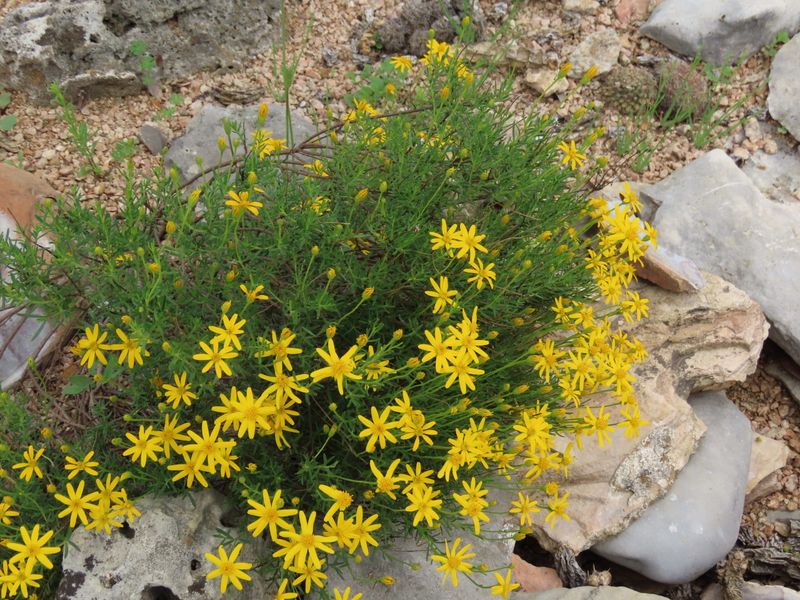
Damianita earns a place in Central Texas landscapes because it is genuinely built for the conditions here: full sun, rocky or caliche-heavy soil, low rainfall, and summer heat that defeats less-adapted plants. Austin’s plant guide supports it as a low-water, drought-hardy option for well-drained sites, and that recommendation stands on its own without any pest-control angle attached to it.
Scorpion encounters around the home are best addressed through the measures that Texas A&M AgriLife Extension actually supports: removing debris and clutter from around structures, keeping vegetation trimmed back from walls and roofs, sealing gaps and cracks in the building envelope, and weather-stripping doors. These steps target the shelter and entry routes that scorpions use, which is where the evidence points.
Planting damianita will not make your yard chemically uninviting to scorpions, but it will give you a tough, attractive native that handles Central Texas summers without demanding much in return. Make the choice based on site fit, then manage scorpion risk through your yard’s physical conditions and your home’s structure. That combination is honest, practical, and grounded in what the research actually shows. A plant that thrives where others fail is a real win on its own terms.