
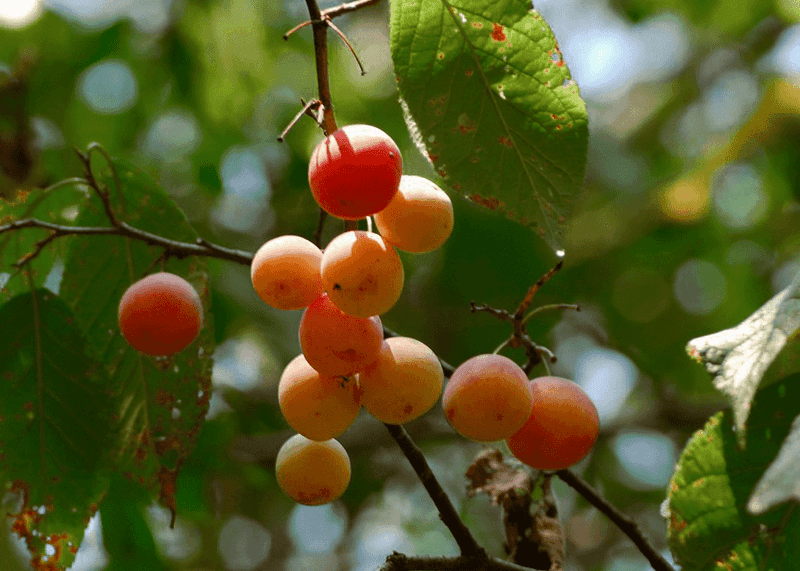
Plenty of Texas gardeners dream about walking into their own backyard and picking fruit from a tree they planted themselves. Mexican plum, a small native tree that blooms white in spring and produces red-purple fruit in summer, comes closer to that dream than almost any other native option for beginners.
Getting there takes realistic planning, though, because fall planting and next-summer fruit are two very different promises.
Mexican plum is the closest fit for a native beginner fruit tree
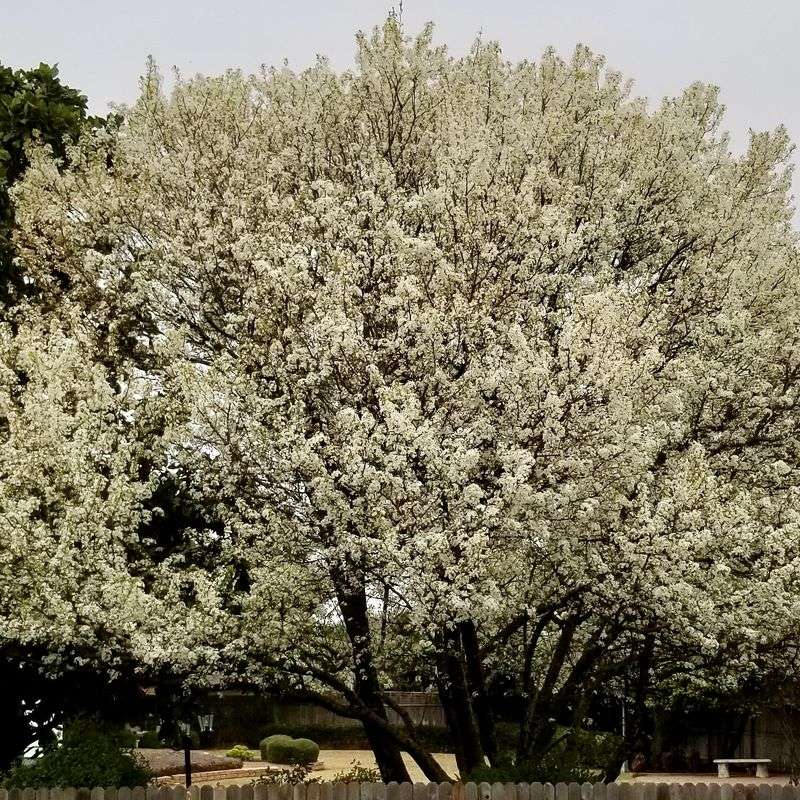
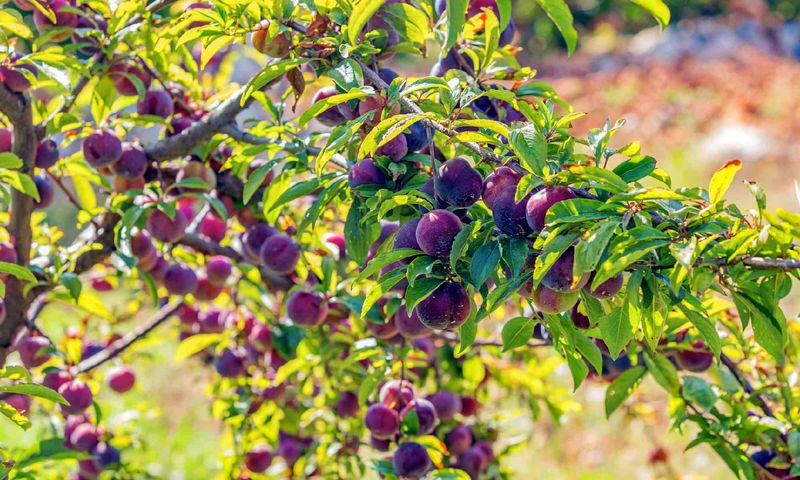
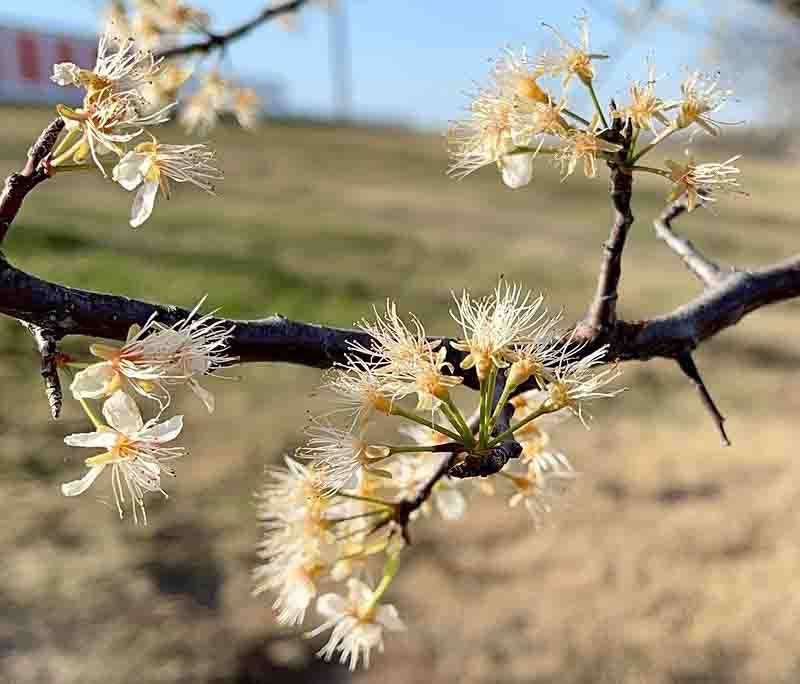
Mexican plum (Prunus mexicana) earns its place at the top of this list because it checks more beginner-friendly boxes than almost any other native Texas fruit tree. Texas Parks and Wildlife native-plant guidance recognizes it as a true Texas native, generally reaching 15 to 35 feet tall with showy white flowers in early spring and small red-purple fruit that ripens from summer into early fall.
From a beginner’s standpoint, the tree’s tolerance of alkaline soils and periodic drought stands out. Much of Texas sits on limestone-heavy, high-pH ground that defeats many fruit trees before they get started.
Mexican plum handles those conditions without the soil amendments that more finicky trees demand. Its spring bloom also attracts pollinators and provides early-season wildlife value long before any fruit appears.
That said, the Texas A&M Tree Selector profile for Mexican plum lists moderate water needs, a preference for well-drained soil, thorns, messy fruit drop, and potential borer problems. None of those drawbacks are deal-breakers for a motivated beginner, but they do mean this tree asks for real attention during establishment and honest site planning before planting day.
The combination of native toughness and edible fruit makes Mexican plum the strongest single recommendation for a Texas beginner, as long as expectations stay grounded in what the tree actually delivers rather than what a catchy headline might promise.
A fall planting does not guarantee a next-summer harvest
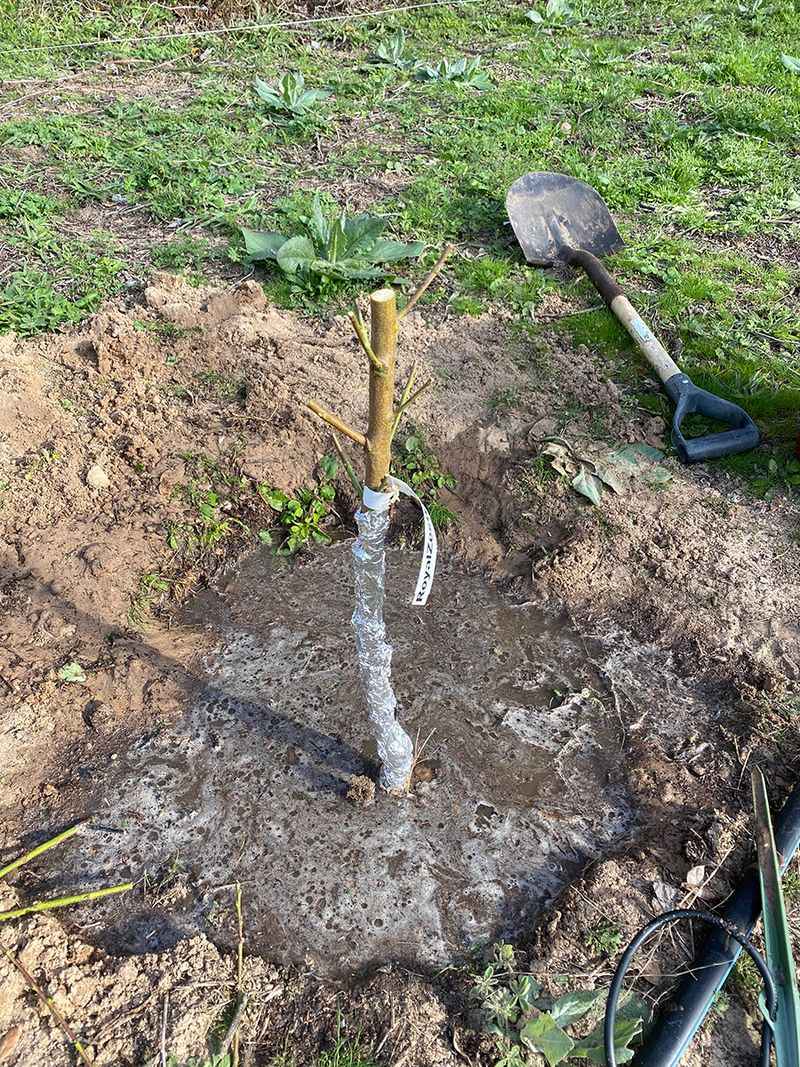
One of the most important things to understand before buying a tree is that planting timing and fruit production are separate events. Texas A&M AgriLife Extension guidance on fruit tree planting focuses heavily on root establishment during the first critical years and does not document a dependable first-season harvest for newly planted Mexican plum trees.
The sources reviewed simply do not back that promise.
Harvest timing for Mexican plum also varies more than most beginners expect. Texas Parks and Wildlife reports a fruit season of September through October in some regional guidance, while the Bayou Planting Guide describes fruit ripening from midsummer into fall.
Austin’s municipal plant resources list July through September. The honest answer is “summer into early fall,” and the exact window at your property will depend on your specific tree, its microclimate, the weather that spring, and how well pollination went.
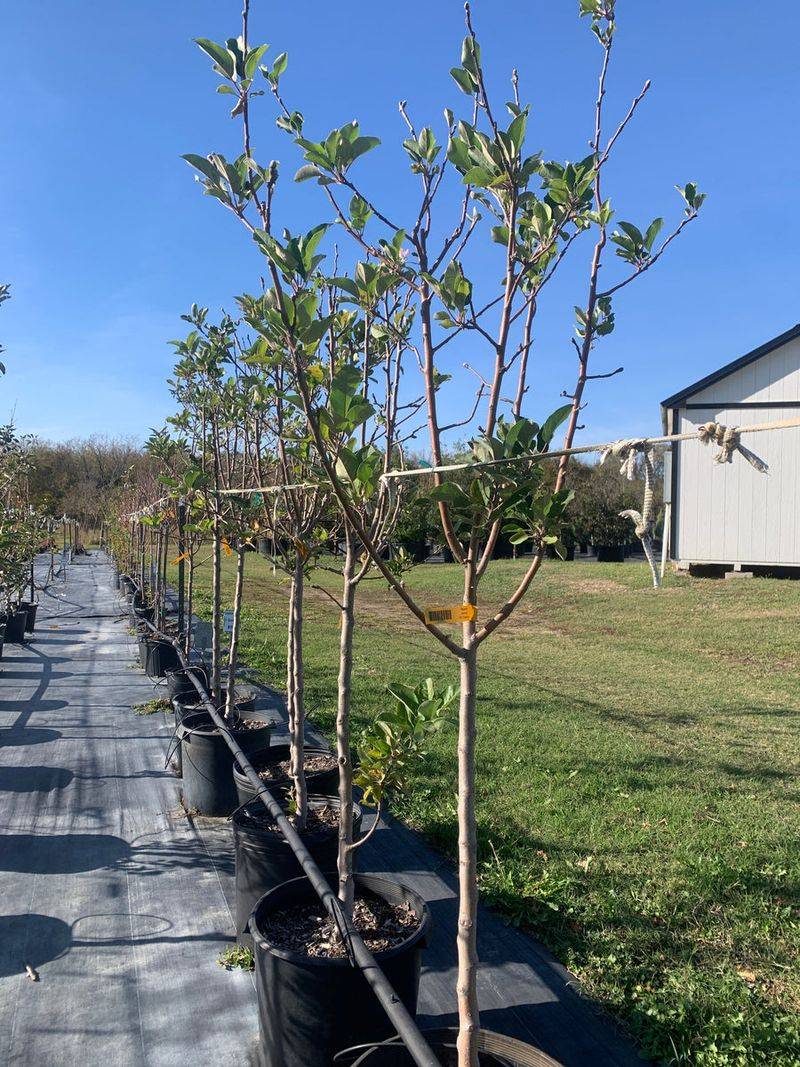
A large, already mature container tree purchased from a reputable nursery carries fruiting wood that a small sapling simply does not have yet. If that mature tree transplants successfully, weathers the winter without damage, flowers well in spring, and gets adequate pollination and moisture, it might produce some fruit the following summer.
That is a real possibility, not an impossibility. But a small sapling planted in fall should be treated as entering an establishment period, not a countdown to harvest.
The first year belongs to root development, and any fruit that follows is a bonus rather than a scheduled delivery.
Use fall to prepare the site and buy healthy nursery stock
Fall is genuinely useful for a beginner planning to add a Mexican plum, but the best use of those months is site preparation rather than digging the planting hole. Texas A&M AgriLife Extension recommends planting most Texas fruit trees from late December through February while the trees are fully dormant, giving roots the best chance to establish before summer heat arrives.
Citrus is handled differently, waiting until March or April because of freeze risk, but Mexican plum follows the dormant-season window.
That means fall gives you roughly two to four months to get the site ready before the planting window opens. Use that time to identify the right spot, confirm drainage, clear competing vegetation, and amend soil only where a drainage or compaction problem genuinely exists.
AgriLife’s site preparation guidance for fruit trees emphasizes that poor drainage is a serious problem, so addressing it before planting day matters far more than rushing to get the tree in the ground.
When you shop for nursery stock, look for a healthy tree from a reputable local or regional nursery. Texas A&M recommends medium-sized stock, roughly 3 to 5 feet tall, and prefers bare-root trees when they are available during the dormant season.
A medium-sized nursery tree gives roots more room to establish quickly than a tiny seedling, and it arrives with the structural framework already in place. Growing Mexican plum from seed is possible but pushes any realistic fruit harvest years further into the future, so nursery-grown material is the practical choice for anyone focused on eventually eating the fruit.
Choose drainage, sunlight, and space before digging
Picking the right spot matters more than any other single decision a beginner makes with Mexican plum. The tree’s drought tolerance and alkaline-soil resilience are real advantages, but neither one rescues a tree planted in ground that stays wet after rain.
The Texas A&M Tree Selector profile for Mexican plum specifically calls for well-drained soil, and saturated roots can weaken or kill a fruit tree before it ever reaches harvest age.
A simple drainage test takes about an hour. Dig a hole roughly 12 inches deep, fill it with water, and come back after 60 minutes.
If standing water remains, that location drains too slowly for Mexican plum. Raised beds or a slightly elevated planting mound can sometimes solve the problem, but low-lying areas that flood regularly are better left to other plants entirely.
AgriLife’s fruit tree site preparation guidance confirms that saturated soil is one of the most common reasons newly planted trees fail.
Sunlight and space deserve equal attention. Mexican plum grows to 15 to 35 feet tall and develops a broad canopy, so placing it too close to a fence, roof overhang, power line, or walkway creates problems within a few years.
Full sun or very light partial shade gives the tree its best shot at flowering and fruiting consistently. Thorns and fruit drop are also real factors: avoid planting directly above patios, children’s play areas, or high-foot-traffic paths, because fallen fruit attracts insects and the thorns can cause injury during routine yard work.
Plan the location with the mature tree in mind, not just the small sapling you carry home from the nursery.
Deep watering protects the tree during establishment
A newly planted Mexican plum needs consistent moisture to push roots into the surrounding soil, and Texas weather rarely cooperates on its own. Even in fall and winter, extended dry spells are common across much of the state.
Extension guidance on watering newly planted trees recommends deep, slow irrigation rather than brief surface sprinkling, because shallow watering encourages roots to stay near the surface where they are most vulnerable to heat and drought.
The practical approach is to water slowly enough that moisture penetrates several inches into the soil rather than running off. Check moisture by pushing a finger or a thin rod several inches below the surface near the drip line of the canopy.
If the soil feels dry at that depth, water again. If it still feels damp, wait another day or two before checking again.
As the tree grows and roots extend outward, move the watered area outward with them rather than continuing to irrigate only at the base of the trunk.
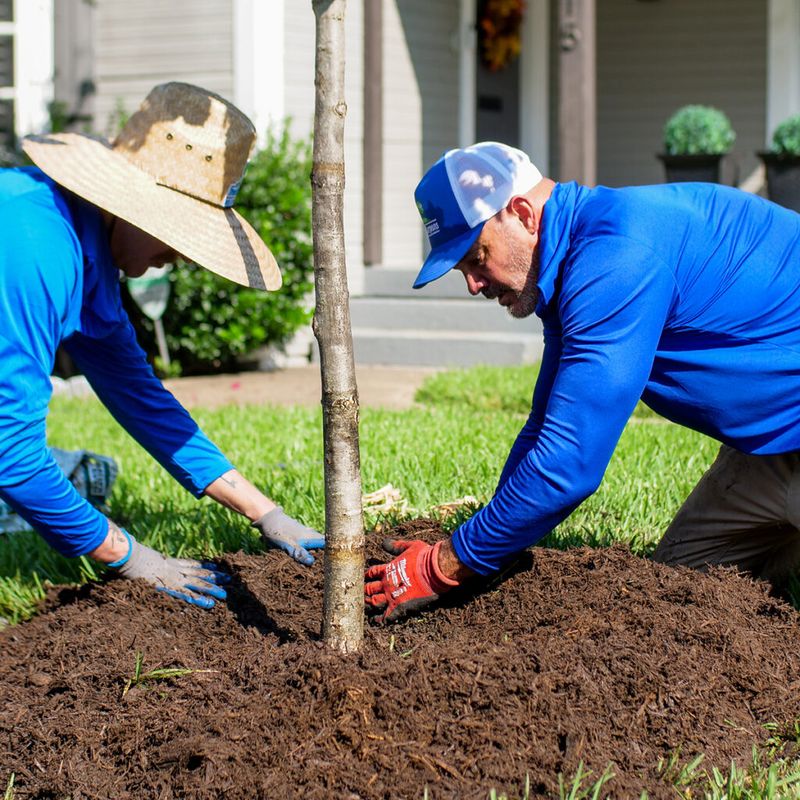
Mulch is one of the most effective tools for reducing how often you need to water. Apply a 2 to 3 inch layer of organic mulch in a broad ring extending out to the canopy edge or beyond.
Keep the mulch several inches away from the trunk and completely clear of the root flare at the base of the tree. Mulch piled against the trunk traps moisture and can encourage rot and pest problems.
A clean, wide mulch ring holds soil moisture, moderates soil temperature during Texas heat, and suppresses weeds that would otherwise compete with the young tree for water and nutrients.
Expect lighter pruning, not a maintenance-free tree
One reason Mexican plum appeals to beginners is that it skips the heavy annual pruning cycle that commercial peach production demands. Texas A&M AgriLife pruning guidance distinguishes ornamental and native trees like Mexican plum from edible fruit trees that require aggressive annual shaping to maintain yield and tree structure.
That distinction is real and useful: you will not need to spend a weekend every winter cutting the tree back heavily the way a peach grower does.
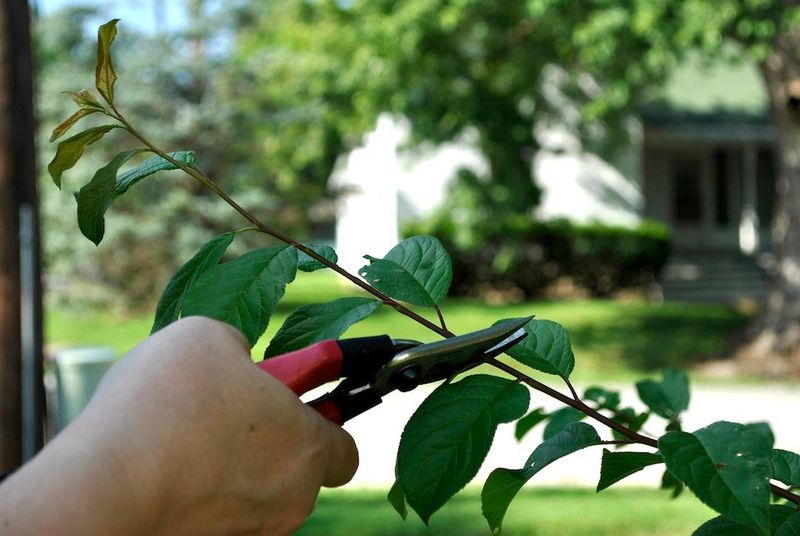
Lighter pruning does not mean no pruning at all. Removing dead, damaged, or crossing branches keeps the canopy healthy and reduces entry points for borers and disease.
If lower limbs hang too close to the ground and interfere with mowing or access, removing them gradually over a few seasons raises the canopy without stressing the tree. Modest shaping to keep the tree from crowding a fence or structure is also reasonable.
The goal is a healthy, manageable tree, not a perfectly sculpted form.
The Texas A&M Tree Selector lists thorns, messy fruit, moderate water needs, drainage requirements, and potential borer activity as real management considerations. None of them make Mexican plum a poor choice, but together they confirm this is a tree with genuine maintenance needs rather than a plant-it-and-forget-it situation.
When fruit does arrive, pit it before eating or cooking. Poison Control confirms that plum seeds contain amygdalin, which can release cyanide when chewed or crushed.
Discard the pits rather than composting or grinding them, and keep them away from children and pets. The fruit itself – smaller and less uniform than supermarket plums but genuinely edible – is worth the effort of pitting before you use it.
Plant Mexican plum for a long-term payoff, not a promised first summer
Mexican plum earns a place in a Texas yard when the goal is a native tree with spring flowers, wildlife value, and occasional edible fruit rather than a guaranteed first-year crop that rivals the produce aisle. The Texas A&M Tree Selector confirms its native status, its tolerance of alkaline soils and drought, and its real but modest fruit value.
Those qualities hold up across most of Central and North Texas, though readers in South Texas, West Texas, or along the Gulf Coast should verify local site conditions before committing.
The action sequence is straightforward: use fall to prepare the site and confirm drainage, buy healthy nursery stock from a reputable local source during the dormant season, plant from late December through February, water deeply and consistently through the first growing season, and mulch the root zone properly. Texas A&M AgriLife Extension emphasizes that establishment care during the first years determines long-term tree health more than any single planting decision.
Next-summer fruit is genuinely possible if you purchase a large, already mature container tree that transplants well, flowers successfully, and gets adequate pollination and moisture. For most beginners planting standard nursery stock, the first year is a root year, and that is not a failure.
A Mexican plum that settles in properly repays the wait with decades of spring color, wildlife activity, and summer fruit that no grocery store carries.