
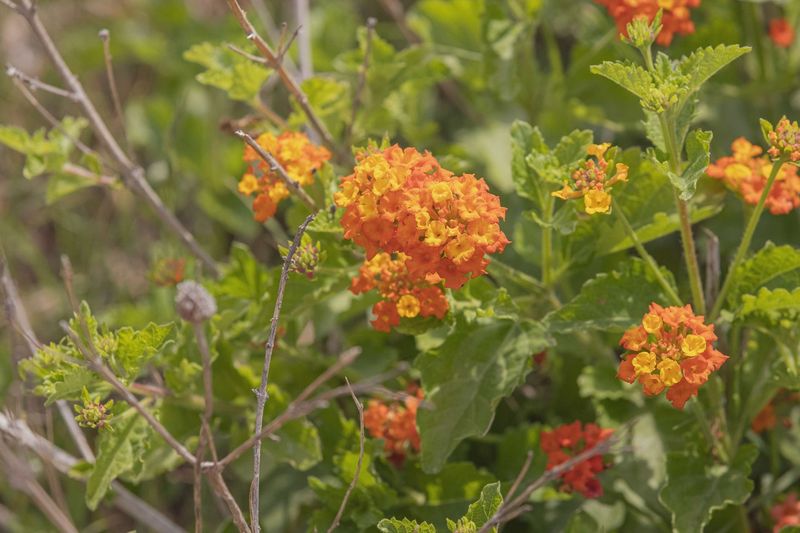
Summer in the Texas Hill Country is no joke, and most flowering plants tap out long before August does. True Texas lantana is one native shrub that keeps delivering color through the worst of the heat, asking for surprisingly little in return once it settles in.
Getting there takes the right site, a little patience during establishment, and a clear-eyed understanding of what this plant actually needs, so this guide walks you through every step.
Texas lantana is one strong answer for a hot, dry garden
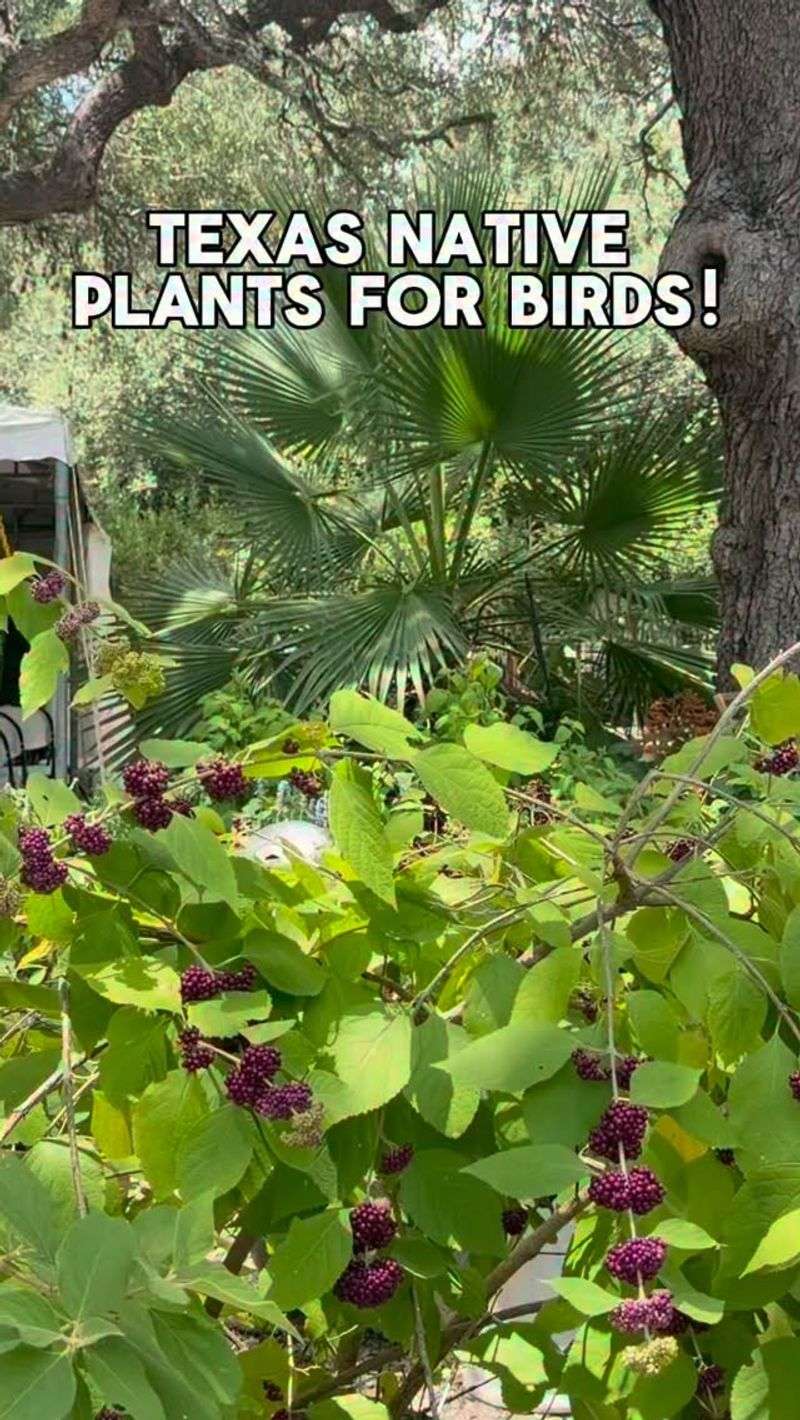
Flip over a few native-plant labels at a Hill Country nursery and one name keeps earning its spot on the shelf: Lantana urticoides, the true Texas lantana. Native Plant Society of Texas coverage of Texas lantana describes it as highly heat- and drought-tolerant once established, capable of flowering from spring through fall with little supplemental water after its first year in the ground.
That kind of staying power is rare in a plant that also tolerates poor, rocky or calcareous soil, which describes most Hill Country yards pretty accurately.
A few honest qualifications belong up front. Texas lantana is one of several regionally adapted choices, not the only native plant capable of summer performance in Central Texas.
Cenizo, autumn sage, and other sun-loving natives can also deliver through triple-digit weather. What sets Texas lantana apart for many gardeners is the combination of very long bloom time, low water needs after establishment, and genuine toughness in thin or rocky soil.
Success still depends on placement. A plant dropped into soggy soil or deep shade will struggle regardless of how drought-adapted it is on paper.
Texas A&M’s Earth-Kind plant selector consistently emphasizes matching each plant to its specific Texas region, sun exposure, drainage conditions and soil type, because the right plant in the wrong location can fail as reliably as the wrong plant anywhere. Texas lantana earns its reputation when it gets full sun, well-drained soil and enough room to spread, and those requirements are not negotiable.
Think of it as a qualified recommendation rather than a universal guarantee. For a sunny, open Hill Country bed where water is limited and maintenance time is short, Texas lantana is genuinely one of the strongest native choices available.
The botanical name separates the native from ordinary nursery lantana
Walk into almost any Texas garden center in May and you will find tables full of lantana. Some of those plants are the true Texas native.
Many are not. The label that matters is Lantana urticoidesLantana horrida, formerly sold and described under the name .
Buying a plant tagged simply as “lantana” or even “native lantana” is not enough information to know what you are actually taking home.
The Native Plant Society of Texas profile for Lantana urticoides makes the distinction clear: the true Texas native is a specific species adapted to Texas conditions, soils and wildlife relationships over a very long time. Lantana camara and the many hybrid cultivars bred for ornamental use, including the pink-and-yellow varieties common in big-box stores, have different origins and may behave differently in the landscape.
Some cultivars are also considered invasive in certain regions outside Texas.
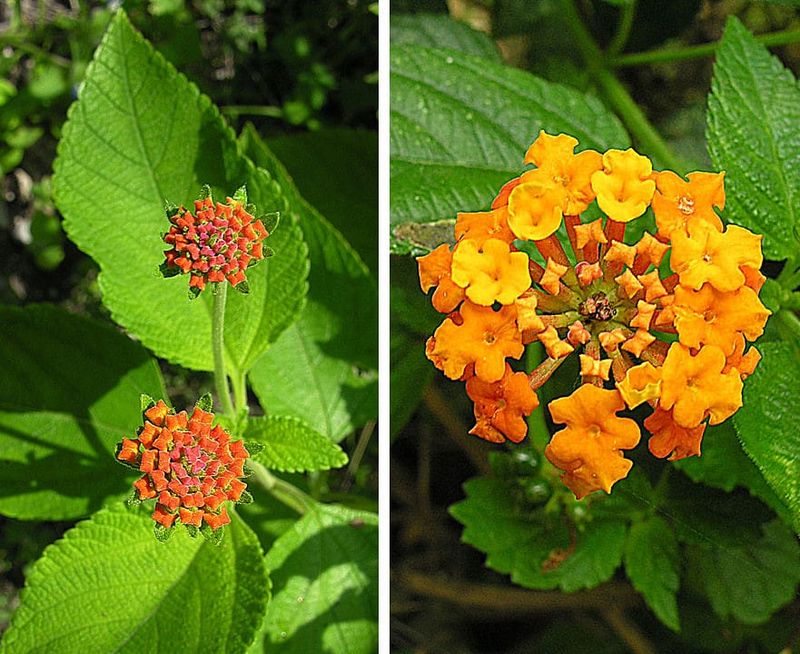
Flower color gives you a clue in the field. True Texas lantana typically produces orange and yellow flower clusters, sometimes with a reddish tint.
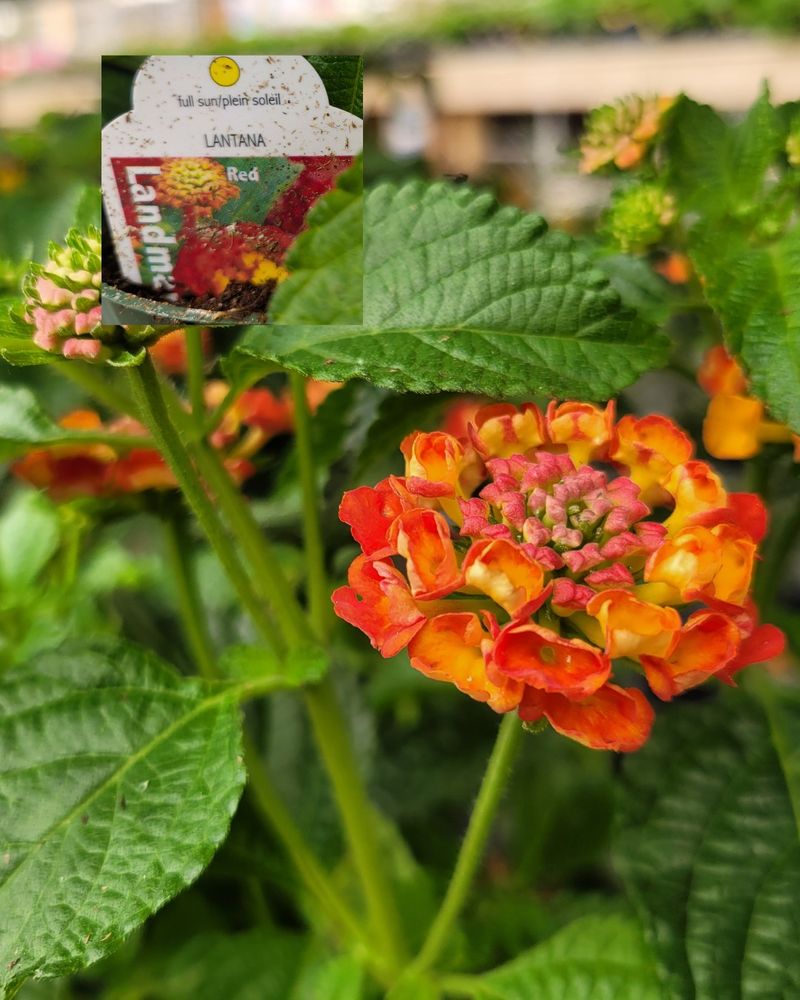
The ornamental hybrids come in a wider range of colors including pink, white, lavender and bi-color combinations. Color alone is not a reliable identifier, but if every plant on the table comes in ten color choices, you are probably looking at cultivars rather than the straight native species.
The practical advice is simple: ask the nursery staff directly whether the plant is Lantana urticoides, and look for that name on the tag or pot. Native plant nurseries, wildflower centers and specialty growers are more likely to carry the true species than general garden retailers.
Taking a minute to verify the botanical name before buying saves you from planting a landscape that does not perform the way the native species would on a rocky Hill Country slope.
Choose full sun, good drainage and plenty of room
Placement decisions made before planting determine most of what happens later. Texas lantana performs best with roughly six or more hours of direct sunlight daily, and that number is a floor, not a target range.
Less sun means fewer flowers, weaker stems and a plant that never quite hits its stride, even on a well-drained site. South- and west-facing exposures in the Hill Country tend to deliver the kind of intense, unfiltered sun this plant genuinely thrives under.
Botanical profile guidance from the Native Plant Society of Texas confirms that the plant handles caliche, clay, gravelly soil and sand, provided the site does not stay waterlogged. That covers a wide range of Hill Country conditions, including the shallow, rocky limestone soils that defeat most ornamental shrubs.
What the plant cannot tolerate is persistent moisture around its roots. A spot where water pools after rain, or where clay holds moisture for days, will undercut the drought tolerance that makes Texas lantana worth growing in the first place.
Size is the other planning factor that surprises people who buy a small pot and expect a tidy border plant. Native Plant Society coverage describing Texas lantana’s growth habit notes that the shrub may reach approximately 3 to 6 feet tall and 4 to 5 feet wide at maturity.
That footprint rules out most narrow foundation strips, tight walkway borders and small raised beds. A plant crowded into a space it will outgrow in two seasons creates more maintenance work, not less.
Borders with room to spread, open slopes, informal beds and areas away from foot traffic suit Texas lantana well. Slopes are especially good because they offer the natural drainage the plant needs while also putting the flowers at a comfortable viewing height.
If the only available space is a narrow strip beside a sidewalk, a more compact native like blackfoot daisy will serve that spot better and stay manageable without constant cutting back.
Establishment watering creates the low-water payoff
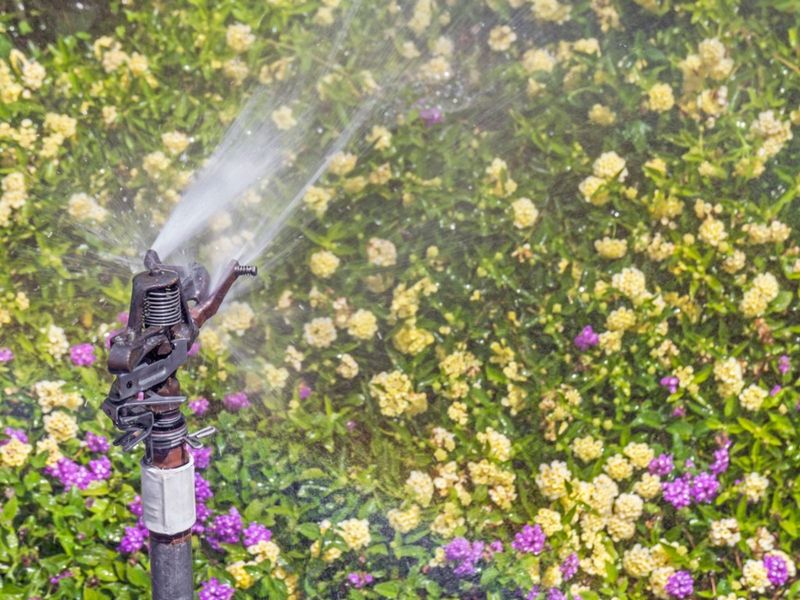
The reputation Texas lantana has for surviving on almost nothing is real, but it applies to an established plant with a developed root system, not to a shrub that went in the ground last month. Getting that root system in place requires consistent moisture during the first growing season, and skipping that step is one of the most common reasons a tough native plant fails in an otherwise suitable spot.
A practical approach is to water deeply and regularly for the first few months, then gradually reduce frequency as the plant puts on visible new growth and settles in. Texas A&M AgriLife Extension’s urban landscape guide stresses that low-water plants still require appropriate establishment irrigation, and that tapering off too quickly can stress or kill plants that would otherwise be very self-sufficient.
The goal is to mimic what a reliable rainy season would do, not to test the plant’s limits before it is ready.
Texas A&M AgriLife Extension seasonal planting guidance also points out that planting time affects how hard establishment is. Spring planting gives the root system a longer runway before the hardest summer heat arrives.
A plant put in the ground in July faces a much steeper climb and needs more attentive watering to survive its first weeks. Fall planting can also work well because cooler temperatures reduce stress while roots develop through winter.
Overwatering is the flip side of the same problem. Drought-adapted plants sitting in persistently wet soil can develop root rot or simply fail to thrive, because their root systems are not built for anaerobic conditions.
Good drainage is not just a preference for Texas lantana; it is what allows the plant’s natural drought tolerance to function. Once established on a well-drained site with adequate initial irrigation, the plant can carry itself through most Hill Country summers with minimal supplemental water, delivering exactly the low-maintenance payoff the reputation promises.
Its summer flowers support both color and wildlife
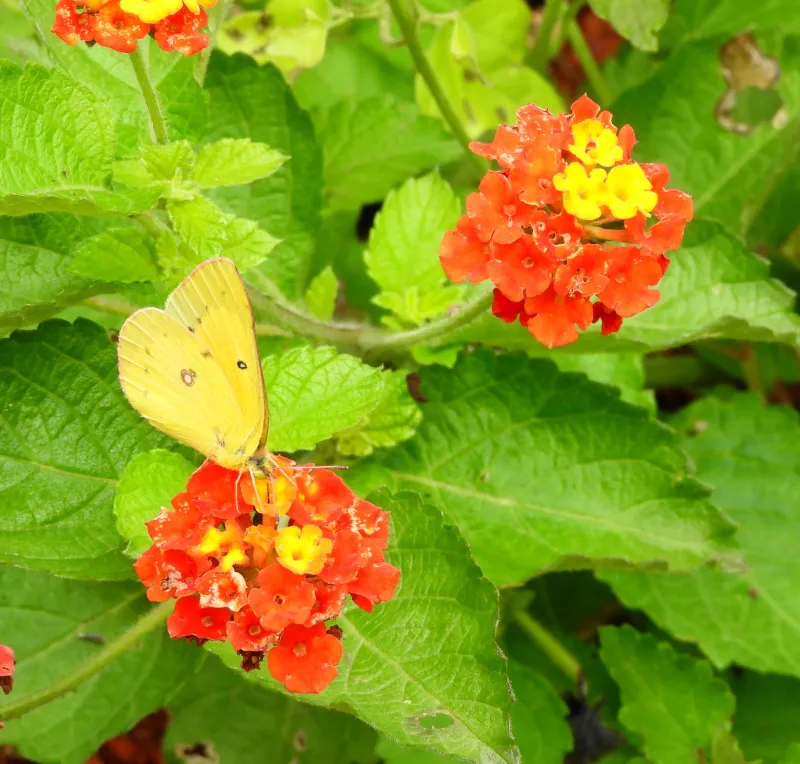
One of the more practical things about Texas lantana is that its best season lines up exactly with the hardest gardening months. Native Plant Society of Texas reporting on Texas lantana’s seasonal behavior documents flowering from approximately April through October, with the strongest and most consistent display often occurring during the hottest summer weather.
While most ornamental plants slow down or stop flowering when temperatures climb past 95 degrees, Texas lantana tends to push harder.
NPSOT coverage describing Texas lantana as a steady bloomer for dry spots also highlights the wildlife dimension of that long flowering window. The tubular flower clusters provide nectar for butterflies, including monarchs and swallowtails passing through Central Texas on migration routes, as well as for bees and other native insects.
Hummingbirds work the flowers too, particularly during late summer and fall when other nectar sources are drying up. For a gardener who wants a yard that supports pollinators without adding separate pollinator plants, a well-placed Texas lantana covers a lot of ground.
Winter behavior is worth knowing before the first cold snap arrives. Texas lantana is a warm-season plant that may drop most or all of its leaves in cold weather, and in harder winters it can die back to the base entirely.
That bare-stemmed look in January can alarm gardeners who are not expecting it. The plant is not dead; it is dormant.
As temperatures climb in spring, new growth emerges from the base and the flowering cycle starts again.
Results vary by garden. A plant with ideal sun, drainage and establishment care will typically flower more heavily and for a longer stretch than one fighting poor drainage or partial shade.
Reporting the April-through-October range reflects what well-sited plants can do, not a guarantee that every specimen will perform identically regardless of conditions.
Low maintenance still requires responsible care and handling
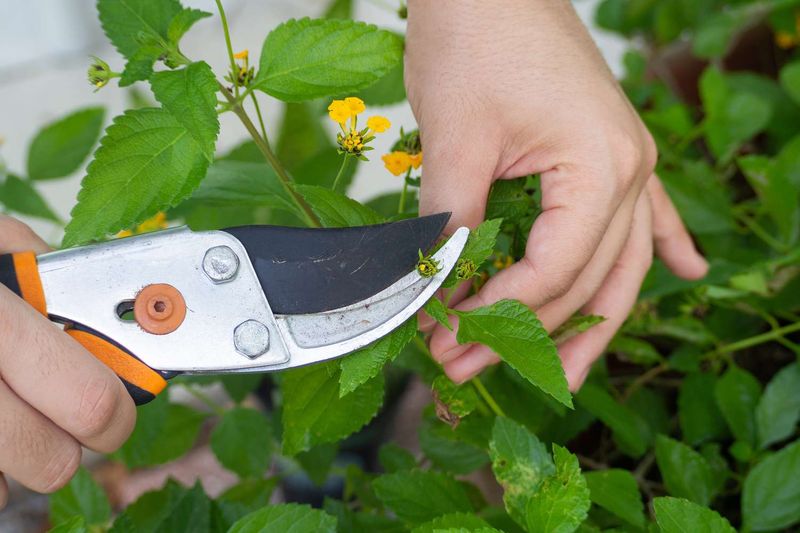
“Low maintenance” and “no maintenance” are not the same thing, and Texas lantana makes that distinction easy to observe over a couple of seasons. The plant handles heat, drought and poor soil with genuine toughness, but it still benefits from occasional shaping to keep it from overwhelming neighboring plants or walkways.
Native Plant Society of Texas seasonal guidance on Texas lantana recommends cutting the plant back in winter, which helps maintain a smaller overall size and encourages a flush of fresh growth once warm weather returns. Skipping the winter cutback for several years in a row tends to produce a large, woody base that is harder to manage later.
During the establishment period, weeds can move into the bare soil around a new plant before it fills in. Pulling those weeds or covering the soil with a thin layer of gravel or native-plant-compatible mulch reduces that early competition without smothering the plant’s crown.
Once Texas lantana is established and spreading, it shades out much of the weed pressure on its own.
Deer resistance is a real but qualified benefit. NPSOT coverage of Texas lantana’s deer resistance notes that deer generally avoid the plant, likely due to its strong scent and texture, but also acknowledges that deer may browse it under pressure, particularly during drought when food is scarce.
Planting it as a deer-proof barrier would be overstating what it reliably does.
Two safety points apply to every household with children. The Native Plant Society profile for Lantana urticoides identifies the dark berries as poisonous to humans.
Keep children away from them and treat any accidental ingestion as a medical concern. Separately, Native Plant Society of Texas guidance on handling Texas lantana recommends wearing gloves and long sleeves when working around the plant, because the foliage can irritate sensitive skin.
Both precautions are simple and easy to build into routine garden work.
A compact bed may call for blackfoot daisy instead
Texas contains more than ten distinct ecoregions, and a plant that earns its keep on an Edwards Plateau slope does not automatically perform the same way in East Texas, the Gulf Coast or North Texas. Texas A&M Earth-Kind guidance on making plant selections separates the state into regional adaptability zones for exactly this reason, and the Earth-Kind plant selector tool lets gardeners filter by region before committing to a species.
A gardener in Beaumont or Corpus Christi should run that check rather than assume that Hill Country recommendations translate directly to their conditions.
Even within the Hill Country, site dimensions matter. Texas lantana at full size occupies a footprint that simply does not fit many residential landscapes.
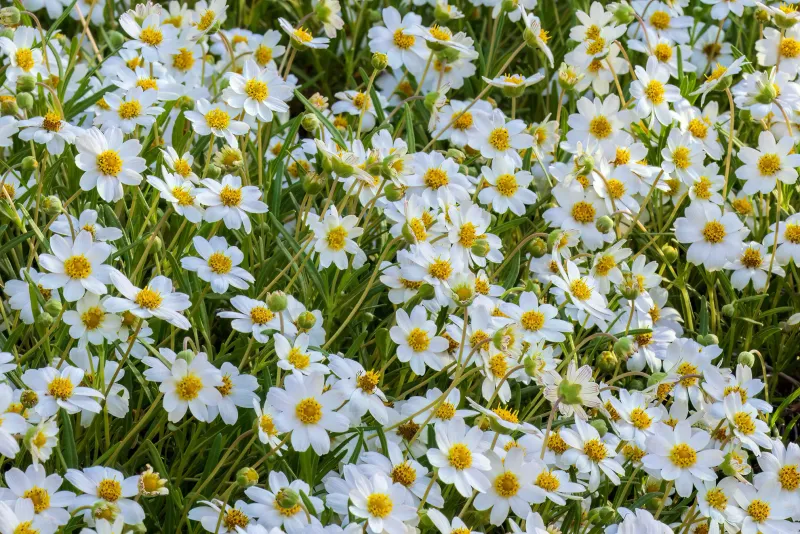
A narrow strip between a front walk and a foundation wall, a raised bed along a porch, or a small rock garden near a patio all call for something more compact. That is where blackfoot daisy earns its place as a practical alternative.
NC State Extension’s profile of Melampodium leucanthum, the blackfoot daisy, describes it as a low-growing, drought- and heat-tolerant perennial that suits full sun, rocky or shallow soils and well-drained beds. It stays under about a foot tall, produces white daisy-like flowers over a long season and handles the same thin, limestone-based soils that Texas lantana tolerates.
Native Plant Society of Texas drought-native coverage lists it among the reliable choices for dry, sunny spots where a gardener wants color without constant watering.
The two plants are not interchangeable, and the point is not to use both in every yard. Texas lantana is the better fit for an open, informal bed with room to spread.
Blackfoot daisy is the better fit when the space is tight, the soil is very shallow, or the goal is a tidy rock-garden look that a large spreading shrub would overwhelm.
Buy the right lantana for the right Texas site
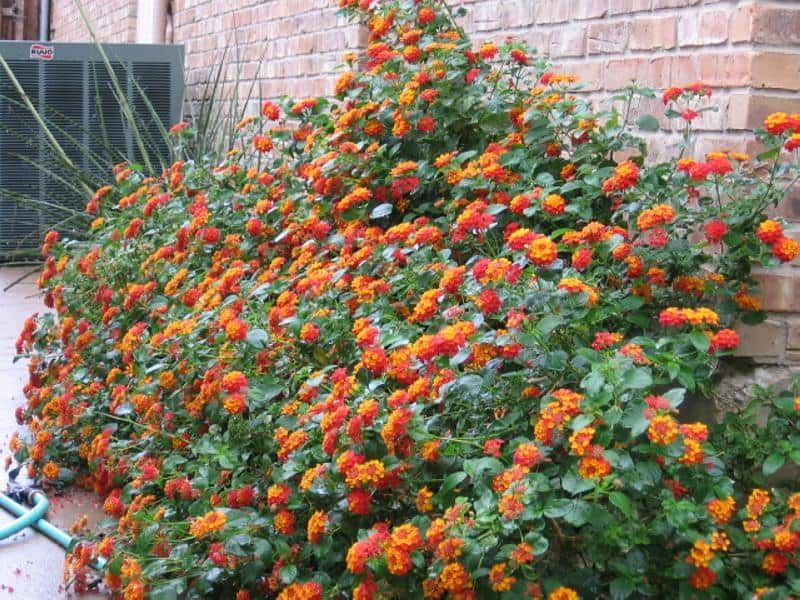
Before pulling out a credit card at the nursery, run through three quick checks. Does the tag say Lantana urticoides?
Does the planting spot get at least six hours of direct sun with soil that drains freely? Is there enough room for a shrub that may reach 5 or 6 feet wide?
A yes on all three puts you in good shape. A no on any one of them is worth addressing before the plant goes in the ground, not after.
The NPSOT species profile for Lantana urticoides and the Texas A&M Earth-Kind plant selector both support the same core advice: verify the species and match it to the site before planting. Plan to water consistently during the first growing season, then taper off as the plant establishes.
Expect reduced care after that, not zero care. Regional conditions, rainfall, soil and sun all affect how the plant performs in any specific yard.
Texas lantana is genuinely one of the most reliable low-maintenance native choices for a sunny, well-drained Hill Country garden, and it earns that reputation one well-placed shrub at a time.