
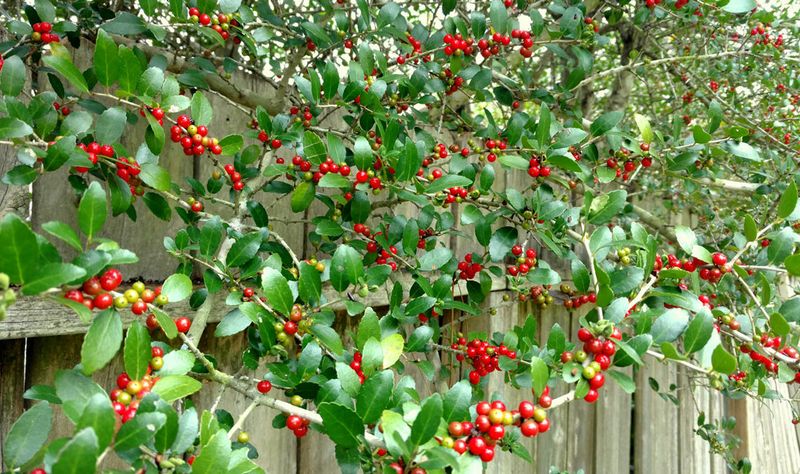
Every Texas neighborhood has at least one street lined with crape myrtles, and for good reason – they bloom hard and handle heat. But if your goal is to support wildlife through more than just one season, there is a tough, evergreen native that deserves a closer look.
Yaupon holly grows across much of Texas, feeds birds and pollinators at different times of year, and keeps its leaves when everything else goes bare. Knowing when and why to choose it over the default can make a real difference in how your yard functions.
Choose yaupon for wildlife value, not a universal ranking
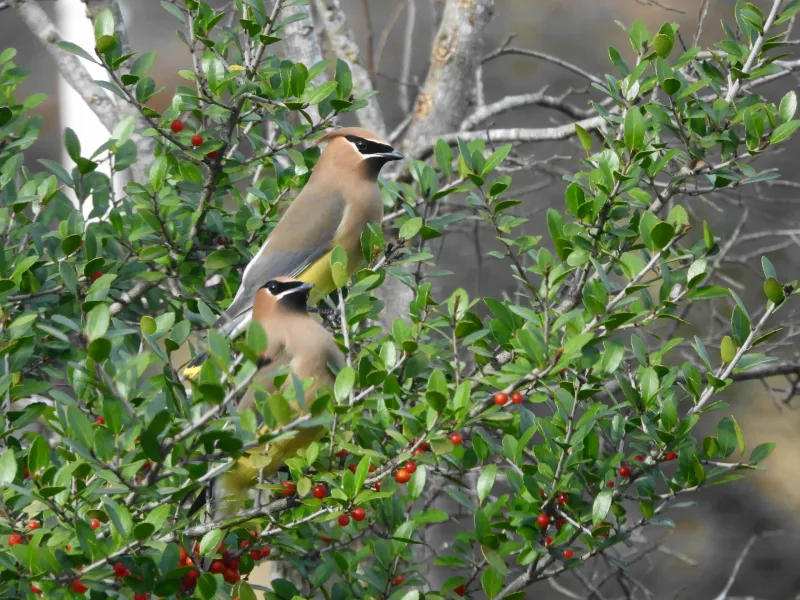
Yaupon holly, Ilex vomitoria, earns its place in Texas landscapes not because it beats every other plant on every measure, but because it packs a specific combination of seasonal benefits that most ornamentals simply cannot match. When a homeowner’s priority is wildlife food, cover, and butterfly-host value from a single compact plant, yaupon delivers across multiple seasons in ways that crape myrtle, however attractive, is not designed to do.
That is the comparison worth making – purpose-based and site-dependent, not a blanket ranking.
Crape myrtle is a non-native Asian ornamental, and UGA Cooperative Extension research on crape myrtle pollinator preferences confirms that its flowers are visited by native bees and honey bees, so it should not be dismissed as wildlife-free. Where crape myrtle falls short is in what happens the rest of the year: no persistent fruit, no evergreen shelter, and no documented larval host relationship with native butterflies.
Yaupon, by contrast, offers small spring flowers for pollinators, red berries on pollinated female plants from fall into winter, year-round evergreen cover, and a documented role hosting the larvae of certain native butterflies.
Texas A&M’s Plants of Texas Rangelands profile for yaupon describes it as a native shrub or small tree found across a wide range of Texas habitats, reinforcing its regional fit for homeowners who want a plant adapted to local conditions. The USDA Forest Service’s Woody Plant Seed Manual also notes that crape myrtle is not native to North America, which is the accurate distinction – not that every cultivar is invasive or harmful by definition.
You do not need to remove an existing crape myrtle to benefit from adding yaupon. A healthy ornamental can stay while yaupon fills the habitat gaps it cannot cover.
Its wildlife resources arrive in different seasons
Yaupon’s wildlife value does not arrive all at once – it unfolds across the calendar in distinct pulses. In spring, the plant produces small white flowers that may look unremarkable from a distance but attract bees and other pollinators for several weeks.
That early-season nectar source fills a window when many landscape plants are not yet blooming, giving native bees and other insects a reliable stop during a critical foraging period.
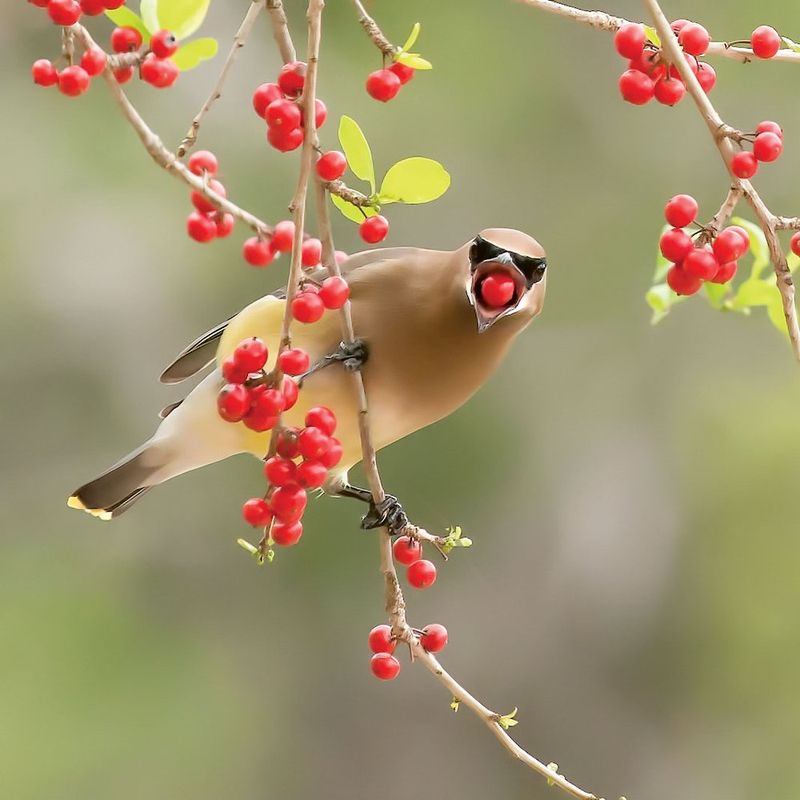
Later in the year, pollinated female plants develop small red berries that typically ripen from fall into winter. USDA Forest Service research on yaupon identifies songbirds, deer, squirrels, raccoons, and quail among the wildlife that use the plant, though the exact visitors at any site depend on local species and food availability.
Birds can strip a heavily fruited plant in a matter of days, so berry persistence varies considerably from yard to yard and season to season.
Beyond flowers and berries, wildlife may also browse yaupon foliage and twigs during lean periods. The USDA Southern Research Station’s dedicated yaupon report notes foliage browsing as a documented use, adding a third type of resource on top of the flower and fruit contributions.
Taken together, these overlapping seasonal functions are what “feeds wildlife through multiple seasons” actually means for yaupon – not a single continuous food stream, but a rotating set of resources that serve different animals at different times of year. Planting with that realistic picture in mind leads to much better outcomes than expecting nonstop berries from the first growing season onward.
Evergreen branches add shelter and host-plant value
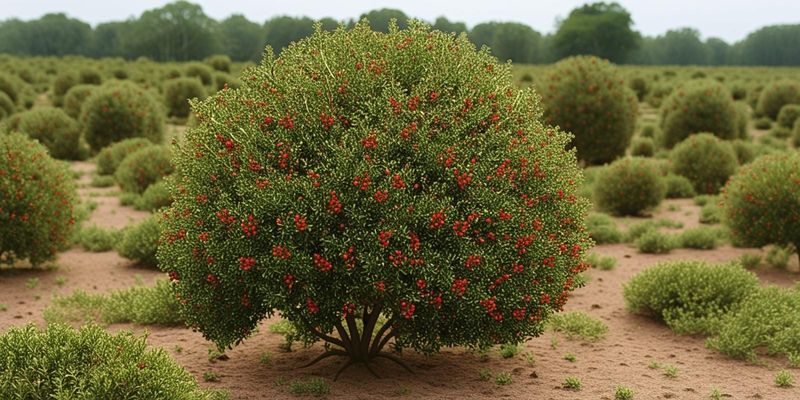
One of the clearest advantages yaupon holds over a deciduous crape myrtle is structural: it keeps its leaves all year. That persistent foliage and branching creates shelter and escape cover for birds and small animals outside the flowering and fruiting windows.
During cold snaps and periods when other food sources are scarce, the dense evergreen interior of a well-established yaupon can serve as a reliable refuge.
Potential nesting habitat is another benefit, though it depends on the season, the local bird community, and the plant’s size and density at any given time. The Texas A&M Tree Selector profile for yaupon lists wildlife cover among its landscape benefits, and the evergreen habit is the feature that makes that cover useful when deciduous plants are bare.
No single plant guarantees nesting, but a dense, mature yaupon offers the structural conditions that make nesting possible during appropriate seasons.
Yaupon also serves as a larval host plant for Henry’s elfin butterfly and the Holly Azure butterfly, a function that is separate from its adult nectar and berry resources. NC State Extension’s plant profile for yaupon holly documents both butterfly species as using the plant for larval development.
That host relationship means yaupon supports butterfly reproduction, not just adult foraging – a distinction that matters for gardeners trying to close the full life-cycle loop for native insects. A crape myrtle can attract adult pollinators, but it does not fill this larval role for any documented native butterfly species.
Decide whether you want a shrub or a trained tree
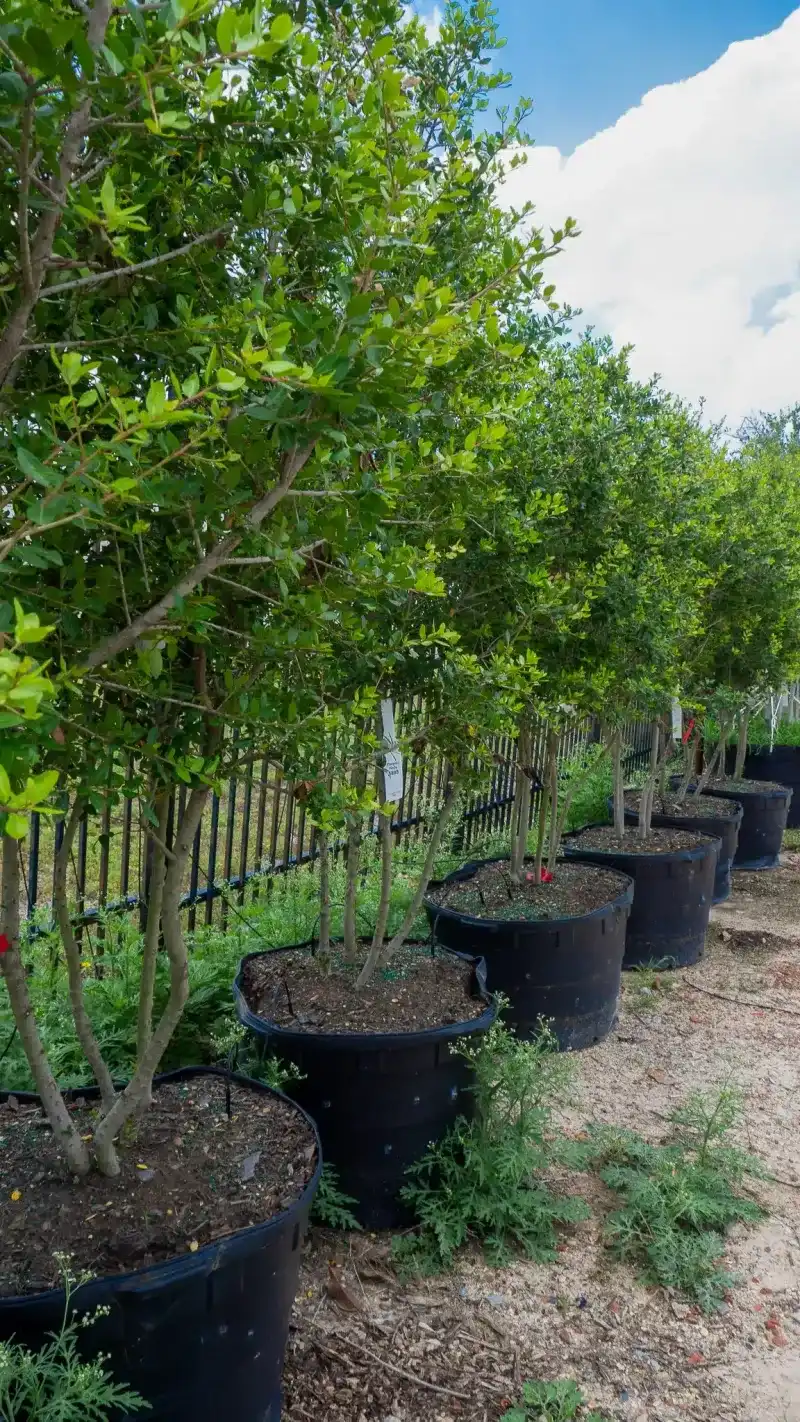
Before picking a cultivar or calling the nursery, get clear on the form you actually want. Yaupon holly is naturally a multi-stemmed shrub or small tree – it does not arrive from the ground already shaped like the ornamental trees most homeowners picture.
Texas A&M’s Plants of Texas Rangelands describes it as a dense, thicket-forming shrub or small tree, and that natural growth habit is worth understanding before the plant goes in the ground.
In landscapes, yaupon commonly reaches roughly 12 to 25 feet, though ultimate size depends on the cultivar, site conditions, and how much shaping the plant receives over time. Dwarf and compact cultivars stay considerably smaller and work well as low hedges or foundation plants.
Standard forms can be used as dense screens, informal hedges, multi-stem specimens, or gradually trained into a single-trunk small tree with a clear trunk and a rounded canopy above it. Each use case calls for a different selection and a different pruning approach from the start.
If you want the conventional tree silhouette, plan for several seasons of deliberate shaping rather than assuming the nursery plant will naturally grow that way. The Texas A&M Tree Selector confirms that yaupon can be used as a small tree, screen, or hedge, reinforcing its flexibility as a landscape plant.
Choosing the right form for the right spot – before the plant goes in the ground – saves years of corrective pruning and makes the difference between a plant that fits the space and one that overwhelms it.
Buy for berries and match the site before planting
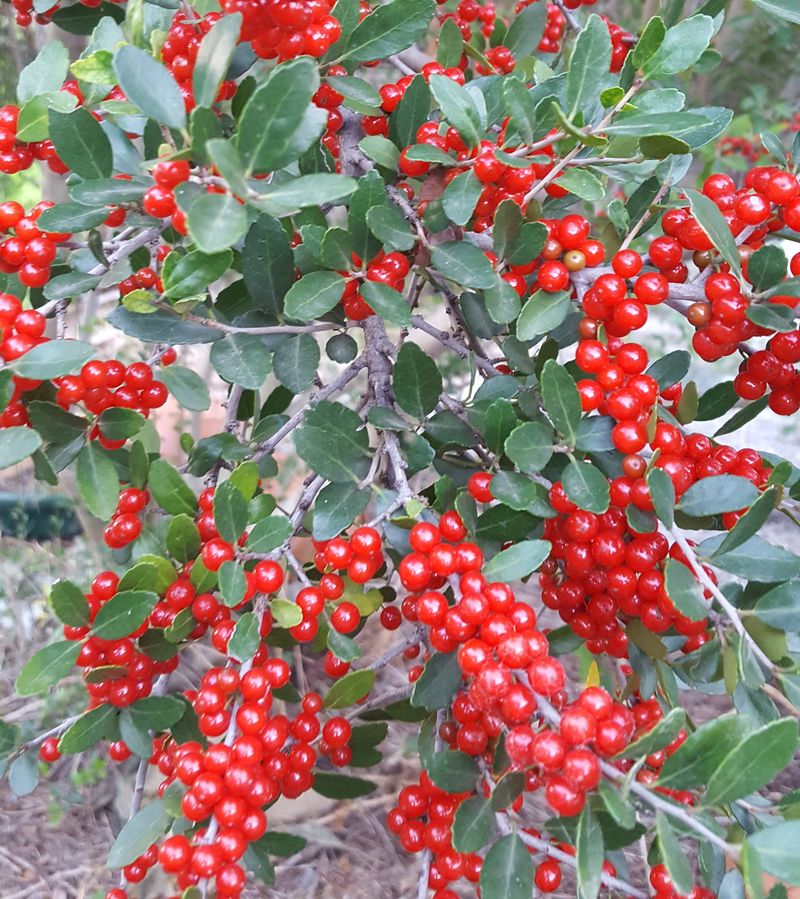
Berry production is the most common reason homeowners choose yaupon over other natives, and it is also the most commonly misunderstood part of the purchase. Male and female flowers occur on separate plants, and only pollinated female plants produce berries.
That means buying a single plant and expecting fruit is a gamble unless you already have a compatible male nearby or the nursery can confirm the plant’s sex and pollination arrangement. UGA Extension’s holly guidance is direct on this point: ask the nursery about sex, cultivar behavior, and whether a male pollinator is needed for the selection you want.
Sun exposure also shapes fruit production. Full sun encourages denser growth and better fruiting on female plants, so a partly shaded spot will usually yield fewer berries even on a healthy specimen.
Beyond light, match the plant to the site before committing to a cultivar. Evaluate mature width and height against available root space, overhead utility lines, proximity to structures, and soil drainage.
Yaupon is adaptable to a wide range of Texas soils, including alkaline and poorly drained conditions, but adaptable does not mean any site will work equally well.
Texas spans multiple ecoregions with sharply different rainfall, freeze patterns, and soil chemistry, and Texas A&M Forest Service guidance on right tree, right place is clear that tree selection should be regional and site-specific. A cultivar that performs well in the Piney Woods may not be the best pick for the Hill Country or the Coastal Bend.
Talking through site conditions with a nursery that carries Texas-sourced stock is the most reliable way to match cultivar, sex, and mature size to what your yard actually needs. The Texas A&M Tree Selector lists yaupon’s site tolerances and can help narrow the choice before the shopping trip.
Establish and shape yaupon with deliberate care
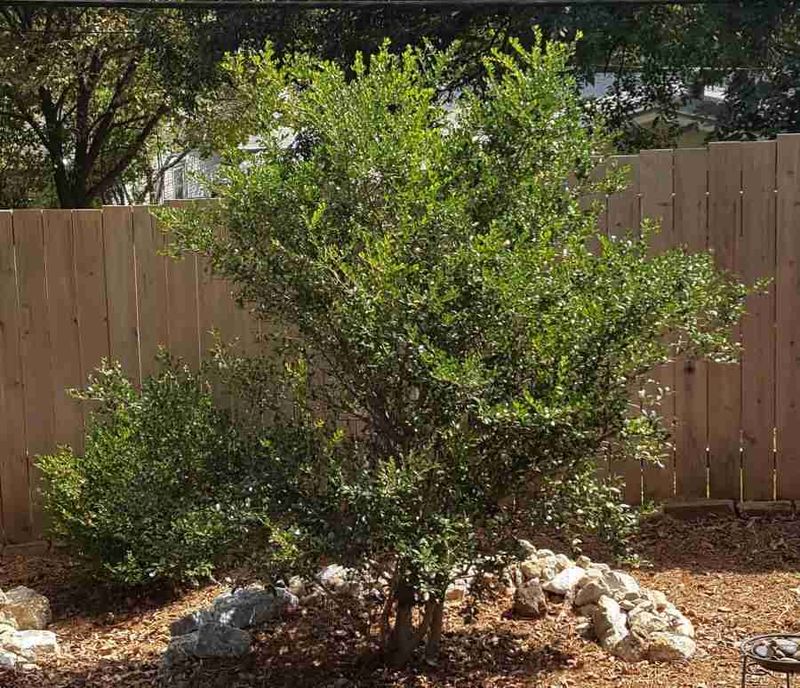
Yaupon’s reputation for toughness is well earned, but toughness during establishment still requires help. Newly planted specimens need supplemental water, especially through Texas heat and drought.
UGA Cooperative Extension’s native plant guide makes the point clearly: native status does not eliminate the need for establishment care, and drought-tolerant plants can still fail under extreme or prolonged dry conditions. Plan to water regularly through at least the first full growing season, and more frequently during summer heat waves.
Once the plant is settled, yaupon tolerates a wide range of conditions. The Texas A&M Tree Selector lists tolerance of drought, salty soil or sea spray, poorly drained sites, and alkaline soils – a combination that suits much of coastal and central Texas.
Partial shade is acceptable, though a sunnier spot will produce denser growth and better berry set on female plants. That tolerance is real, but it applies to an established plant, not one still building its root system in its first Texas summer.
Shaping yaupon into a tree form is a gradual process, not a one-time cut. Texas A&M AgriLife Extension’s Earth-Kind pruning guidance recommends light, deliberate pruning for hollies, with care taken not to remove developing fruit.
To create a clear trunk, remove competing lower stems gradually over two or three seasons rather than stripping them all at once. That approach gives the plant time to redirect energy upward and reduces stress.
Avoid shearing the plant into a ball – that creates dense outer foliage that shades out interior branches and reduces both wildlife value and long-term plant health. The goal is an open, layered structure that lets light reach the interior and gives birds room to move through the canopy.
Account for berries, fire risk, and household safety
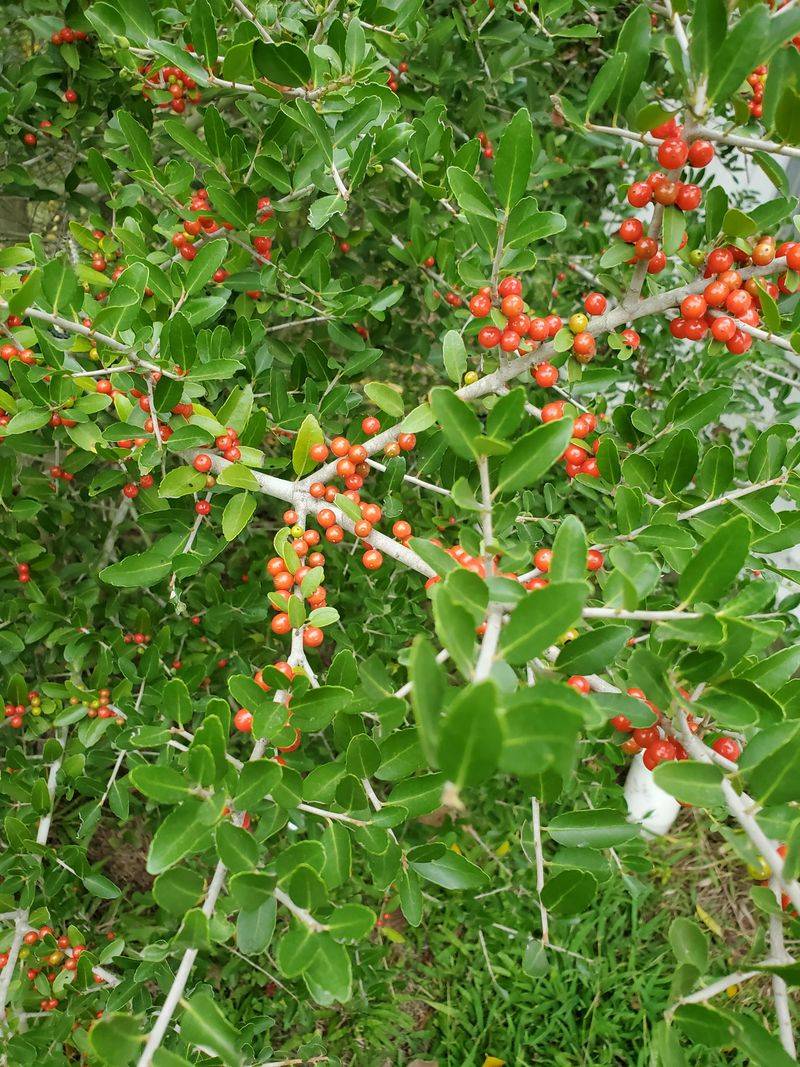
The red berries that make yaupon so valuable to birds and wildlife are not safe for people or pets to eat. Poison Control’s guidance on holly berries states that ingestion can cause nausea, vomiting, and diarrhea in people, including children after small amounts.
Treat the berries as ornamental wildlife food, not as a human food source. If young children or curious pets spend time in the yard, plant yaupon where berry drop can be monitored, and talk to anyone sharing the space about keeping the fruit off the table and out of reach.
Pet owners have an additional reason for care. The ASPCA’s toxic plant list includes holly species as potentially harmful to dogs and cats.
Birds can eat the berries without trouble, but the same is not true for household animals. Planting yaupon in a fenced area or in a part of the yard that dogs do not access freely is a practical way to get the wildlife benefit without the household risk.
Fire risk is a separate concern for homeowners in wildfire-prone areas. NC State Extension’s yaupon holly profile rates the plant as highly flammable, which matters for firewise landscaping.
Avoid planting it directly against structures or in the zone closest to the house if your property sits in or near a fire-risk area. Spacing, placement away from buildings, and maintaining the plant without excessive dead wood inside the canopy all reduce that risk without eliminating the wildlife benefit.
Finally, yaupon leaves do contain caffeine and have a documented history in traditional beverages, but UF/IFAS guidance on yaupon does not endorse casual home preparation. Without specialist knowledge of processing methods and safety protocols, preparing yaupon tea at home is not something to attempt casually.
Fill the habitat gaps in your own yard
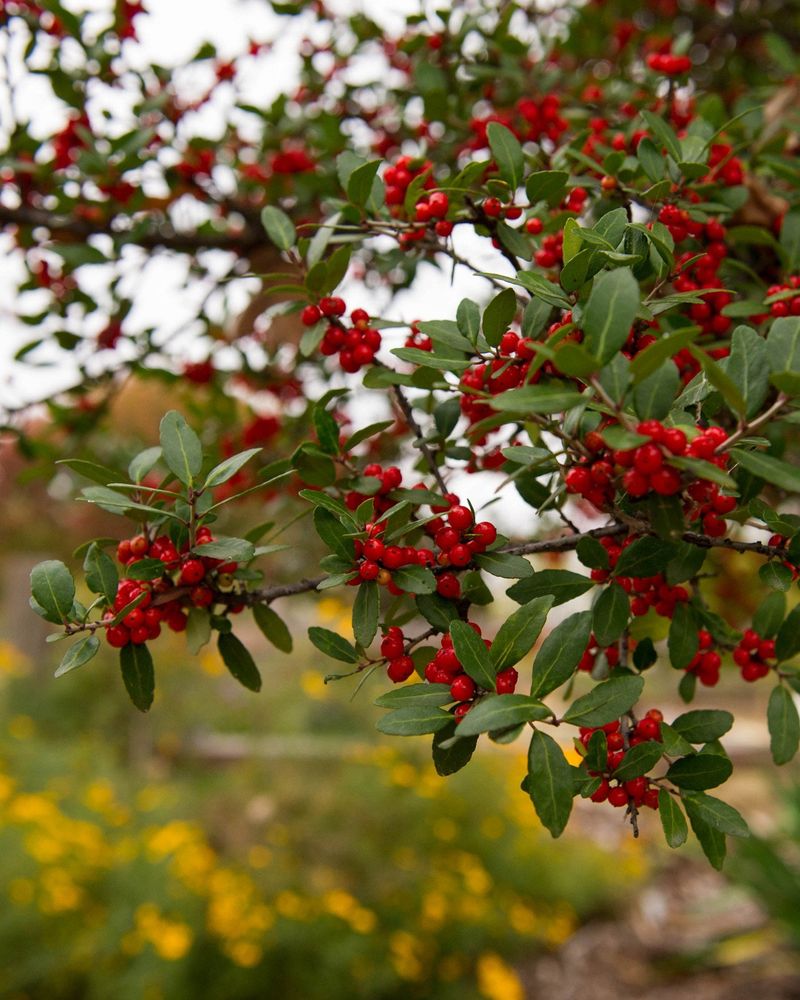
The best plant for your yard is the one that fills the function your yard is currently missing. If you already have a healthy crape myrtle and it is doing its job as an ornamental with some pollinator value, adding a properly sited yaupon nearby closes the gaps that crape myrtle cannot fill: evergreen shelter through winter, fall-to-winter fruit for birds and small mammals, and larval habitat for native butterflies.
Texas A&M’s yaupon profile captures why this plant earns consideration as a multi-function native, and the case for it grows stronger when the goal is a yard that works across the full year rather than just during bloom season.
Site the plant correctly, confirm the sex before you buy if berries matter to you, water through establishment, and choose a form – shrub, screen, or trained tree – that fits the space. Texas A&M Forest Service’s right-tree guidance applies here as much as anywhere: match the plant to the site, not the other way around.
Yaupon is not the single best choice for every Texas ecoregion or every yard, but for homeowners who want a compact, evergreen native that delivers spring nectar, possible fall fruit, and year-round cover from one plant, it is one of the strongest options the state has to offer. A yard that combines both plants gets the ornamental payoff of the crape myrtle and the ecological depth of the yaupon – and that is a combination worth planting.